Confirm the layers before choosing
Compatibility depends on the existing membrane, attachment, cover board, insulation and any coating already in place. A repair product must bond to a clean, prepared surface and tie into sound material. A recover can add weight and create new moisture or drainage concerns if those layers are not evaluated. We record confirmed conditions and identify areas that need a test opening. Johns Manville and Sika Sarnafil systems each call for matching materials and detail work to the selected assembly rather than mixing components by convenience.
Pay attention to transitions
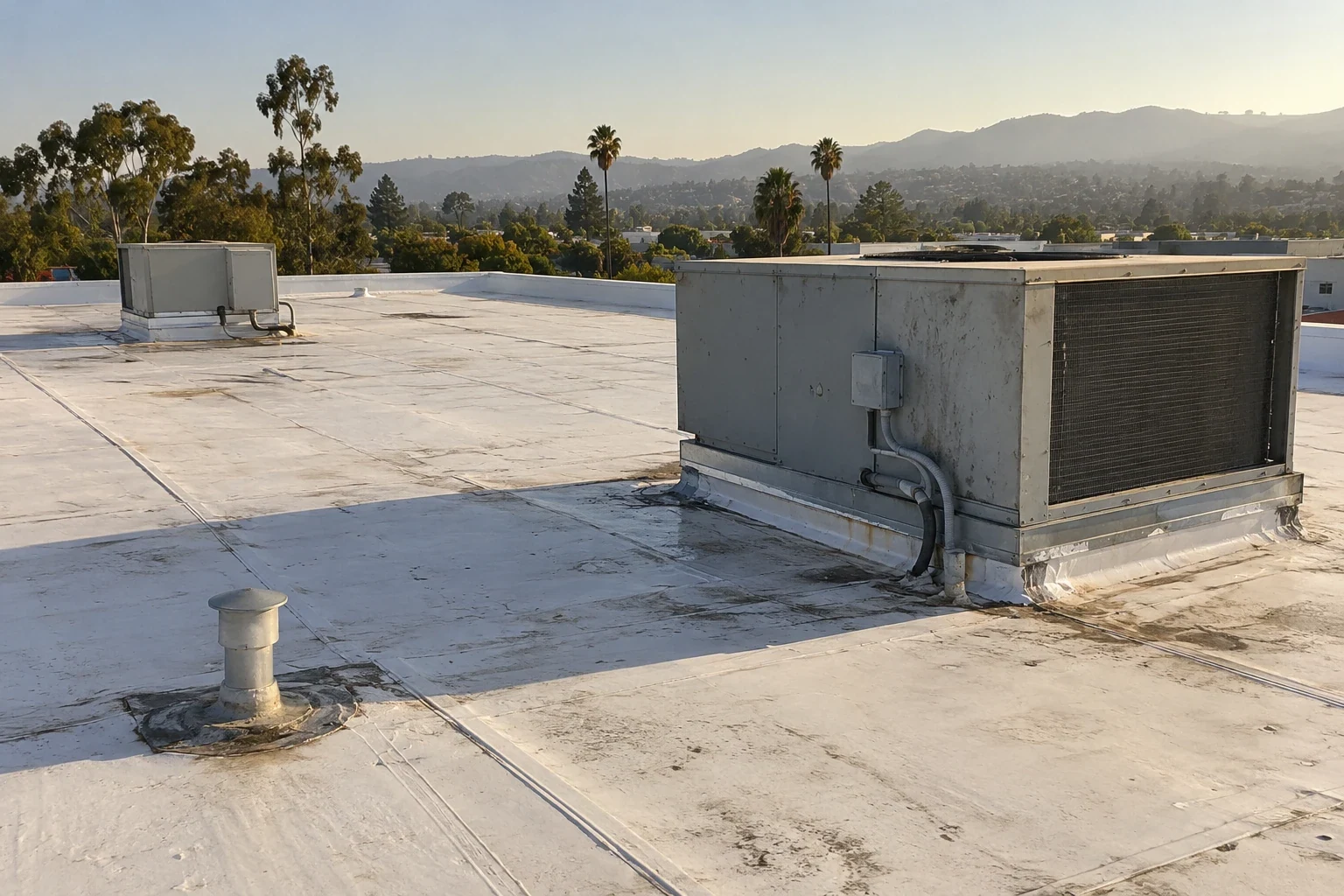
Roof leaks often begin where one material meets another: at wall flashings, curbs, drains, edge metal and penetrations. Manufacturer details specify how those transitions should be formed, welded, adhered or sealed. We check whether the field condition can accept the specified detail and whether existing materials need removal. Versico and Soprema product families may be relevant to different low-slope assemblies; the actual selection follows the roof system, not brand preference. Duro-Last is evaluated on the same basis of substrate, detail and intended use.
Repair, restore or replace
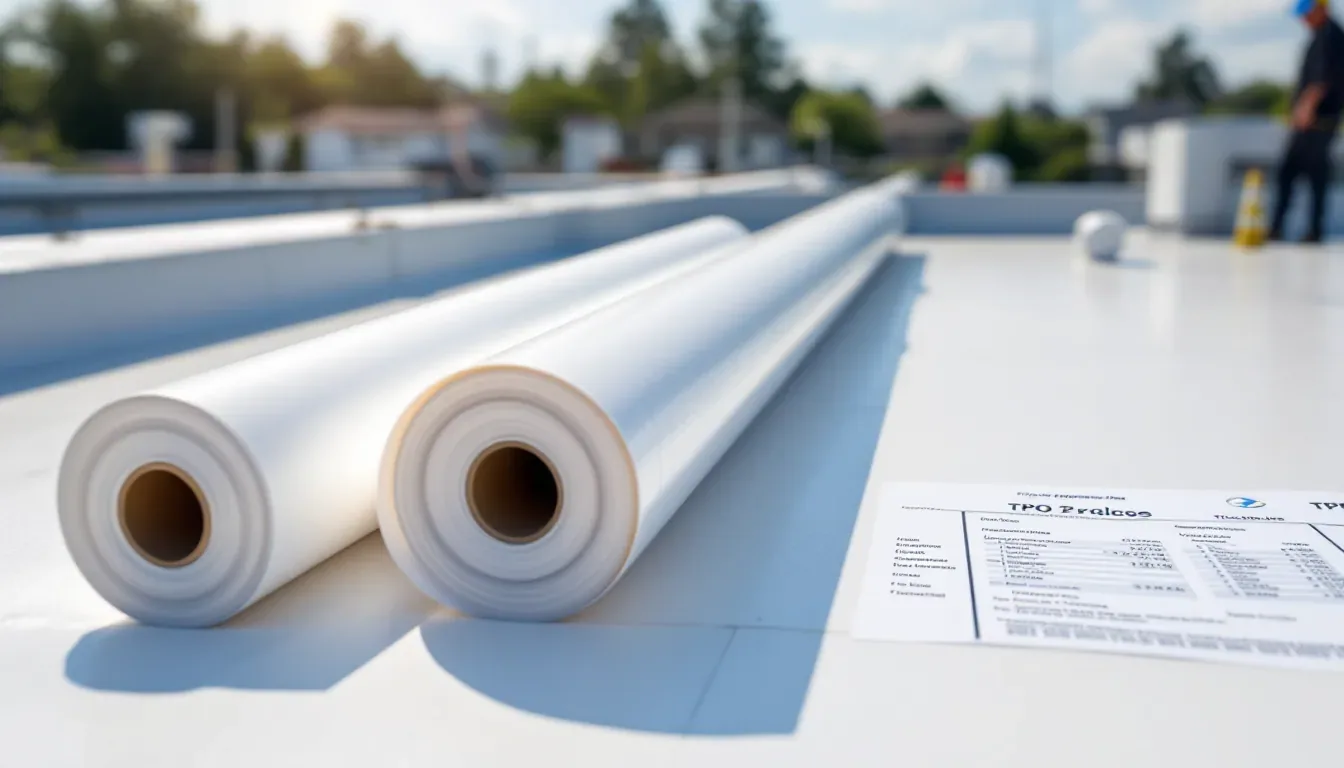
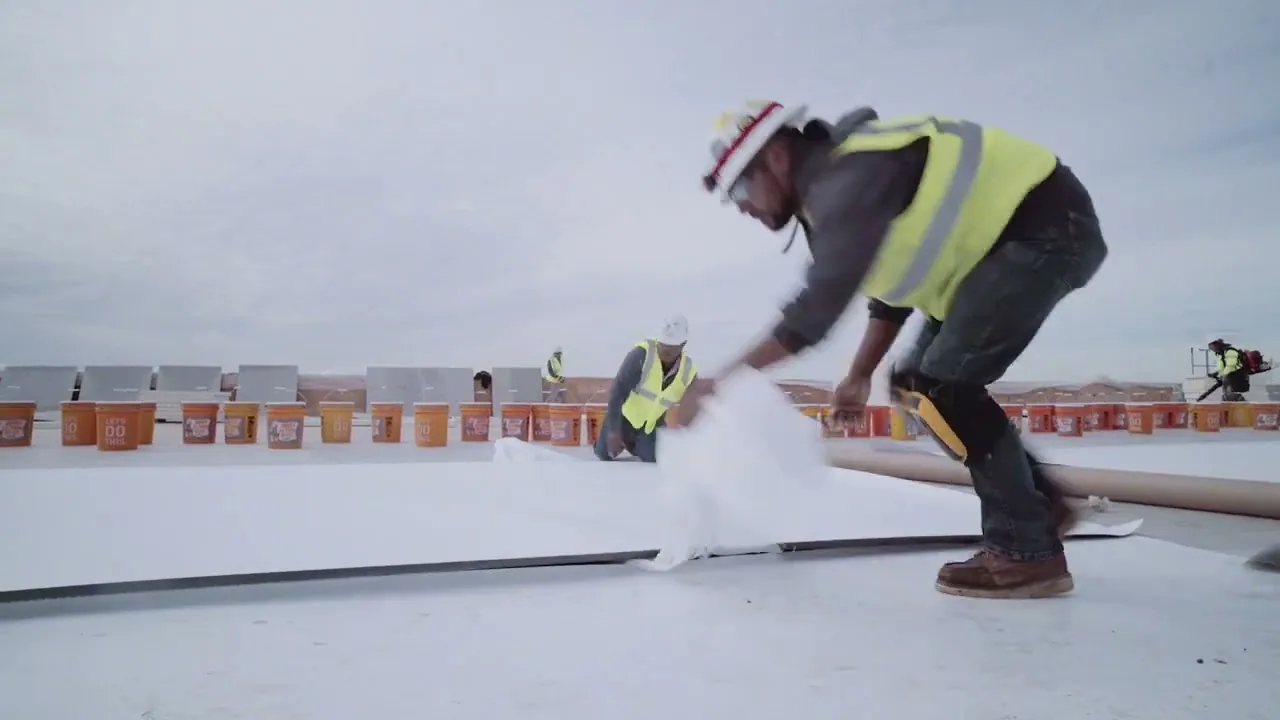
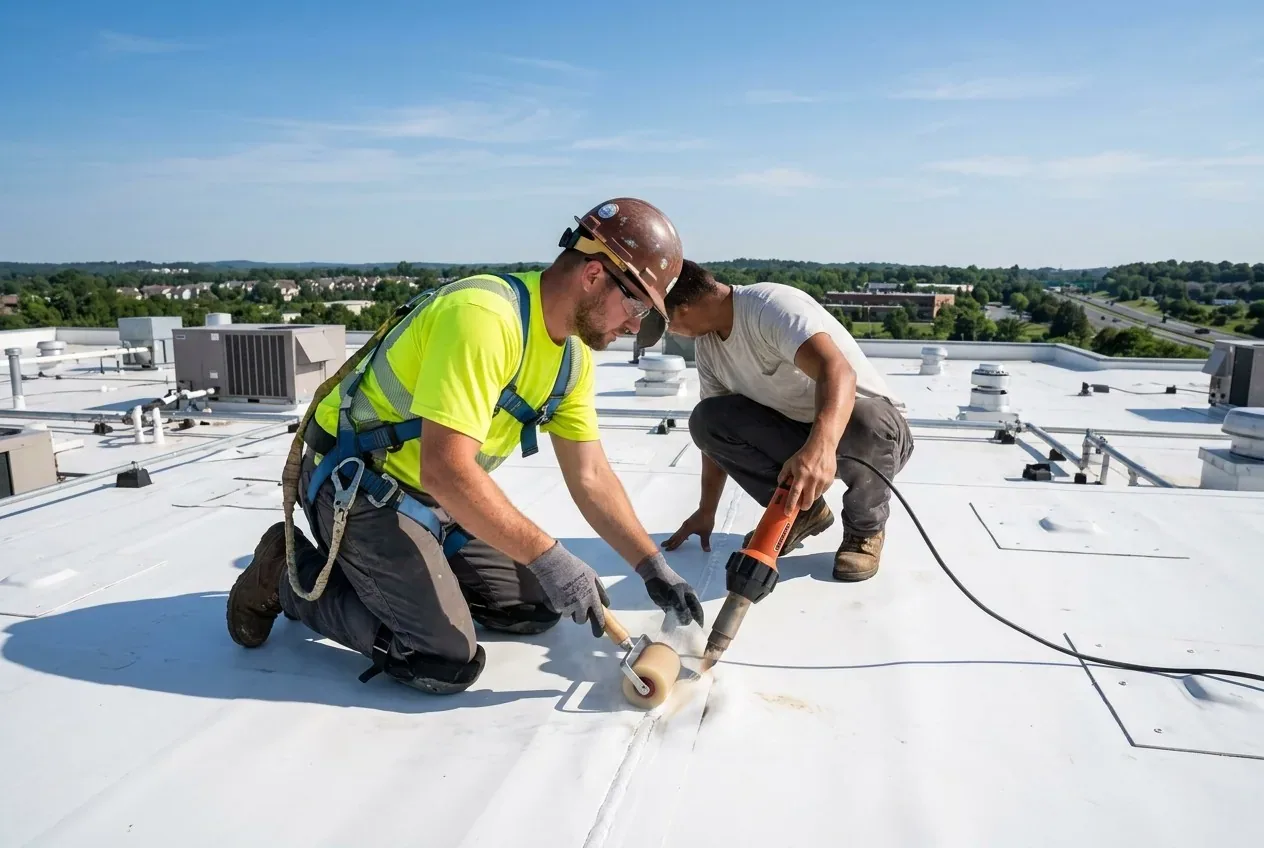
A localized defect may allow a manufacturer-compatible repair. Broader seam failure, brittle membrane or wet insulation may call for a different scope. Coating systems require suitable adhesion, dry substrate and a sound base; they do not correct unresolved leaks. We compare the confirmed condition with manufacturer installation requirements, then explain where the detail departs from a standard repair. The scope records product type, preparation, tie-in and exposed area protection. TPO roofing, PVC roofing and silicone restoration each involve distinct field procedures.
Account for the operating setting
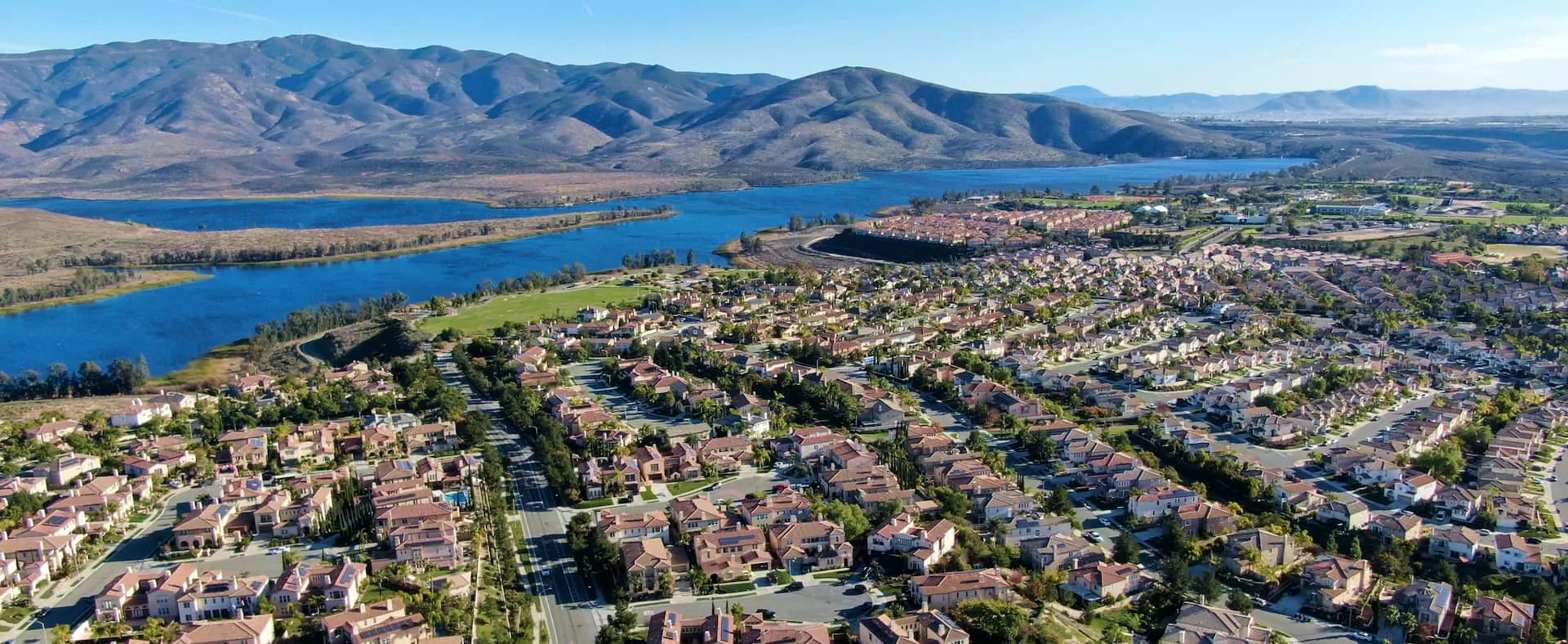
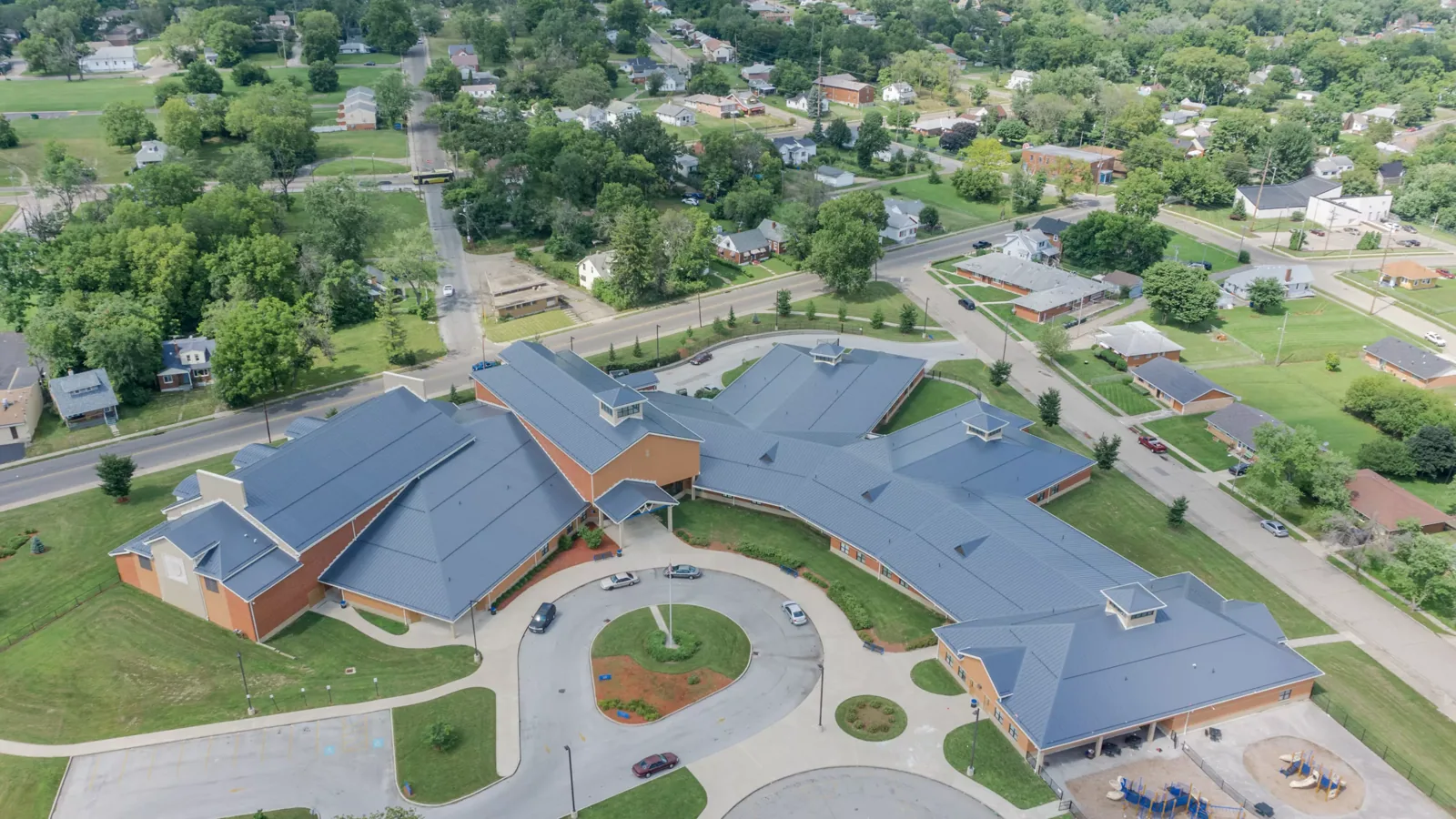
Chula Vista’s commercial mix includes technology, manufacturing, offices, retail and cross-border trade. Local job districts run from the waterfront and Montgomery through Otay Valley, with newer employment areas farther inland. Those settings can create different access and scheduling demands, but they do not prove a roof’s material or condition. The Bayfront plan includes marine-related offices, retail and marina support. Coastal air and winter rain inform inspection timing where relevant; the roof surface, drainage and material layers determine the work.
Keep product decisions traceable
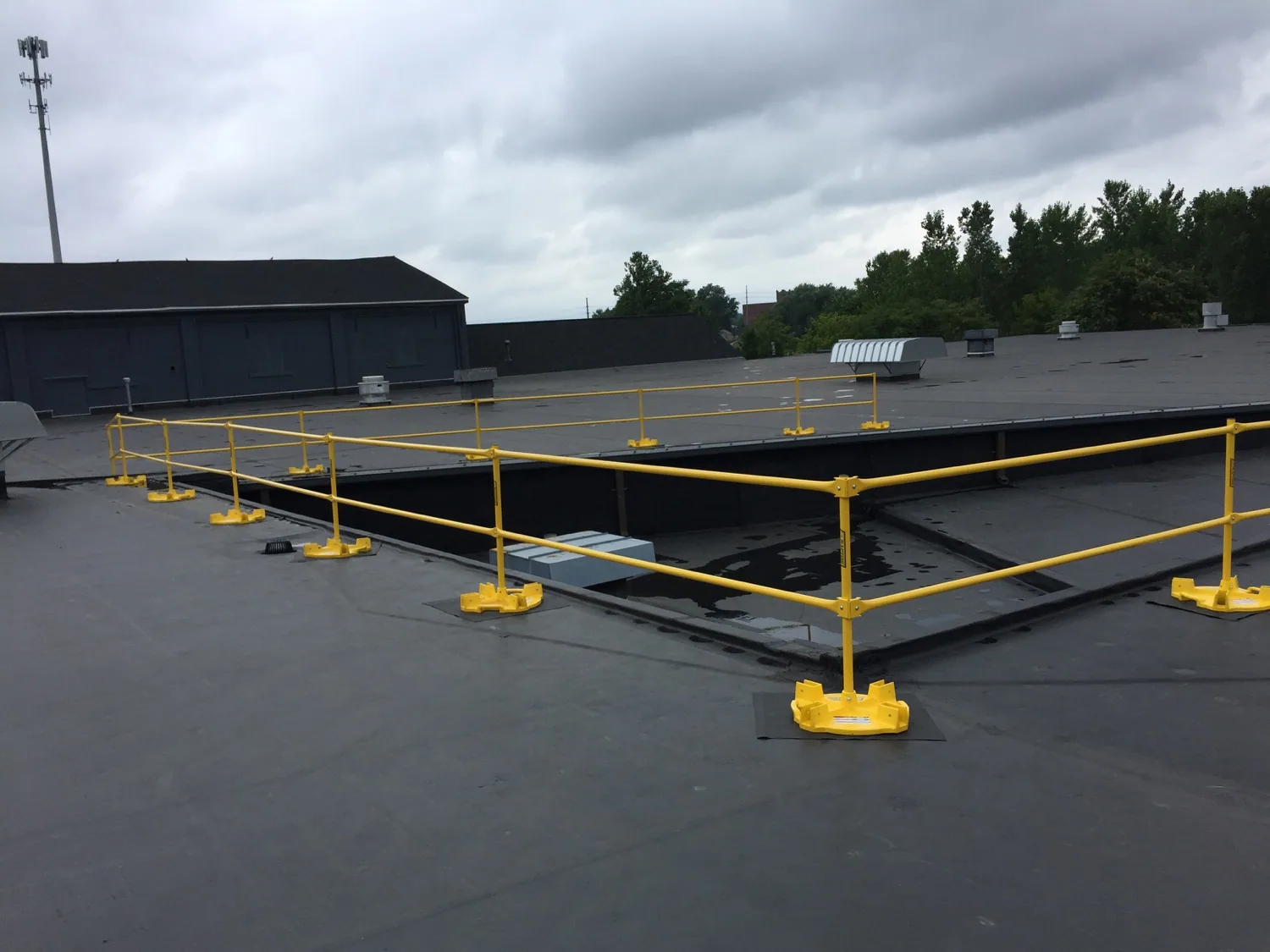
A useful closeout records the system installed, the repaired zone, photos, preparation steps and any follow-up needed. Warranty requirements are checked against the actual system and project documents; no term or approval is assumed. For a leak, we document the entry and repair boundary. For a larger project, we identify what is removed, what remains and how open areas will be protected. A warranty record can keep submittals and maintenance events organized. Share the building, existing system if known and the affected roof zone to arrange a walk.
Commercial Roofing Questions
Does the brand name set the repair?
The existing roof and field condition govern compatibility. We check the assembly before specifying materials and preparation.
Do you claim manufacturer certification?
We identify the installed system and follow its published repair and installation requirements.
When is a product warranty relevant?
Project records and system requirements determine applicable warranty steps; no coverage or approval is assumed.
What should a product submittal include?
The scope identifies the selected system, components, installation details and any substrate preparation required for the roof.