Map the Roof to Production Areas
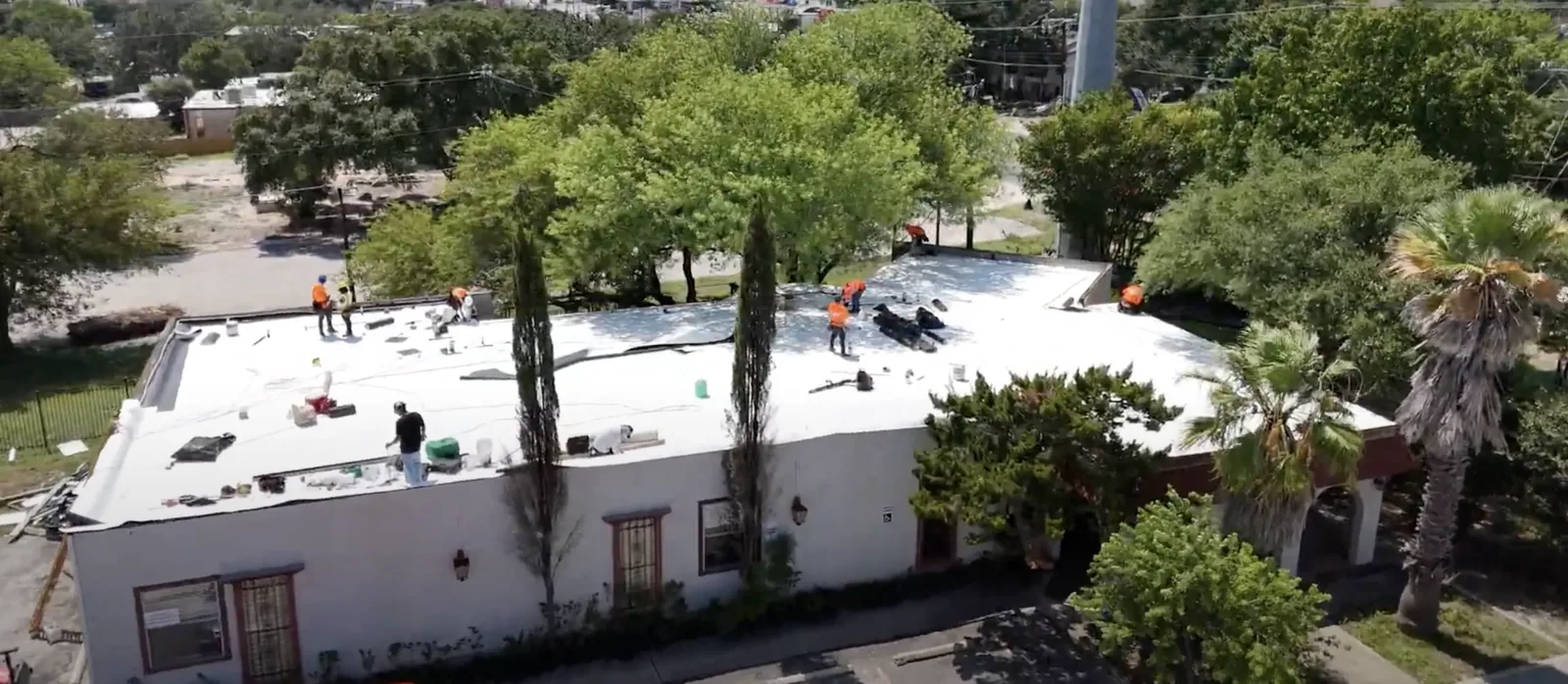
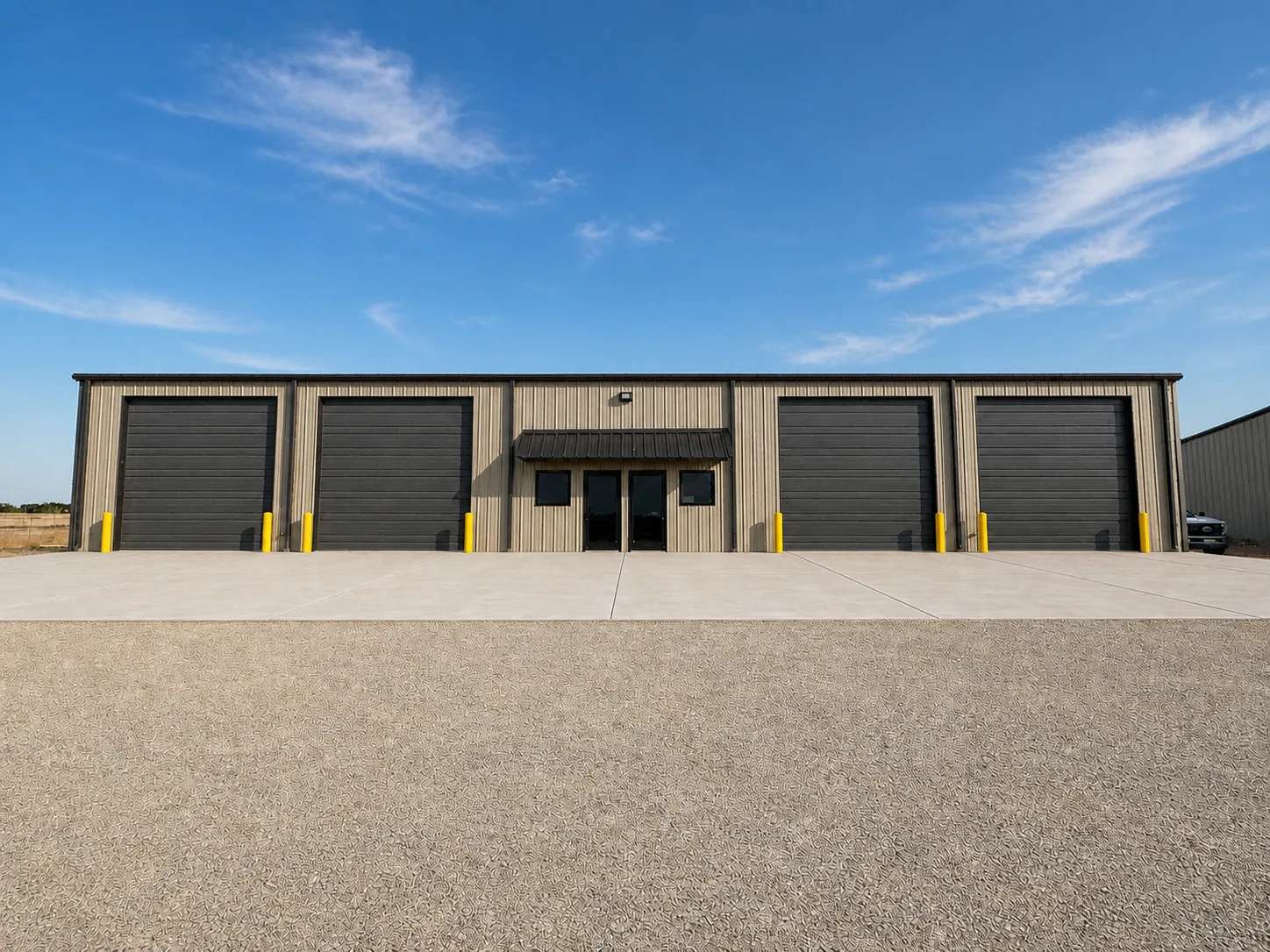
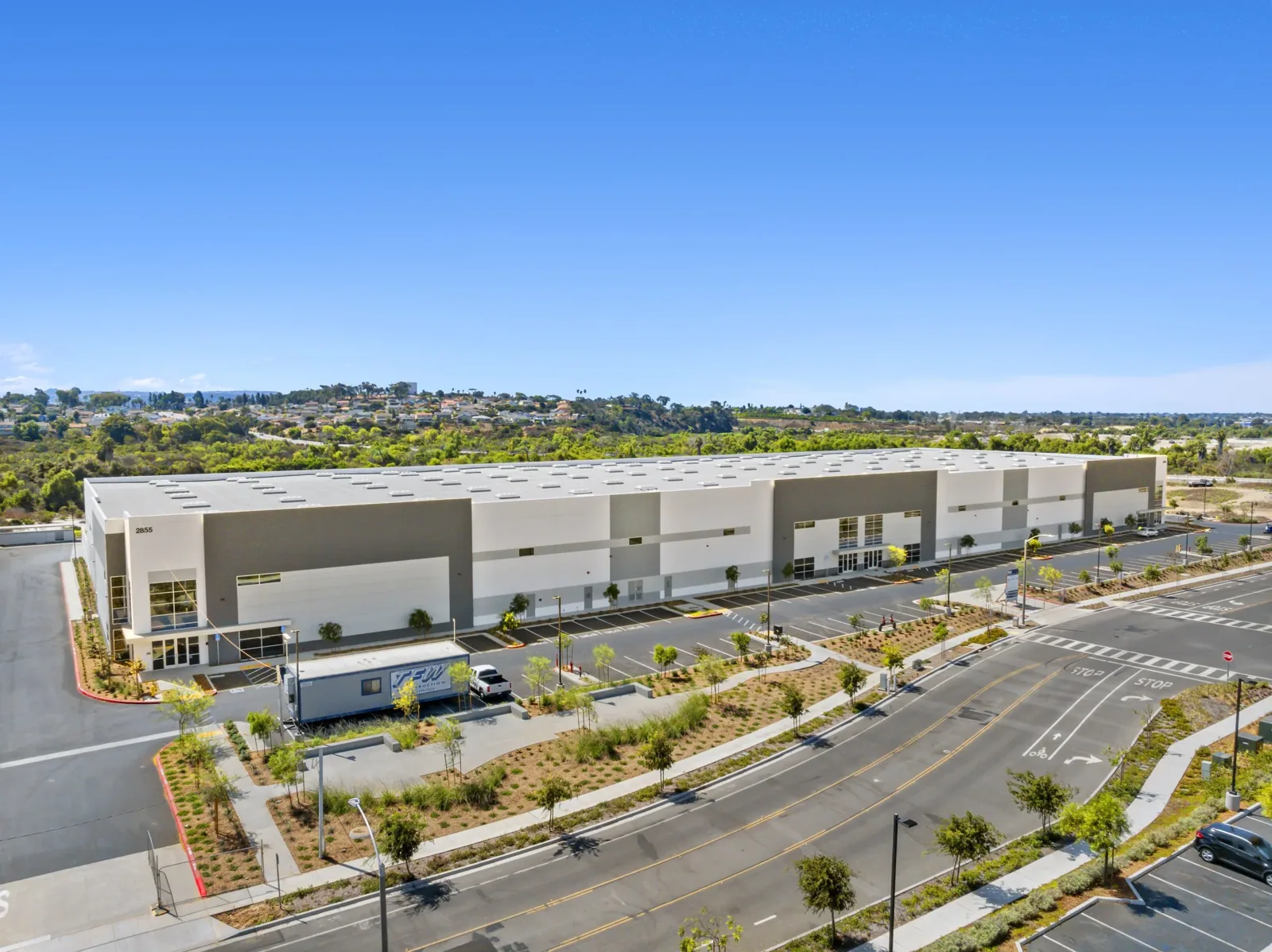
A plant roof can serve production bays, offices, maintenance rooms and utility areas under one continuous membrane. We map the affected interior location to a roof zone and identify what equipment sits below it. That step helps locate overhead hazards, sensitive machinery and access restrictions before cutting or fastening. If the leak is over an active process area, we coordinate protection below and schedule the work when the space can be isolated safely.
Chula Vista’s eastern employment framework includes technology and manufacturing opportunities near the SR 125 corridor, alongside offices and commercial uses. At an operating plant, an equipment shutdown or delivery window may matter as much as the membrane repair. We confirm actual production windows with the facility rather than infer them from the business type. A phased occupied-building approach can separate work by roof zone while production continues in unaffected areas.
When production lines use overhead piping or cable trays, a roof opening can expose more than insulation. We identify the line or room below, confirm who owns utility isolation and keep debris and water away from equipment. Leak tracing can establish whether an entry is at a vent, curb, seam or adjacent flashing before the repair footprint is set.
Inspect Exhausts and Roof Penetrations
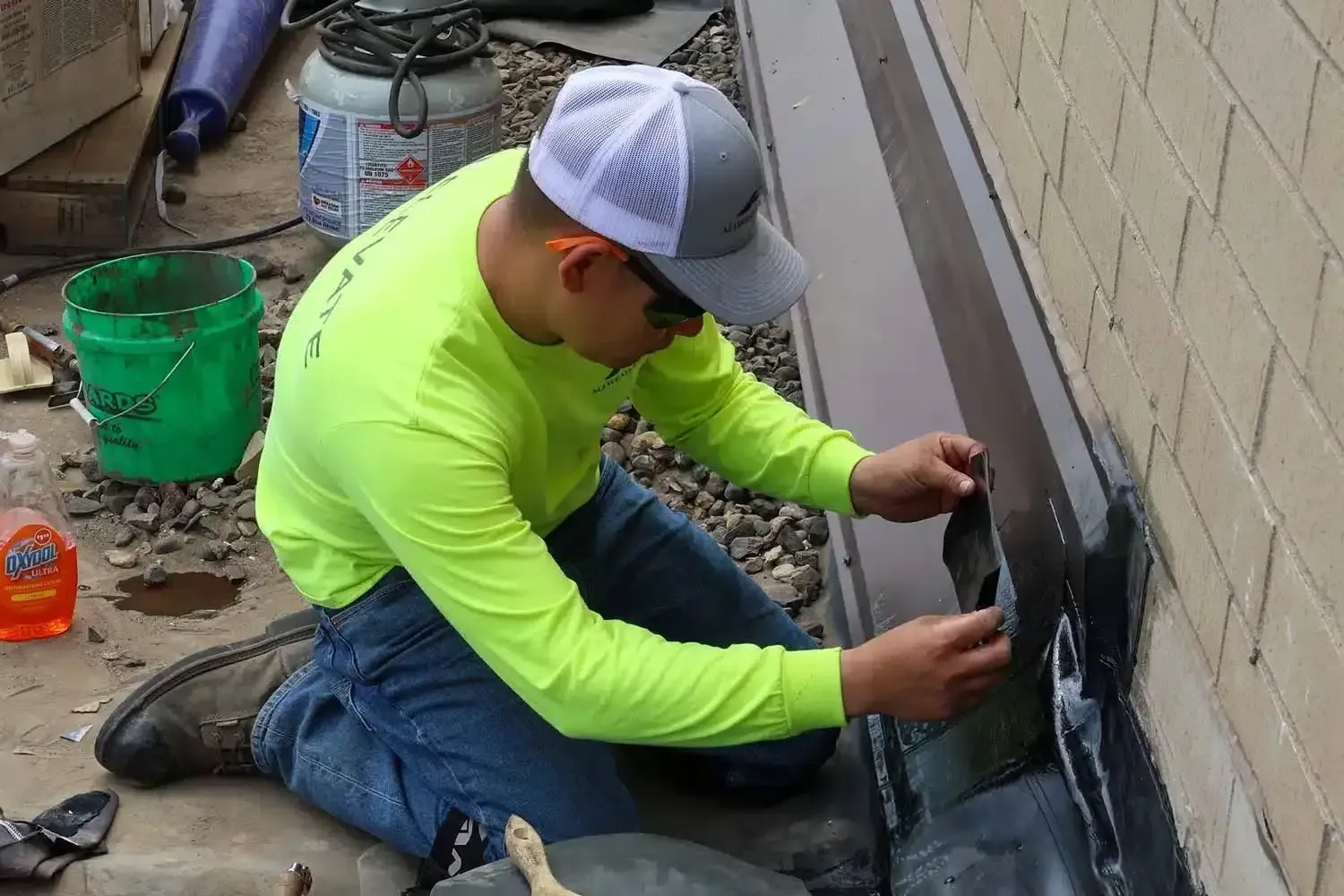
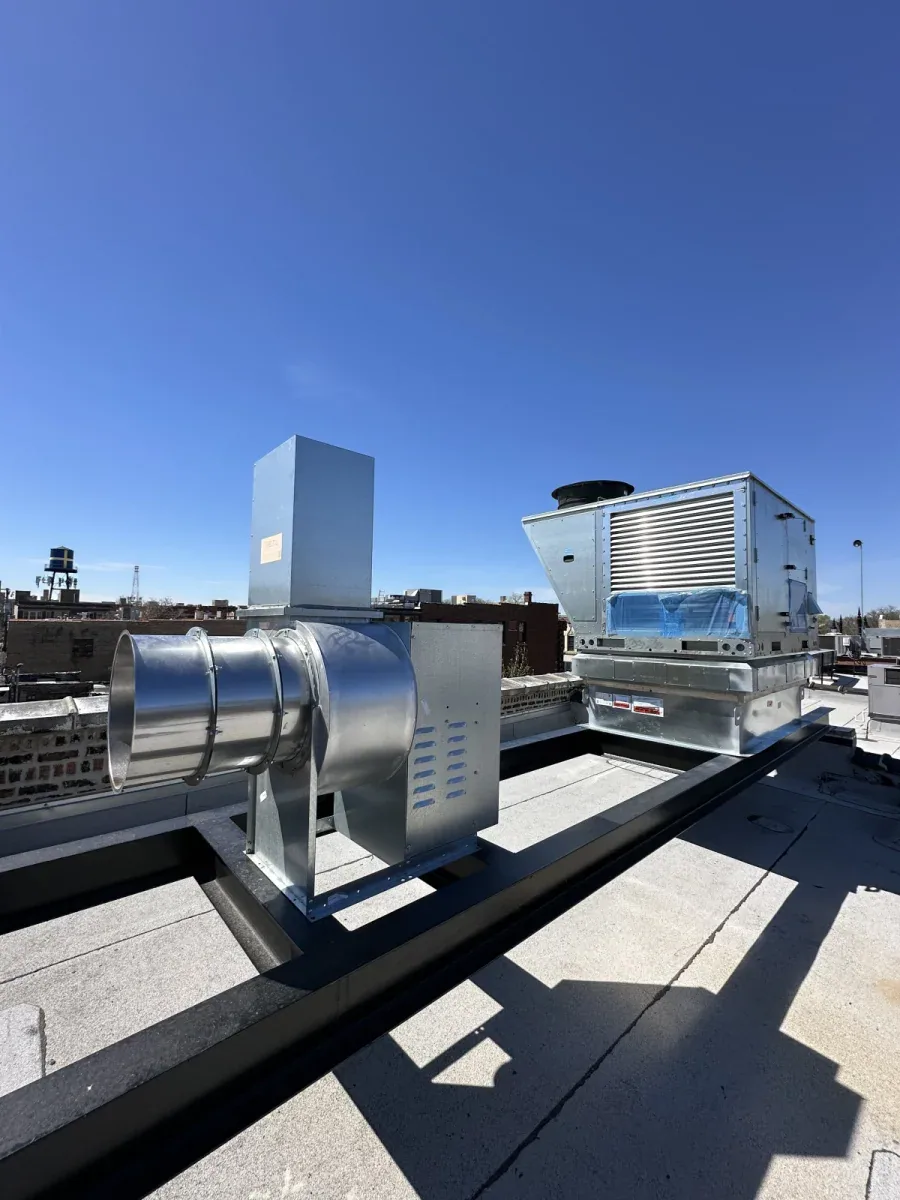
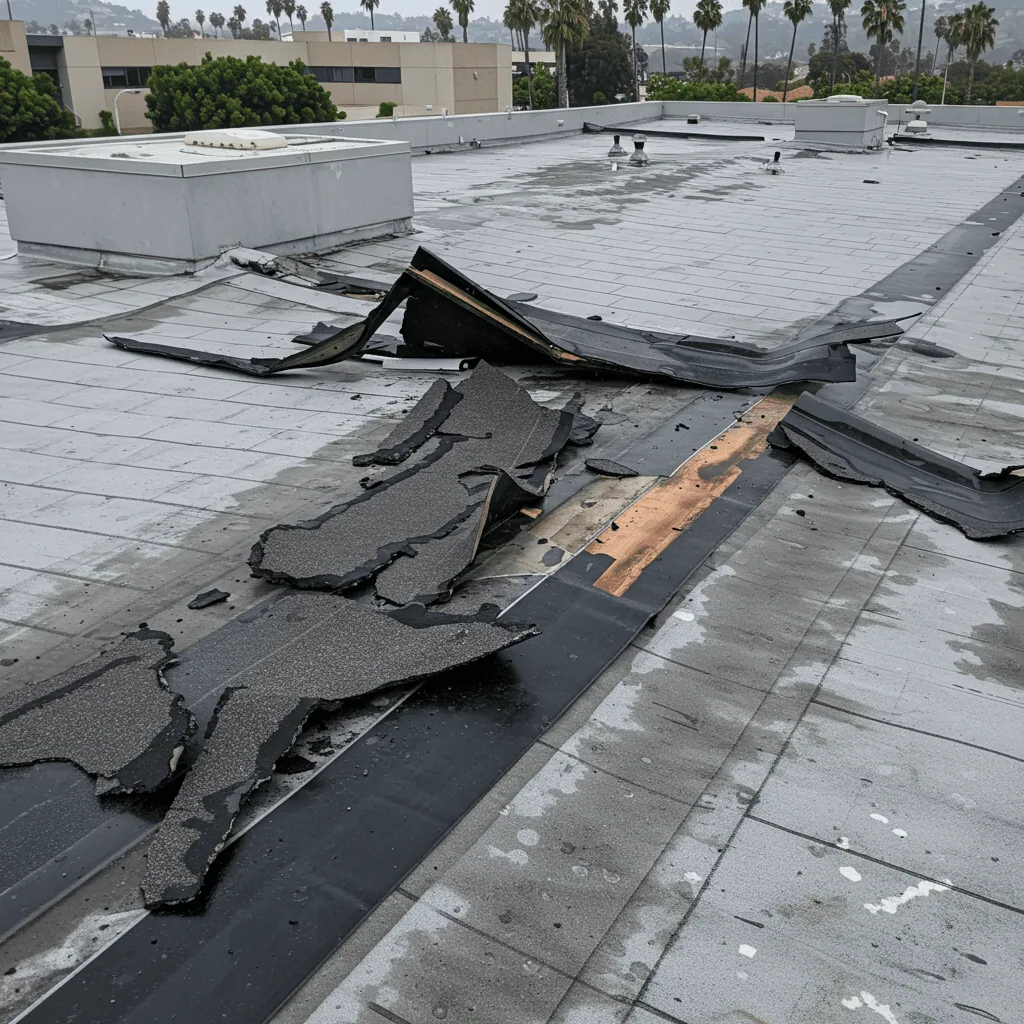
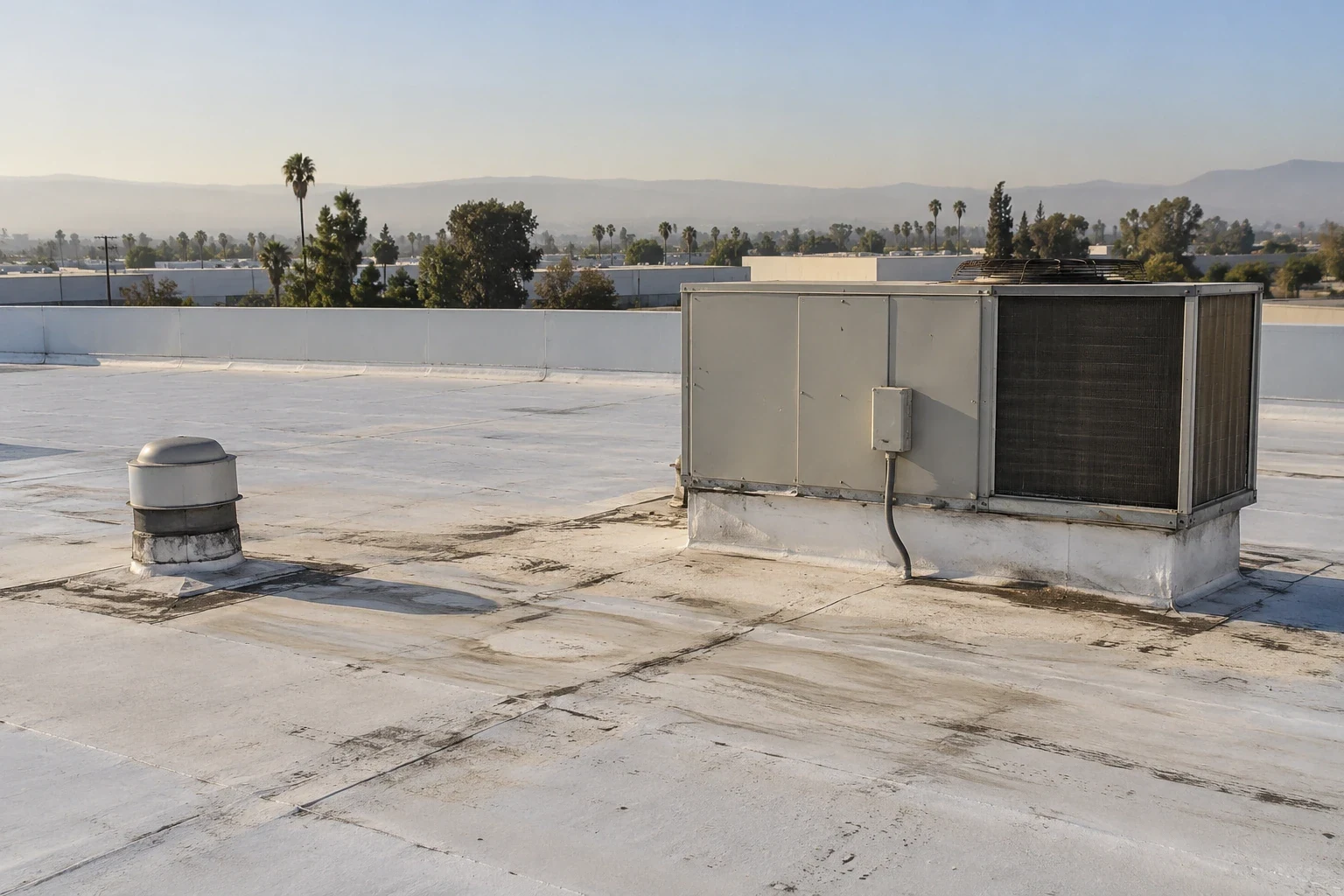
Exhaust stacks and process vents can carry vibration, heat and service movement into the roof detail. We inspect the curb, boot or pitch pan, checking for open seams, loose counterflashing, unsupported lines and sealant that has pulled away. The material must remain compatible with the roof membrane and the conditions at that penetration. Where the equipment needs adjustment, we coordinate with the plant’s mechanical contractor before closing the flashing.
A rooftop unit may be stable while the membrane around its curb has failed. We inspect curb corners, base flashing and adjacent seams, then check whether a repair can reach sound roof material. A new exhaust or conduit should not leave an abandoned opening hidden under a cover plate. The old roof layer must be closed with a detail suited to the assembly. Curb and support repairs can address the roof interface after the equipment scope is coordinated.
Drainage matters around process equipment because curbs, stands and pipe supports can create debris pockets. We clear accessible outlets when included and check whether water flows around the equipment rather than collecting against the flashing. If a low area remains, we document its edges and consider whether insulation slope, deck condition or a blocked outlet is responsible. A drainage correction can be scoped separately from the penetration repair.
Choose Materials for the Existing Roof
Plant roofs can include single-ply membranes, modified bitumen, built-up roofing, coated foam or metal. A compatible repair starts with identifying the assembly and any prior coating or patch. We check adhesion, seam condition and the substrate before applying new material. If multiple layers cover the original roof, a selective opening may clarify what remains sound and where insulation or deck repair is needed.
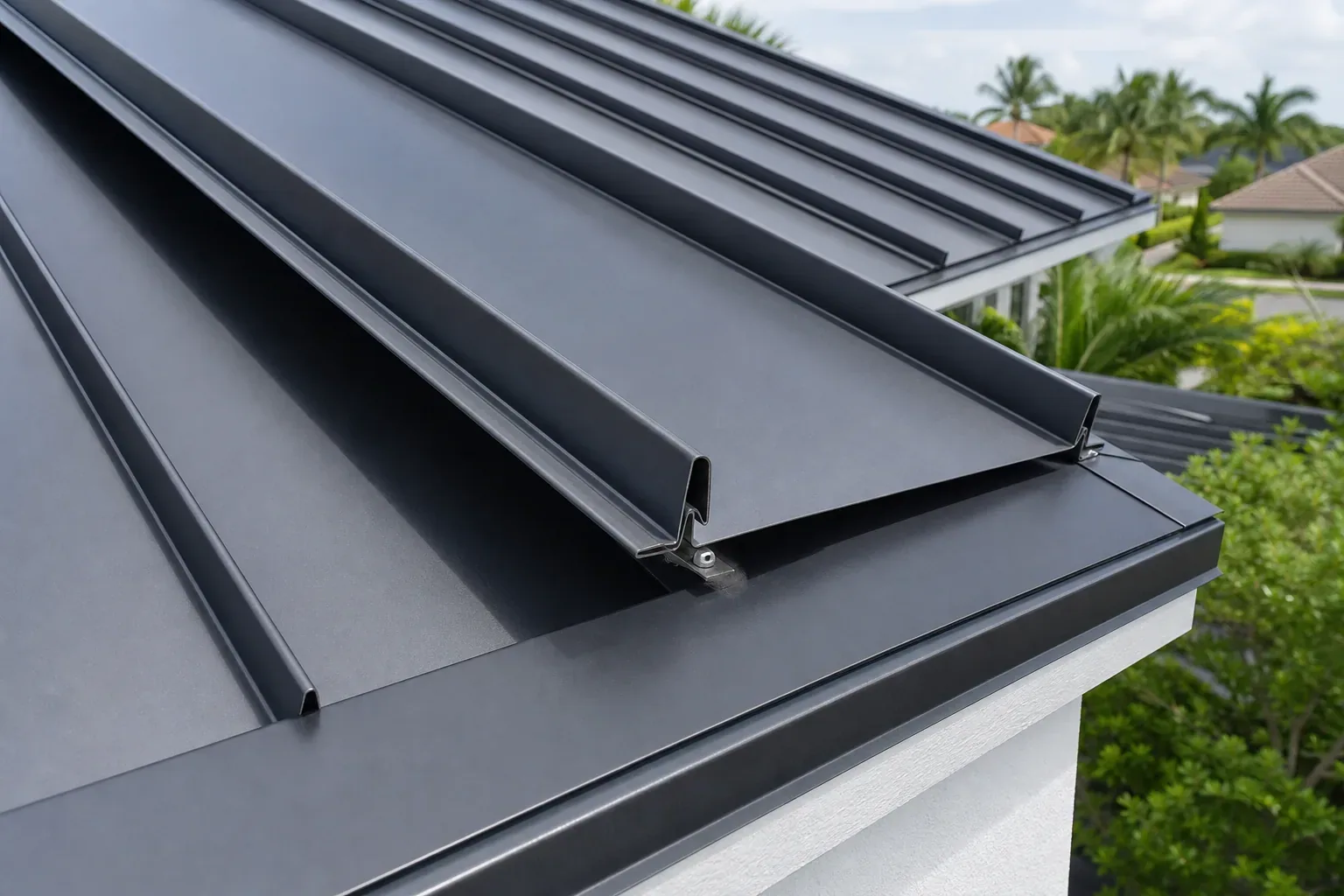
Process exhaust, rooftop washdown and service traffic can stress roof details differently. We inspect for surface damage, open laps and failed fasteners. The facility contact can identify process materials near each exhaust so we can check compatibility before choosing a repair product. We record the affected roof zone and confirm a repair method that fits the existing assembly. A modified-bitumen assembly or standing-seam metal roof needs its own seam, fastening and flashing approach.
If leaks recur across separate bays, the roof may need more than spot repairs. We compare localized work with recover or replacement, taking wet insulation, deck and equipment removal into account. Warehouse roofs can share some low-slope details, but process penetrations and shutdown constraints make a plant scope specific to its building.
Build a Safe Work Window
Roofing work at a plant can affect ventilation, interior temperature, dust control and material handling. We agree on the work hours, affected zone and required protection with the facility contact, then set the daily tear-off limit to fit the available window. Openings are covered as work proceeds, with a secure dry-in before the crew leaves. If a process must pause, the plant contact coordinates the shutdown and restart.
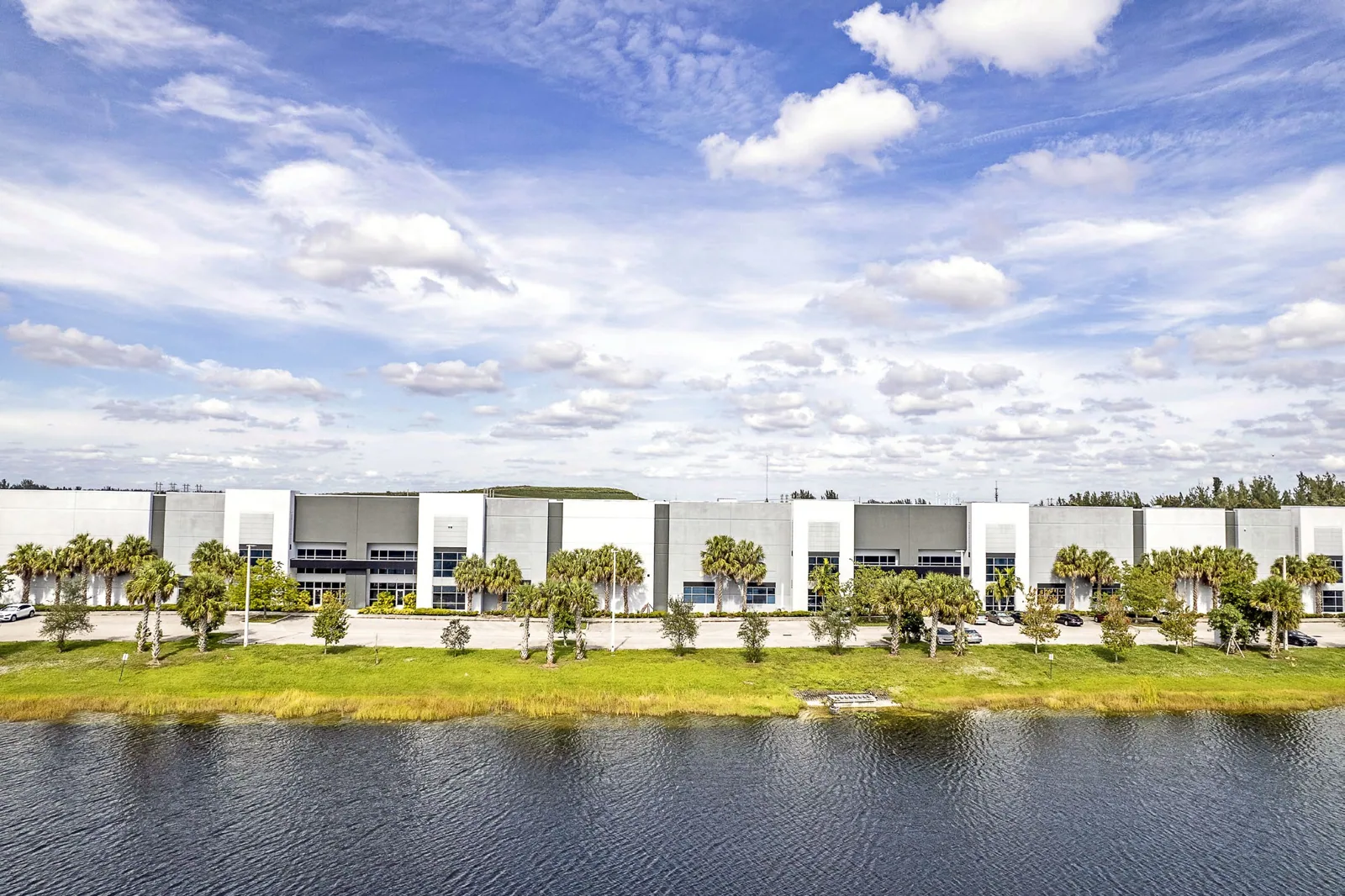
Chula Vista’s commercial and employment corridors connect offices, industrial uses and regional trade. The Otay River Business Park plan connects industrial lots to existing streets and planned utilities near Main Street, Fourth Avenue and SR 905. That geography makes delivery route and staging worth confirming before mobilization. Inside the plant, we locate the receiving gate, identify where a crane can set up, and keep operational lanes and emergency access clear. Where a shipping wing works like a distribution center, deliveries still need separate access from roof staging.
Most San Diego-area rain comes during winter, while eastern parts of the region can see hot, dry wind periods. We check current conditions before opening a roof and keep closure materials at the work zone. For water intrusion that puts a process area at risk, urgent response stays available overnight and through weekend and holiday shifts. A commercial emergency repair can stabilize an opening while a permanent detail is scheduled.
Record the Repair by Building Zone
Plant records are useful when they tie the roof repair to the affected line, utility or room without suggesting the roof was the only cause. We photograph the original condition, describe the repair boundary and identify any work held for a different trade. The report separates confirmed roof damage from areas that need further testing. Facilities and maintenance staff can then locate the same curb, exhaust or drain on a later visit.
Cost and duration depend on roof assembly, number of penetrations, lift access, shutdown coordination, interior protection and the extent of concealed damage. Wet insulation or a compromised deck can change the repair boundary after removal begins. We pause at that point, protect the opening and show the affected location before proceeding with additional scope. A roof condition report can keep repair locations and follow-up needs with the plant’s facility record.
Send the building, roof plan, affected production area and access contact. We will trace the reported condition, identify the roof-side work and coordinate an inspection window that respects process operations.