Set Work Boundaries by Roof Zone
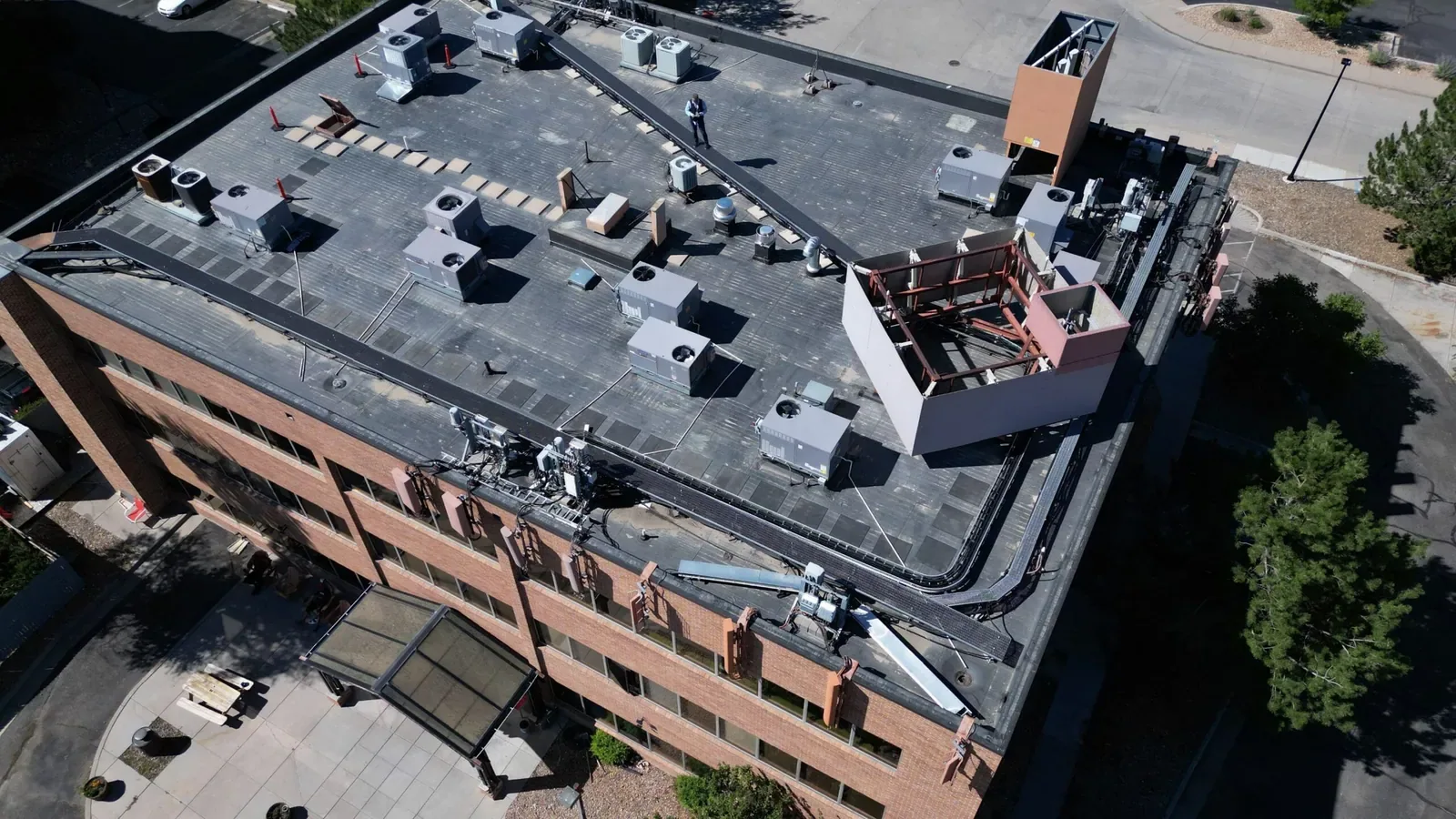
A large roof is easier to manage when each phase has a defined edge, drain path and tie-in point. Before removal starts, we walk the roof and building perimeter with the site contact, record active doors and equipment, and mark where the crew will enter, stage and lower debris. The plan pairs each roof zone with the work underneath it, so a receiving bay or office entrance is not surprised by an overhead task.
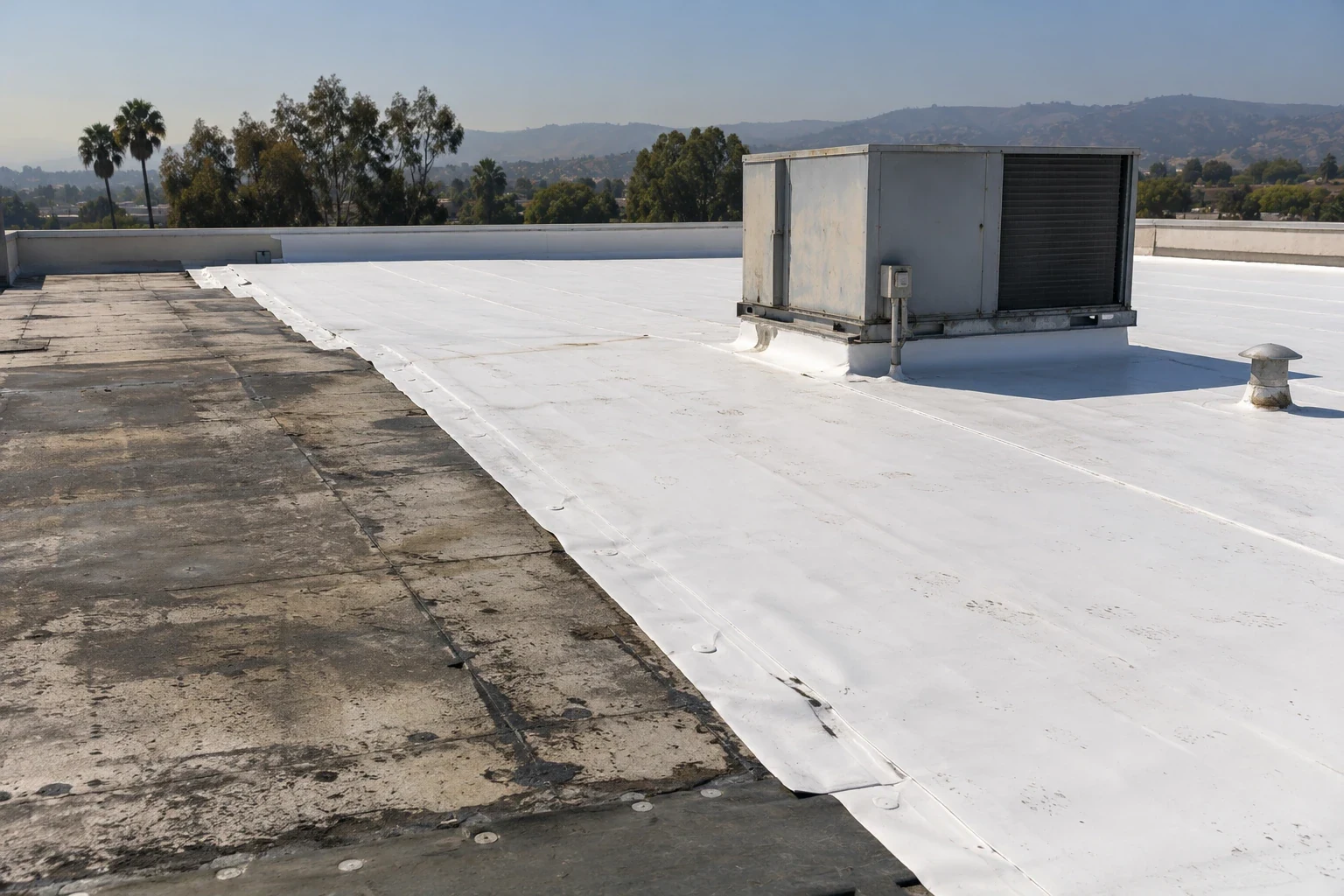
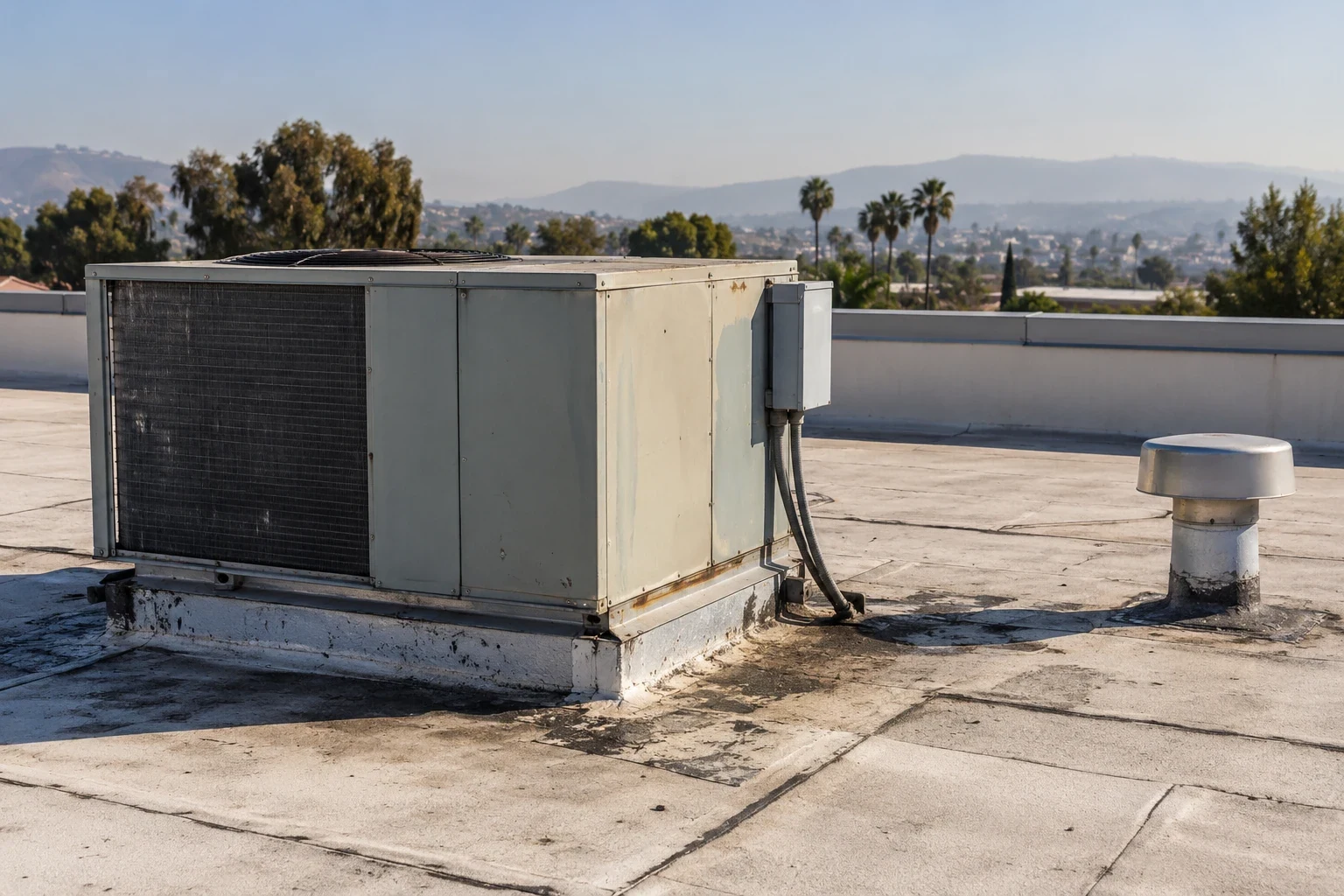
We sequence tear-off around what the building can absorb. One phase may cover a clear warehouse bay; another may need a smaller footprint near a mechanical room or tenant entrance. Existing seams, curbs, expansion joints and drains affect where a temporary boundary can hold. A commercial roof replacement begins with those field conditions, not an arbitrary square-foot target. If a recover is technically appropriate, a recover option can change debris handling and exposure, but it still needs sound tie-ins and a dry-in line.
Our schedule identifies what area is active, what access changes, and who can release the next zone. The sequence can shift when hidden moisture, deck damage or weather changes the scope. We review that finding before expanding removal, then update the boundary so open work does not outpace the crew’s ability to protect it.

Keep People and Property Clear
Noise, falling debris and blocked doors are the daily risks a tenant notices first. We separate the work route from customer, staff and delivery paths, use controlled drop areas, and keep roof access secured. Where a crane lift is needed, the facility contact helps identify a time and landing area that do not conflict with a receiving window or emergency route. A phased roof replacement should state these boundaries before the first load arrives.
Inside the building, we protect sensitive areas below active tear-off and tell the site contact when work will pass overhead. Dust and vibration can travel beyond the roof zone, especially around ceiling penetrations and mechanical openings. We cover or isolate exposed areas as the scope requires, keep debris contained, and close openings at the end of each shift. The owner should know which entrance remains open and where temporary signs or barriers will be used.
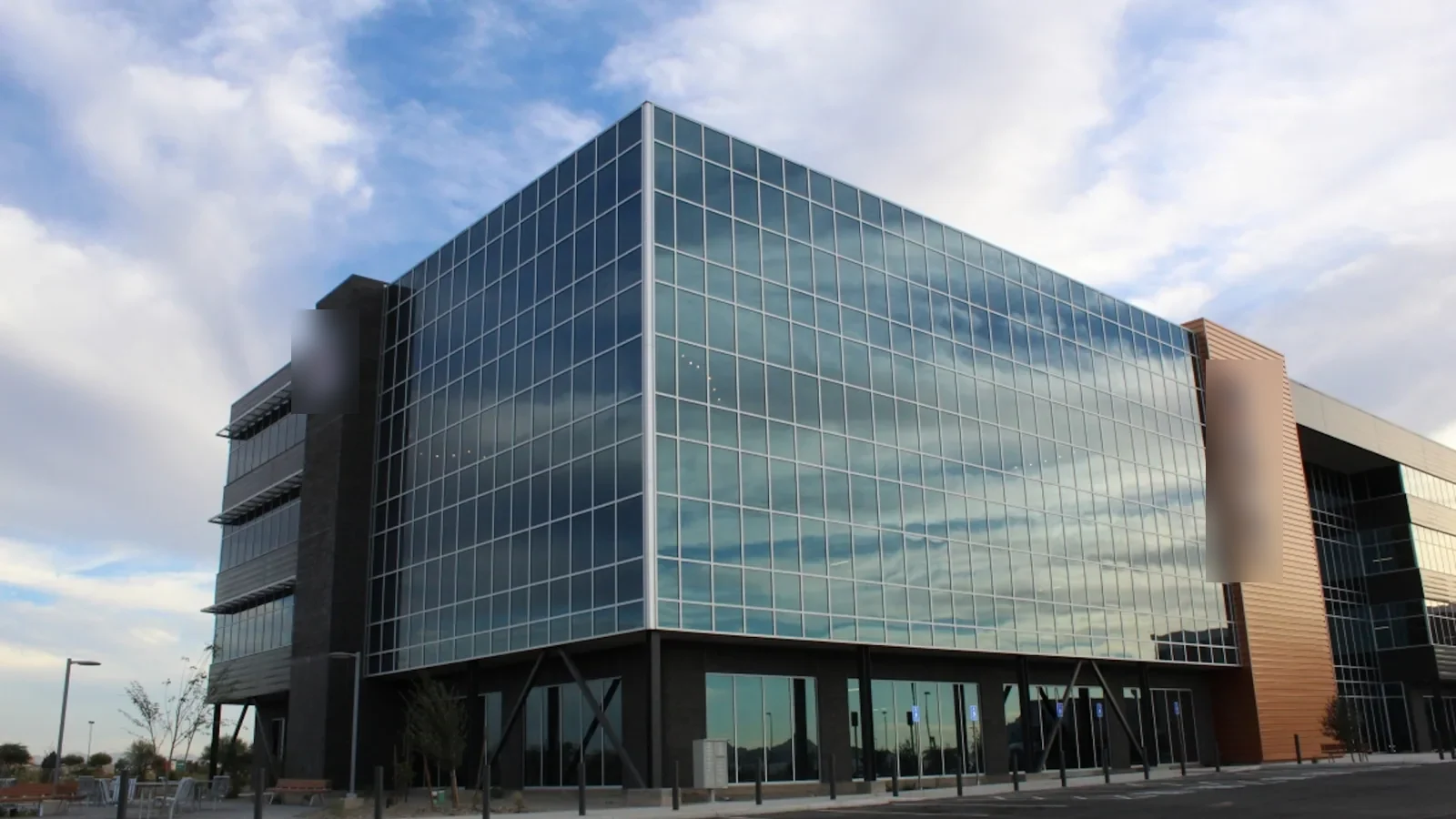
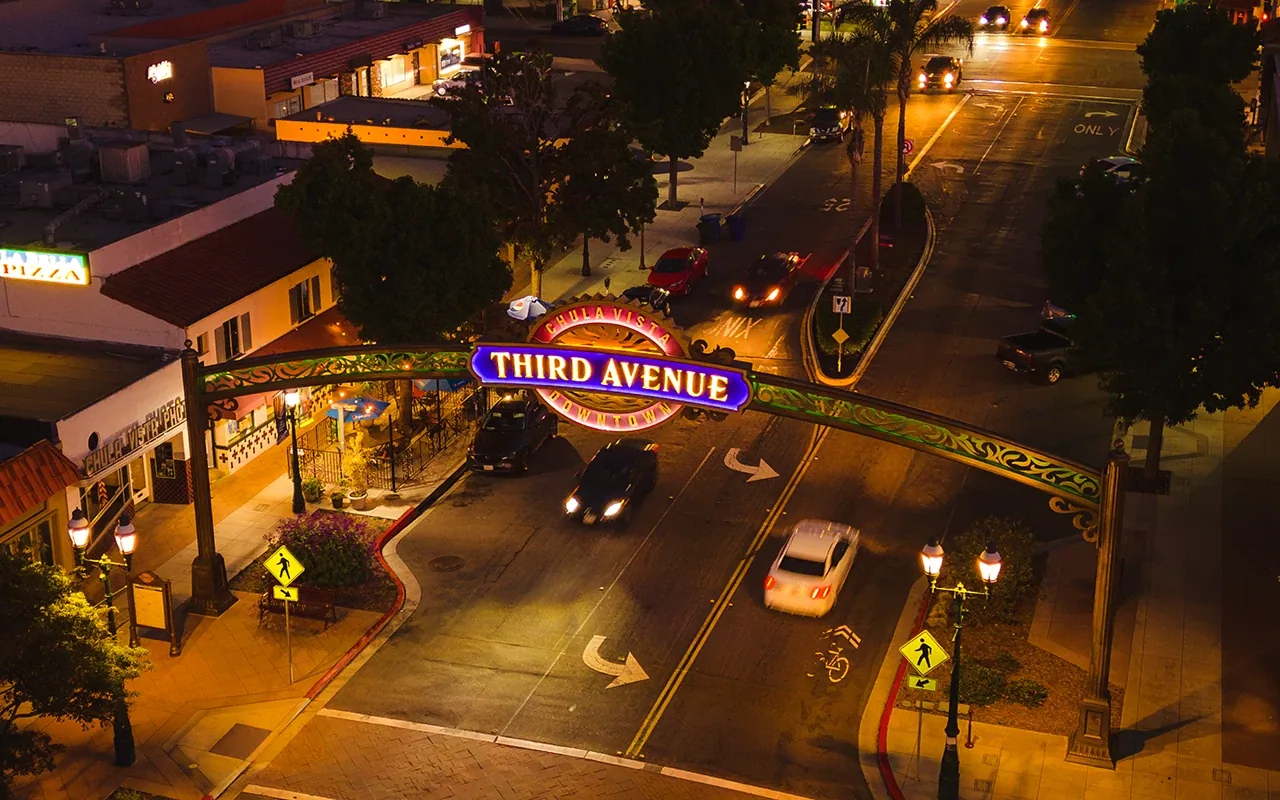
In Chula Vista’s western business districts, Third Avenue, Broadway and Main Street support small firms and commercial activity alongside busy streets. A store or office there may have little room to reroute visitors. We confirm the building’s own circulation and loading constraints instead of treating a public curb or shared lane as available staging. For occupied structures with separate tenant hours, a commercial office roof sequence can keep work windows legible to property staff.
Close the Roof at Every Shift
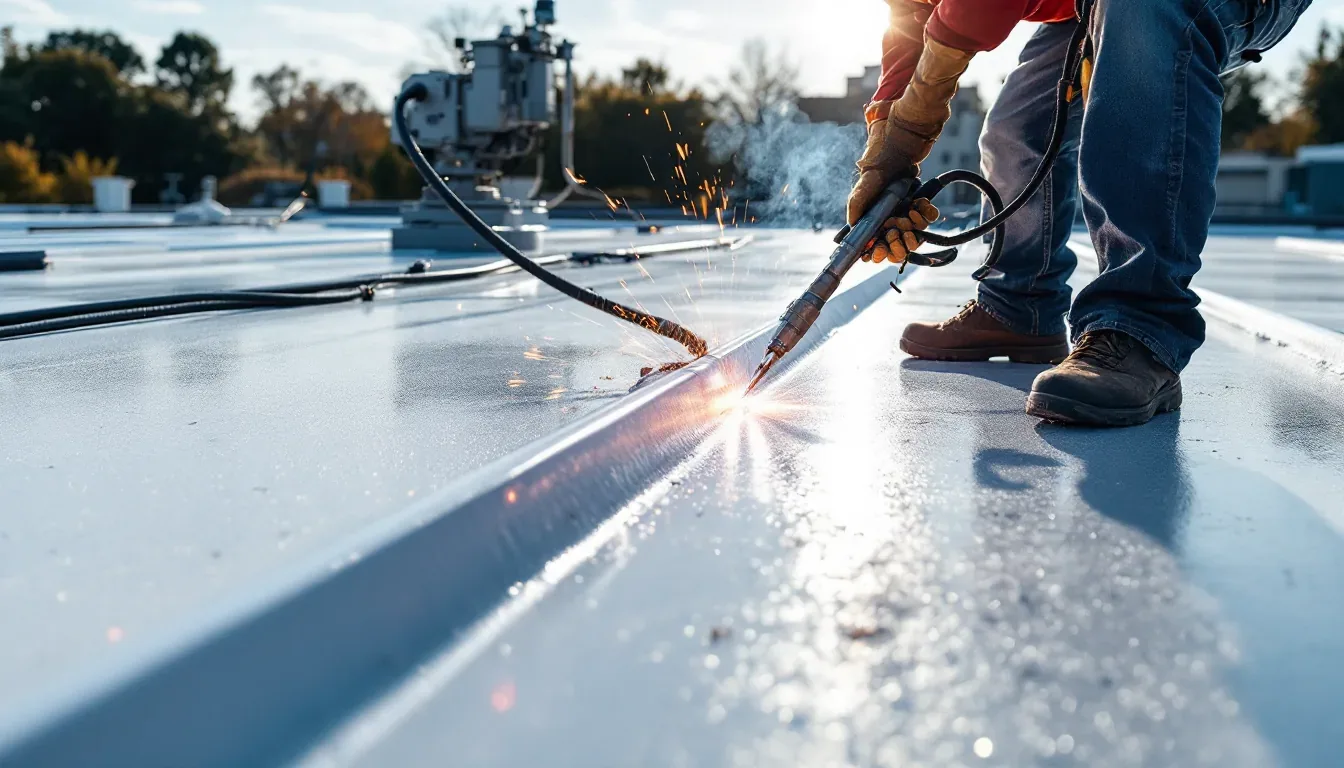
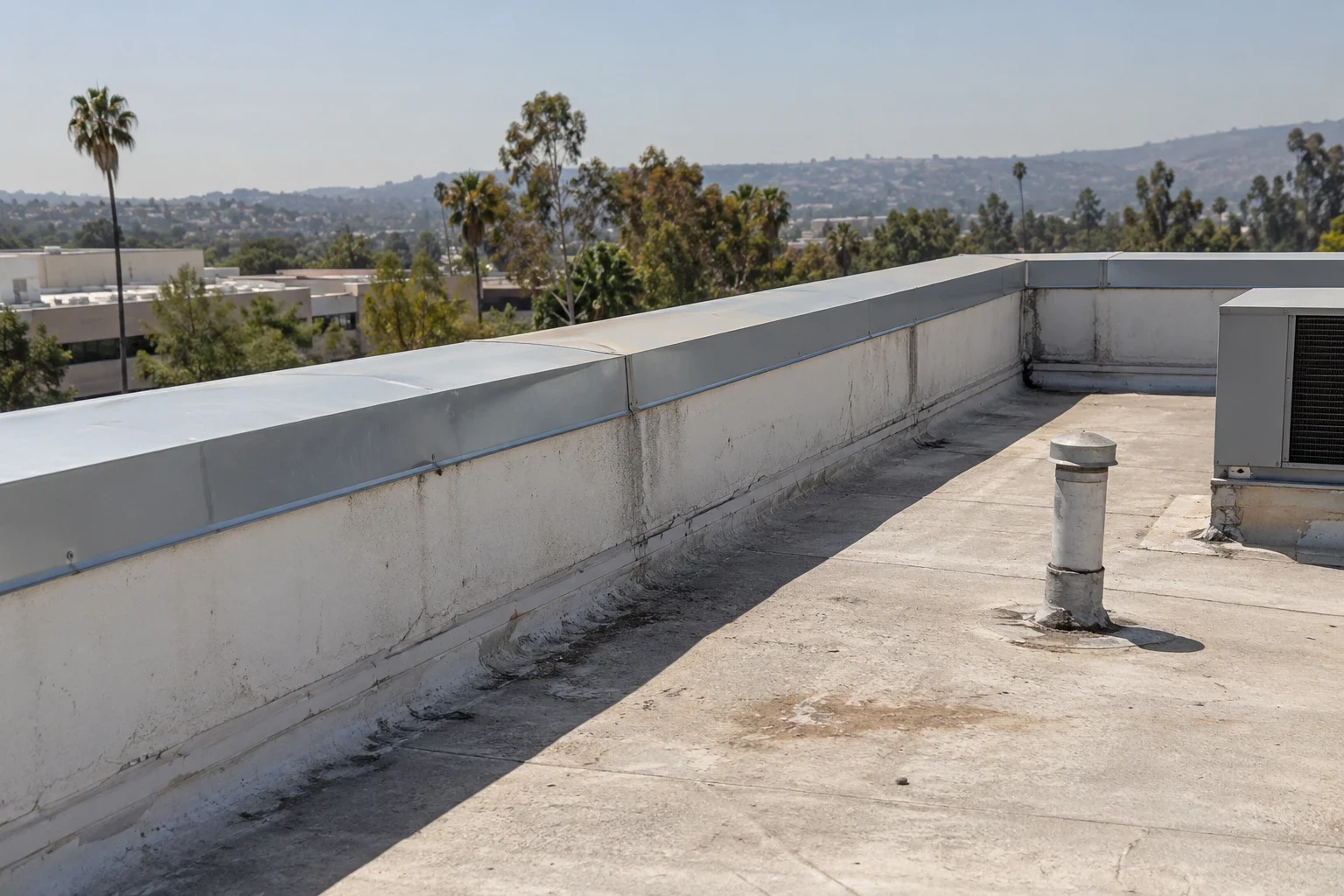
Temporary dry-in is the boundary between a phased project and an open building. We secure the membrane edge, cover insulation and deck, and check that water can still reach the intended drains before leaving. A tie-in must remain compatible with the permanent assembly; loose sheet goods or a tarp laid across a drain are not a finished shift. The foreman records the zone closed and flags any condition the next crew needs to see.
Most San Diego-area precipitation falls in winter, though one season can differ sharply from another. That pattern makes daily weather checks part of the sequence, particularly when a roof has multiple open areas. We limit the area exposed to the crew’s proven production window and keep materials ready for closure. If rain or a coastal weather change approaches, the active boundary takes priority over opening another section. Emergency response is available around the clock, including weekends and holidays, when a roof opening or leak needs attention.
When the crew returns, the first check is the previous tie-in, perimeter and drainage path. A leak report in the occupied space is traced against the active roof zone rather than assumed to come from the closest opening. Leak investigation can distinguish a temporary protection failure from an older condition beyond the phase. That record keeps a short-term response separate from permanent repair.
Coordinate Deliveries and Building Hours
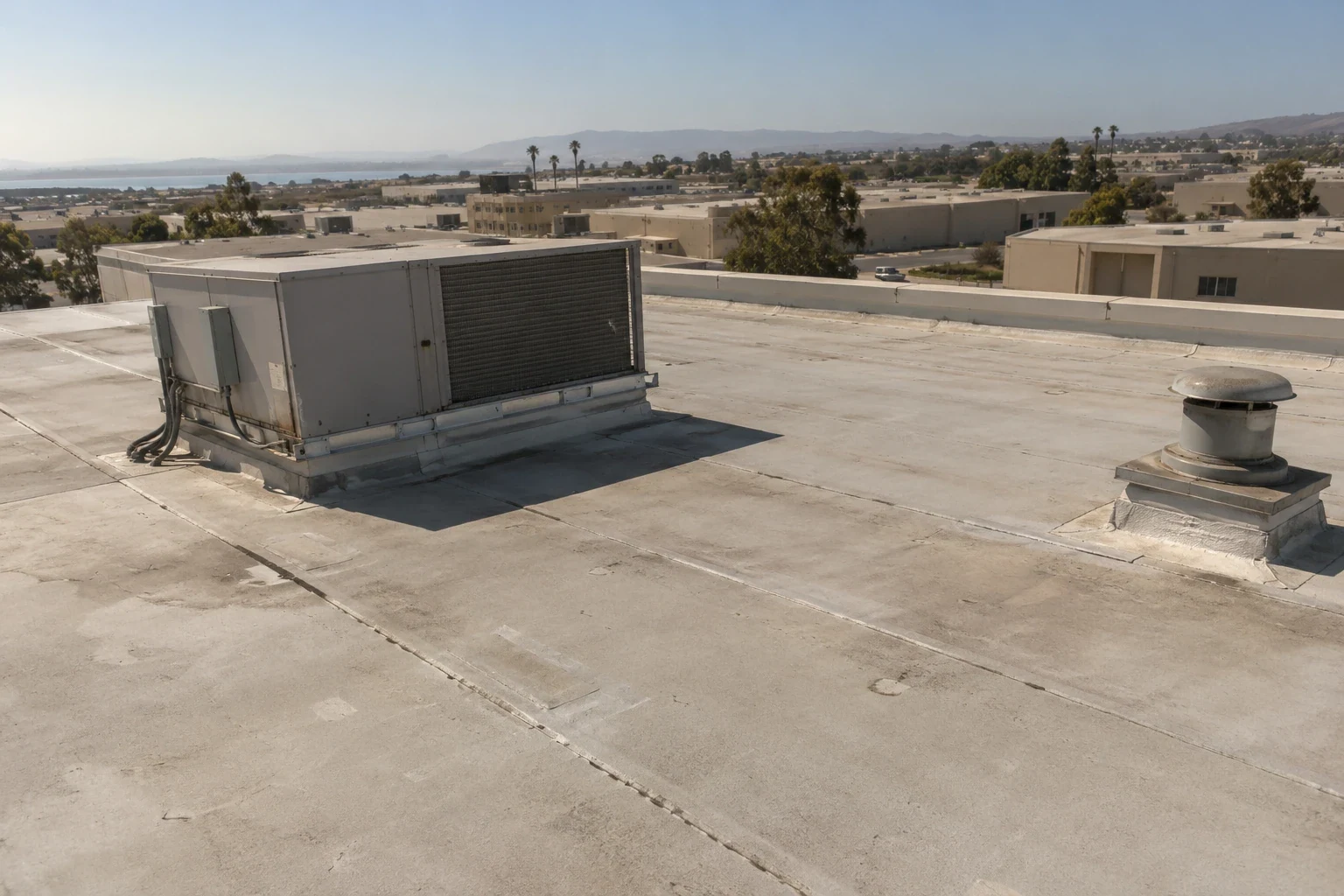
Roofing materials, dumpsters, lifts and tenant deliveries compete for the same access points. Before mobilization, we confirm truck dimensions, gate hours, overhead clearances and where the property can hold materials. A roof hatch may serve the crew while forklifts use the loading court, but those routes need a clear handoff. We keep staging compact and avoid placing pallets where they cover drains or interrupt a fire lane.
Chula Vista employment areas span the tideland, Montgomery and Otay Valley, with development extending east toward Eastlake and Otay Ranch. Those districts include industrial and retail activity as well as offices and professional services. A facility near Otay Mesa may coordinate roofing deliveries with freight traffic, while a western storefront may rely on timed curb access. We ask the site contact for actual receiving windows and operating rules, then sequence drops so the roof crew is not working against the property’s own movement.
One contact should be able to confirm building access, shutdowns and tenant notices. We provide a phase schedule that names the zone, expected noise or lift activity and the area to keep clear. If hidden deck damage changes a shift, we report the location and revised closure point before the next work area is opened. A project coordination record can keep those decisions visible to the owner and facility staff.
Close Each Phase With a Clear Handoff
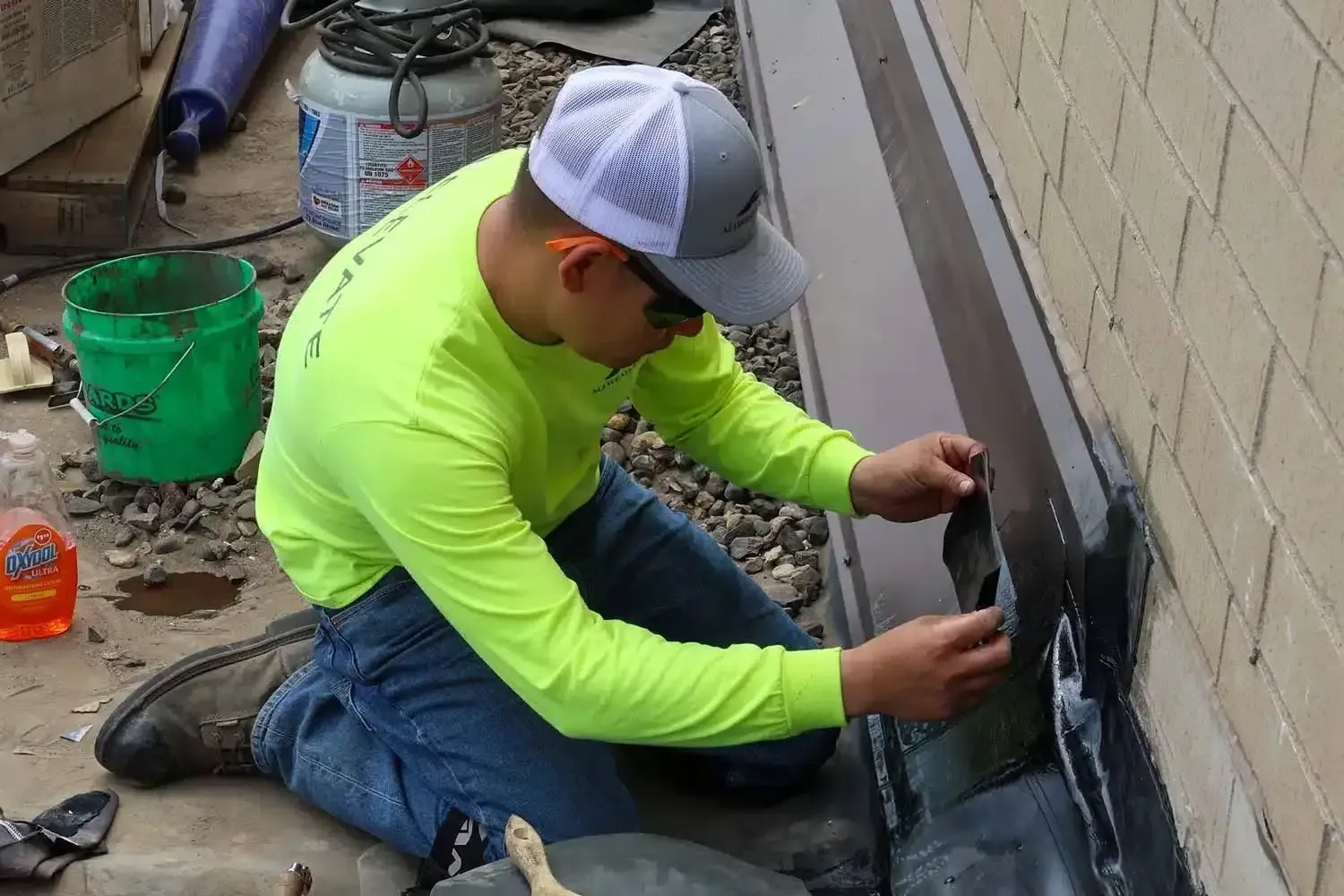
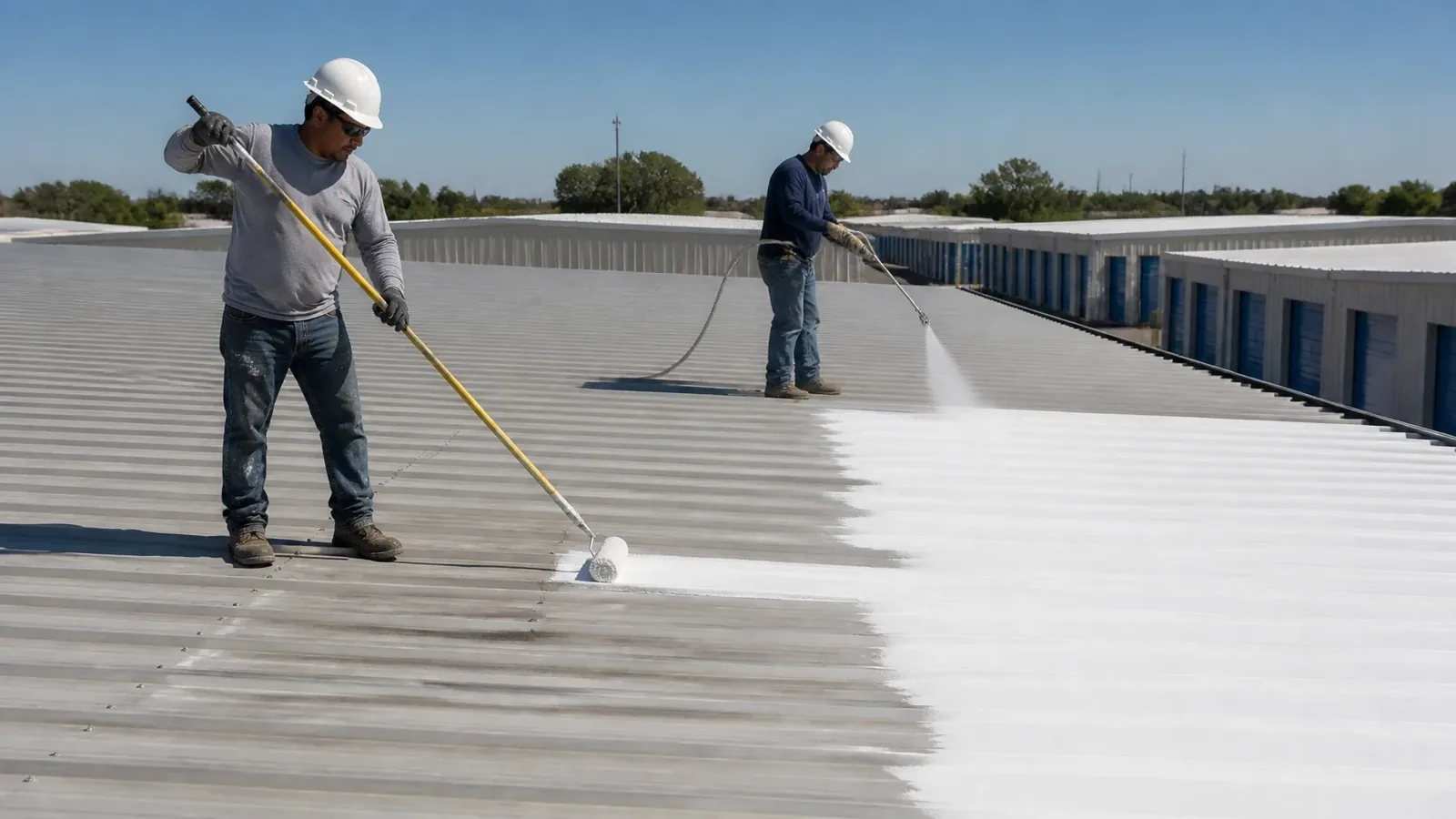
At the end of a zone, we check seams, flashings, perimeter edges, drains and temporary transitions before the area returns to service. The building contact receives the completed boundary, any access restriction that remains and the next planned work window. Photographs tied to roof locations help the facilities team distinguish completed work from areas still awaiting inspection. A roof inspection can establish visible conditions before the next phase begins.
Changes are easier to evaluate when the record states what was exposed and what prompted the adjustment. Wet insulation, deteriorated deck, hidden curb damage and incompatible prior repairs can affect material quantities or the tie-in detail. We identify the finding, discuss the repair boundary and confirm how it changes the phase. That gives the owner a decision before the crew extends the scope, rather than a surprise at project close.
For multiple buildings, each roof needs its own sequence and daily release. The Chula Vista service area includes western business corridors and inland employment districts, but site access is set building by building. Share the affected property, roof plan, operating hours and access contact. We will arrange a roof walk, map the first work zone and agree on a dry-in handoff that fits the facility.