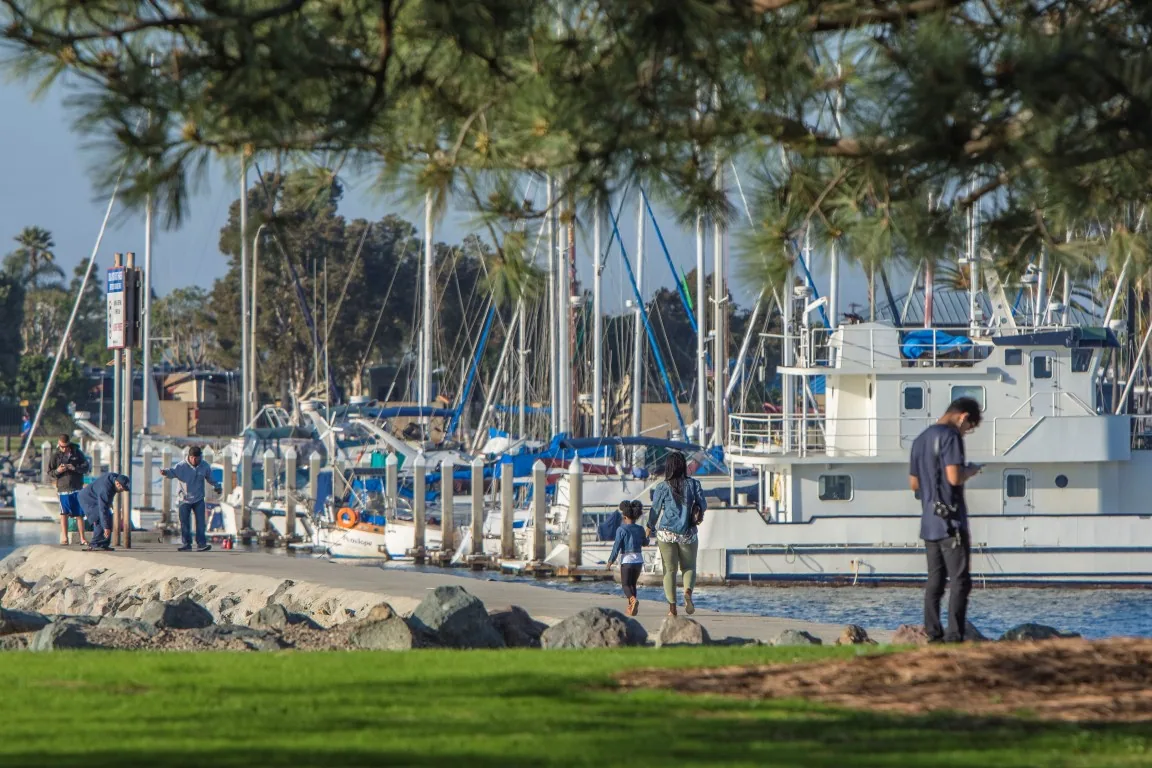
Set Access for the Property and Its Route
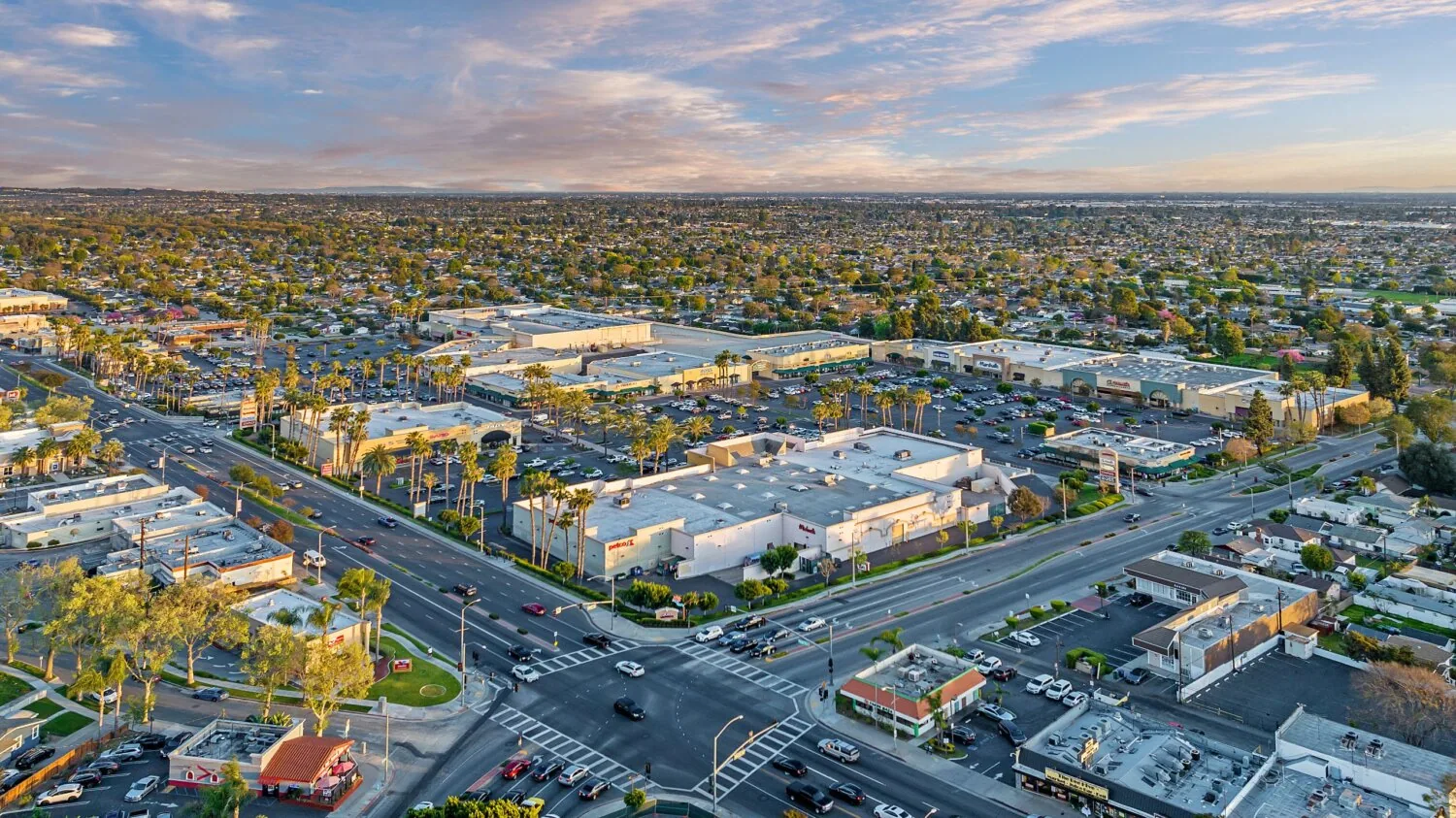
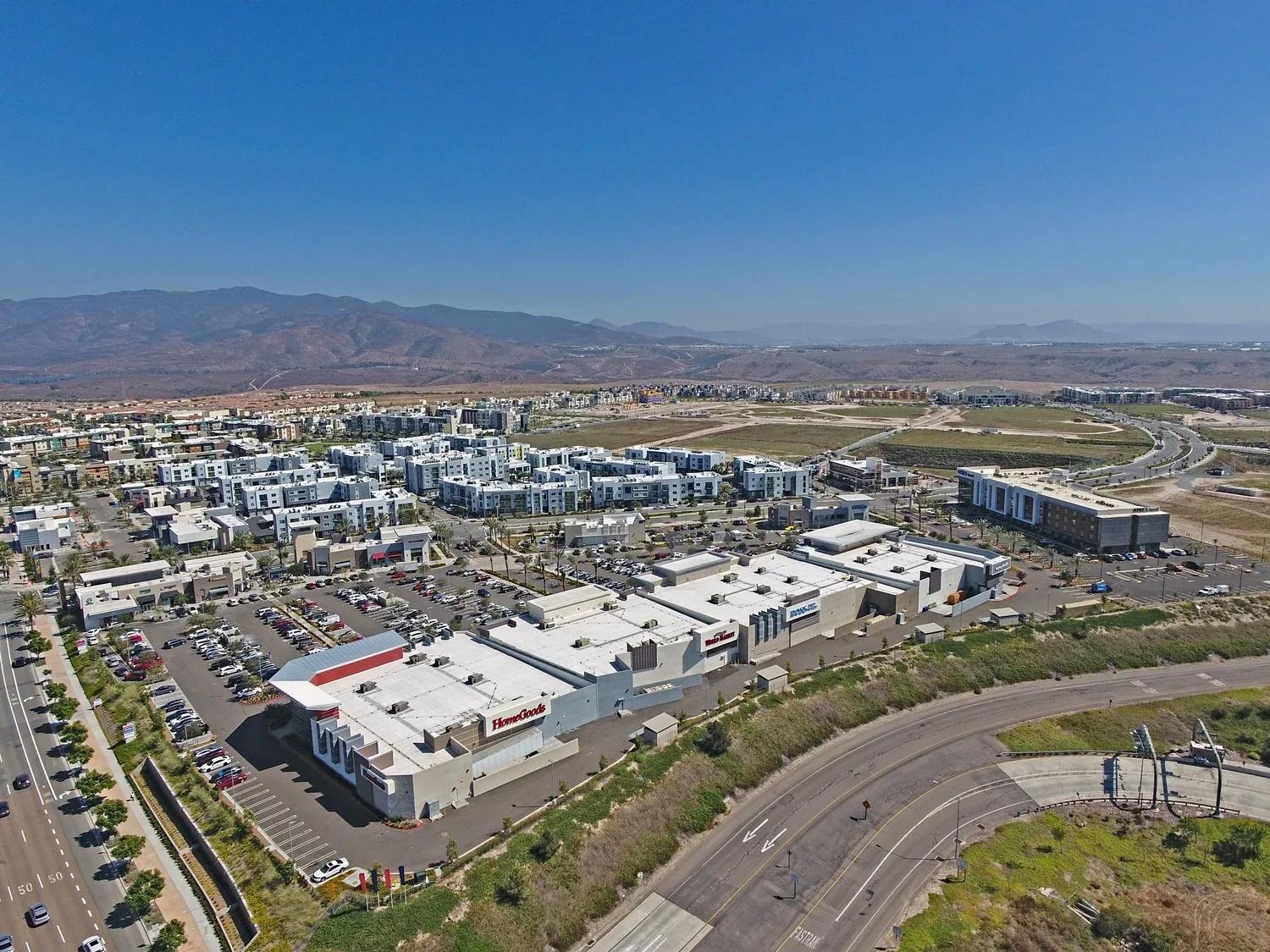
Otay Mesa is a community within the City of San Diego, bounded by I-805 to the west, the county line to the east, the international border to the south and Chula Vista and the Otay River Valley to the north. A roof visit may require coordination across a gate, truck route, pedestrian trail or occupied area. We confirm the property address with the contact, roof entry, loading hours and material staging point before the crew arrives.
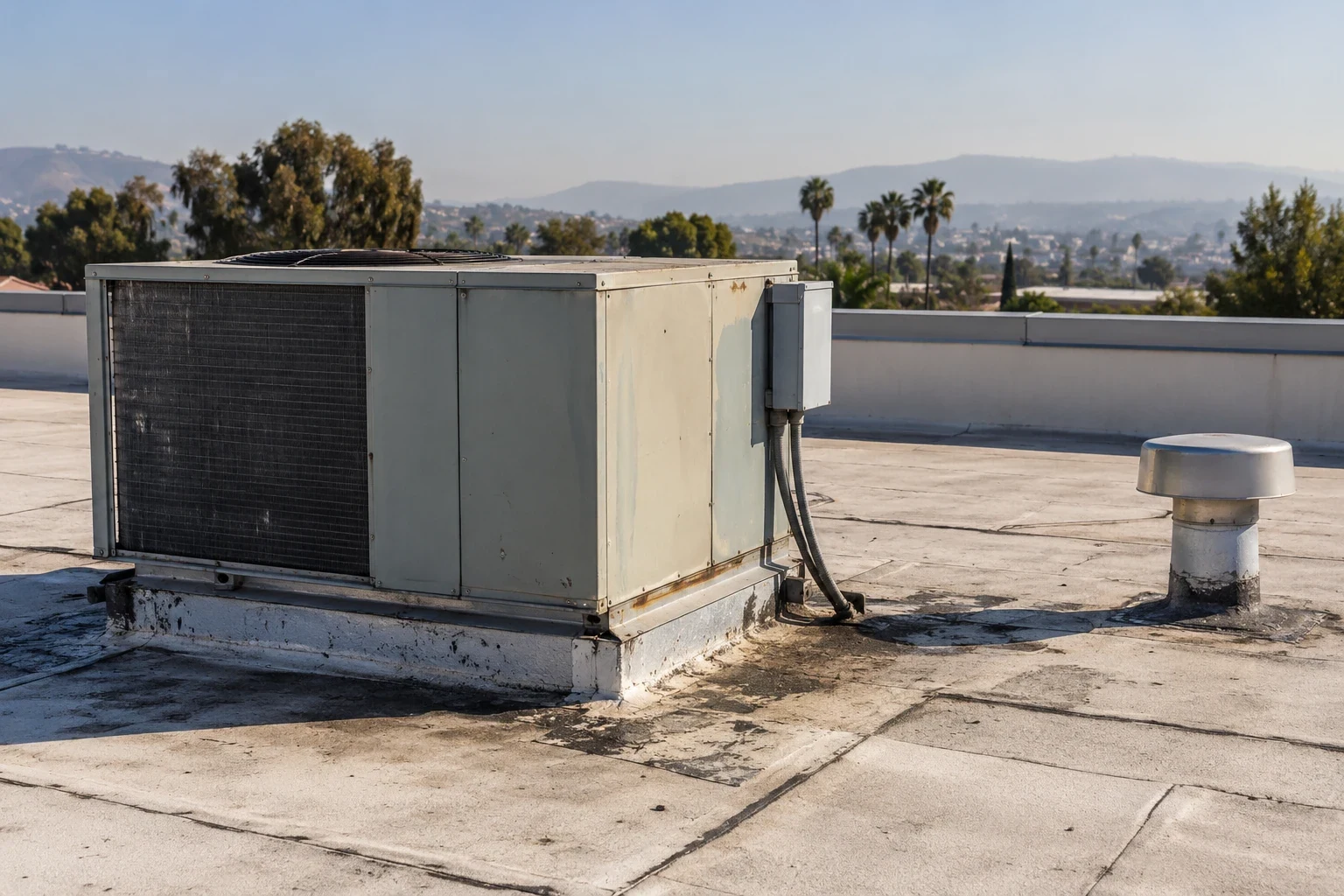
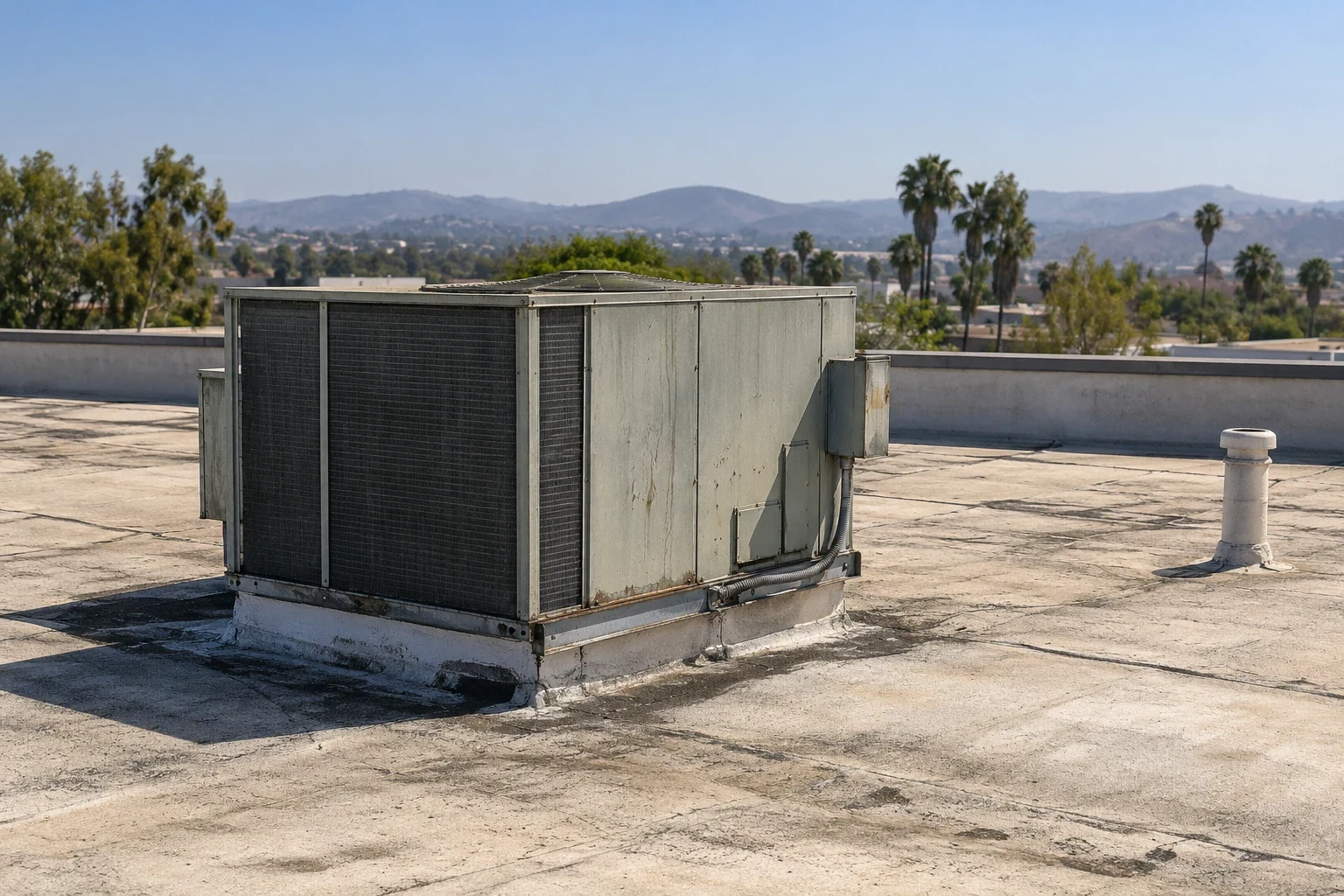
The employment-center designation does not tell us what any single building contains. We inspect its actual membrane, metal edges, roof height and rooftop equipment. If trucks or service vehicles use a shared route, we coordinate lift placement and debris removal so the work zone does not block circulation. The site contact identifies any escort requirement or access period that cannot be changed.
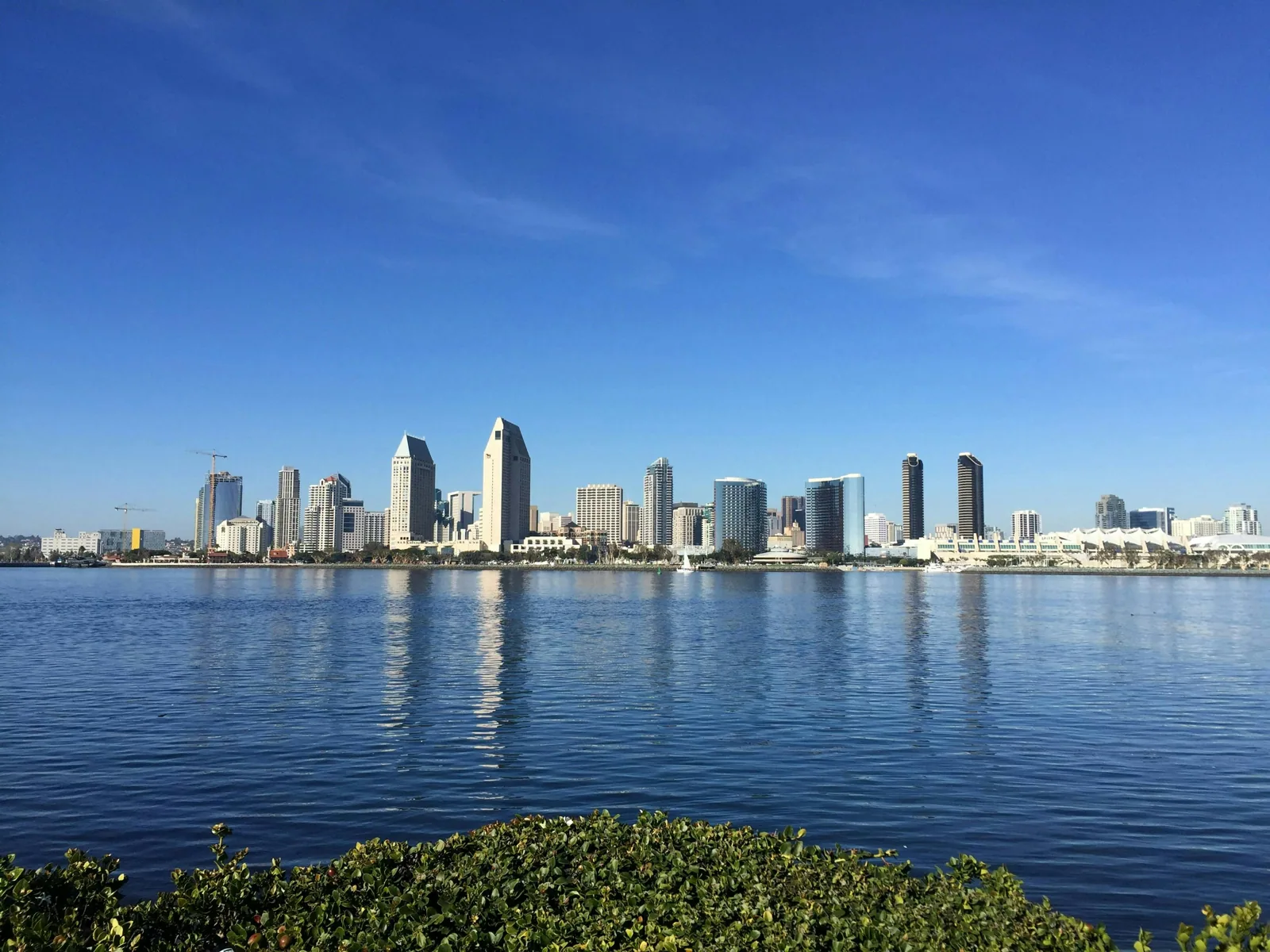
Chula Vista's employment plan links the city's bayfront, Otay Valley and eastern areas with regional commerce and cross-border trade. That regional relationship makes clear access planning useful for property teams working across the South Bay. A roof inspection still records conditions separately: the water path, visible opening, nearby details and any concealed layer requiring a closer test.
Trace Water Before Selecting a Repair
A ceiling stain can appear well beyond the roof opening. Water follows deck flutes, seams and insulation joints, then reaches an interior surface where framing or slope carries it. We compare the reported room with roof transitions, penetrations, drains and earlier patches. When the entry point is not visible, a suitable moisture survey or controlled opening can help establish whether water has spread below the membrane.
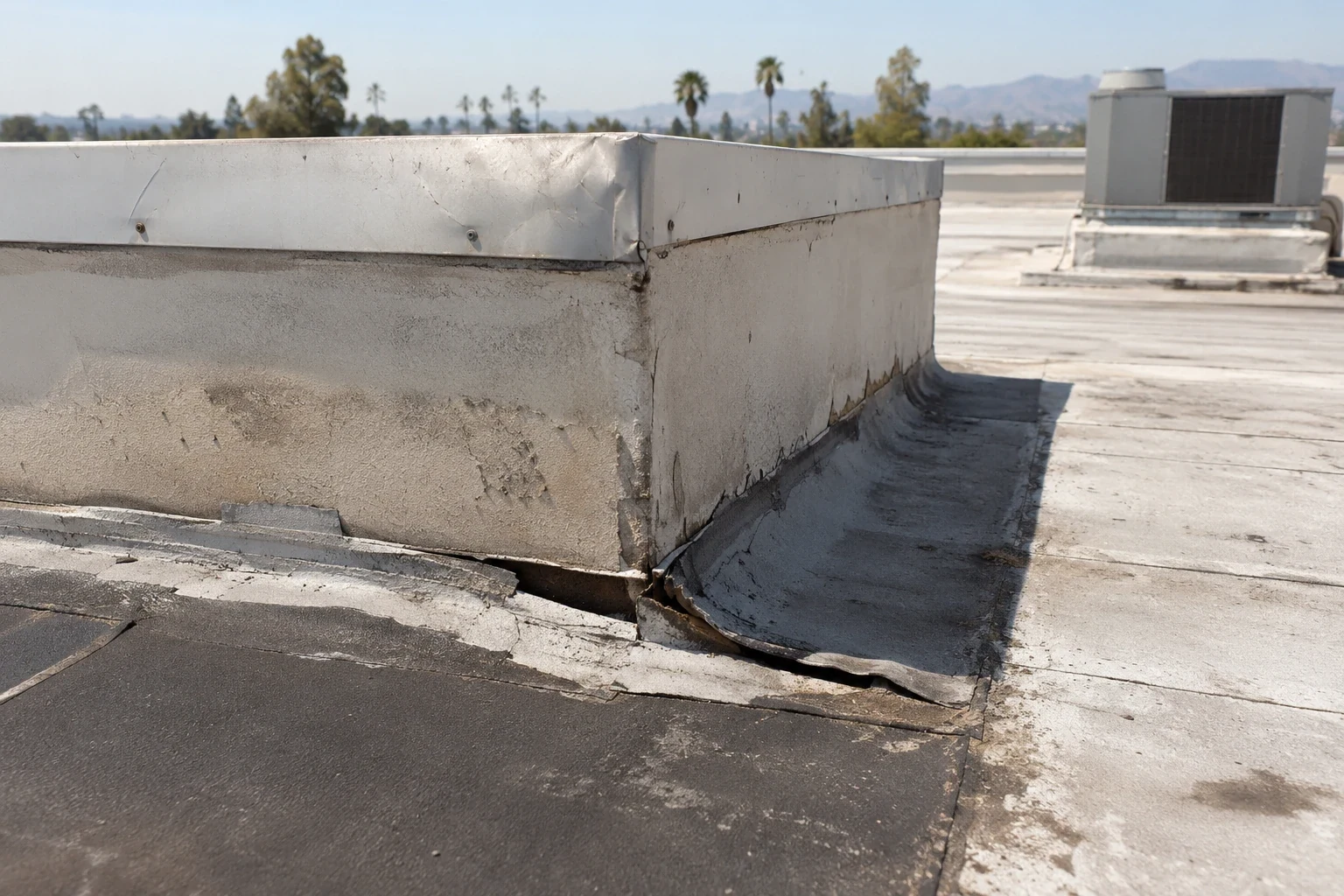
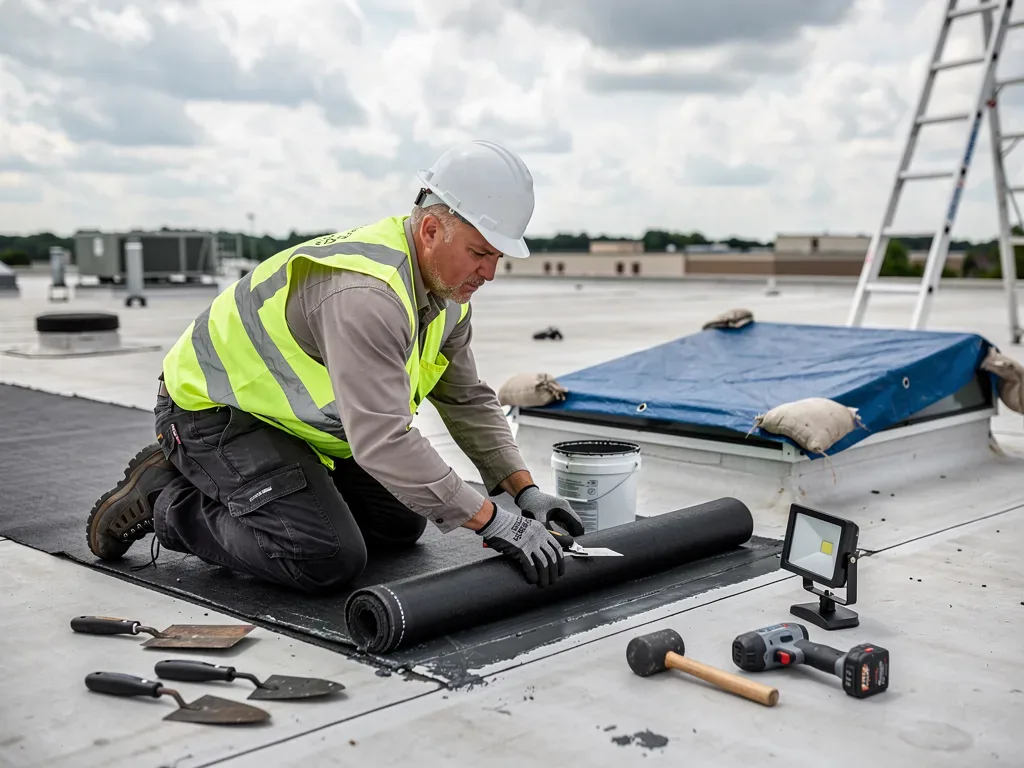
A short split in a lap can often be repaired when surrounding material is clean, dry and attached. We prepare the system with compatible materials and extend the patch onto stable membrane. For a failed transition at a curb or wall, flashing repair may be needed. If a seam has separated, seam repair can restore the connection when the adjacent sheet remains sound.
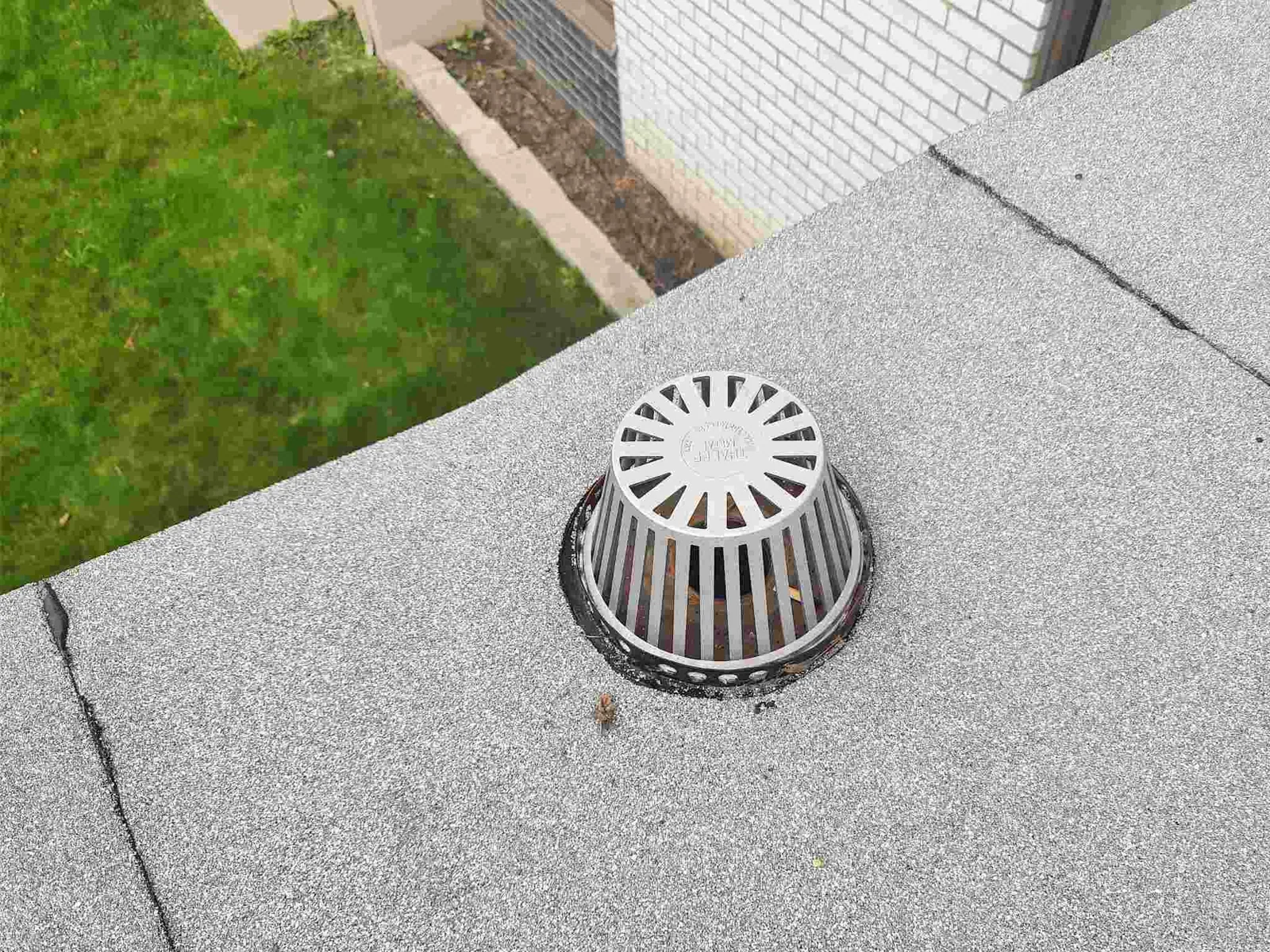
Drainage belongs in the same investigation. We check the bowl, overflow path and low areas that can hold water after rainfall. Drain and scupper work can remove debris or correct a damaged outlet; persistent ponding may require a separate slope or insulation assessment. The repair plan identifies each condition and avoids treating a blocked drain as a membrane defect.
Plan Repairs for the Available Weather Window
Chula Vista's regional service market receives most of its rain during winter, with seasonal totals that vary. That pattern helps plan inspections before an open detail faces repeated wetting, but the current forecast sets the work window. We check whether the surface is dry enough for the selected patch or coating, protect an active opening when safe and return for a permanent tie-in when conditions support it.
Dry easterly winds can bring hot periods to eastern San Diego, with temperatures in the 90s and sometimes higher. We inspect the membrane for brittle areas, separated edges and loose metal, then follow the selected product's requirements for temperature, surface condition and cure.
For a leak affecting occupied space, crews can respond overnight, on weekends or during holidays. We coordinate access with the site contact and secure temporary protection to sound material when conditions allow. The temporary work is identified separately from the permanent repair, and the return visit closes the tie-in after the roof can be prepared correctly.
Compare Local Repair With Broader Restoration
A local patch is useful when the defect is confined and the surrounding assembly remains stable. If wet insulation, brittle membrane or repeated seam failure extends farther, repairing only the visible opening can leave the water path in place. We identify what is confirmed from the roof walk and what a controlled opening would establish. The owner can then compare localized repair with a wider restoration or replacement based on the actual layers.
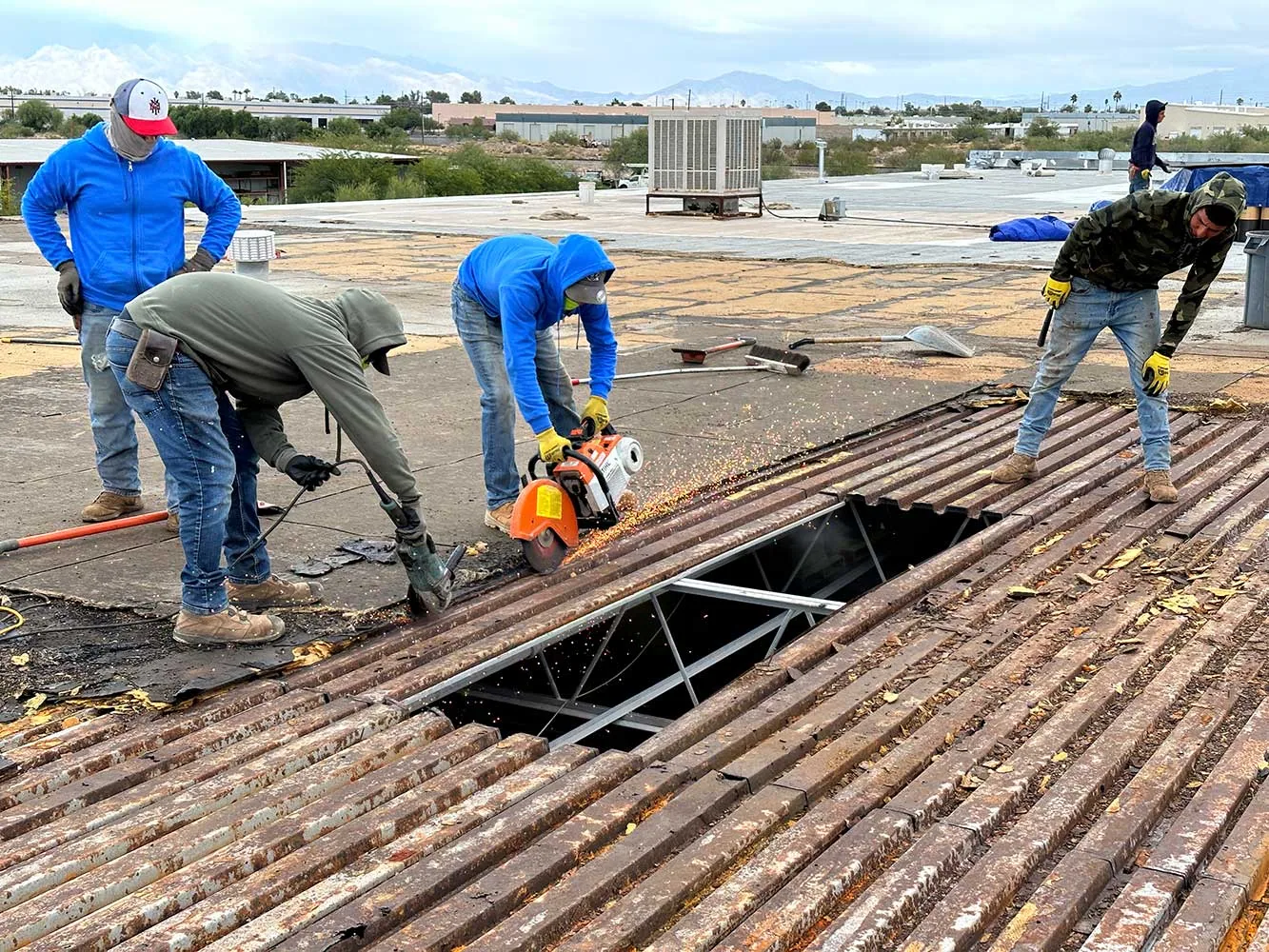
Material compatibility, roof height, equipment access, staging and concealed damage all affect timing and cost. A metal system needs a detail that allows panel movement; a single-ply membrane needs a compatible weld or adhesive tie-in. If the building must remain open, work can be sequenced by roof zone so one area is closed before another is opened. A commercial roof repair scope makes that sequence explicit.
When a larger project is under review, roof condition reporting can preserve findings, photos and the repair boundary for the facilities team. A recover assessment can be considered only if the existing assembly and substrate are suitable. We explain the limits of each choice rather than presenting a patch, coating or recover as interchangeable.

Keep the Record Tied to the Roof Zone
After the repair, we inspect the tie-in, adjacent seams, edge details and drainage path. Photos show the prepared surface and the completed work. The record identifies the roof zone, system type when known, materials used and any condition that remains concealed or untested. If a follow-up opening or survey is still needed, it names the purpose of that work and the area requiring access.
Otay Mesa lies between Chula Vista and the international border, with I-805, the county boundary and Otay River Valley defining its planning area. A property team coordinating work across this boundary can keep the market context in view while assigning findings to the correct building and municipality. We do not merge one location's roof condition with another's.
A follow-up visit can check whether the patch remains secure after the next service call or weather event. Preventive roof maintenance can revisit drains, seams and metal transitions on a planned schedule. A separate inspection around the Chula Vista Bayfront can use the same record format for its own building and access plan. A portfolio that also includes Eastlake can keep records consistent while assigning findings to each separate property.