Set the Campus Work Boundary
Before mobilization, we confirm the school’s access contact, visitor process, delivery route, restricted areas, and the schedule for the affected building. The campus determines when rooms can be released and which paths must stay open. We place ladders and lifts away from student circulation, control debris movement, and identify overhead protection below the active zone. If the calendar or campus use changes, we secure the current opening and request a revised work window.
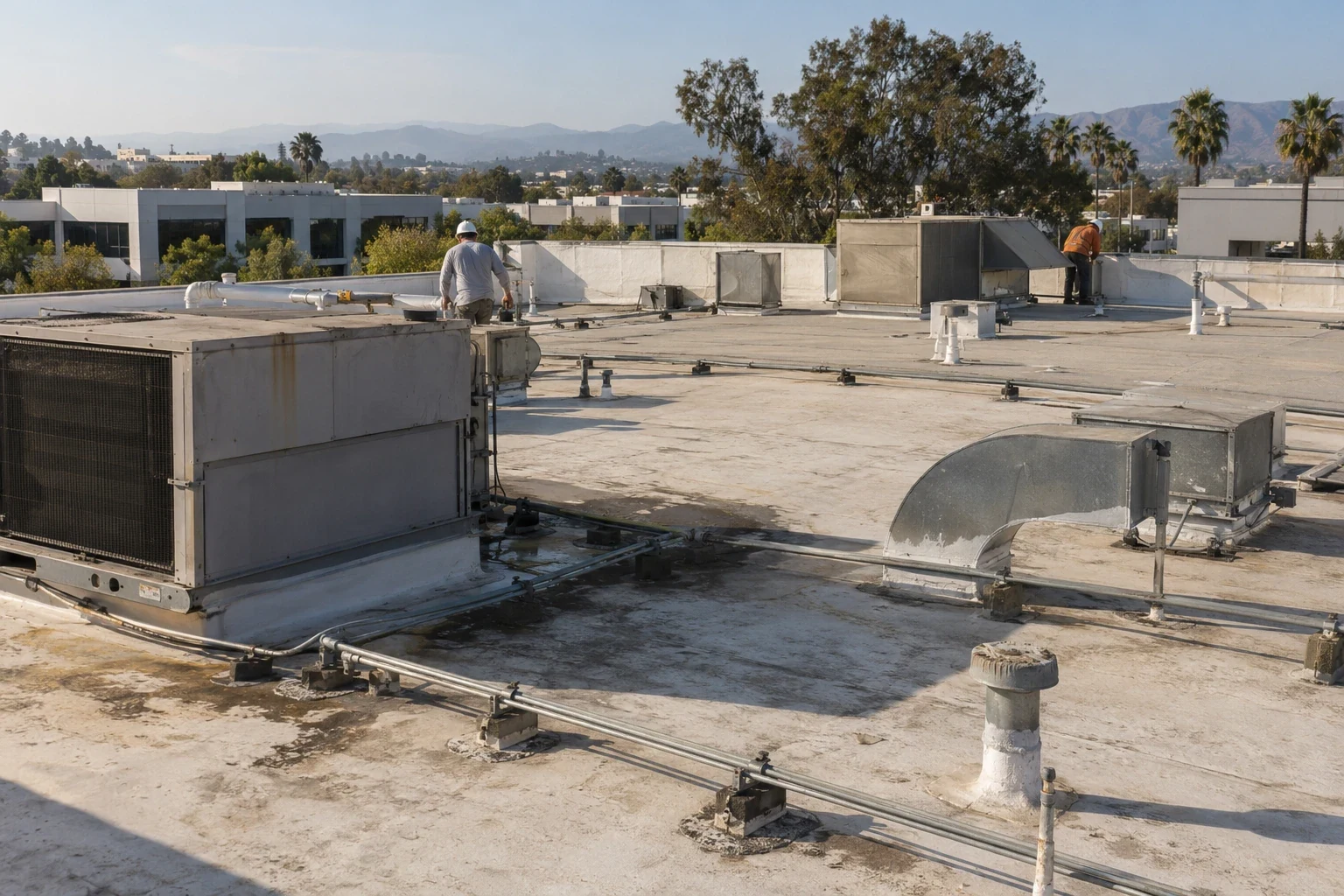
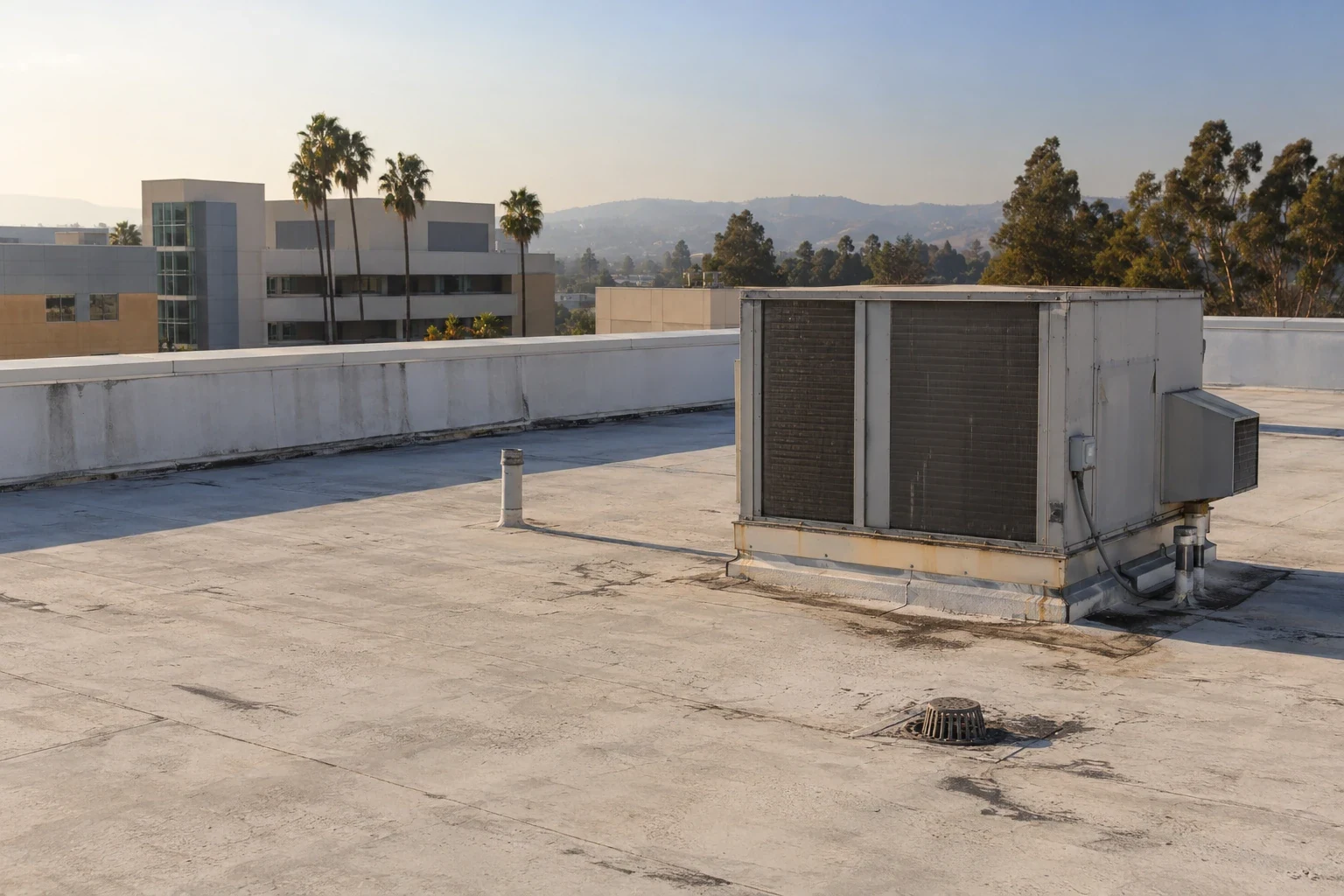
A school roof can have several construction types across one campus. We identify the visible membrane or panel, drains, curbs, edge metal, insulation, and previous repairs before proposing work. School building roof work needs a sequence matched to the particular building and activities below it, not one calendar assumption for the full district.
The affected room helps locate a likely leak path, but it may not sit directly below the entry. Moisture can move along a deck flute, framing, insulation joint, or conduit. We compare the interior report with roof seams, penetrations, drains, and earlier patches. The inspection record labels confirmed damage separately from suspected travel so a repair boundary follows evidence.
Find the Defect Before the Ceiling Spreads
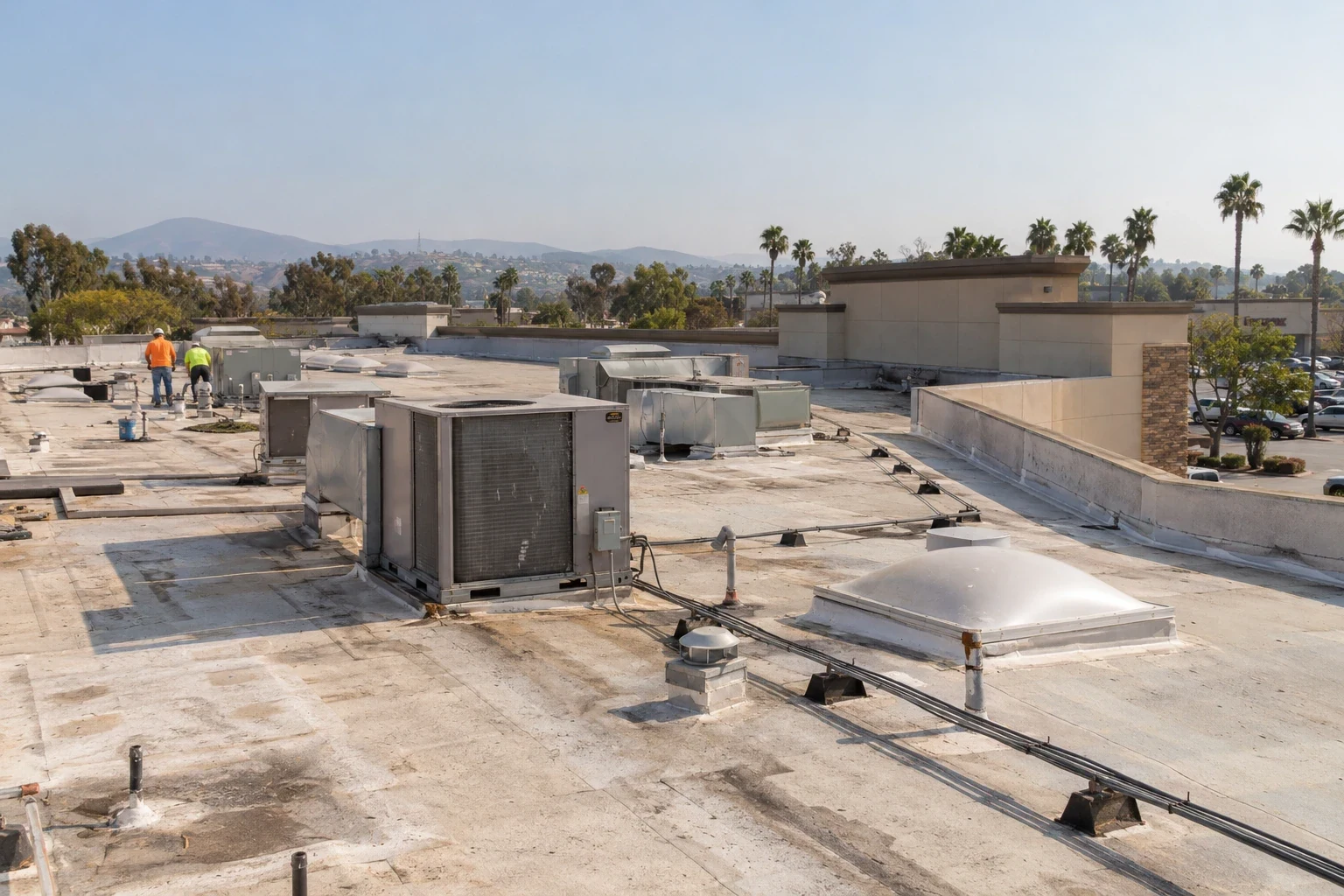
A ceiling tile can show a small mark while insulation above a wider area is wet. We check the roof zone, look for open seams and failed curb flashing, and follow drainage toward the reported room. If concealed layers remain unclear, a controlled opening can show the insulation and deck. We state the location and restoration detail before asking district staff to approve a test.
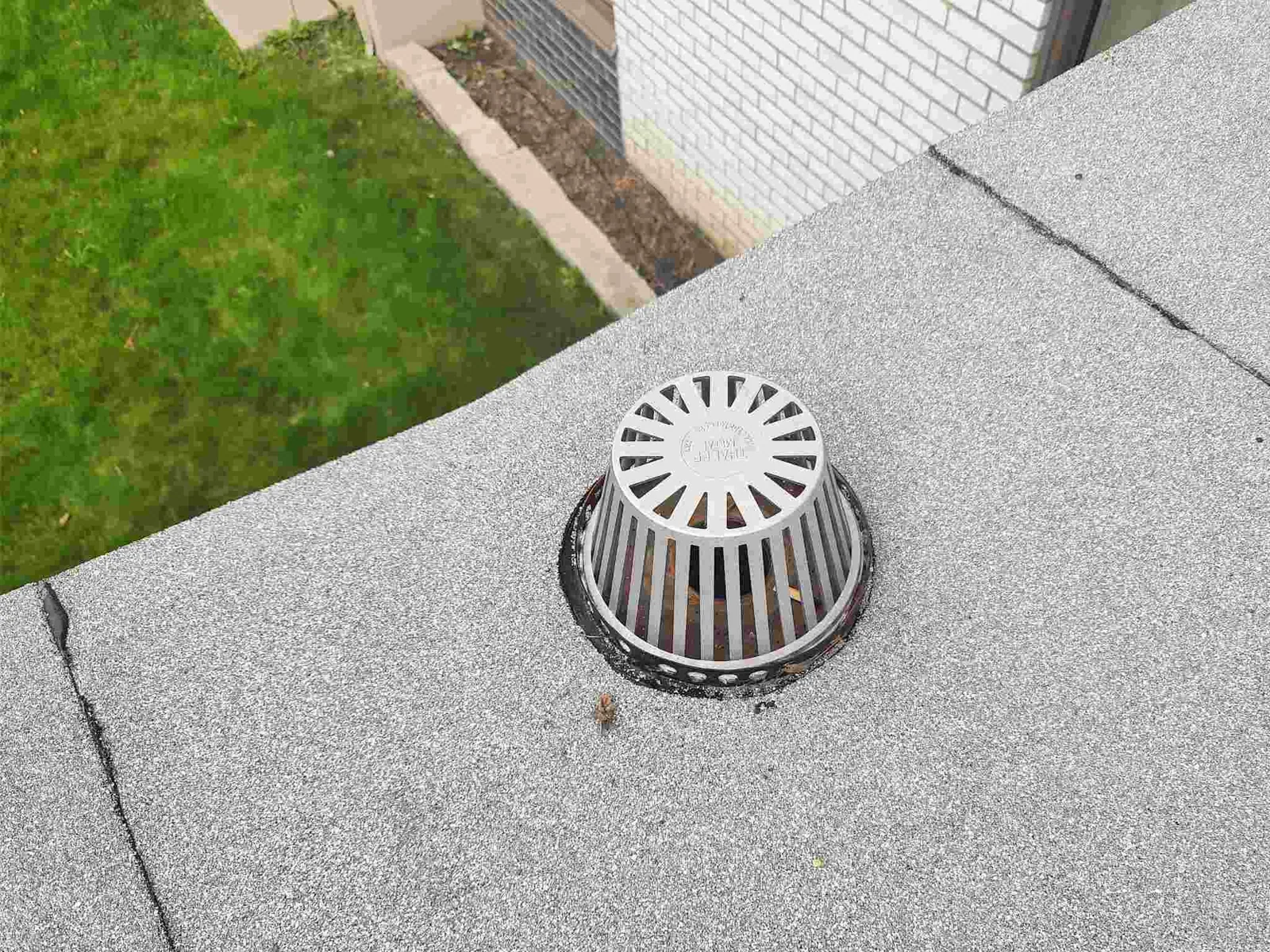
Drains and scuppers need more than a quick look at the outlet. We inspect the bowl, overflow, slope, and surrounding membrane. A blocked outlet can hold water; a settled deck can leave a low area even after cleaning. Drain and scupper repair addresses an outlet or transition problem, while a slope or substrate condition may need a broader repair. We record which outlets staff can reach for future checks.
If rain is entering during the school day, emergency response is available overnight, weekends, and holidays as well. We coordinate access with the district, protect the room below, and secure the roof opening. Temporary stabilization and permanent repair are documented separately so staff know what has been done and what still requires review.
Use the Calendar Without Rushing Dry-In
School breaks can create longer access windows, but the schedule still has to account for delivery, inspections, and the number of roof zones. We divide work so a crew can close each section before moving to the next. If a room remains in use, the district sets the separation and overhead protection. The daily report names the building and the area that is ready for normal use. For work planned near the western business districts or farther east toward Otay Ranch, we confirm delivery access and the school contact for each campus before materials arrive.
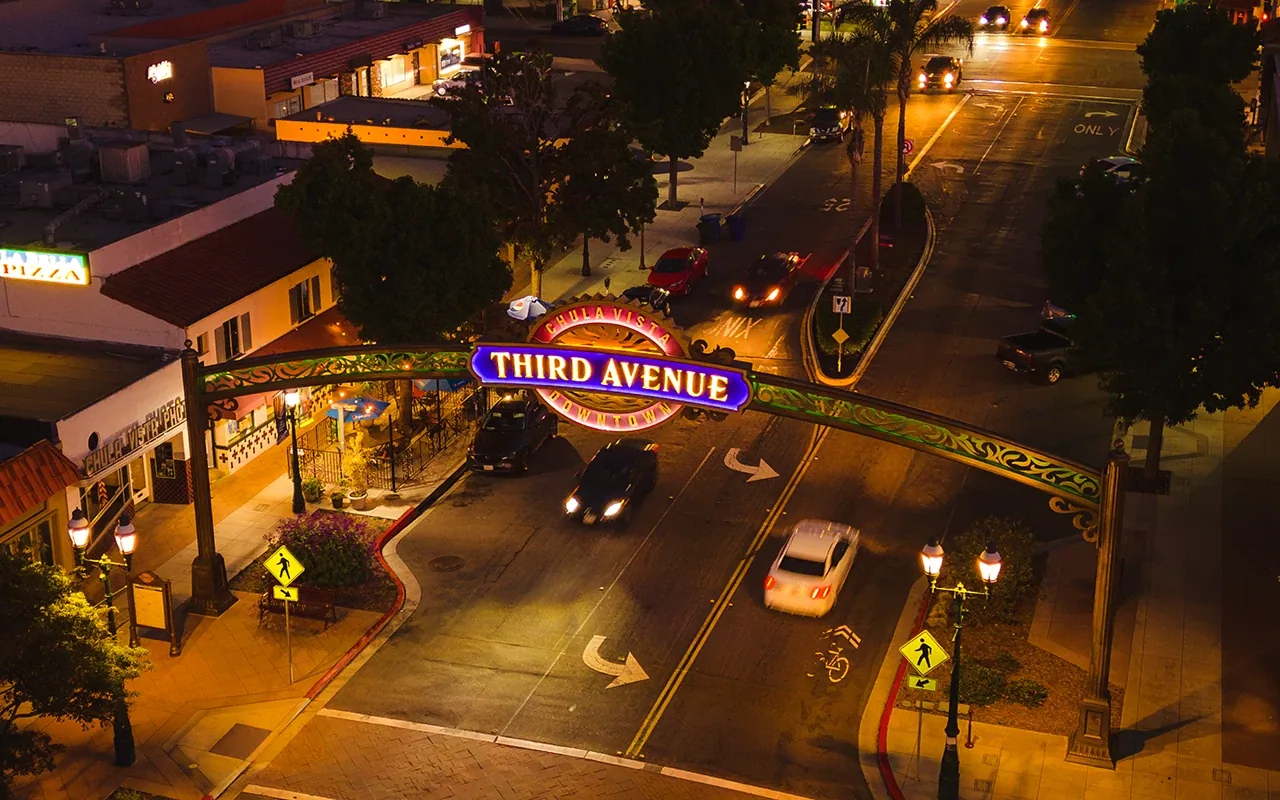
A district may coordinate buildings near the western business area of Third Avenue and farther east toward Otay Ranch or Eastlake. That spread affects crew travel and material delivery. Staff at each school identify the approved entrance, route, and staging space. A district that coordinates several campuses can use the same zone labels while keeping each school’s conditions distinct through property-level reporting.
Most San Diego-area precipitation falls during winter, with seasonal totals that vary. We check the weather before setting the daily removal limit and protect exposed insulation and deck if the forecast changes. Coatings and sealants also require suitable surface and weather conditions. The school calendar can set a target, but the roof still needs a secure tie-in at the end of each shift. A classroom wing may be released at a different time from a gym or kitchen, so we confirm which rooms and routes are active before setting the daily removal limit.

Compare Repair and Replacement Options
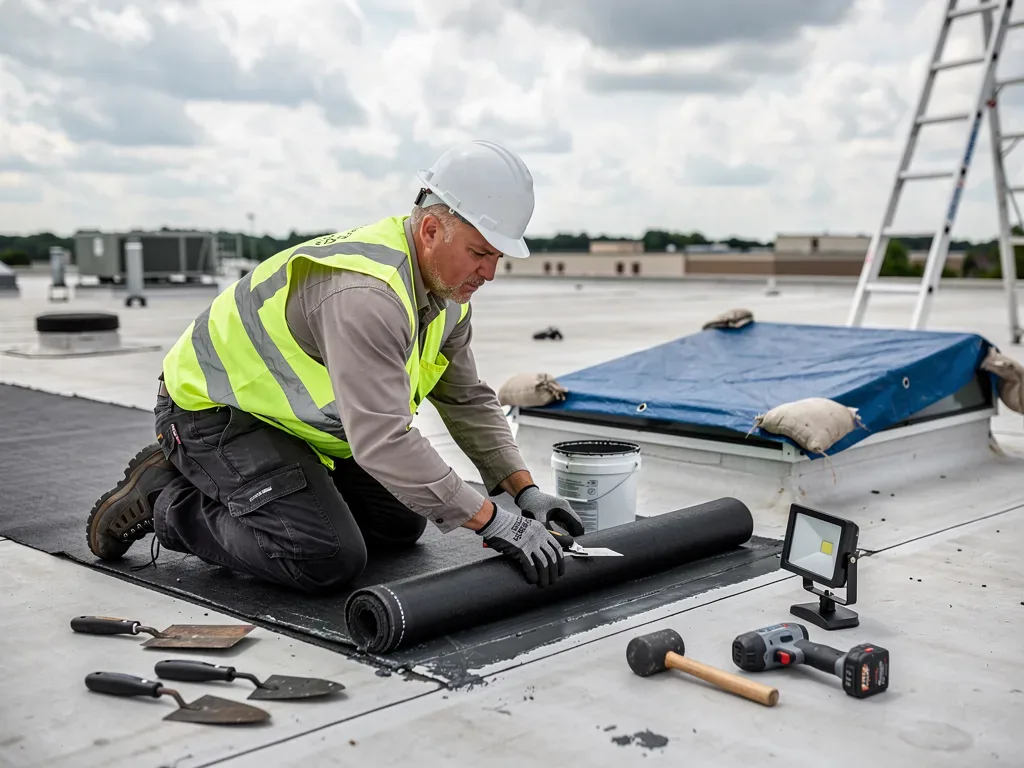
A patch can make sense when damage is limited to one seam, curb, or penetration and the surrounding assembly is sound. Repeated failures, wet insulation, loose attachment, or damaged deck can point toward removal. We identify the roof system and previous patches before selecting materials; a TPO seam, EPDM termination, and metal panel lap each need a compatible detail. A test opening may be needed to understand concealed layers.
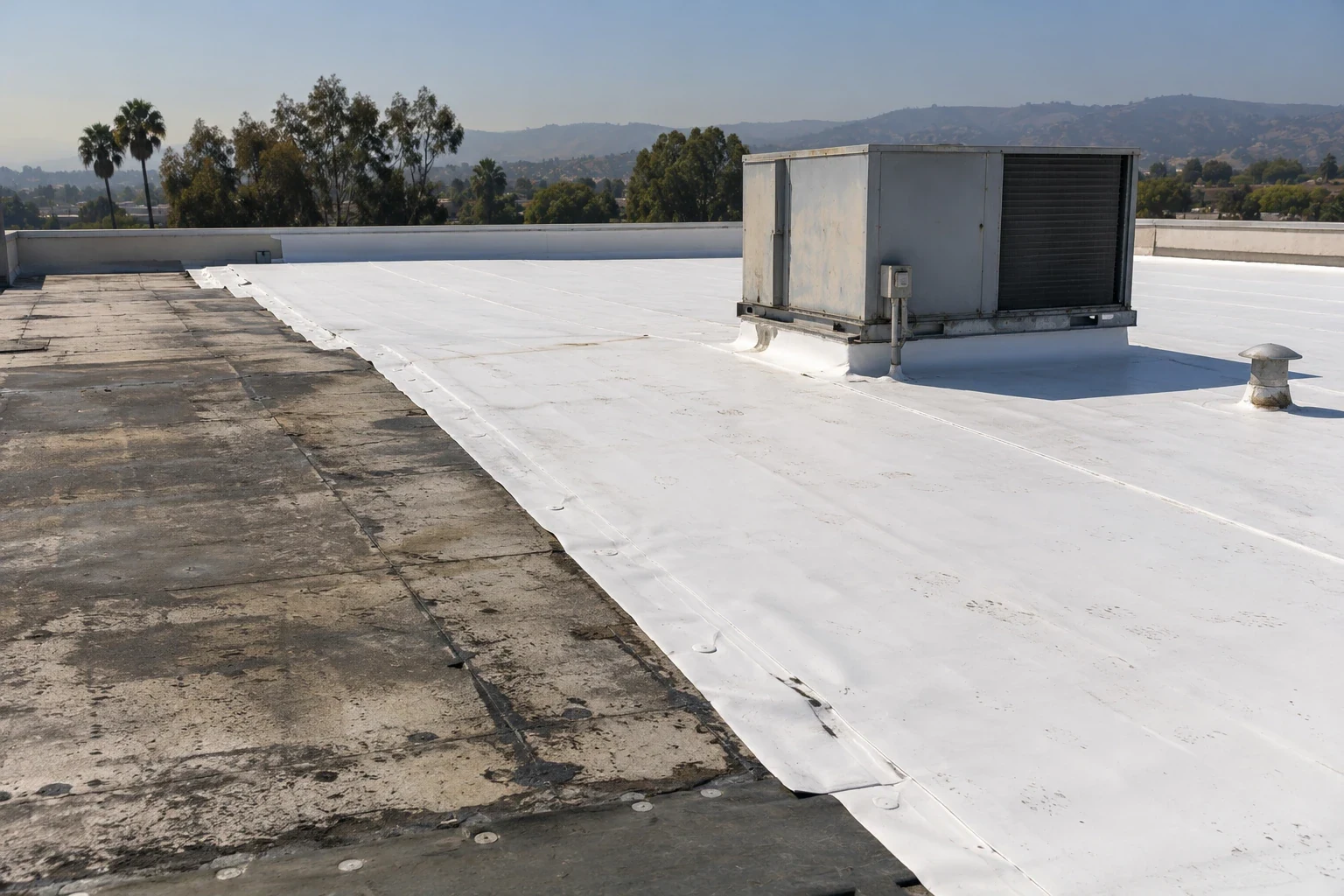
Where the existing assembly is dry, secure, compatible, and allowed by the scope, a recover may avoid unnecessary tear-off. Replacement planning considers insulation, edge metal, drainage, removal limits, inspections, and room protection. We connect the recommendation to the field condition rather than a preference for one system.
Chula Vista’s local amendments followed the city’s 2025 building-code adoption, and the statewide 2025 standards became effective on January 1, 2026. Permit review and the project documents identify which requirements apply to the specific scope. We coordinate the roof detail with the approved documents and report any field discrepancy before it is covered.
Make the Scope Ready for District Review
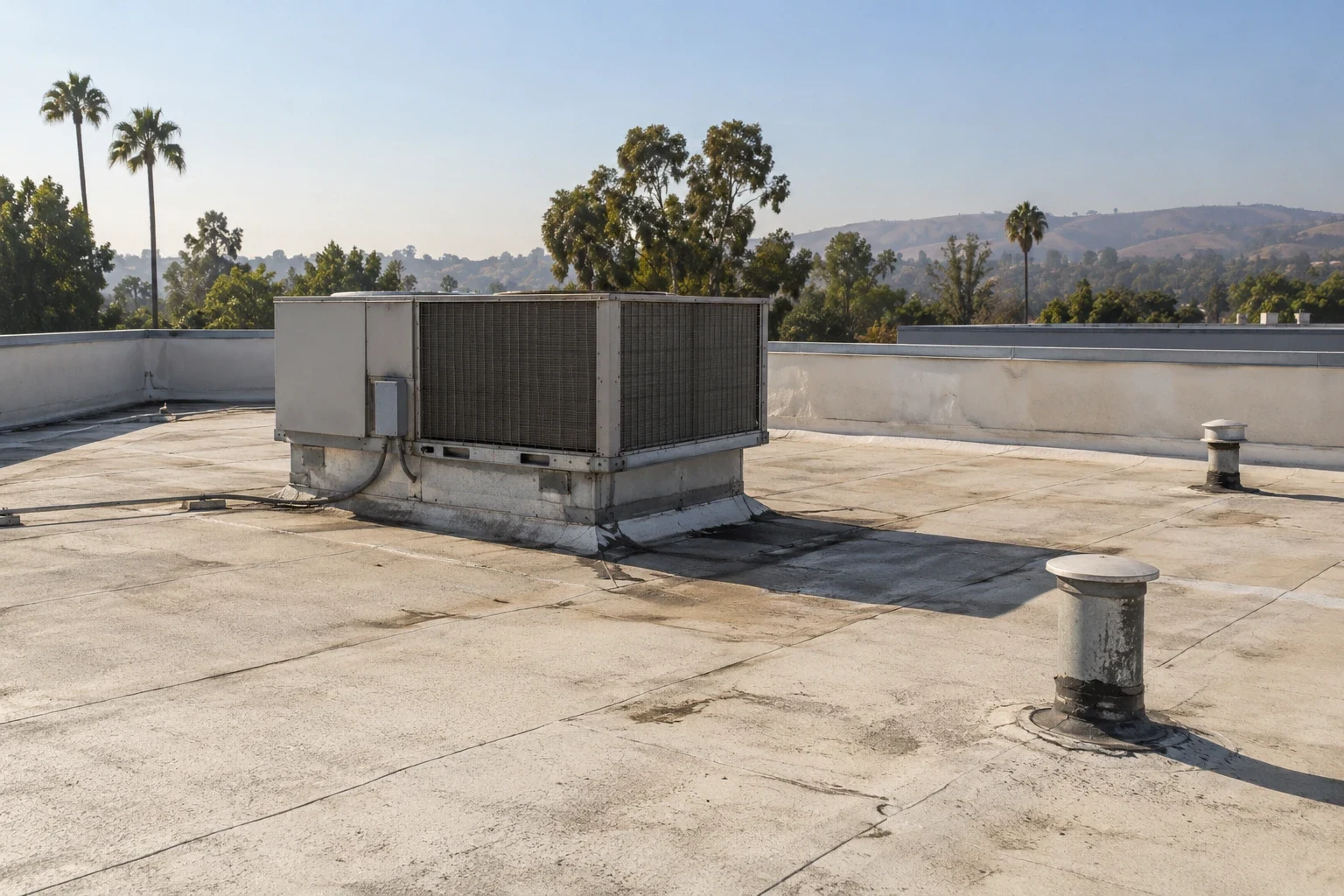
A school district scope should identify the building, roof zone, repair limits, materials, access, and tests. Photographs show the failed detail and its relation to a drain, curb, or edge. We list open items that need a test result, trade coordination, or written direction. A roof condition report can help staff compare findings across a campus without implying each roof uses the same assembly.
Timing and cost depend on roof area, system, access, lift requirements, removal, testing, weather, and whether a room or campus route must stay open. A small repair and a full reroof are different scopes. We separate confirmed work from allowances or concealed conditions that need approval. District procurement staff can review a defined base scope and the evidence behind any alternate.
For projects involving public facilities, public agency roofing coordination also depends on clear scope documents and approved access. Share the campus, affected room, roof plan, student calendar, access contact, and project requirements. We will inspect released areas and return a building-specific repair or replacement sequence with the dry-in point identified.