Keep Public Routes Open and Controlled
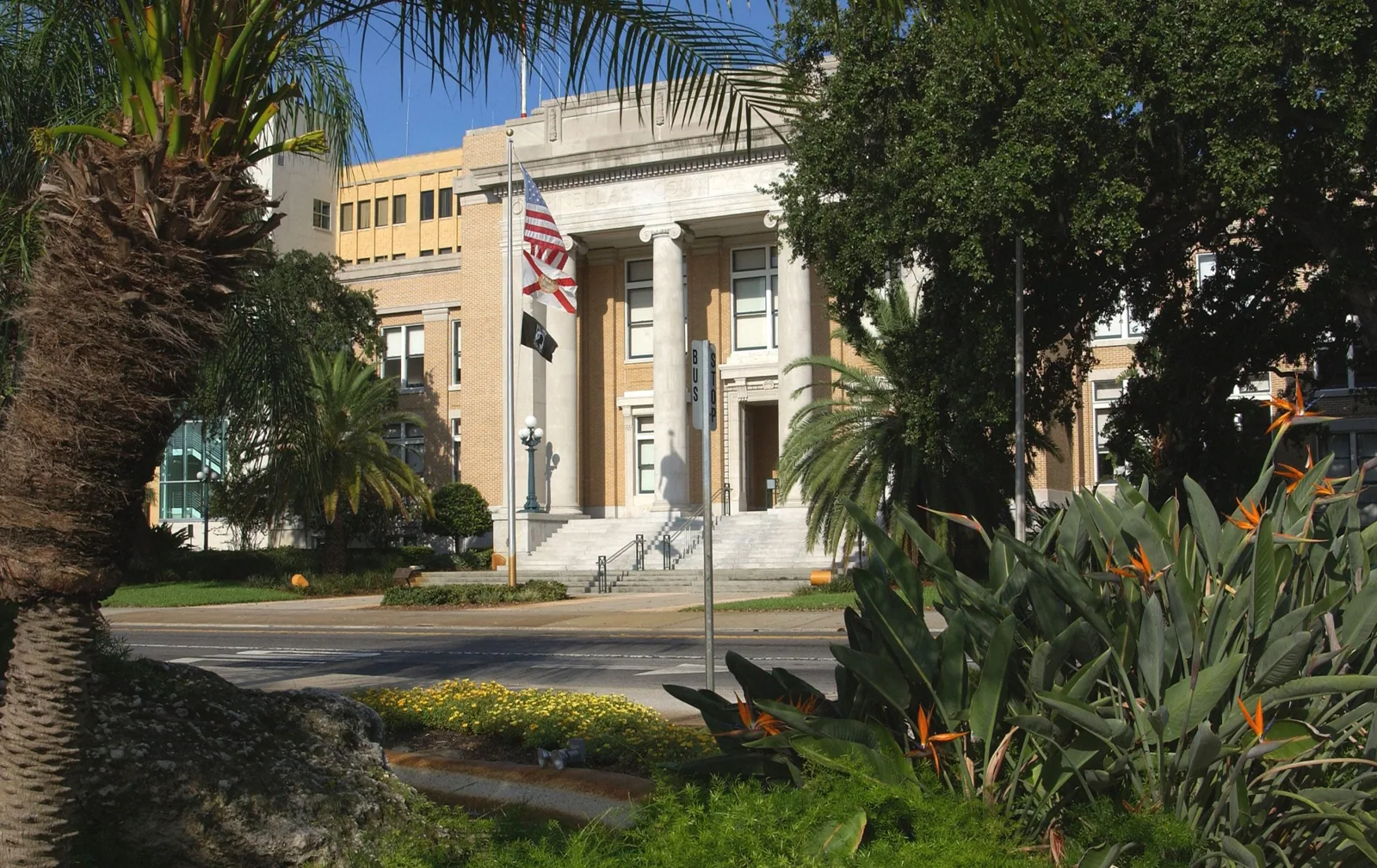
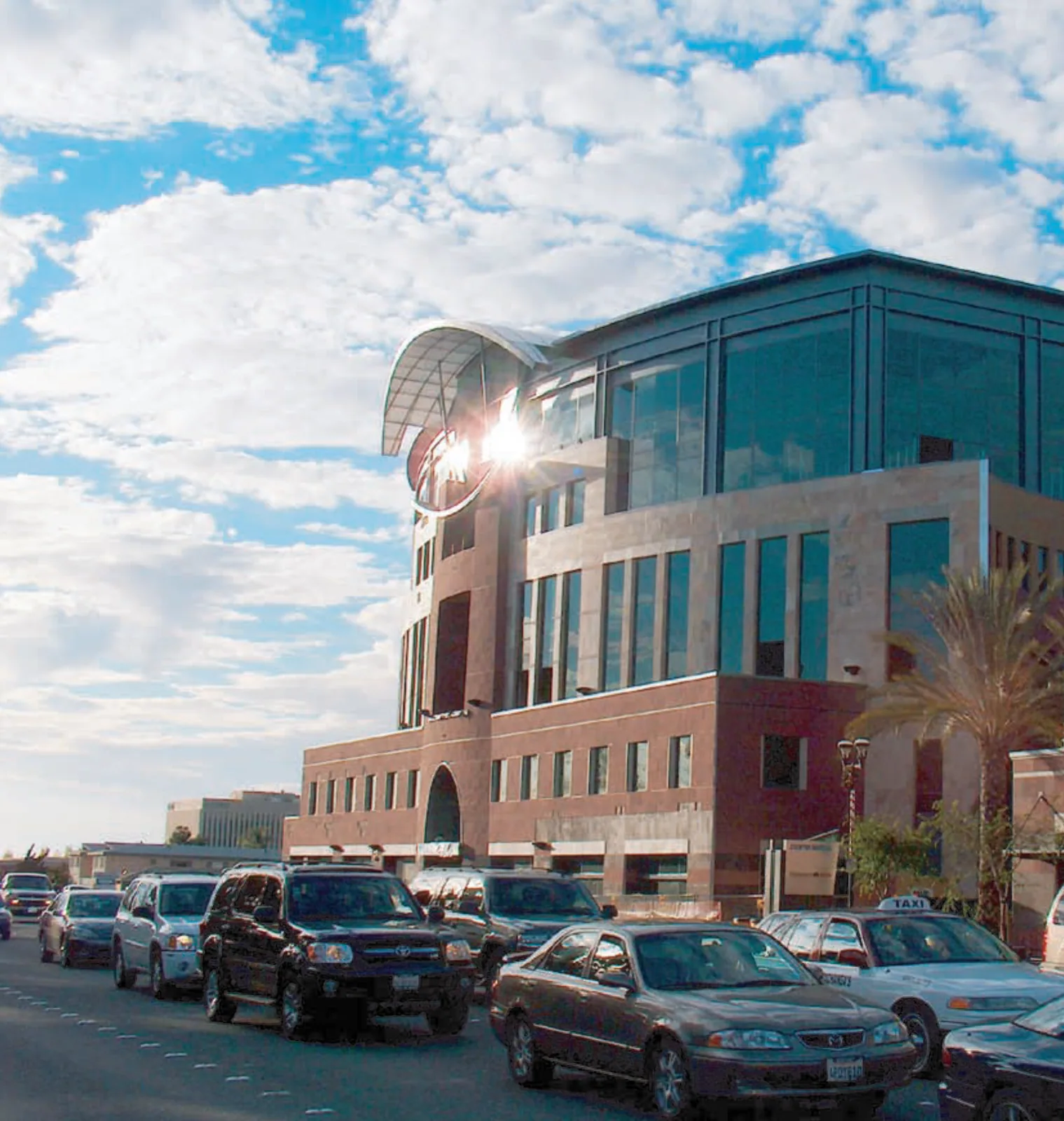
Before a roof walk, we confirm the facility contact, visitor process, approved entry, parking or loading route, and hours when public areas can be restricted. The agency identifies service counters, emergency access, and pedestrian paths that must remain available. We plan lift placement and debris movement around those routes. A change in public hours changes the work window, so the crew secures the current roof zone before moving to another location.
Chula Vista’s western business areas include Third Avenue, Broadway, and Main Street, while H Street links office and retail activity with transit-oriented development. Those corridors help locate public-facing facilities, but the address and site plan determine actual access. An agency building roof needs a work boundary that protects staff and visitors as well as the roof assembly.
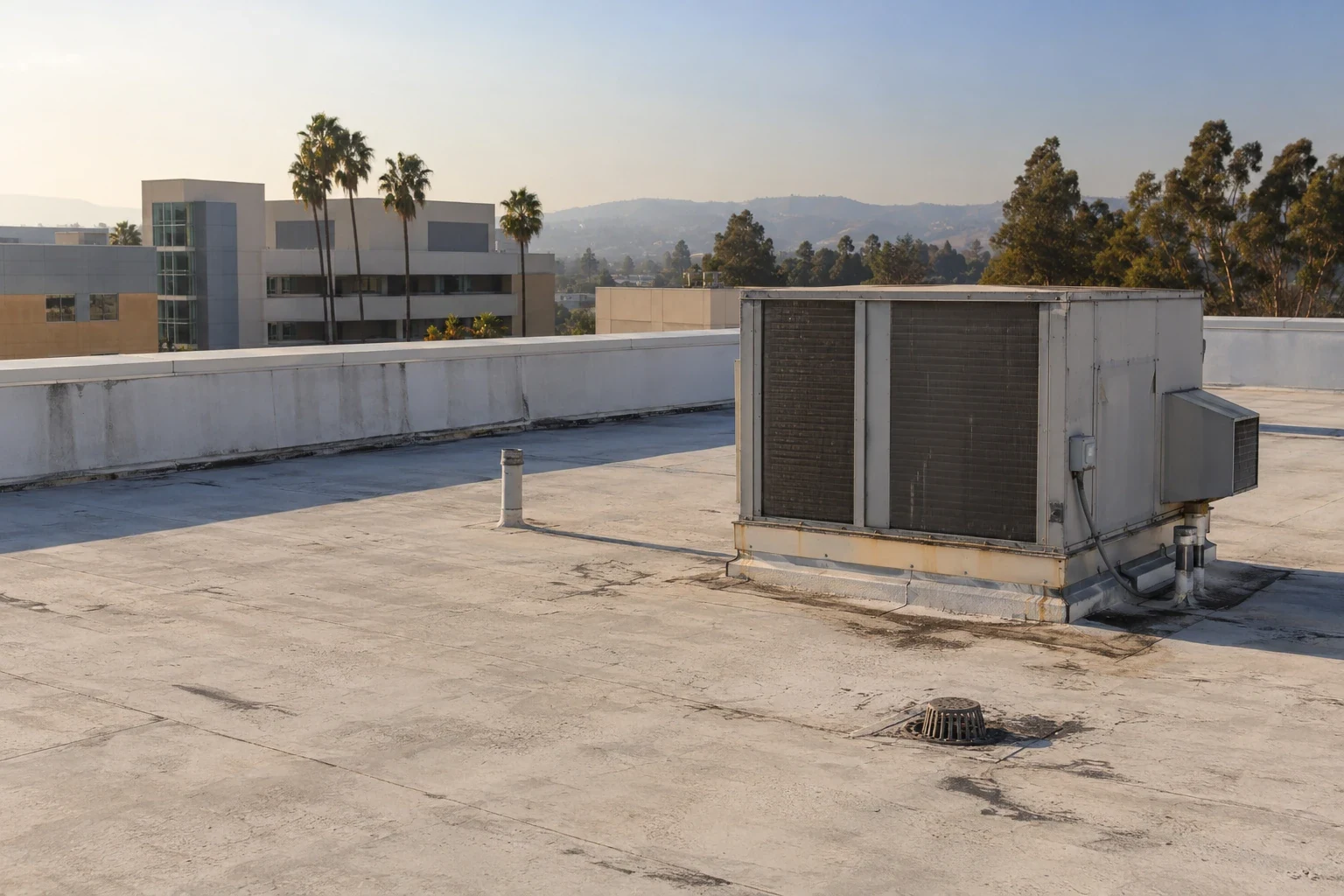
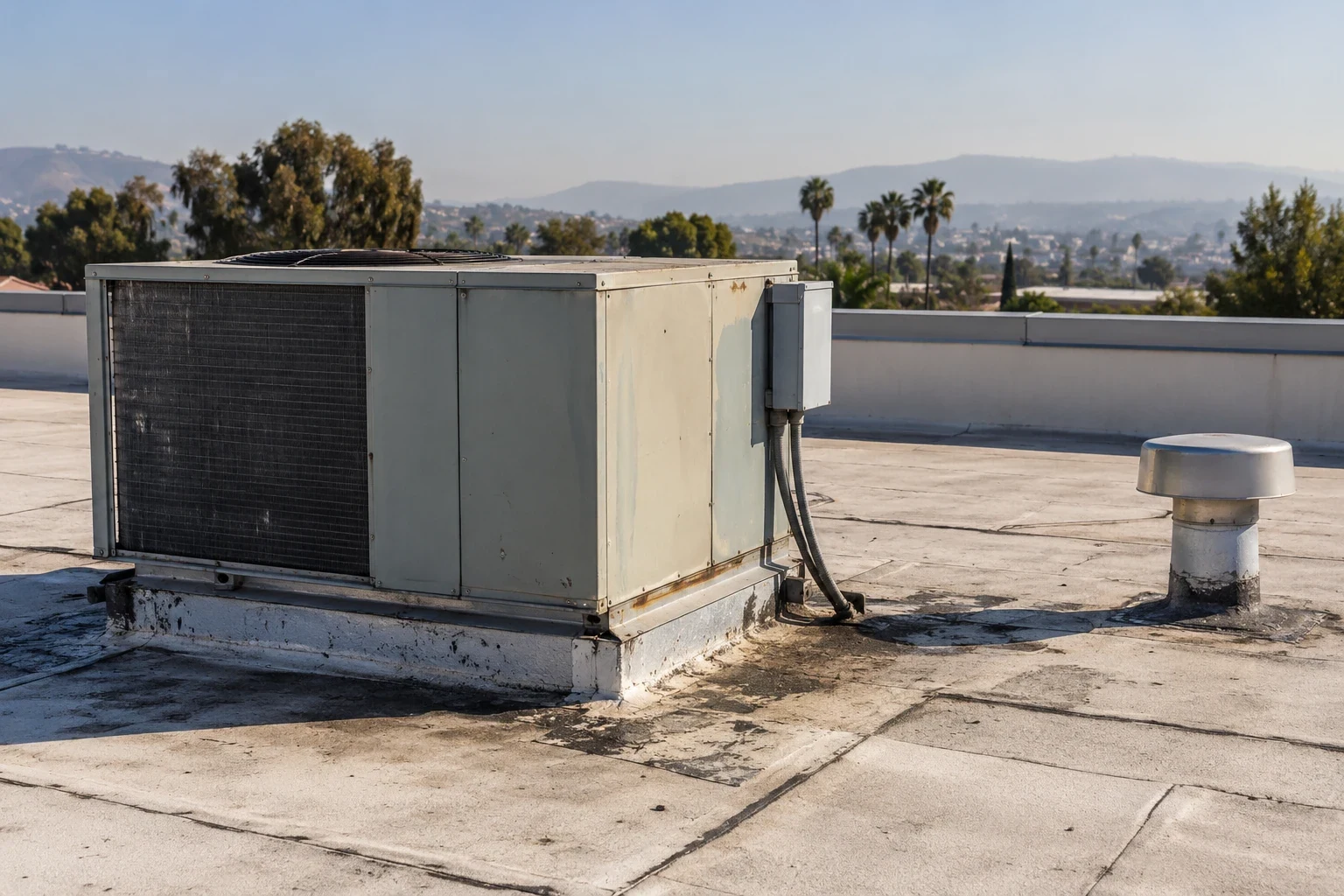
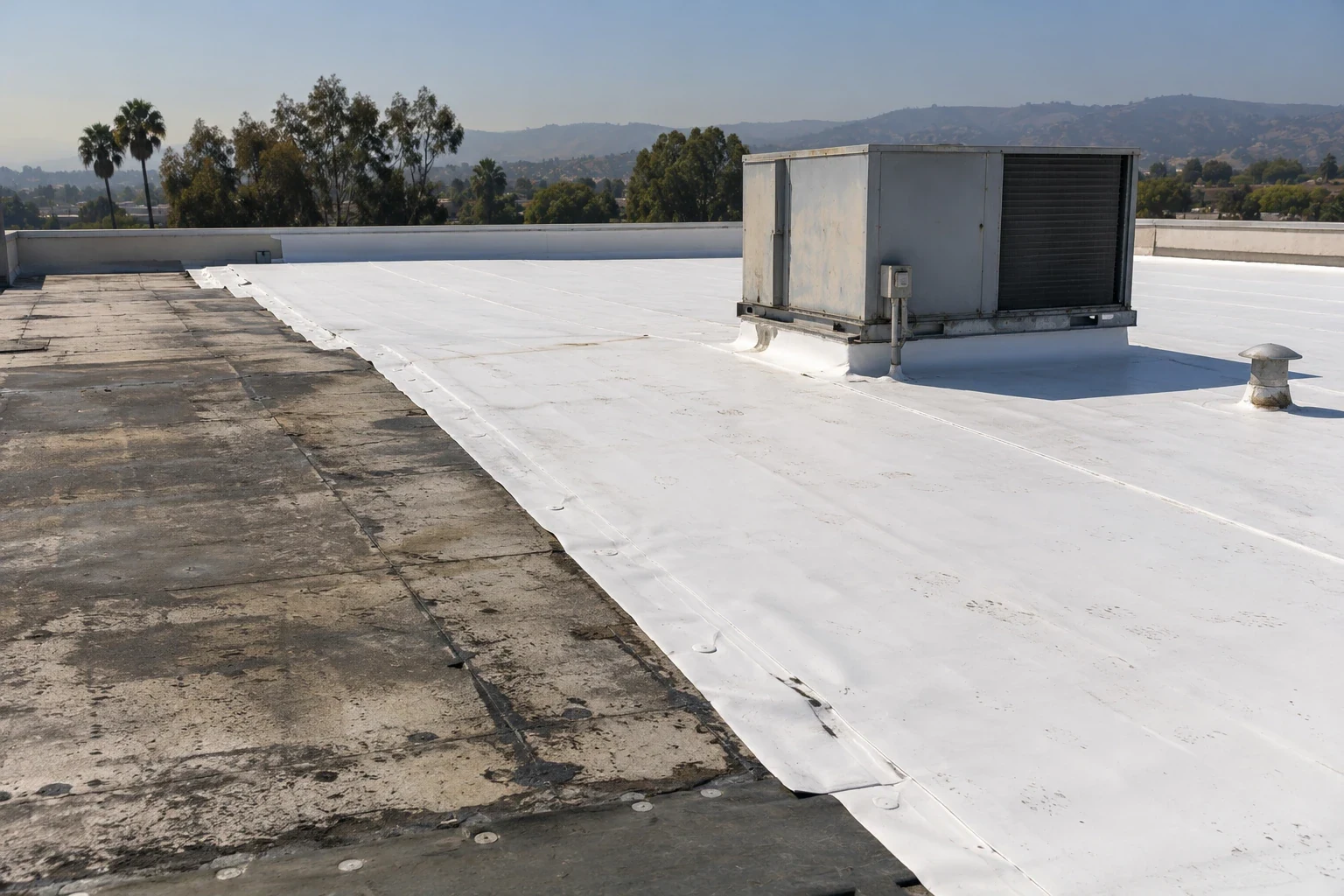
Visible conditions are recorded by building and roof zone. We check seams, drains, curbs, parapets, edge metal, rooftop units, and prior repairs. If the reported stain is far from the likely entry, we trace the path through framing or deck rather than treating the ceiling mark as the repair location. A condition inspection can distinguish observed damage from areas that need a test opening.
Build a Scope That Can Be Reviewed
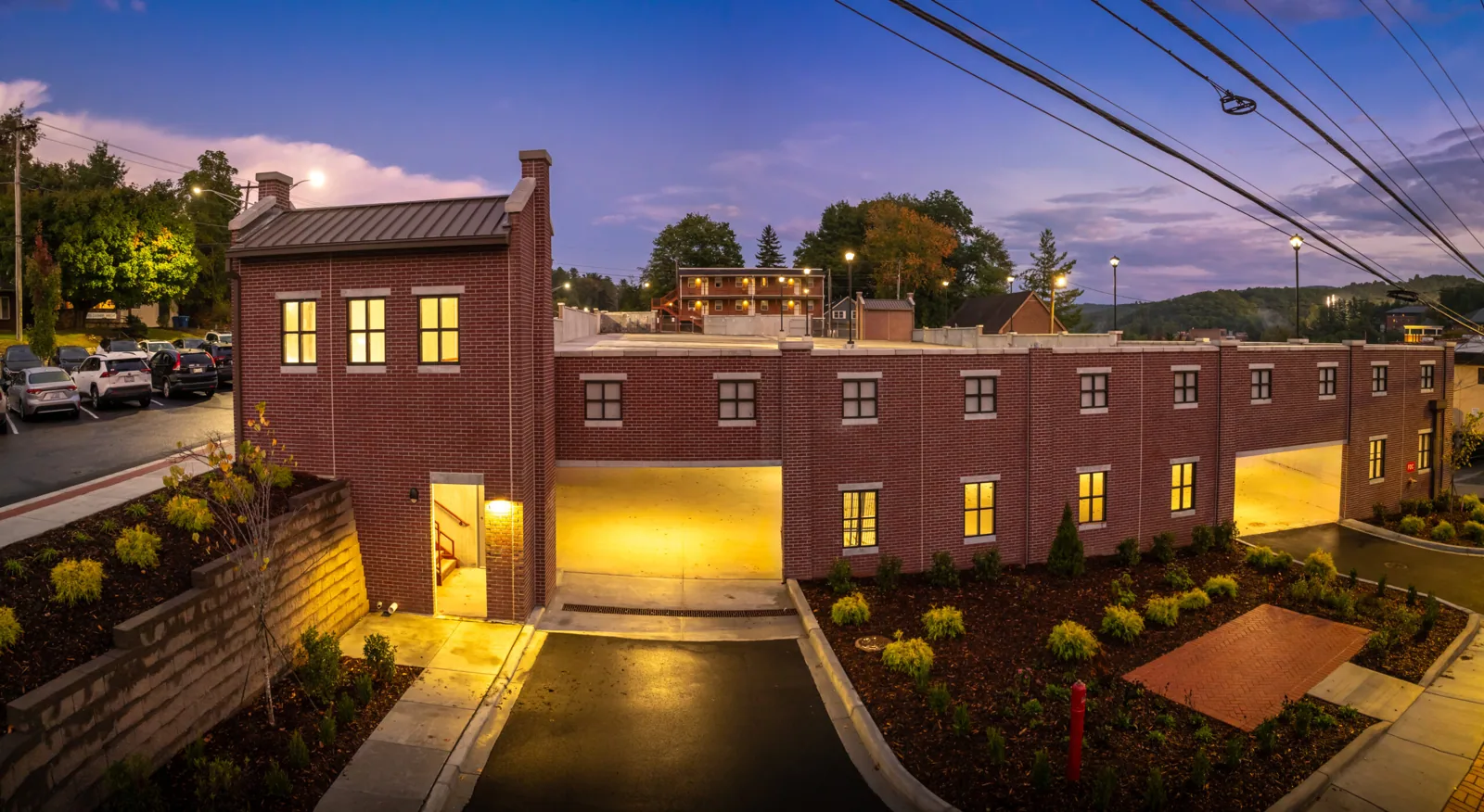
Public procurement needs a clear description of the work. We state the roof assembly, affected zones, repair limits, materials, access requirements, testing, and any hold point that needs written direction. Photos show the detail and its location. If the deck or insulation may be damaged but cannot be confirmed from the surface, the scope identifies what opening would establish and what restoration follows.
Chula Vista adopted the 2025 California Building Code with local amendments as part of its 2025 code cycle, and California’s 2025 Building Standards Code took effect statewide January 1, 2026. Project documents and permit review determine what requirements apply to a particular repair or replacement. We compare the approved details with the field condition and flag a discrepancy before concealing it.
Cost and schedule depend on roof area, assembly, access, lift needs, removal, insulation, drainage, inspection points, and whether public operations must be phased. A local curb repair differs from a reroof involving multiple wings and occupied counters. The proposal separates confirmed work from allowances and conditions that need a decision, giving agency reviewers a scope they can compare without assuming concealed damage. Where the bid calls for alternates, we describe the changed material or work limit and the condition that would make that alternate appropriate. That helps reviewers compare the base scope and options on the same building evidence. We can format the schedule and scope detail to fit the agency’s review process.
Separate Emergency Protection from Permanent Work
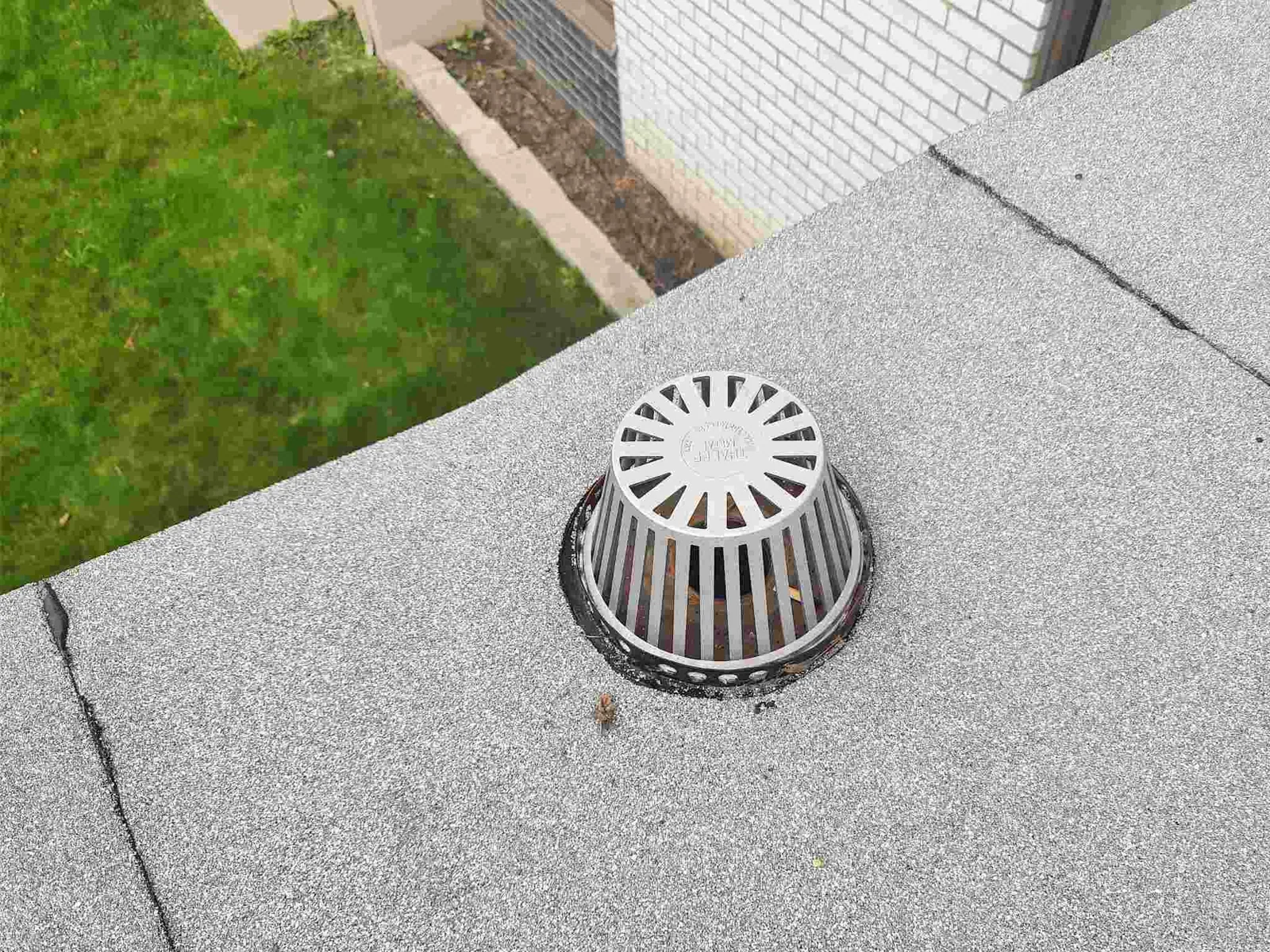
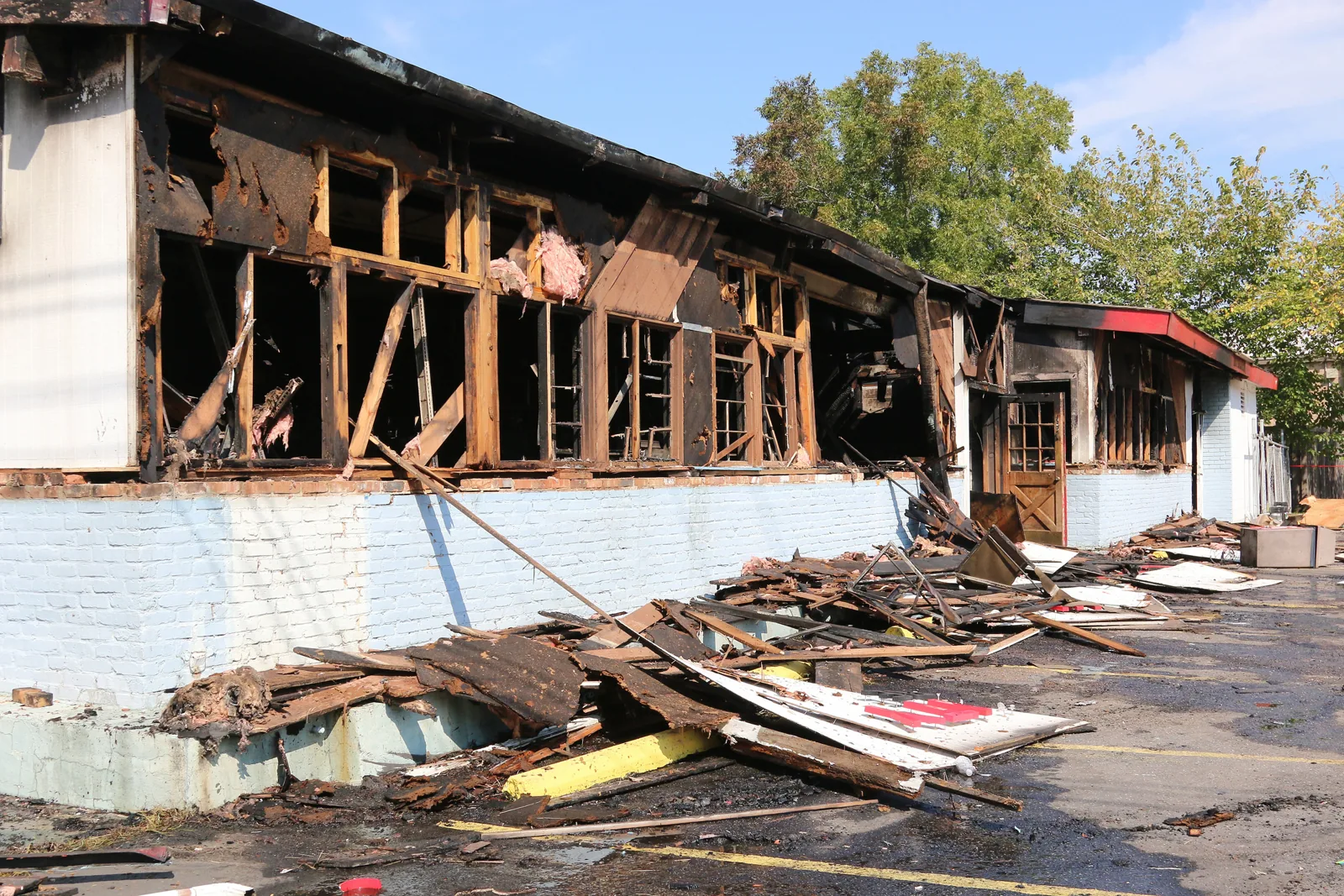
A blocked drain, failed seam, loose edge, or open curb can admit water through a different route. We inspect the bowl, overflow, slope, membrane, and perimeter together so the proposed repair matches the likely entry point. Drain and scupper repair can correct an outlet or transition; water held by a settled deck may need a broader correction. The field record states which condition is confirmed.
For active leaks, emergency response is available nights, weekends, and holidays. We stabilize the opening, protect the public area below, and record the temporary work. Permanent repair follows the agency’s authorization and access process. When removal exposes wet insulation, corrosion, or damaged deck, we protect the zone and request direction instead of adding work without approval.
A recover may be considered if existing layers are dry, attached, compatible, and allowed by the project. Repeated failures or widespread moisture may support removal. Recover work and replacement are compared using the inspection, testing, and required tie-ins. We record what remains, what is removed, and how the completed roof will drain.
Coordinate Work Across Districts
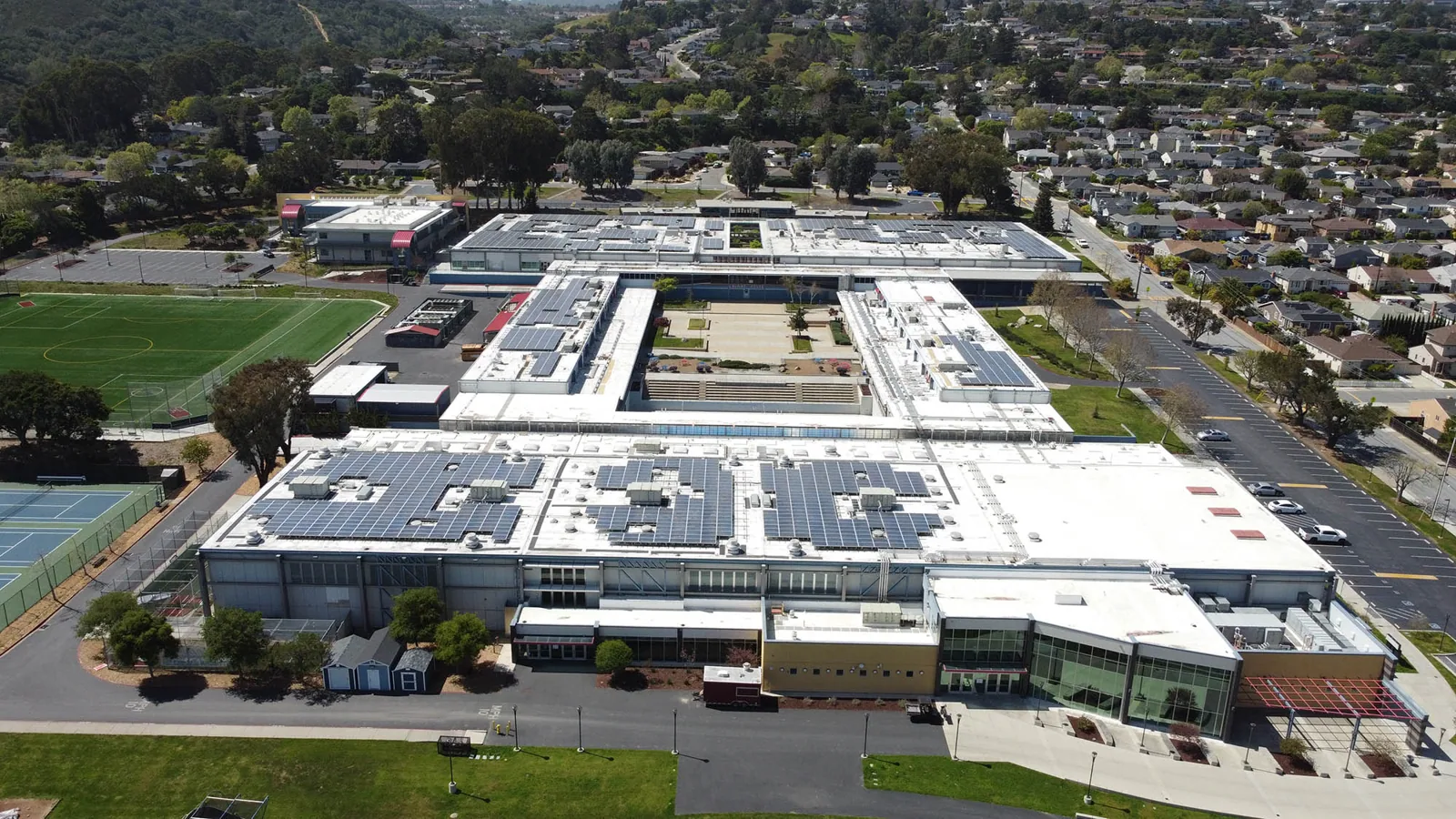
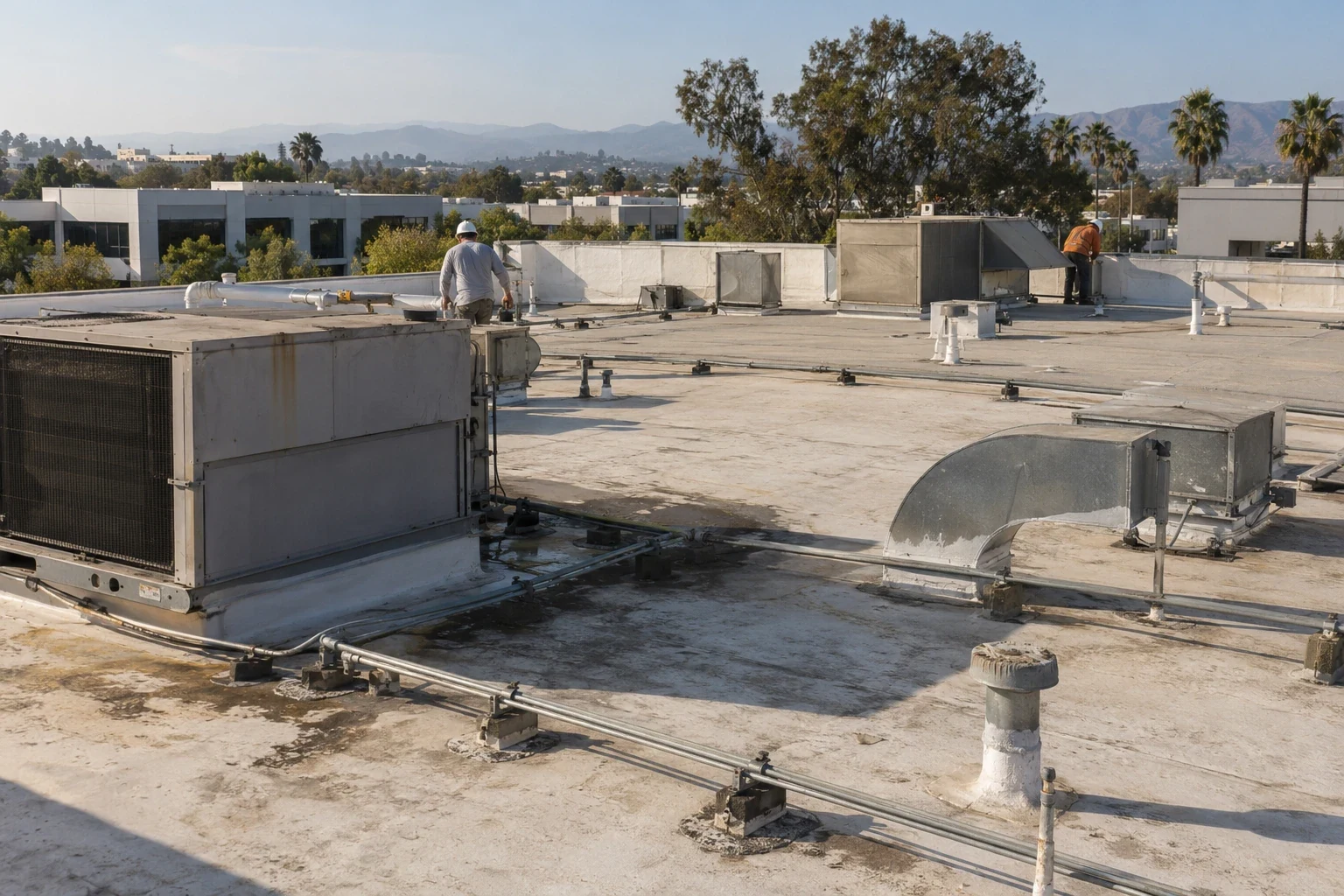
Public agencies may manage properties in several parts of the city, from western business corridors to employment areas in Otay Valley and the developing east. Each site brings different public hours, vehicle access, and roof equipment. We can group site visits geographically while keeping every building’s assembly and repair record separate. A roof visit in the H Street urban core still requires the facility’s own entry and loading instructions.
Most San Diego-area rain falls during winter, although seasonal totals vary. Weather affects the open-roof limit and the timing of coatings or sealants. We check the day’s conditions and finish dry-in before leaving, rather than relying on a broad seasonal average. If a storm changes the plan, the agency receives the protected area and any follow-up needed to restore the permanent system.
For capital work, staff may need to coordinate engineering, facility operations, procurement, and a general contractor. General contractors can carry the roofing scope into a larger facility project; school districts face similar public access constraints but maintain their own campus calendars. We define who approves access, shutdowns, and concealed-condition work before mobilizing.
Leave a Record for the Next Budget Cycle
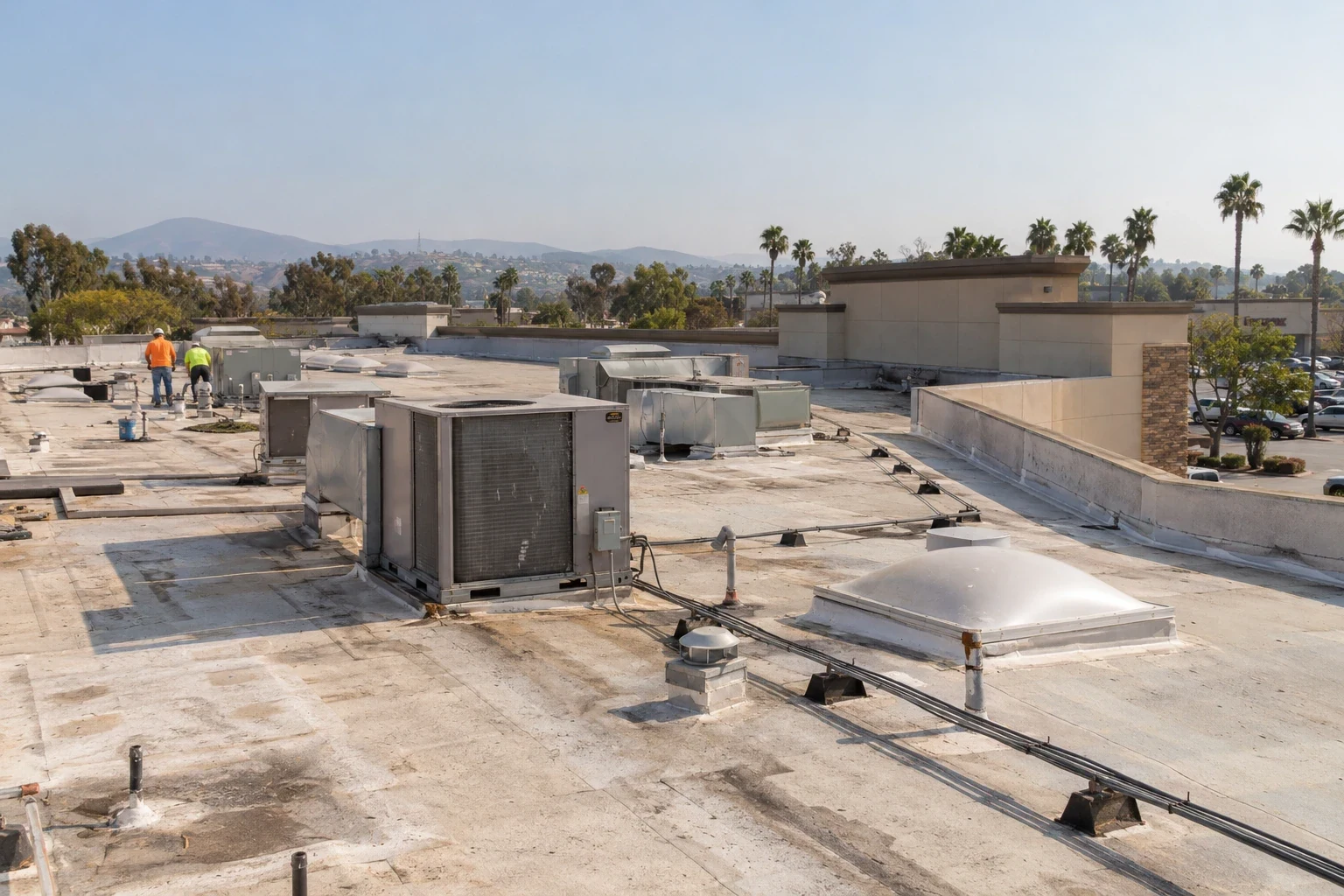
Closeout identifies the facility, roof zone, observed condition, repair materials, photographs, tests, and open items. A roof condition report can support future maintenance and budget review by keeping the same location labels across inspections. We record any limit on access so an uninspected zone is not mistaken for a sound one.
Agency maintenance staff can use the record to compare a later leak report with the completed repair. It also clarifies which action was temporary, which work is permanent, and whether another trade has an outstanding task. Preventive maintenance can then follow the observed roof condition and the agency’s operating calendar.
Share the facility, affected public area, roof plan, access contact, procurement requirements, and any target window. We will inspect the released roof zones, document the failure and options, and provide an authorized scope that states what the agency can approve next.