Screen the Surface Under Suitable Conditions
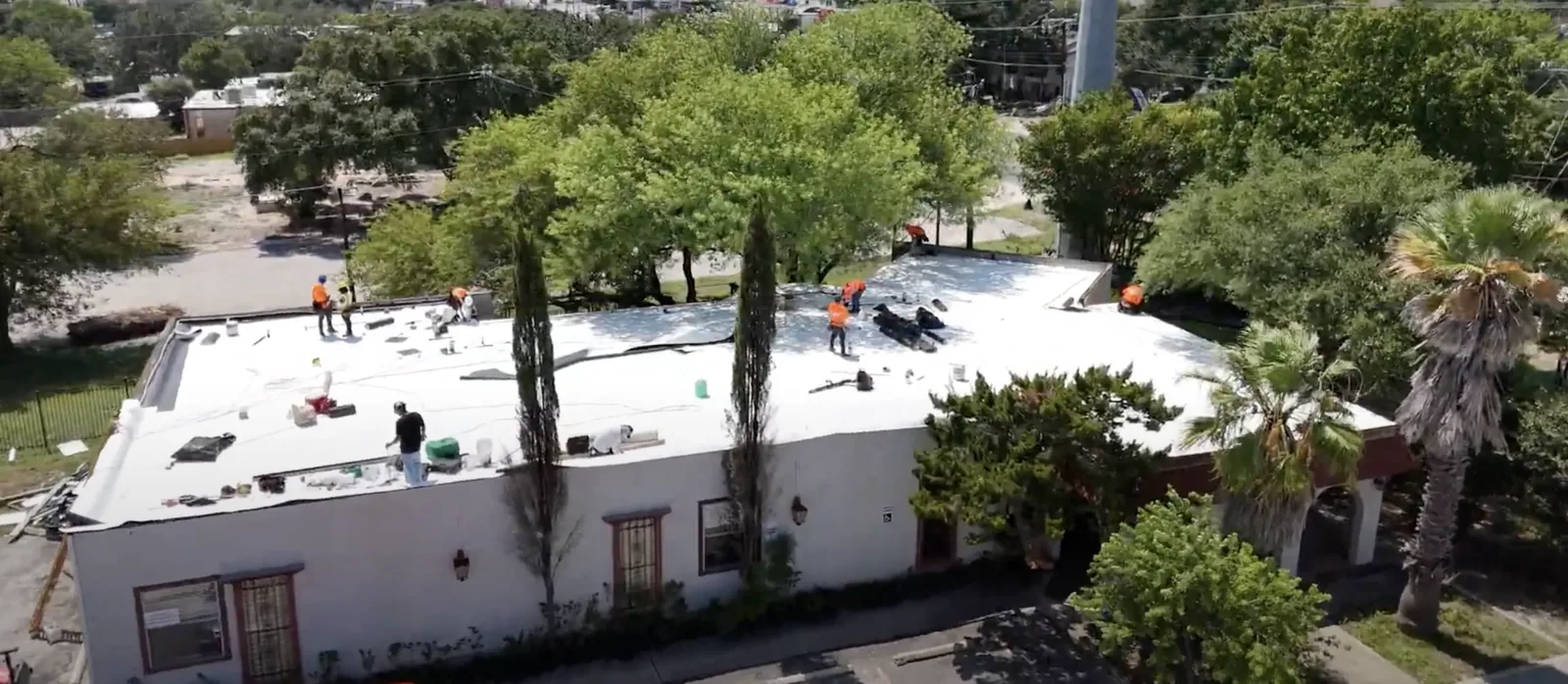
Infrared imaging compares roof-surface temperature patterns after the assembly has absorbed and released heat. Different thermal behavior may merit closer review, but shade, roof color, moisture, insulation, equipment and weather can all affect the image. We capture when conditions support useful contrast and record site conditions. If wind, rain or uneven heating makes results hard to read, we reschedule or use another method.
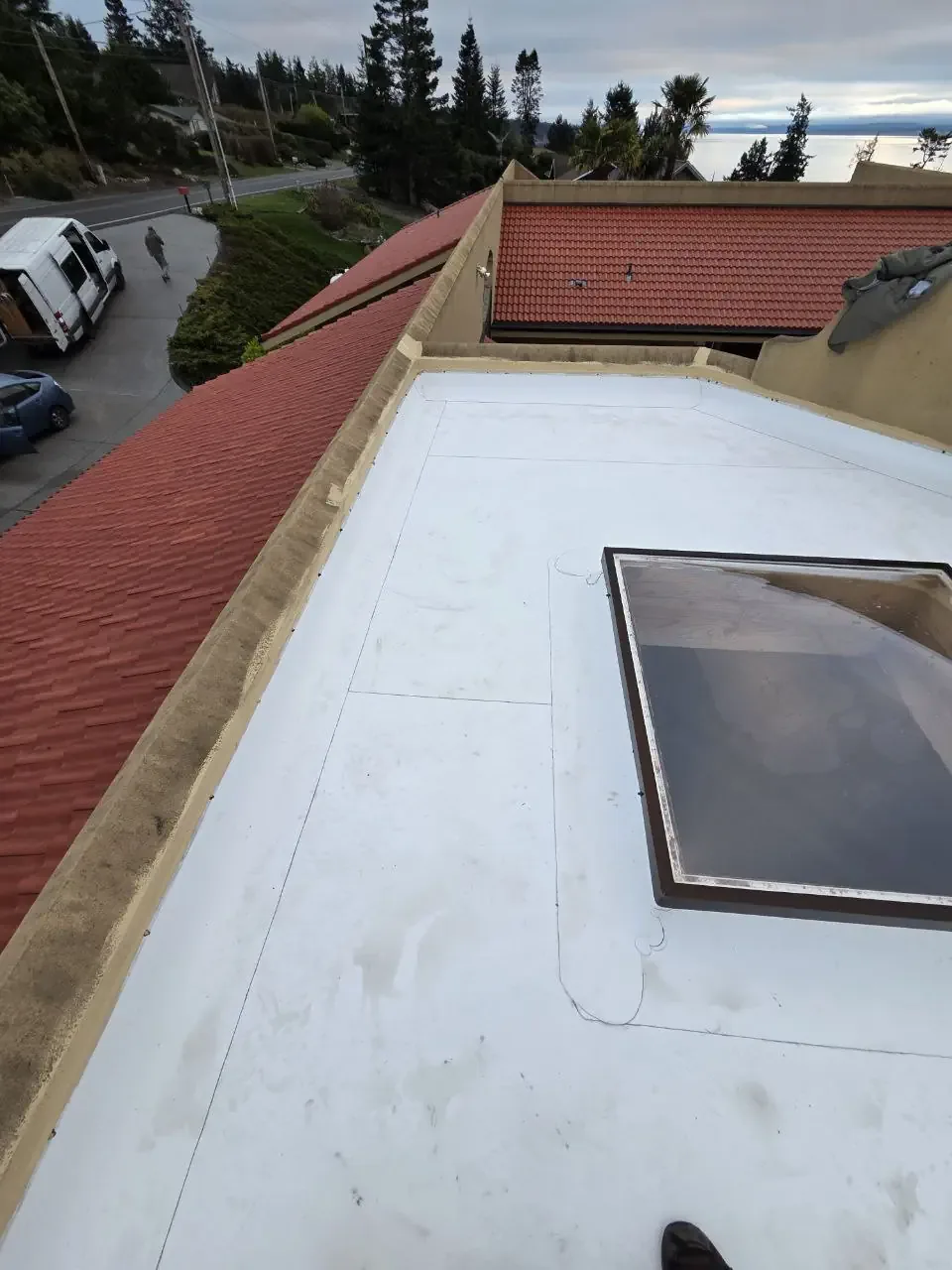
We divide the roof into zones tied to a decision: recurring leaks, ponding, suspected wet areas or repair limits. Images mark patterns against seams, drains, curbs and roof geometry. We compare the capture with visible shade, surface condition and the timing of recent rain. A pattern is a location for follow-up, not a finding of wet insulation.
Most Chula Vista rain falls from November through March, but a survey can still help later if moisture remains below the surface. Time since rain, sun and roof construction affect readings. We explain those limits. A hands-on roof inspection checks details that may explain the pattern.
Use Core Cuts to Confirm the Layers
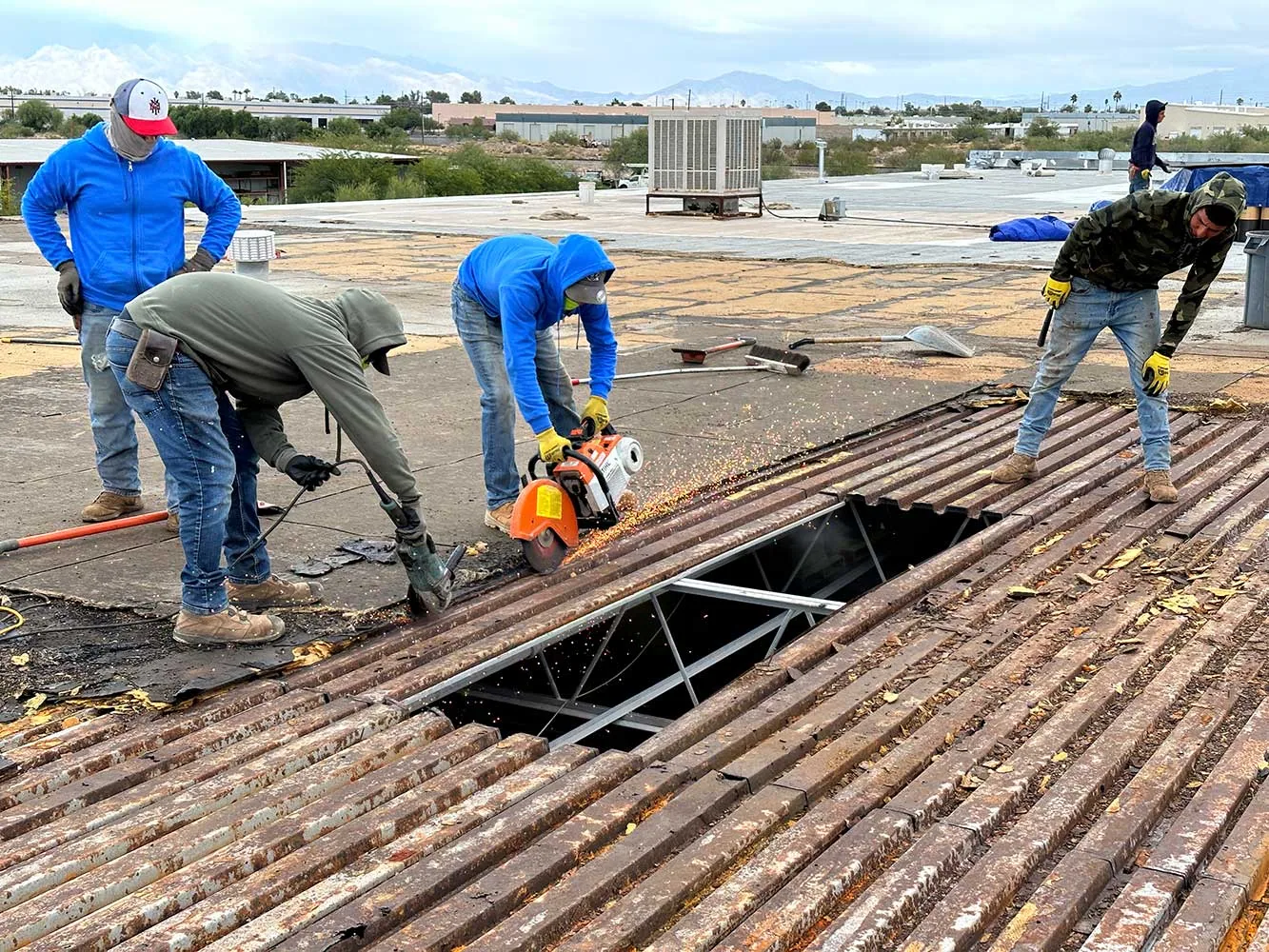
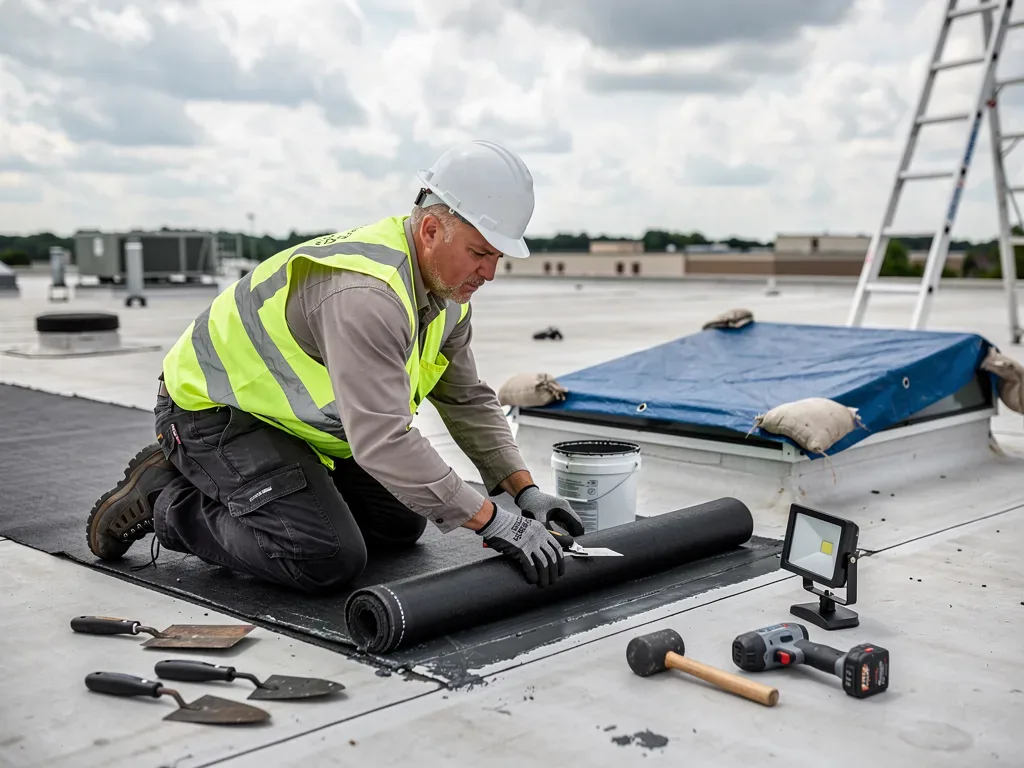
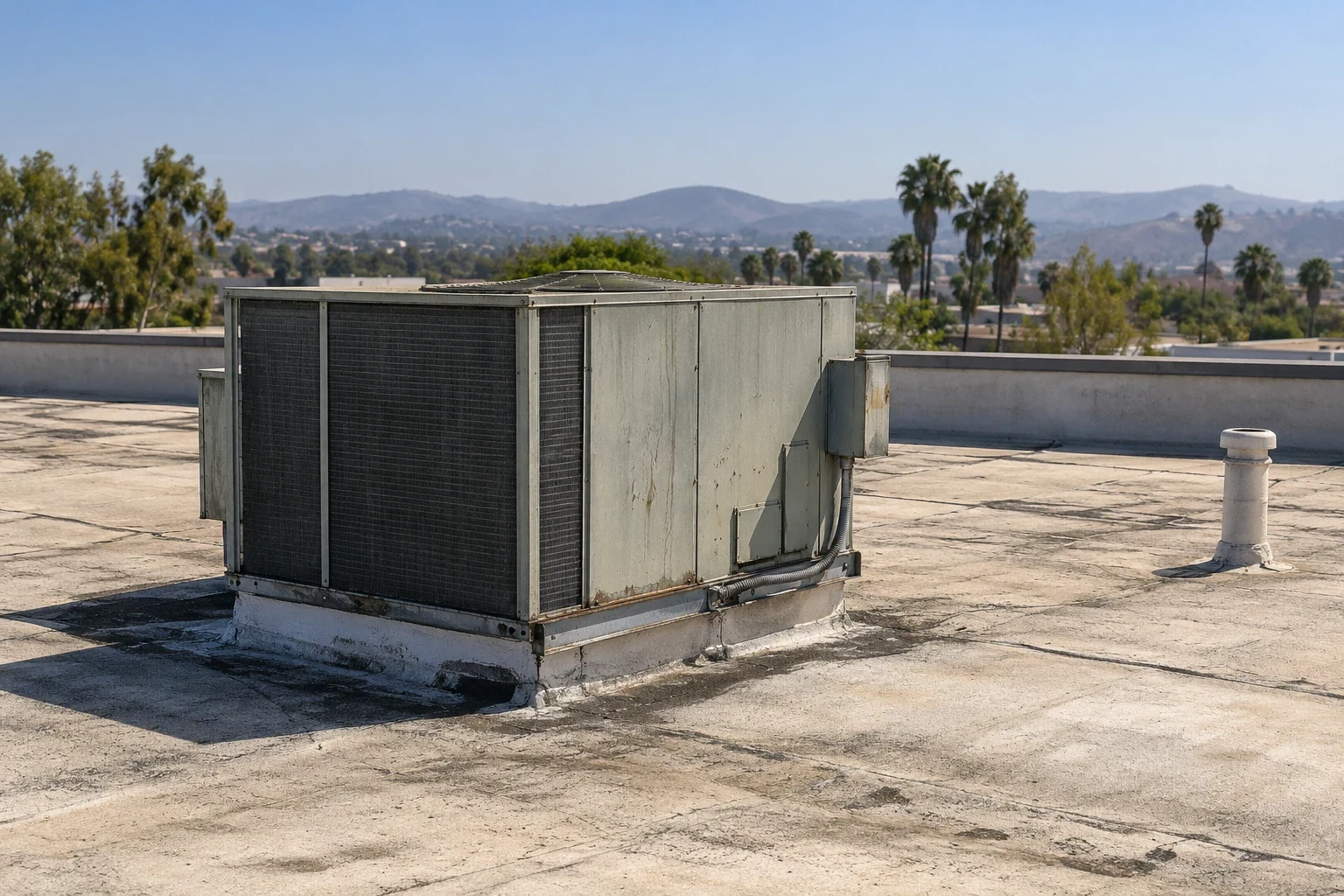
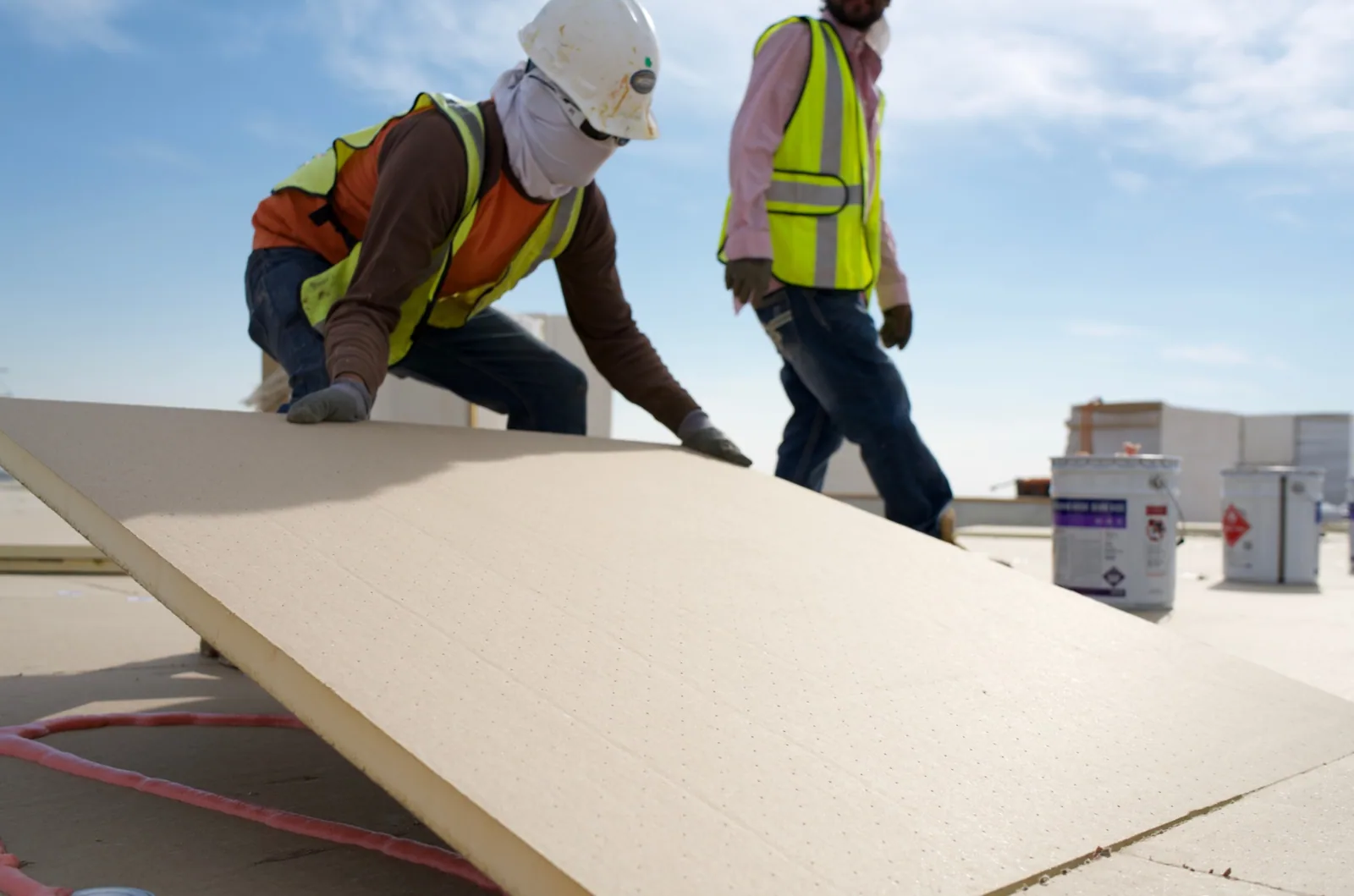
A core cut shows the layers at one selected point: membrane, insulation, cover board, attachment and deck where accessible. We check for moisture, compression or separation, then restore the opening with a compatible repair. That result applies to the sampled location; roof sections with different construction or repairs need separate assessment.
We choose cut locations by comparing thermal patterns with visible conditions and interior reports. A cut near a drain can test whether moisture follows a low point; one near a curb may check a suspected flashing path. We state the question and how its answer may affect the repair choice before making an opening. The owner can then weigh the value of direct evidence against the disturbance and restoration the cut requires. If another area remains suspect, we explain whether more cuts are useful.
On a large roof, representative points may be more useful than many nearby cuts. We consider construction phases, drainage and prior repairs. A core may reveal another layer or deck condition that changes the repair boundary. We record its location, findings and restoration so later crews know what was tested without assuming adjacent material matches it.
Read the Pattern With the Roof Details
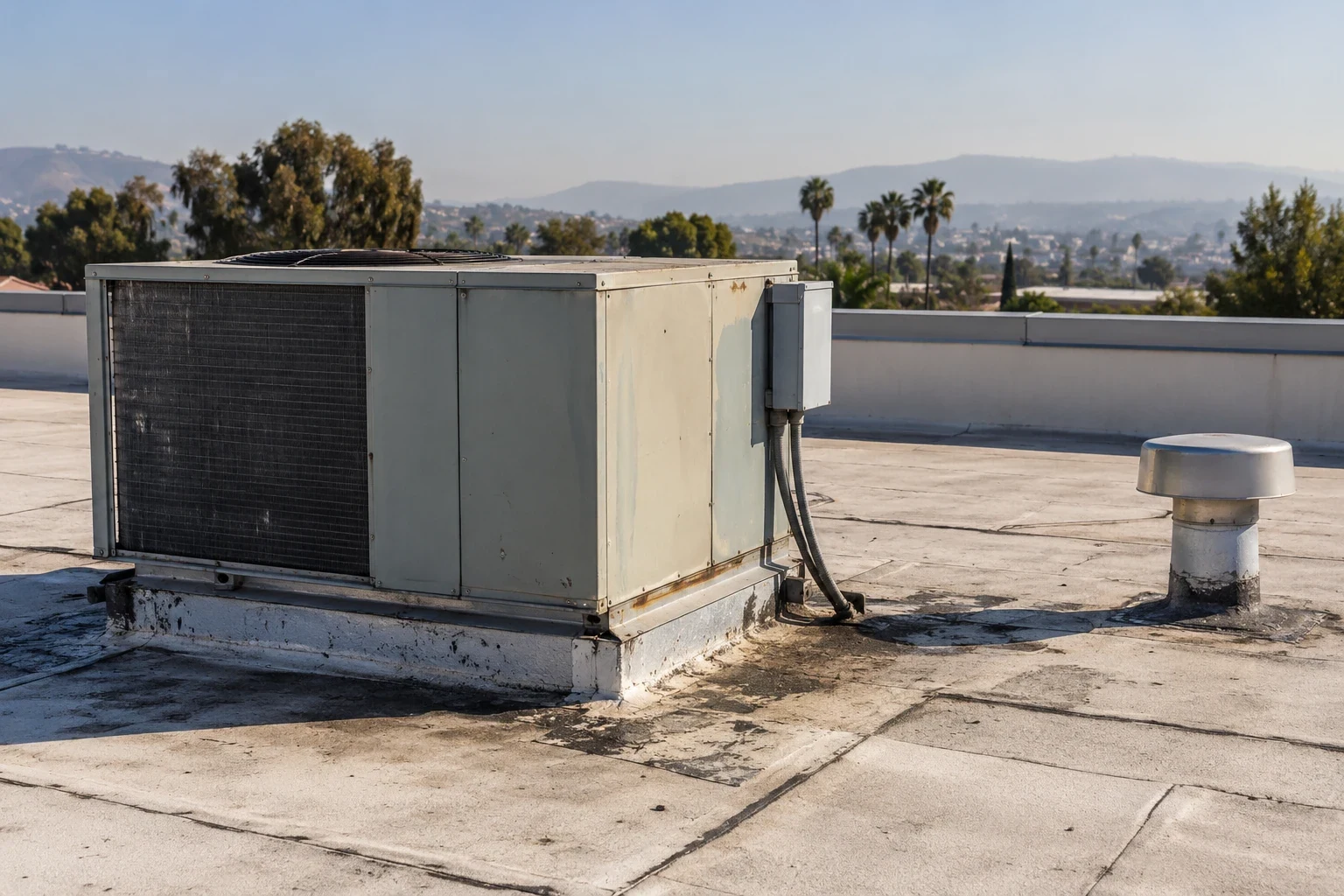
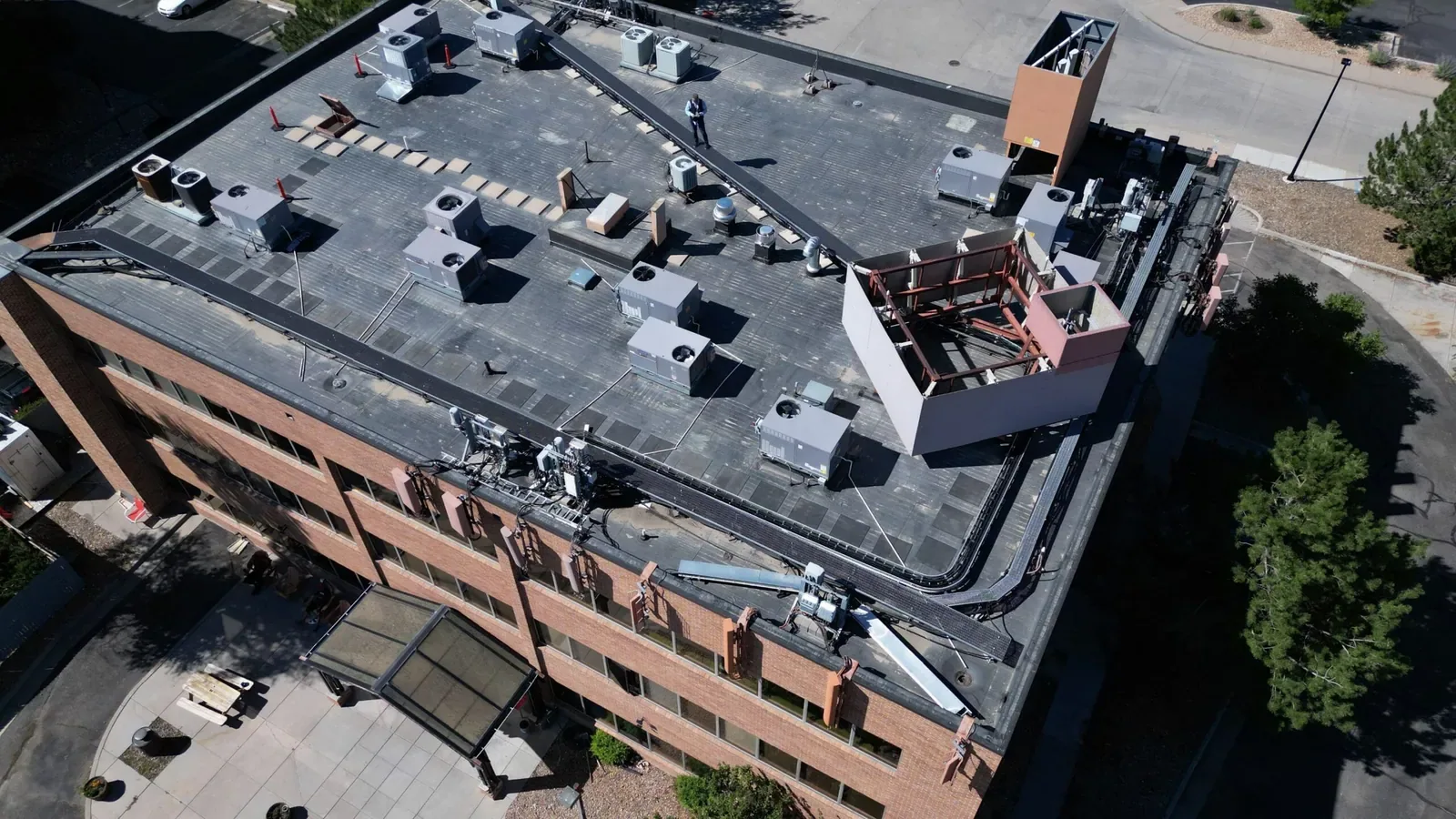
Infrared results need the roof context. Heat from equipment, shade or surface moisture can create patterns that resemble trapped water. Roof construction changes how materials respond. Different membrane colors, insulation types and deck materials can shift the thermal pattern, so the person reading the images needs the roof assembly details. We compare images with visible drainage, seams and interior reports, then decide if a core is warranted. The report distinguishes an image pattern from a condition confirmed directly.
Water can travel under a membrane along insulation joints or deck flutes. We trace the suspected path to curbs, seams, drains and penetrations. If repair depends on locating entry, a leak investigation may be needed. A confirmed open joint may call for seam repair.
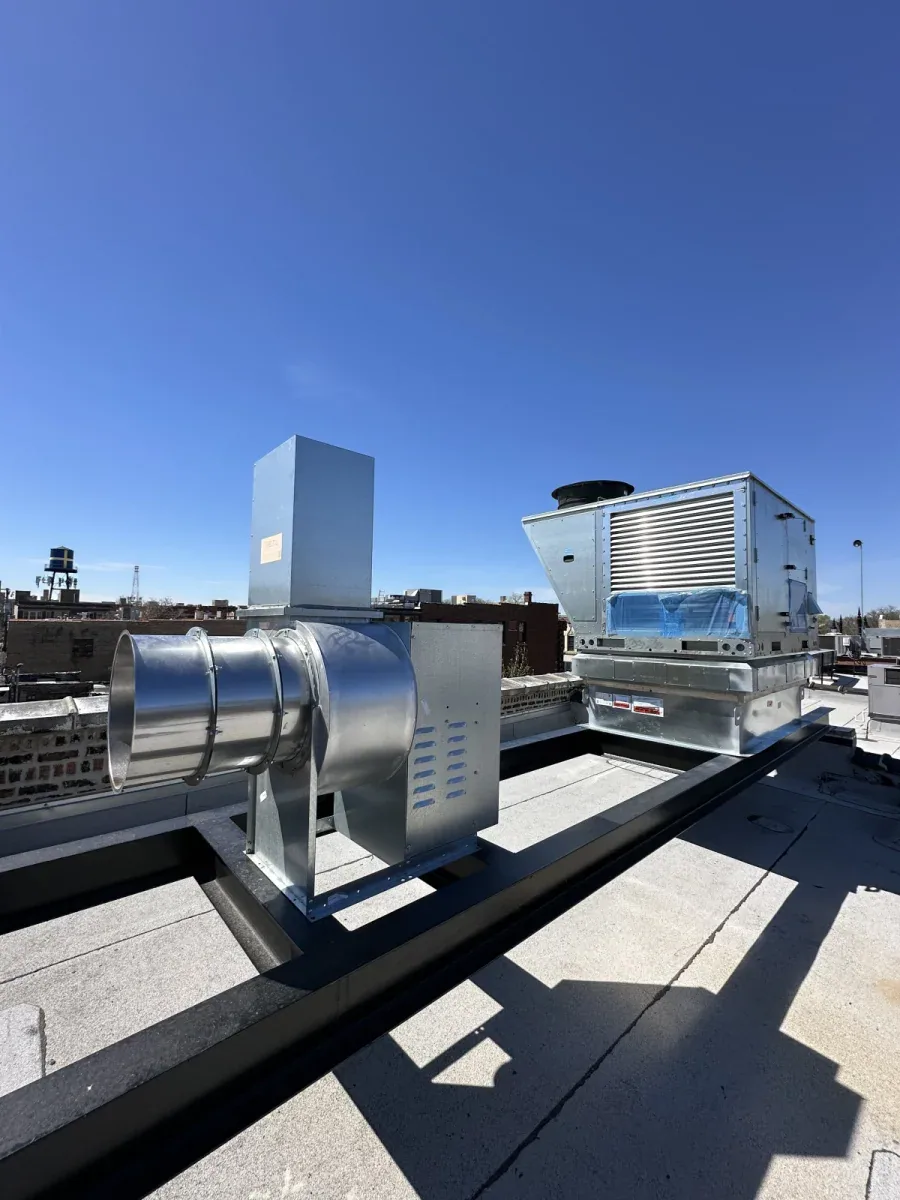
Coastal air affects exposed metal near the Bayfront, while hot dry winds farther east affect capture conditions. At Otay Mesa, cargo activity can affect receiving and lift routes. The Otay Mesa roof zone still needs a building-specific plan.
Connect Test Results to a Repair Boundary
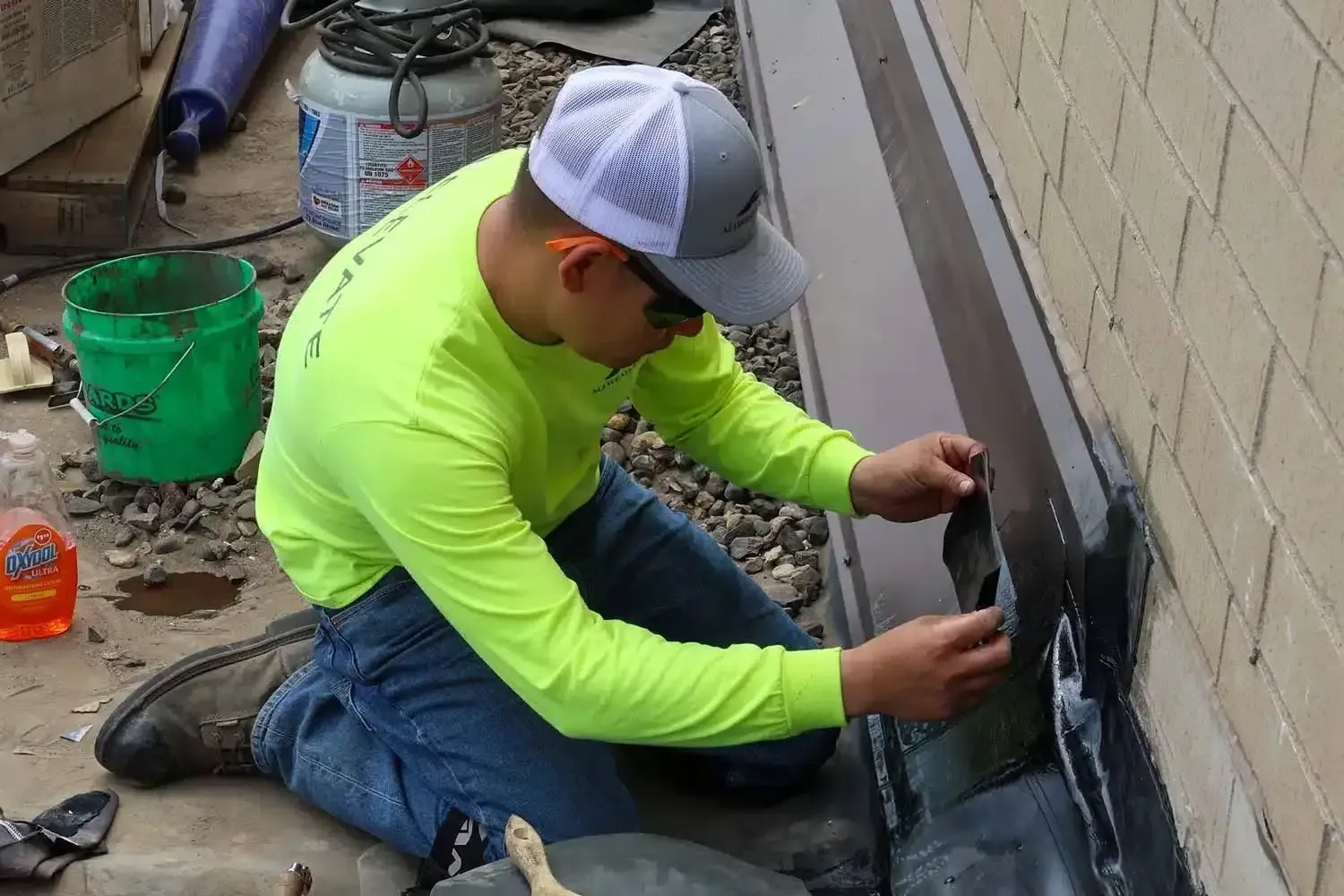
If testing confirms a limited wet area, removal can be scoped to affected layers and tied into stable material. Work may include insulation replacement, flashing or drain correction. Moisture across multiple zones or a deteriorated deck may favor broader replacement. We show the basis with mapped areas, sample locations and photos rather than treating one core as a roof-wide answer.
Cost and timing depend on access, roof construction, number of cuts, material handling and confirmed moisture. Each opening needs a proper repair, and access for the crew and test equipment can affect the schedule. If the facility cannot accommodate cuts during business hours, we coordinate the window and protection. For occupied buildings, work-zone planning can keep testing away from sensitive operations where possible.
The final record includes survey conditions, marked zones, cut locations and layers observed. It distinguishes thermal patterns from direct findings. A roof condition report carries this evidence into budgeting; capital planning can sequence the next work.
Choose the Next Test Carefully
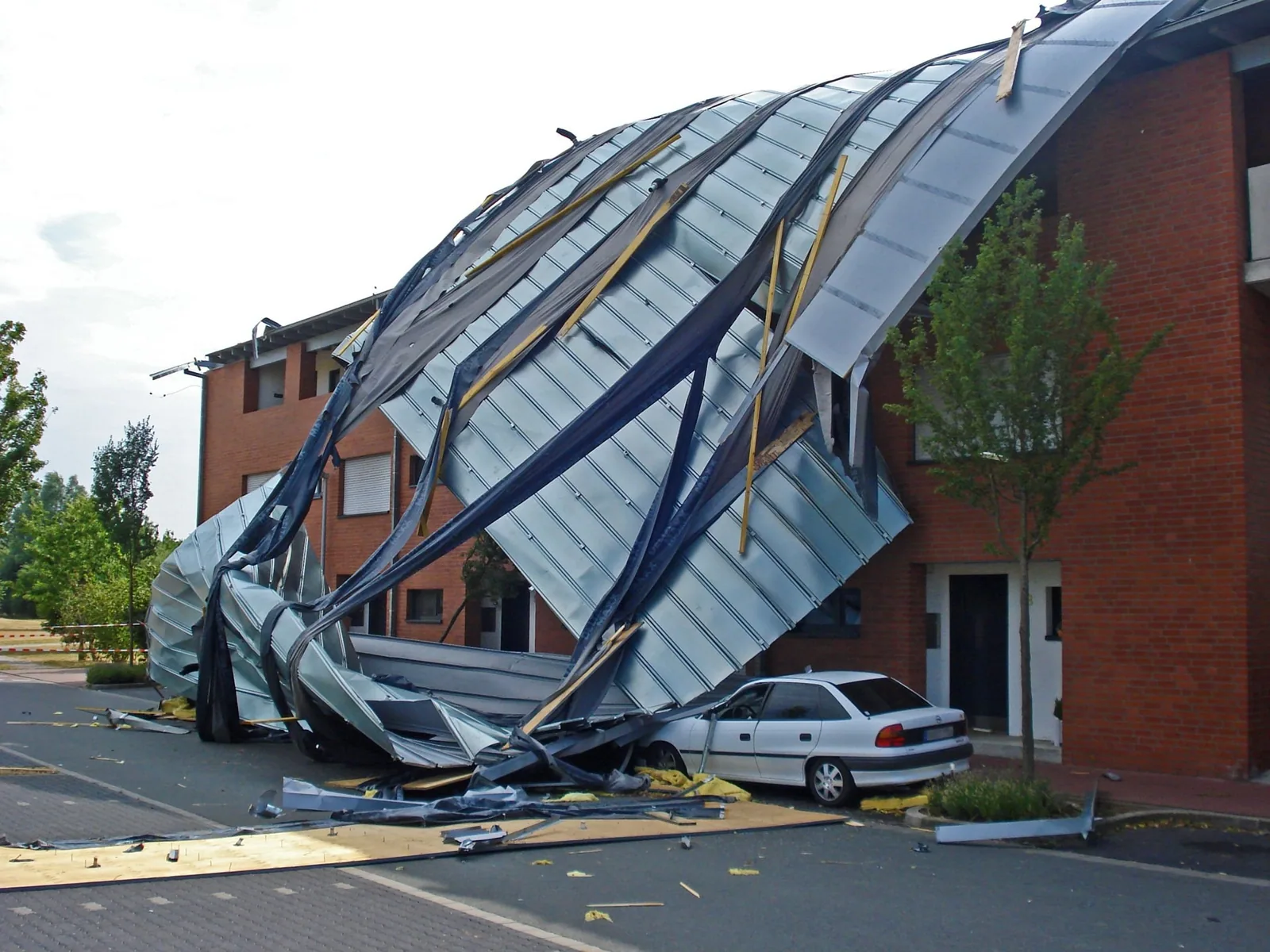
A moisture survey is useful when it informs a decision: tear-off limits, a recurring leak area, a comparison between roof zones or a repair boundary. It is less useful when the roof cannot be accessed, construction is too irregular for comparison or weather creates poor contrast. We explain those limits before scheduling.
The National City Marina District has waterfront and commercial activity; the Chula Vista Bayfront plan includes marine-support, retail and office uses. Exposed metal and access can matter near the water, but readings still need to match roof construction. We coordinate capture and core access with the building contact and label each zone. If the roof has several layers from earlier projects, we mark those visible transitions so a test result is read against the right assembly. Later repairs can then return to the same roof zone and avoid repeating a test without a new reason.
Share the building, reported room, recent leak timing and access contact. We will explain whether infrared, a core cut or a roof walk best answers the question, then record results and the next repair decision.