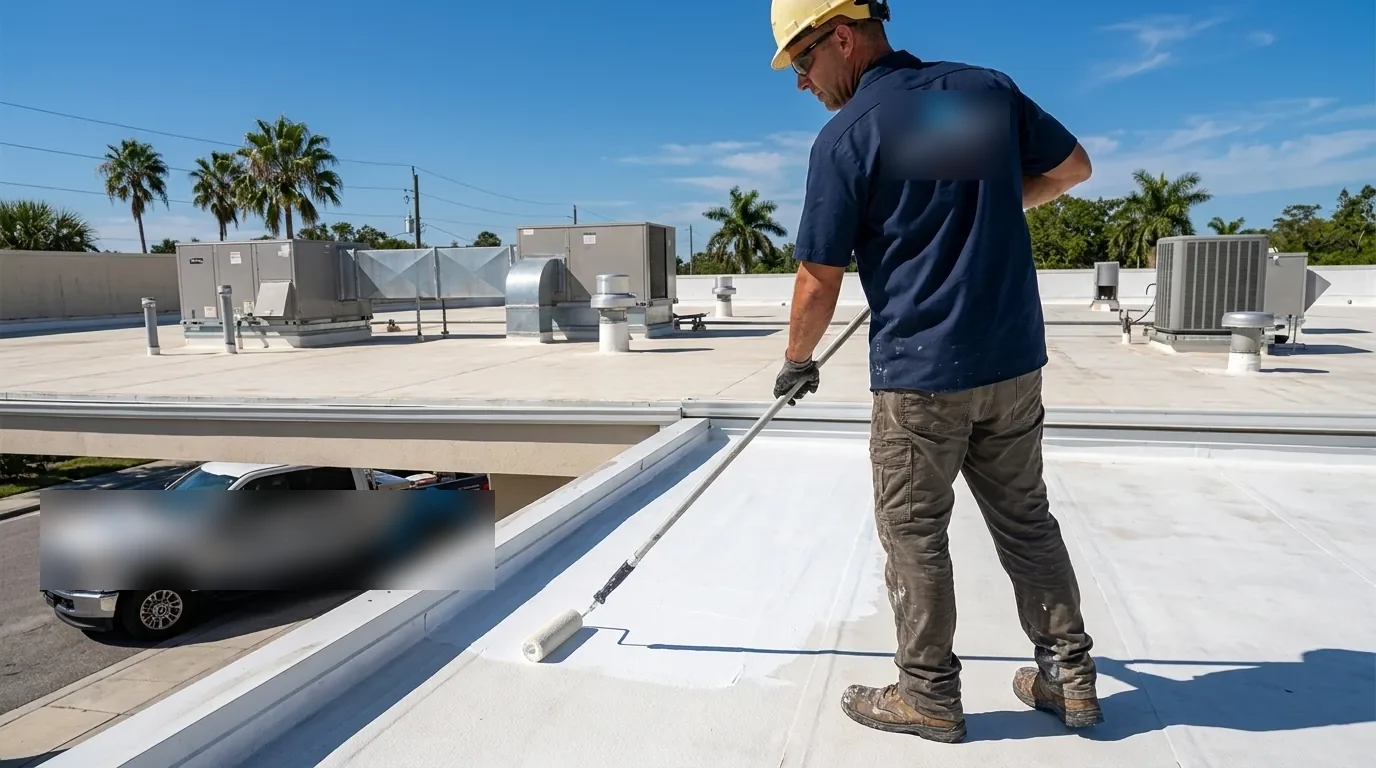
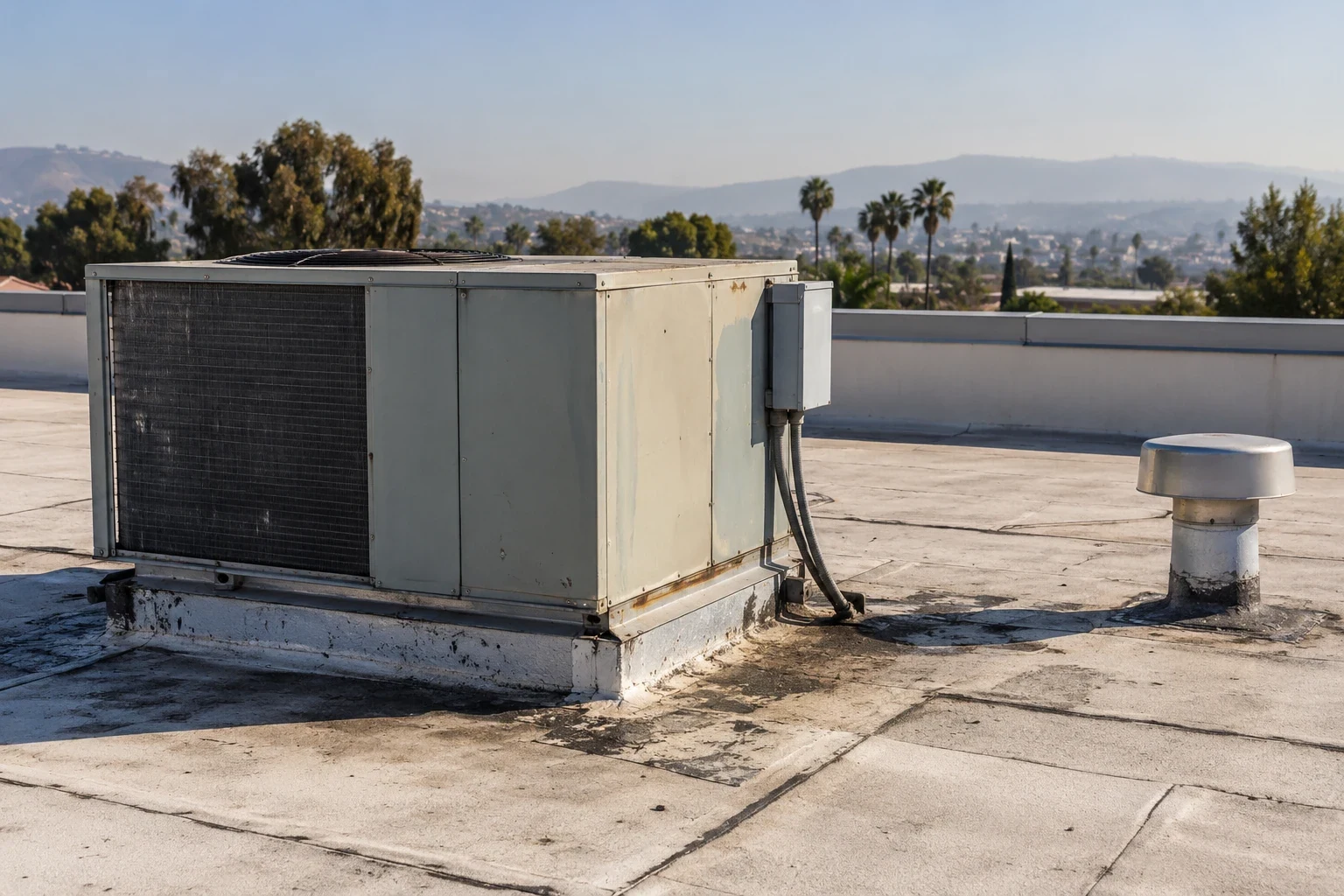
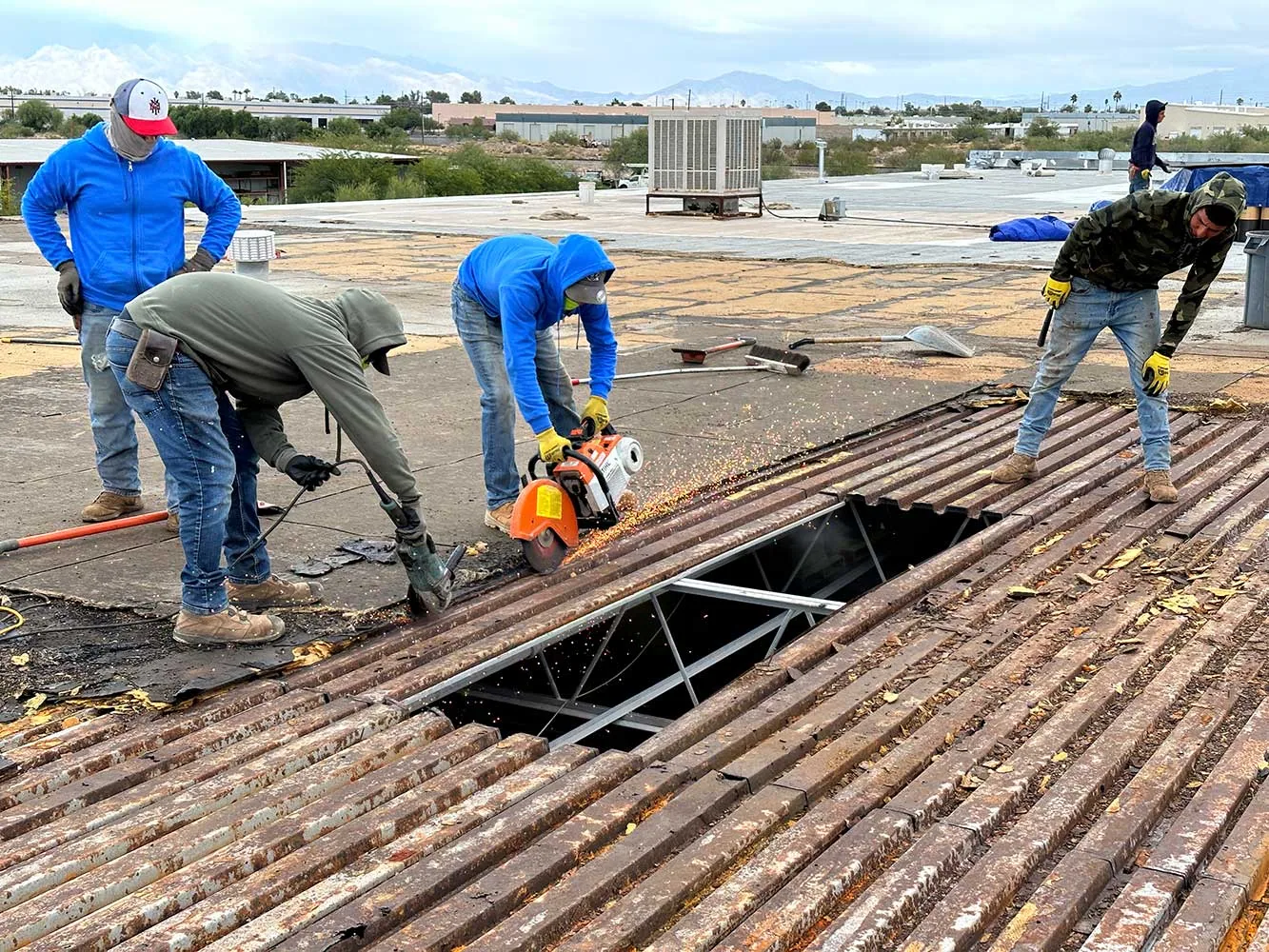
Read the Separation Before Closing It
We confirm the membrane type, seam direction and repair history. A thermoplastic lap, EPDM splice and modified-bitumen side lap each need compatible preparation. We check for dirt, oxidation, trapped water and adhesive loss. Brittle or shrunken edges will not hold by simply pressing them together.
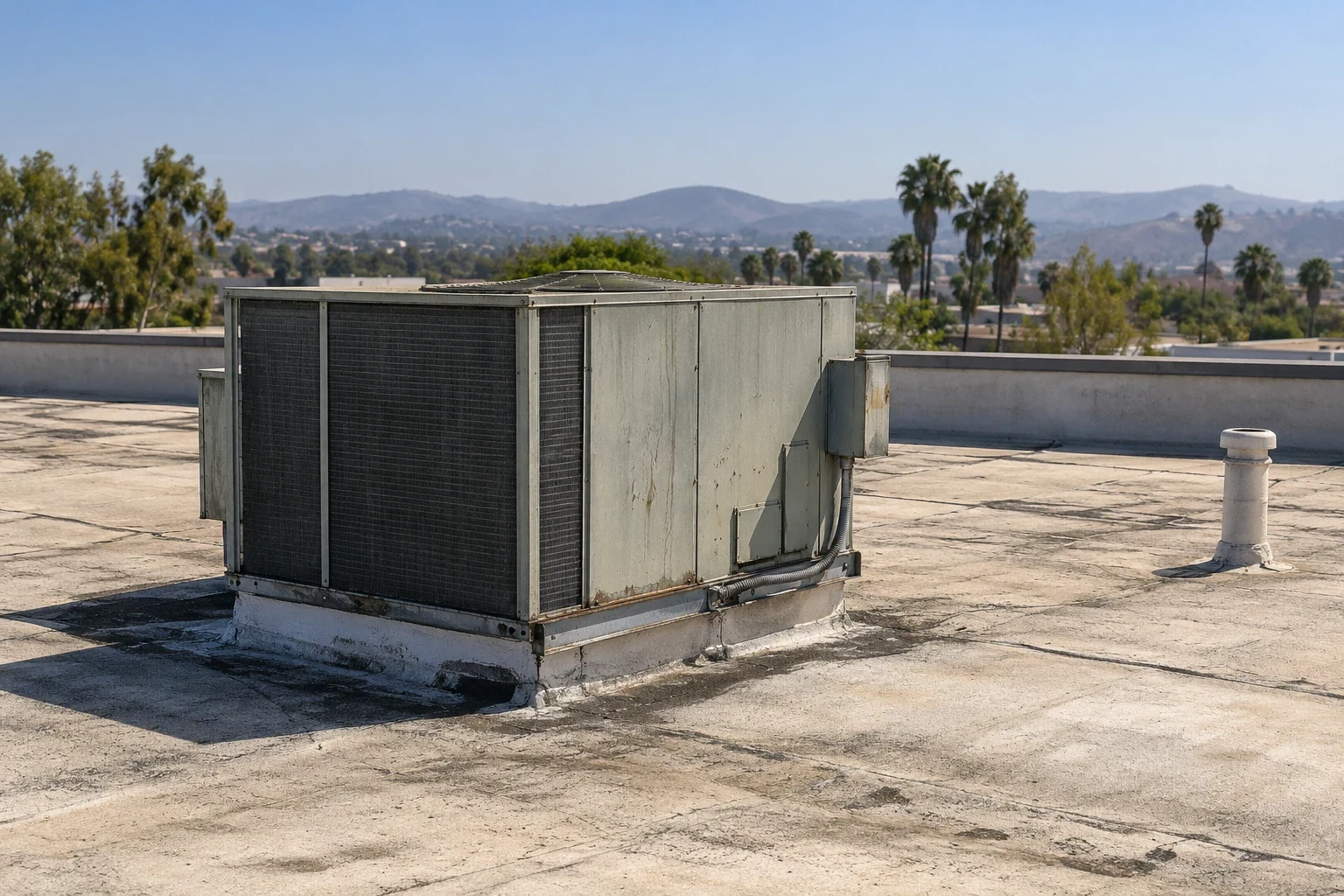
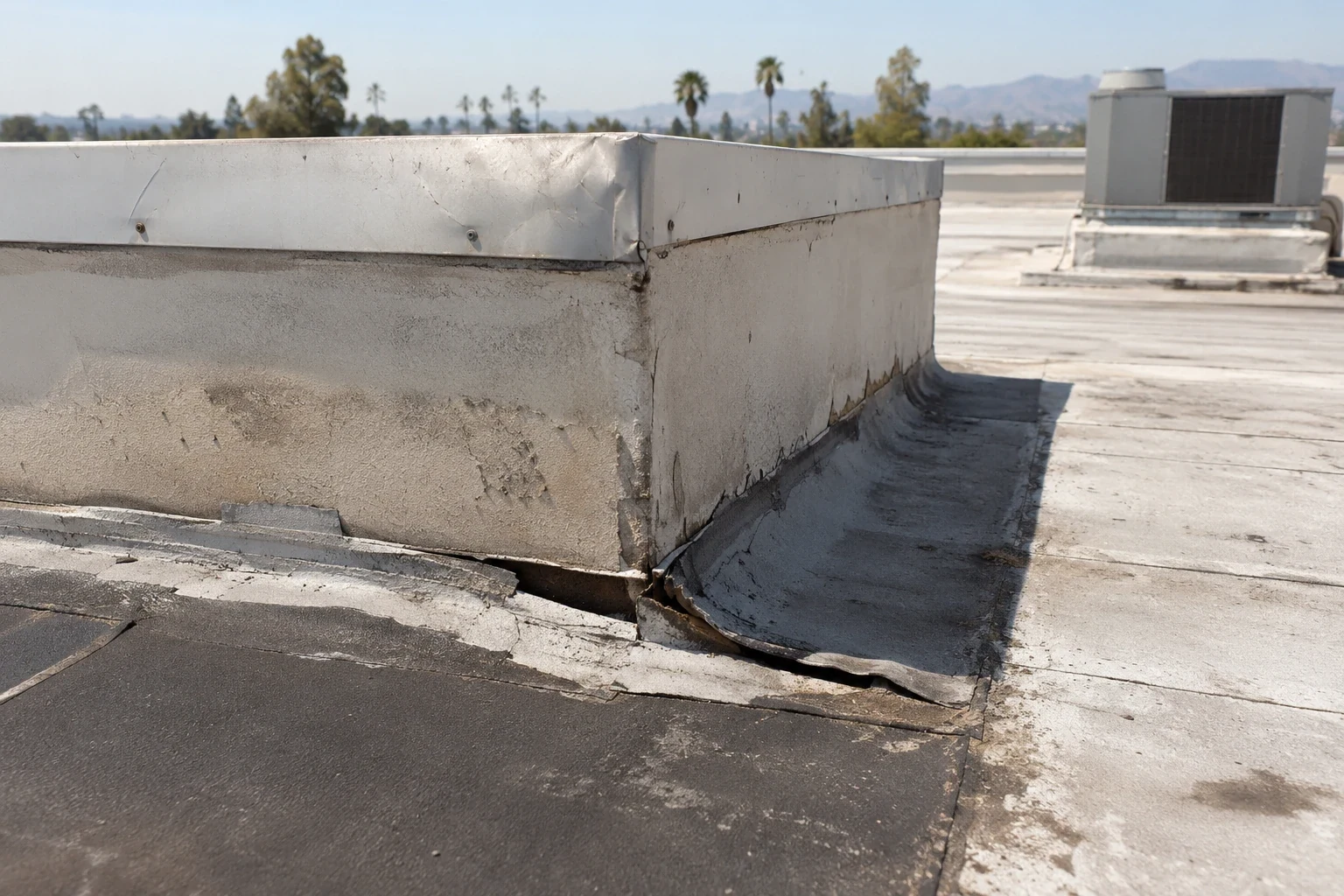
The shape of the opening matters. A short split beside a curb may be related to movement at that transition; a long release through the field can point to a broader attachment or workmanship concern. We check nearby seams, perimeter details and roof penetrations without assuming every defect has the same cause. Chula Vista's business corridors range from the western Third Avenue and Broadway areas to employment land extending toward Otay Valley. Buildings in those settings have different access and operating needs, so we coordinate an inspection route that avoids disrupting loading, parking or tenant entry.
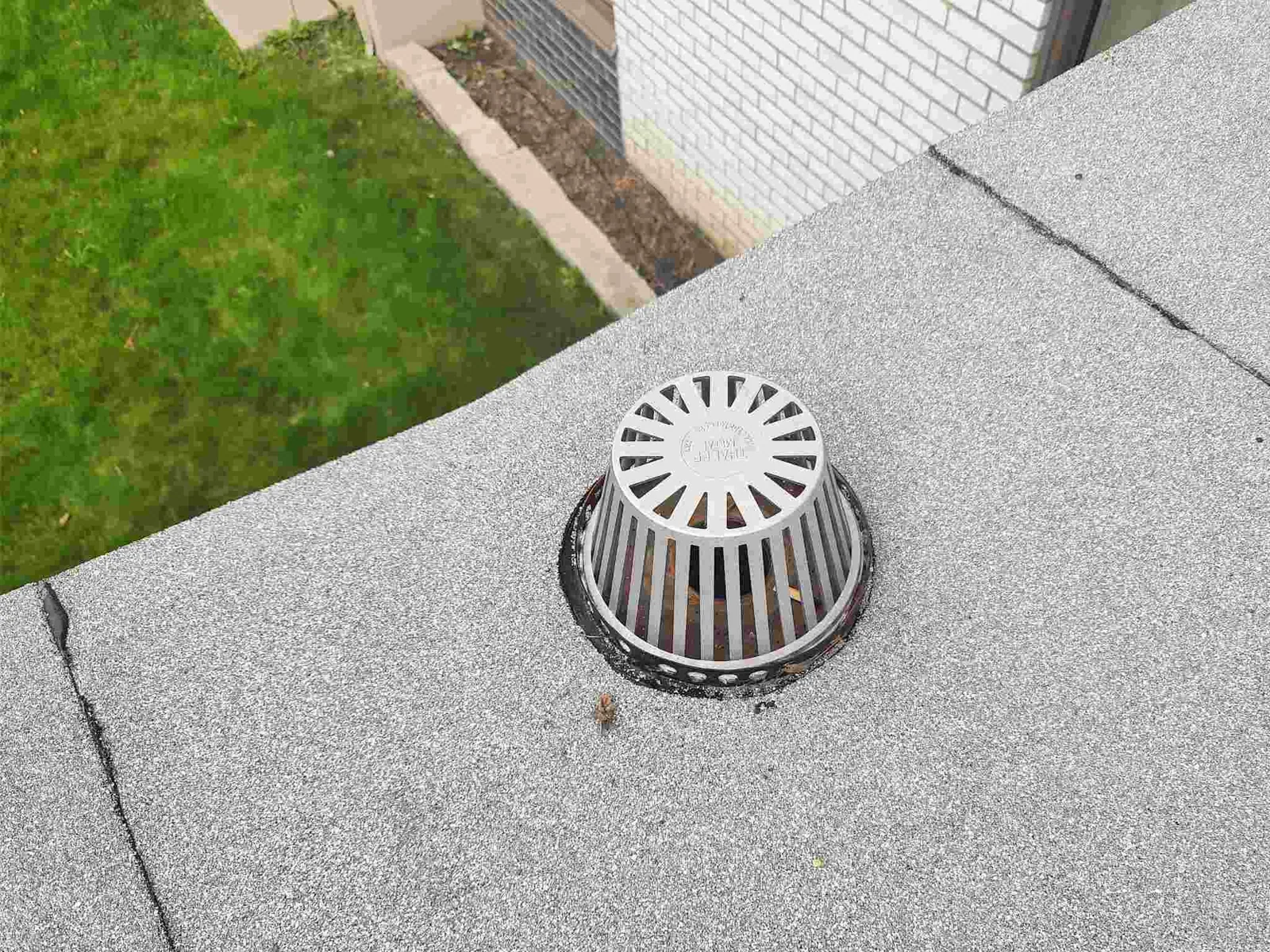
Photographs and simple location notes make the repair scope usable for the facilities team. We mark the roof zone, seam orientation, approximate length and nearby drains or curbs. If several openings appear, a roof plan or marked aerial can show whether they cluster around one area. For a property with recurring leaks, our leak investigation compares interior reports with the roof surface and drainage path instead of treating the first visible opening as the only entry point.
Check the Layers Around the Lap
Water may have moved beneath the surface. Before closing an opening, we inspect adjacent membrane for bubbles, cuts or loose patches, then check insulation and accessible deck. A ceiling stain may be offset from the entry point, so we compare it with nearby seams, walls, curbs and drains.
When moisture is not visible, a suitable non-destructive survey may help define the affected area. A controlled opening can confirm the layers if results indicate wet material. Local repair remains an option when surrounding materials are dry and sound; broader replacement may be needed if damage extends farther.
Winter brings most of the region's annual rain, although totals vary by season. That timing makes pre-rain planning useful for properties with an open seam or an unresolved leak. Around the Otay River Business Park, industrial and commercial parcels sit near Main Street, Fourth Avenue and SR 905. Coordinating roof access around freight and tenant activity can help keep inspection work orderly while the repair plan addresses the actual seam condition.
Use a Repair That Fits the Membrane
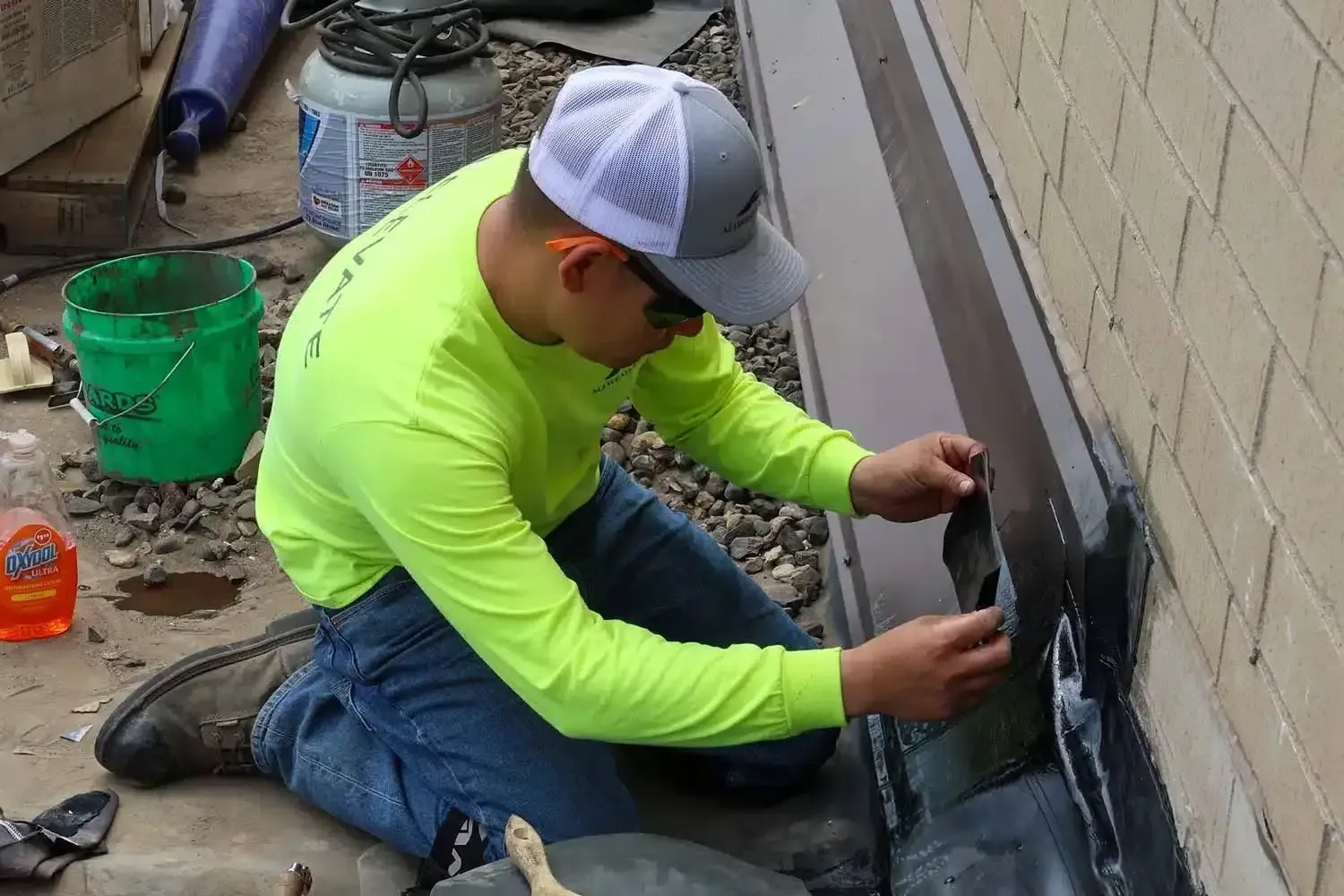
After confirming the system and repair boundary, we prepare the seam for that membrane. A weldable lap may be re-welded or reinforced with a compatible strip. An adhesive splice may need old material trimmed back and new membrane bonded to a clean, dry surface. Modified bitumen needs a compatible patch with sealed edges. Generic sealant does not bridge active separation.
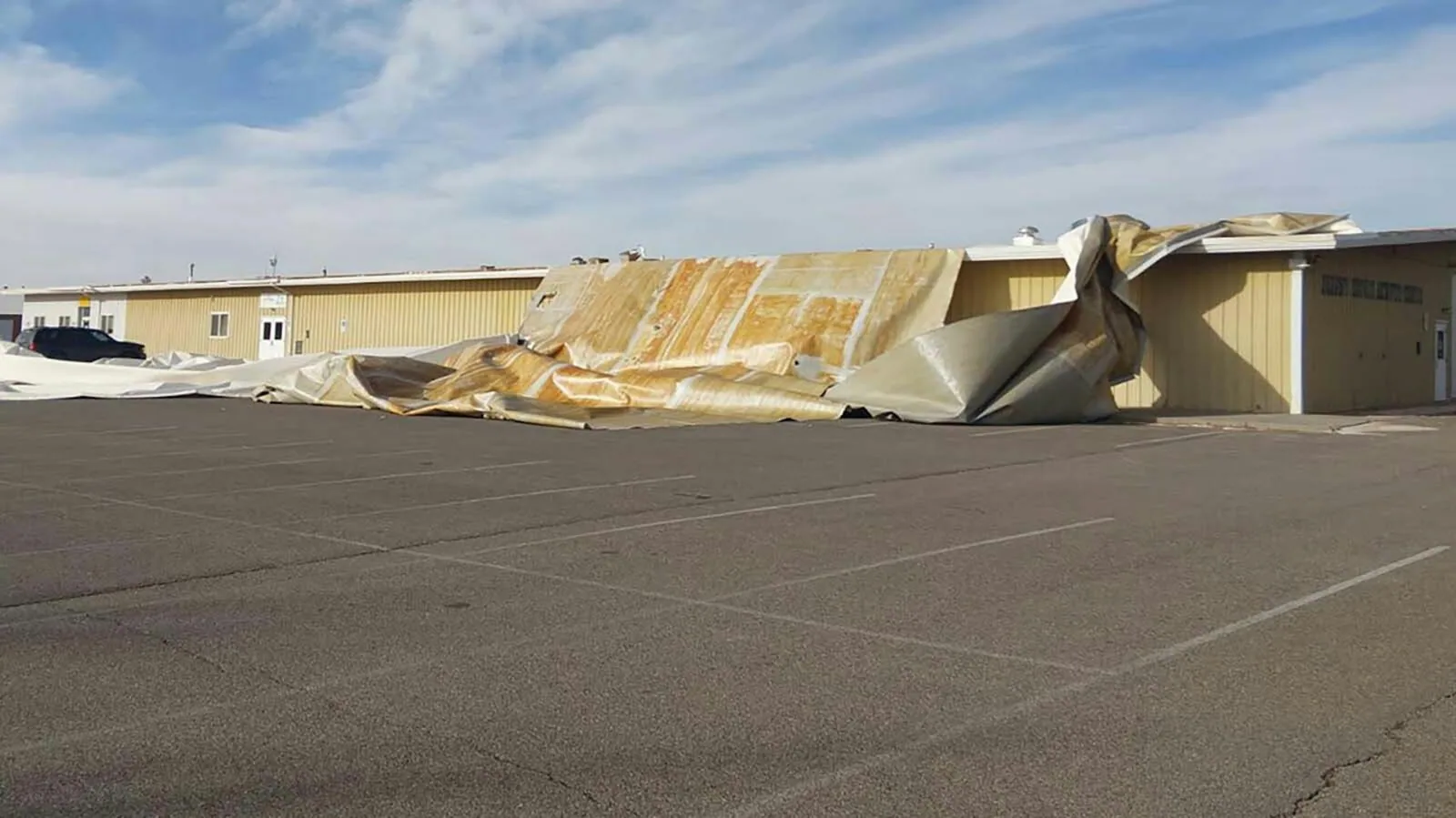
Where movement caused the failure, the repair must account for the movement rather than conceal it. We inspect nearby fasteners, insulation attachment, perimeter restraint and transitions into walls or curbs. A seam that ends at a curb may need coordinated flashing repair; if another portion has opened, wind-damage repair may be part of the same scope. The work area stays clean and dry during preparation, and we protect drains from loose material.
For a larger failed section, localized repair may not restore reliable performance. We compare the patchable area with the condition of adjoining membrane, insulation and deck, then explain whether a broader replacement is justified. A commercial roof repair plan can identify immediate stabilization, permanent seam work and any separate follow-up investigation. We keep each recommendation connected to a visible condition or test result.
Plan Around Exposure and Building Activity
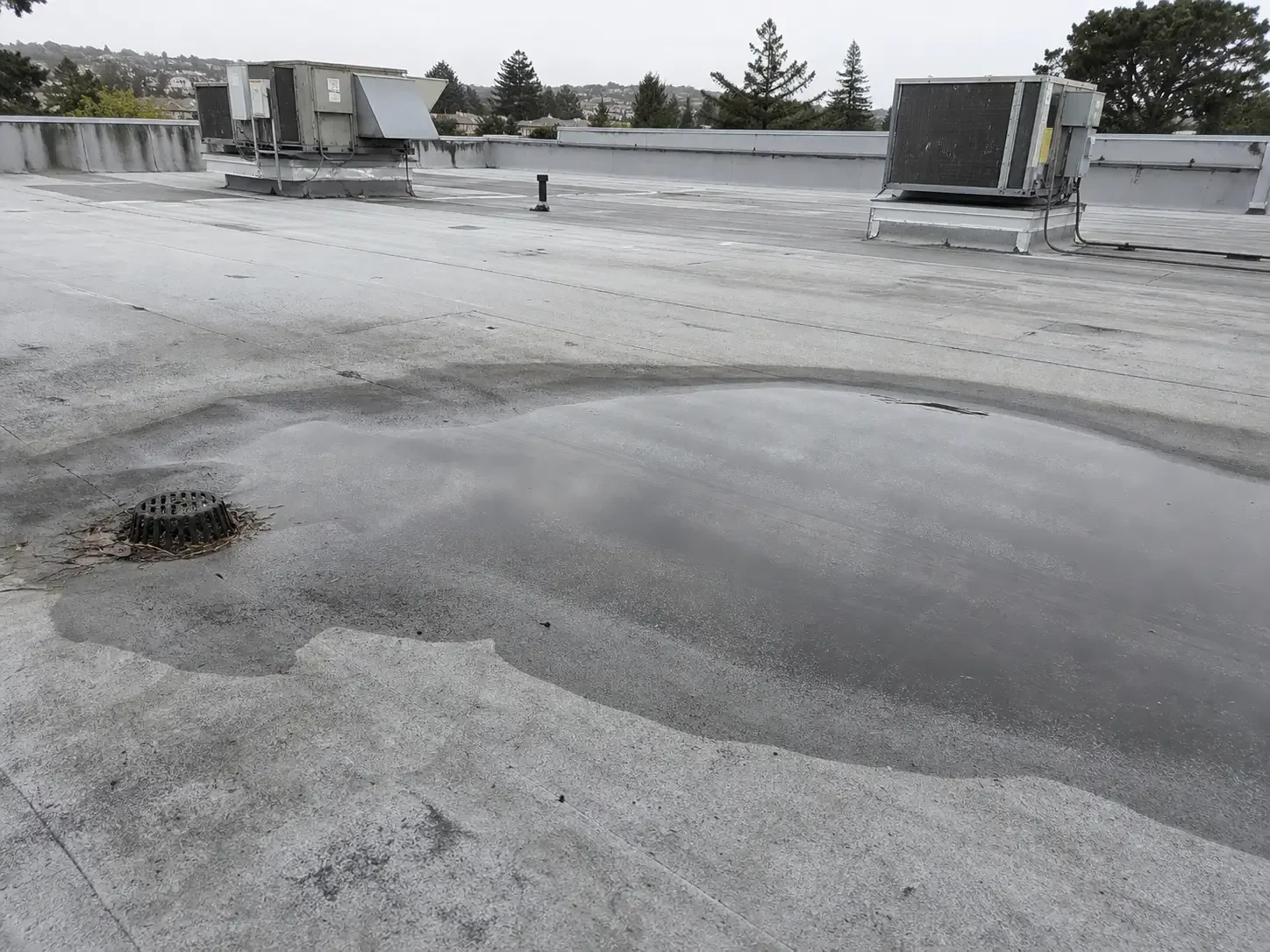
Seam work depends on a clean, dry surface and conditions appropriate for the selected materials. If rain is close or moisture remains in the lap, we may need to secure the opening and return for permanent work. Temporary protection should direct water away without trapping it beneath the membrane. We identify which areas remain exposed and what conditions would require another visit.
Dry easterly winds can bring hot periods to eastern San Diego communities, including temperatures in the 90s and occasionally higher. Heat can affect worker comfort, membrane handling and the condition of older materials. We schedule and stage the repair with those conditions in mind, while confirming the roof is within the material manufacturer's application range. In coastal and bayfront settings, we also inspect metal transitions and exposed terminations for corrosion or movement that could contribute to a seam opening.
Access coordination is part of a usable repair plan. We confirm roof hatches, ladders, tenant hours, loading zones and any required escort before arriving. Businesses along Broadway or Main Street may need work sequenced around customer traffic; industrial properties near SR 905 may need a clear path around truck movements. Our Otay Mesa service-area team can coordinate with the property contact so access, staging and closeout details are settled before work begins.
Leave a Clear Record of the Repair
We inspect the prepared area and adjoining laps for continuous adhesion or welds, secure edges and clean transitions. We look for openings, exposed reinforcement and debris. A controlled water check may be appropriate when the assembly and drainage allow it.
The closeout record lists the roof zone, membrane type when known, work performed and remaining follow-up. Before-and-after photos document the repair. If testing or broader replacement remains advisable, we state the observed condition and next decision.
When the seam is part of a wider leak or drainage concern, the next visit can include drain and scupper service or a focused maintenance inspection. We keep those items separate from the seam repair so the owner can see which work restored the lap and which work addresses other roof conditions.