Plan the Roof Walk Around the Actual Property
Industrial and commercial lots are planned near Main Street, Fourth Avenue and State Route 905. Confirm delivery access, roof-hatch location and active work zones with the property contact before setting the walk. Record the roof sections inspected and any areas the crew could not reach.
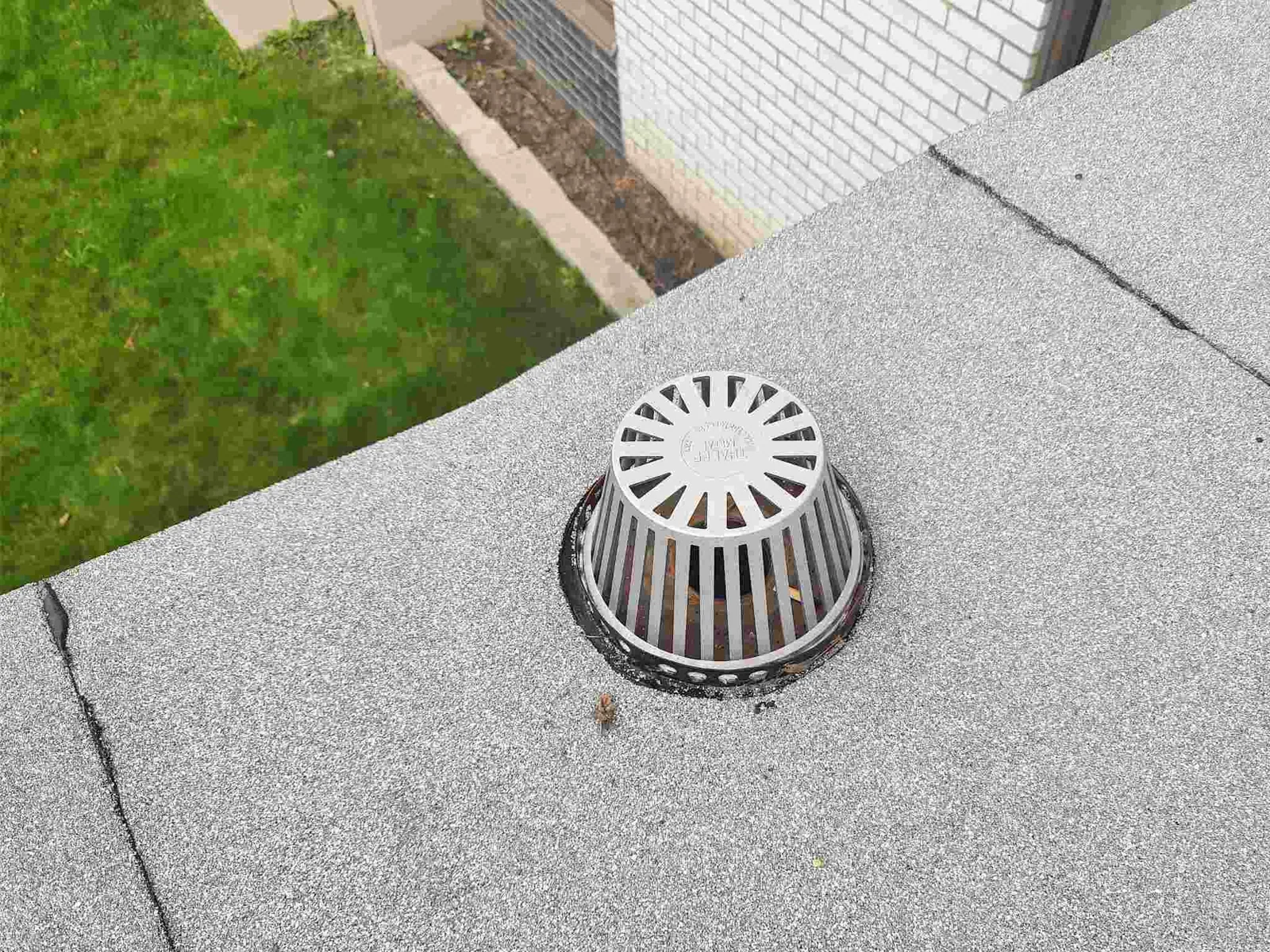
On a low-slope roof, a shallow pond can keep a seam, drain flange or curb flashing wet. We check the drain bowl, overflow, scupper and nearby membrane, then distinguish debris from a settled area or failed connection. If a roofing defect is present, a drain and scupper repair may be listed with the membrane work or separated as maintenance. The scope names which finding each item addresses.
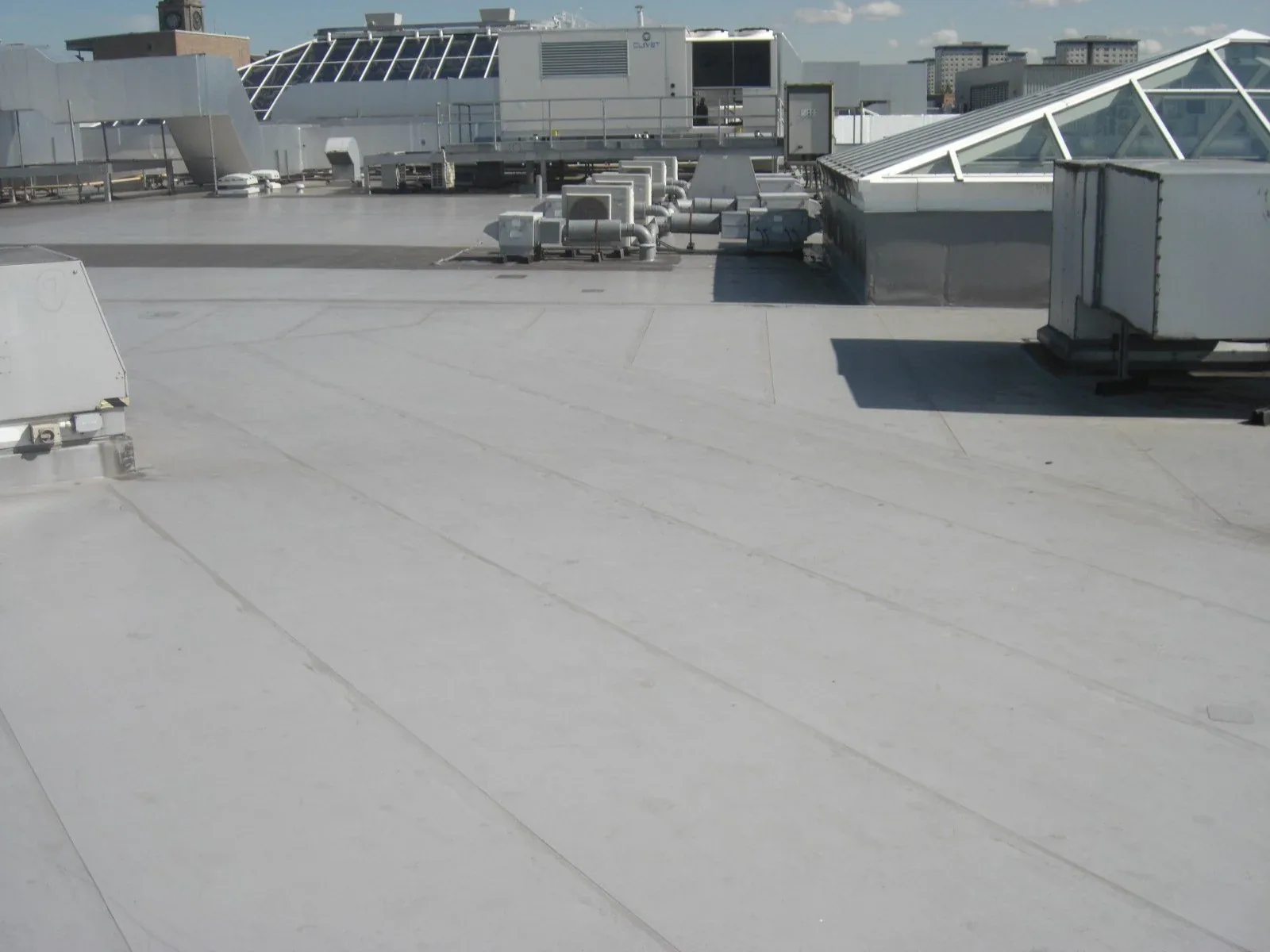
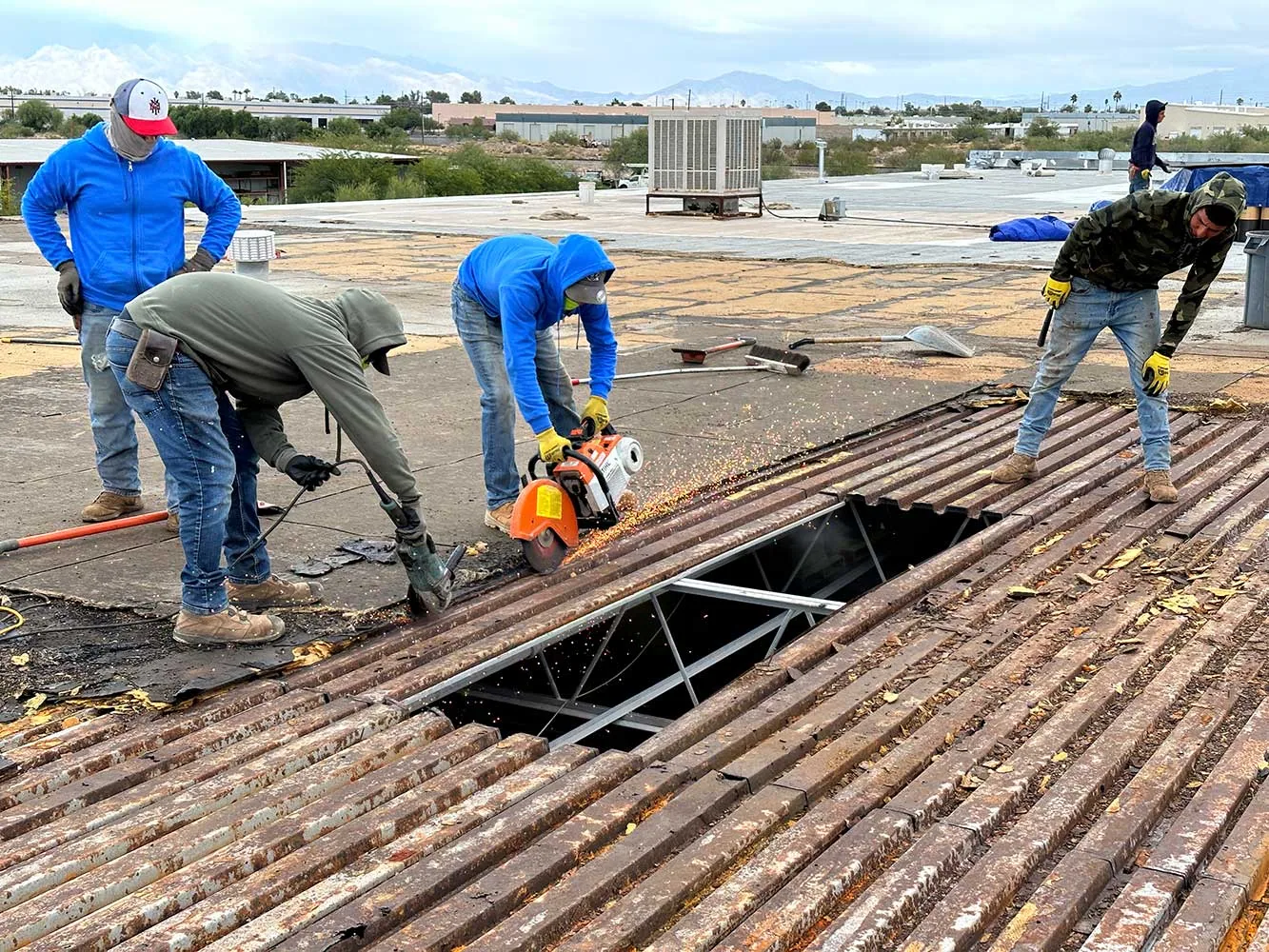
Where roof sections were built at different times, the system may change at a tie-in. We look for differences in membrane, metal panels, insulation, attachment and previous repairs instead of assuming one detail fits every section. A Main Street property can be reached within the same broader service area, but its roof still needs its own measurements, leak history and access plan.
Trace Water From the Interior Report
A ceiling stain does not mark the roof entry point. Water can move beneath a membrane, along a deck flute, across a joist or around a penetration before it becomes visible inside. We start with the affected room or equipment area, compare it with roof slope and drainage, and inspect seams and transitions along the likely path. If the surface remains intact but insulation may be wet, we discuss a test opening that can confirm what lies below.
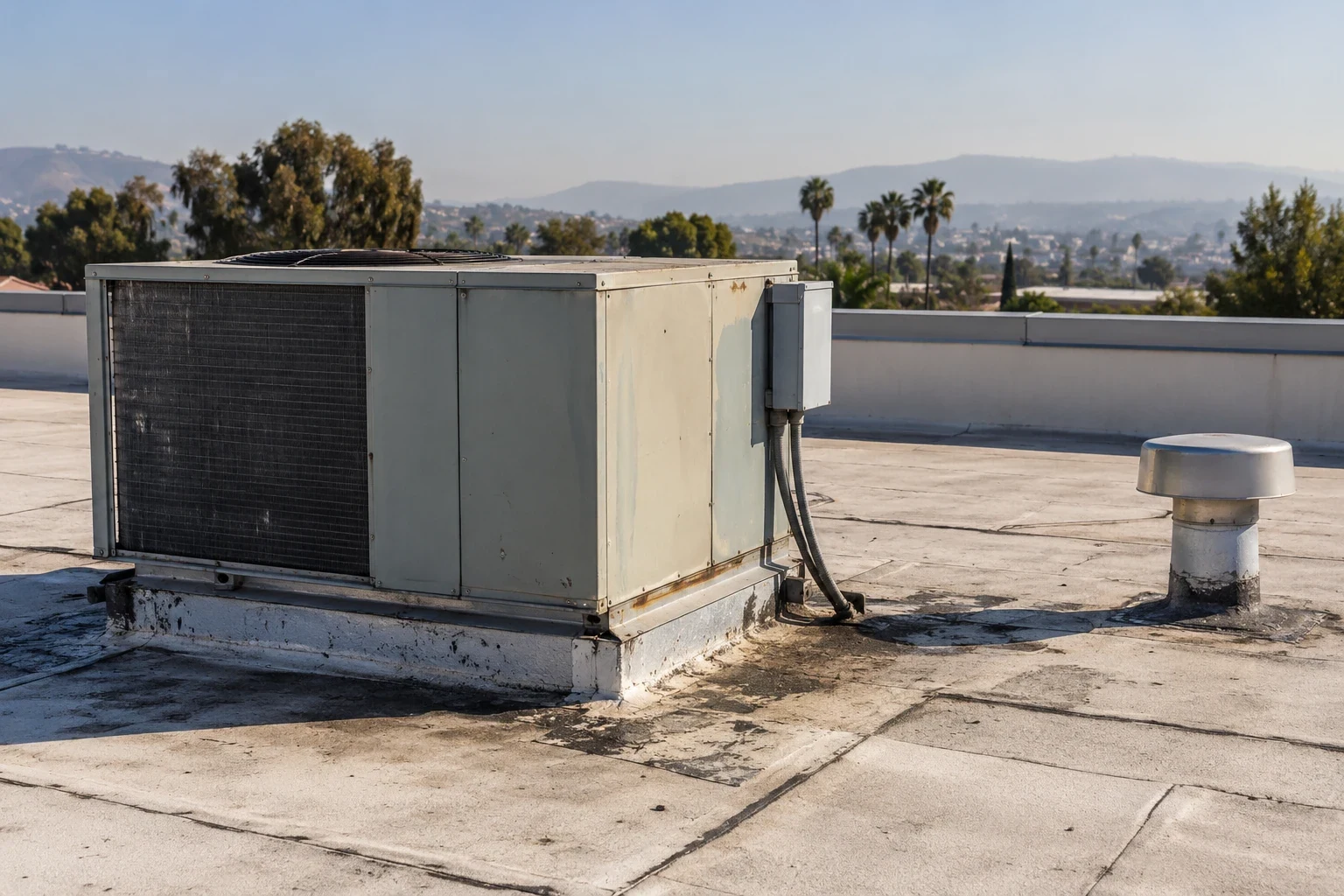
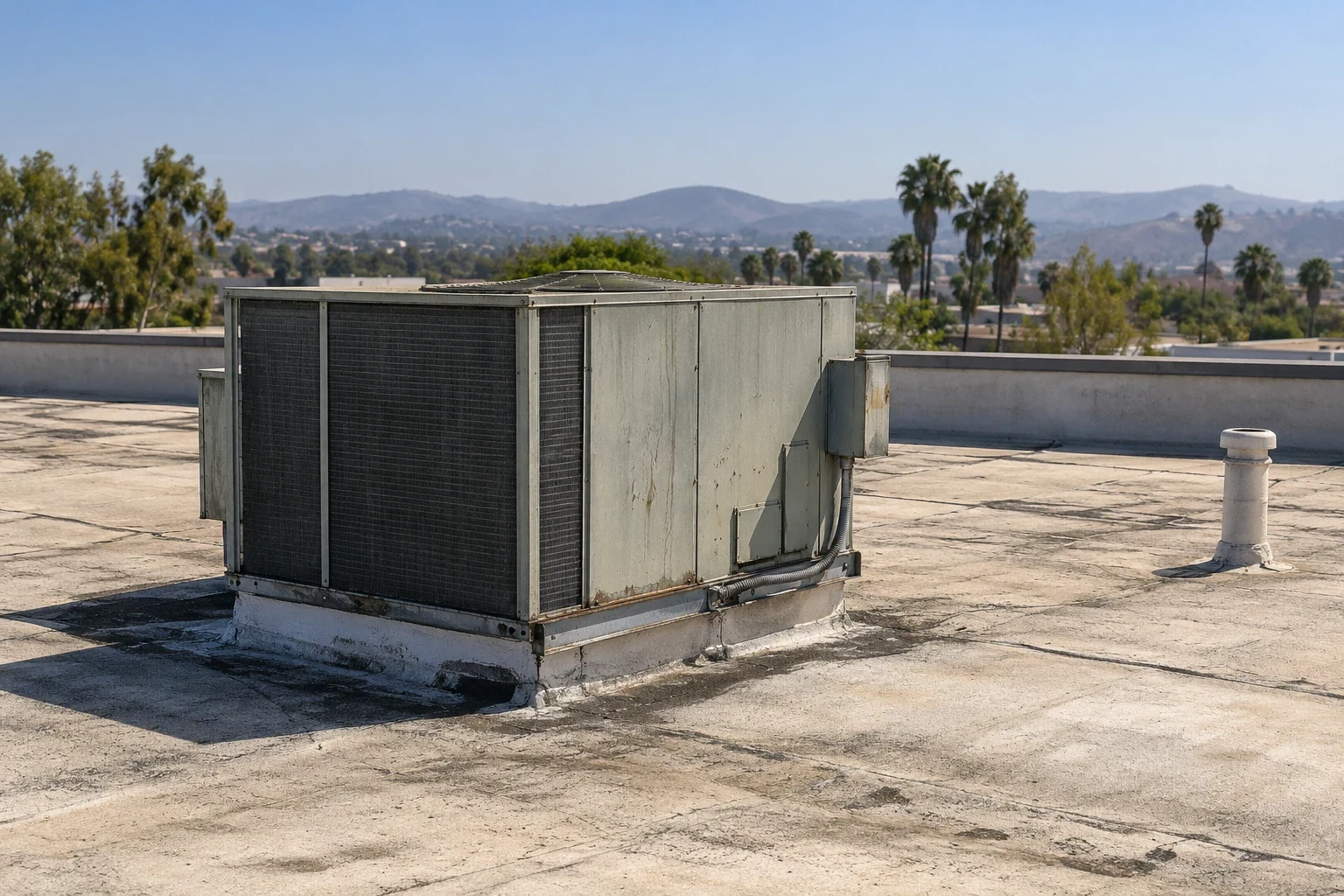
At a pipe or equipment curb, we check the vertical flashing, corners, field weld, clamp or counterflashing, and the support beneath the detail. Repeated service traffic can stress an area, but we confirm whether a walk path or loose support is actually present on this roof. An infrared moisture survey can help identify areas for closer testing when conditions suit the method; repair quantities follow the exposed condition and agreed work boundary.
After tracing the likely entry, we separate immediate protection from permanent correction. A targeted roof repair can address a bounded split, open weld or flashing failure when adjacent material and substrate are sound. If several areas show moisture or attachment loss, the scope may need removal, replacement or a broader evaluation. Photos show confirmed conditions and identify any area that needs follow-up testing.
Keep the Work Area Dry at Every Handoff
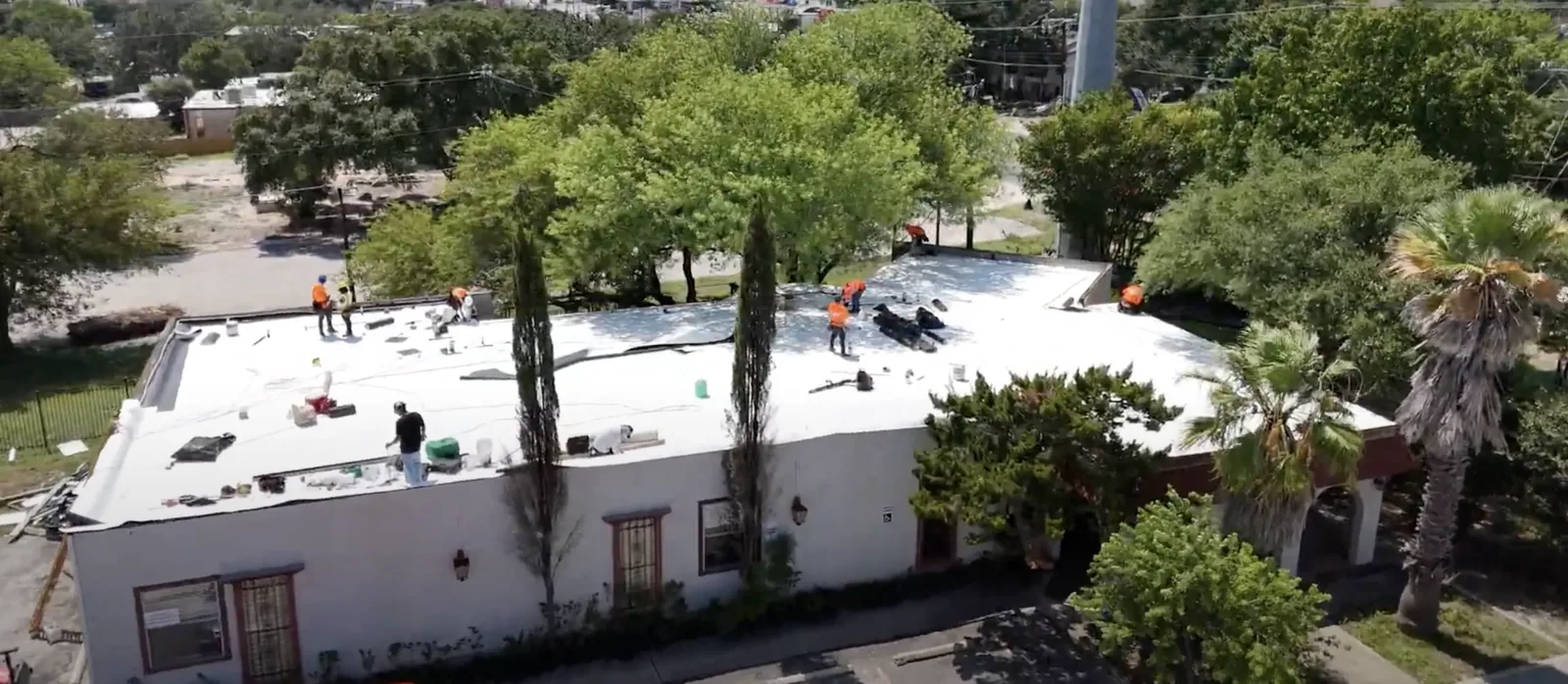
For an occupied industrial or commercial property, a roof sequence should show where crews can stage materials, what must stay clear below and how each open section will be closed. We agree on the daily boundary, protect the exposed assembly and record the point where a new membrane ties into existing work. If tear-off exposes wet insulation or an unsound deck, the crew pauses at a safe edge while we explain the finding and get direction on any added scope.
Emergency response is available overnight, on weekends and during holidays when water threatens operations. The first visit may limit entry and document temporary protection. Permanent work follows after the roof dries and the system and substrate can be checked. We list what was covered, what remains to inspect and the condition that would bring the crew back, so a temporary seal does not get mistaken for a completed repair.
Where deliveries, equipment or customer access share a route, the site contact can identify restricted hours before work begins. We coordinate roof entry, lift placement and removal of debris against those limits. For a property that needs phased commercial reroofing, the plan marks which zones remain weather-tight while the crew moves to the next area.
Use Chula Vista Conditions to Set Timing
In the San Diego area, winter is the wettest part of the year, but annual rain totals vary. Before opening the assembly, we review the current forecast, roof drainage and the amount of work that can be closed that shift. We inspect the drains and outlets at each building, then keep the exposed area within a safe closure window.
Dry easterly winds can raise temperatures in eastern San Diego suburbs in September and October. We check the actual roof surface and follow product instructions for the day’s conditions, protecting the exposed area if installation pauses.
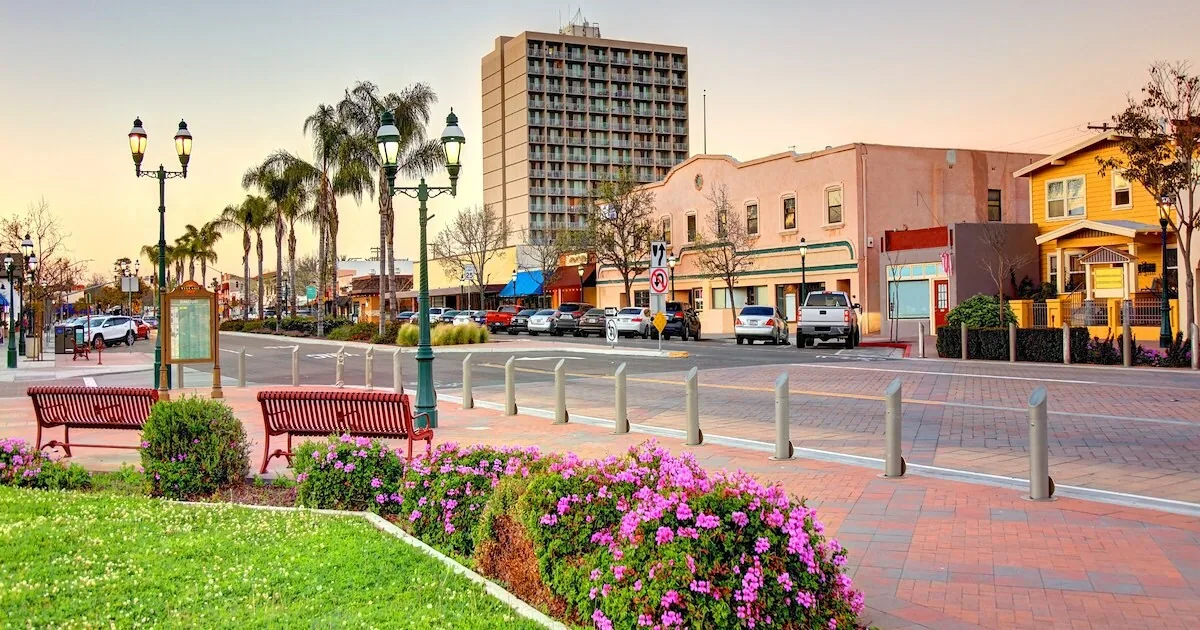
State Route 905 links the Otay Valley and Otay Mesa area with regional freight routes, and the planned lots connect with existing local streets. Before mobilization, we confirm the loading entrance and route for lifts, membrane rolls and debris with the facility contact. This keeps deliveries away from an active receiving area.

Choose Repair, Recover, or Replacement From Evidence
A single open weld over dry insulation may call for a local patch. Repeated failures, wet layers, loose attachment or a damaged deck can change the work toward selective removal or replacement. A recover is considered only after checking the existing layers, moisture, roof height, drainage, attachment and compatibility with the proposed assembly. We describe the finding behind each option and state what an opening or follow-up test would resolve.
Cost and duration depend on roof area, system, number of curbs and drains, removal depth, insulation, edge details, lift access, material staging and the hours a building can release the area. We separate measured work from allowances for concealed conditions. A maintenance visit can address debris and document exposed repairs, but it does not replace structural or moisture testing when the inspection raises those questions.
Bring prior repair records, available roof plans, leak locations and the person who can arrange entry. We inspect the released zones, photograph the field conditions and return a written boundary with the next decision. For a neighboring Otay Mesa property, the same records can help coordinate a separate walk without treating two buildings as one roof scope. A photo-backed condition report keeps each finding tied to the correct building.