Set a Roof Route Around the Site
Commercial spaces may share access with nearby services, office operations or residential circulation. We confirm which entrance and loading area the crew may use, whether an escort is required and how far materials can be staged from the roof entry. A lift or debris container can affect parking and traffic, so the property contact helps select a safe work window before the truck arrives.
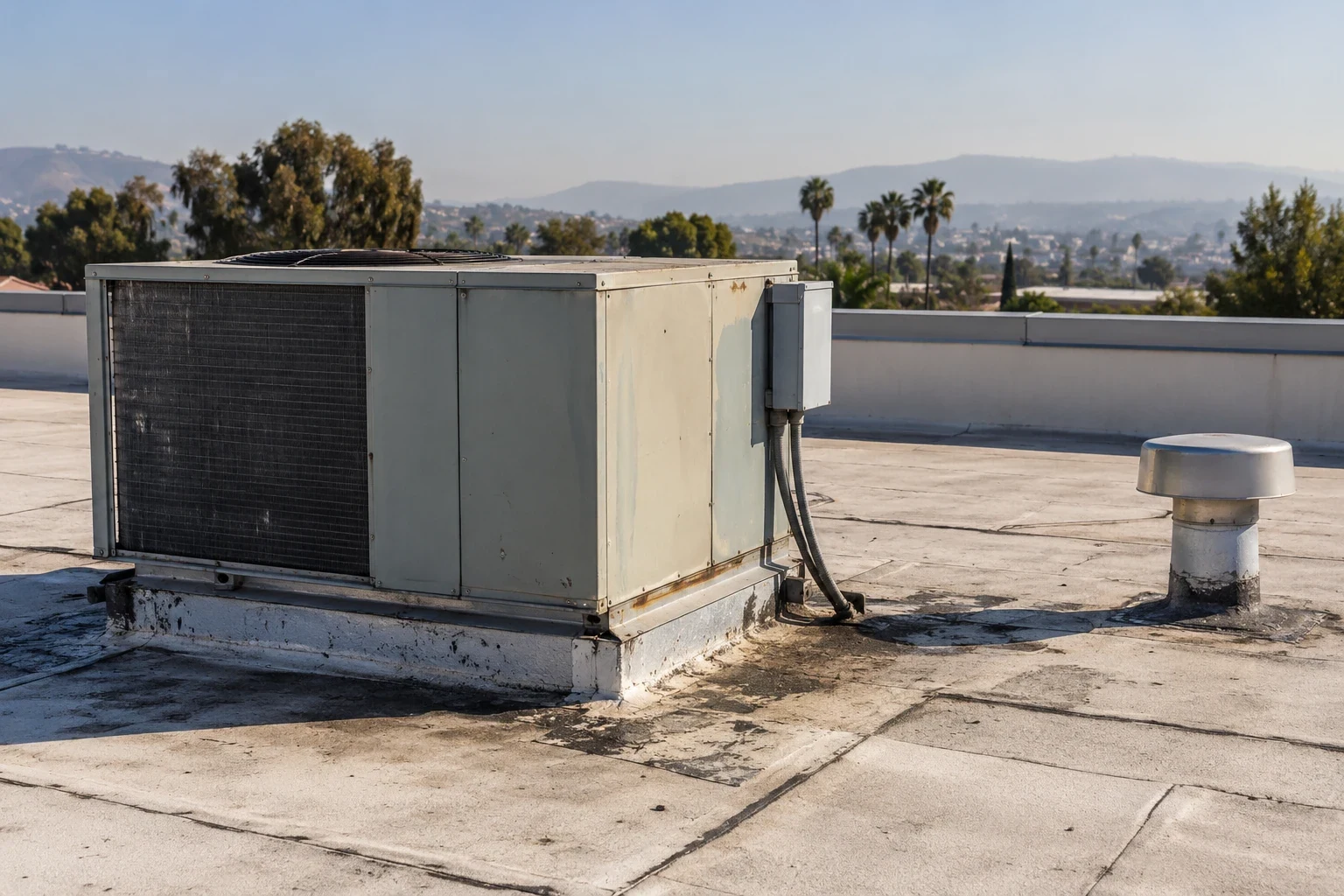
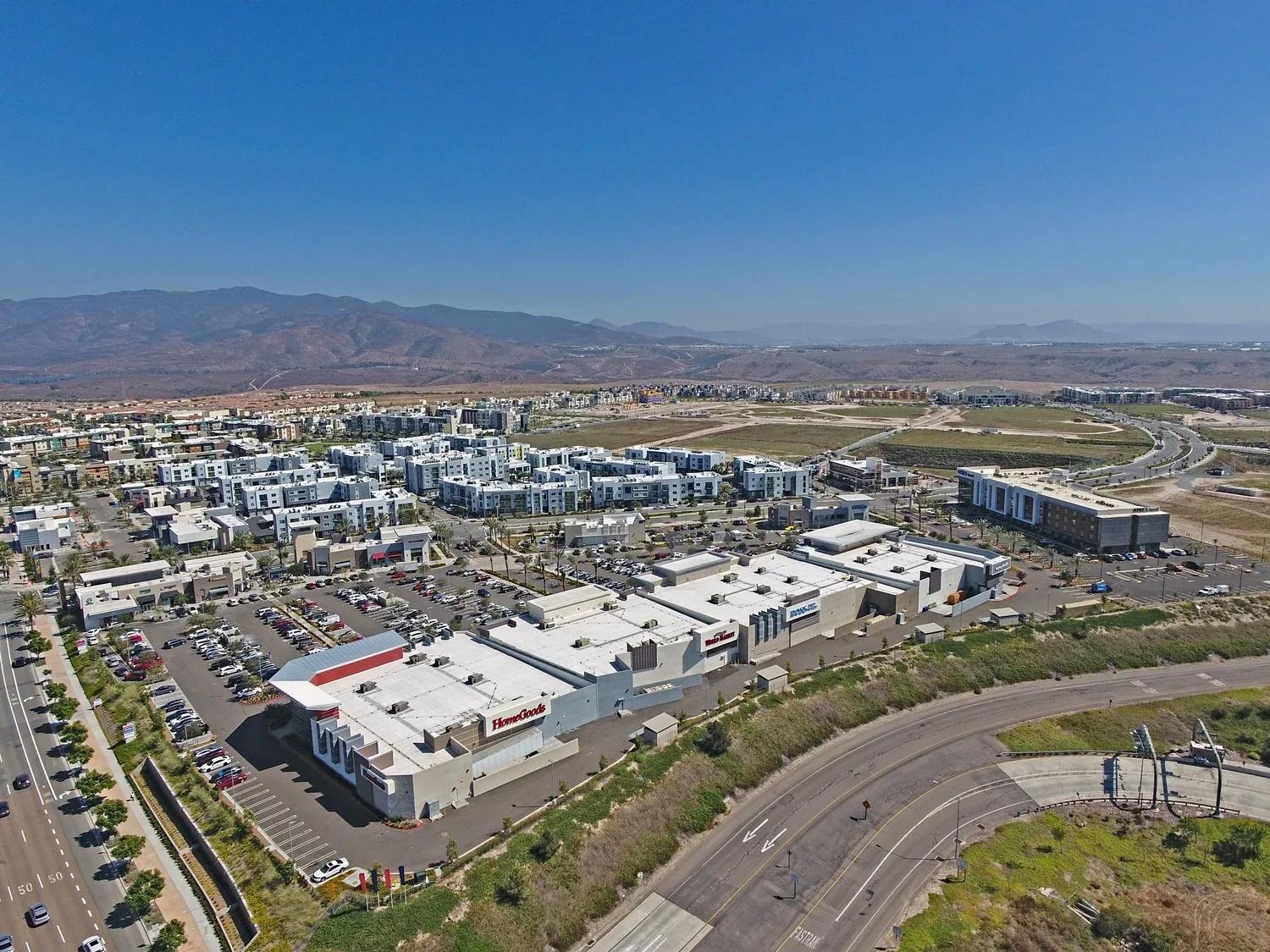
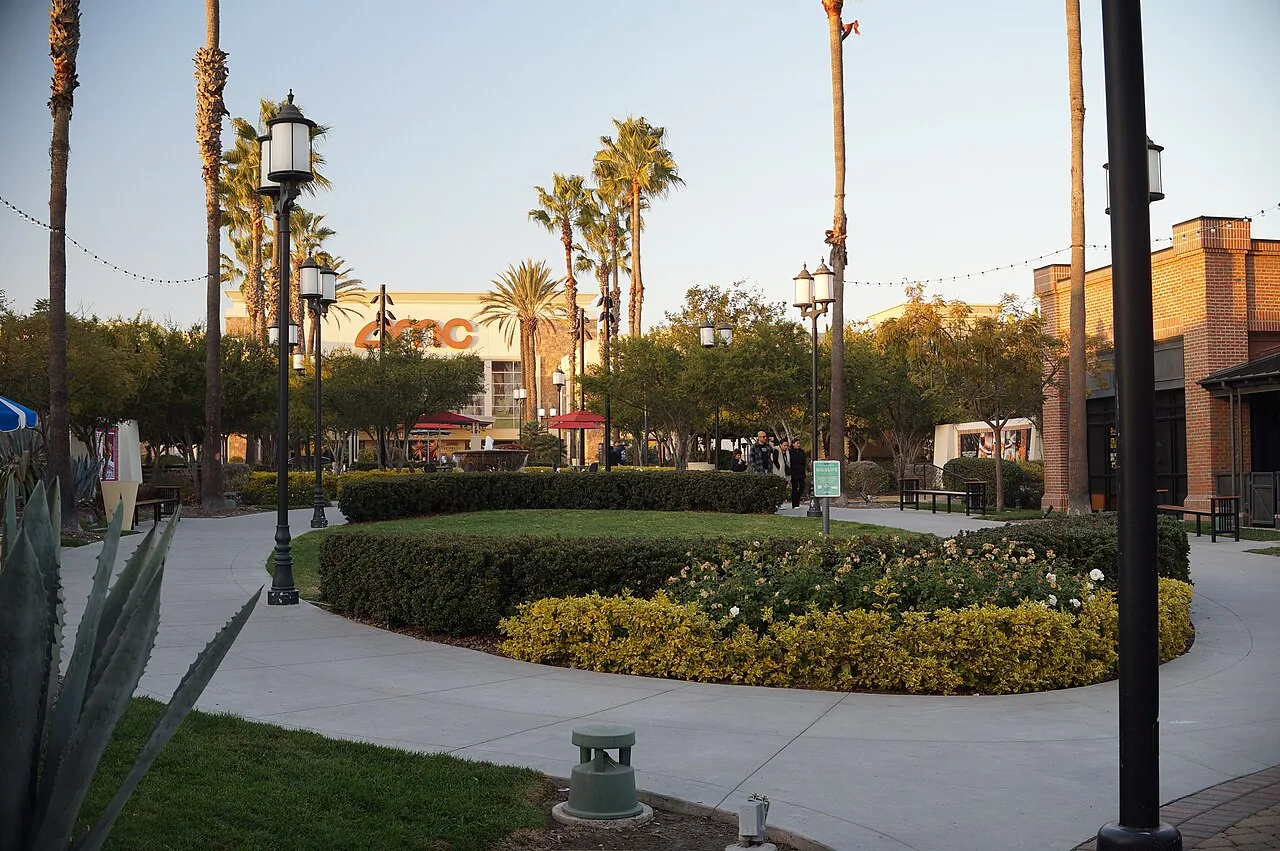
Eastlake includes separately planned business-center and village-center areas. We avoid treating those areas as one building type. At the property, we identify the roof system, prior repair details and any rooftop equipment that could limit movement. If water is active, we first protect the interior and locate an entry point. If the leak has stopped, we still check seams, penetrations and drainage for conditions that could reopen during the next wet period.
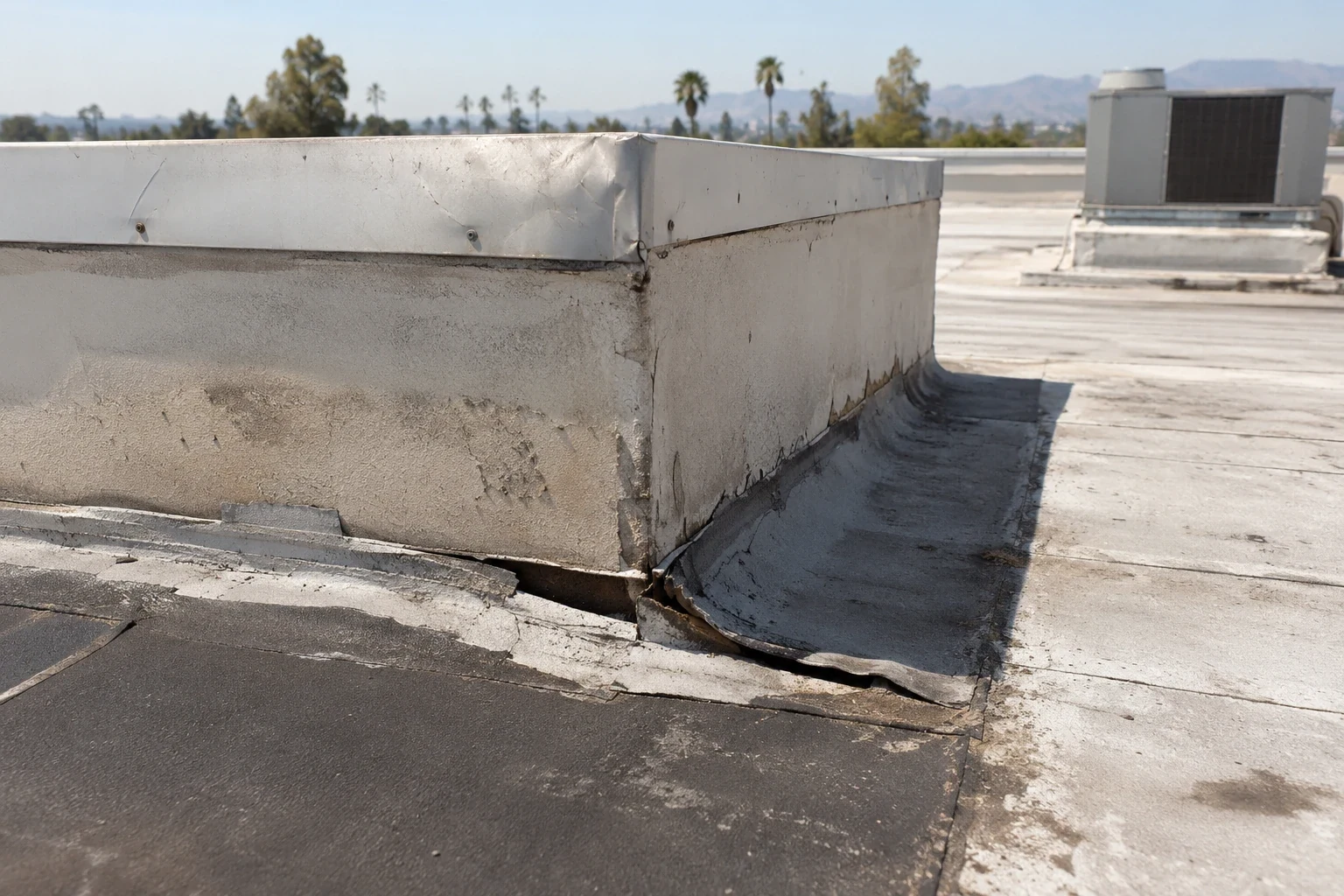
A stain under a parapet does not prove the parapet caused it. We trace the water path, compare the interior report with roof slope and look at seams or curbs along the route. If a joint has opened, seam repair may restore a sound lap. A transition at a wall or rooftop unit can need flashing repair. A suitable moisture survey or controlled opening can help when concealed insulation changes the repair plan.
Prepare the Roof for Seasonal Rain
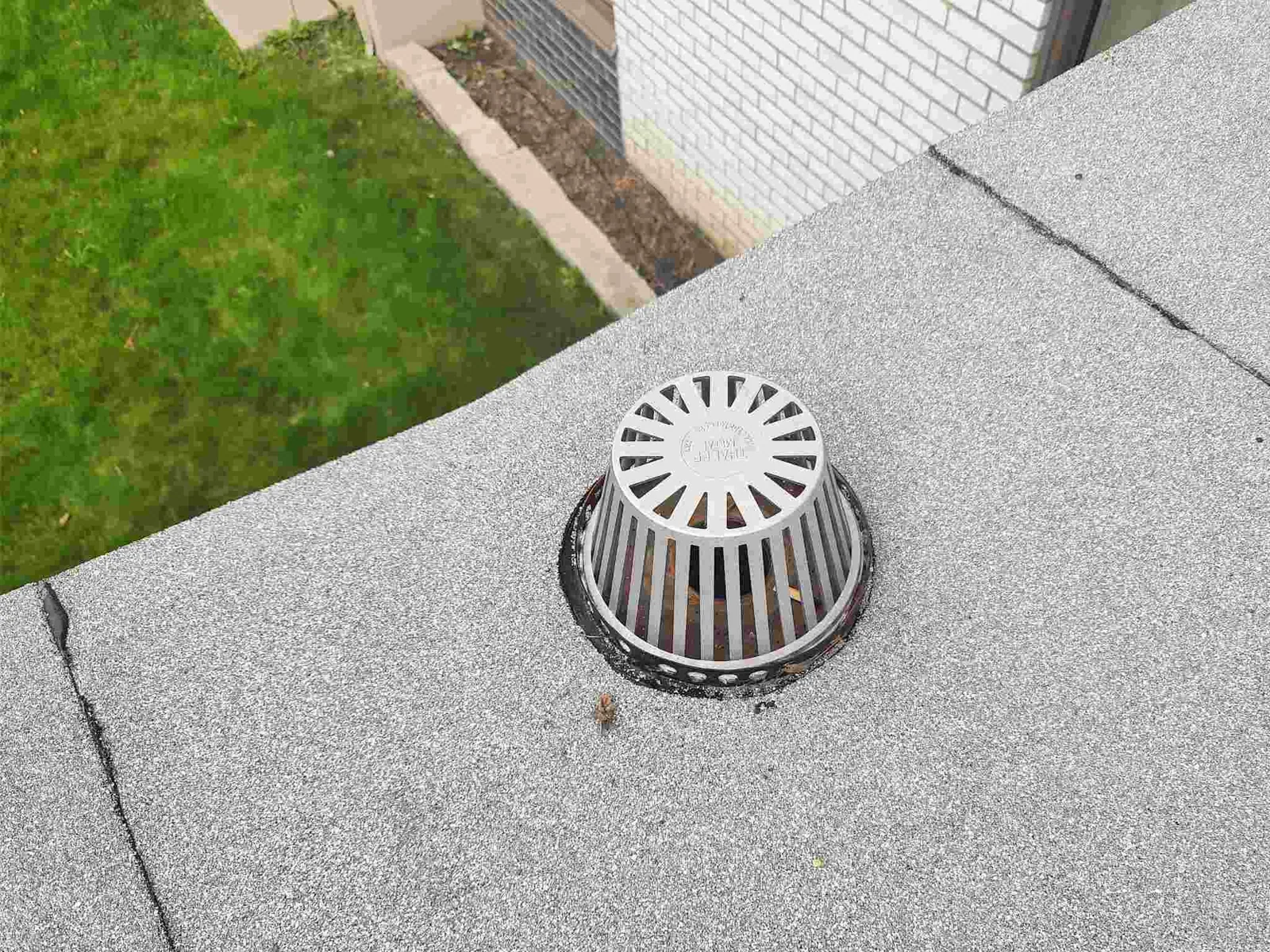
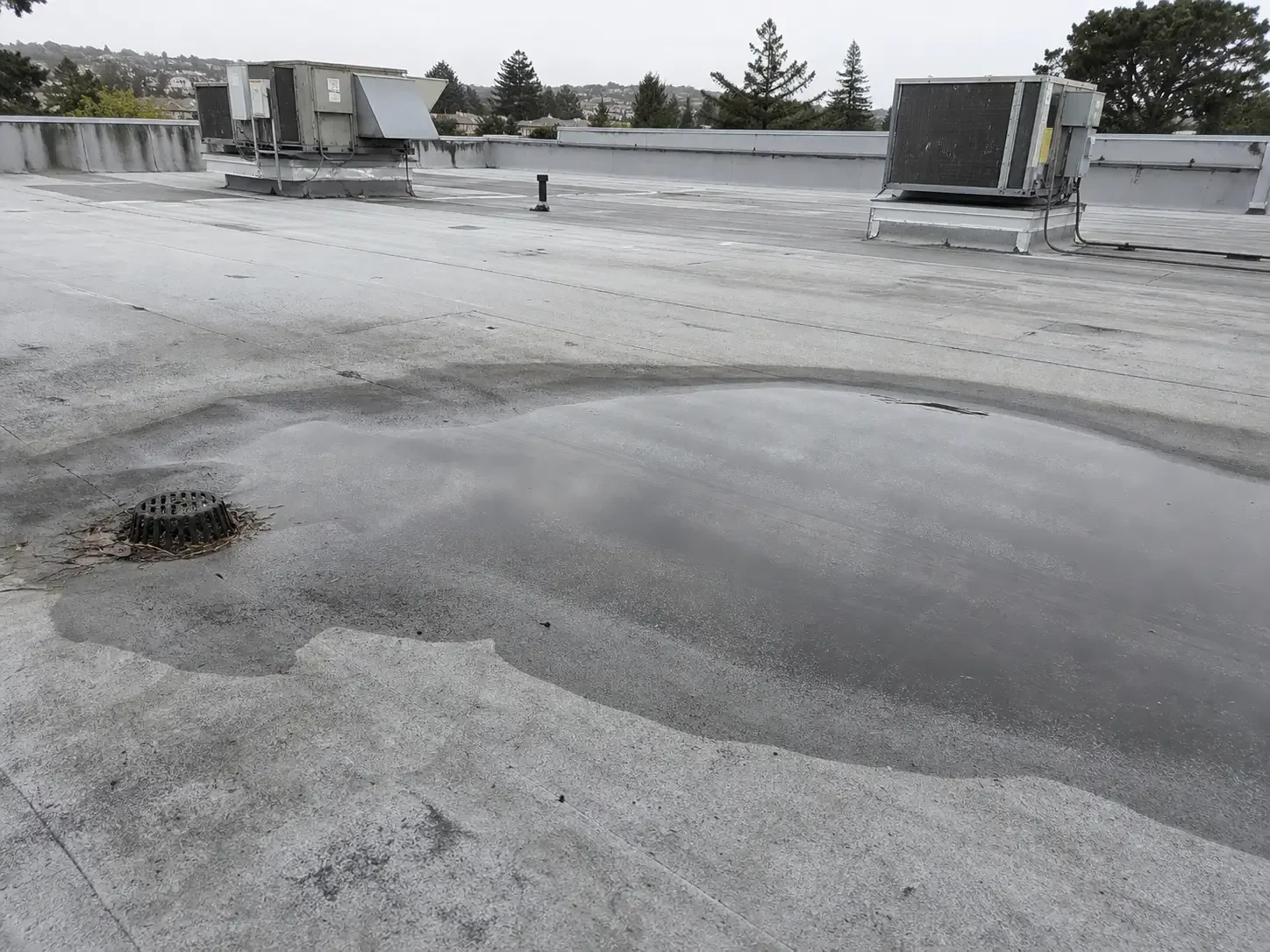
Most San Diego-area rain arrives in winter, with yearly totals varying. Before that period, we inspect drains, scuppers, open seams and edge details that can admit water. Debris in a drain bowl can slow runoff. A low area that remains wet after the outlet is clear may need slope or insulation review rather than repeated cleaning. Drain and scupper service can address outlet condition, while ponding-water repair can review persistent standing water.
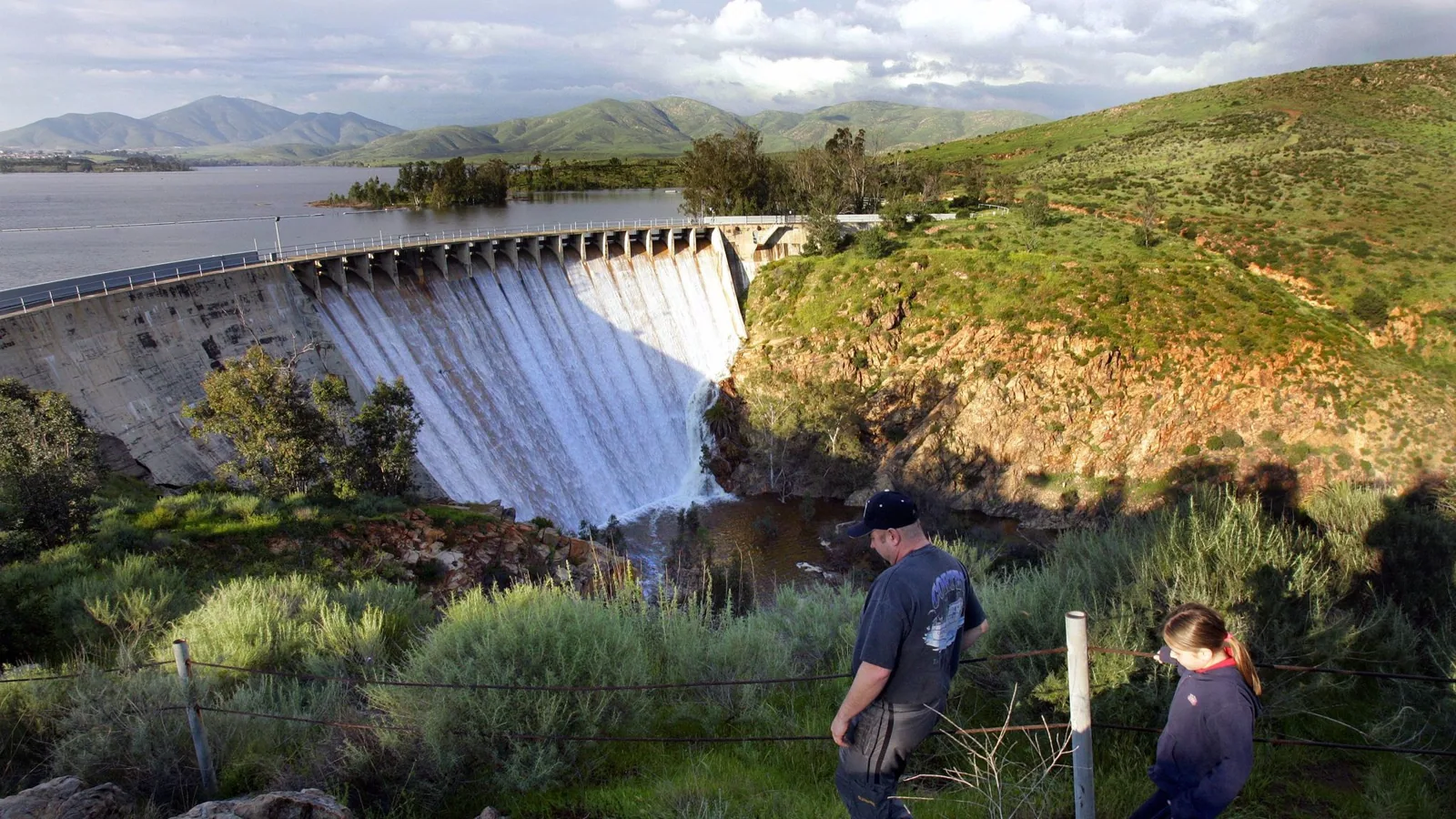
Eastlake's setting includes more than 1,100 acres designated for parks, recreation and open space alongside built uses. For work near those open-space areas, the property contact can identify suitable staging and pedestrian routes. We keep equipment clear of landscaped areas and entrances, then inspect the roof assembly and access points at the building.
Across eastern San Diego, easterly winds can push September and October temperatures into the 90s, and at times to 100 degrees. Heat can make older sealant brittle and place additional demands on exposed details. We inspect for actual movement, cracks and loose attachment rather than assigning every defect to temperature. Product requirements govern whether a membrane repair can be welded or bonded that day. If the surface is unsuitable, we protect an active opening and schedule the permanent tie-in when conditions allow.
Define the Work Before Materials Are Ordered
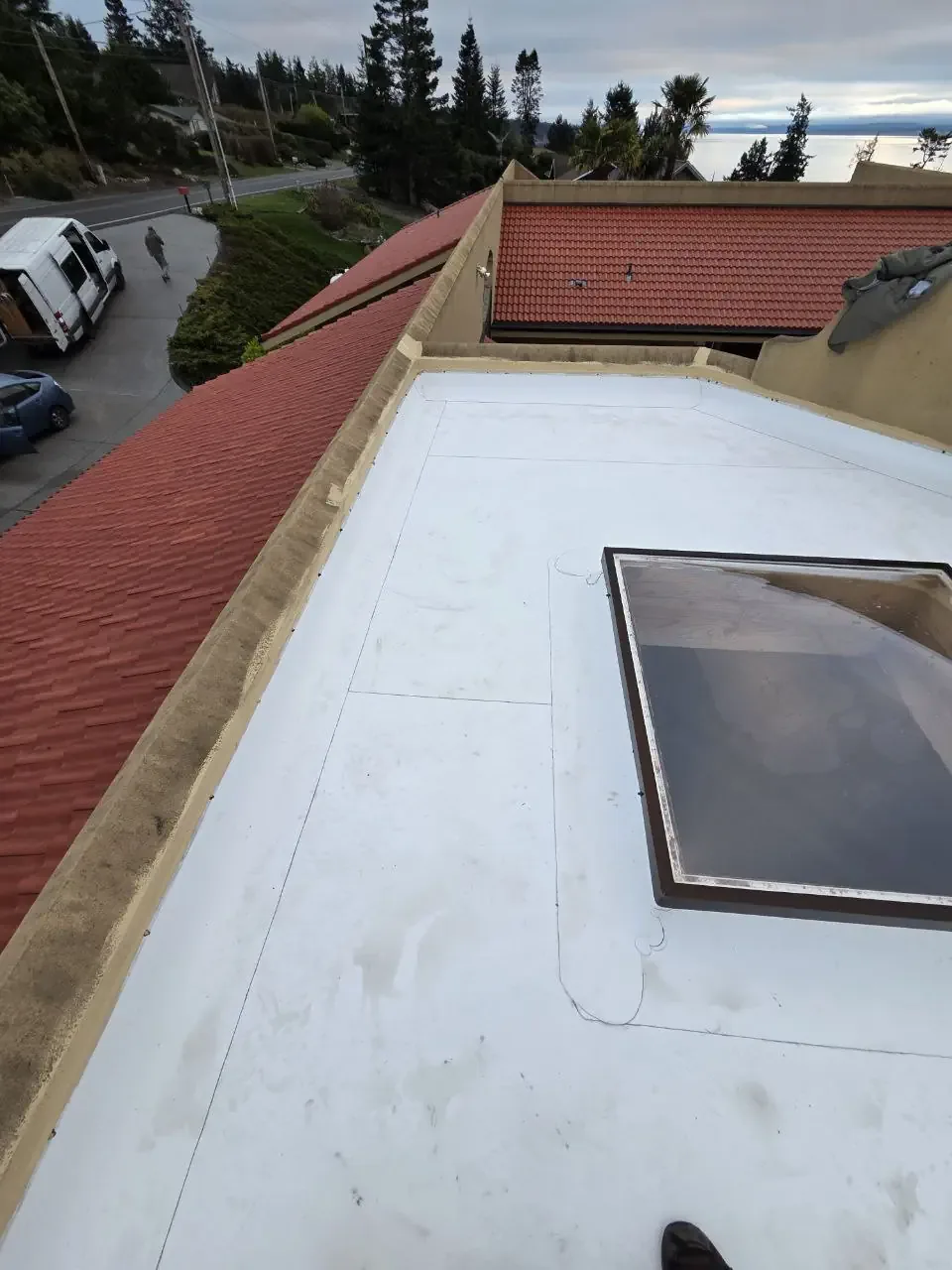
A repair boundary should reach stable material. We identify the membrane and preparation method, remove loose or contaminated edges and inspect insulation at the failure where accessible. A compatible patch extends beyond the opening and ties into a dry surface. A bead of sealant may cover a visible gap, but it does not restore a loose seam or wet substrate.
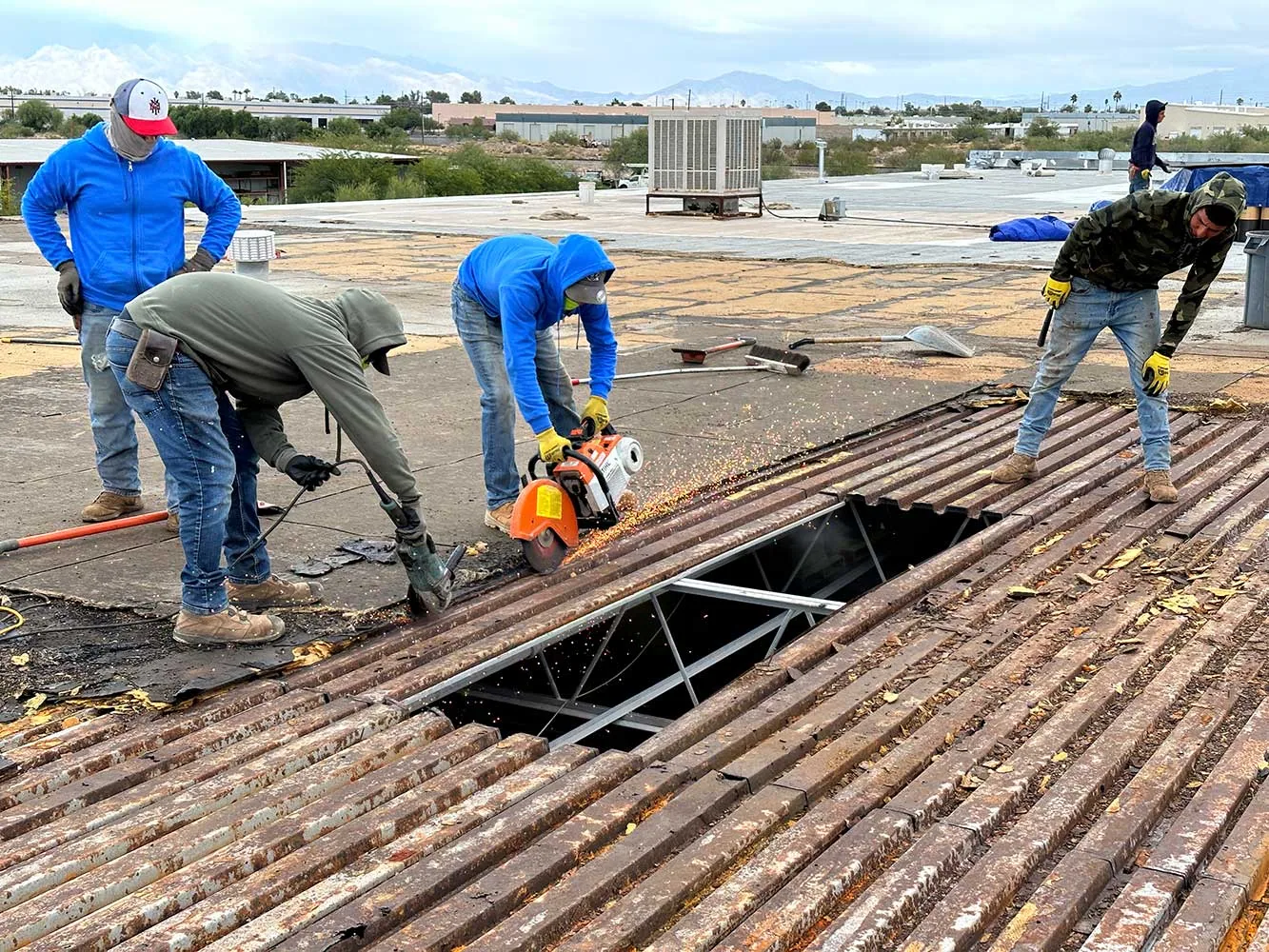
When several details have failed, we compare localized repairs with a broader restoration or replacement. The decision depends on the roof system, size of wet areas, previous patches, access and how the building must remain in service. If the deck or insulation may be compromised, a controlled opening can confirm the layers before a larger repair is approved. A commercial roof repair plan keeps confirmed work distinct from possible follow-up.
Cost and timing depend on roof height, materials, equipment coordination, staging and concealed conditions. If rooftop units must be shut down or a loading area restricted, that schedule belongs in the plan. We list the sequence, identify who needs to coordinate each access step and explain what would change the scope if an opening reveals more damage.
Keep Tenants and Service Crews Coordinated
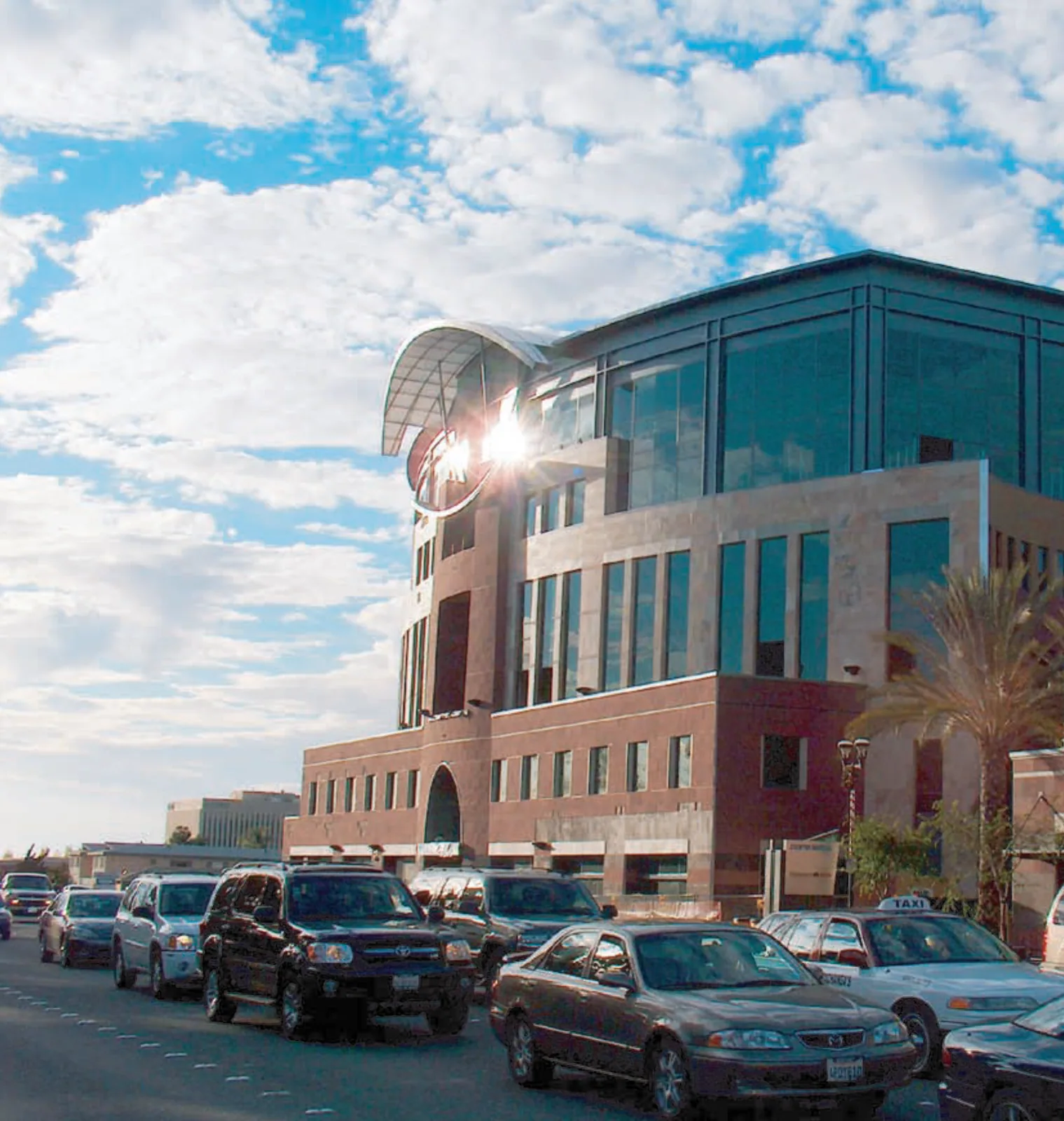
Before work begins, we confirm which spaces sit below the repair area and how the property team wants to handle noise, odor, debris and temporary access limits. Rooftop equipment may serve several occupied spaces, so a shutdown must be approved by the authorized site contact. If another trade needs the curb or penetration, we coordinate the order so the roof can be closed after the work is complete.
For an active leak that threatens interior finishes or equipment, emergency response is available overnight, on weekends and through holidays. We stabilize the opening when the roof can be reached safely, then return for a permanent repair when the surface and material conditions support it. The temporary dry-in and permanent work are recorded separately so the team knows what is complete.
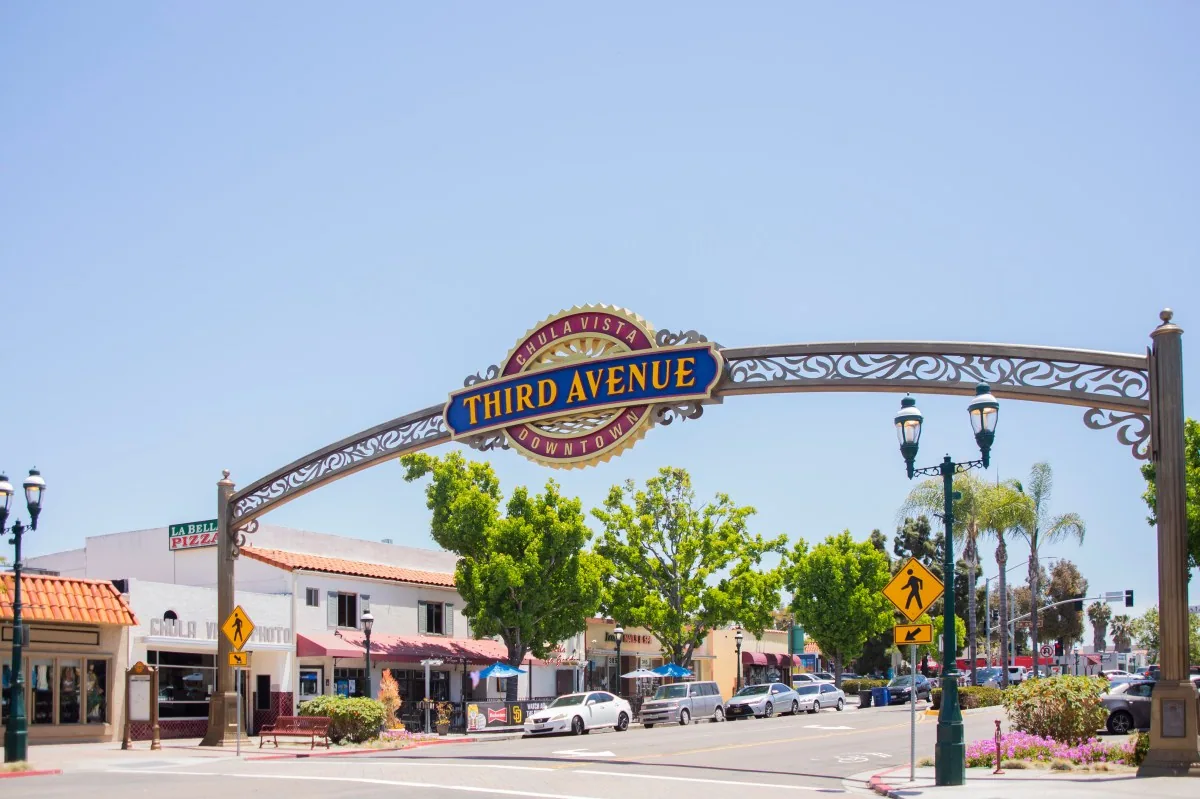
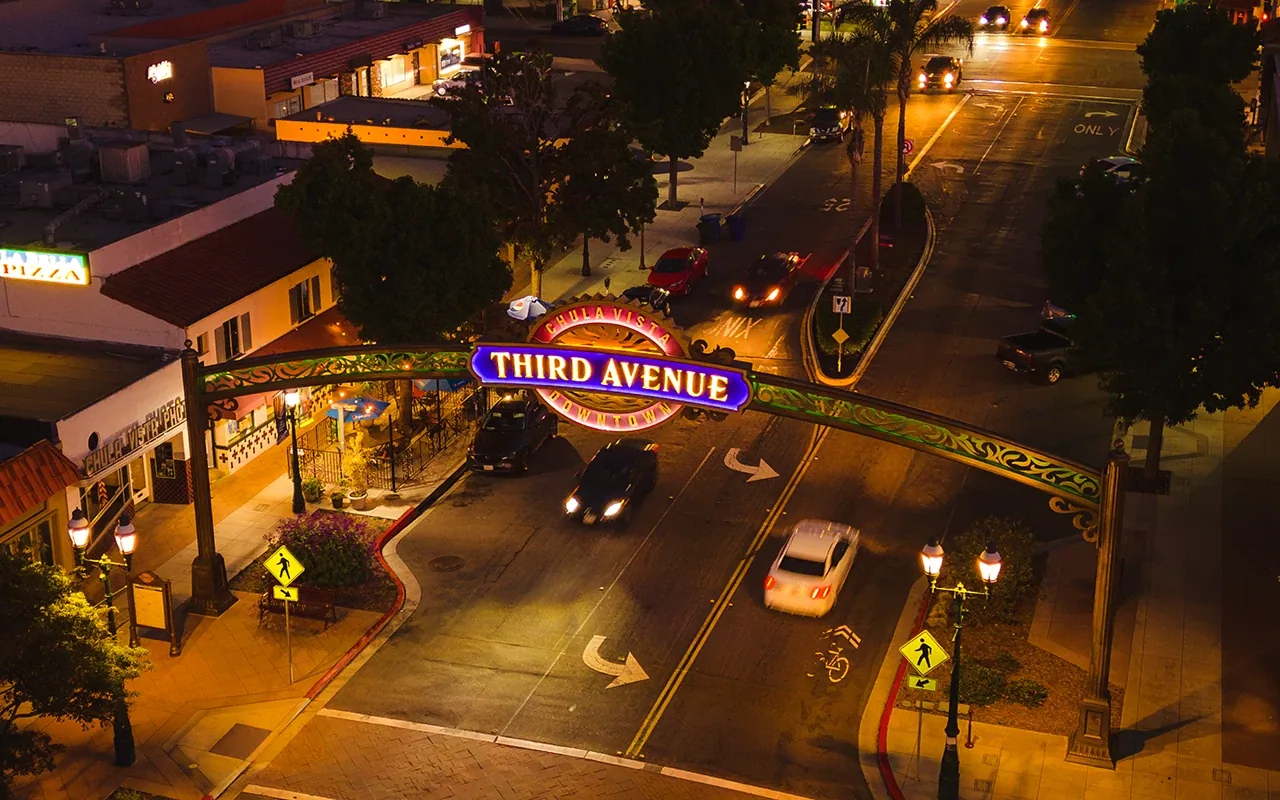
A facilities group working in Millenia or Otay Ranch can use a consistent roof-zone naming method across its Chula Vista properties. Each building still receives its own inspection record and access plan. Shared terminology helps the manager compare the findings without treating one roof's condition as evidence about another.
Turn Roof Findings Into a Work Plan
At completion, we inspect the patch edge, nearby seams and drainage route. Photos show the work area before and after preparation, and the record identifies the roof zone, system type when known, material used and any remaining concern. If a test opening or moisture survey is still needed, we state what decision it will support and which area needs access.
Retail-commercial and industrial-office uses sit within Eastlake’s larger community. We set the repair sequence from the building’s actual use, equipment schedule, and roof access. We confirm access with the manager, maintain the agreed work zone and leave drains and service routes clear at the end of each shift.
For follow-up across buildings, a roof condition report can carry repair findings into maintenance planning. Preventive roof maintenance can revisit exposed seams, curbs and drains before winter rain. A consistent record keeps each building inspection separate and useful.