Stabilize the Building First
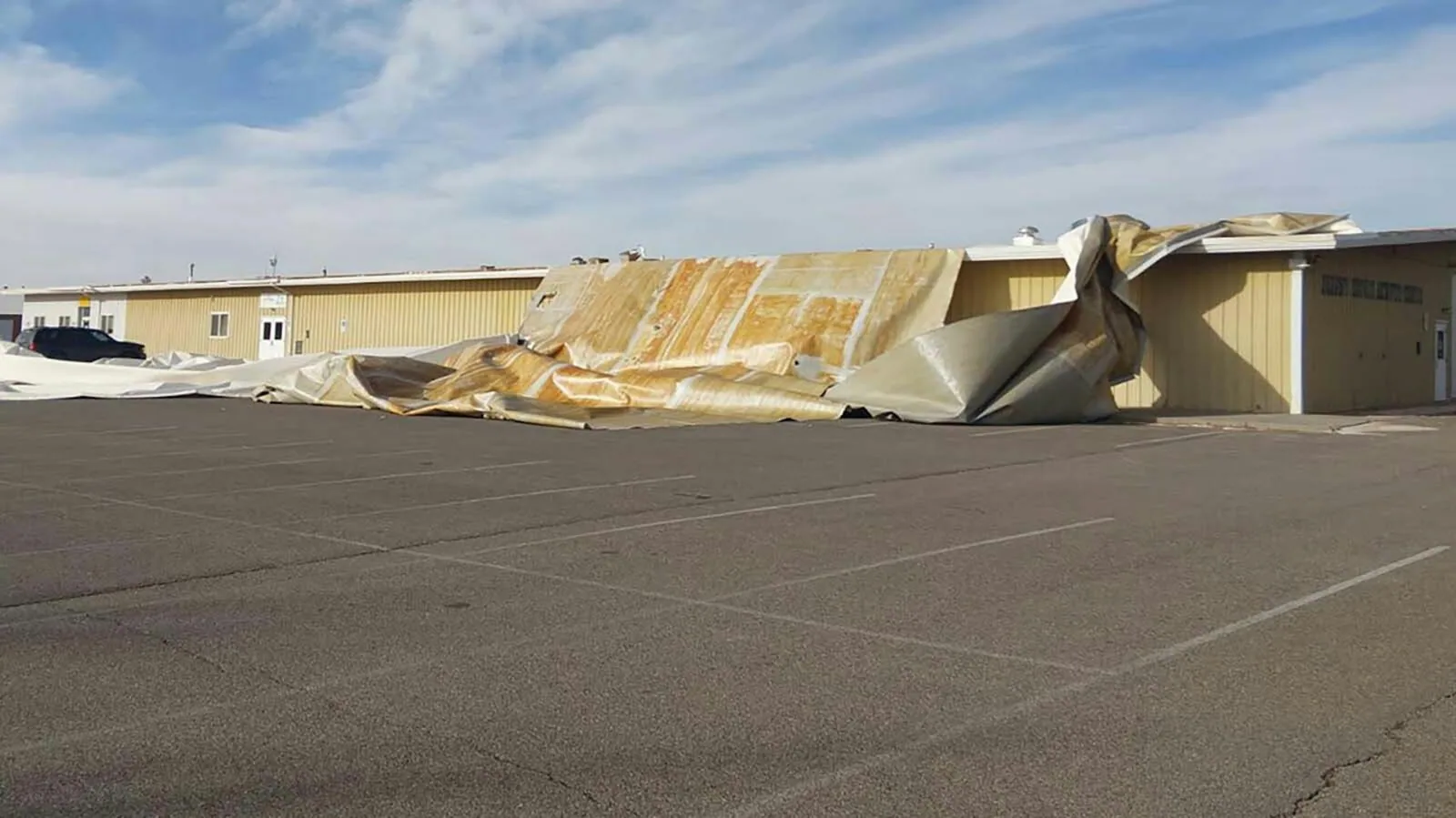
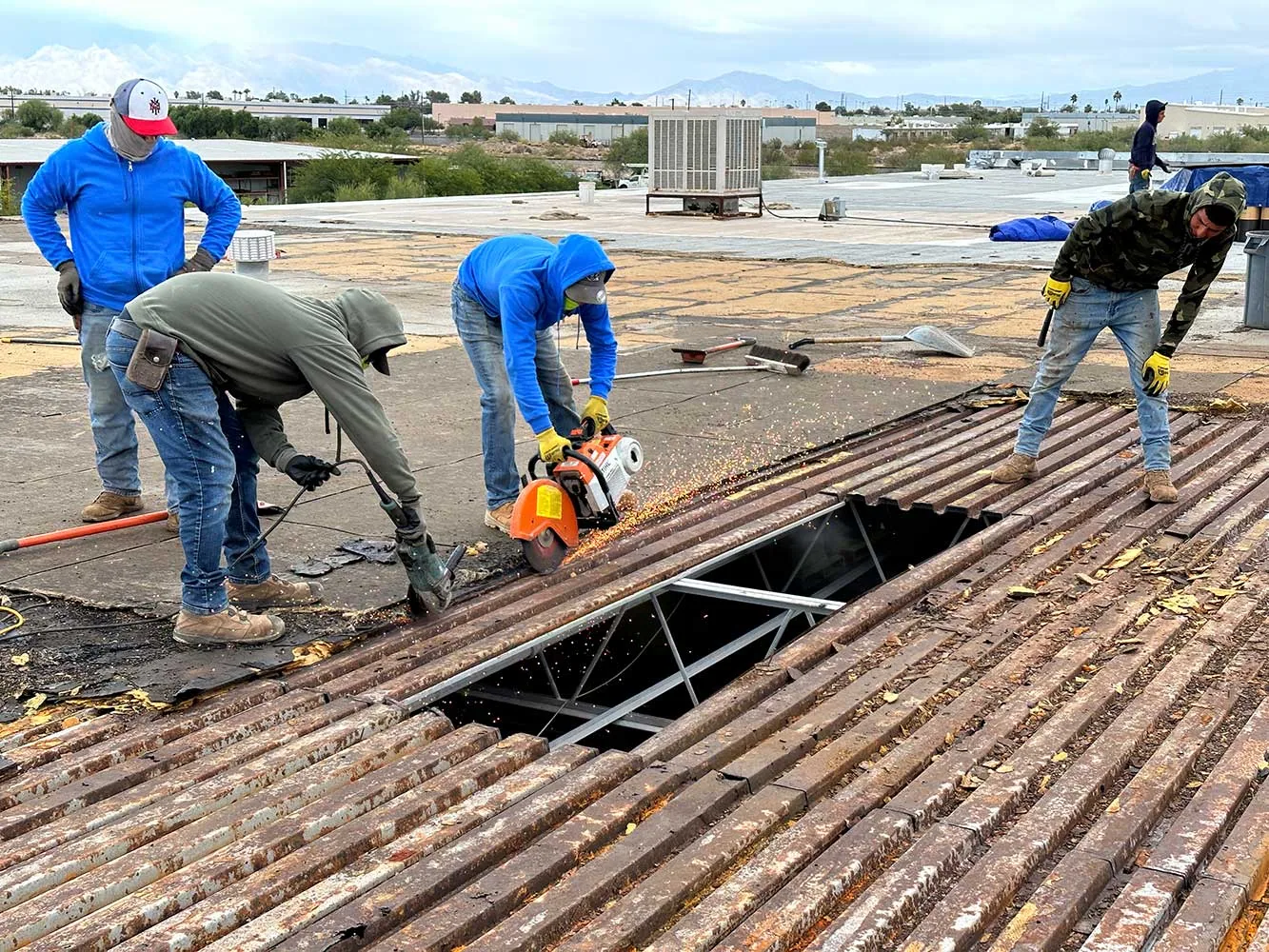
Emergency response is available around the clock, including weekends and holidays. We confirm safe access, identify affected rooms and protect people, equipment and contents where practical. The crew checks the roof near the report for loose membrane, open seams, displaced metal, punctures, blocked drainage or damaged penetrations. Water inside may be displaced from its entry, so we compare the ceiling location with roof geometry.
Temporary dry-in limits additional water while permanent repair is arranged. A tarp or secured patch can protect an opening when wind, moisture and attachment points permit. We consider what lies below before fastening material. If roof access is unsafe, we tell the site contact and coordinate interior controls until conditions improve.
We record where protection starts and ends, what remains exposed and what must be corrected in the permanent scope. The facilities team receives a clear distinction between stabilization and work still required to restore the assembly.
Triage the Active Water Path
Wind-driven rain may expose an edge or wall transition; water at a drain may reflect blocked flow, a low area or failed detail. We ask when the leak began, what weather was present and whether the room has leaked before. These details help separate urgent entry from a symptom that may continue after rain stops.
We inspect nearby seams, fasteners, curbs, skylights, drains and scuppers. A soft spot or wet insulation can mean water moved below the membrane. We mark the suspected entry and check connected details. If the path is unclear, we use temporary controls and plan a fuller inspection instead of spreading sealant across unrelated areas.
Roughly 85 percent of San Diego-area precipitation arrives from November through March, though seasonal totals vary substantially. We log reports by building and room rather than assuming one failure. The leak-tracing process connects them to entry points; wind-damage repair addresses lifted edges when confirmed.
Dry-In Without Hiding the Failure
A temporary cover must shed water without trapping it against a curb or directing it toward another opening. We secure it to a stable area, manage laps with the water path and keep outlets clear. If the surrounding material cannot support safe attachment, we describe that limit and use another protective measure. The building contact should know which space remains at risk.
We coordinate around electrical rooms, ceilings, inventory and occupied areas. The facilities team can move contents or isolate a room while the crew protects the roof. If nighttime or weather makes roof access unsafe, we set an interior plan and return when conditions permit. Temporary protection still requires permanent correction of flashing, membrane, edge metal or drainage.
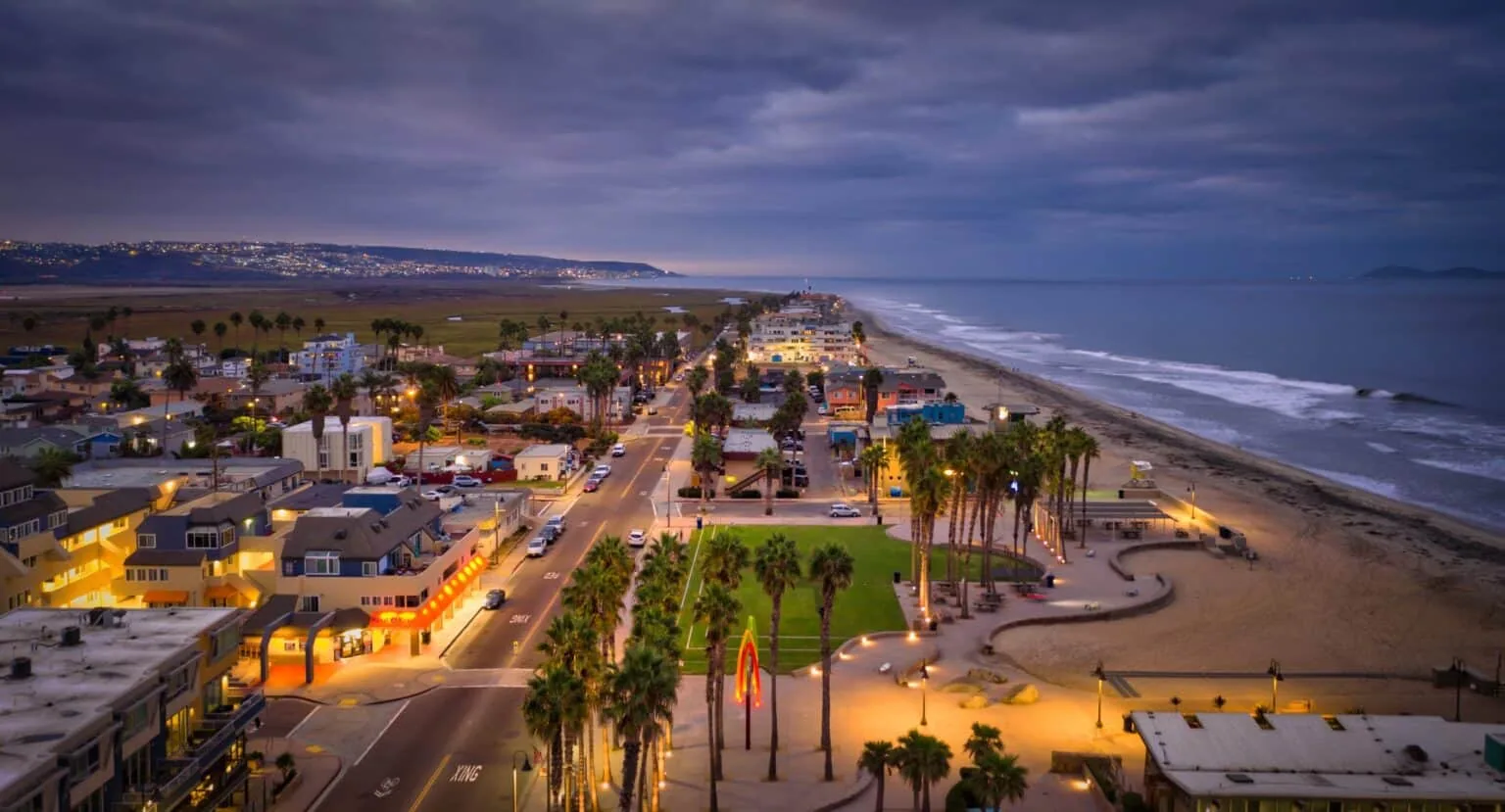
Imperial Beach’s Palm Avenue corridor mixes commercial buildings, retail and service uses. A storefront response may need to keep customer access clear. Around downtown Chula Vista’s Third Avenue, shops and restaurants can have shared rear routes. We confirm ladder and delivery access with each contact. These conditions shape logistics; the roof defect sets the repair.
Return for the Permanent Tie-In
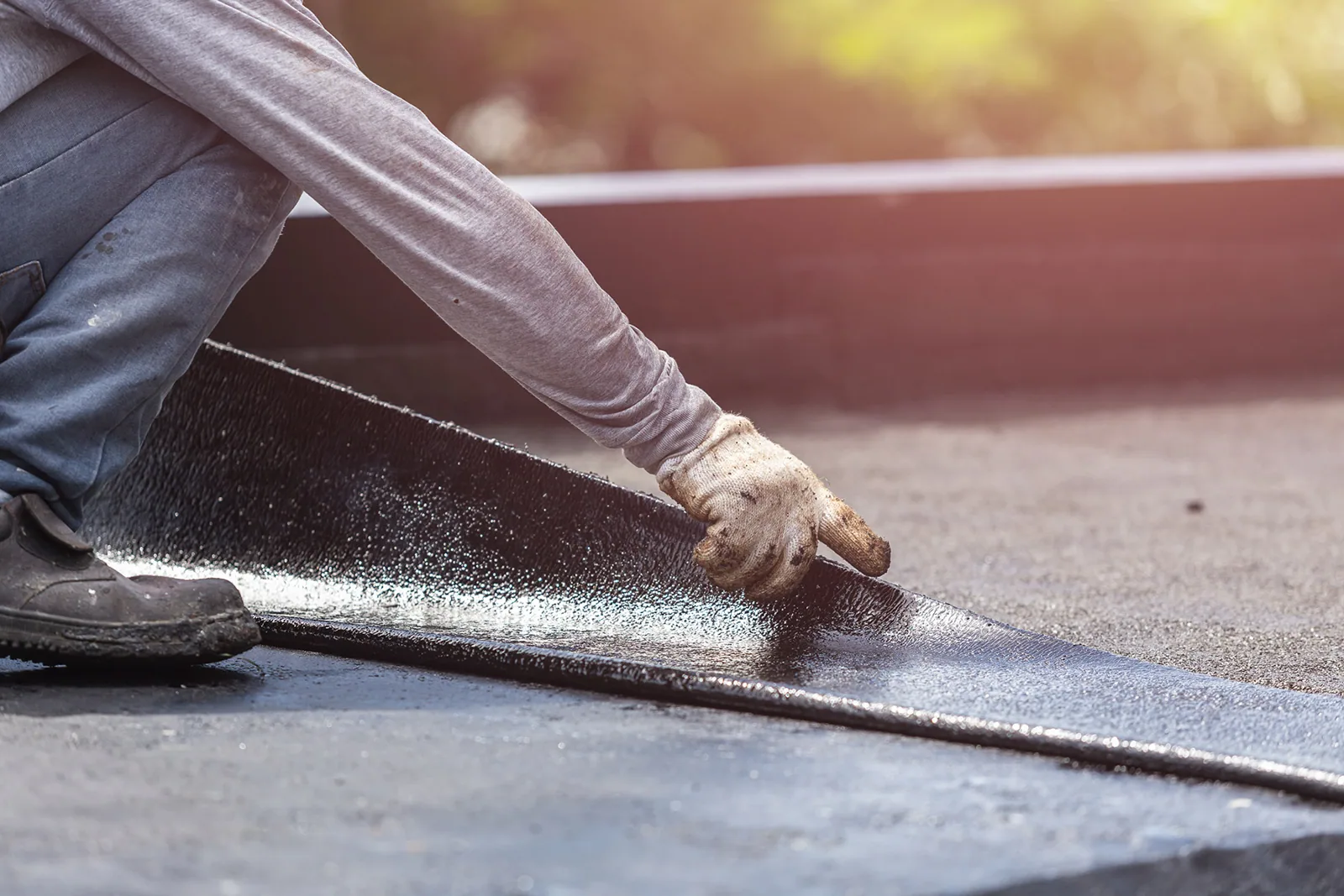
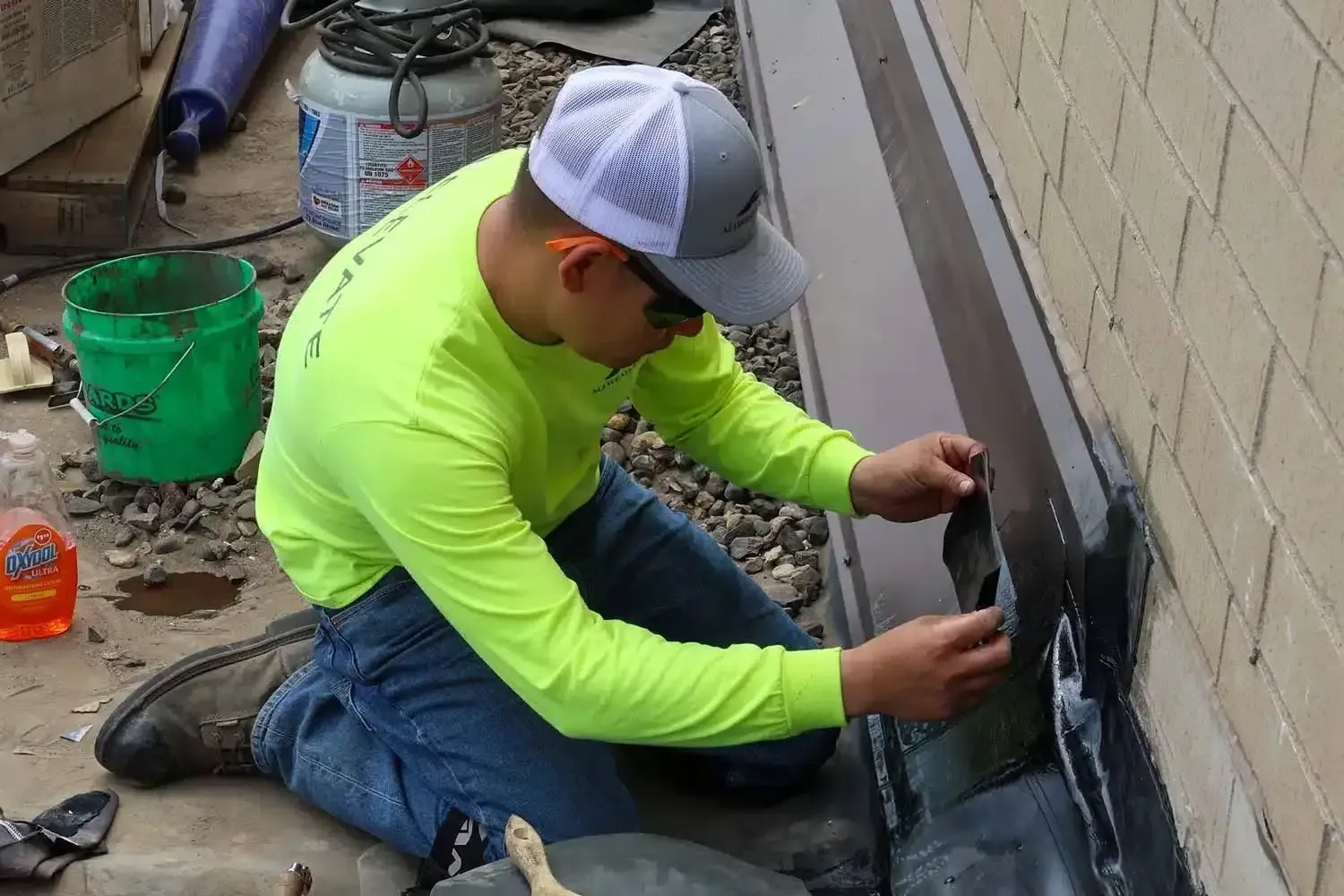
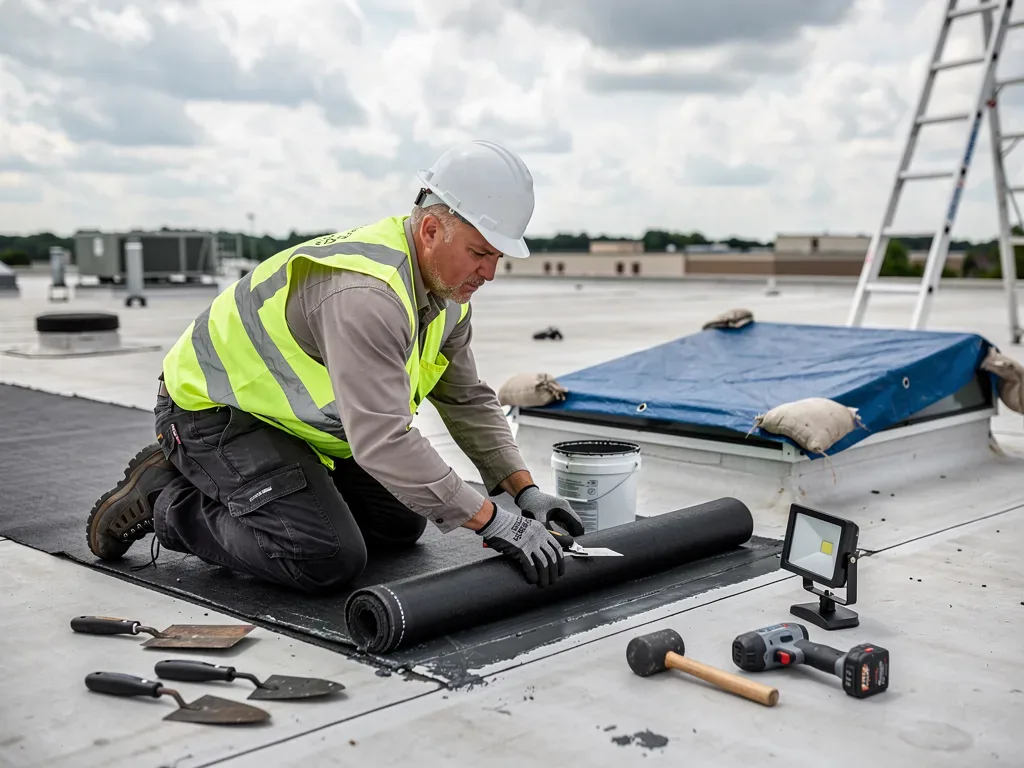
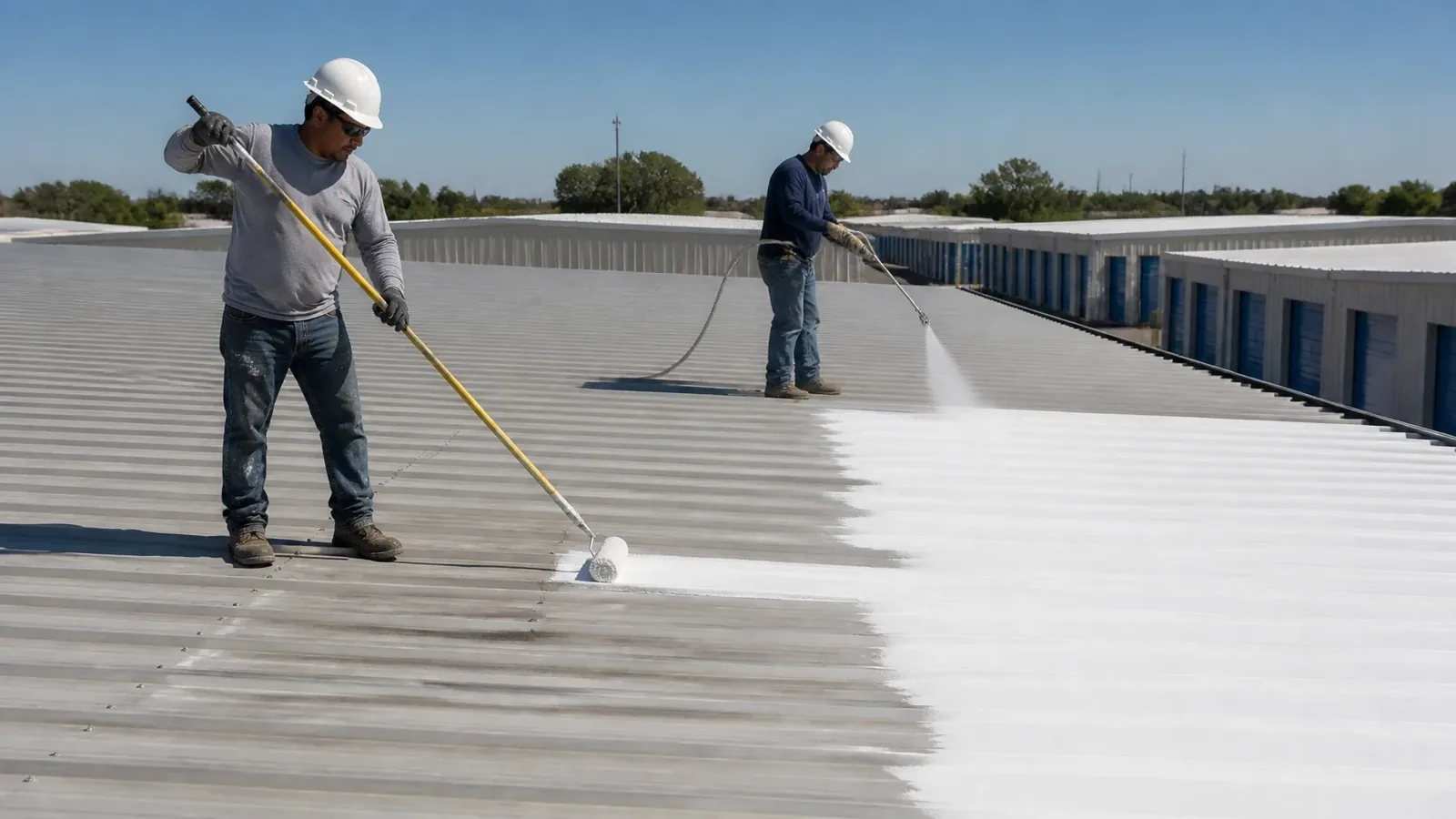
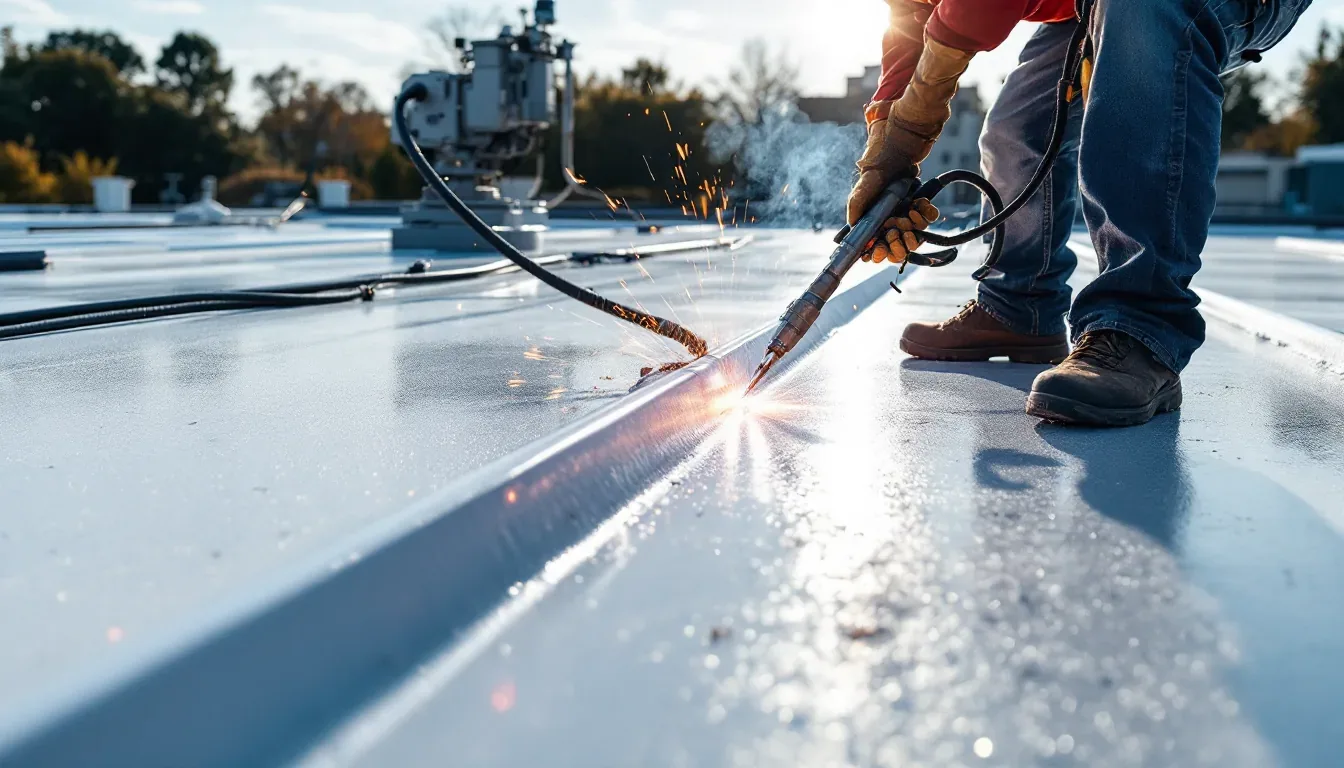
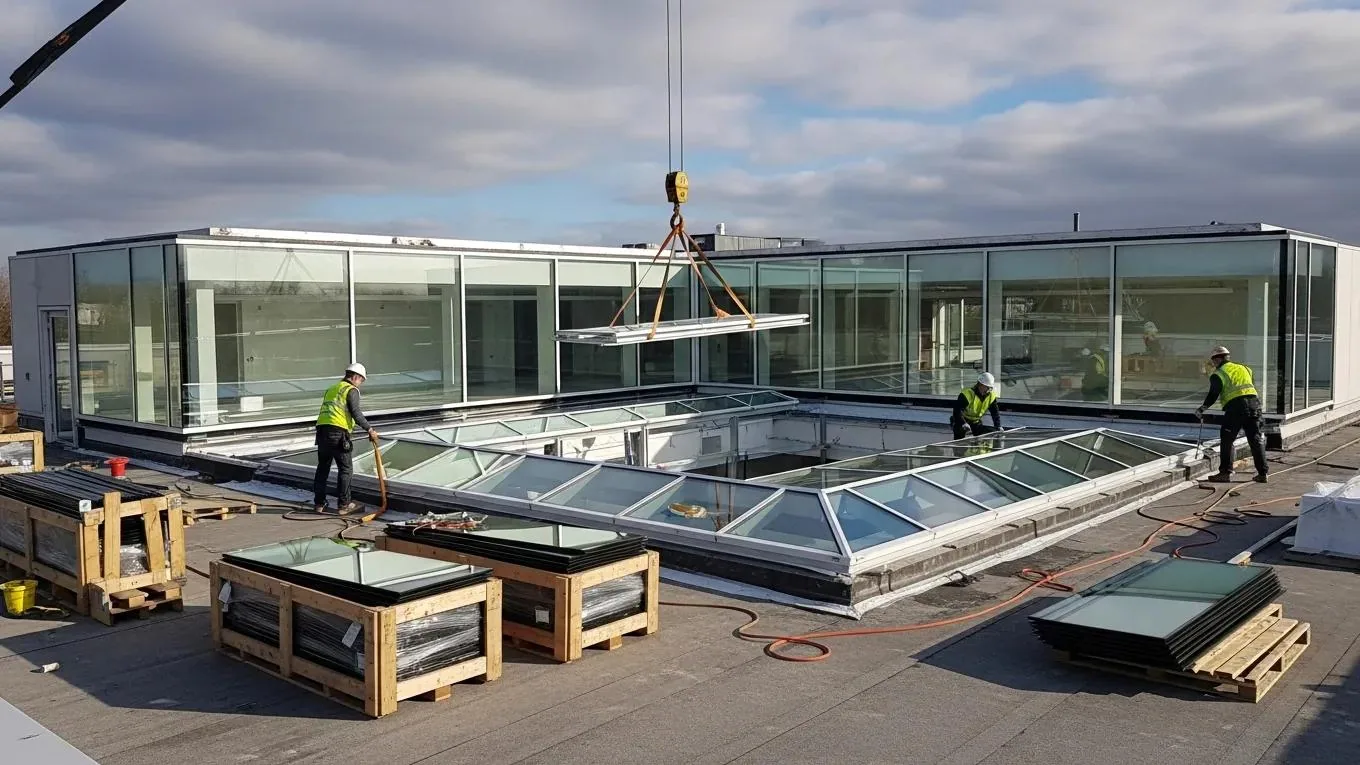
When the roof is safe to work, we remove temporary material and inspect underneath. Permanent work may weld a seam, rebuild curb flashing, replace a pipe boot, reset edge metal or correct a drain detail. We prepare the surface and tie the repair into sound membrane. If removal exposes wet insulation or damaged deck, we document it and define that work before covering.
Materials must suit the exposed layer. Sealant over a wet membrane can detach, and a patch over brittle material may split with movement. We identify the system and choose a compatible method. If damage extends beyond one detail, we compare localized repair with broader replacement based on the observed condition.
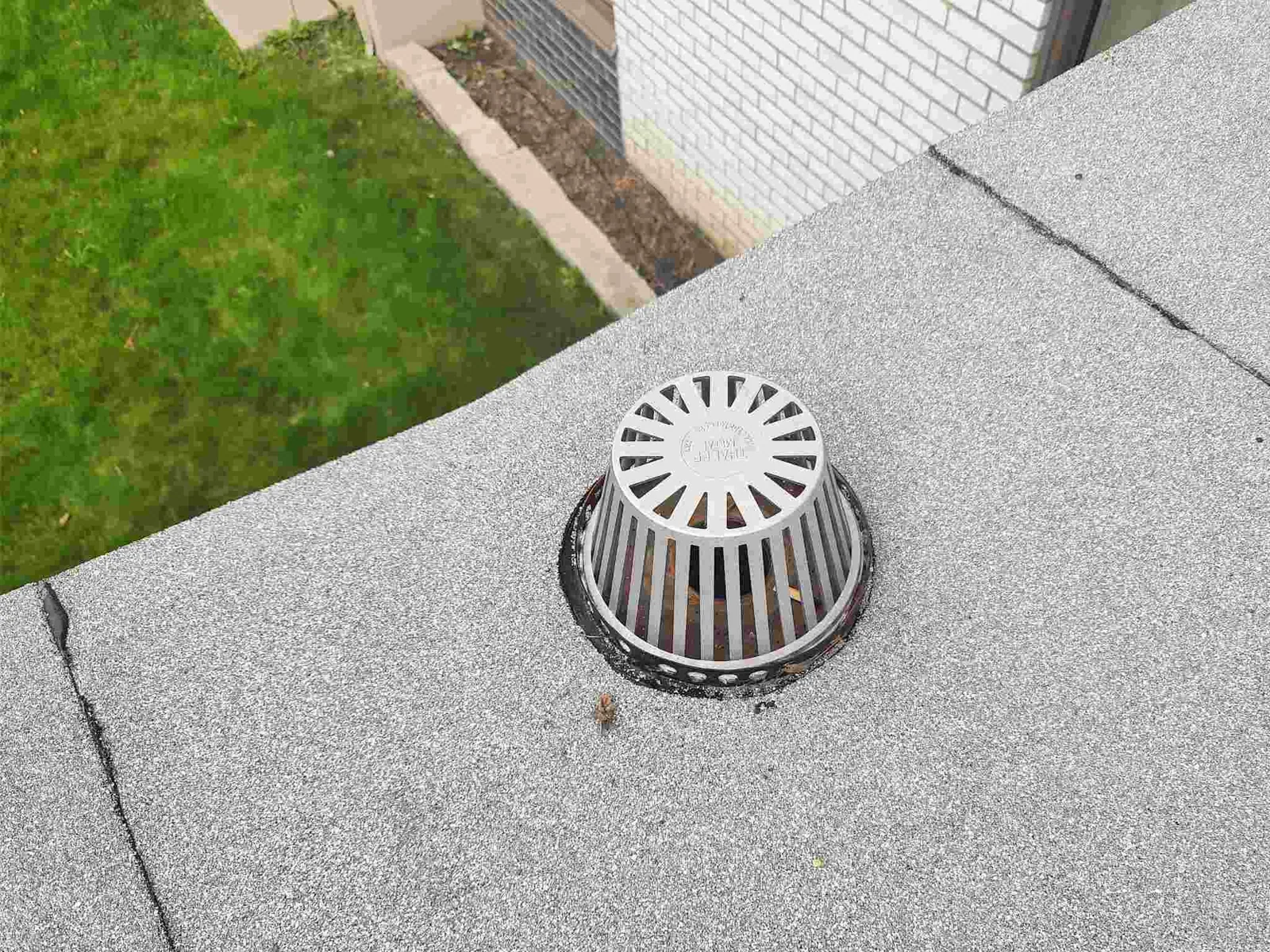
We review drainage around the repair so a patch does not narrow a bowl or leave a ridge that holds water. Drain and scupper work can address outlet problems; a planned repair scope rebuilds the detail after temporary controls are removed.
Protect Operations and Keep the Record
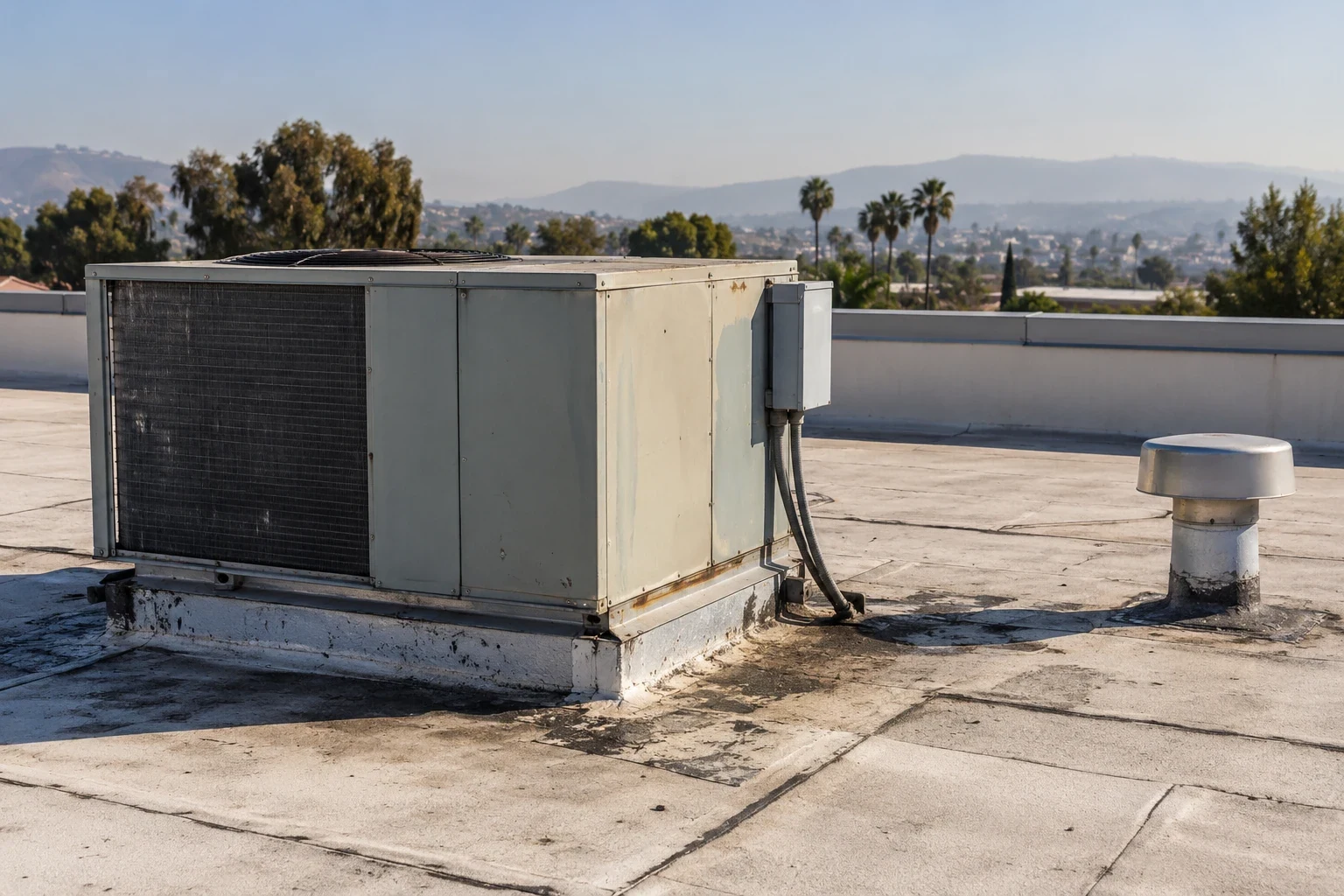
Emergency work often happens while a facility is open, receiving deliveries or protecting sensitive equipment. We coordinate the roof route, staging point and interior protection with the person on site. Near Otay Mesa, I-805 and SR 905 connect industrial properties to major freight movement; at a building with active receiving, a delivery delay can matter as much as the roof access. We check the property’s actual route before loading a lift or placing materials, and keep emergency access clear. The contact can identify gates, escort needs, overhead lines and any area that cannot be blocked. This keeps critical service access open.
The closeout records the reported location, roof zone, temporary controls, permanent work completed and any area that remains outside the repair boundary. Photos show the condition before and after. If the leak continues, the record helps distinguish a failed tie-in from water already held in the insulation or another entry point that was not exposed. A roof condition report can preserve the findings for later budgeting, and Otay Mesa service-area coordination can help plan access for a return visit.
A night or holiday call follows the same stabilization-first sequence. When calling, identify the building, affected room and best roof-access route. We will focus on safe stabilization, explain what remains exposed and set the next decision for a permanent repair.