Identify the installed membrane
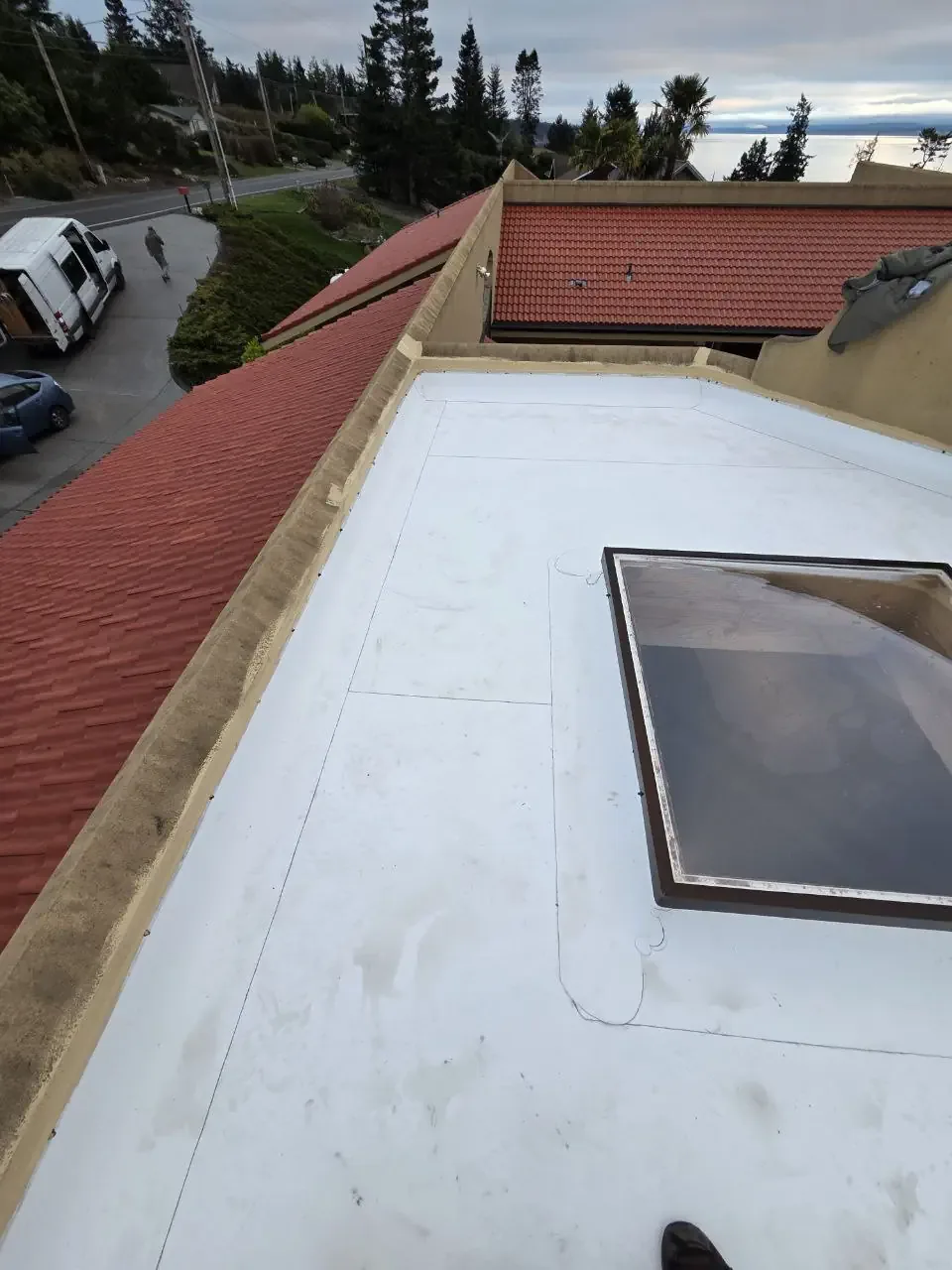
KEE is an alloy component in some PVC roofing membranes. A flexible white sheet is not necessarily KEE, and similar appearance does not establish weld compatibility. Review product labels, closeout and repair records, or exposed edges before choosing a patch. If identification remains uncertain, document what is known and confirm the product before selecting the repair method.
Composition is one part of the specification. Sheet thickness, reinforcement, attachment, cover board, and flashing details affect repair choices. Compare the field with curb, drain, pipe, and perimeter materials. A prior repair may have introduced another sheet or sealant; record it instead of extending it across the roof. Our roof inspection notes visible product evidence and details that need confirmation. A PVC membrane without the same alloy is not automatically interchangeable.
Where a roof includes multiple membrane types, mark each transition by zone. Keep the product name tied to the confirmed area, not the entire building. A condition report can distinguish confirmed material from sections still needing verification.
Welds, patches, and flashing
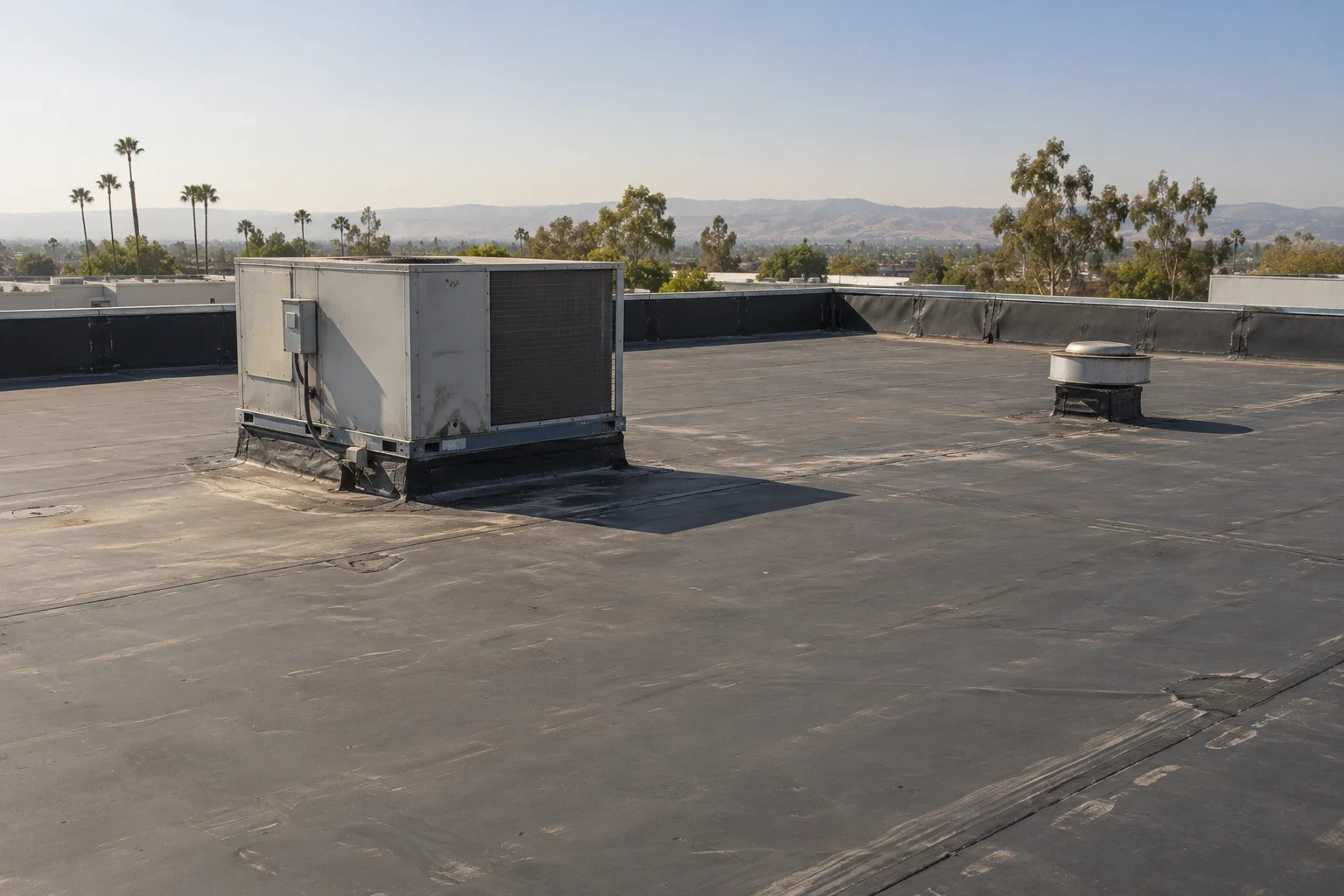
Heat-welded laps need clean surfaces and an even bond. Inspect the seam for an open edge, fishmouth, contamination, wrinkles, or a repair that bridges an older failure without restoring the original lap. Check corners and T-joints where several sheets meet. A probe can locate a loose edge, while a test weld can help verify the repair setting and material response. The repair should end on stable, bonded membrane.
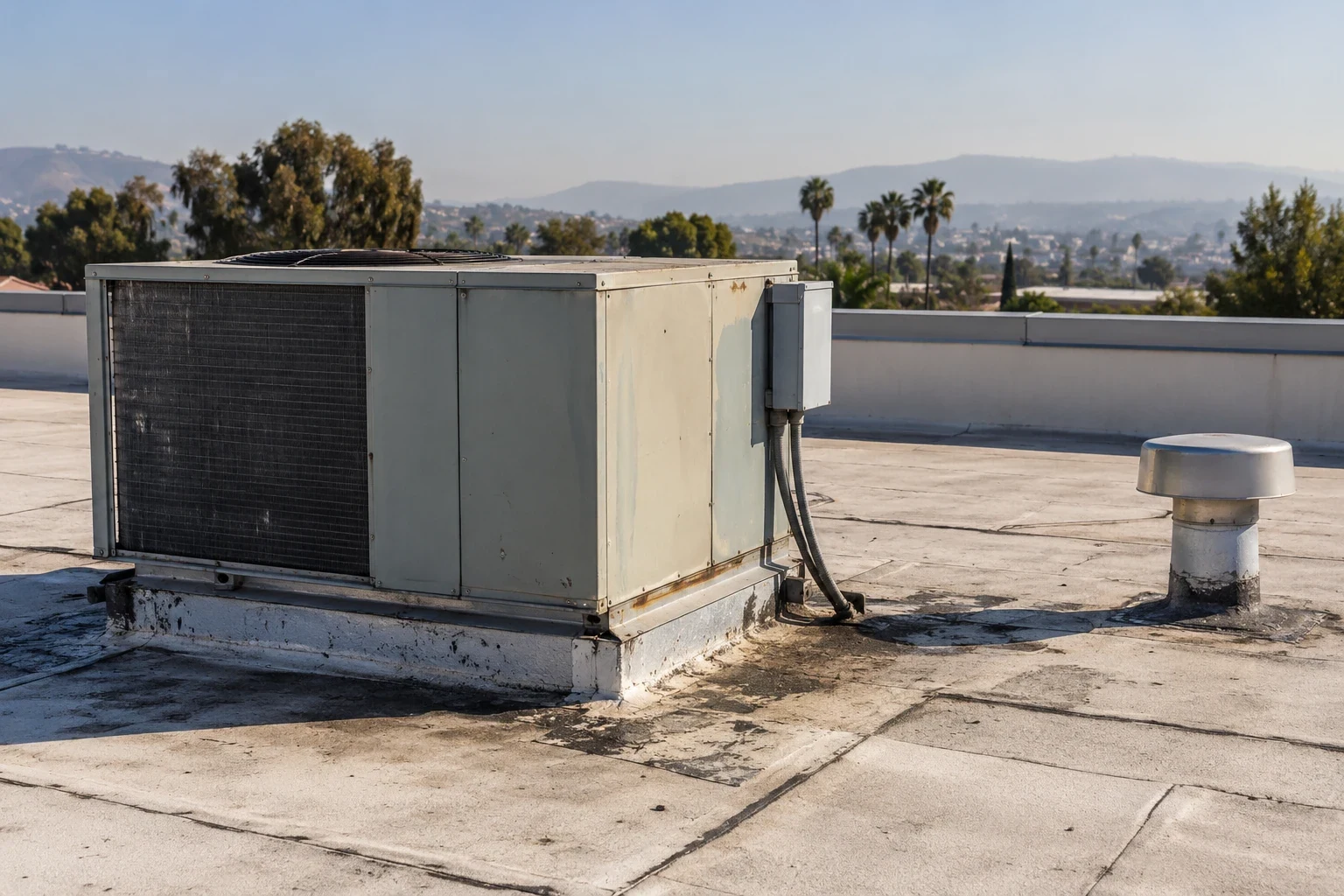
At curbs and walls, follow the flashing from the field sheet up to its termination. Look for loose metal, an unsupported vertical leg, open corners, or movement where the assembly meets a different surface. Around pipes and conduits, confirm that boots remain attached and that later trade work has not cut or pulled the sheet. A patch should not conceal a loose base flashing or an unbonded lap. For a defined seam repair, mark the affected run and include nearby transitions that are part of the same failure path.
Surface wear needs context. Scuffs, dirt, or a faded appearance do not prove that water is entering, while a small cut beside a curb can be consequential. Record the roof zone, defect dimensions, nearby details, and interior report. Photograph both a close view and the surrounding area so the repair can be found later. If the membrane is cracked, shrinking, or repeatedly separating, local welding may not address the broader condition.
Drainage and hidden moisture
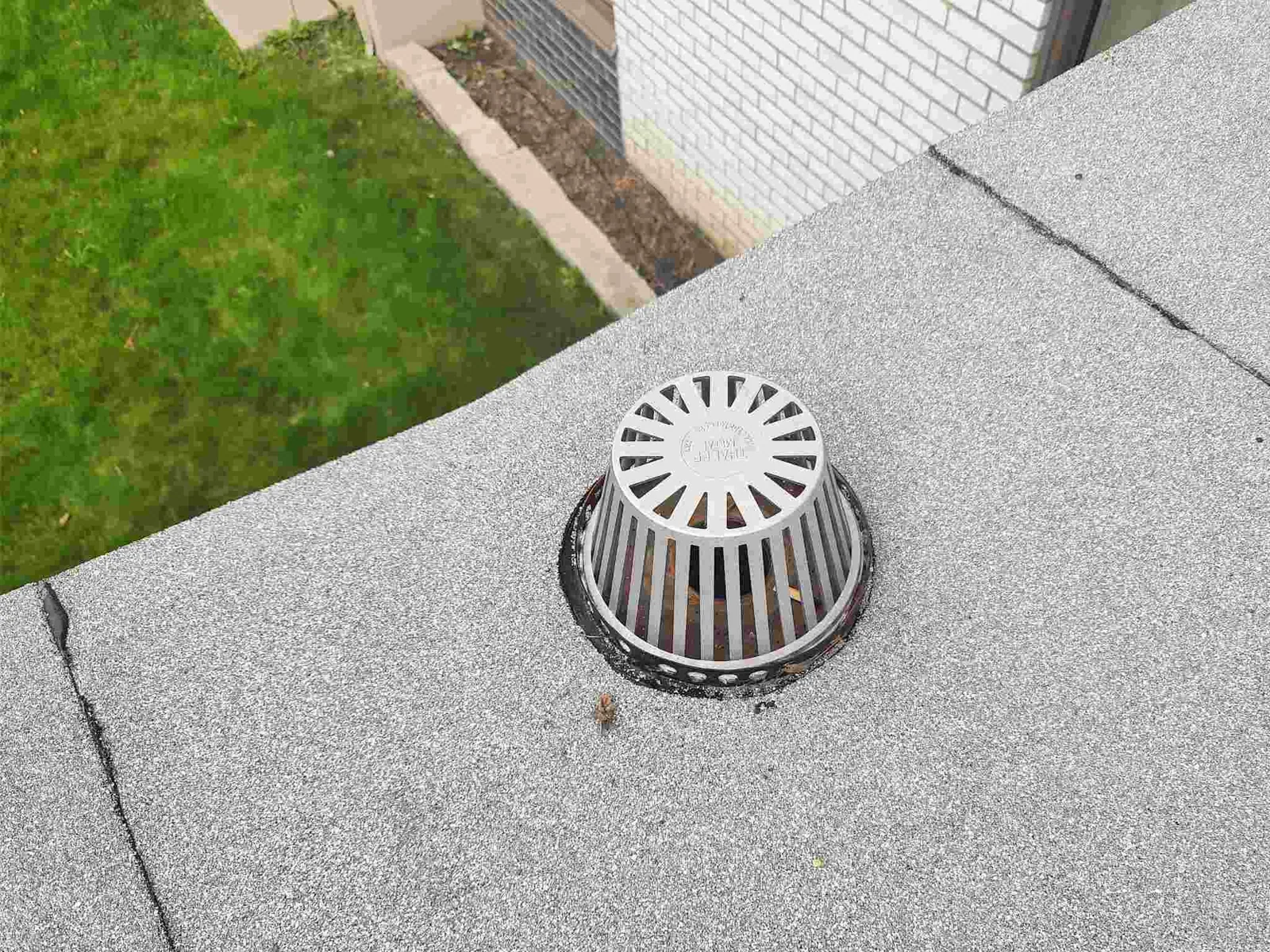
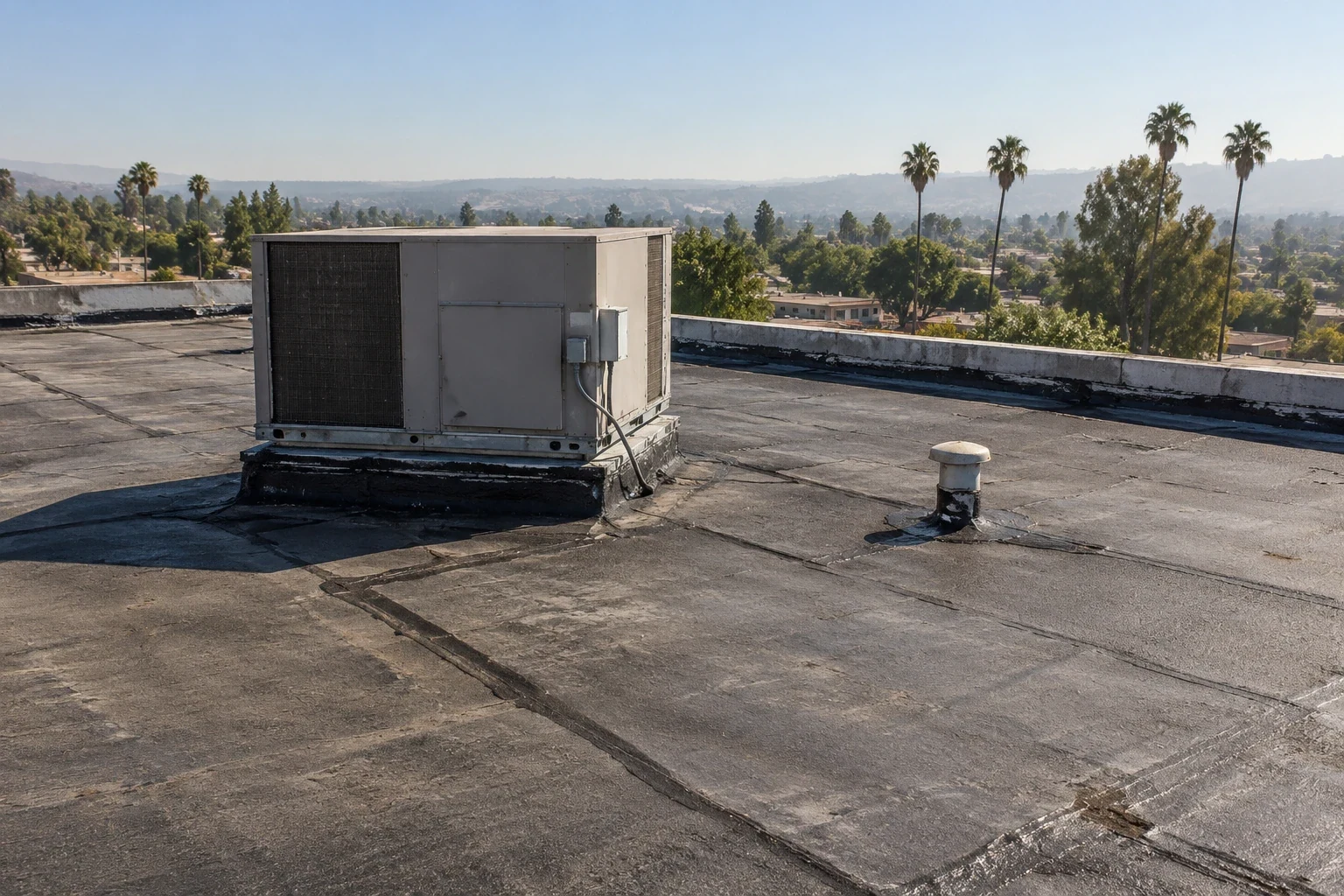
Trace the roof slope to each outlet and overflow. Check strainers, drain bowls, clamping rings, scuppers, and the membrane connection around them. Debris may restrict flow, but recurring ponding can also signal a low area, a change in insulation height, or a drain that sits above the finished roof. The drainage review should record which condition is visible and whether correcting it requires membrane work.
Water can move below the sheet before appearing indoors. Compare the leak report with drains, laps, wall lines, and rooftop openings, then inspect the likely route. A moisture survey can identify areas for follow-up, but indications need confirmation through an approved opening or another suitable method. Wet insulation, soft cover board, or a deteriorated deck changes the repair decision. A surface patch cannot dry or stabilize concealed layers.
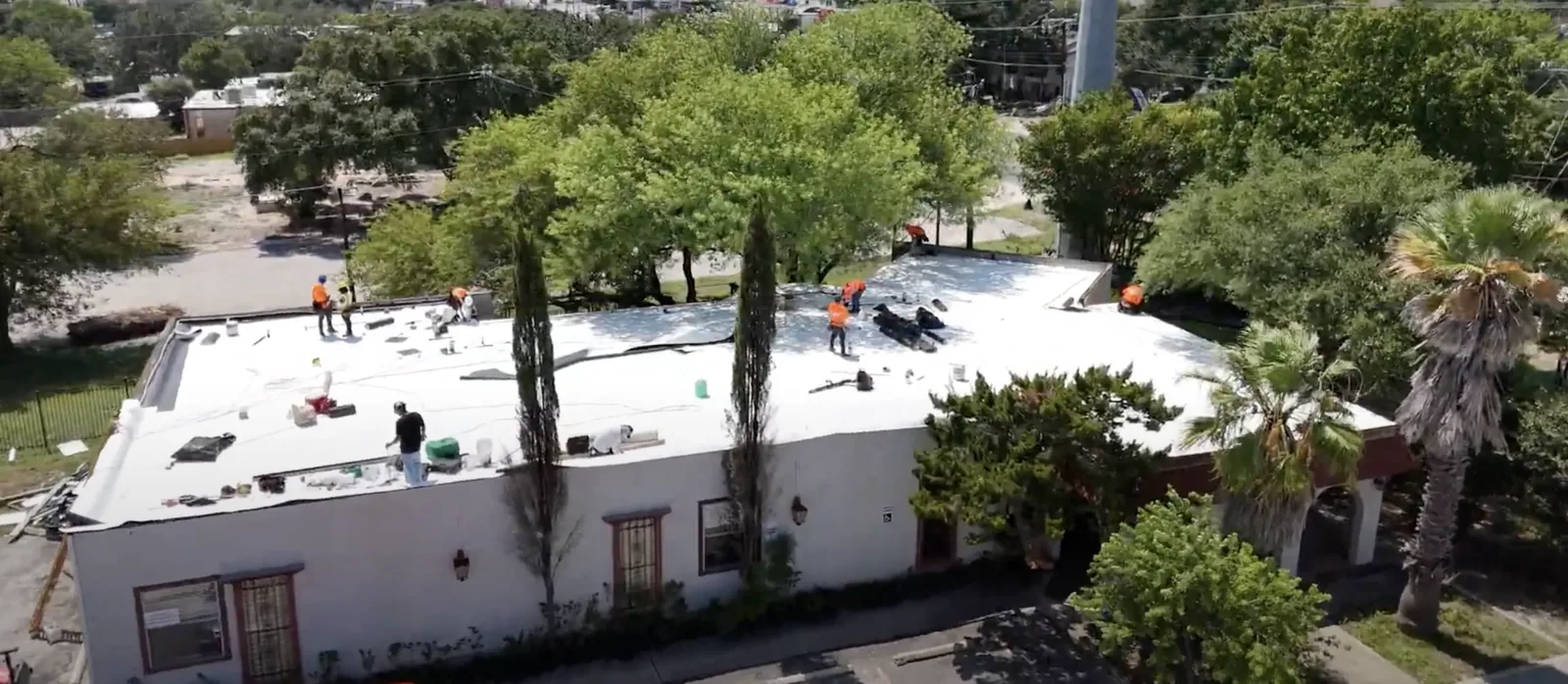
Winter holds most of the region's rainfall, so open work needs a daily closure plan. Set limits for removal, keep the temporary tie-in secure, and confirm outlets are clear before leaving. A sudden shower can expose an incomplete boundary even when the forecast looked favorable. Log which zones are closed, protected, or awaiting dry conditions, and make the next shift's starting point clear to the facilities contact.
Attachment, substrate, and access
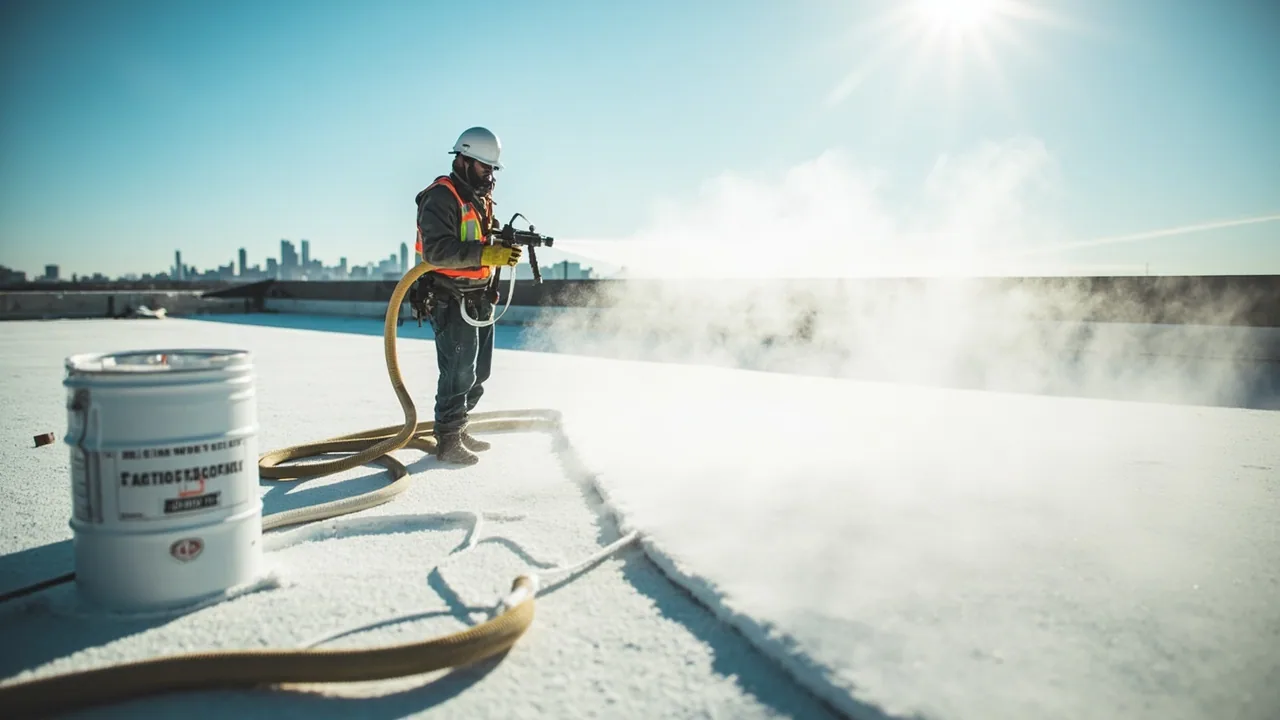
Determine whether the membrane is adhered, mechanically attached, or part of another documented assembly. Review the deck, insulation, and cover board where records or accessible edges allow. Loose sheet can come from a bond issue, perimeter movement, or attachment below the membrane. If a recover is under consideration, confirm moisture, securement, loading, finished height, and drainage before adding another layer. Unverified assumptions should be listed as open items, not treated as a passed inspection.
Roof work needs an access plan suited to the building. Confirm hatch access, equipment routes, clear areas, and active operations below. The Bayfront's planned commercial and marine-related uses may call for loading coordination; Otay River Business Park has industrial and related commercial uses. Verify each property's schedule with its manager rather than assuming neighboring buildings operate alike.
Dry-wind heat can affect work conditions in eastern areas. Check surface temperature and product requirements before welding or using accessories. A phased occupied-building plan should set work hours, protected paths, daily dry-in points, and who accepts each zone.
Repair, recover, or replace
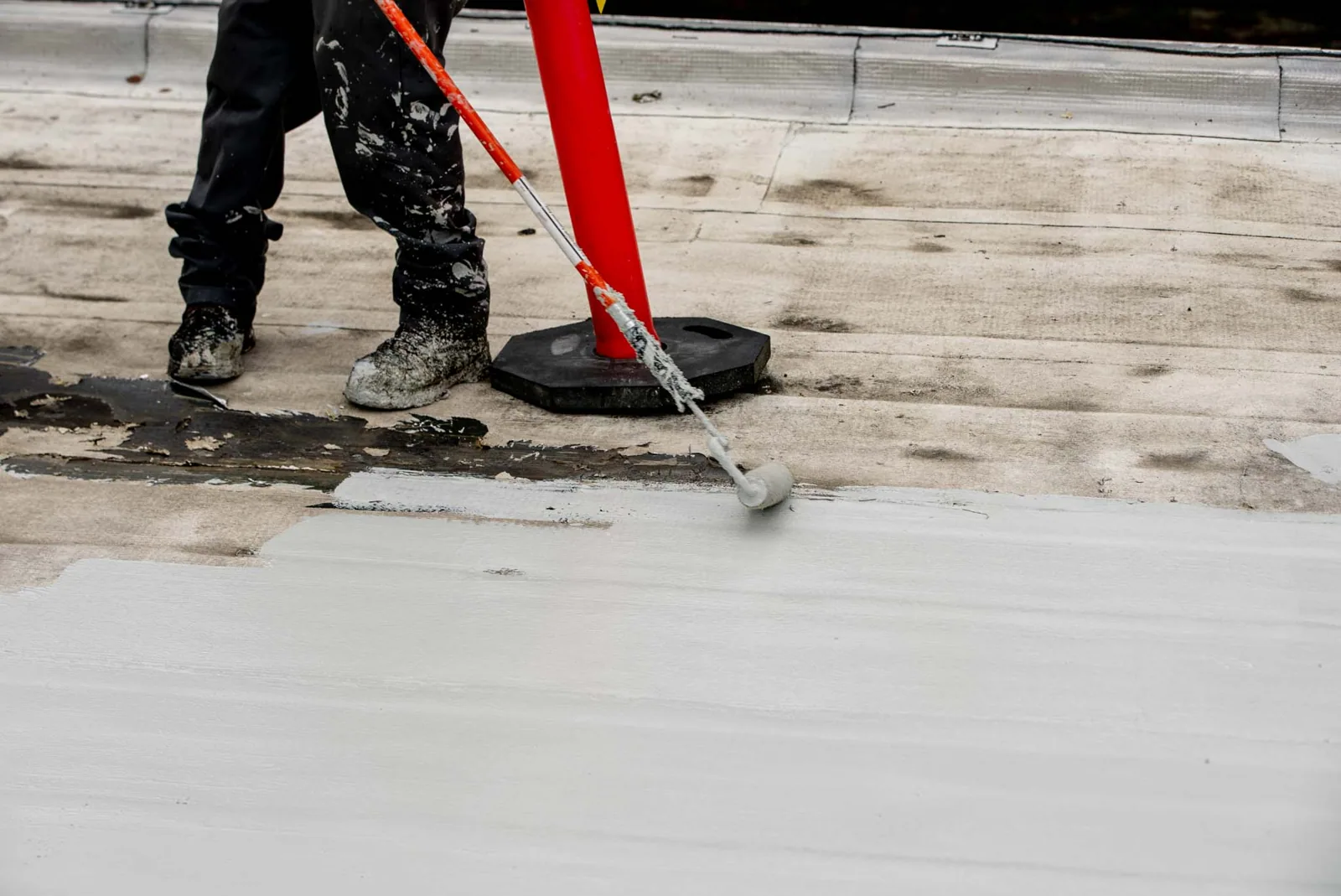
A repair may suit an isolated puncture, open weld, or failed flashing when adjacent membrane, insulation, and attachment remain sound. Multiple recurring failures, broad surface deterioration, wet insulation, or unstable edges can justify a larger evaluation. Map the affected zones and compare options against the same roof area, access conditions, and detail work. Keep confirmed defects separate from conditions that still need testing.
Recover can reduce removal, but confirm moisture, attachment, load, roof height, drains, and compatibility first. Replacement exposes concealed materials but adds debris handling, protection, and phasing. A replacement scope should state removal boundaries, insulation assumptions, curb modifications, drain elevations, and how the building stays protected at each shift's end.
If a new section meets existing KEE or PVC-alloy membrane, verify both products and use a transition detail appropriate to them. The adjacent TPO system may require a different connection, even where the colors and general appearance are similar. Confirm details with available manufacturer documentation and qualified field review. Avoid making a compatibility promise from a product family name alone.

Maintain the roof record
After work, inspect welds, patch edges, terminations, drains, and temporary tie-ins. Photograph each repair on the roof plan, noting material, preparation, tested limits, and inaccessible areas. Keep the record with product information so future crews can distinguish installed membrane from prior repairs.
Routine visits should check for new punctures, loose flashing, lifted edges, blocked outlets, debris, and damage after equipment work. Compare findings with earlier photographs before expanding a repair. If a leak returns, trace it from the current interior report rather than assuming the old patch is the source. This keeps follow-up focused on the evidence and avoids unnecessary work on sound areas.
To arrange an assessment, share the property location, roof access contact, affected zone, leak history, and available installation or repair records. We can review the membrane and its connections, explain any confirmation still needed, and define a practical next step for the building.