Keep the Receiving Route Clear
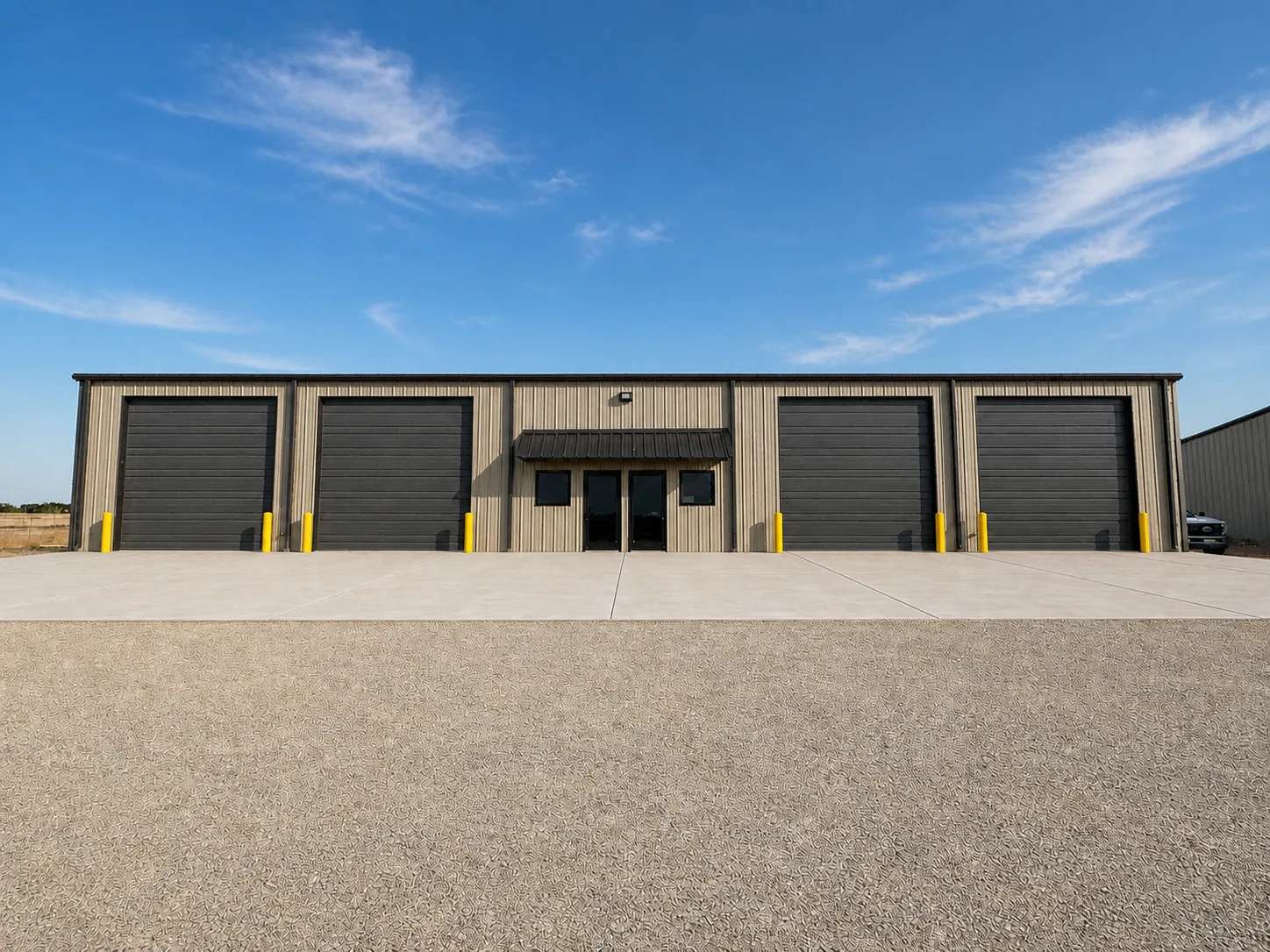
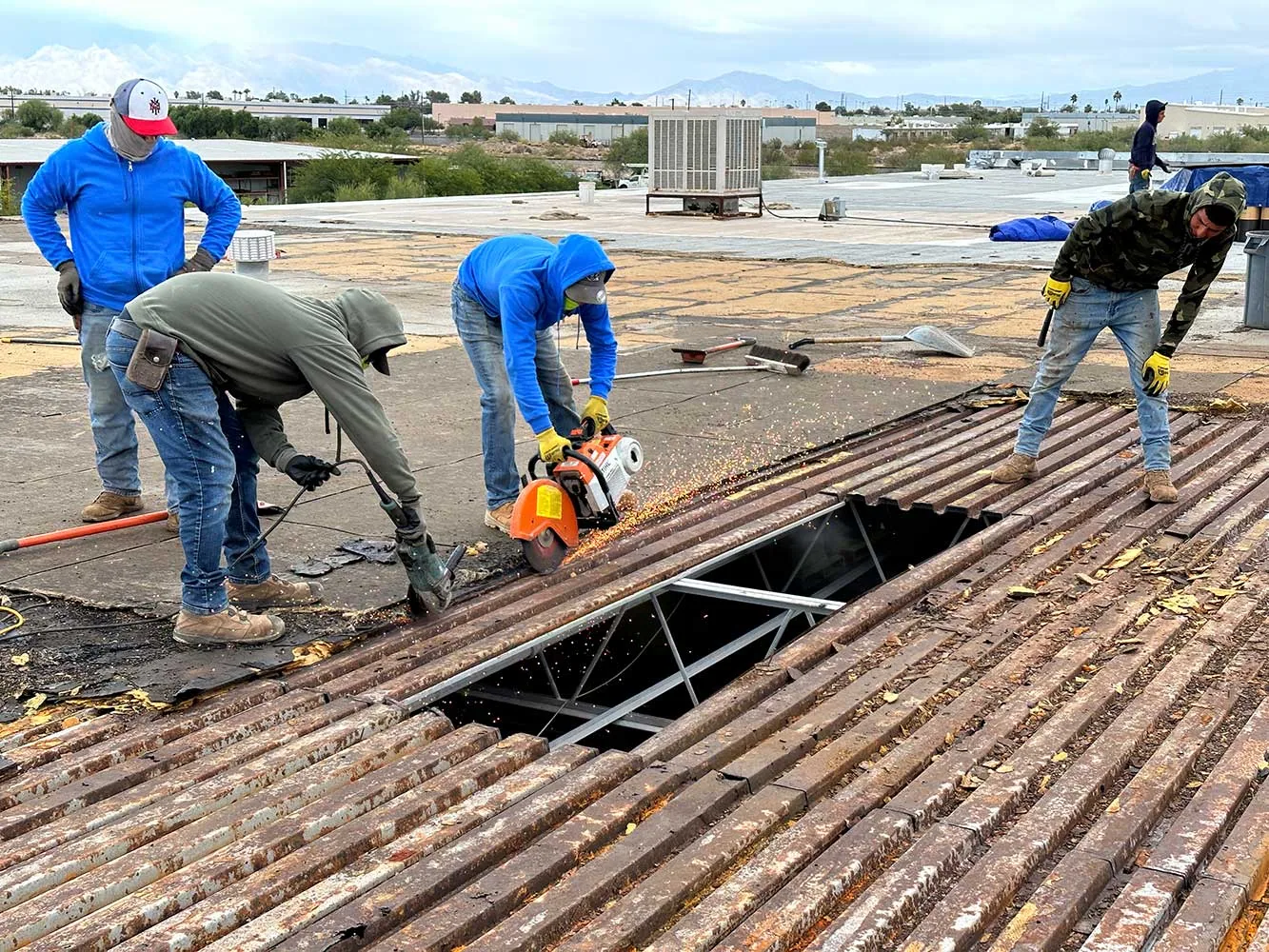
A roof crew may need a lift, material truck, debris container, and ladder access near a dock. We confirm the receiving calendar, trailer circulation, forklift paths, and pedestrian routes with the site contact before mobilization. The work plan identifies where a delivery may pause, where materials can be unloaded, and which roof zones are released. If a truck schedule changes, we adjust staging rather than blocking an active lane.
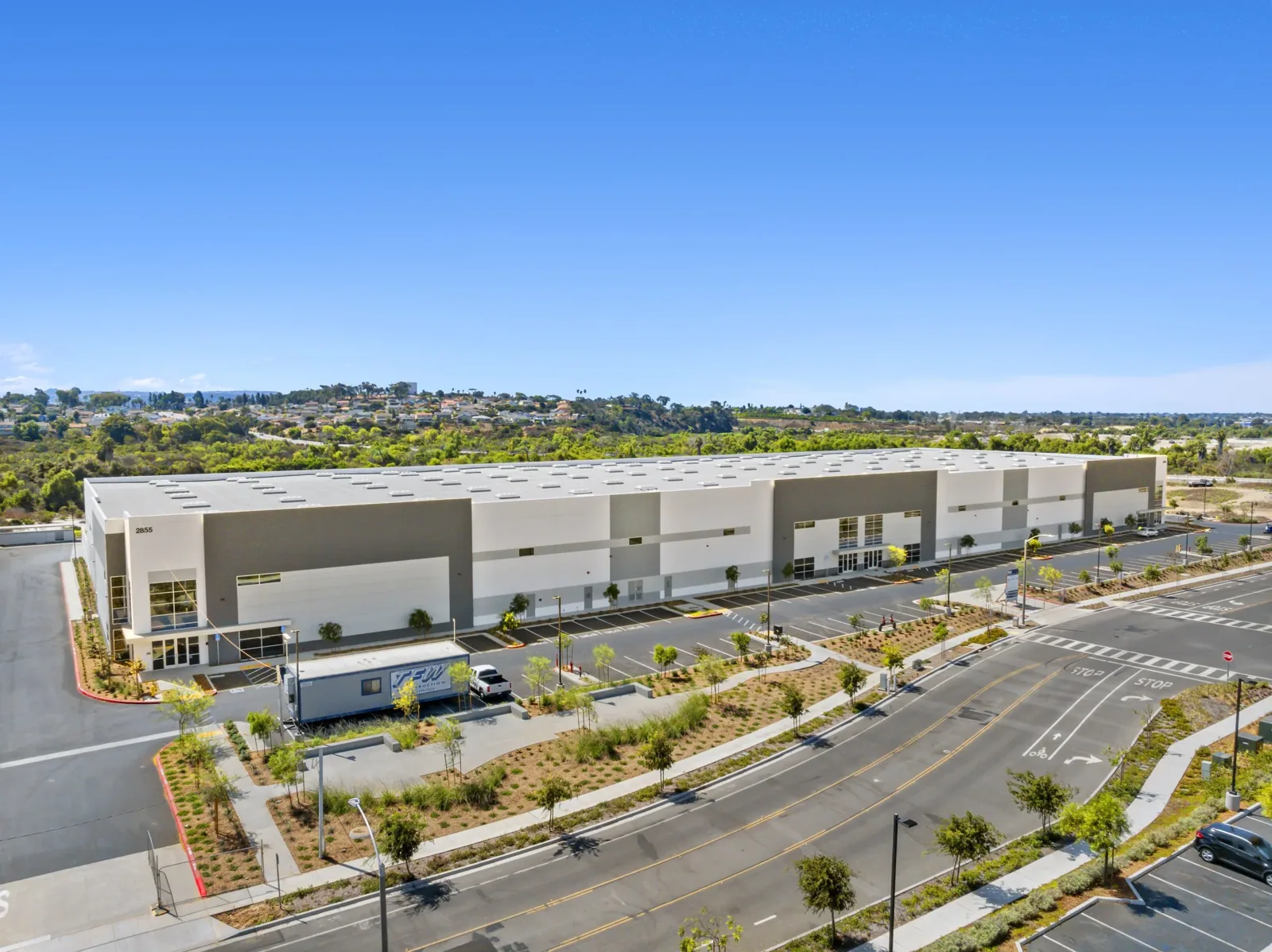
Otay Valley and Otay Mesa connect industrial and commercial areas with State Route 905 and regional freight routes. The National City Marine Terminal handles vehicle and project cargo with on-dock rail and freeway access, while Tenth Avenue Terminal includes temperature-controlled warehouse space. Otay Valley and Otay Mesa connect industrial land to SR 905 and freight routes; at each warehouse, the gate, dock and roof details set the work sequence. A distribution-center roof can require sequencing across several active bays.
Where inventory remains below the work, we identify what needs a cover, relocation, or restricted aisle. A warehouse roof inspection records the ceiling report and the roof zone separately, so a stain over a pallet row does not become the assumed repair location. If no dock closure is possible, a phased work plan can isolate the roof section above a selected bay.
Track Water Beyond the Pallet Mark
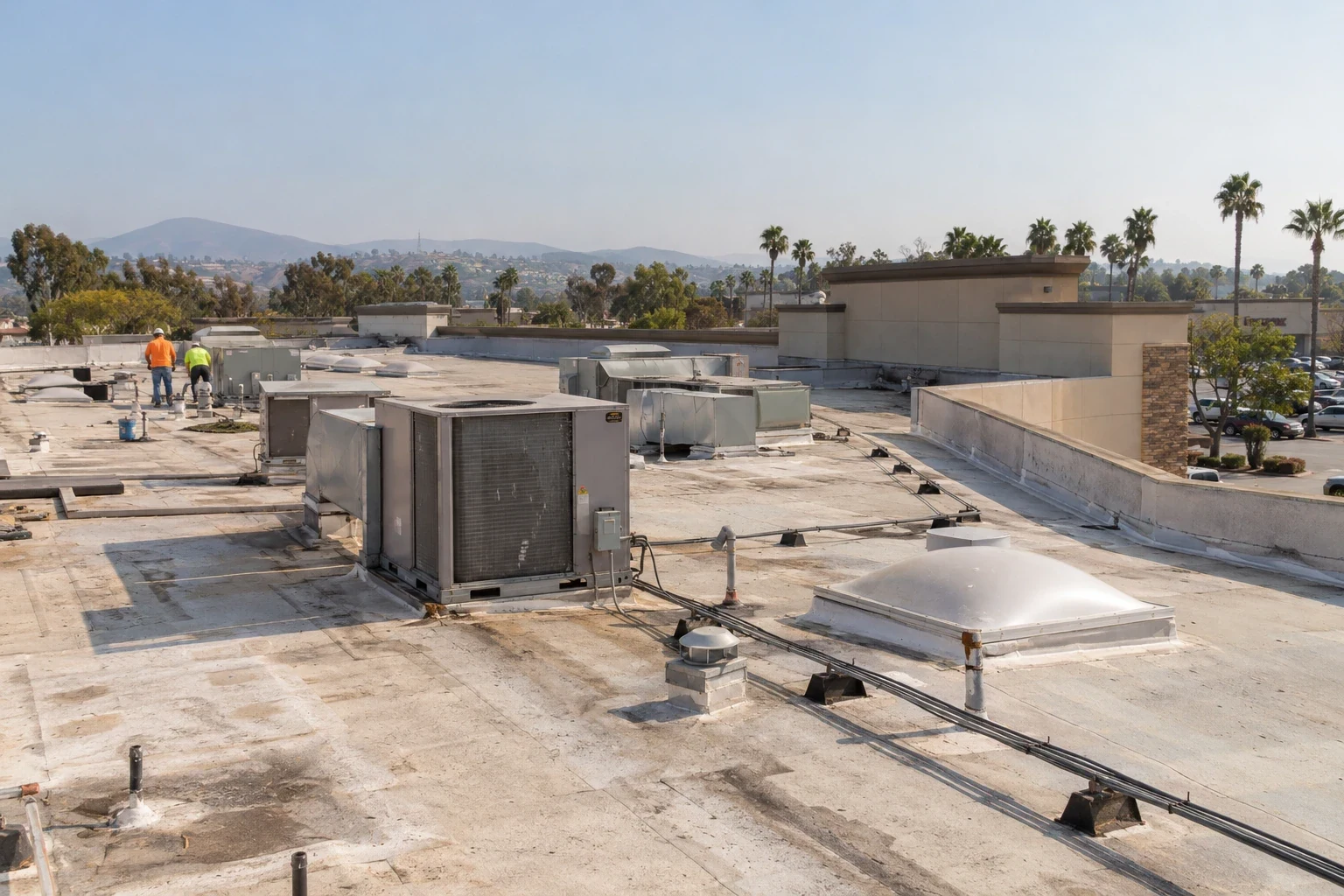
Water can enter at a curb or seam and follow a deck flute before showing up beside the loading door. It may travel along framing, insulation joints, conduit, or a duct. We map the wet area, compare it with roof seams, penetrations, drains, and previous patches, then follow the likely water path to a detail that can be inspected. The report states what is confirmed and what would require a controlled opening.
Damage may reach cartons, equipment, cold-chain goods, or a finished shipment. The receiving manager identifies sensitive stock and helps plan protection below before the roof is opened. Emergency response is available overnight, on weekends, and on holidays when active water threatens product or operations. We stabilize the area, record the temporary protection, and coordinate permanent work after the assembly and access limits are clear.
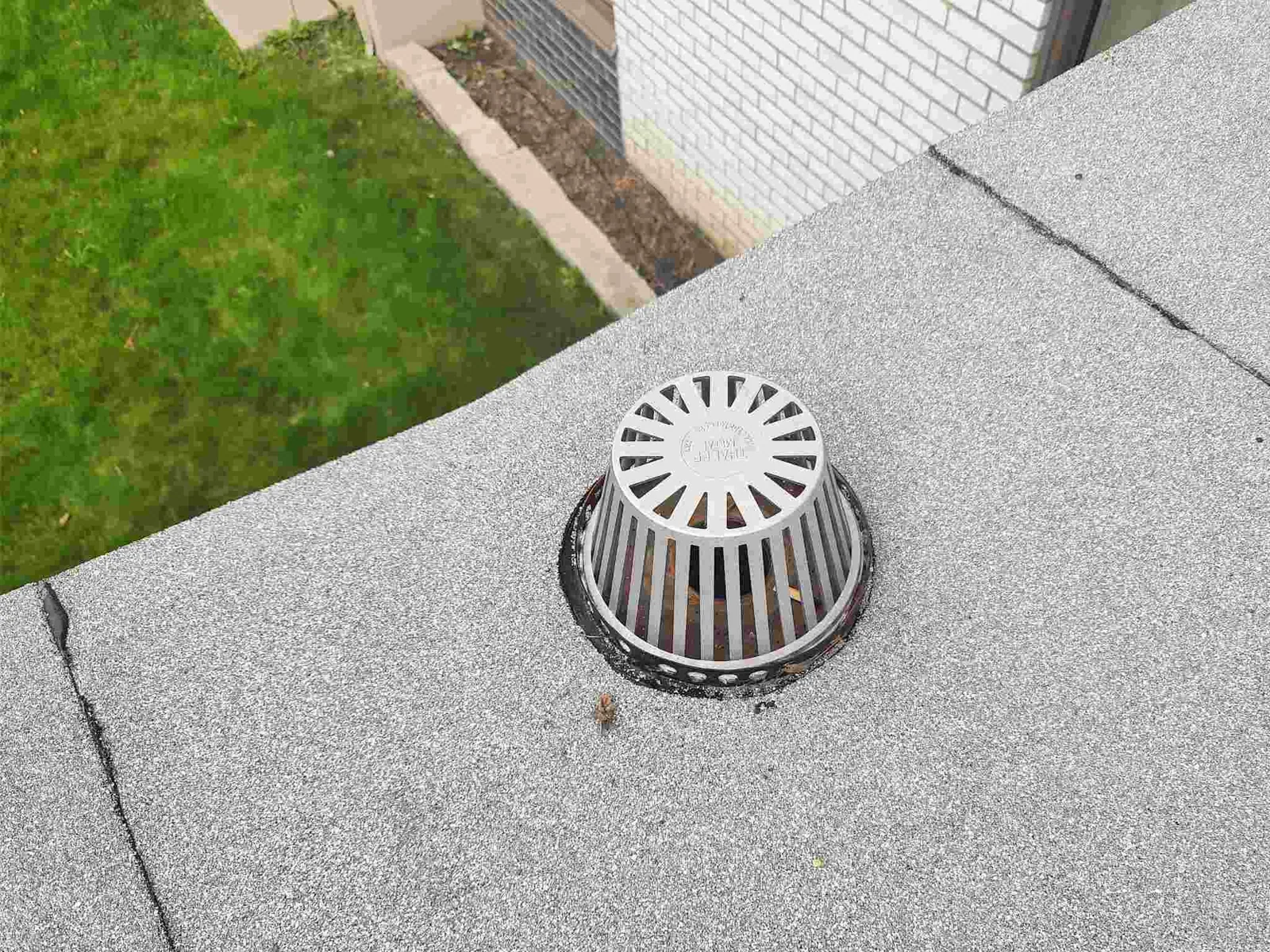
Drainage can affect several bays if a blocked outlet or low area lets water stand. We check the drain bowl, overflow, slope, and nearby membrane transitions. Drain and scupper work can correct a restricted outlet, but ponding caused by deck or insulation settlement needs a different scope. The receiving team can use the roof-zone label to keep follow-up tied to the same bay.
Match the Repair to the Roof Assembly
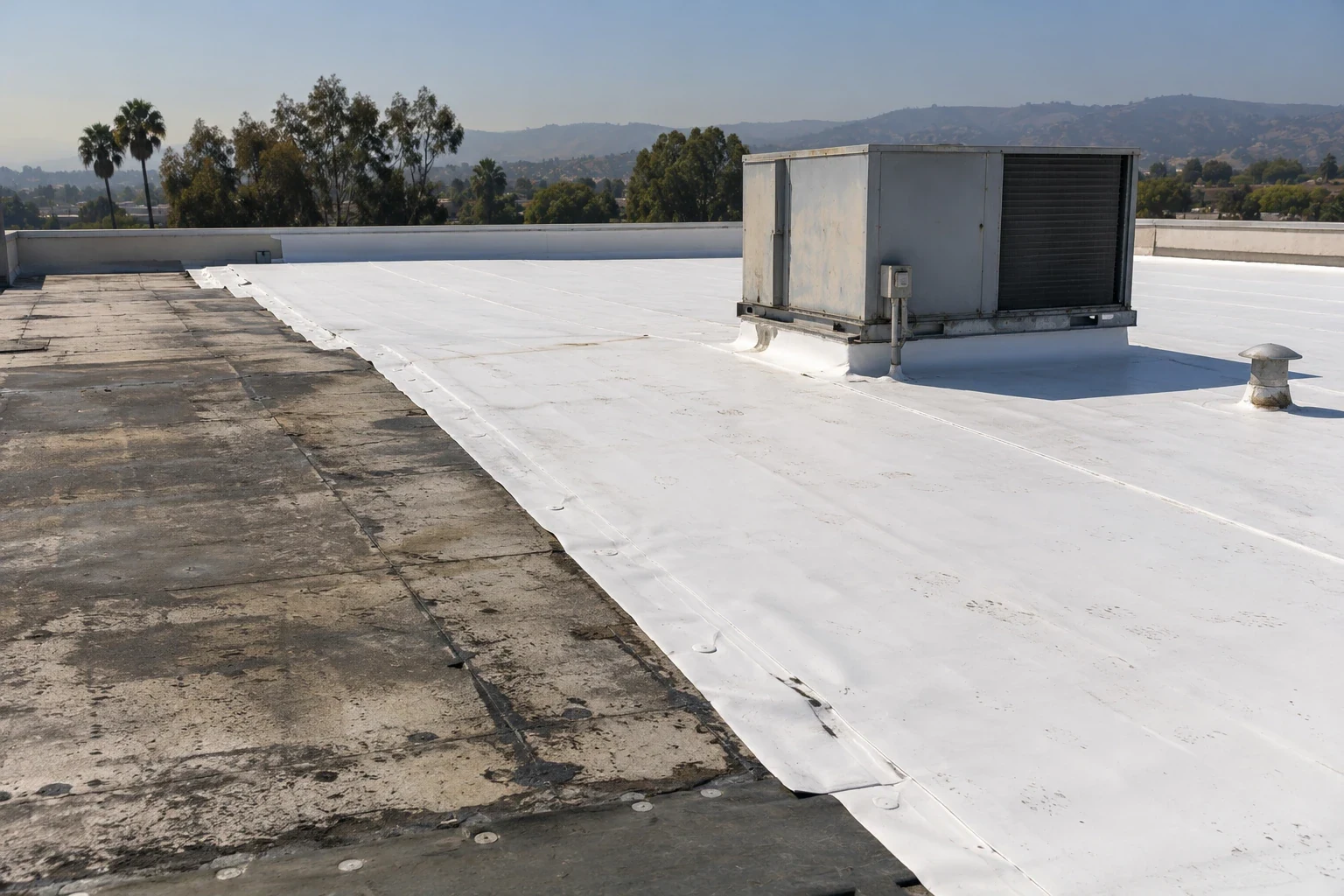
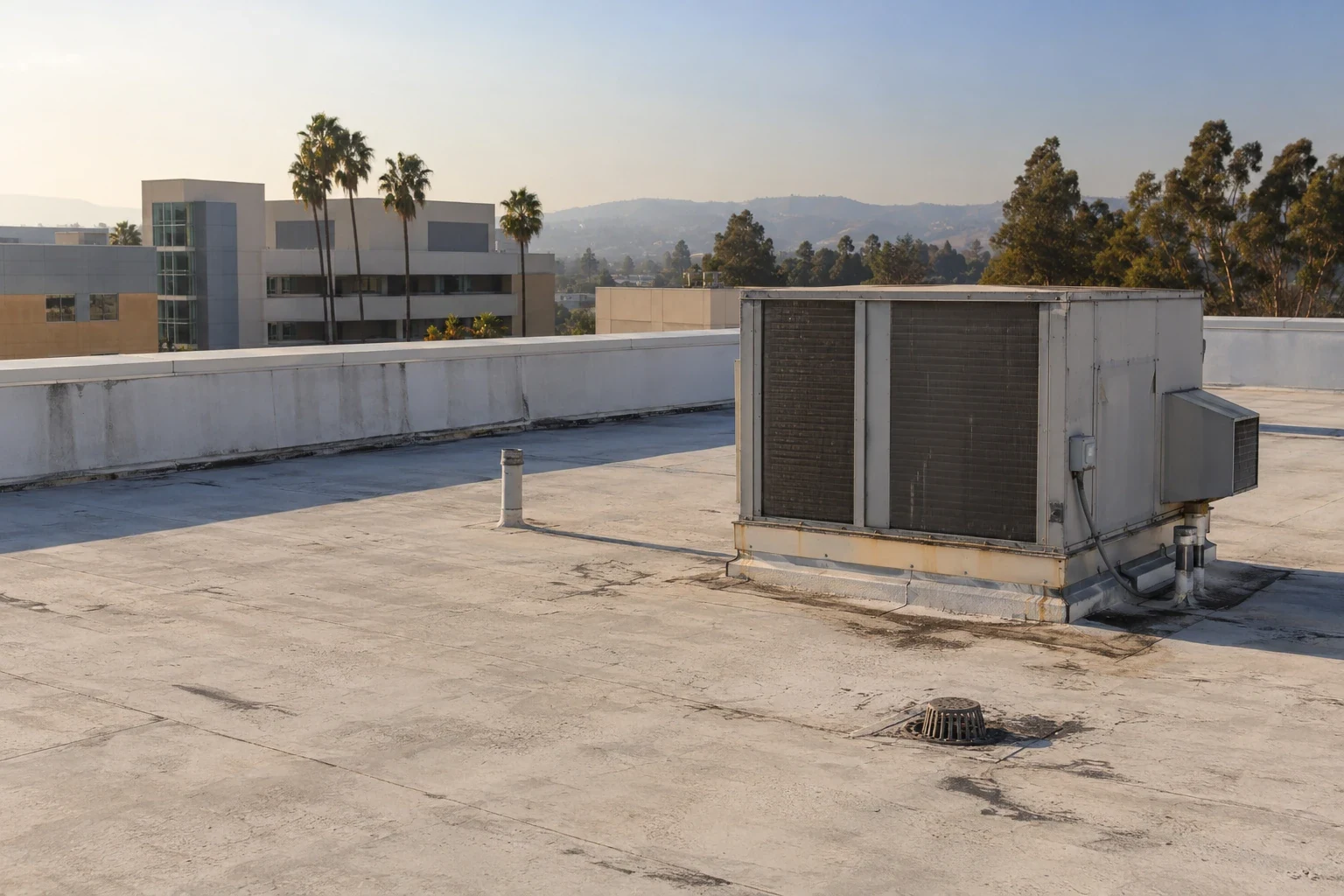
Distribution and warehouse properties may have TPO, PVC, EPDM, built-up, coated, or metal roofs. We identify the system, substrate, insulation, attachment, and prior repairs before selecting a patch. A compatible membrane detail needs sound material at the seam; a metal panel repair must account for movement, laps, and fasteners. If the assembly is unclear, we explain whether a test opening or material check is needed to confirm what sits below.
Repeated seam failure, wet insulation, loose attachment, damaged deck, or failed curb flashing can move the scope beyond a single patch. We mark each defect by roof zone and distinguish local damage from a pattern. Targeted repair can address an isolated failure. A recover may be considered if the substrate is sound, layers are compatible, and the project allows it; widespread moisture or deck damage can make removal necessary.
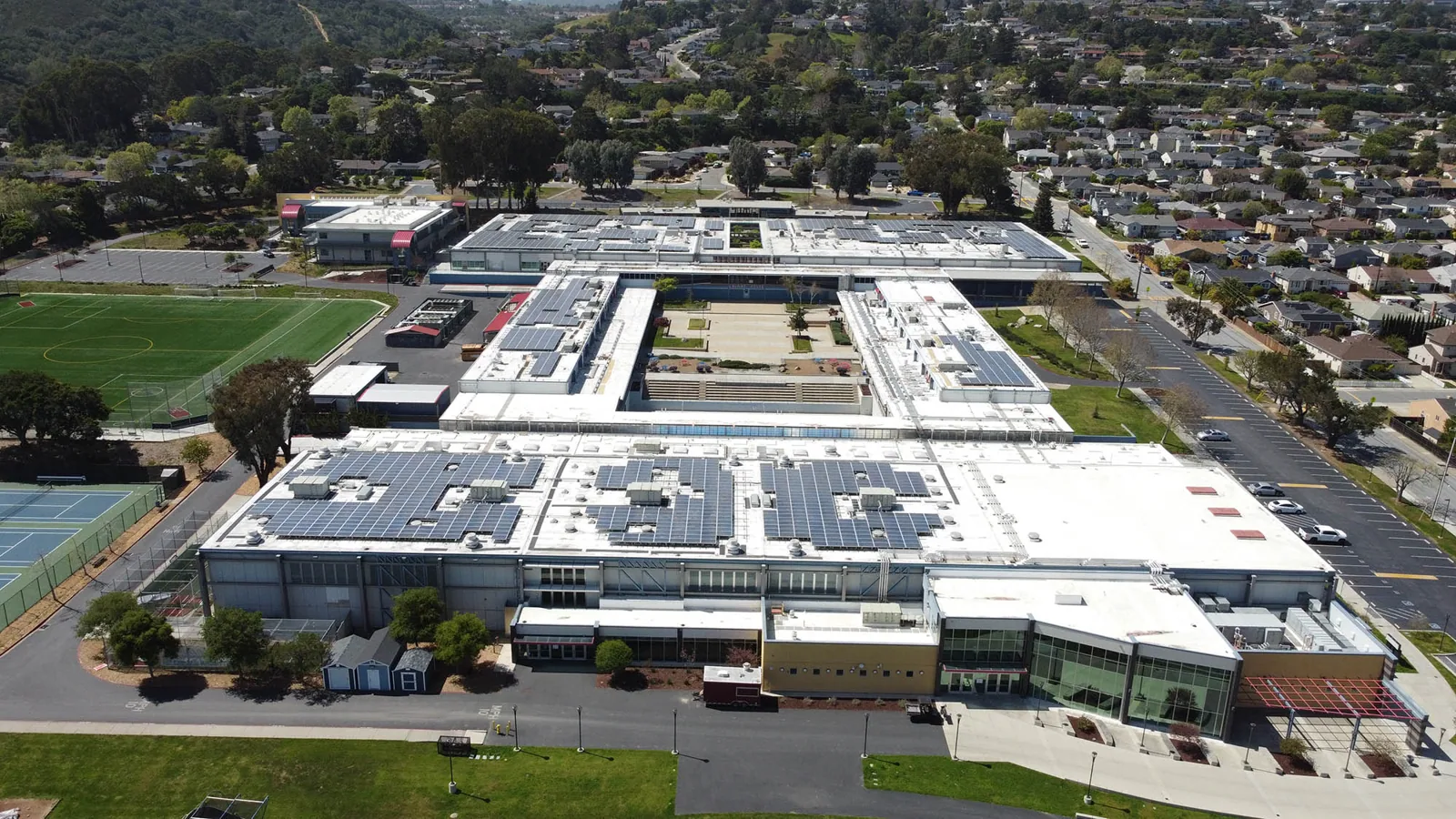
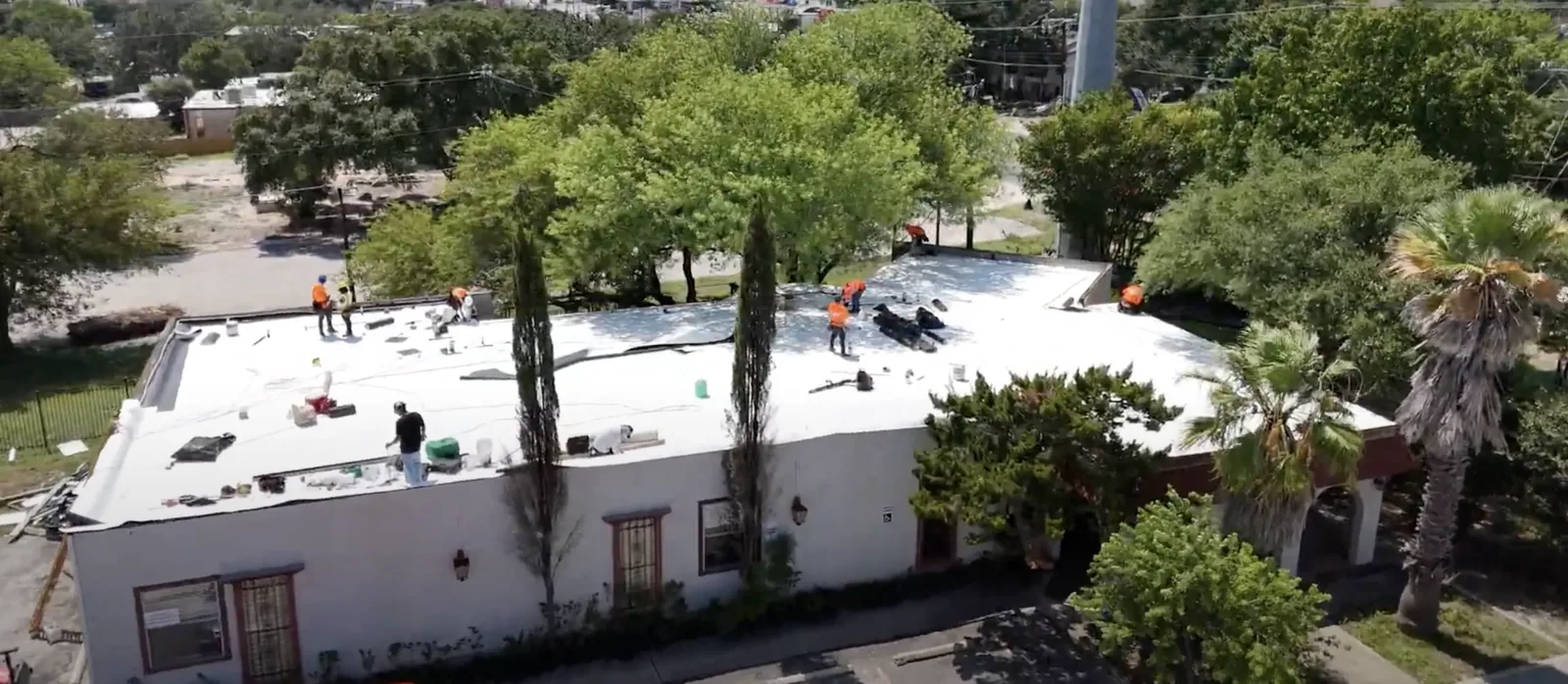
Rooftop exhaust, refrigeration equipment, solar, and HVAC may need to stay active while roof work proceeds. We identify equipment with the facility and coordinate shutdowns or protection through the responsible trade. Phased reroofing can separate the active roof zone from inventory and dock activity, with the dry-in point planned for each shift.
Set the Work Window by Bay
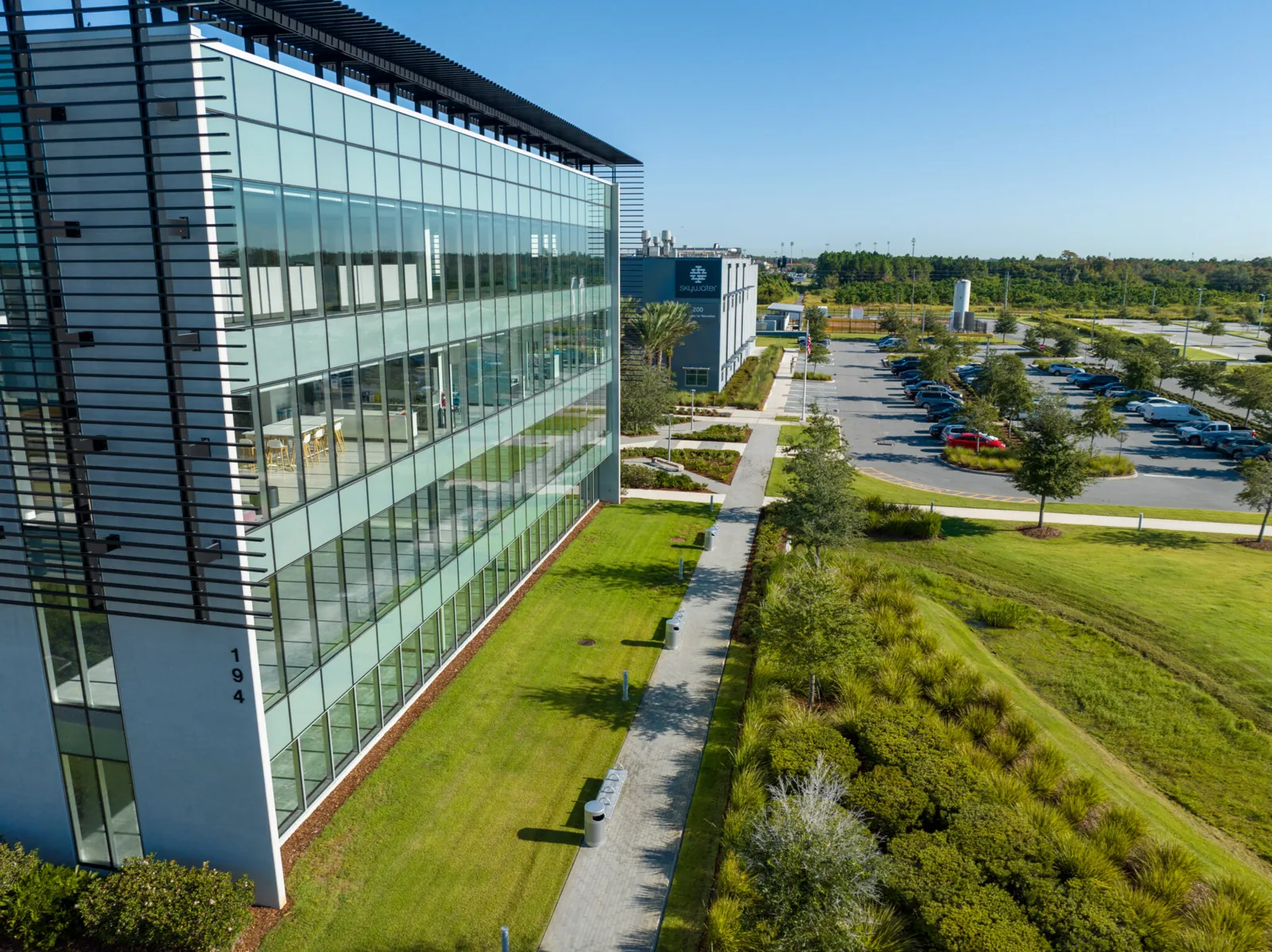
One dock can have a quiet receiving window while the next remains busy. We coordinate roof access with the bay schedule, define the route for lifts and materials, and limit tear-off to the section the crew can close. The facility contact confirms whether overhead protection, aisle separation, or a spotter is needed. If the window narrows, the crew finishes dry-in before opening another area.
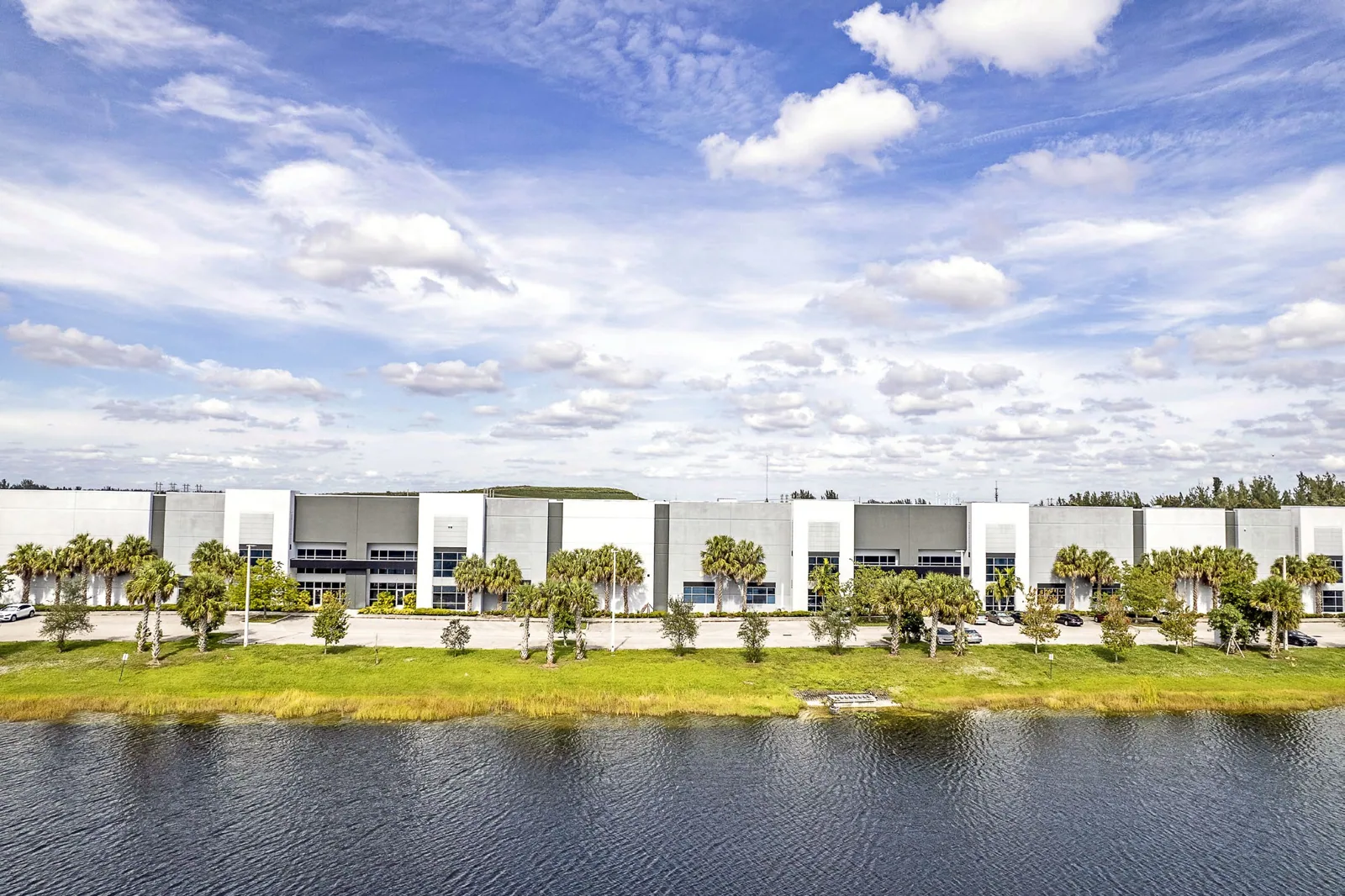
San Diego Bay’s working waterfront combines shipyards, cargo terminals, suppliers, and maritime businesses. Otay Mesa is a separate inland freight area connected by SR 905 and regional routes. That geography helps explain why delivery arrangements vary across the market, but the facility controls the actual gate and staging plan. A visit near Otay River Business Park still depends on its property-specific access, receiving hours, and circulation.
Most local rainfall arrives in winter, with seasonal totals that vary. We check the current forecast and keep the roof’s exposed area within what can be closed before the next delivery or shift change. If wind or rain interrupts, the opening is secured first. A planned replacement may use more work zones than an emergency repair, but both need a clear receiving and dry-in sequence.
Keep Inventory and Roof Records Aligned
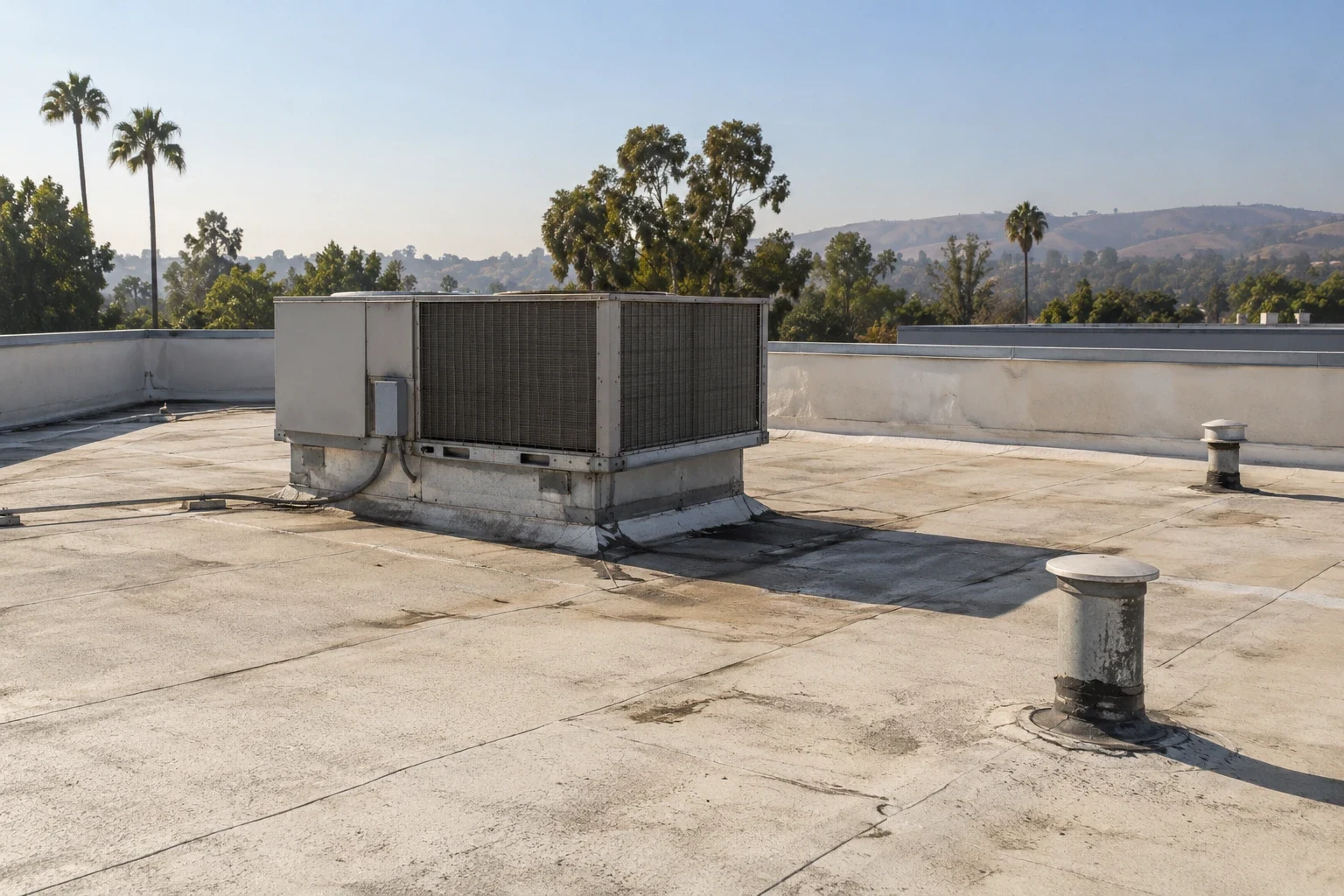
A useful report ties the roof defect to the bay or inventory zone below. We record the assembly, seam or curb, drain condition, repair material, photographs, and any test needed. Open conditions are listed with their location and the decision required. Staff can compare the same area after a repair using the roof-zone record alongside the dock or inventory report.
Duration and cost depend on roof area, access, dock activity, assembly, lift needs, removal, insulation, and whether inventory must move or be covered. A drain repair and a replacement across multiple shipping bays have different work boundaries. We state confirmed scope separately from work that depends on testing or a written decision. For a company operating several buildings, manufacturing facilities and property-managed sites can use consistent zone labels while retaining separate roof conditions.
Share the property, affected dock or aisle, receiving schedule, roof plan, inventory constraints, and access contact. We will inspect released areas, trace the water path, and set a repair or replacement sequence that protects the shipping route and closes each roof zone before the bay resumes its normal schedule.