Membrane seams and field repairs
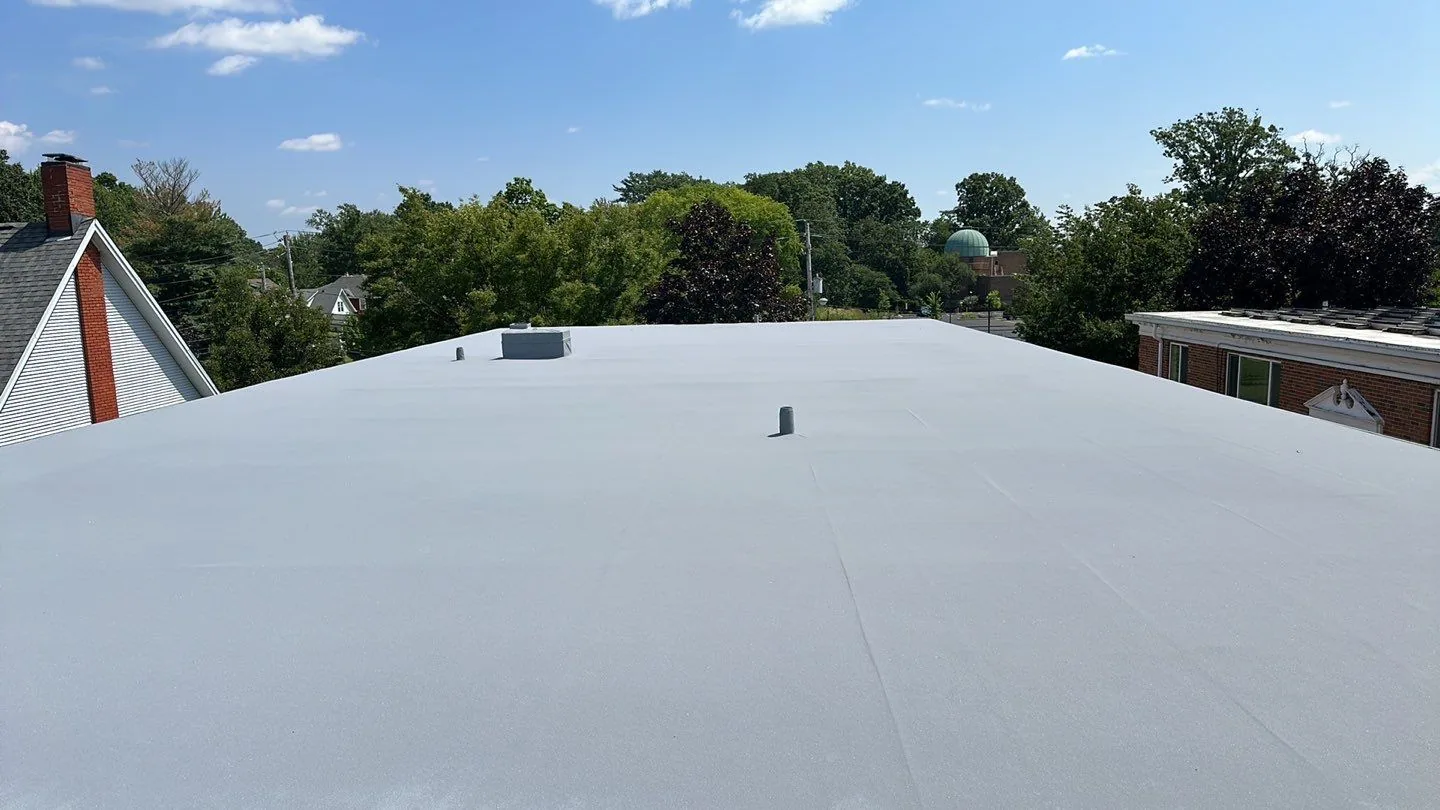
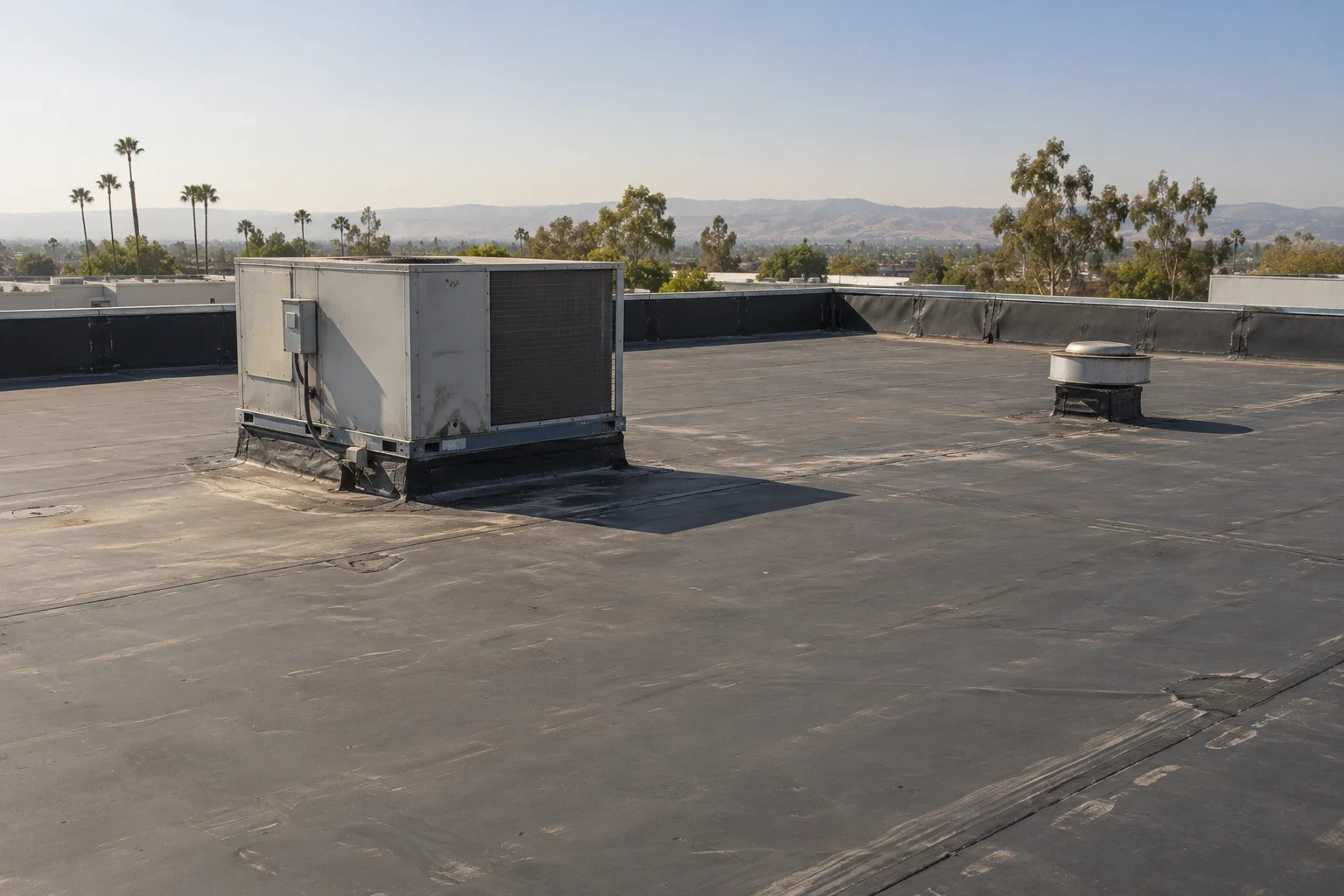
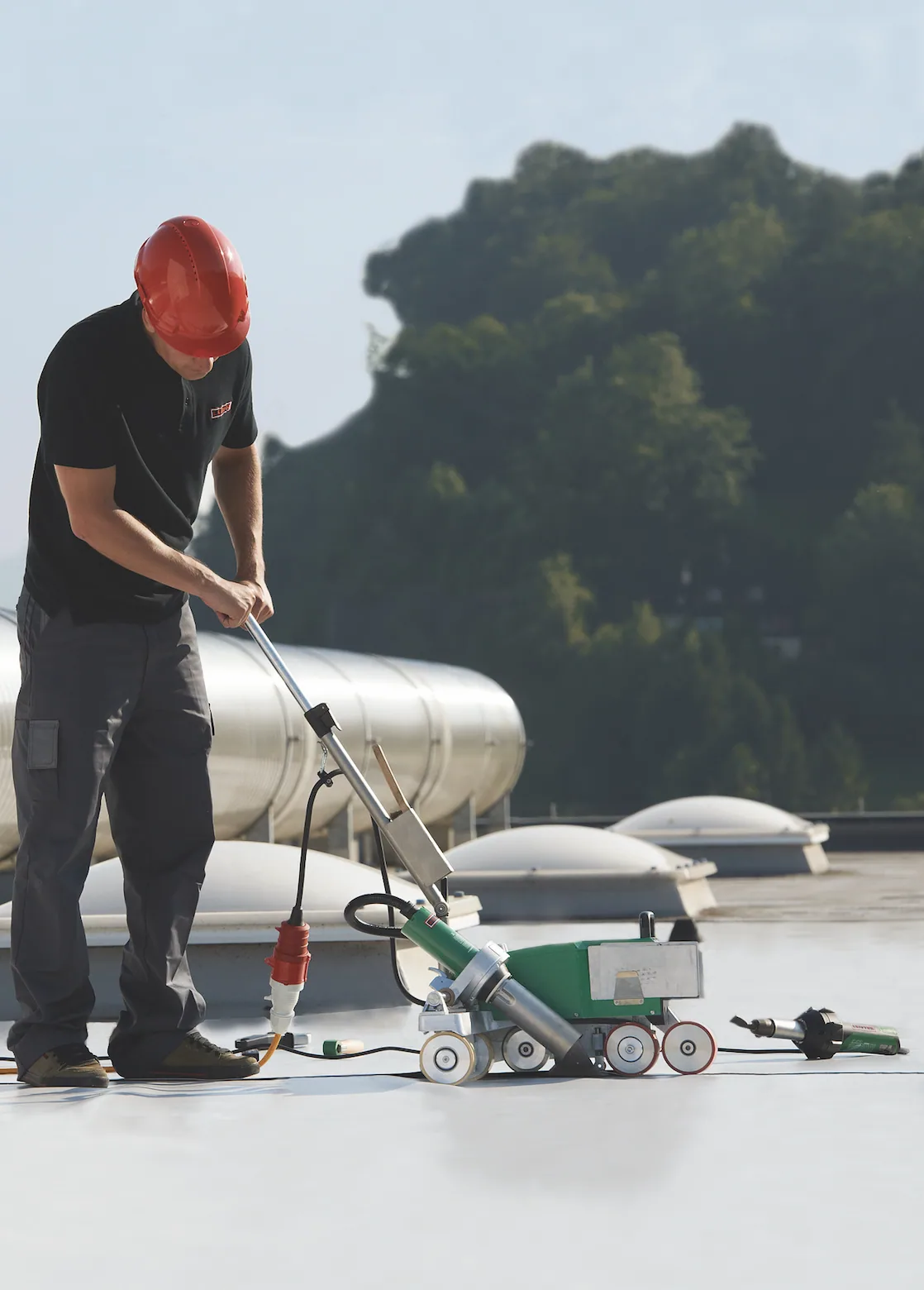
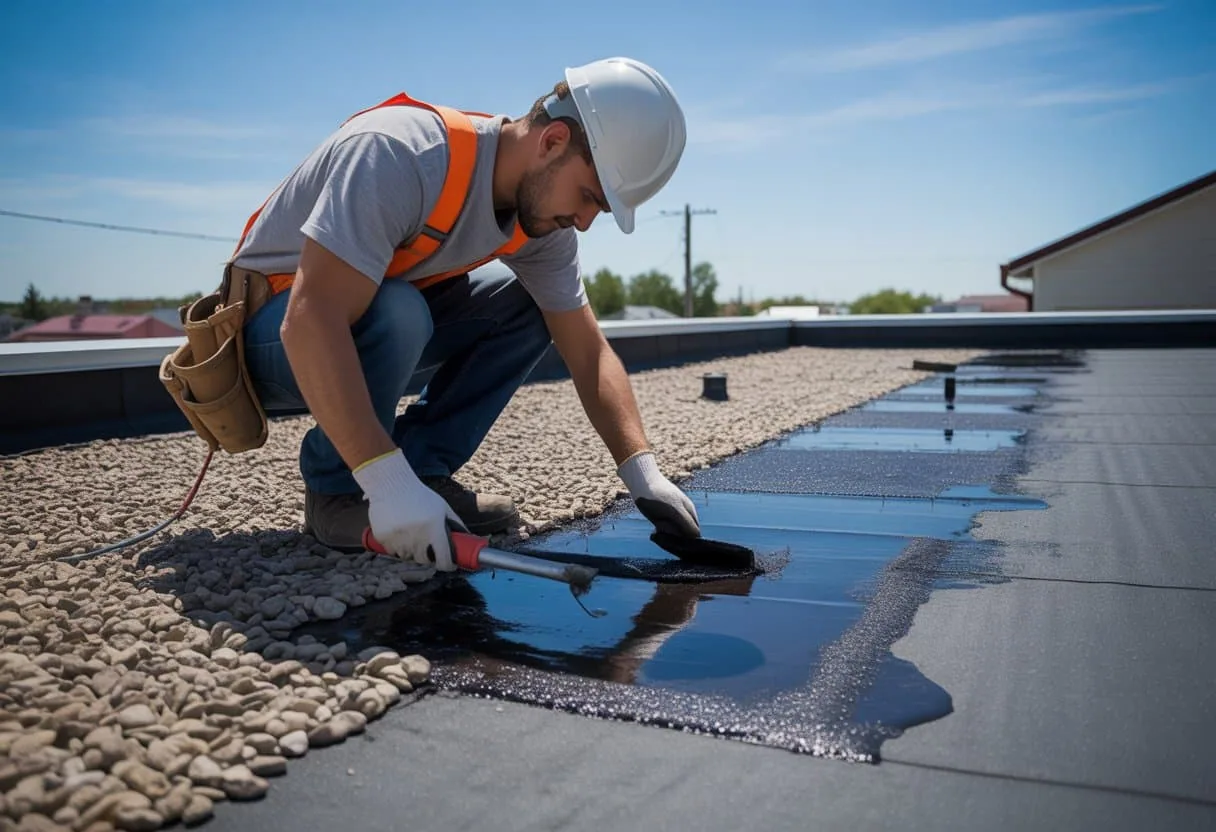
Single-ply membranes rely on seams, terminations and penetration details staying connected. Heat-welded TPO or PVC seams call for weld testing and clean preparation; EPDM repairs need compatible primers and patches. KEE and other formulations still require product-specific installation details. At a curb or wall, a good field repair can fail if the flashing transition remains open. We inspect the repair boundary, identify the membrane and check whether the surrounding surface can support a lasting tie-in. The KEE system and modified-bitumen assembly each bring different seams and repair methods.
Layered and metal assemblies
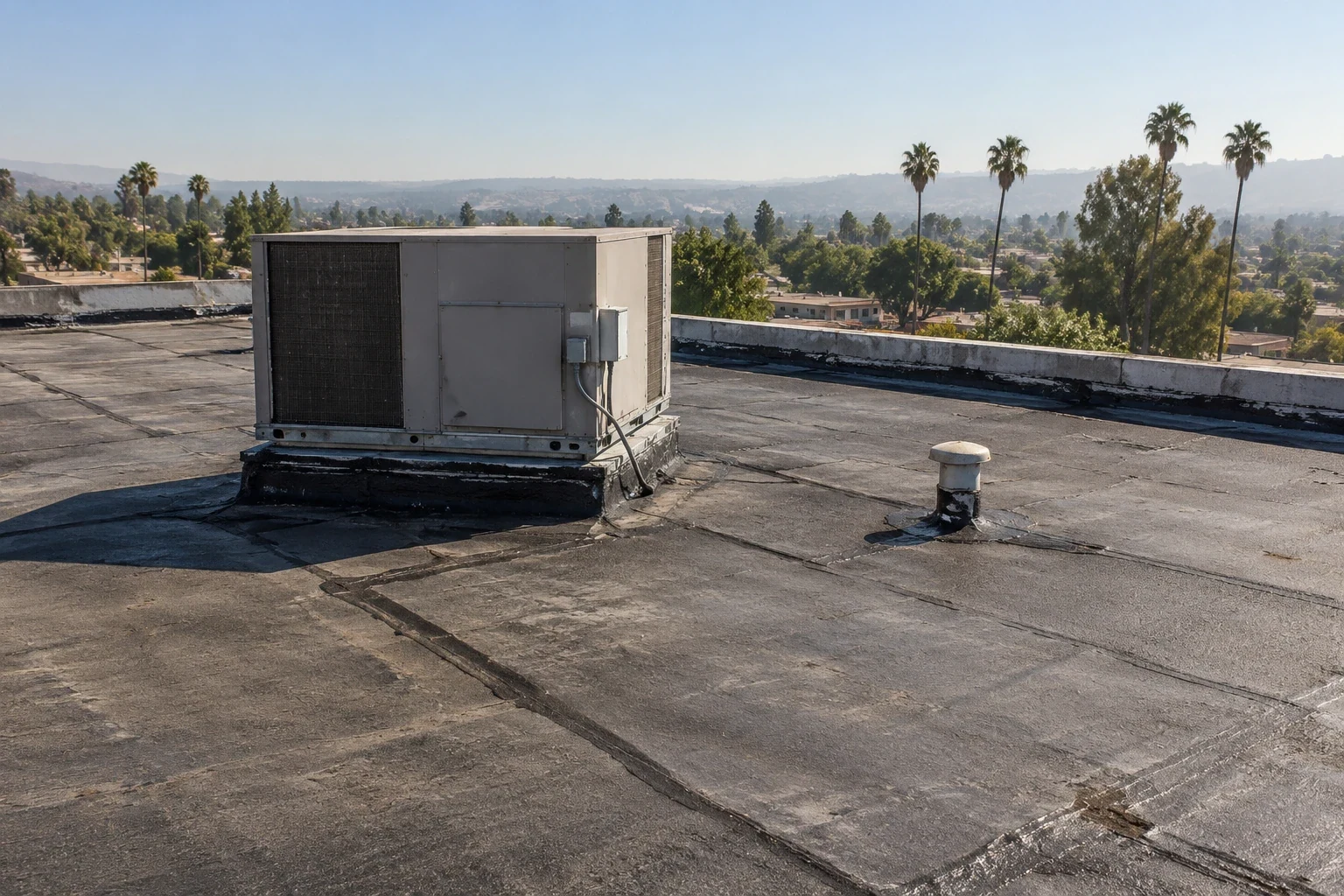
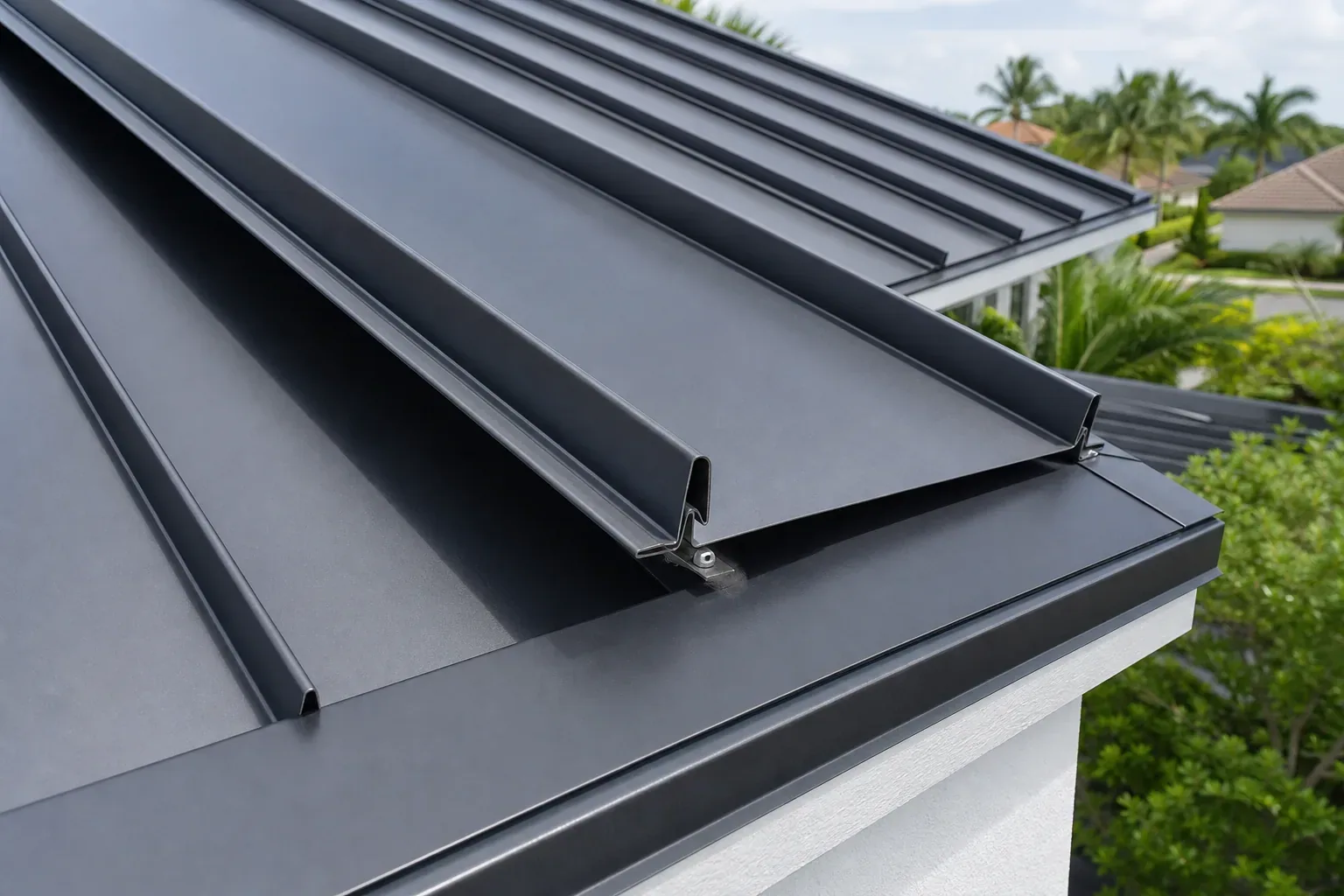
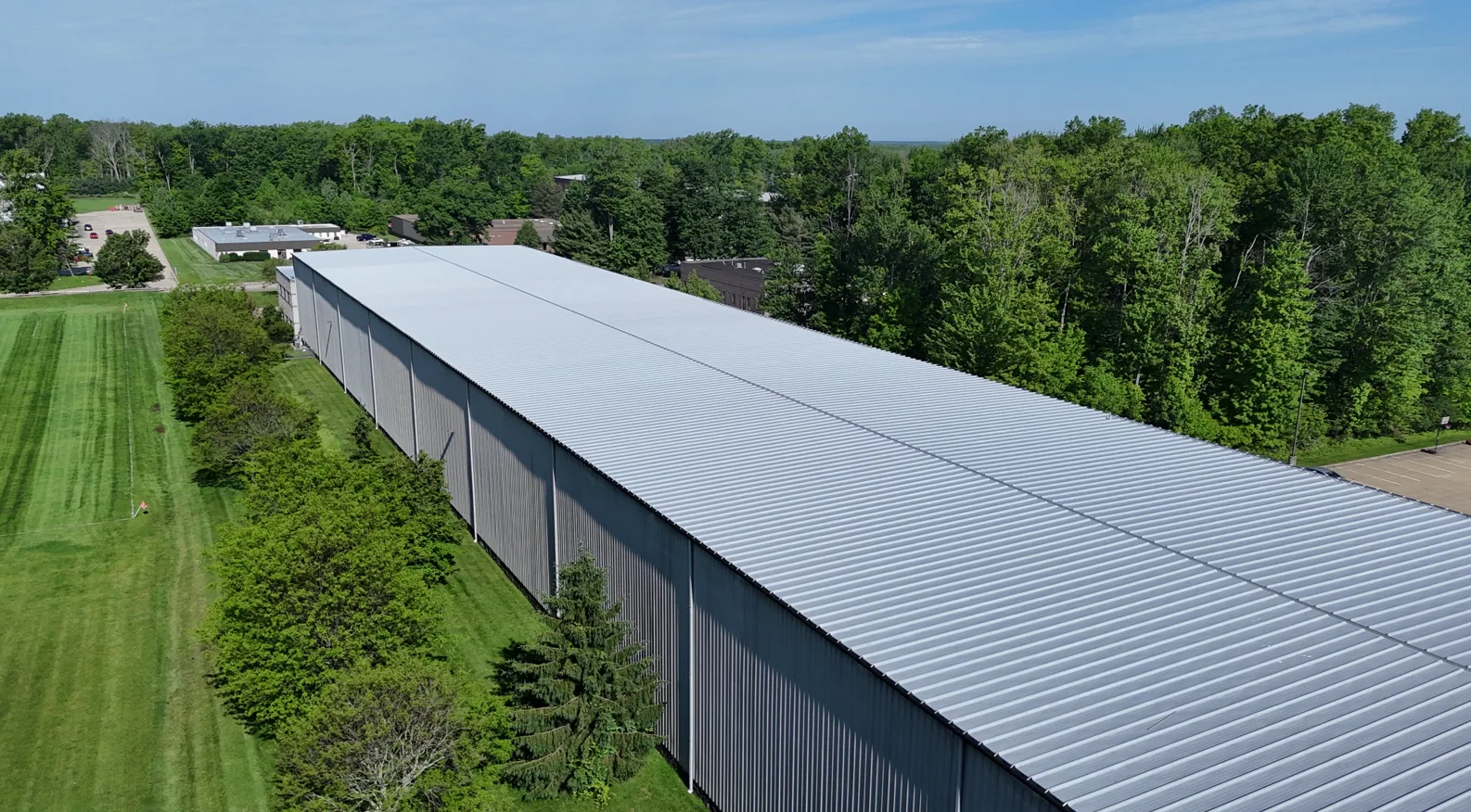
Built-up roofs and modified bitumen have multiple layers, which can hide moisture or make a small opening more involved than it appears. We check exposed edges, flashing transitions and drainage before defining removal. Metal roofing has a different failure pattern: fasteners, laps, seams and penetrations can move as panels expand in heat and draw back as temperatures cool. A standing-seam system may need a panel or clip solution, while metal retrofit work must account for the existing frame, insulation and condensation control.
Coatings need a sound base
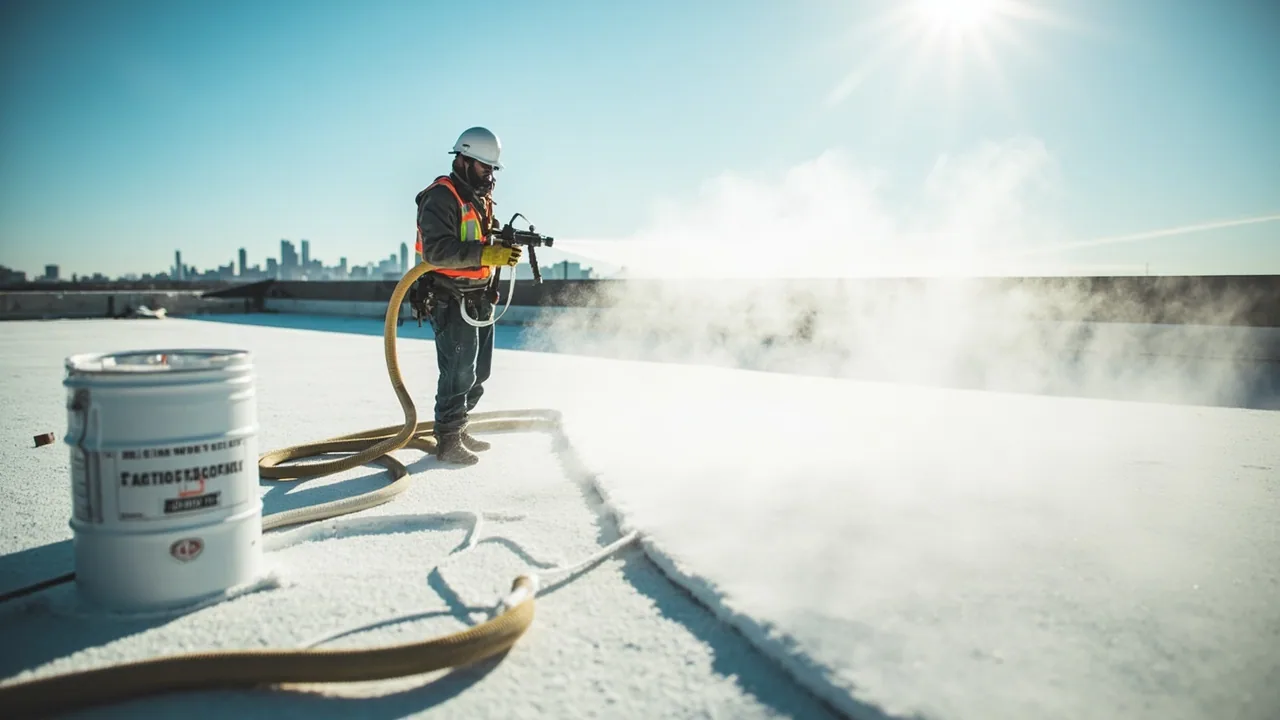
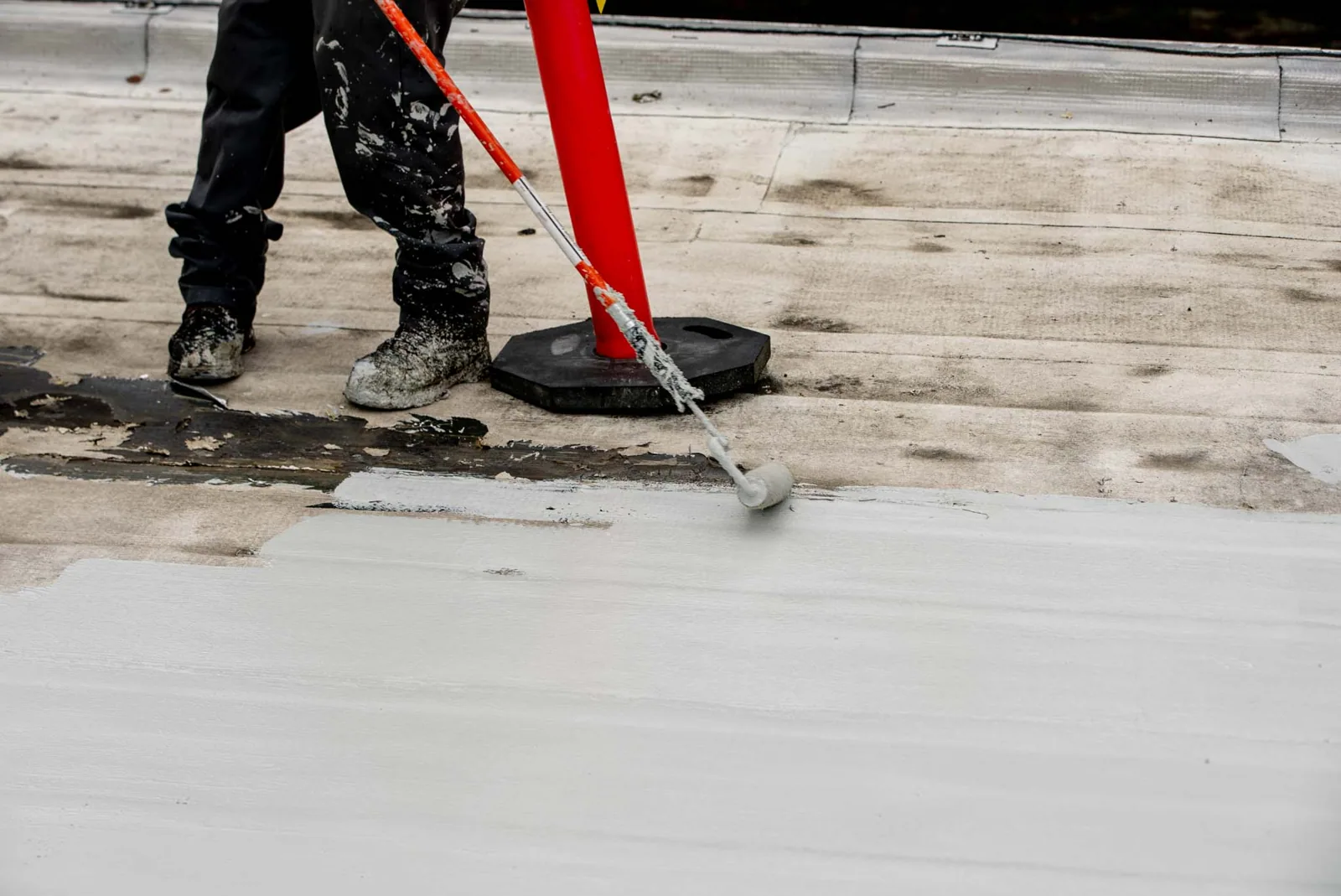
A coating can extend service life only when the substrate is suitable, the surface is prepared and moisture is controlled. We identify loose material, wet insulation, failed flashing and ponding before choosing silicone or acrylic. The application must meet coverage and thickness requirements without bridging an active leak. Silicone coatings and acrylic systems differ in how they handle exposure and water, so selection follows the roof and its drainage, not a product label.
Account for coastal and inland conditions
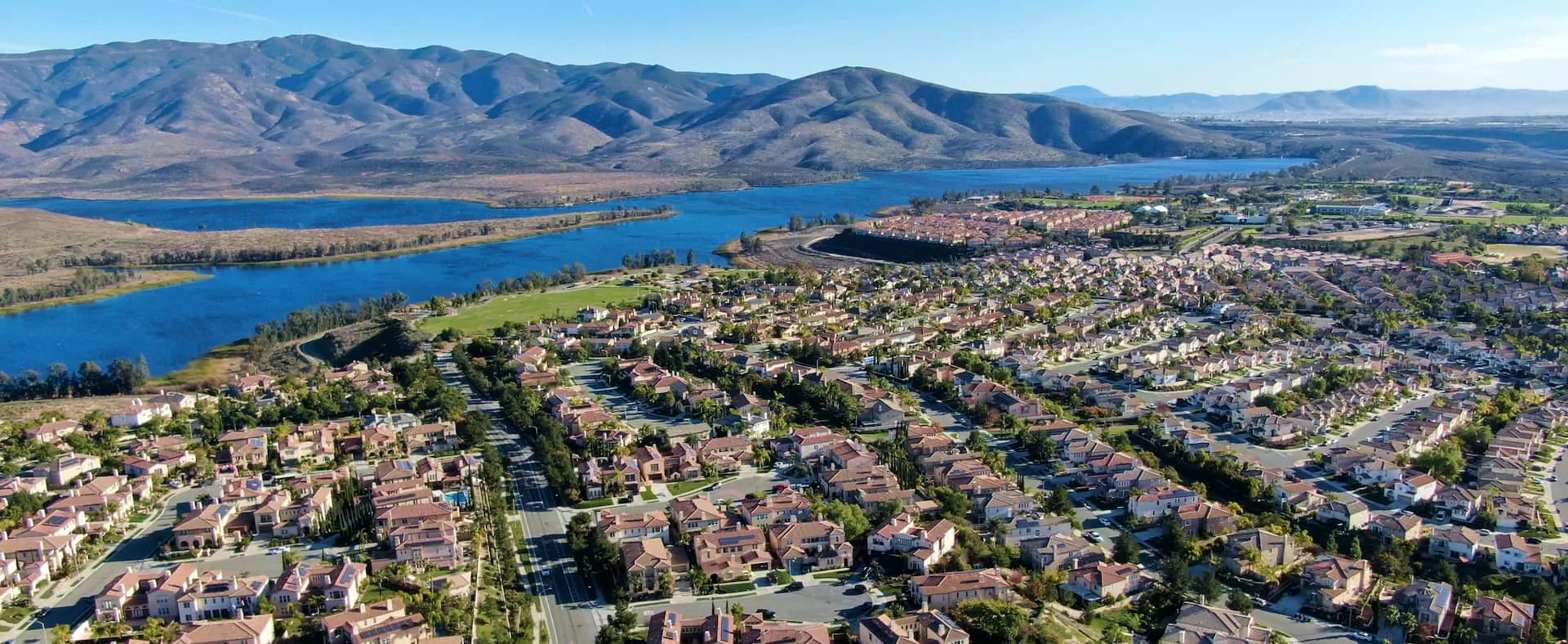
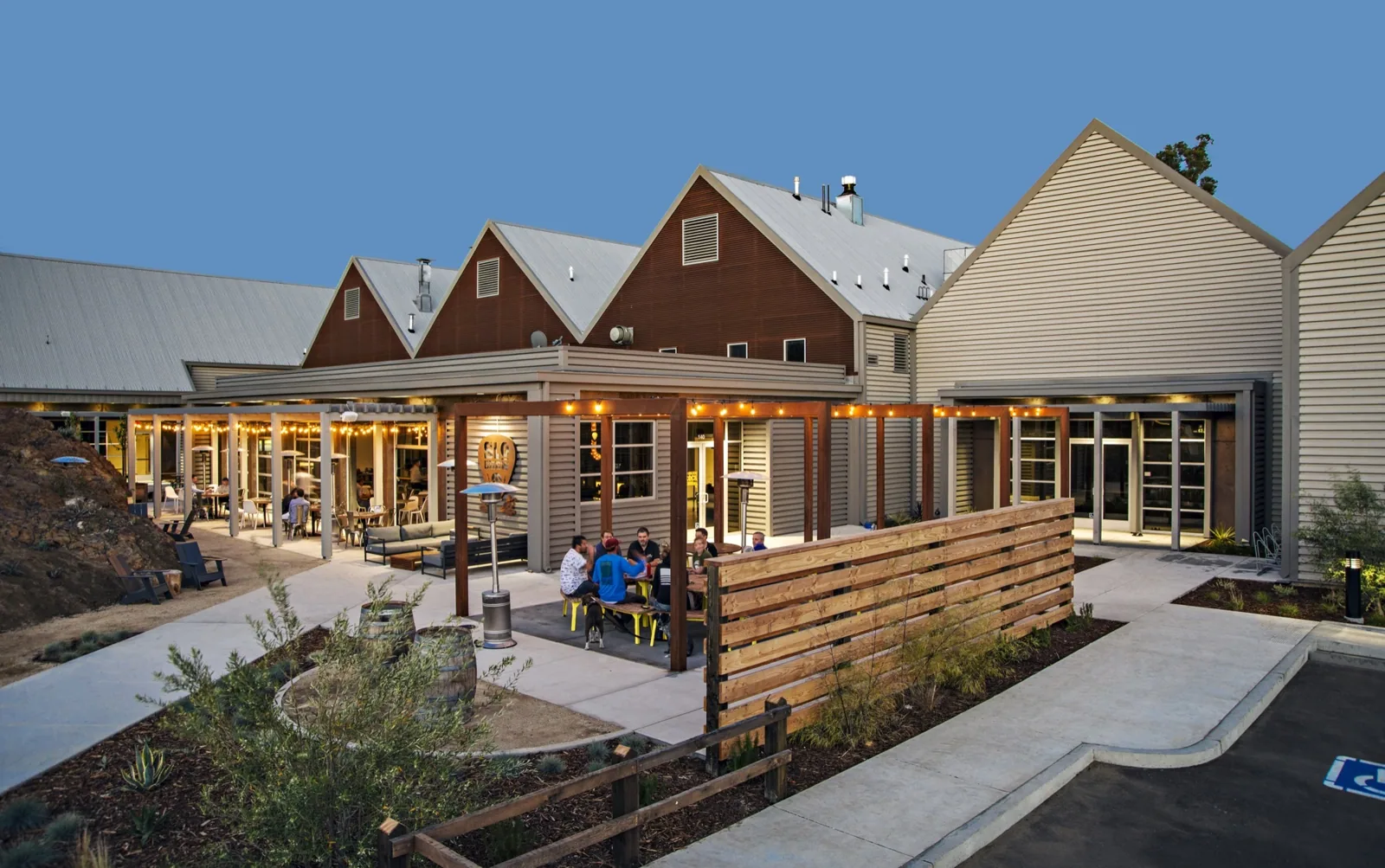
Chula Vista’s mild coastal climate sits alongside inland areas with greater heat and day-to-night temperature changes. The Bayfront includes restaurants, retail, marina-support and marine-related offices, while Eastlake has industrial-office and retail-commercial areas. Access and staging change with each property’s use, while the inspected assembly determines material selection. Coastal exposure makes exposed metal worth examining where present; inland heat can affect work windows and membrane handling. Winter rain across the region makes secure dry-in and functioning drains central to any open-roof sequence. We set the assembly choice after seeing the actual building.
Choose by condition and next cycle
The right system choice connects current condition with the next maintenance or capital decision. We compare repair, recover, restoration and replacement against moisture findings, deck condition, drainage, rooftop equipment, edge details and access. A roof inspection establishes these constraints; recover planning weighs added layers; and coating restoration is considered only when the base is ready. The written scope identifies the assembly, repair boundary, materials and any concealed condition that could change work. For a roof walk, share the building, affected zone and access contact.
Commercial Roofing Questions
Can two membranes use the same patch?
No. Surface chemistry and preparation differ, so we identify the assembly and select a compatible repair material.
What makes a recover unsuitable?
Wet insulation, weak attachment, unresolved drainage or added-layer limits may rule out a recover after inspection.
How do coatings fit a roof plan?
A coating can restore a suitable surface after defects are repaired; it cannot replace sound preparation or correct concealed moisture.
What do you inspect before material selection?
We check membrane, seams, flashing, drainage, attachment, rooftop details and the condition of layers below where evidence allows.