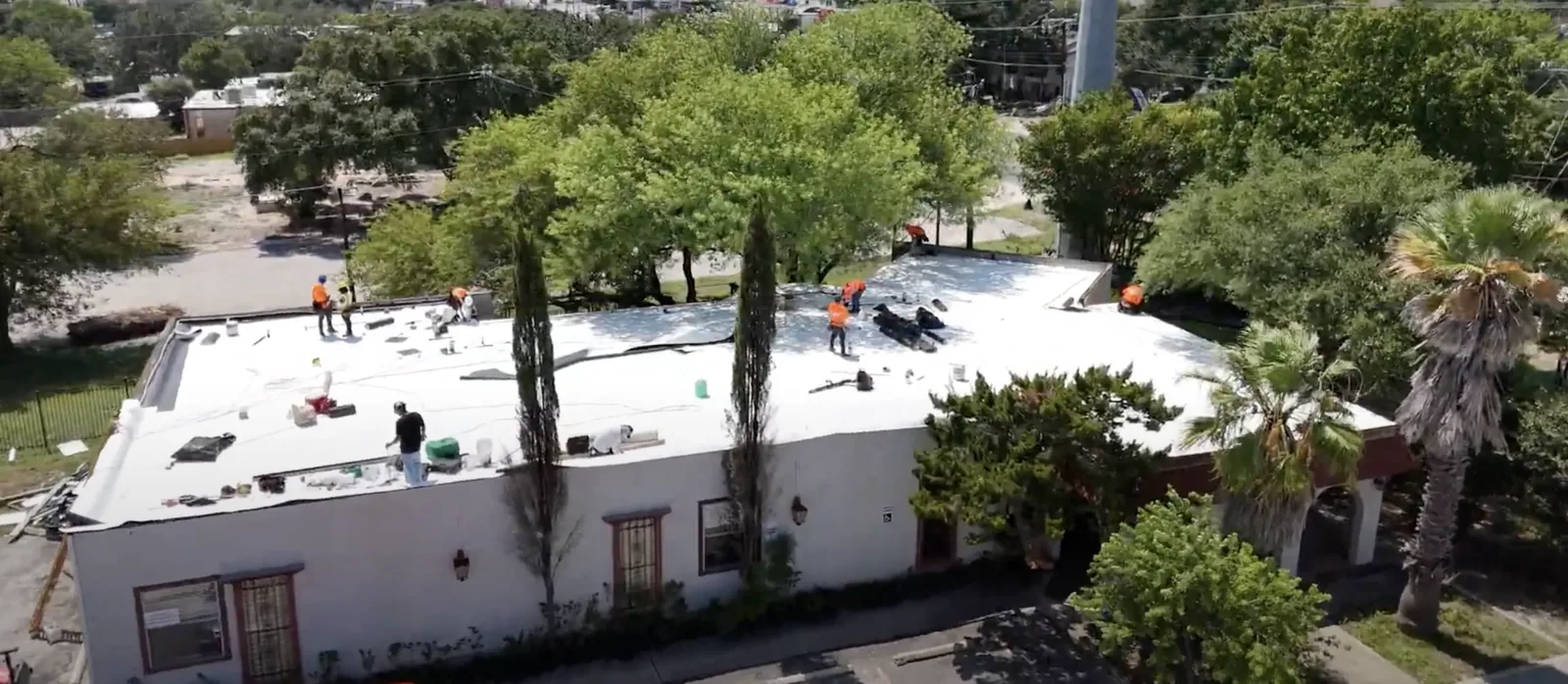
Confirm the roof can accept a coating
Identify the existing membrane or roof surface, previous coatings, and repair materials before specifying silicone. Check installation records, product labels, and exposed edges. Clean a representative test area and verify adhesion where compatibility is uncertain. Do not assume a new product will bond to old sealant, contamination, chalk, or another coating without preparation or a test.
Look for open seams, cracks, blisters, loose flashings, rust, and areas where water remains. Repair those defects first. Where moisture is suspected, test and confirm it using a method suited to the assembly. Coating over wet insulation or separated membrane can trap damage and make later repairs more difficult. A roof inspection should describe the substrate, test areas, and limits before a coating proposal is prepared.
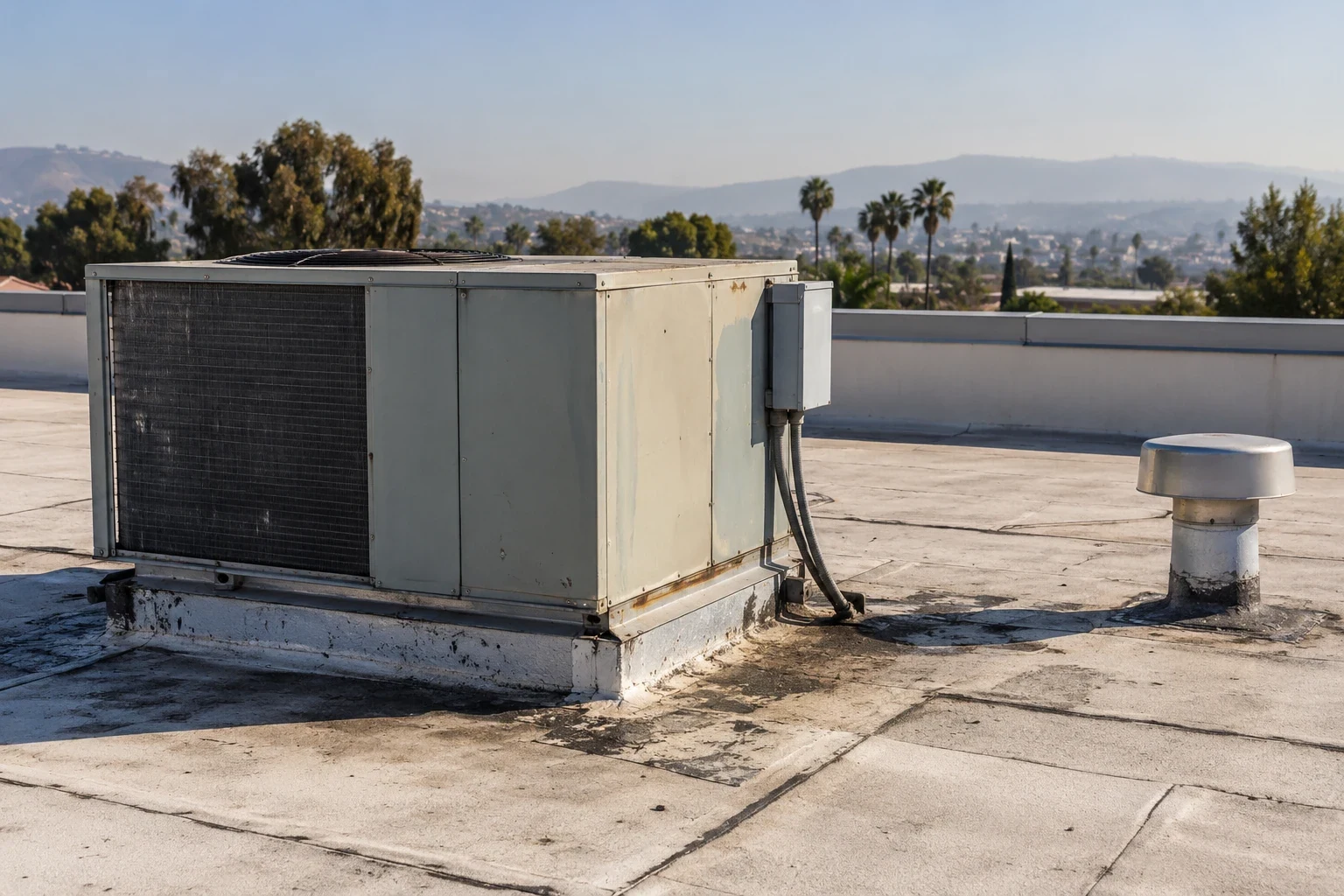
Check roof edges, parapets, curbs, penetrations, and drains for secure attachment and continuous flashing. Silicone can cover a stable surface; it should not replace a missing base flashing or failed drain connection. The repair plan should identify cracks and seams needing reinforcement, plus any areas that are outside the coating scope.
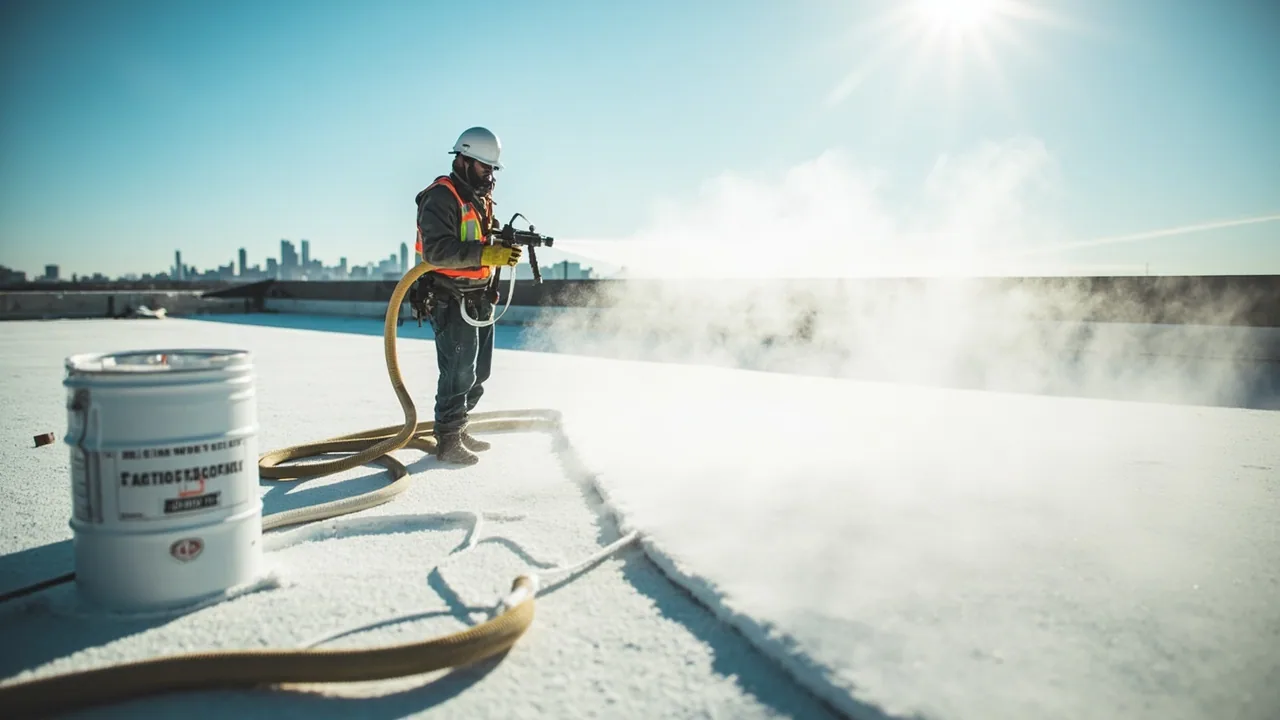
Account for ponding and water flow
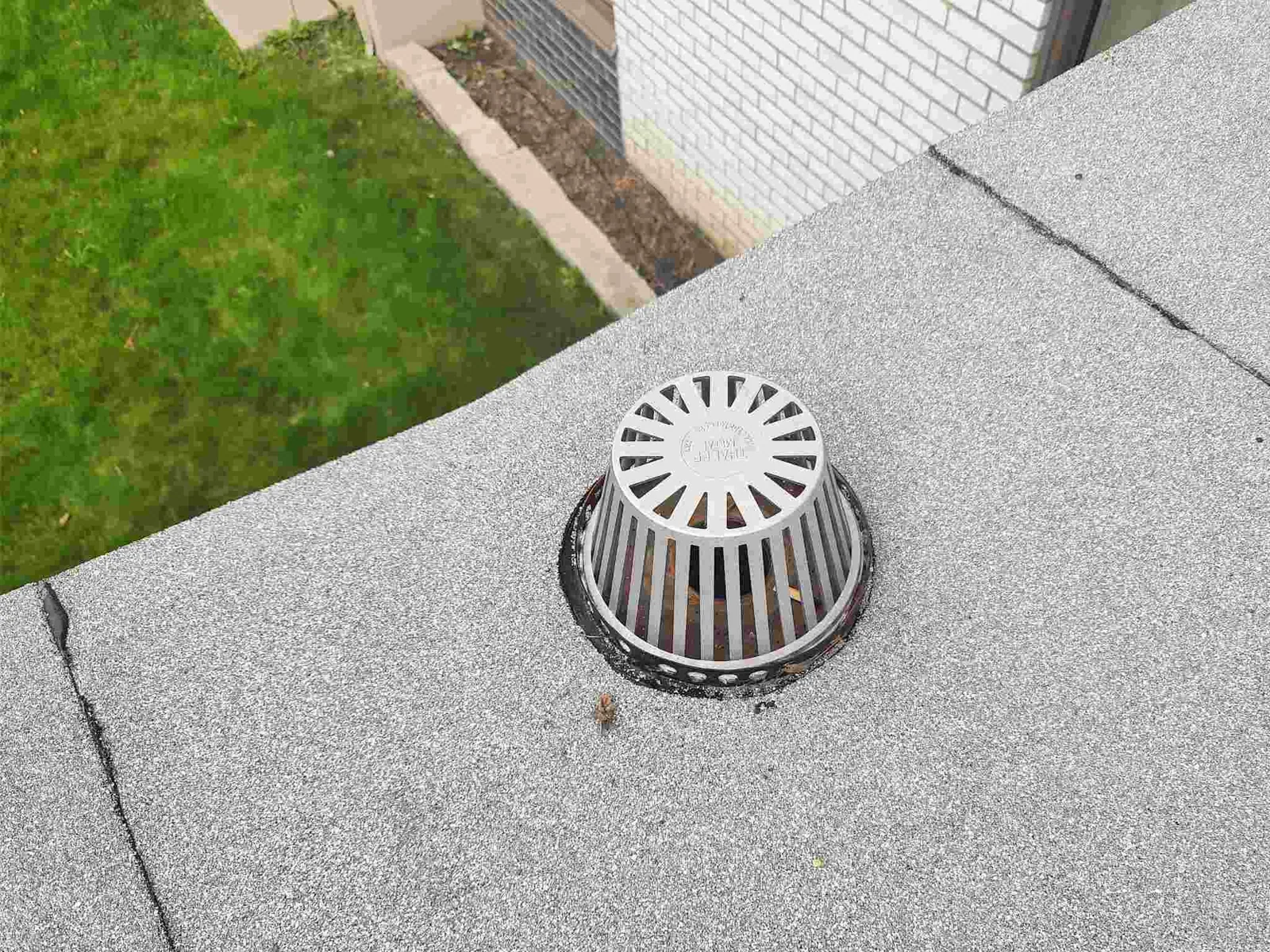
Silicone products are often selected where standing water is a concern, but ponding still deserves evaluation. Determine whether water results from a blocked drain, a low spot, changed roof height, or a design slope issue. Check outlet capacity, overflow paths, and the membrane around each bowl. A drainage assessment can show whether cleaning, outlet repair, or slope correction is needed before coating.
Water that remains on the roof can carry dirt and expose weak adhesion, open seams, or incomplete details. Trace how it moves around curbs and equipment supports. Mark ponding areas after rain or controlled observation, then relate those locations to the roof plan. If water enters the building, inspect uphill details and deck lines; the ceiling stain may not sit below the opening.
Most regional rain falls in winter. Schedule coating only when the roof is dry and product temperature, dew point, and cure conditions meet the selected system requirements. Set daily limits for preparation and application. Before leaving, close exposed areas, confirm outlets are open, and record any surface waiting for a return visit.
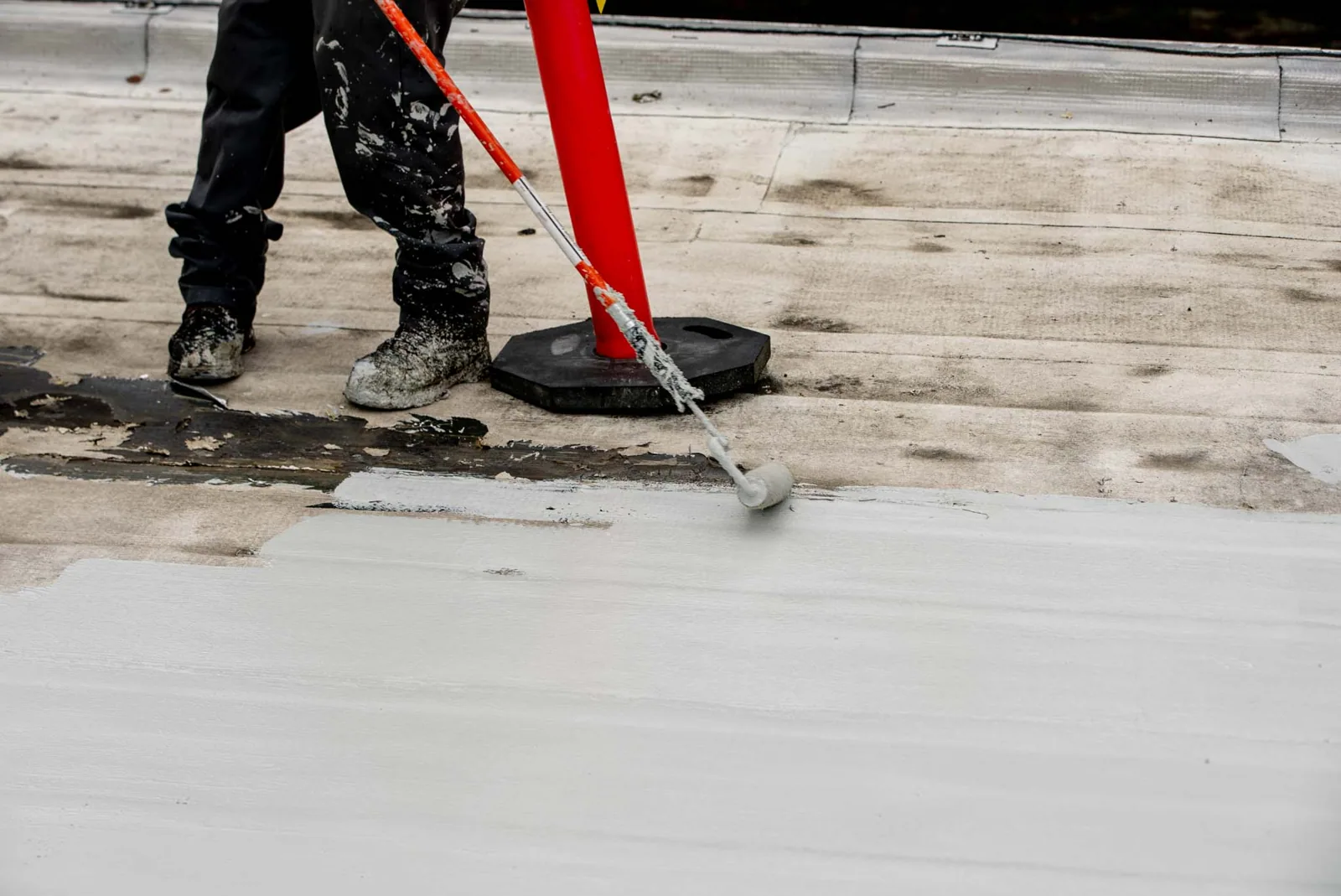
Prepare seams, metal, and transitions
Surface preparation often determines whether coating adheres. Remove dirt, chalk, loose material, and oil using the approved method, then allow the roof to dry. Repair corrosion after checking the metal's condition; coating over active rust or thin, perforated panels will not restore their strength. Apply primers only where the system calls for them and verify the prepared surface before covering it.
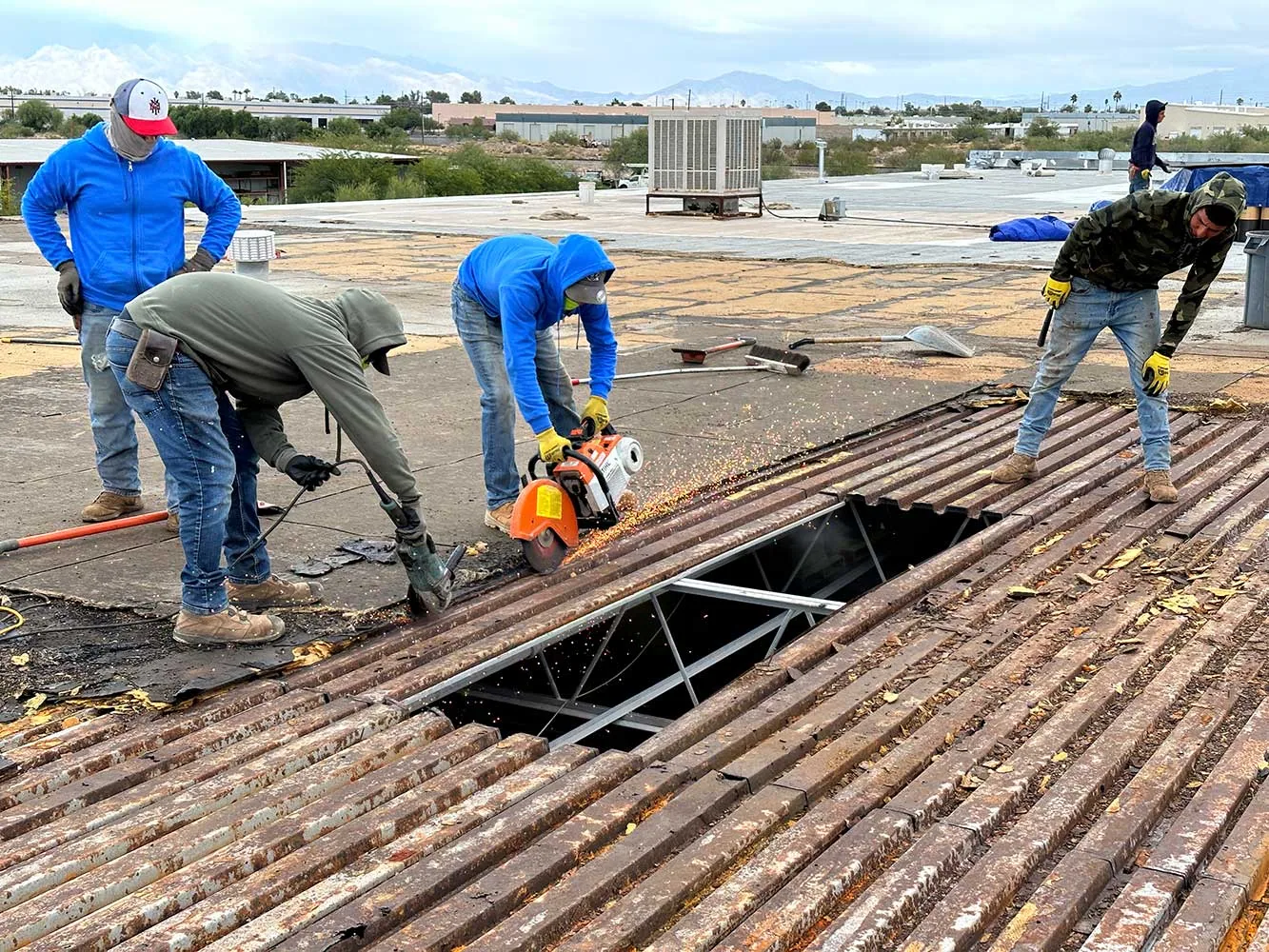
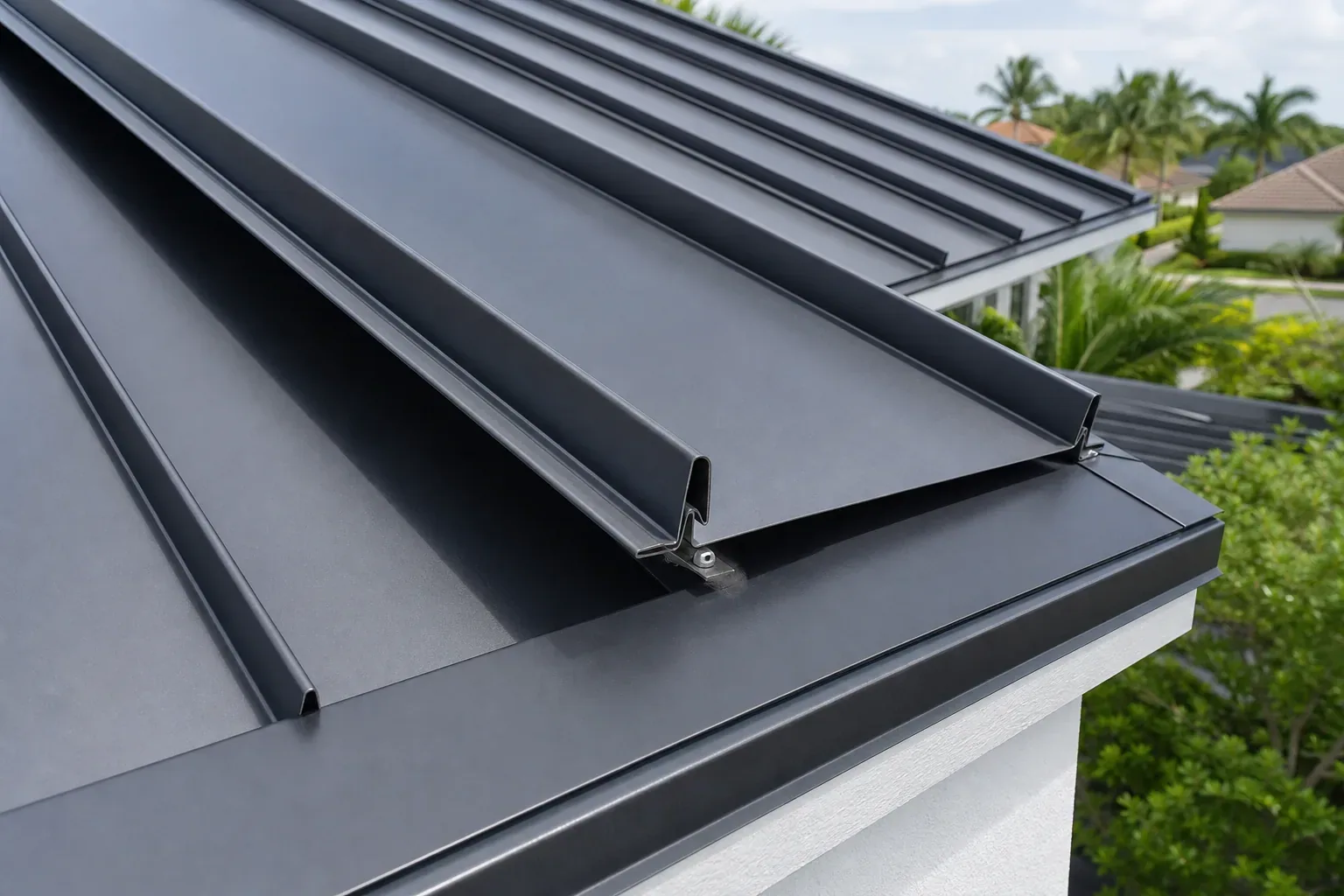
Seams and fasteners may need fabric or compatible reinforcement. Follow the coating manufacturer's detail for width, embedment, and coverage at laps, penetrations, and corners. Do not bridge a moving joint without a detail designed for movement. A metal-roof retrofit review may be needed when panels or attachment are unstable rather than simply weathered.
SPF roofs need their foam surface and protective layer inspected together. Remove deteriorated foam to sound material, rebuild the profile, and restore the protective coating before applying any renewal layer. An SPF system has substrate and repair needs that should not be treated as a generic coating job.
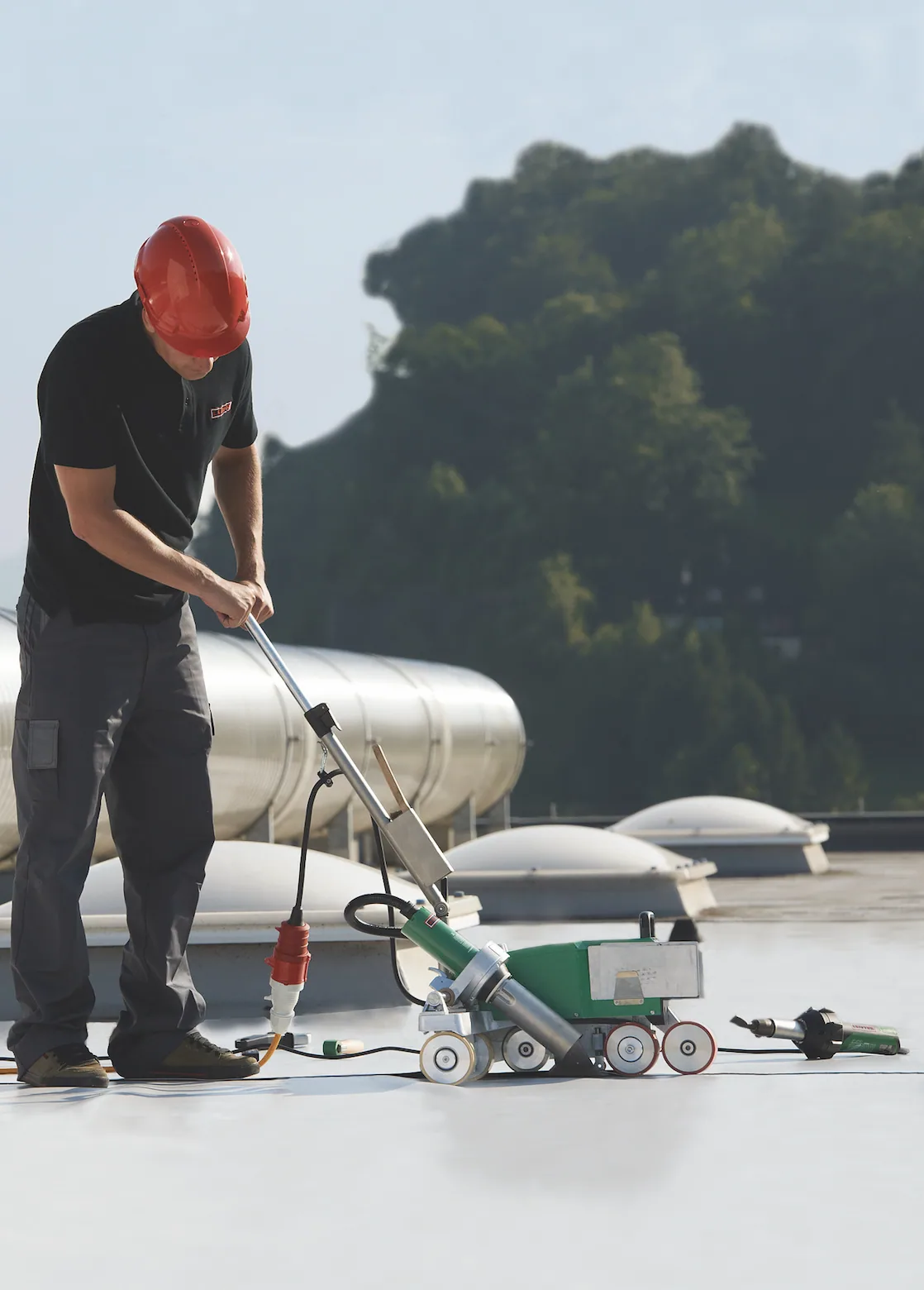
Select a system for the roof's exposure
Compare silicone with other coating options based on substrate compatibility, ponding, adhesion, maintenance needs, and the intended service life stated for the system. Coverage rates and dry-film thickness depend on the product and surface; specify them from current product documentation. Avoid promising a result based solely on the word silicone or on a color sample.
Silicone can collect dirt, and future recoating may require careful cleaning and compatibility checks. Review how repairs will be maintained and what preparation is needed for a later application. Acrylic systems have different water exposure considerations; a comparison with acrylic coating should use the site's drainage and substrate conditions.
Document the total area, repair details, drains, vertical surfaces, and termination points. State whether coating includes skylights, gutters, metal edges, or equipment supports. A condition record should distinguish measured quantities from assumptions and identify excluded or inaccessible roof zones.

Plan access and application
Confirm access, material staging, ventilation intakes, vehicles, and pedestrian paths before work. Protect adjacent surfaces from overspray or spills and coordinate shutdowns if application occurs near outside-air equipment. Keep drains open during preparation and prevent loose debris from entering the system. The property manager should know which doors, loading areas, or rooftop paths are restricted.
Chula Vista's coastal and inland terrain can produce different work conditions. Check measured surface temperature, wind, and moisture throughout the application rather than assuming the entire city has one exposure. Late-season hot, dry winds in eastern areas can affect work planning, while winter rain requires a secure daily boundary. Follow the selected coating's application and cure limits.
Occupied sites need clear zones, notice to tenants, and a daily signoff. The occupied-building plan should identify noise, ventilation precautions, access routes, and who verifies each completed section. If application conditions change, pause at a safe boundary and protect the exposed roof.
Compare coating with repair or replacement
A coating may fit when the substrate is sound, dry, adequately attached, and compatible with the proposed product. Isolated seam or flashing failures should be repaired before broad application. Widespread wet areas, corrosion through panels, or loose membrane may require removal or replacement. Map the findings and compare options for the same roof area.
Replacement provides access to concealed layers and allows drainage or attachment corrections, but it adds removal, debris, and building protection needs. A recover may be possible only after confirming load, moisture, height, and compatibility. A replacement scope should define tear-off, deck repairs, insulation, edge details, and the daily closure standard.
Keep testing results and limitations with the proposal. If adhesion tests cover only representative zones, say so. Mark where coating ends and how future work will tie into the finished surface. Clear boundaries prevent coating from being treated as a cure for conditions that were not included.
Maintain and document the coating
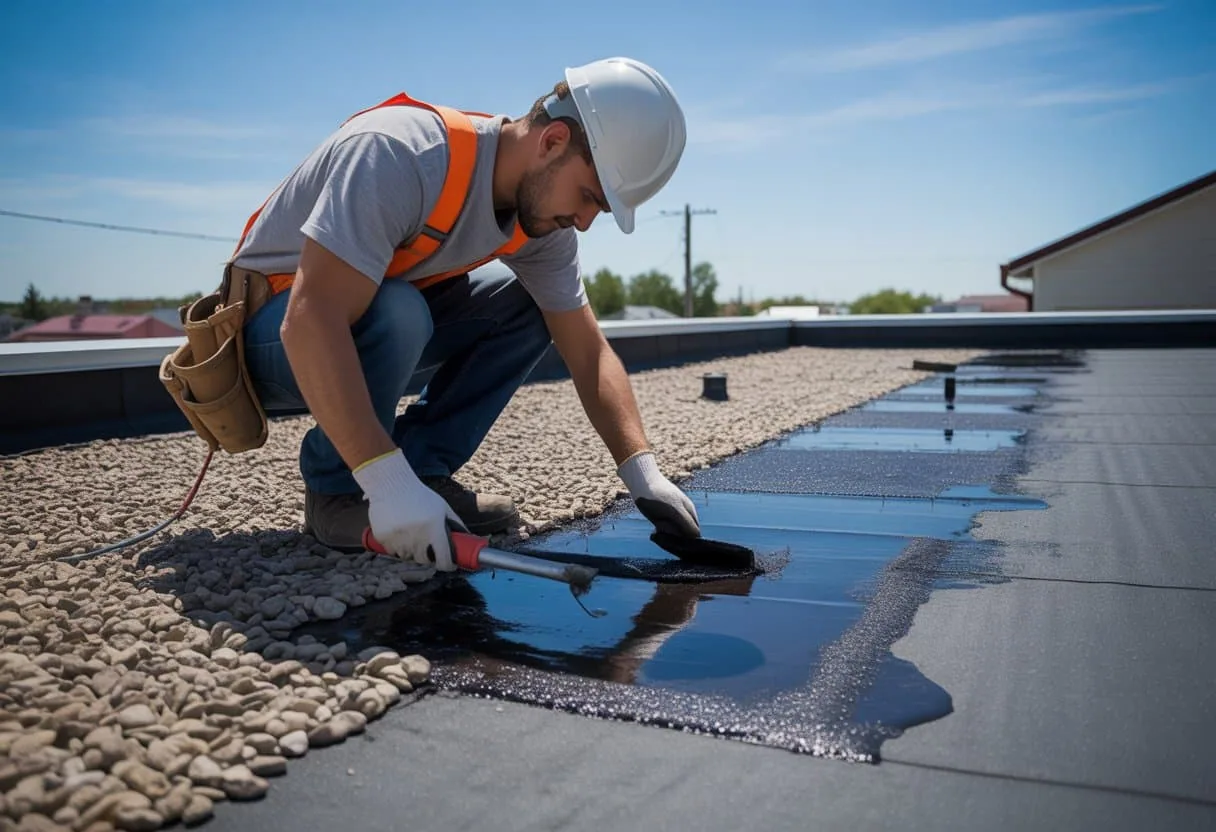
At closeout, check coverage, reinforcement at details, edge termination, and drain openings. Photograph repairs and test areas, record products and preparation, and mark coated limits on a roof plan. Record weather conditions and any area requiring a cure check. Keep the documentation where facilities staff can find it before future rooftop work.
Maintenance should check for punctures, peeling, exposed substrate, debris, blocked outlets, and damage after equipment service. Clean the roof with methods that preserve the coating, and repair damage with compatible materials. Before recoating, confirm adhesion and compatibility instead of applying a fresh layer over an unknown finish.
To review a roof for silicone coating, share the property location, roof access contact, leak history, assembly records, and any moisture or adhesion findings. We can evaluate the substrate and drainage, then outline the preparation and repair steps that a coating scope would require.