Start With the Building Report
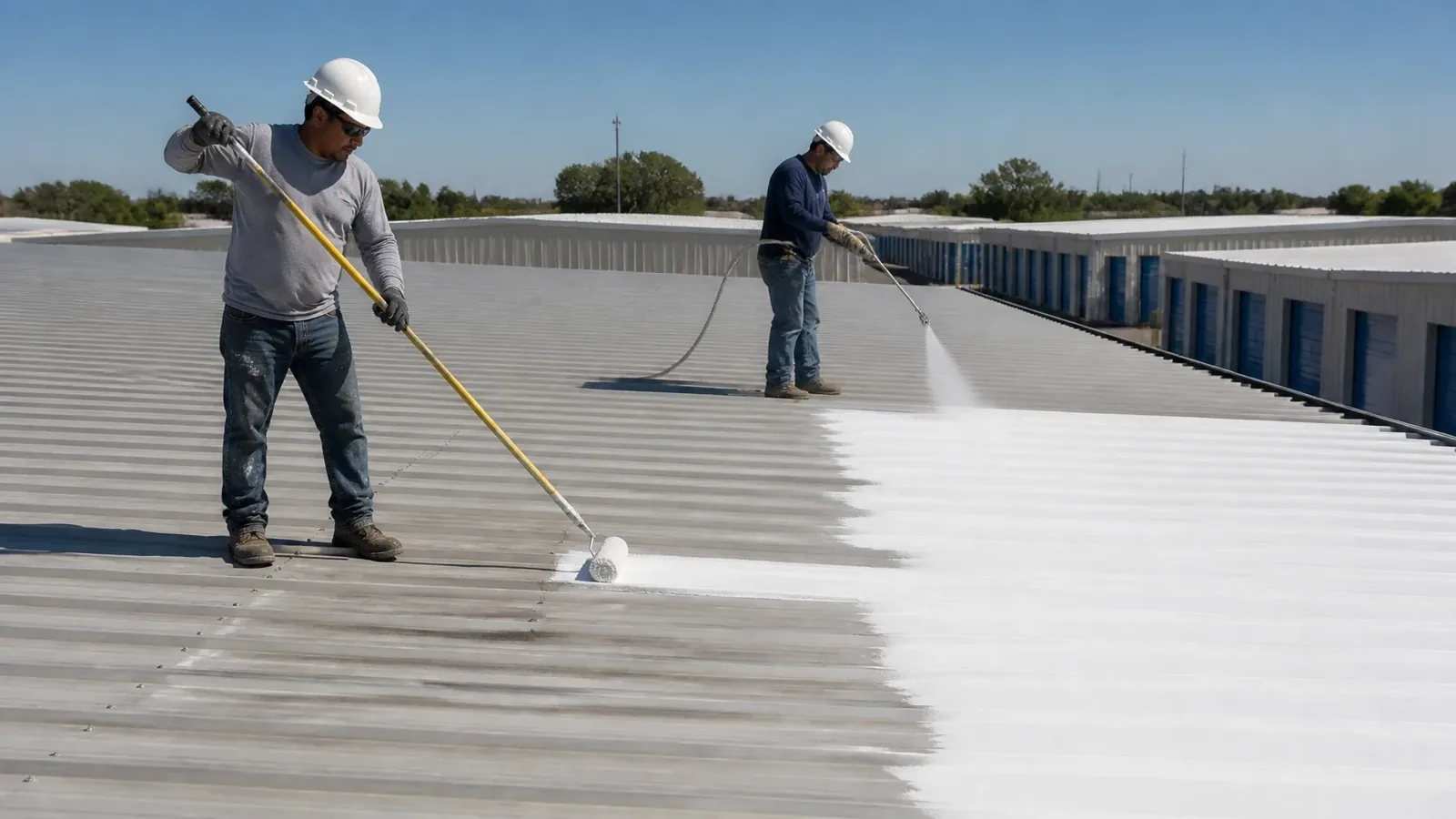
Before stepping onto the roof, we ask which rooms or operations have been affected, when the problem appeared and whether prior repairs changed the area. A roof map, maintenance log and interior photos help locate the zone. We confirm access, fall protection, equipment and areas that cannot be entered at entry.
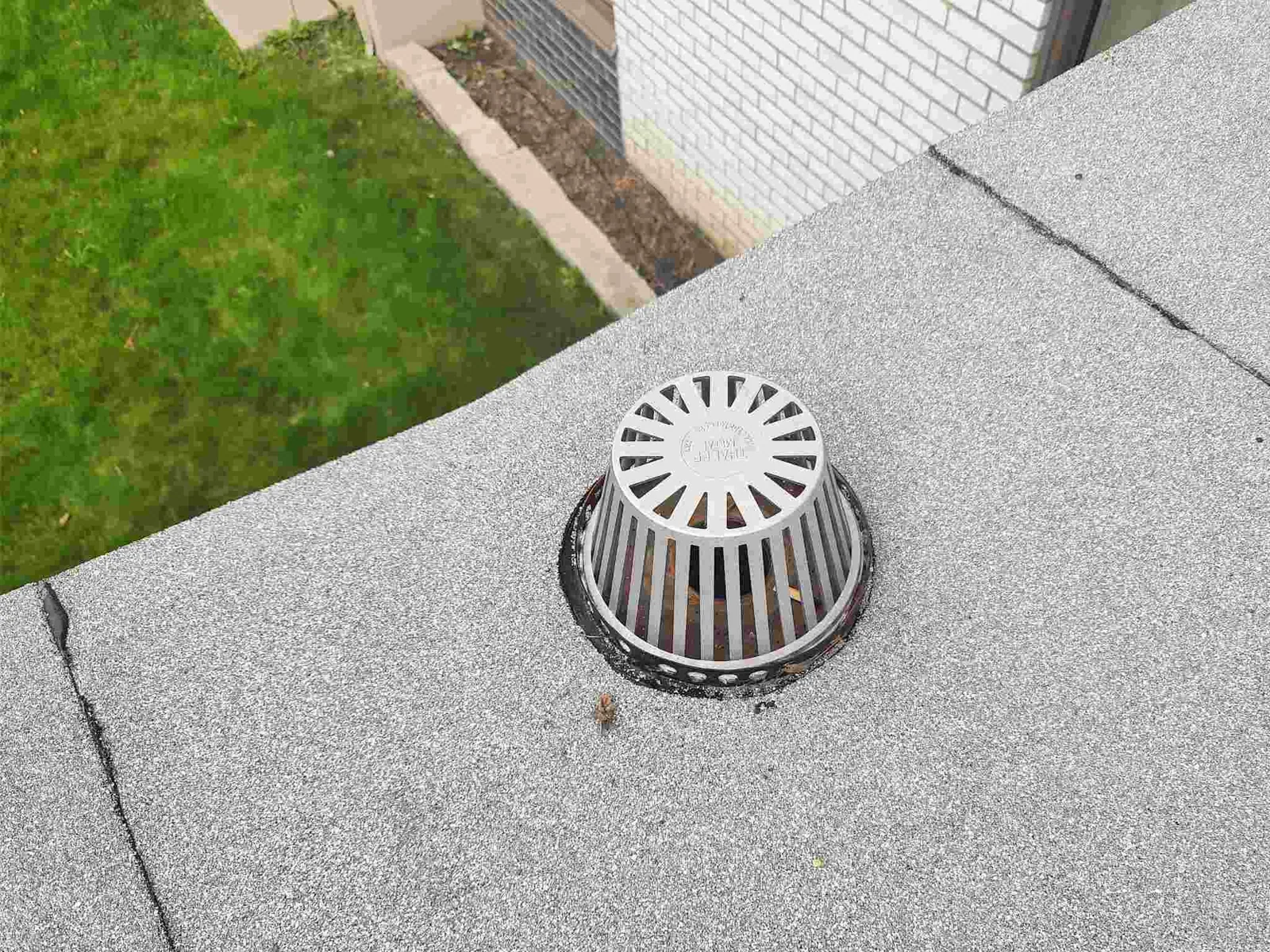
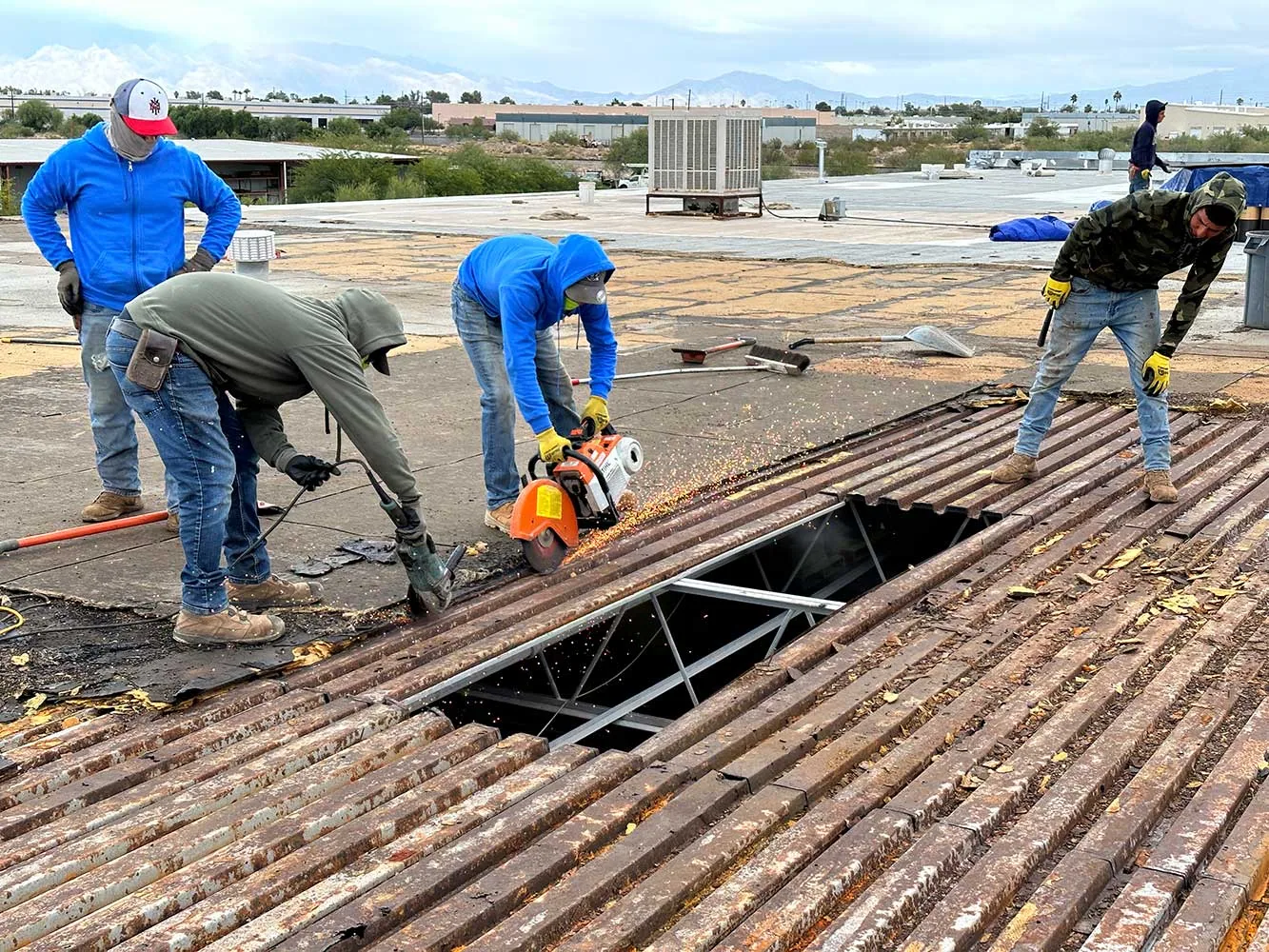
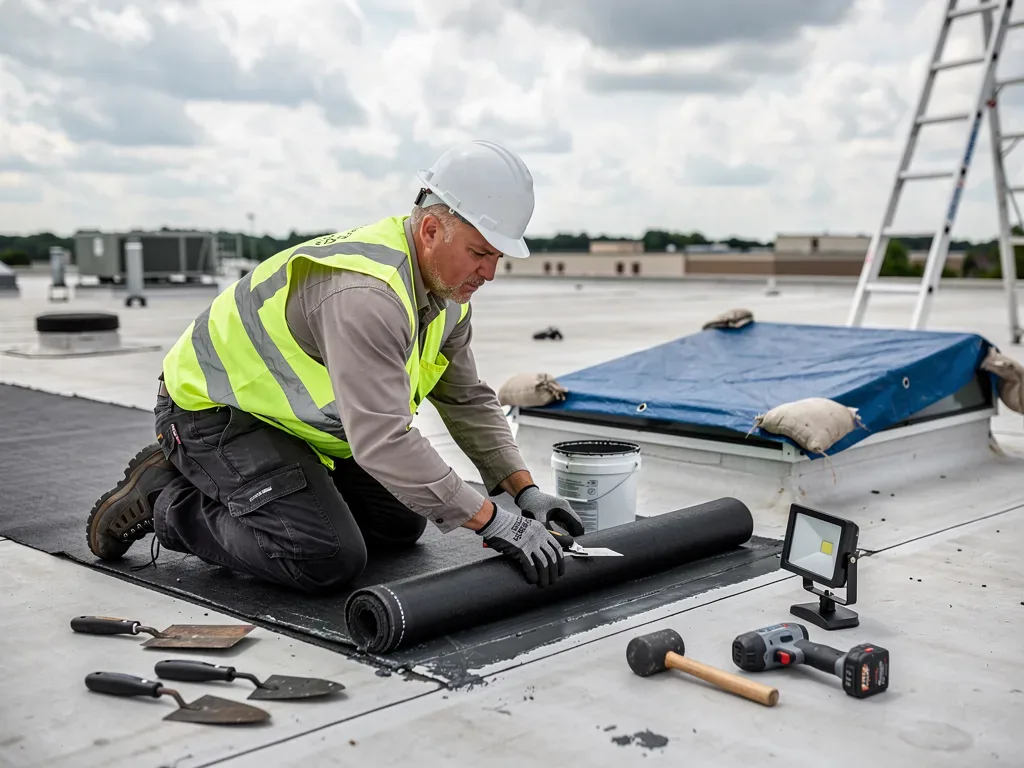
On the surface, we follow the water path from high points toward drains and scuppers. We check membrane seams, fasteners, edge terminations, curb flashing, pipe boots, skylights and expansion joints. At each detail, we record whether the material is loose, split, brittle, displaced or covered by an older repair. Drain bowls and low points are checked for debris, standing water and changes in slope. We photograph findings so the building team can find them again. A drain inspection checks the outlet as part of that water path.
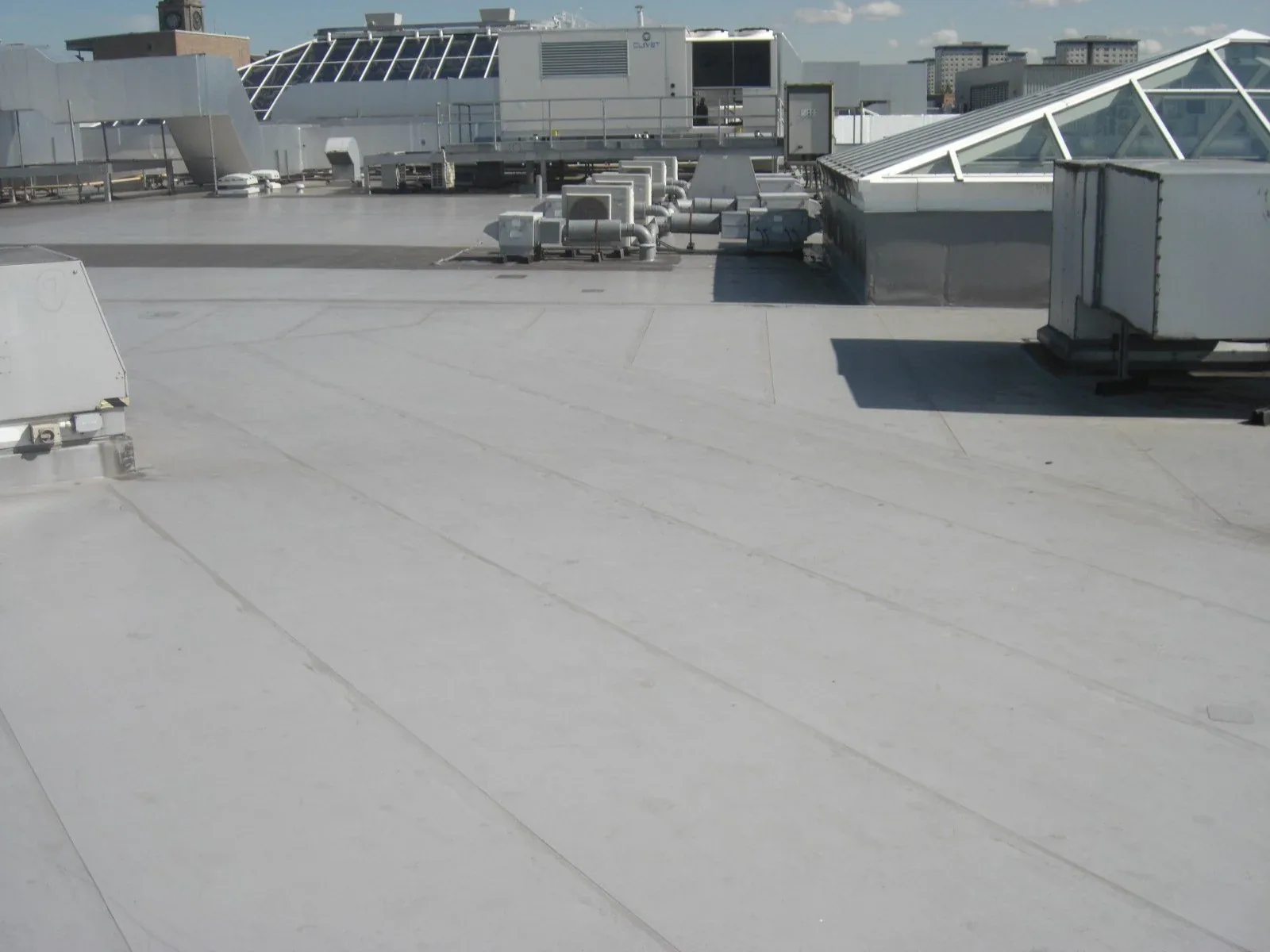
A roof can have several assemblies or repair histories. We identify visible changes in material and elevation, then mark their limits rather than treating the whole building as uniform. Where an assembly is covered, an inspection may not reveal the insulation condition. We can recommend a test cut or moisture survey if hidden layers affect the decision. Access limits are recorded.
Read the Pattern, Not One Defect
A single open seam may need a local repair, while several seams opening along the same roof zone can indicate movement or a broader attachment problem. We look for patterns in the defect locations, previous patches and interior reports. Repeated ponding near a drain may involve slope, compressed insulation or an obstructed outlet. The same symptom can have different causes, so the report separates what we observed from the likely next inspection step.
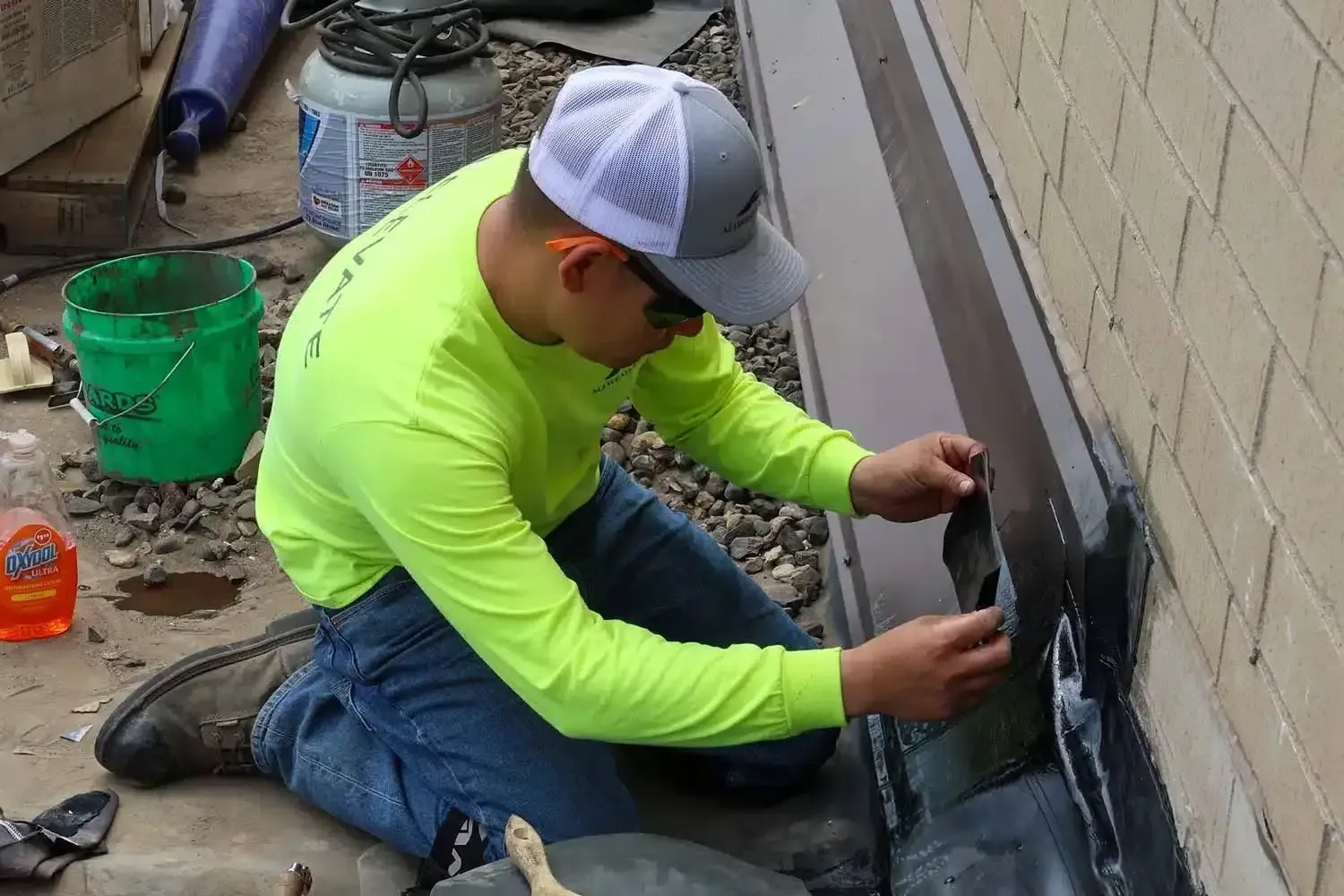
Flashing receives a close look because changes in plane and material concentrate movement. We check whether curb membrane reaches the required height, whether metal counterflashing is secure and whether sealant has separated at corners. Equipment vibration can loosen supports or stress nearby details. We record the connection, the condition and whether repair requires temporary shutdown or coordination with another trade.
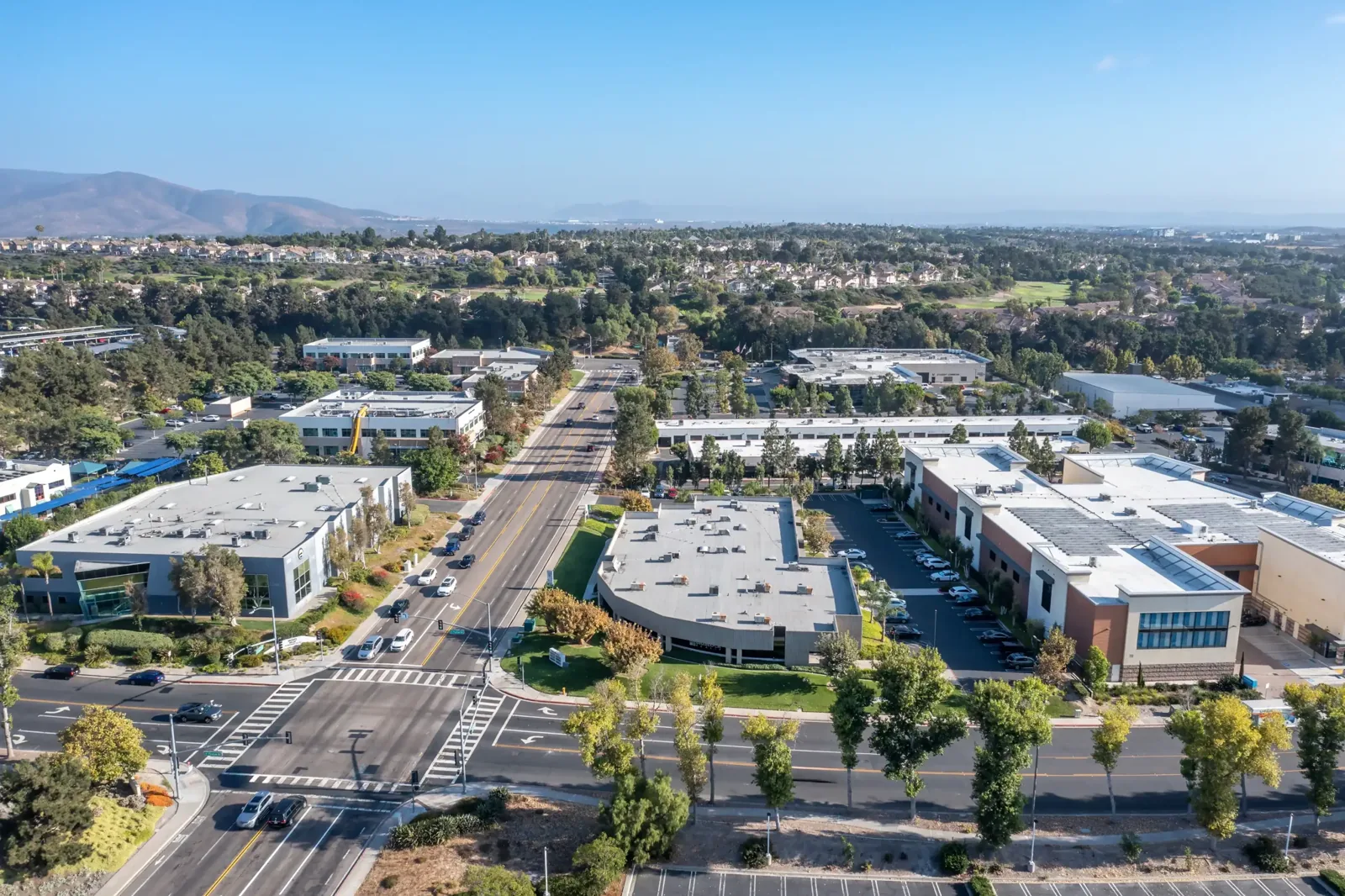
Chula Vista’s western commercial corridors include Third Avenue and Broadway, with shops, services and small businesses. That property mix makes access and interior coordination part of an inspection plan. Eastlake combines retail-commercial and industrial-office areas in a larger planned district, where a property may have multiple buildings or phases. We label each finding by building, roof zone and nearby work area. A roof walk in Eastlake can be scheduled around operating hours. For a confirmed defect, a roof repair can follow the inspection record.

Seasonal Conditions in the Findings
Rainfall is concentrated in the San Diego region's winter months, with totals that change year to year. We compare the inspection date, recent weather and active moisture observations, then check the roof details connected to the interior report. Drainage, seam condition and the reported water path guide the next test or repair decision.
Chula Vista’s coastal setting stays milder, while inland valleys have larger day-to-night temperature ranges and hotter dry-wind periods. We inspect exposed sealant, metal edges and equipment supports for movement, corrosion or separation at each property.
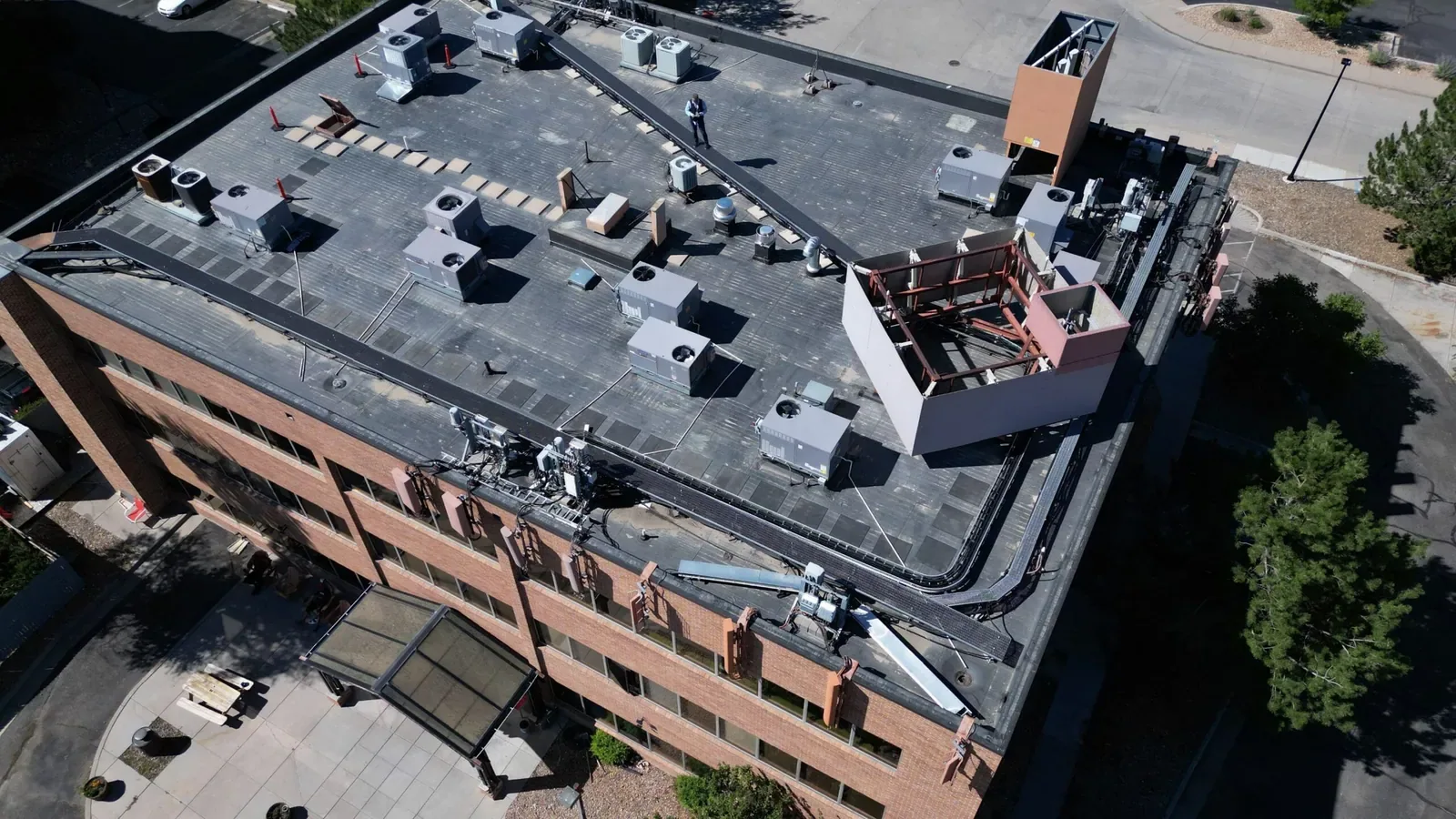
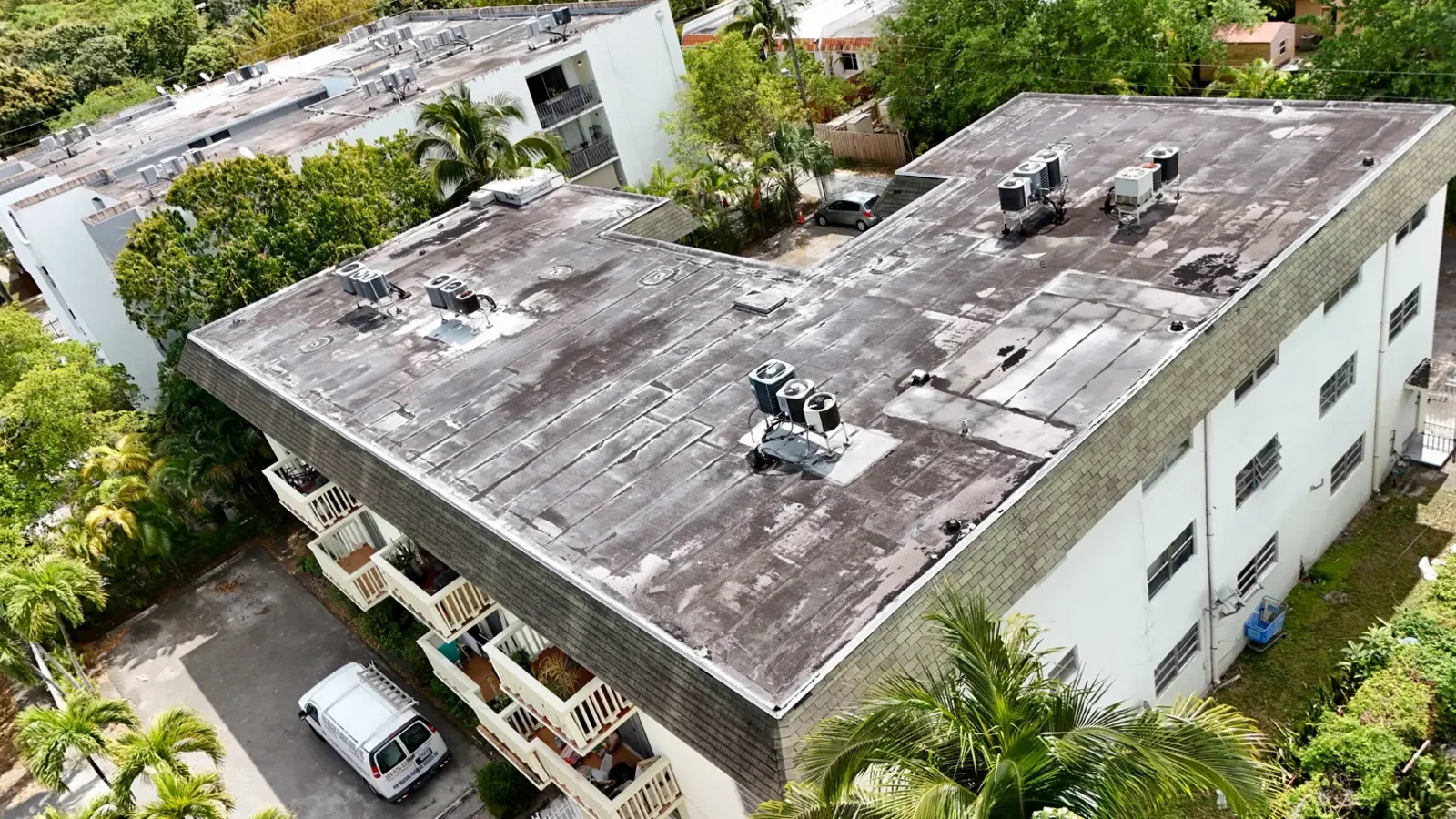
When conditions on the roof make a full walk unsafe, we explain the access limit and identify which areas were not inspected. A drone or infrared survey may help with specific questions, but each has boundaries. A drone image can show surface layout and visible damage; it cannot test attachment or concealed moisture. Infrared can identify patterns for closer review only when roof and weather conditions support it. We recommend the method that answers the open question rather than adding technology without a decision to inform.
Findings the Facility Team Can Use
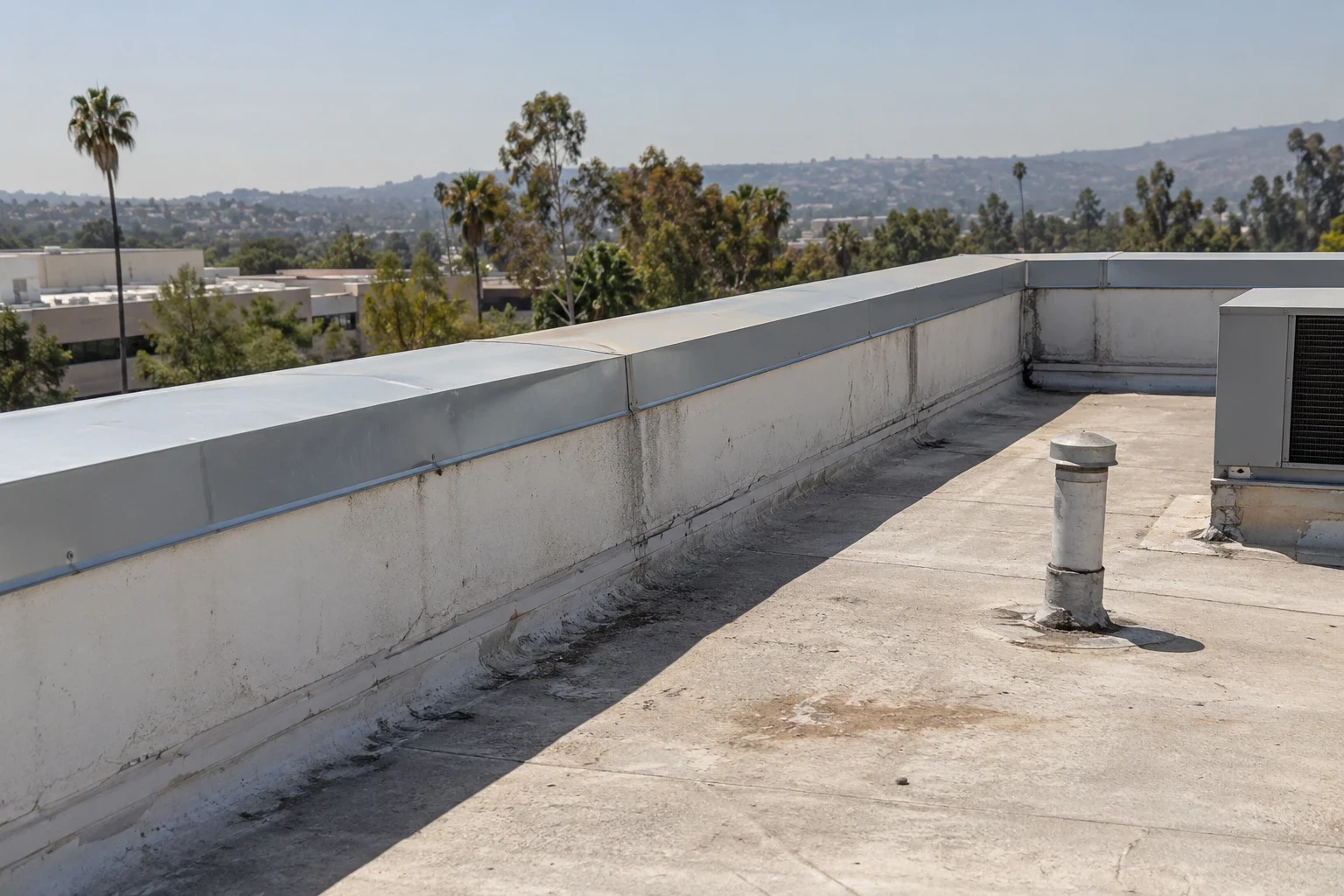
The inspection record groups findings by building and roof zone, with photos and a concise description of each condition. We state whether an item is a repair, an observation or a question requiring further testing. That gives the facilities director a way to prioritize active water entry, safety issues and conditions that can be scheduled with planned work. It also prevents unrelated findings from being compressed into one undifferentiated repair list.
For budgeting, we can identify work that should be addressed promptly and items to monitor at the next visit. Cost and timing depend on system type, access, material compatibility and whether concealed layers are involved. The record does not estimate hidden deck or insulation damage without an opening. If a test is needed, we explain the location and what decision it would support. A written condition report preserves this distinction, while capital planning can compare work across buildings and budget cycles.
A roof inspection can establish a baseline before a tenant change, equipment project or sale. The walk records visible conditions and access limits. For a transaction, a due-diligence survey ties findings to the transaction schedule.
Set the Next Inspection Point
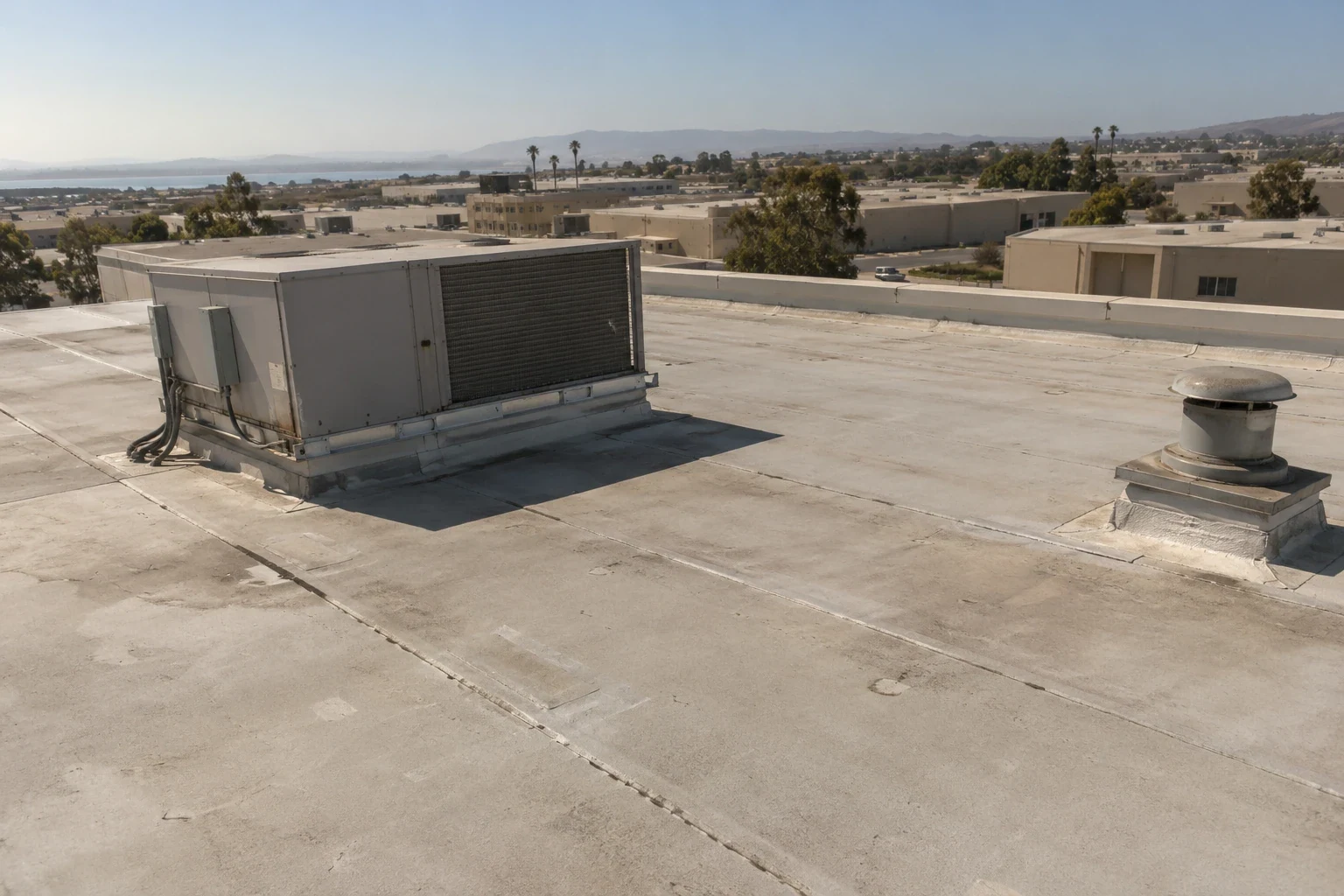
Inspection frequency follows roof condition, repair history, drainage and exposure. A roof with recurring water reports or active construction nearby may need follow-up sooner than a stable area with a clear record. After repairs, we can revisit the same roof zones to check the tie-in and confirm that drains, seams and flashings remain accessible. The next visit should answer a question raised by the previous record, not repeat a walk without a purpose.
At Otay Mesa, I-805 and SR 905 connect employment areas to freight movement. Truck routes, fencing and receiving hours can affect access. In downtown Third Avenue, shared routes may require a different appointment window. We confirm site details before setting the route. Inspection access in Otay Mesa can be coordinated with receiving hours.
To schedule a walk, share the building, roof zone, recent reports and access contact. We will inspect the visible assembly, identify limits that need testing and deliver a record tied to the next decision for your facilities team.