Set the Review Question Before the Walk
A pre-transaction survey can support different decisions: whether to accept a repair obligation, request further testing, plan a near-term replacement, or clarify who controls roof access. We confirm which buildings are included, whether interior access is available, and whether the review needs photos, a condition summary, or a priced scope. The request also identifies the deadline and any area the current owner will not release.
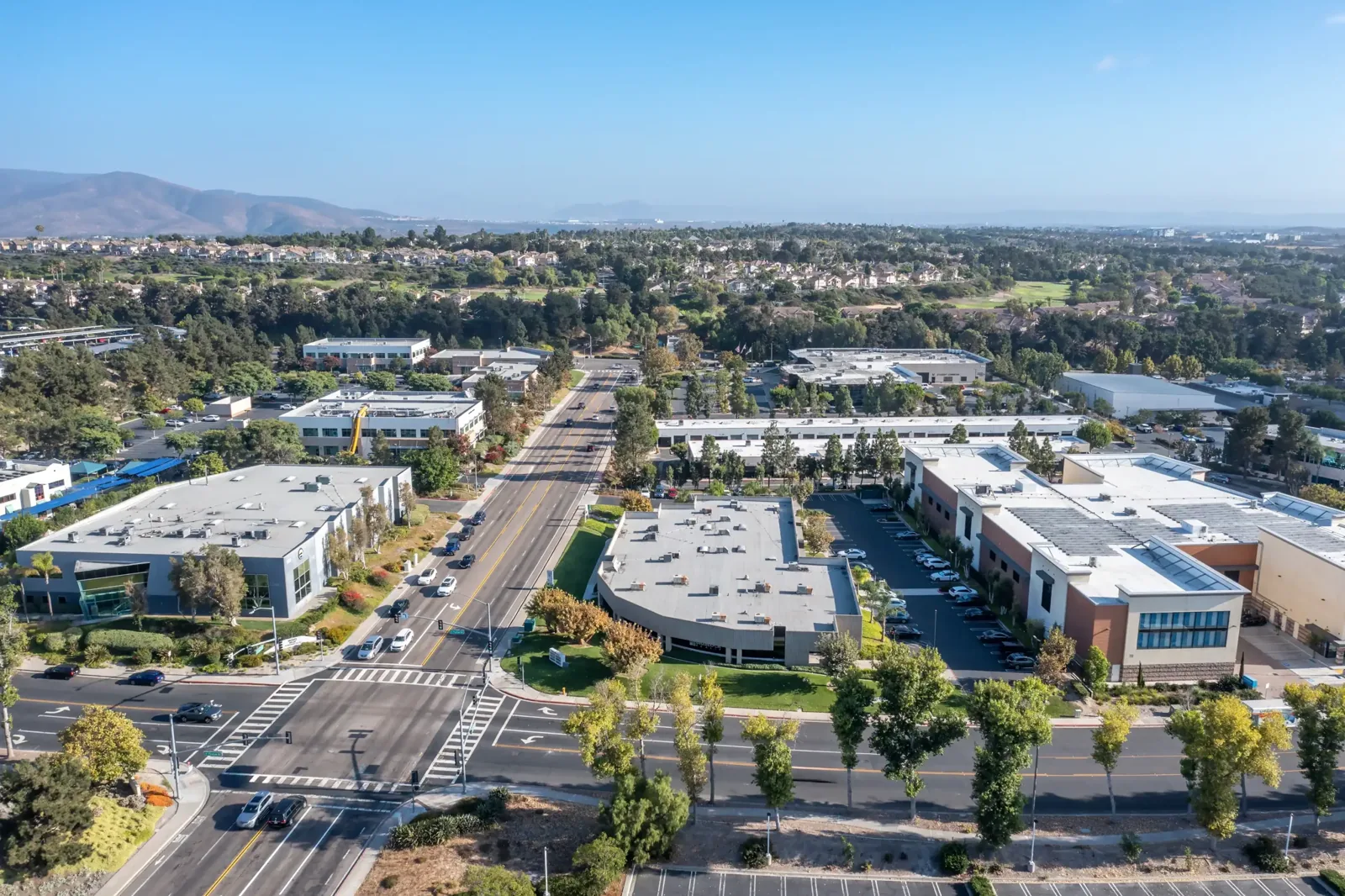
Chula Vista’s commercial and employment districts extend from western business corridors to Otay Valley, Otay Mesa and Eastlake. H Street links retail and office activity, while Otay Mesa connects employment land with regional freight routes. We confirm each building’s service entrance, roof access and operating hours with its property contact.
We review the roof plan, prior repair scopes, available closeout files, and any warranty paperwork supplied. A condition survey report can establish a dated record of visible items. A separate asset register may be useful after closing, but the due diligence report should answer the transaction’s defined question and record its inspection limits.
Walk the Assembly and Its Water Controls
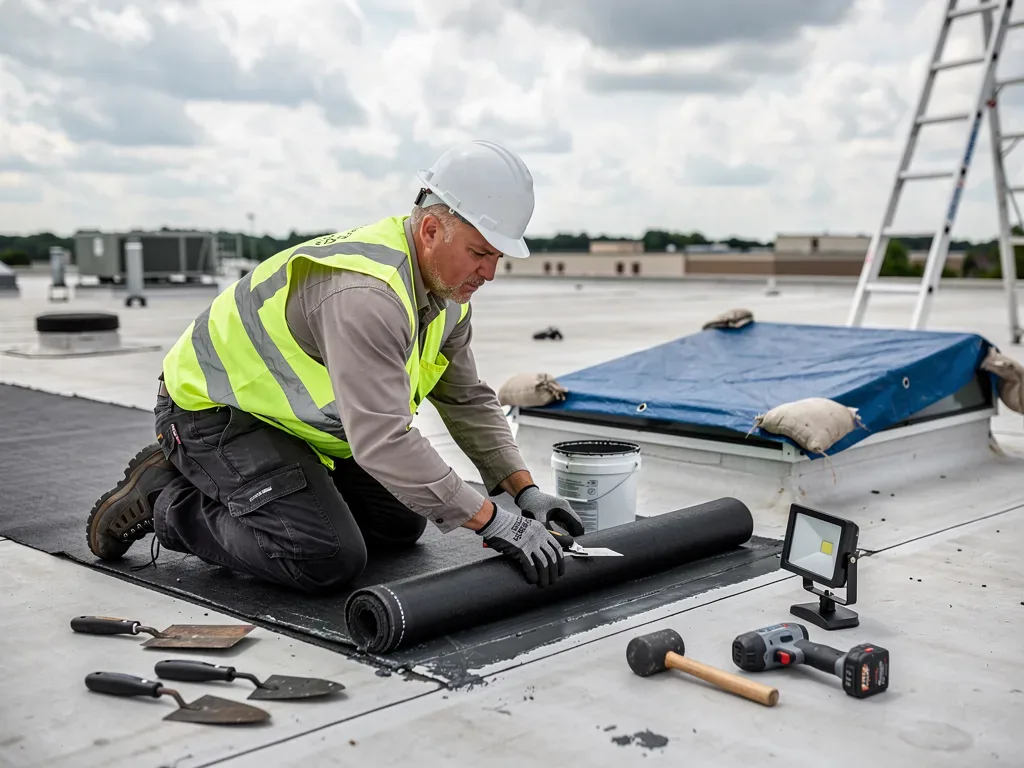
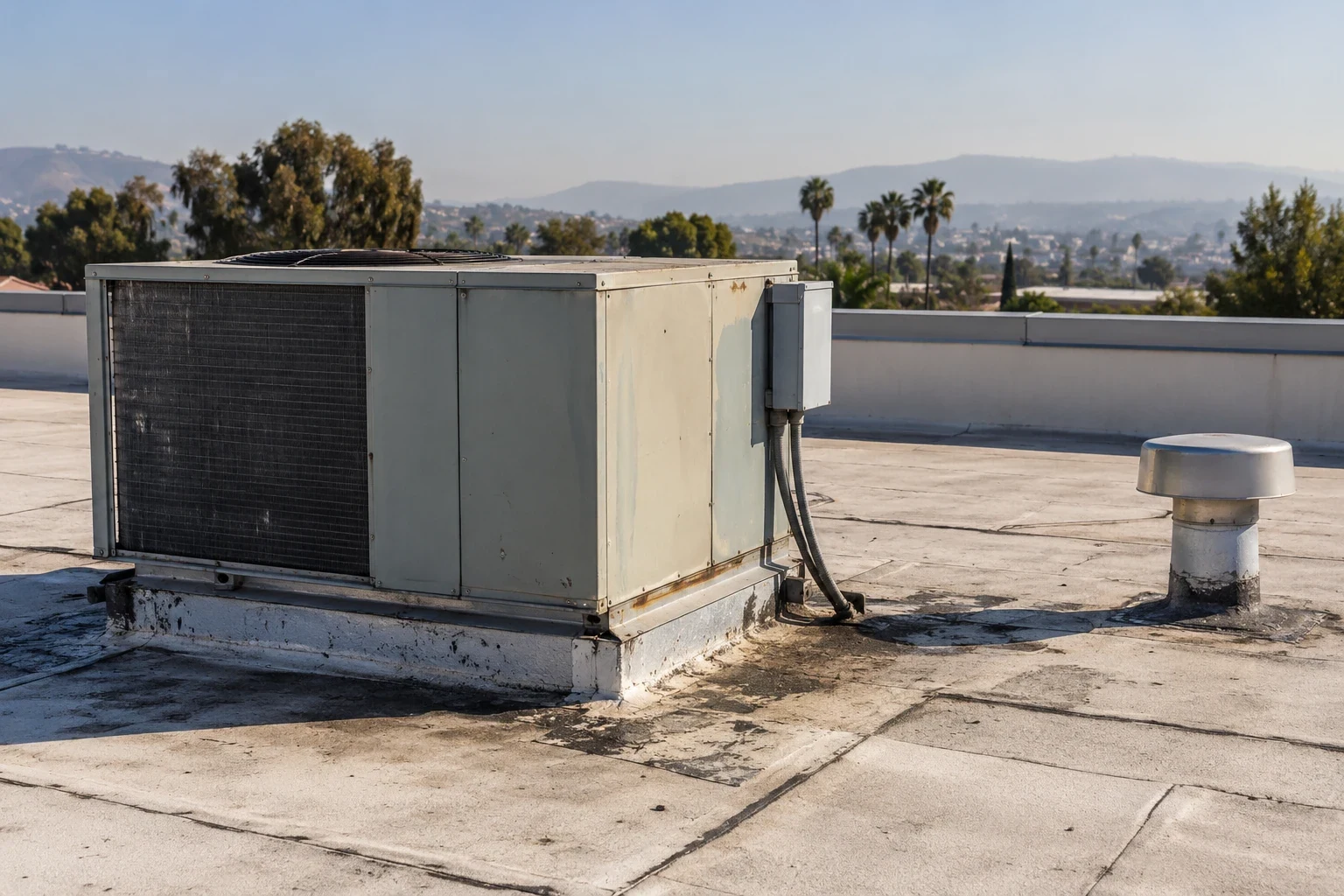
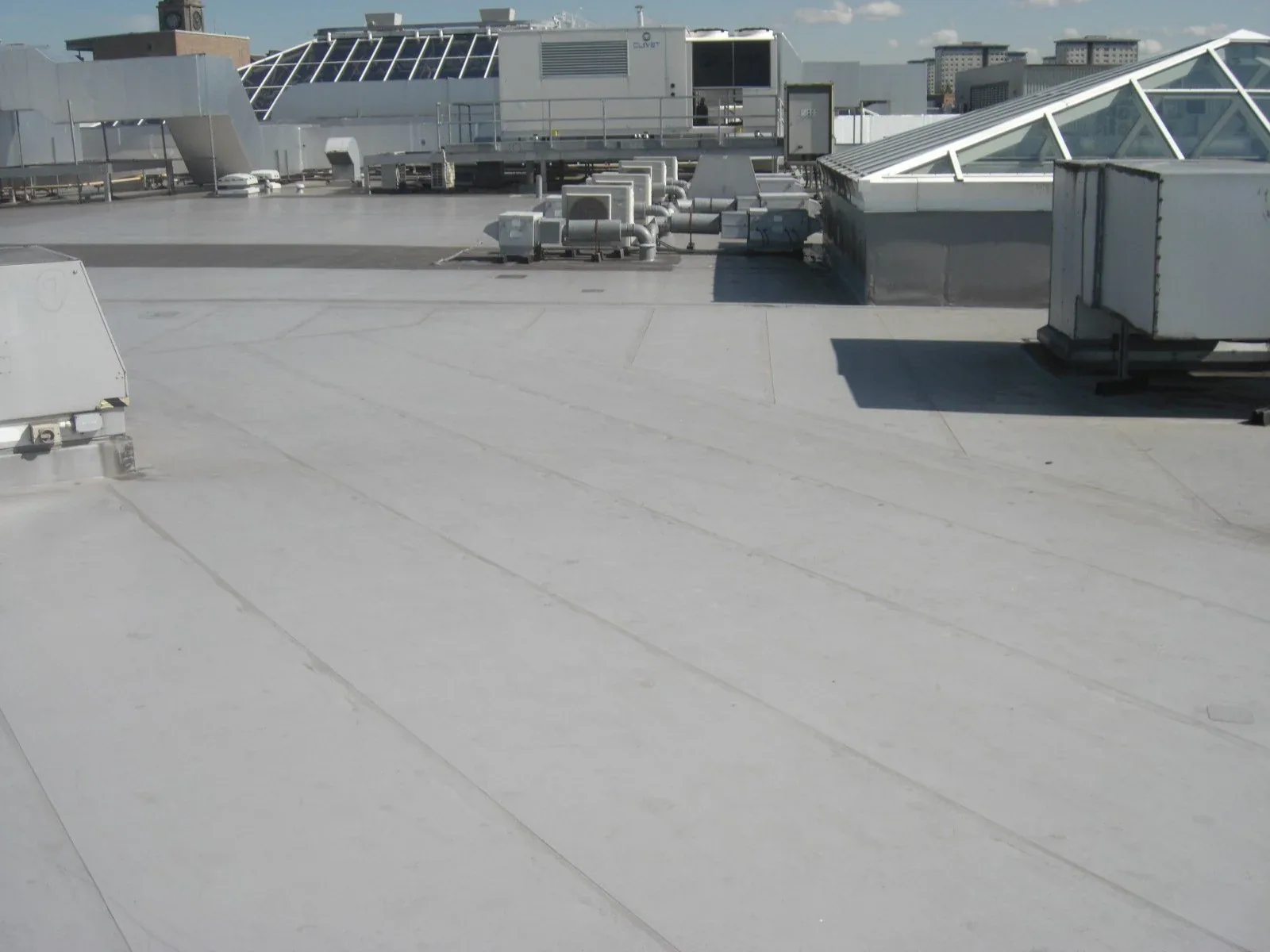
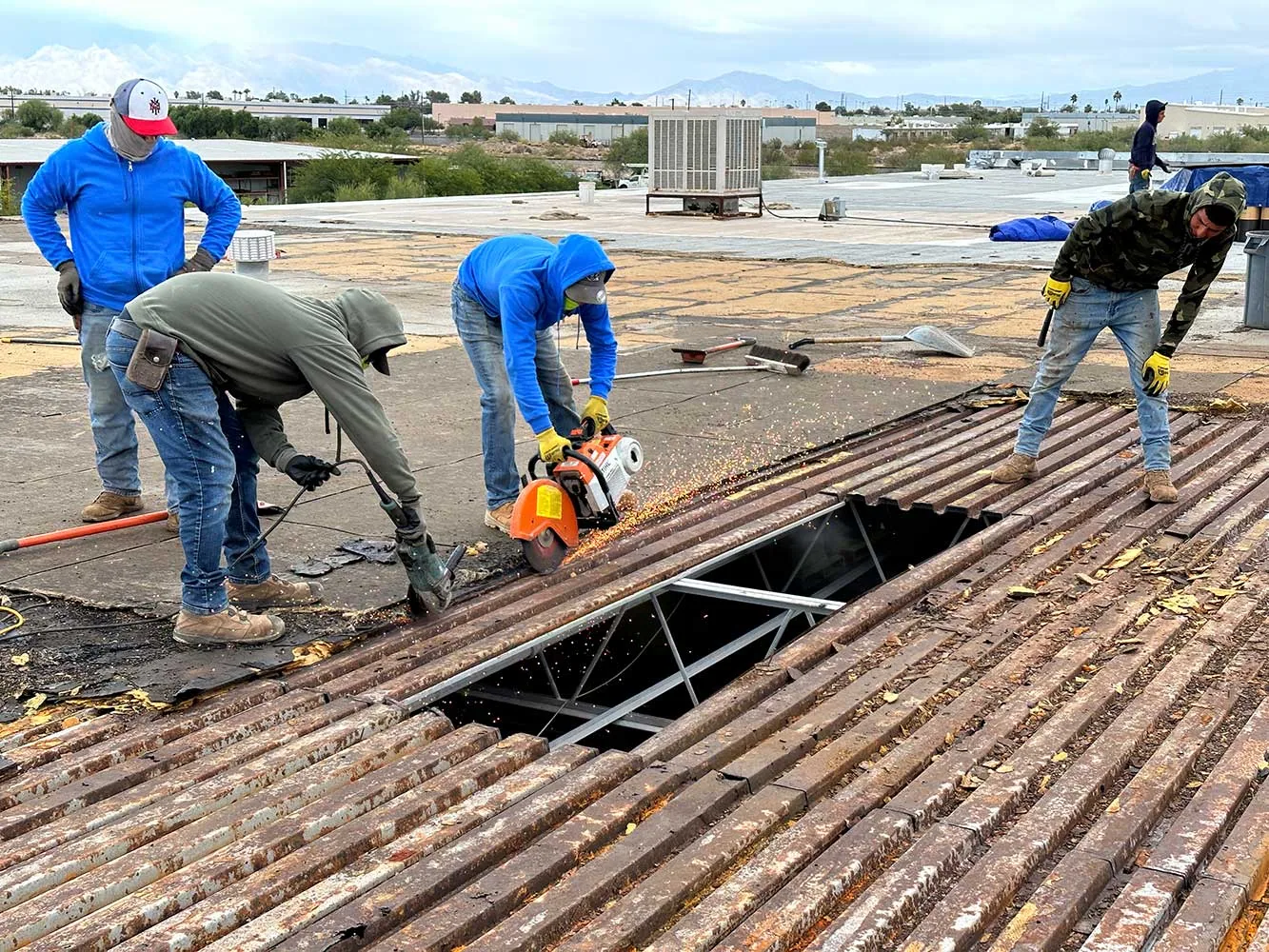
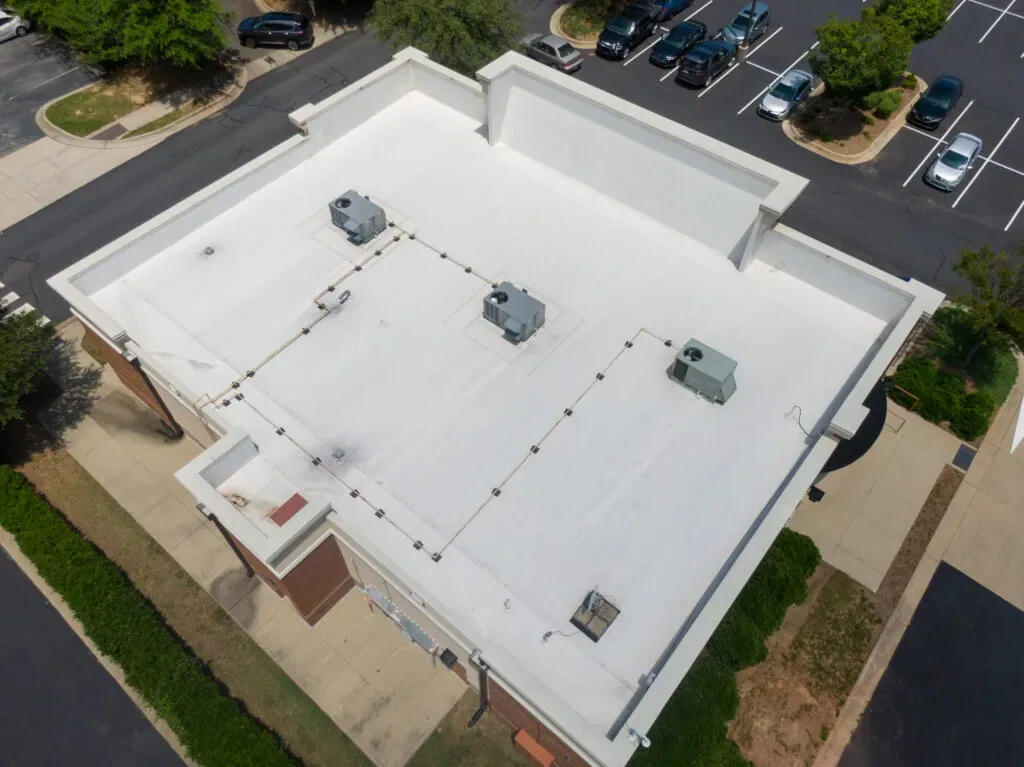
We inspect membrane or metal surface, seams, laps, curb flashing, penetrations, edges, drains, overflows, and prior repairs. The objective is to see how each component sheds water and where the assembly may have lost continuity. A drain bowl may be clean while a low area holds water; an apparently intact membrane can cover wet insulation. We record visible conditions and identify where a test opening would clarify concealed layers.
Interior observations can help locate a roof zone, but they do not always mark the point of entry. Water may follow framing, deck flutes, or conduit before it appears. When the buyer reports staining, we compare the room and roof detail, then separate observed damage from a suspected path. A commercial inspection can include roof and accessible interior review; a moisture survey may help prioritize locations for verification where the assembly warrants it.
Chula Vista’s coastal setting is generally mild, while inland valleys can see wider temperature ranges and more frequent freezes. During the walk, we record corrosion, movement, coating condition or moisture where the field inspection finds it, then explain how each observation affects a repair or testing decision.

Compare the File with the Field
Plans and repair records are useful when they match the building in front of us. We record differences between available drawings and visible curbs, roof levels, drainage or material transitions. An old invoice can show what someone repaired at the time, but it does not confirm current performance. If a roof area is inaccessible, we list that gap rather than assuming a nearby inspected section represents it.
Where a written warranty is provided, we record its stated issuer and the roof or work it covers, then flag questions for the party that administers it. Check the written warranty for its issuer, covered roof or work, term and assignment requirements; a product name alone is insufficient. If a buyer expects an assignment or consent, that is a document review for the transaction parties. Our field report can identify visible roof conditions and repairs; it cannot decide what rights transfer under an agreement.
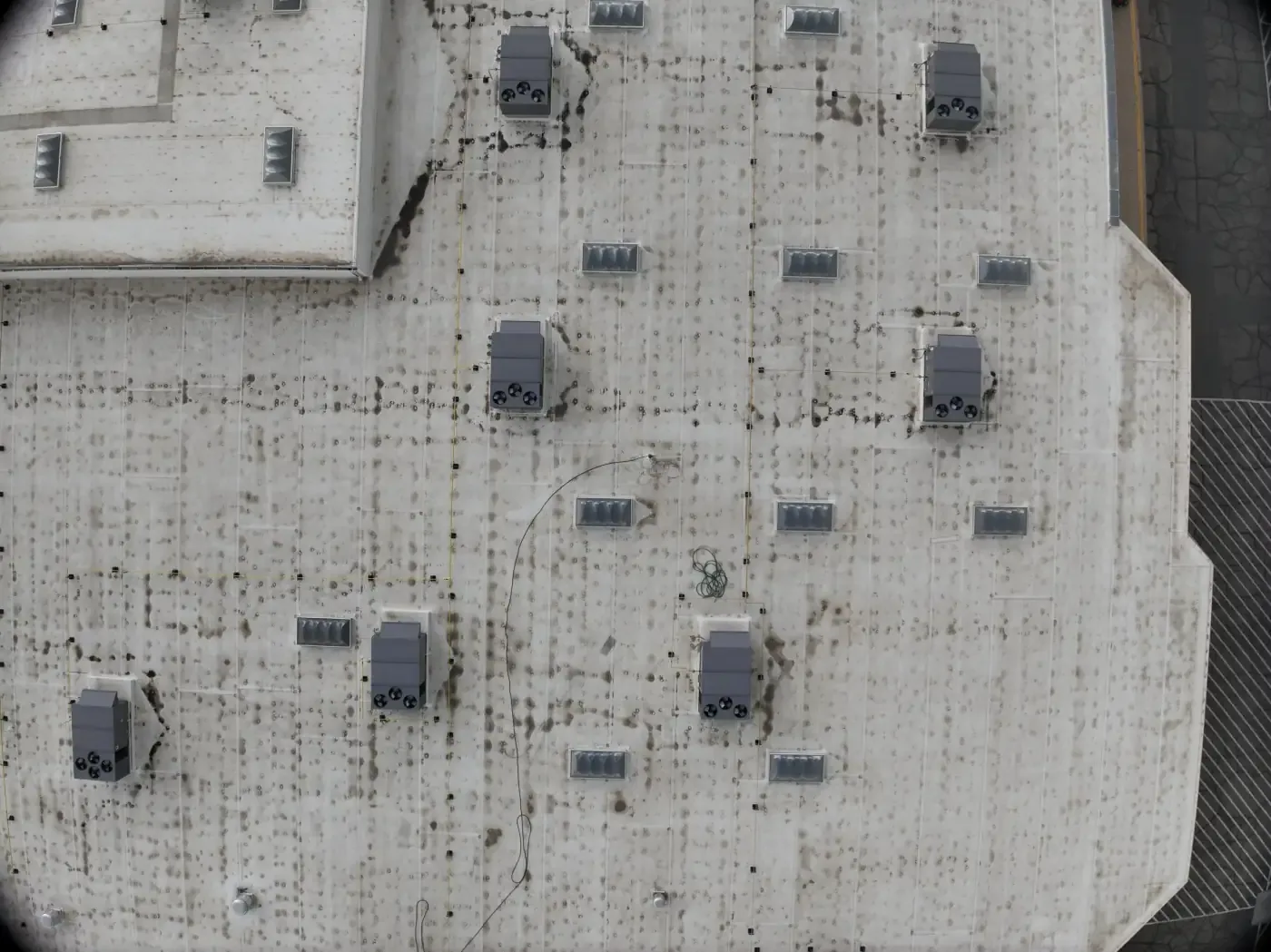
For an occupied property, we ask who can release roof access, which work hours are acceptable, and whether equipment shutdowns need coordination. Drone inspection may help view obstructed or extensive surfaces, but it does not replace hands-on review of flashing, membrane condition, or a suspected wet layer. The survey states which methods were used and what remained out of view.
Translate Findings into Repair Exposure
A buyer needs to know what could require work soon and what remains uncertain. We group findings by roof zone and describe an appropriate next step, such as localized repair, test opening, maintenance, or broader replacement review. If concealed moisture is possible but unconfirmed, we identify the area and the test needed before setting a removal quantity. The report does not price unseen damage as though it has already been measured.
Repair costs and schedule depend on system, affected area, access, removal depth, insulation, drainage, edge details, rooftop equipment, and occupancy. A localized repair scope differs from replacement work involving tear-off and new transitions. The recommendation shows those alternatives separately so ownership can compare scope and timing. A budget horizon can then account for a confirmed item and a contingency that still needs investigation.
Winter is the main rain period in the San Diego region, though totals vary by year. The survey notes active weather and any temporary protection in place during the visit. That helps a buyer understand which findings were observed in dry conditions and which roof zones need another look after water exposure.
Deliver a Report the Buyer Can Carry Forward
The final report identifies the property, roof zones, apparent system, observed conditions, photos, access limitations, and follow-up actions. We distinguish repair items from documentation gaps and recommended testing. If the survey uses a sampling approach or excludes a roof section, the report states the boundary. A buyer can then request more evidence or adjust a project scope without mistaking a limited review for a full destructive investigation.
Chula Vista’s city routes connect western business districts with employment areas farther east. When the diligence walk includes more than one property, travel timing and gate access can affect how much roof is reviewed in a day. For a building near the EastLake Business Center, the site contact can confirm the proper entry and operating window. The report preserves that site-specific context along with the roof findings.
Send the property list, transaction timeline, available plans, repair history, leak reports, and access contact. We will inspect released roof areas, record what needs testing and return a condition summary for the purchase or refinance discussion. After ownership changes, the findings can feed a capital plan or maintenance schedule, with each decision still tied to current inspection.