Access before material arrives
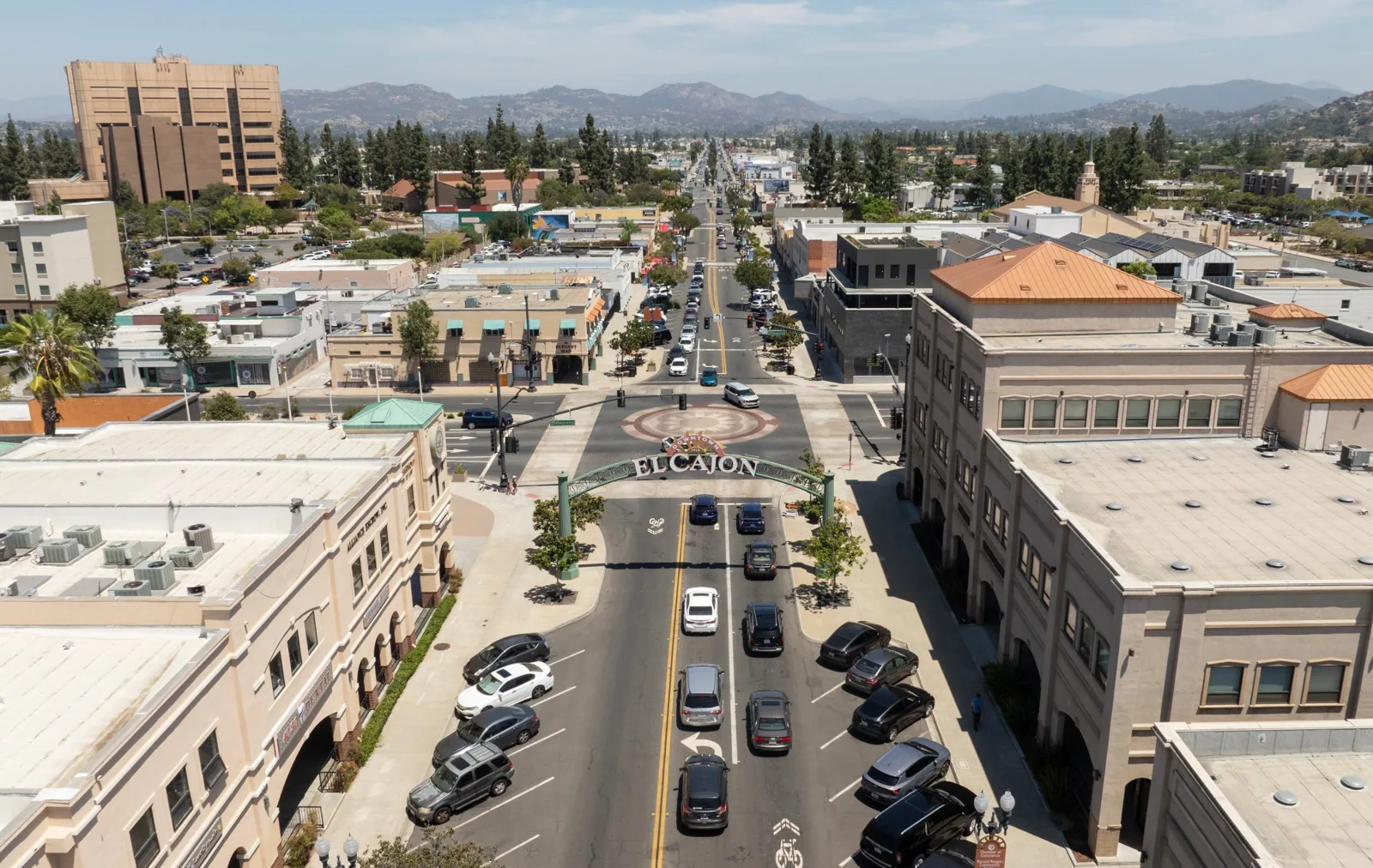
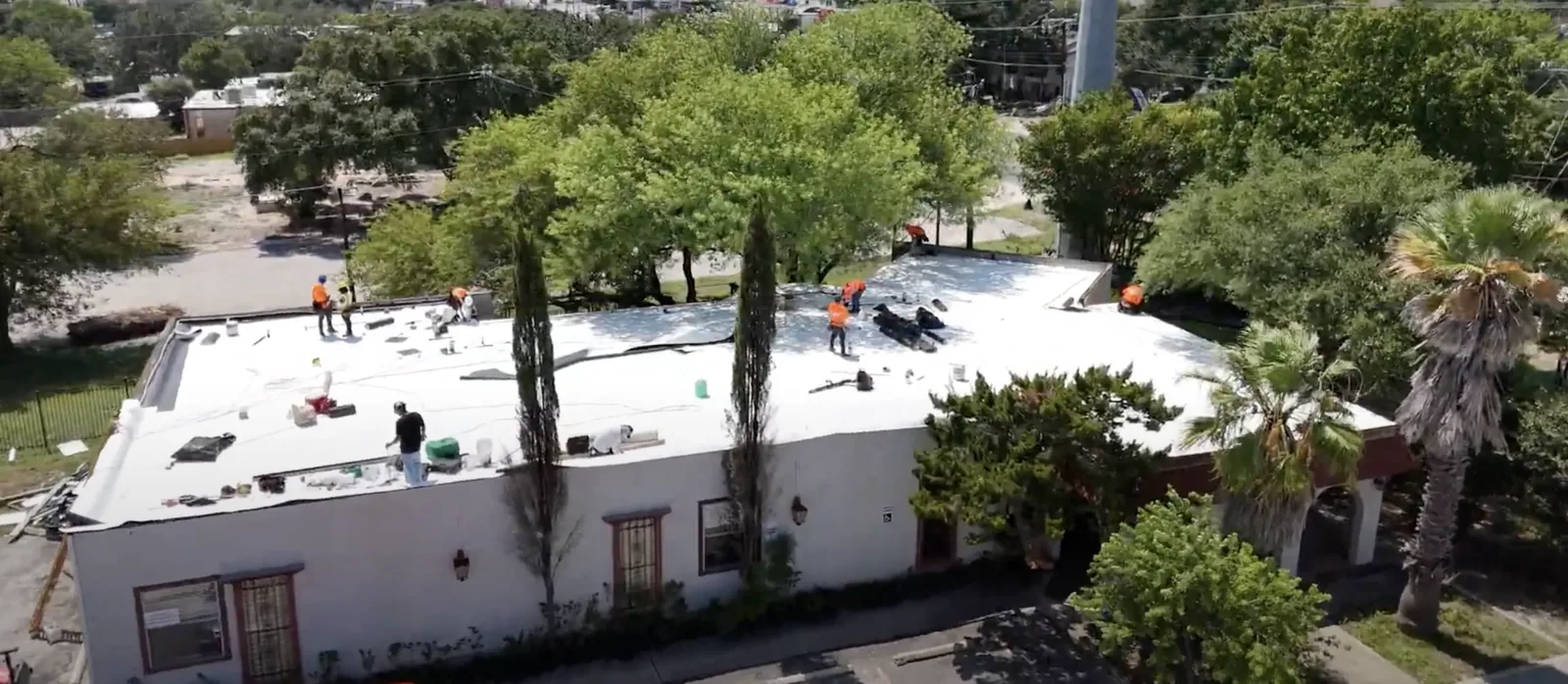
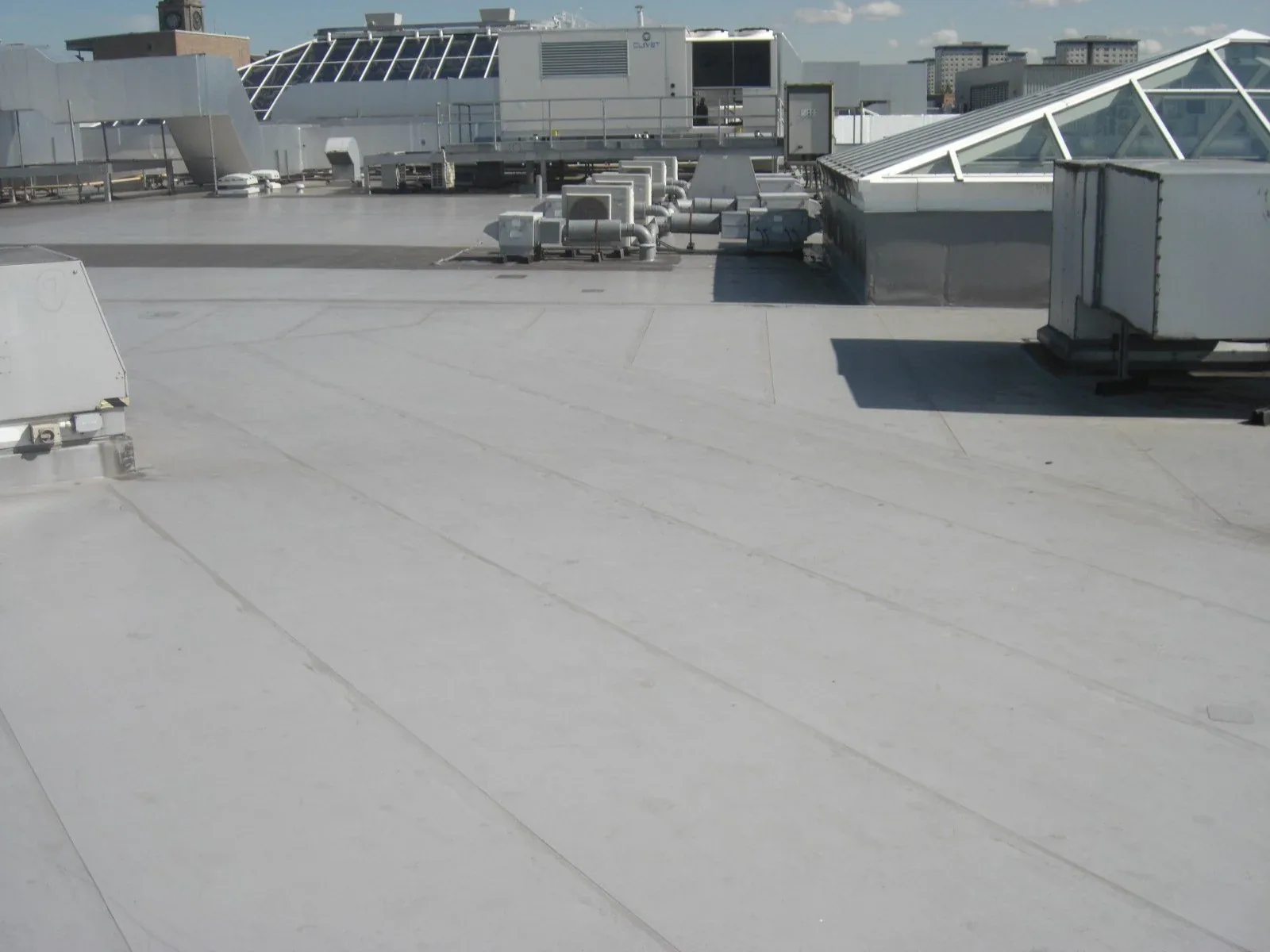
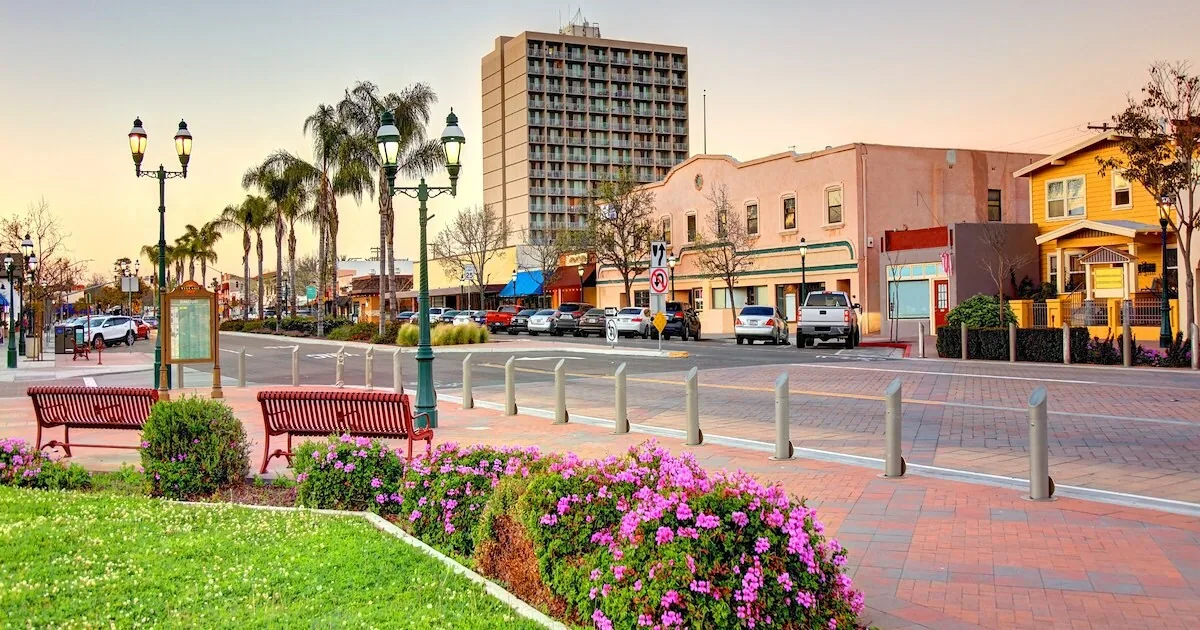
A site plan that names a roof hatch but ignores the route below it is incomplete. We confirm the access point, ladder or lift position, staging area, loading route and any door that must remain available. Where transit, sidewalk or vehicle circulation matters, the site contact identifies the active path and the crew keeps the work boundary clear of it. The corridor's improvement planning includes transit access, pedestrian safety and multimodal street design; it does not establish a construction closure or authorize work in public space. If a project needs a lane, sidewalk or other public-area restriction, that must be coordinated through the responsible authority before work begins. On the roof, we sequence material movement so the crew can protect drains and avoid carrying debris across finished membrane. For repairs over an occupied business, a daily update identifies the roof zone being opened, how it will be dried in, and which access route changes. Our occupied-building reroofing planning can divide a larger job into sections that preserve the operations the owner has identified. That sequence is written around actual site constraints, not a general assumption about what a corridor project allows.
Trace the leak before cutting
Water at a ceiling joint may have entered at a roof penetration several bays away. We compare the reported room with the roof plan, then inspect the membrane, nearby curbs, wall transitions, seams and drainage path. A split lap can admit water without showing a large opening; a failed curb flashing may feed water under the membrane; a blocked drain can keep it at a low point long enough to expose another weak detail. These conditions can look similar from the interior, so we document each roof-zone finding before opening the assembly. If moisture is suspected below the surface, an infrared moisture survey can identify patterns for targeted confirmation, while a controlled opening reveals the actual layer condition. Neither method replaces context from the roof system and the weather history. The inspection record marks confirmed damage separately from areas that need a closer look. That keeps the repair boundary small where the failure is isolated, and makes the case for broader removal when wet insulation or repeated seam failure extends beyond one detail. The owner sees how the evidence leads to the proposed work.
A repair boundary that holds
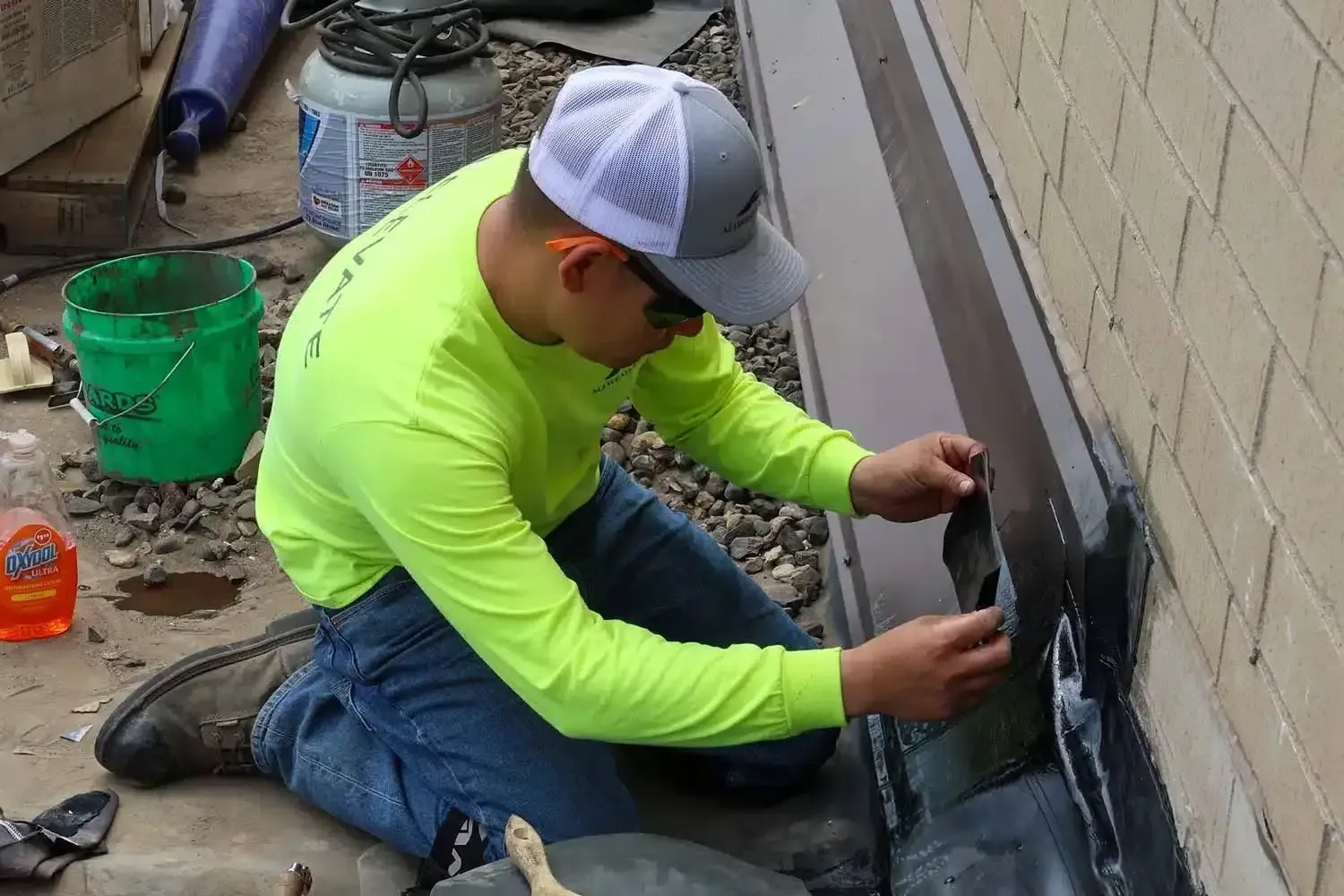
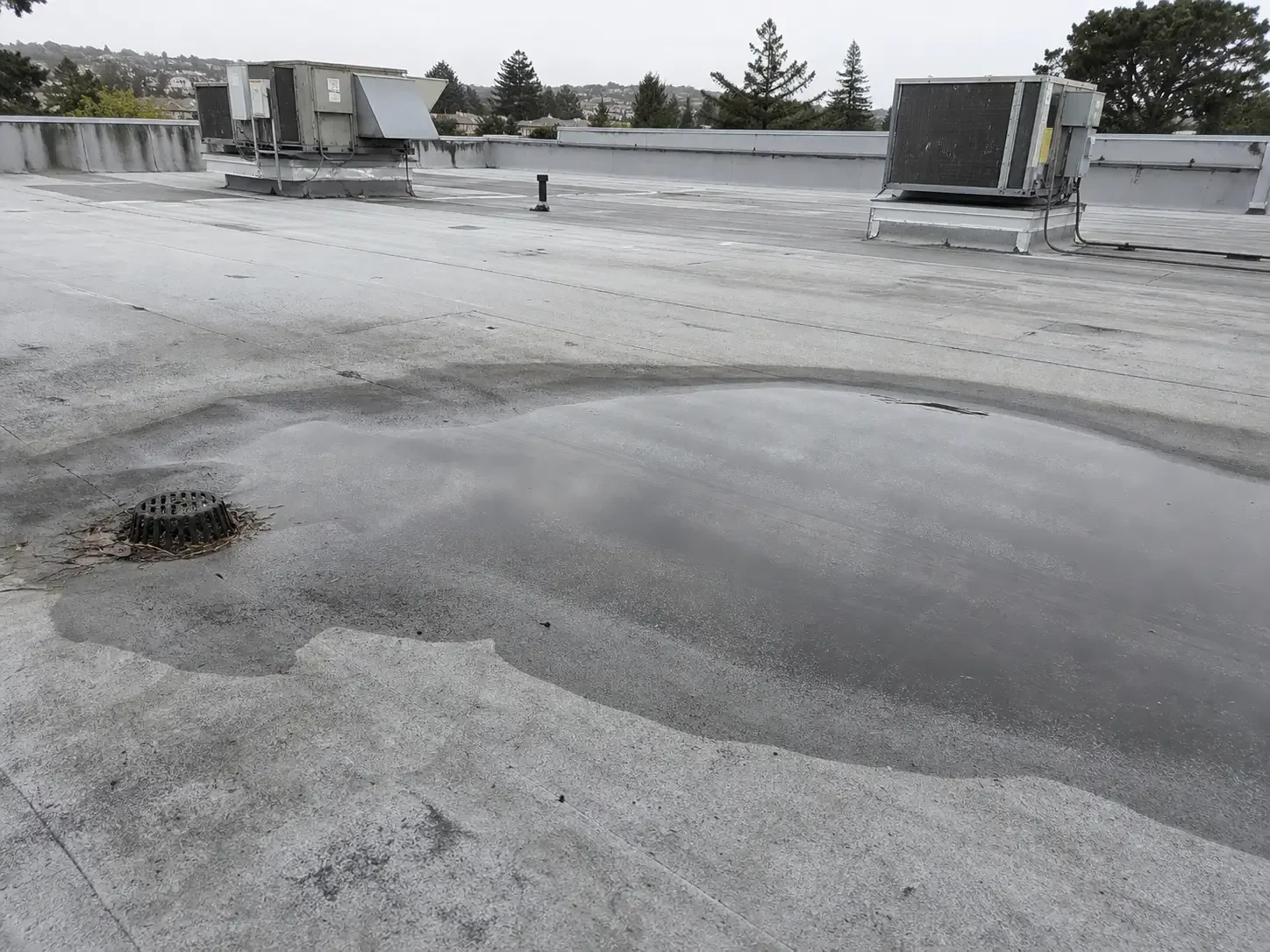
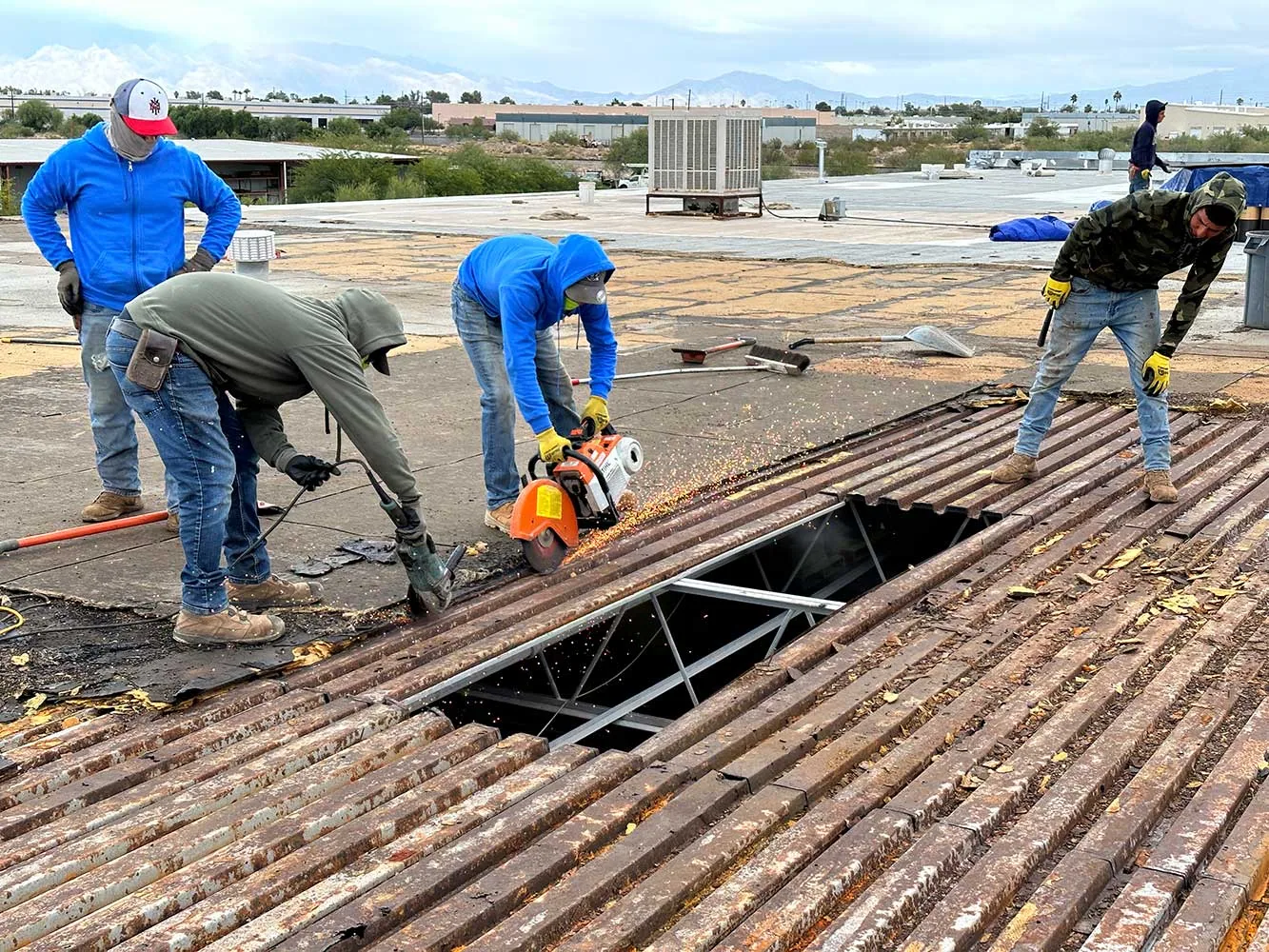
Once the entry point is confirmed, the next question is how far the repair should extend. The crew removes loose material to a sound tie-in, prepares the exposed layer and reconnects compatible material with secure edges. If the membrane is brittle or several seams have opened, a small patch may leave the surrounding system vulnerable. If the substrate is wet, simply adding a new membrane layer traps the condition rather than resolving it. We compare stabilization, localized repair and replacement based on the assembly, moisture extent, drainage and the number of details that need rebuilding. Cost follows those same factors: removal depth, access, curb and edge work, disposal, staging and the size of the dry-in area. For an active leak, commercial leak repair can begin with temporary protection and a documented permanent scope. If water remains at a low point, ponding-water repair can address the drainage path and exposed membrane together. A scope should name what is included, what remains sound and what concealed condition could change the work after opening.
Weather window and roof surface
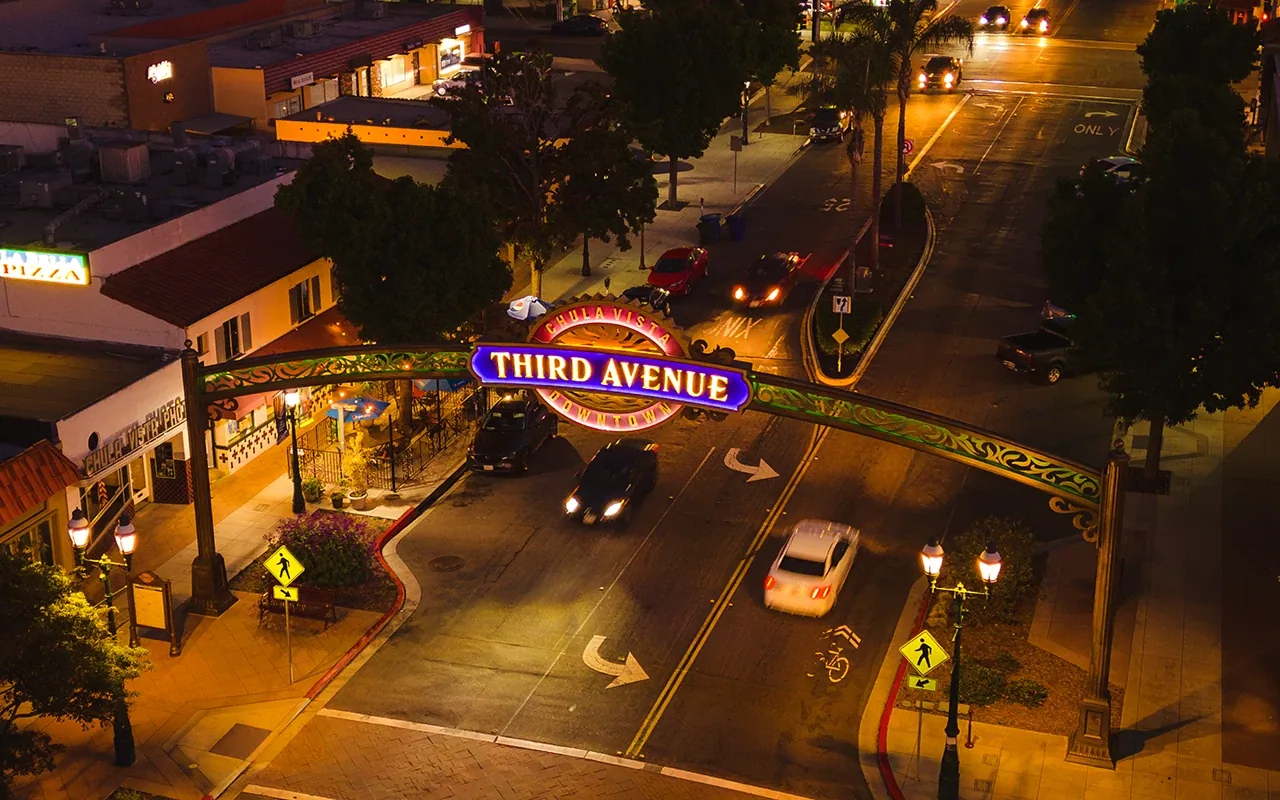
Chula Vista's climate has a mild, wet-winter profile, while the broader San Diego region receives most of its rainfall from November through March. That market context helps with seasonal planning; it is not a forecast for a roof on 13th Street. We schedule membrane work around actual weather, substrate moisture, required cure time and the amount of roof that can be safely opened. Coastal air also makes exposed metal worth inspecting at coping, edge flashing and equipment supports. Corrosion or a loose joint can interrupt the roof's water-control line even when the field membrane appears intact. We check the metal's attachment and its connection to the membrane, then specify replacement or repair where the inspection confirms a defect. On single-ply systems, the patch material and welding method must suit the existing membrane; on built-up or modified-bitumen roofs, the repair needs a sound, dry tie-in. A commercial roof repair scope should state those material and preparation requirements. When a broader assembly decision is needed, replacement planning includes tear-off limits, dry-in staging and a clear handoff for each completed zone.
A useful record for the next decision
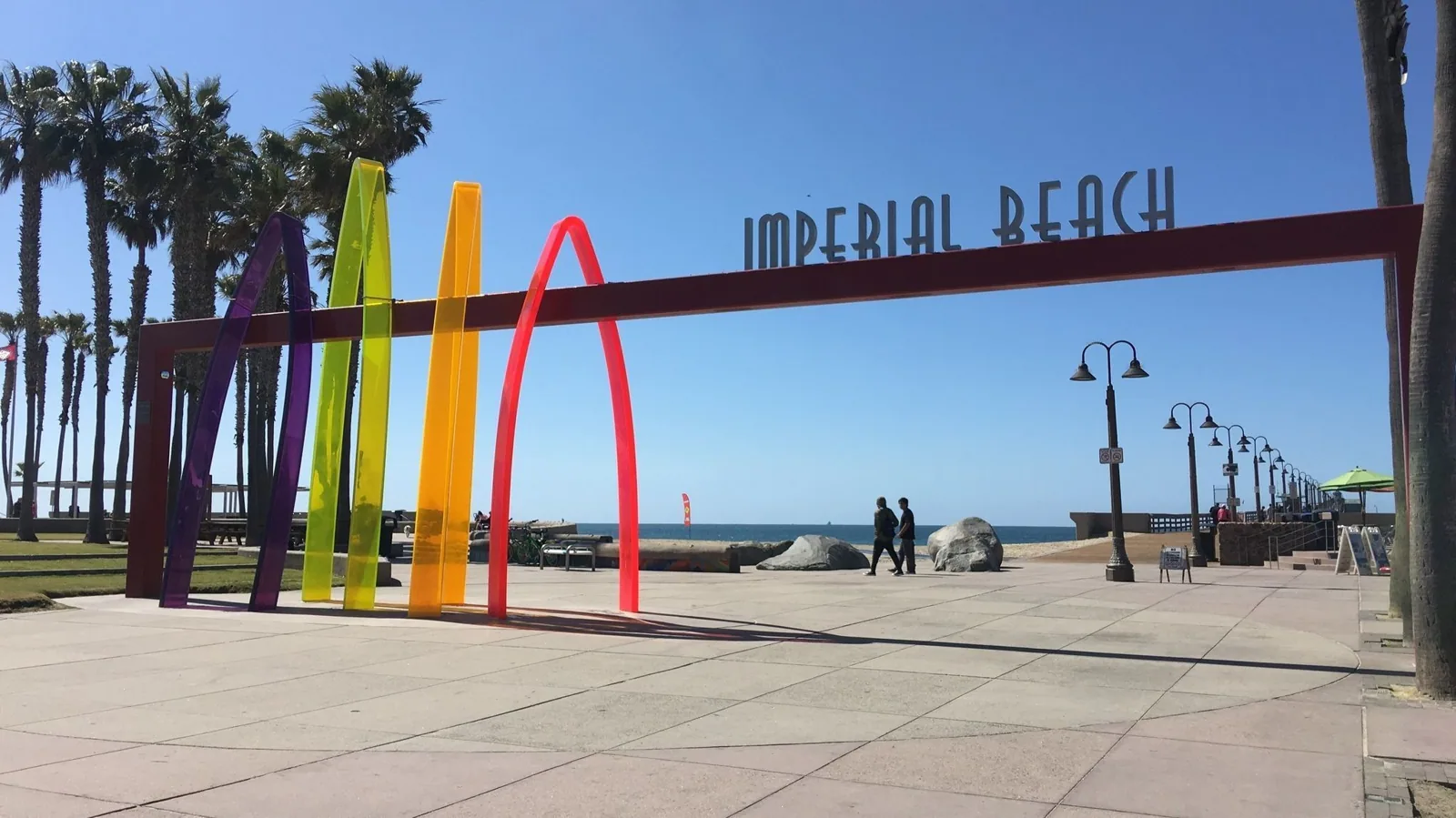
After a roof walk, the facility contact should be able to connect each recommendation to a location and a photo. Our written record identifies observed conditions, the repair boundary, remaining questions and what would trigger a return visit. That is useful when an owner is comparing an emergency patch with a planned capital project, or when the same manager coordinates work in Imperial Beach and Chula Vista. The city's corridor plan considers infill, redevelopment and economic growth along the route, but those possibilities do not reveal a property's present roof condition. A current inspection is the basis for a scope. For Chula Vista properties, the city adopted the 2025 California Building Code with local amendments; an Imperial Beach project must be checked against the rules and permit process that apply there. We do not carry one jurisdiction's requirements across a city boundary without review. To arrange a roof walk, share the affected building, roof zone and access contact. We will identify what can be repaired now, what needs confirmation, and how to keep the work boundary understandable to the people using the building.