Understand the layers and surfacing
Built-up roofs use multiple layers of reinforcing felts set in bitumen, capped by a surface treatment such as aggregate, a smooth coating, or a cap sheet. Confirm the number of plies, bitumen type, and finish from records or accessible edges. A roof may have been resurfaced or recovered, so visible aggregate does not prove what lies below. Record what is confirmed and what would require an approved opening.
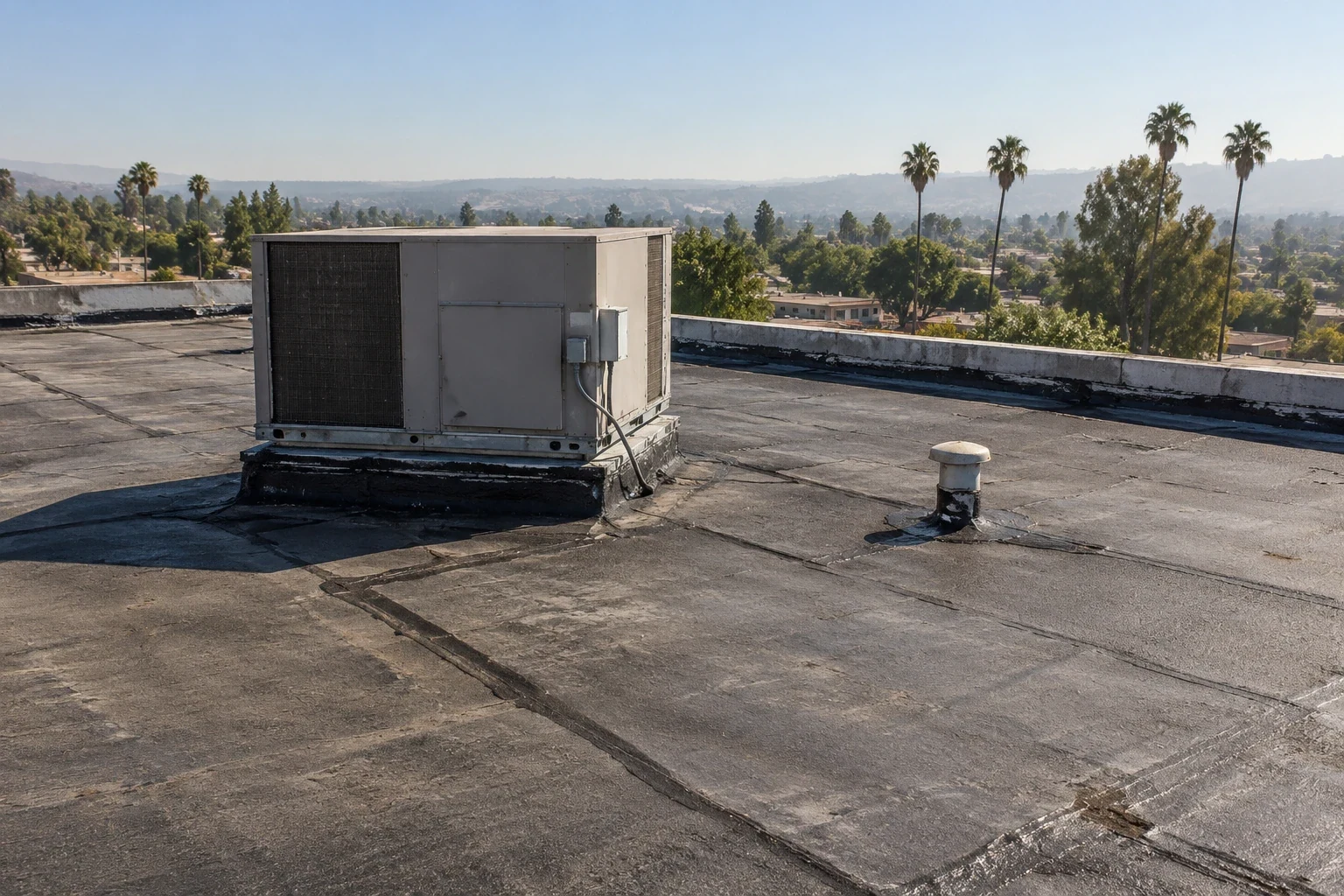
Look for loose or displaced aggregate, exposed bitumen, cracks, ridges, and areas where water remains. These signs help focus the inspection but do not identify the cause by themselves. A surface coat can hide a crack or previous patch; compare it with records and check terminations, drains, and roof penetrations. A roof inspection should tie each finding to a roof zone and identify concealed conditions that remain unverified.
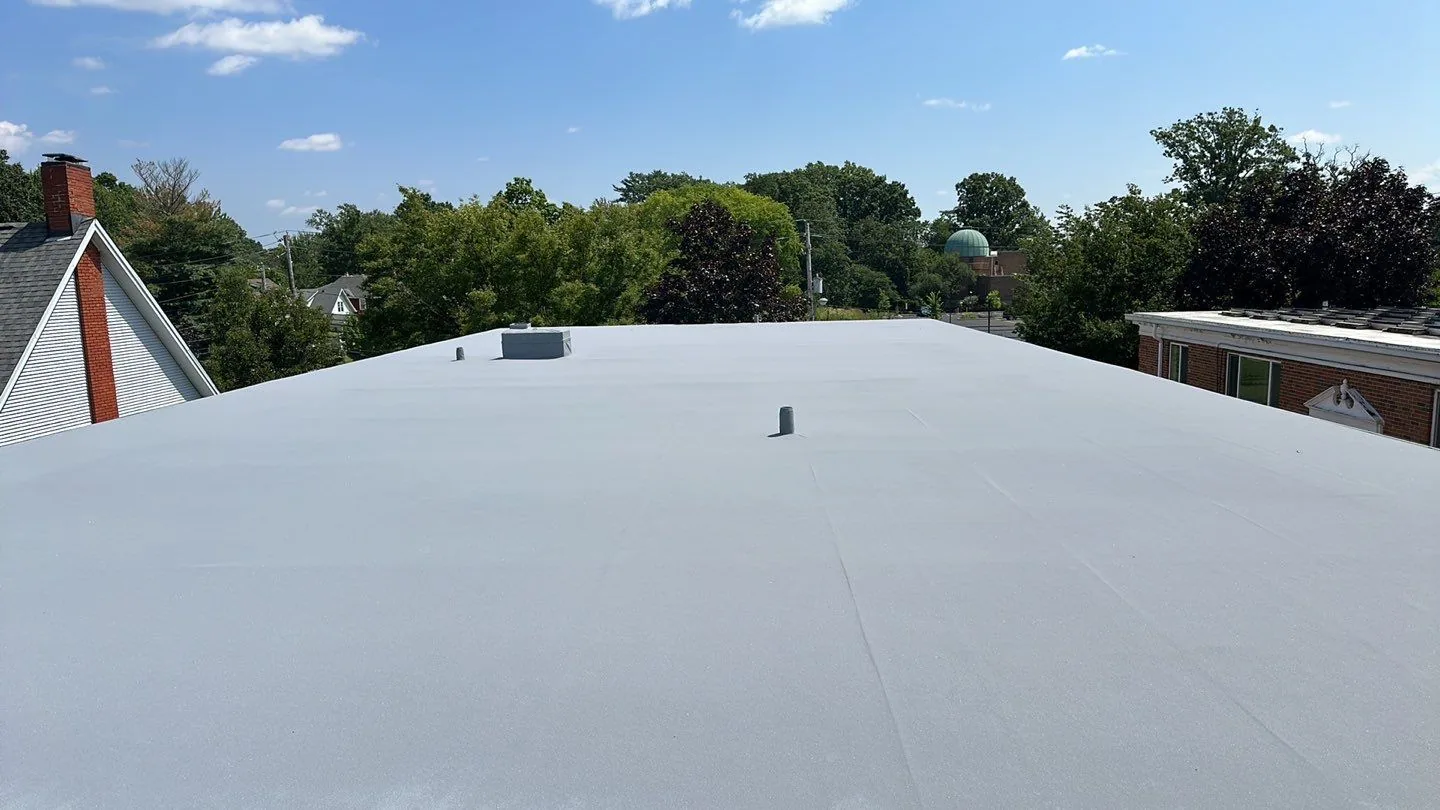
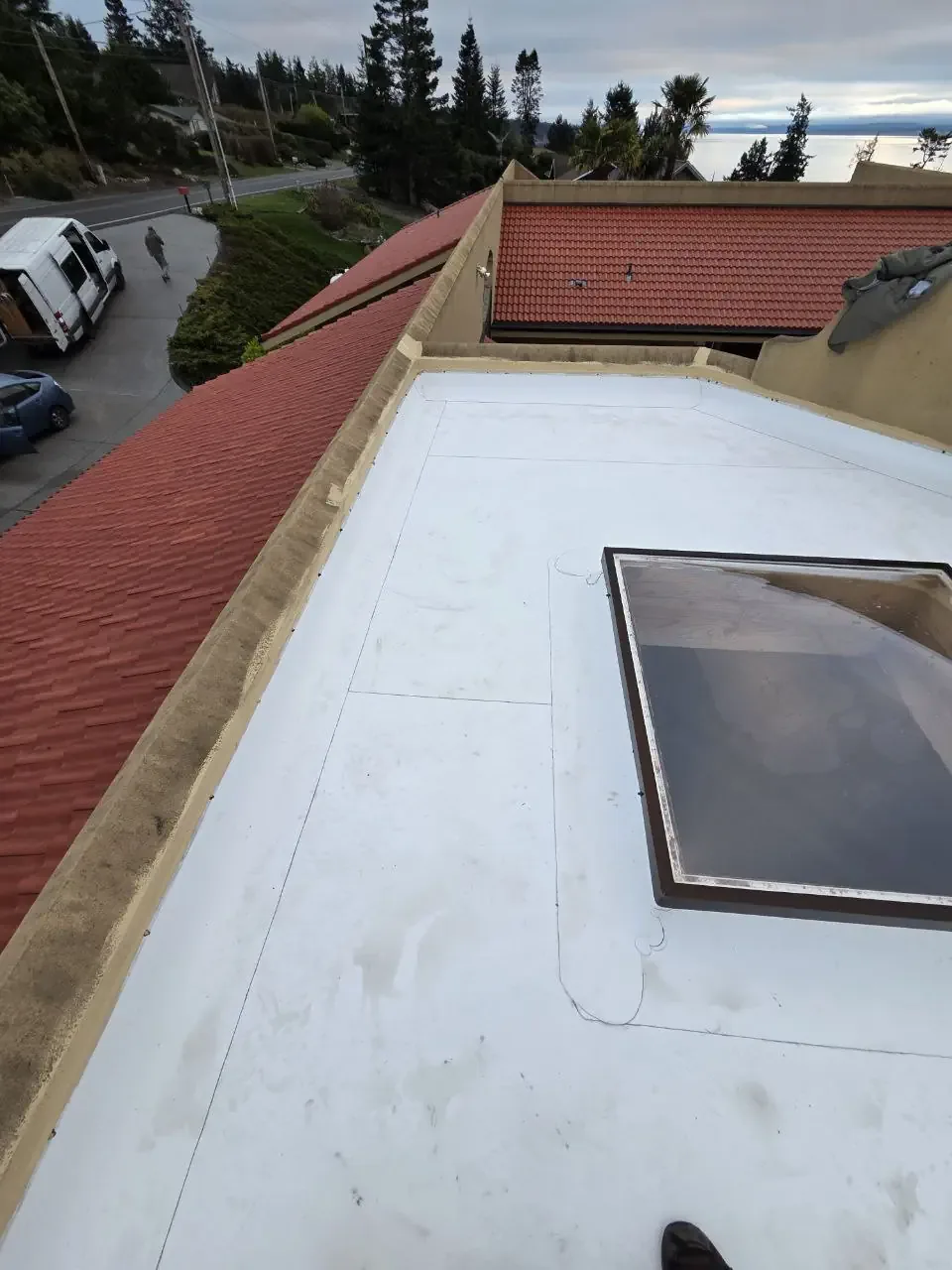
Map transitions where additions, equipment curbs, and previous repairs interrupt the field. Built-up layers can end at a wall or drain in different ways, and later work may introduce a single-ply material. A TPO membrane is a different assembly, so label that transition before planning repair.
Read surface and ply distress
Blisters can form when air or moisture separates part of the assembly. Check whether a raised area is isolated or follows a seam, and look for movement, cracking, or exposed reinforcement nearby. Do not cut a blister without a repair plan and safe weather boundary. If the roof has smooth surfacing, record cracks and splits; with aggregate, inspect areas where stones have shifted or bitumen is exposed.
Probe suspicious seams gently and mark the point where bond changes from loose to firm. If a ply has pulled away, repair material must connect to sound layers rather than simply cover the edge. Record the direction of laps, changes in slope, and any standing water. A seam and ply repair should state whether surfacing is restored and how the layered edge is sealed.
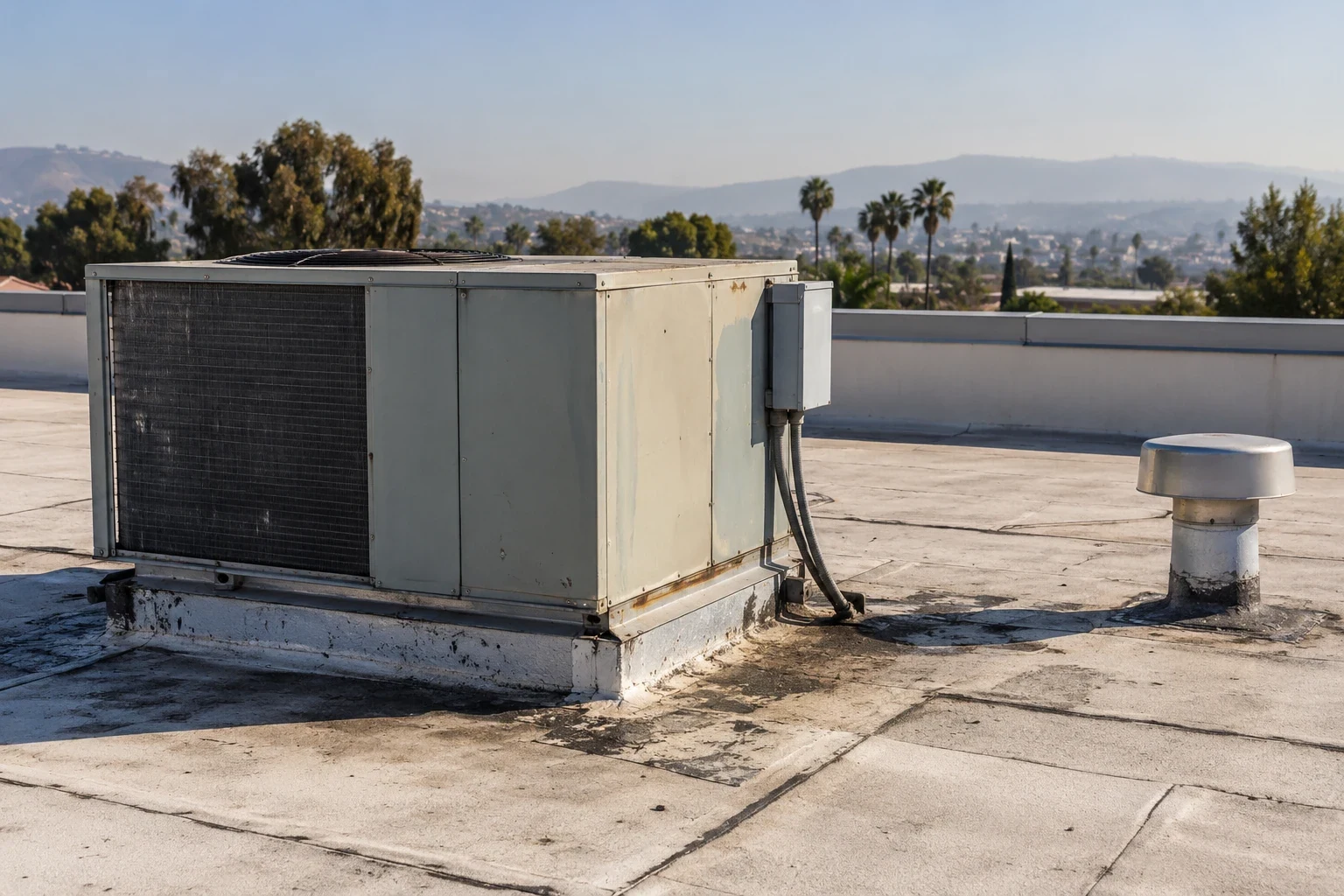
At parapets, curbs, expansion joints, and penetrations, follow the membrane up to its termination. Check corner reinforcement, metal attachment, counterflashing, and the condition of substrate beneath vertical flashing. A sealant bead may be a maintenance item, but it cannot substitute for a detached or incomplete roof-to-wall connection. Photograph the detail with enough surrounding context to identify its location.
Follow water and check below the surface
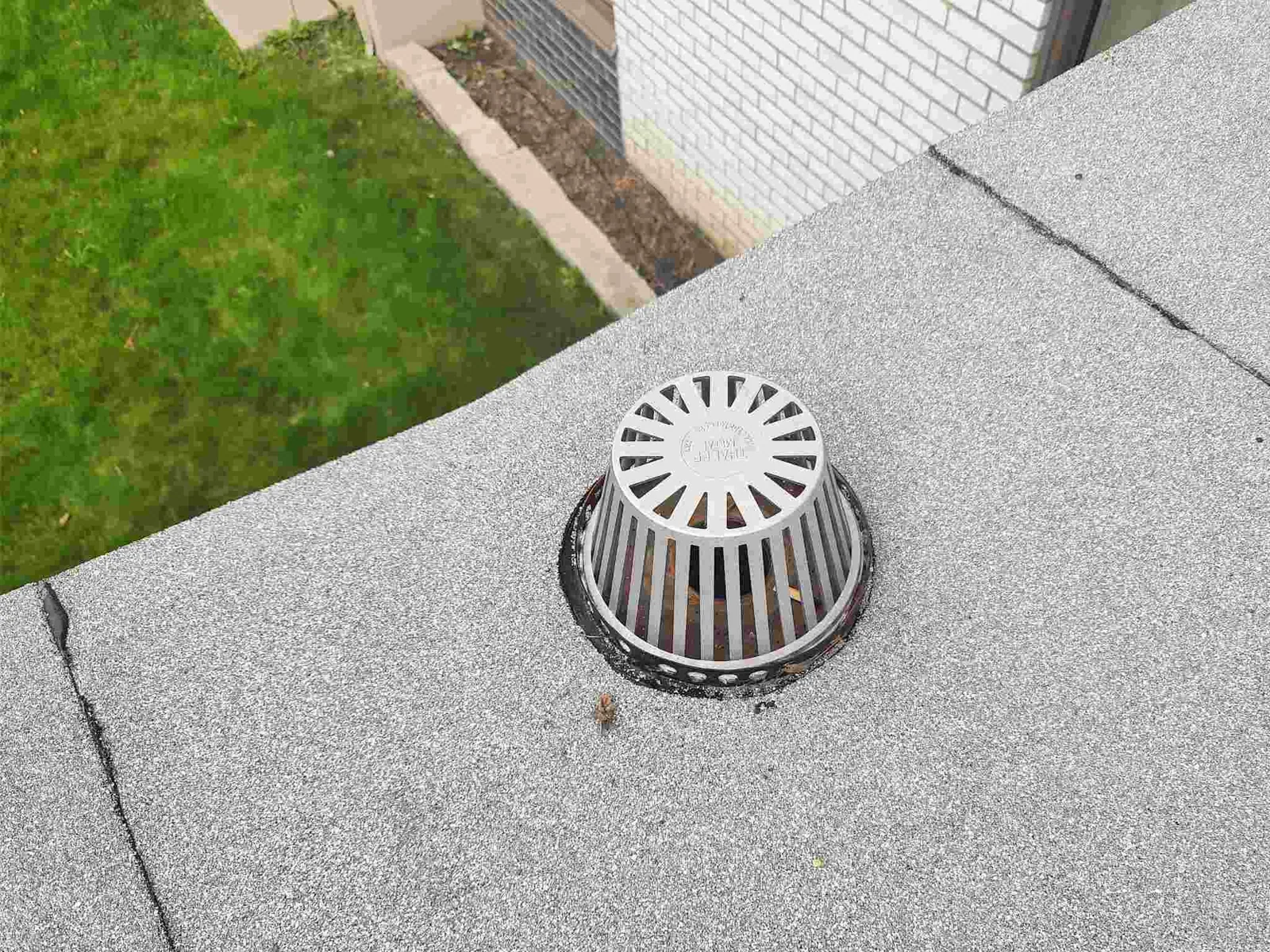
Water should move to the designed outlets without collecting behind curbs or at isolated depressions. Inspect drain strainers, bowls, clamping rings, scuppers, and overflows. Check whether prior roof layers raised the field above an outlet or altered the slope. A drain and scupper review can identify whether cleaning is enough or the membrane connection needs repair.
Interior staining can appear away from the roof entry point. Trace the likely path through seams, penetrations, and deck lines rather than placing a patch directly above the ceiling mark. Moisture testing may help find areas for confirmation, but an indication is not a complete diagnosis. Where layers are saturated or the deck is unsound, a small surface repair will leave the underlying problem in place.
Most regional rain arrives in winter. Schedule removal in sections that can be protected and closed within the shift. Keep outlets clear and check temporary tie-ins before leaving. If a closure is delayed, document the open boundary, protection installed, and next inspection time so the property contact understands the exposure.
Plan work around the building
Bitumen application, torch work, and other heat-producing operations need a site-specific safety plan. Confirm the installed assembly, combustible conditions, concealed spaces, fire controls, and access to the work area. Select only a method suited to the existing materials. Where a proposed approach raises a fire or compatibility concern, resolve it before opening the roof.
Chula Vista's coastal and inland terrain brings different exposures. Check actual roof conditions, wind, and product limits rather than relying on a single market-wide schedule. At the Bayfront, coordinate staging with waterfront operations. At Otay River Business Park, confirm the delivery route and active loading periods with the property contact. Keep public paths, loading zones, and occupied areas clear.
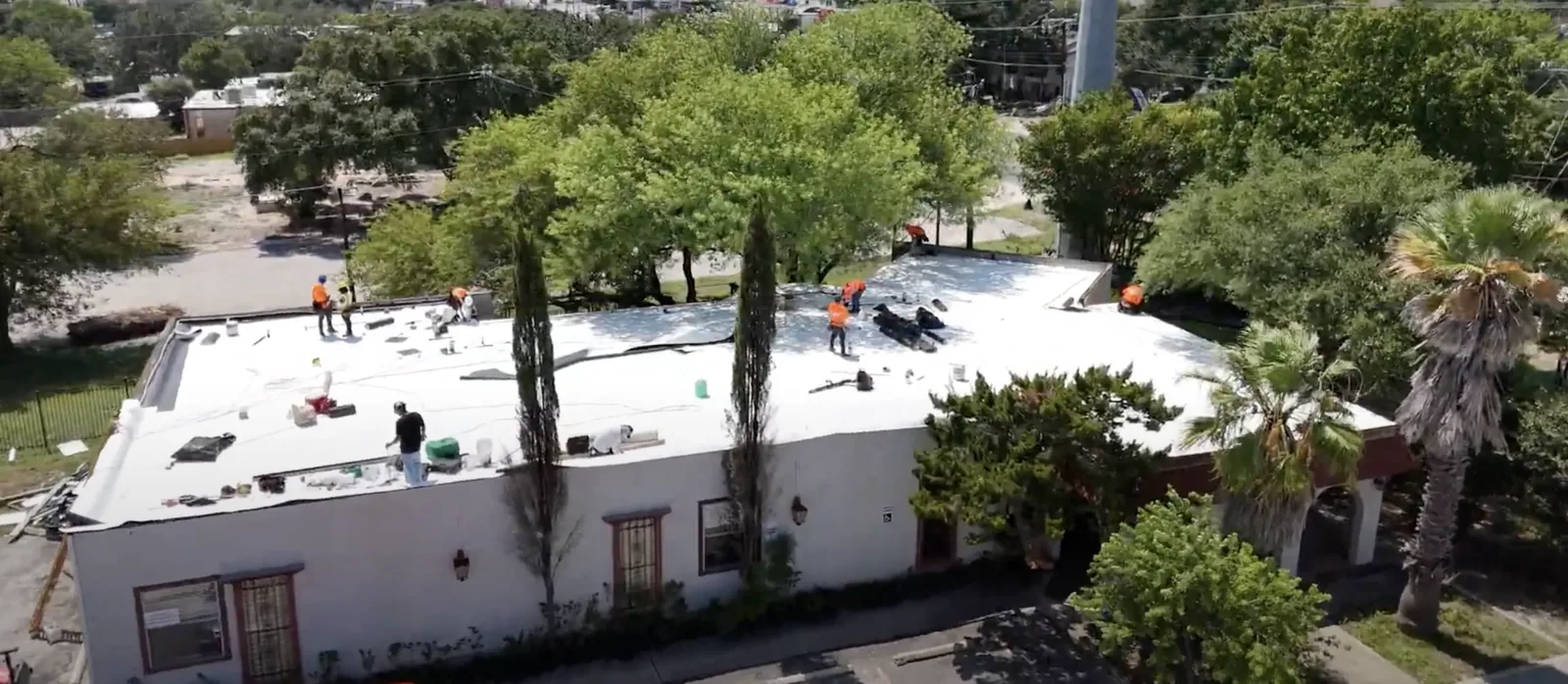
For an occupied facility, split the work into zones with a defined start, stop, and dry-in point. The occupied-roof sequence should address noise, deliveries, equipment movement, interior protection, and the daily handoff. Tell the facilities contact which areas are finished and which remain under temporary protection.

Choose a repair or broader renewal
A contained split or flashing defect may be repairable when adjacent plies and substrate are dry and bonded. Widespread cracking, multiple blisters, saturated insulation, or recurring leaks can require a larger scope. Mark the affected roof zones and compare repair with replacement using the same boundaries and access assumptions. Separate observed defects from conditions that need testing or opening.
A recover may add a layer without removing the existing roof, but the assembly must be stable, dry enough for the selected system, and able to support the added work. Verify attachment, load, roof height, drainage, and edge details. Replacement allows removal and inspection of concealed layers while adding protection, disposal, and sequencing requirements. A replacement scope should identify tear-off limits, deck repairs, insulation, drainage, parapets, and daily closure responsibilities.
Built-up roofing differs from roll-form modified bitumen, despite both using bitumen and multiple layers. Confirm the system at every tie-in and specify a compatible transition rather than naming it from surface appearance. If a new single-ply section meets the BUR, identify both products and review how water crosses the junction.

Record the repair for future visits
After work, inspect repaired plies, flashings, edges, drains, and temporary closures. Photograph each detail and mark it on the roof plan. Record the material, application method, preparation, limits, and any follow-up needed. If part of the assembly remains inaccessible, state that clearly in the closeout record.
Routine checks should look for displaced aggregate, open cracks, lifted flashing, new blisters, debris, blocked drains, and damage after rooftop service. Compare the same zones with earlier photos. Early attention to an opened lap or drain detail can prevent a minor defect from reaching more of the assembly.
To schedule an assessment, share the building location, roof access contact, affected areas, leak history, and available installation or repair documents. We can inspect the visible system, explain any testing needed, and outline a repair or replacement path grounded in the roof's condition.