Protect the Production Window
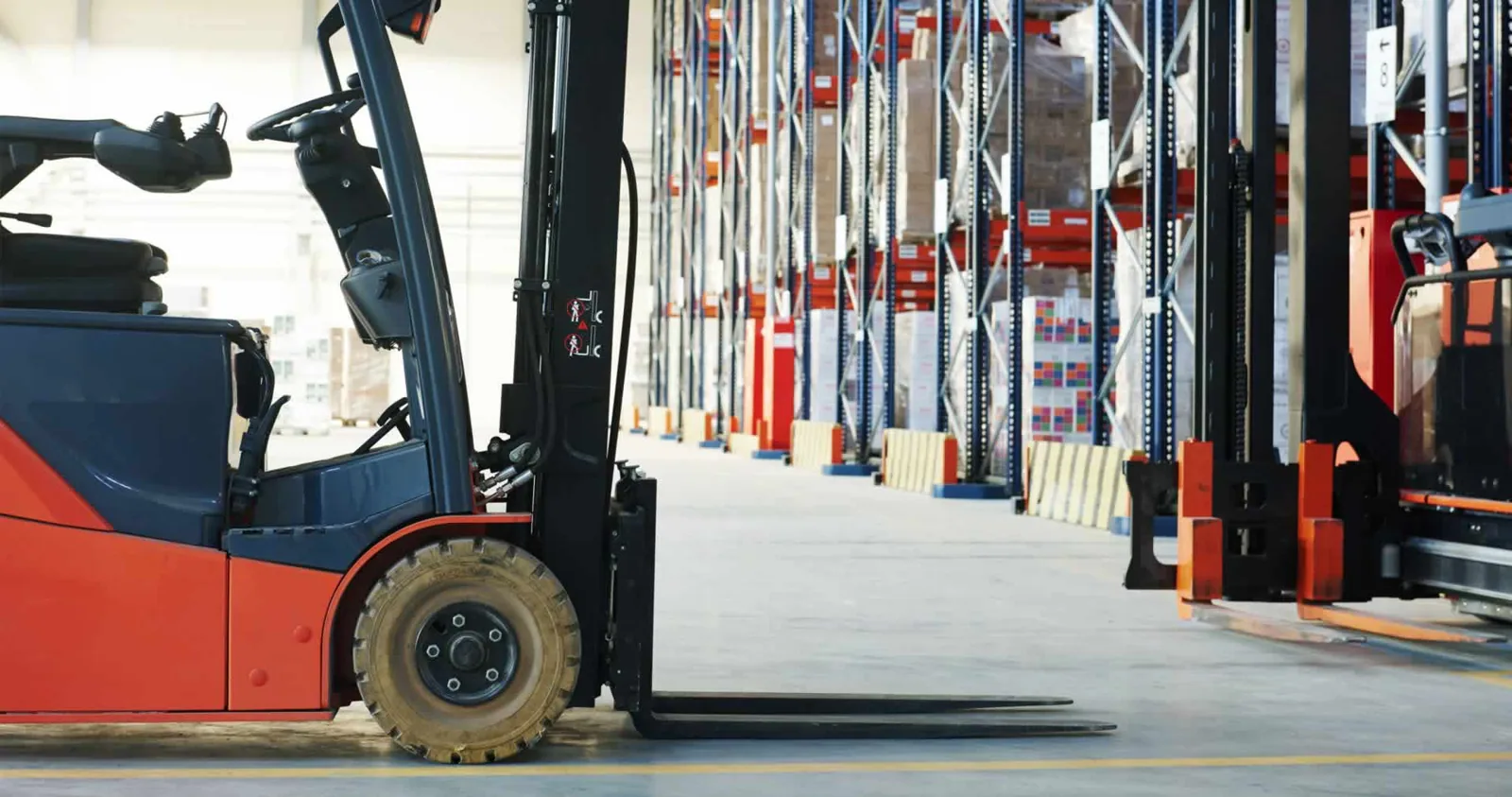
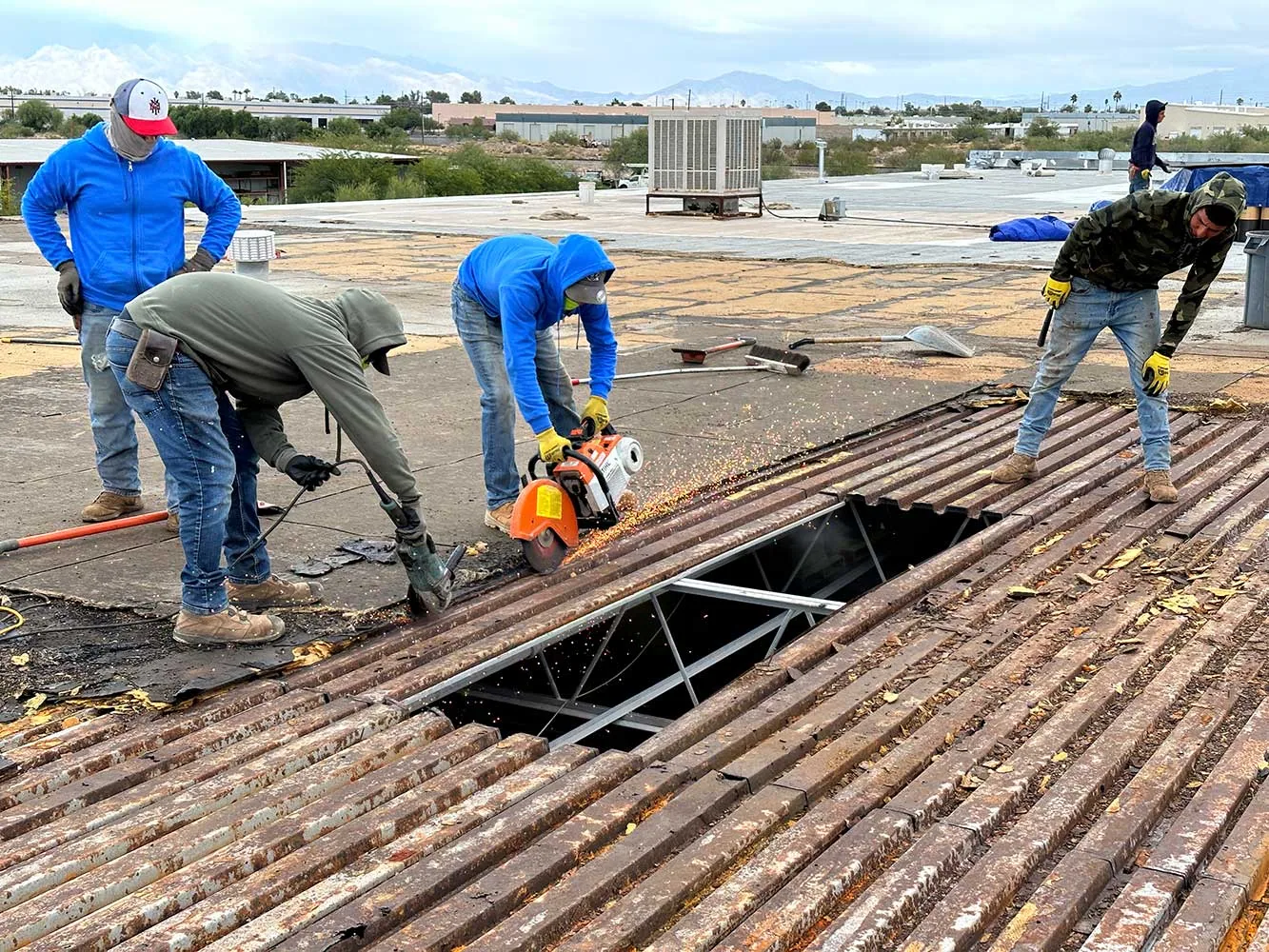
Production schedules, maintenance shutdowns, and receiving hours affect roof access. Before work begins, we confirm which lines or machines remain active, what areas can be isolated, and who approves a shutdown or temporary support. The crew’s route for ladders, lifts, materials, and debris is set with the facility contact. If a roof opening sits above an operating line, the plan addresses overhead protection and the time needed to return the floor to use.
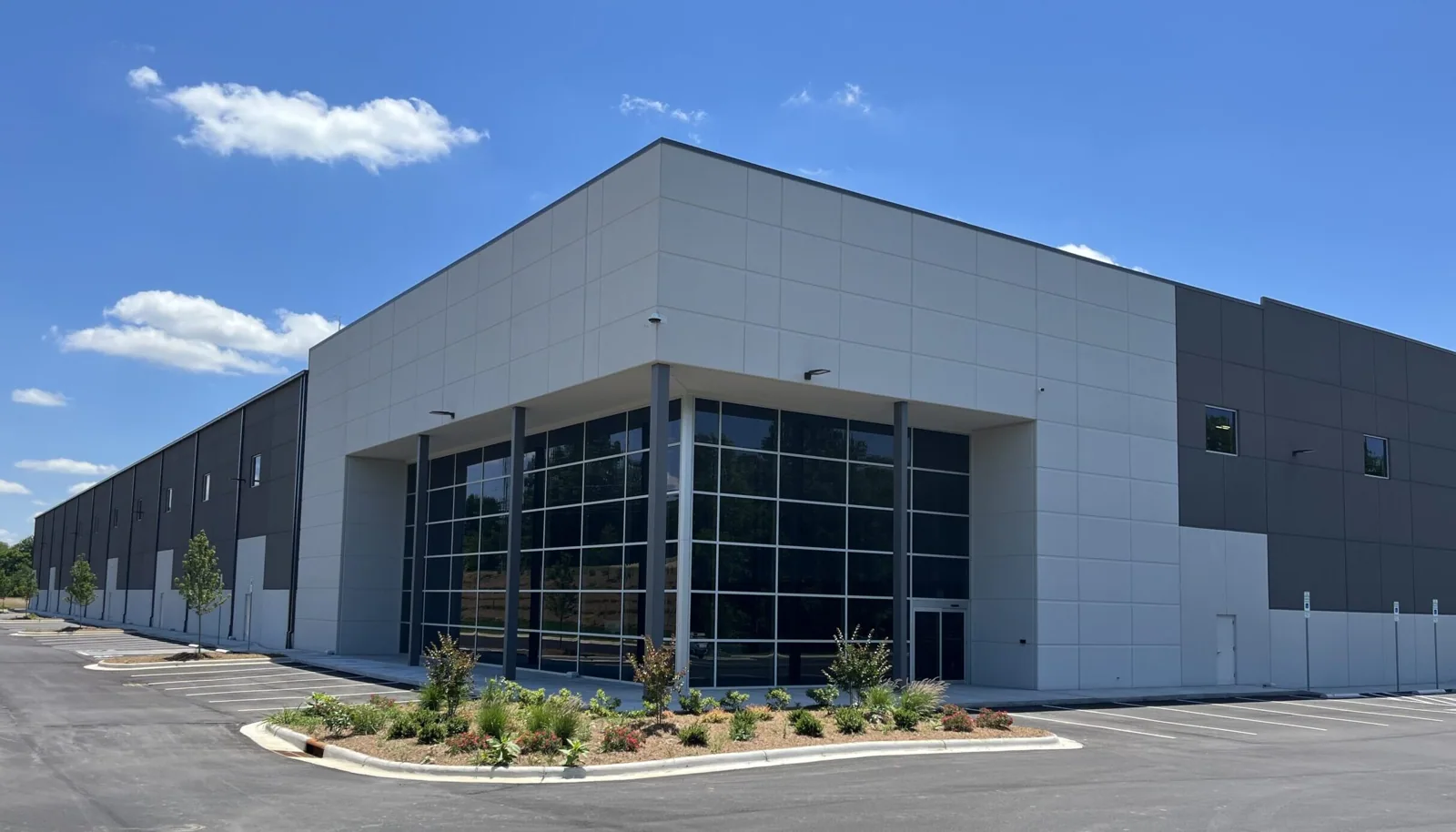
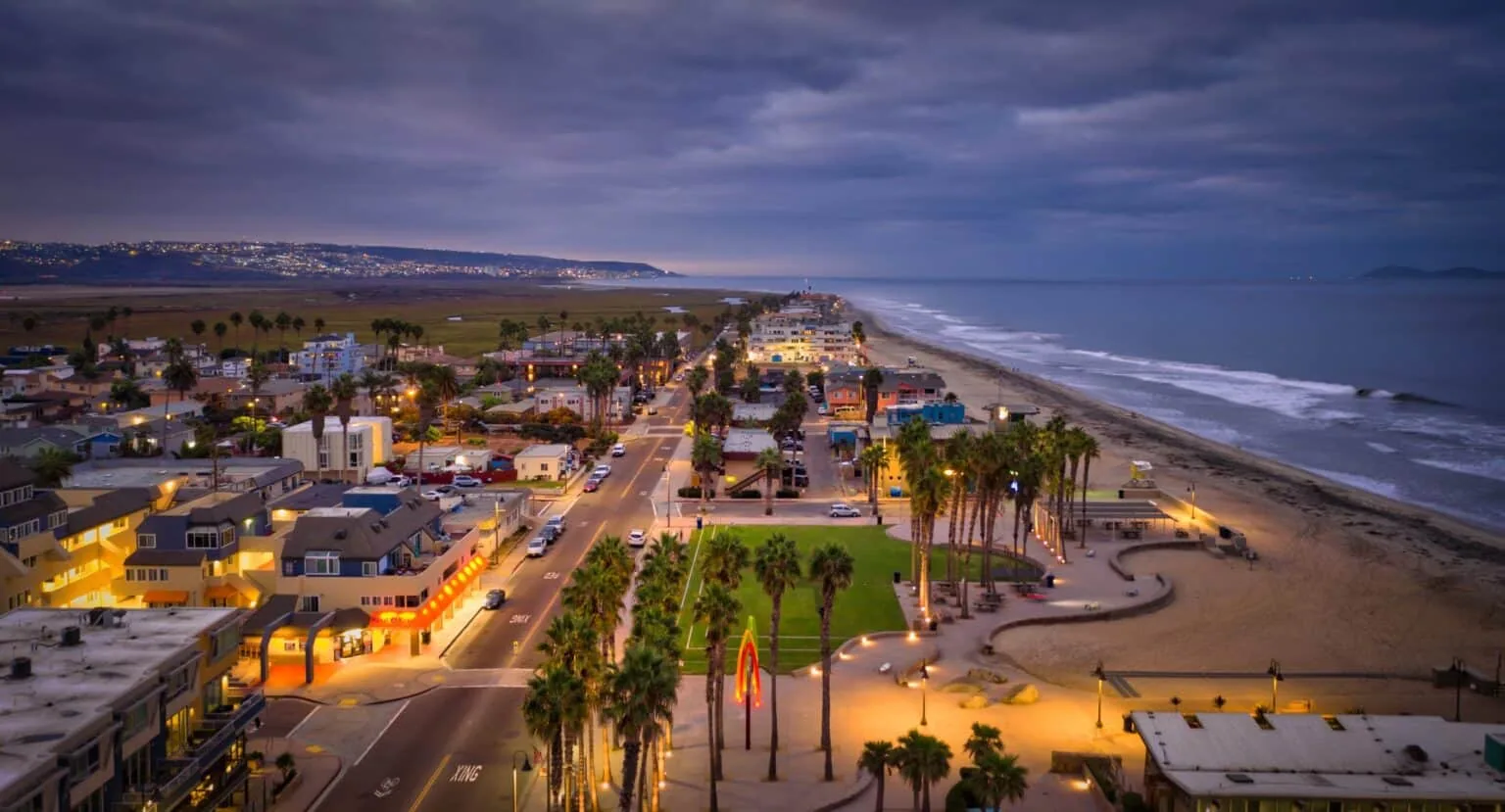
Chula Vista’s employment strategy includes manufacturing and technology, with industrial areas in the tideland, Montgomery, and Otay Valley and emerging development toward Eastlake and Otay Ranch. A facility may also rely on cross-border trade or regional freight. Those local business patterns make delivery timing relevant, but the property’s own gate and production schedule control mobilization. A manufacturing plant roof needs a work plan tied to the process below, not a generic industrial timetable.
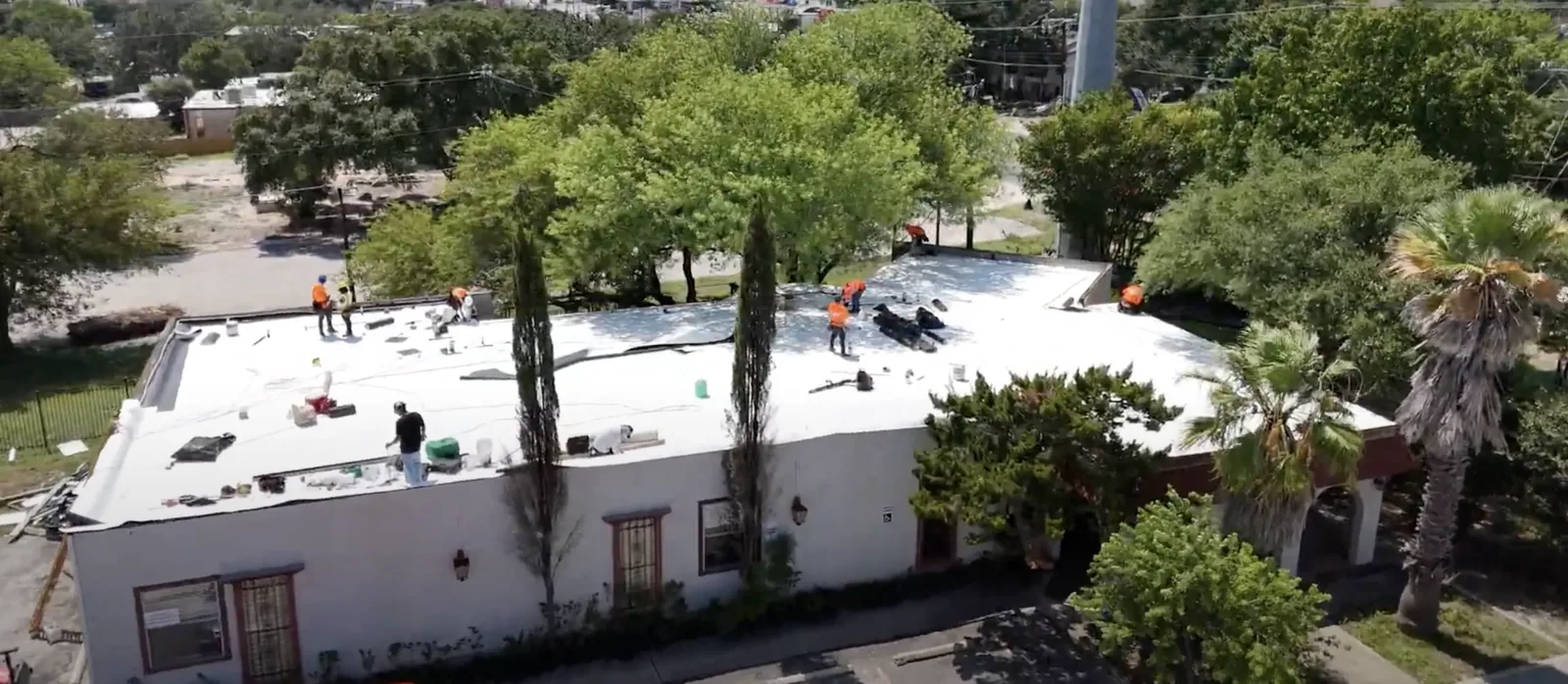
When production cannot stop, phased occupied-building work can isolate one roof zone while adjacent lines continue. We agree on barriers, lift clearance, vibration or noise limits, and the daily dry-in point. The work sequence can change if the line schedule changes, but each new zone requires facility approval before tear-off.
Trace Water Above Equipment
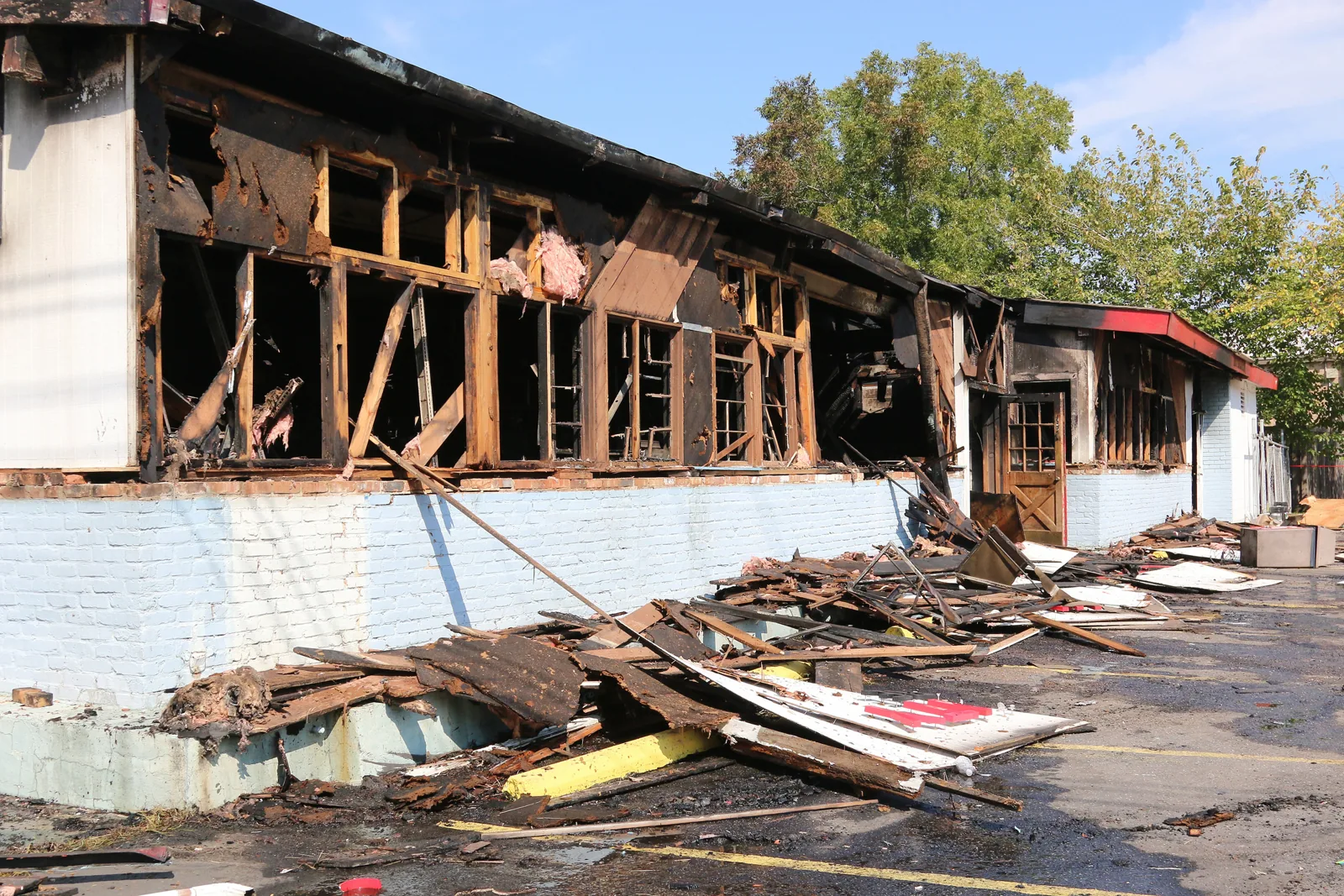
Water near a control panel or machine does not prove the roof opening is directly overhead. It may travel along a deck flute, beam, conduit, insulation joint, or duct before appearing inside. We map the reported point and compare it with roof seams, curbs, exhausts, skylights, drains, and past repairs. Photos show the probable entry separately from the interior effect. If insulation or deck condition remains uncertain, we explain what a controlled opening would establish.
Water can also interrupt packaging, stored materials, or a finished-goods path even when the leak is small. The facility identifies sensitive equipment and inventory below the active zone; we coordinate protection before opening the roof. Emergency response is available nights, weekends, and holidays when active water threatens a production area. Temporary protection stabilizes the opening, while the permanent repair follows after the assembly and operating limits are clear.
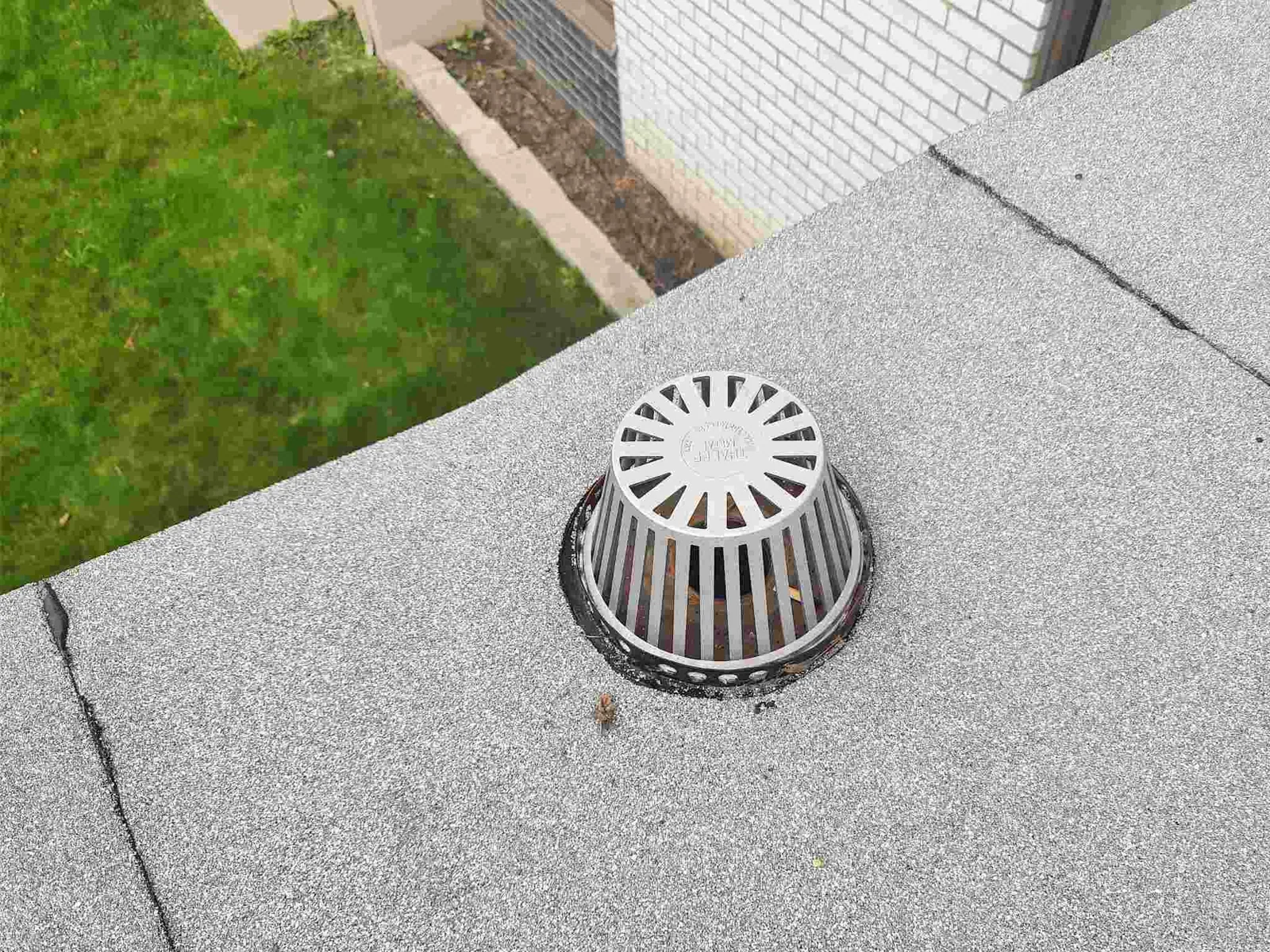
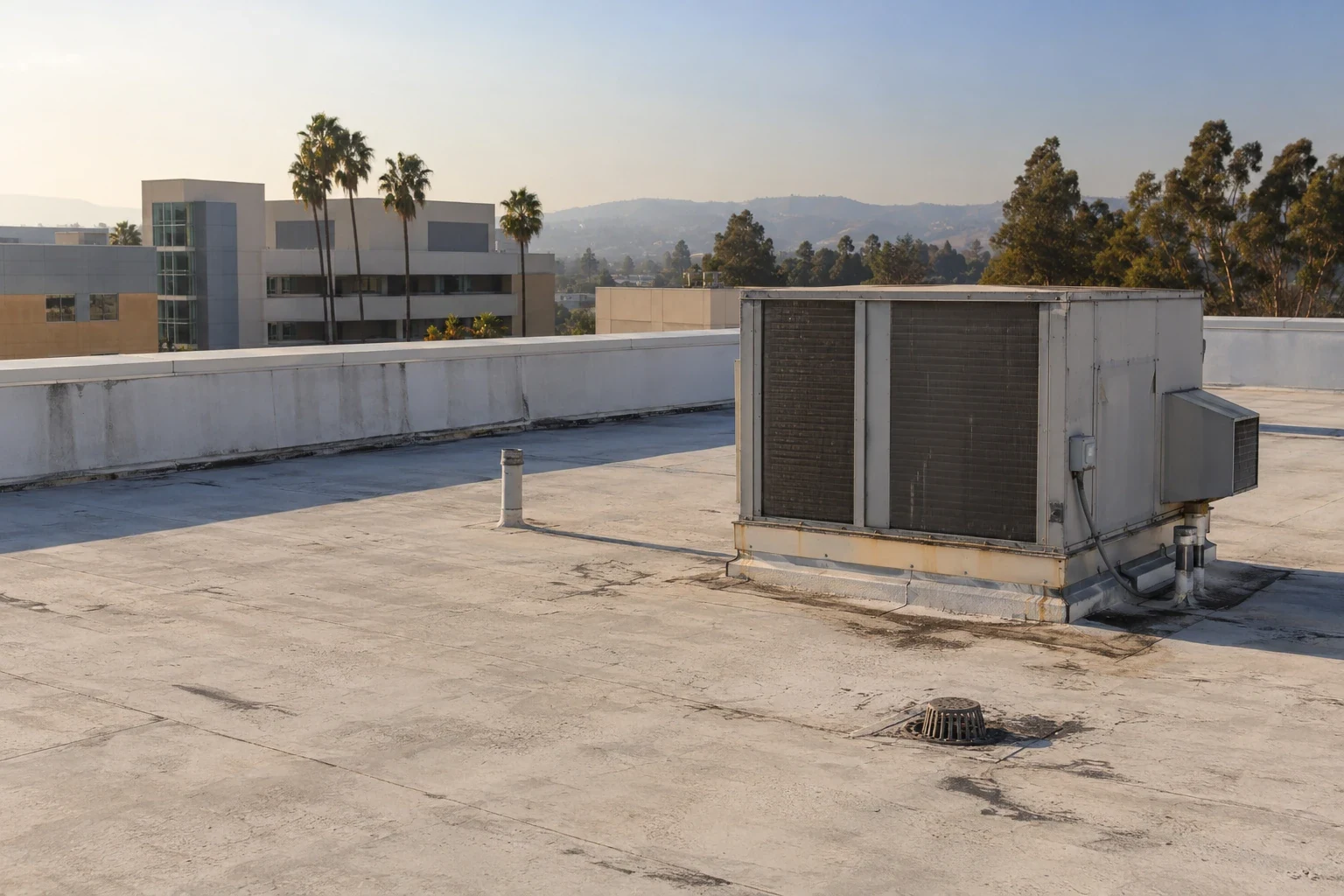
Drainage failures deserve attention because water can pool near equipment curbs or low points. We inspect the drain bowl, overflow, slope, membrane termination, and surrounding insulation. Drain and scupper service can restore a blocked outlet, while settled insulation or deck may need a wider correction. The report identifies which condition is visible and which requires a test.
Choose a Repair That Fits the Roof
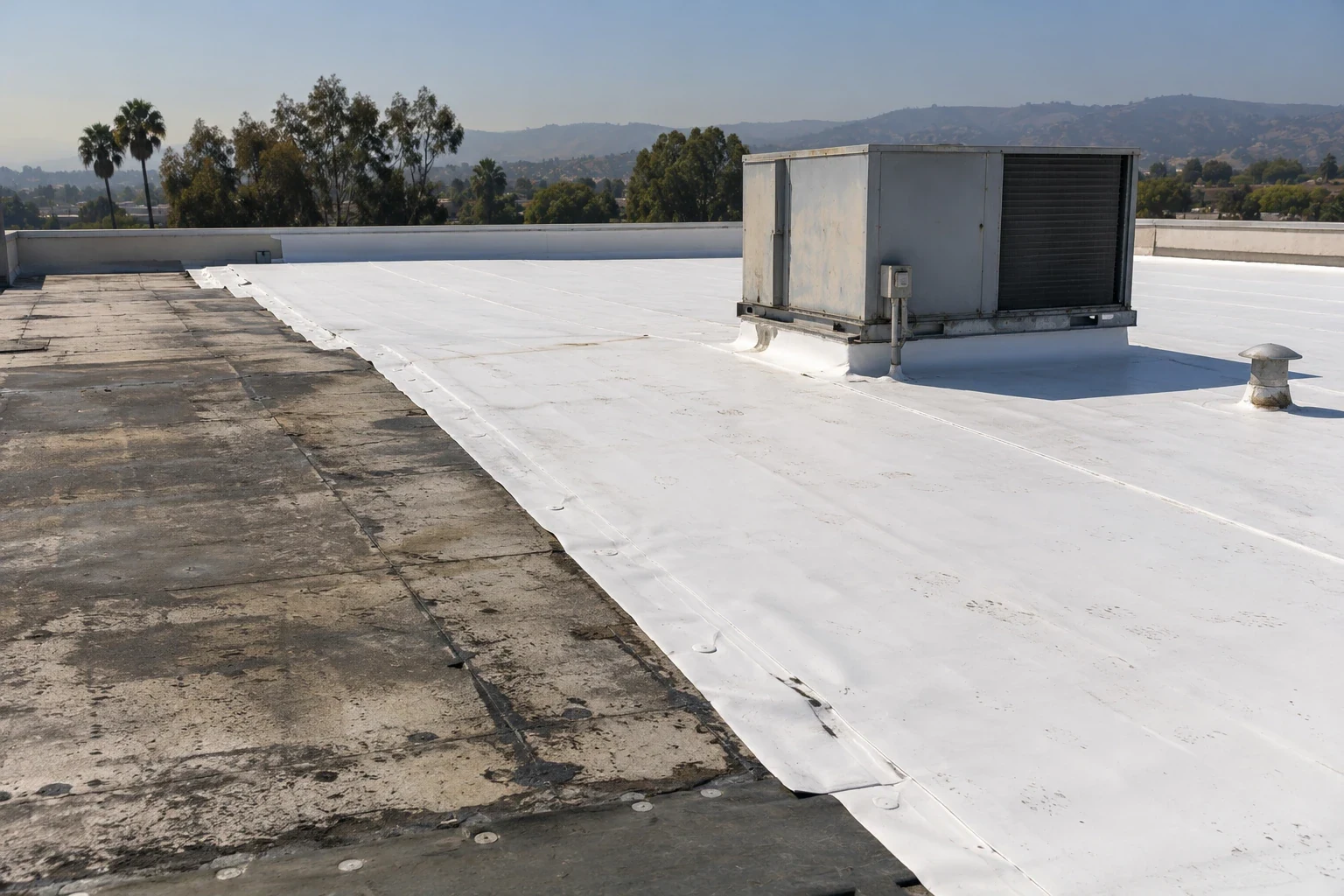
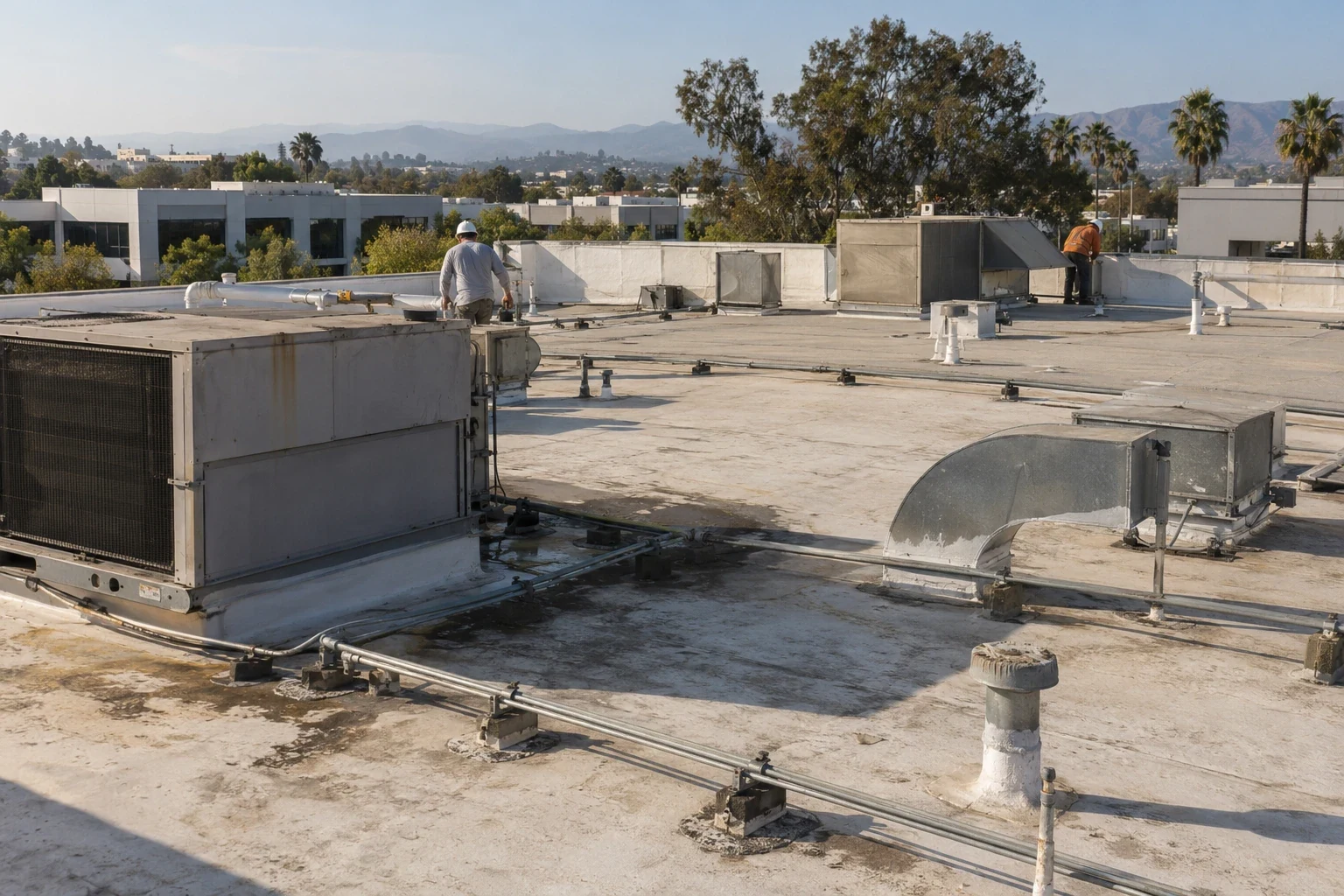
Manufacturing buildings may have membrane, built-up, coating, or metal roofs. We identify the existing system, substrate, attachment, insulation, and prior patches before selecting materials. A membrane repair must bond or weld to compatible material; a panel repair must account for movement, fasteners, and laps. If the assembly cannot be identified from the surface, we record what is visible and discuss a material check or test opening before the scope expands.
Repeated seam failure, wet insulation, loose attachment, damaged deck, or corroded perimeter metal can change a local repair into a larger project. We note each condition by roof zone and connect it to the work option. Targeted repair can address an isolated defect; recover work may fit only when the existing layers are sound and project requirements permit another assembly. Replacement involves a different removal and dry-in plan.
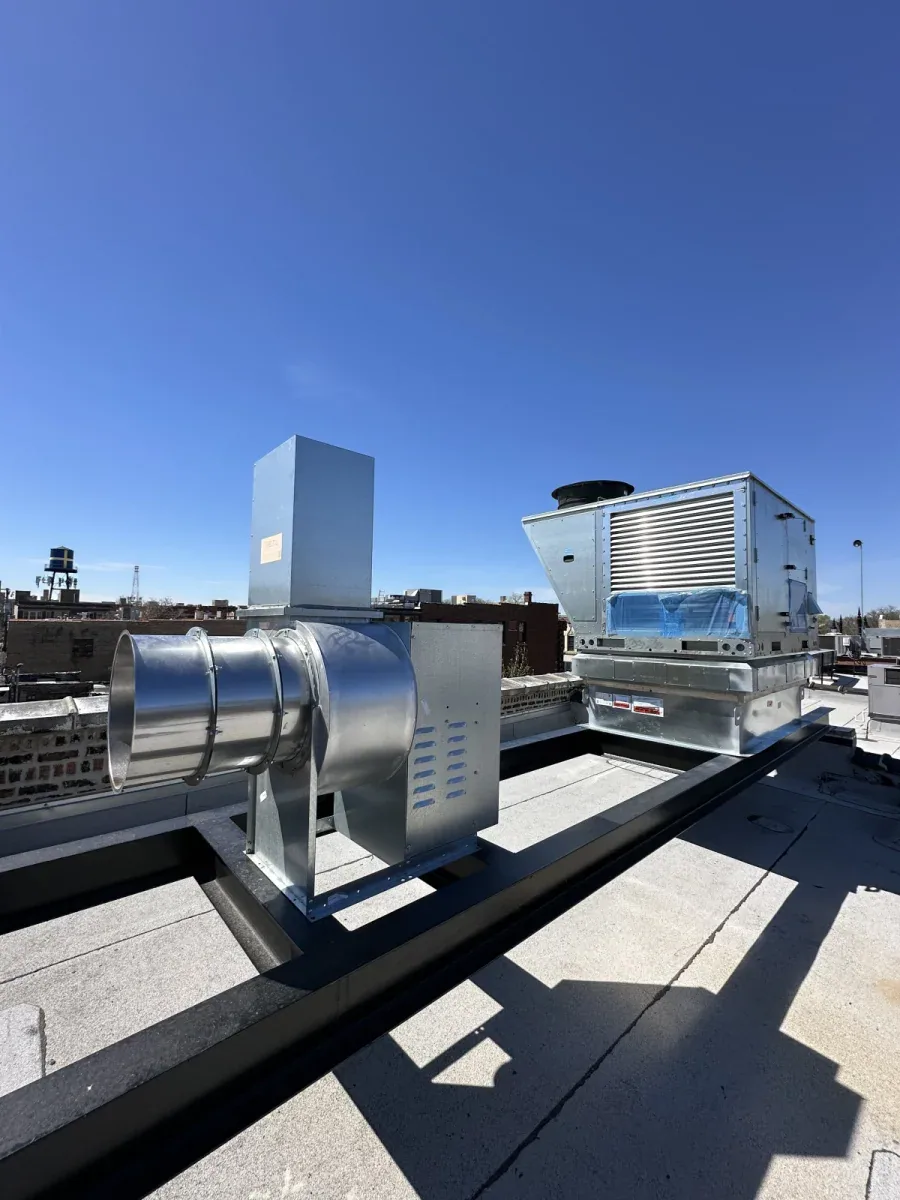
Rooftop units, exhaust fans, vents, and process piping need coordination with other trades. Before cutting or moving a curb, we identify who controls the equipment, whether a shutdown is needed, and how the service returns to operation. Equipment curb work is scoped so the roof tie-in and mechanical responsibility remain clear.
Account for Local Conditions and Routes
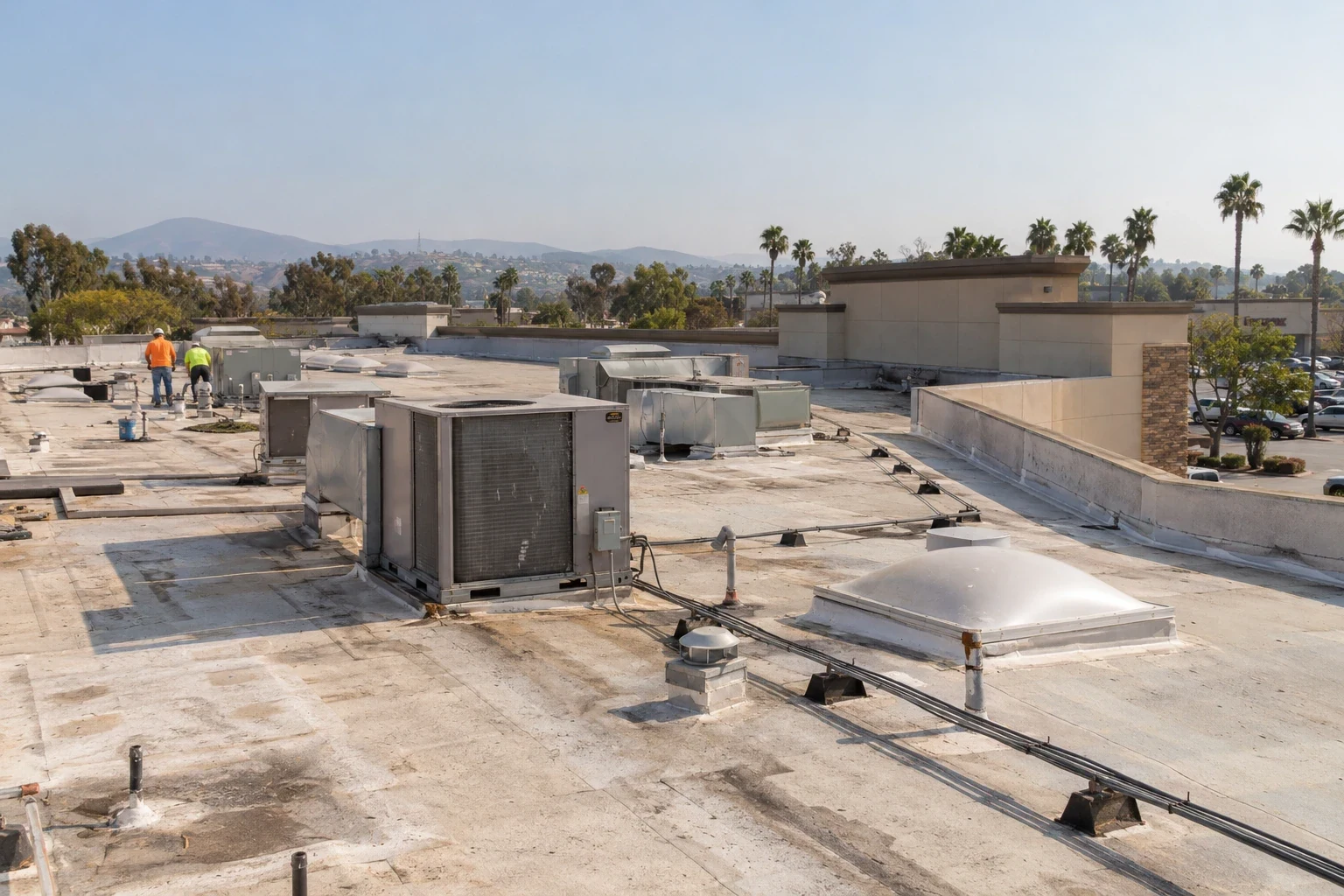
Most San Diego-area rain arrives in winter, while dry easterly winds can bring hotter conditions to eastern San Diego and nearby suburbs. A forecast affects how much roofing can remain open and when coating work can proceed; it does not reveal whether a roof has failed. We inspect the assembly and set the removal limit to what the crew can close safely within the actual weather window.
Otay Valley and Otay Mesa connect industrial properties with State Route 905, the border region, and freight routes. The San Diego Bay Working Waterfront adds shipyards, terminals, and industrial suppliers to the regional economy. A facility in Otay Mesa may need a different delivery arrangement from a building near the bay, but each site’s gate, staging space, and receiving hours must be confirmed directly.
Business operations may include clean areas, hazardous processes, or equipment with specific shutdown procedures. We follow facility instructions for access, protection, and housekeeping, and do not infer a process from a building’s location. If the roof repair affects an exhaust or intake, the responsible plant contact confirms the protection or temporary support needed before work proceeds.
Tie Scope and Timing to the Finding
Cost and schedule depend on roof area, system, access, lift requirements, removal depth, insulation, testing, and production coordination. A patch at a curb may fit one approved shift; a replacement with multiple zones and inspection points needs more planning. We state what is confirmed and identify the concealed condition that could change the work. If an opening reveals wet material or damaged deck, the affected zone is protected while the facility reviews the next step.
A complete record names the building, process area below, roof zone, defect, repair detail, photos, and any open question. That lets plant staff compare the same seam, drain, or curb on a later inspection. A roof condition report can also support capital planning when the next shutdown window is being considered. Logistics operators may share receiving constraints, while general contractors can coordinate roofing alongside plant renovation work.
Send the affected process area, roof plan, leak report, access contact, and production window. We will inspect the released zone, document the visible condition, and identify a repair or replacement sequence that protects the operating route and closes the roof before the area returns to service.