The stain is a starting point
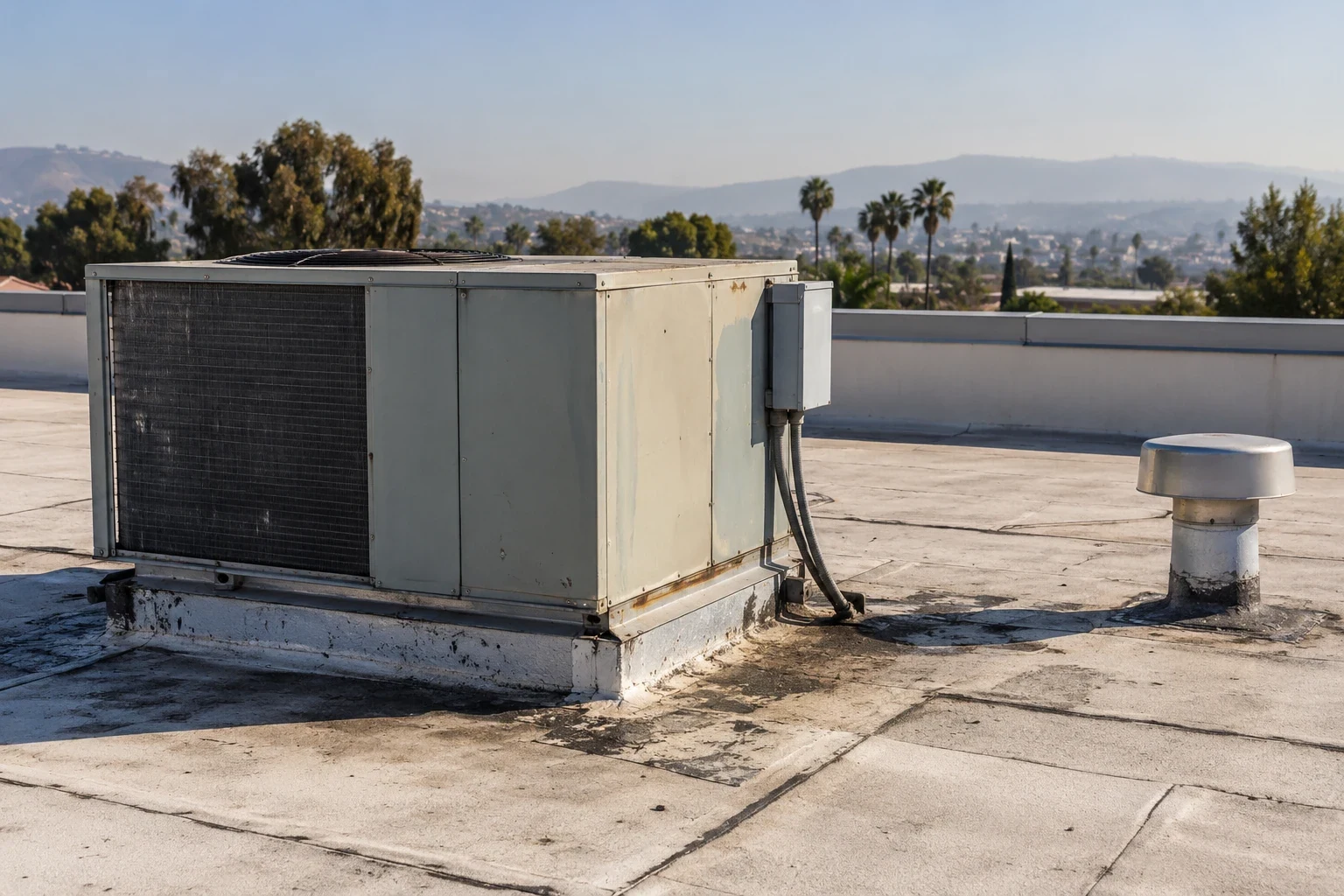
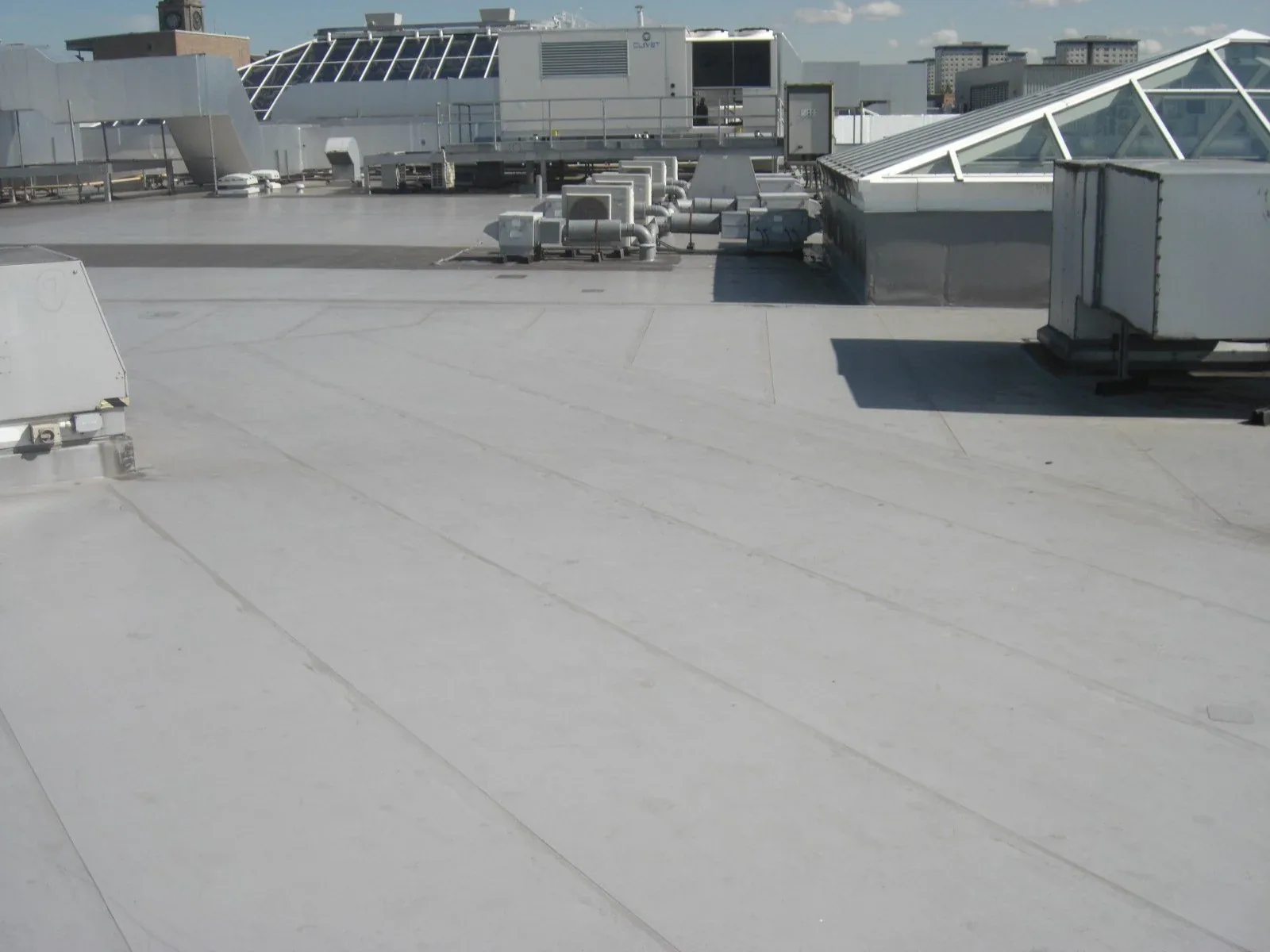
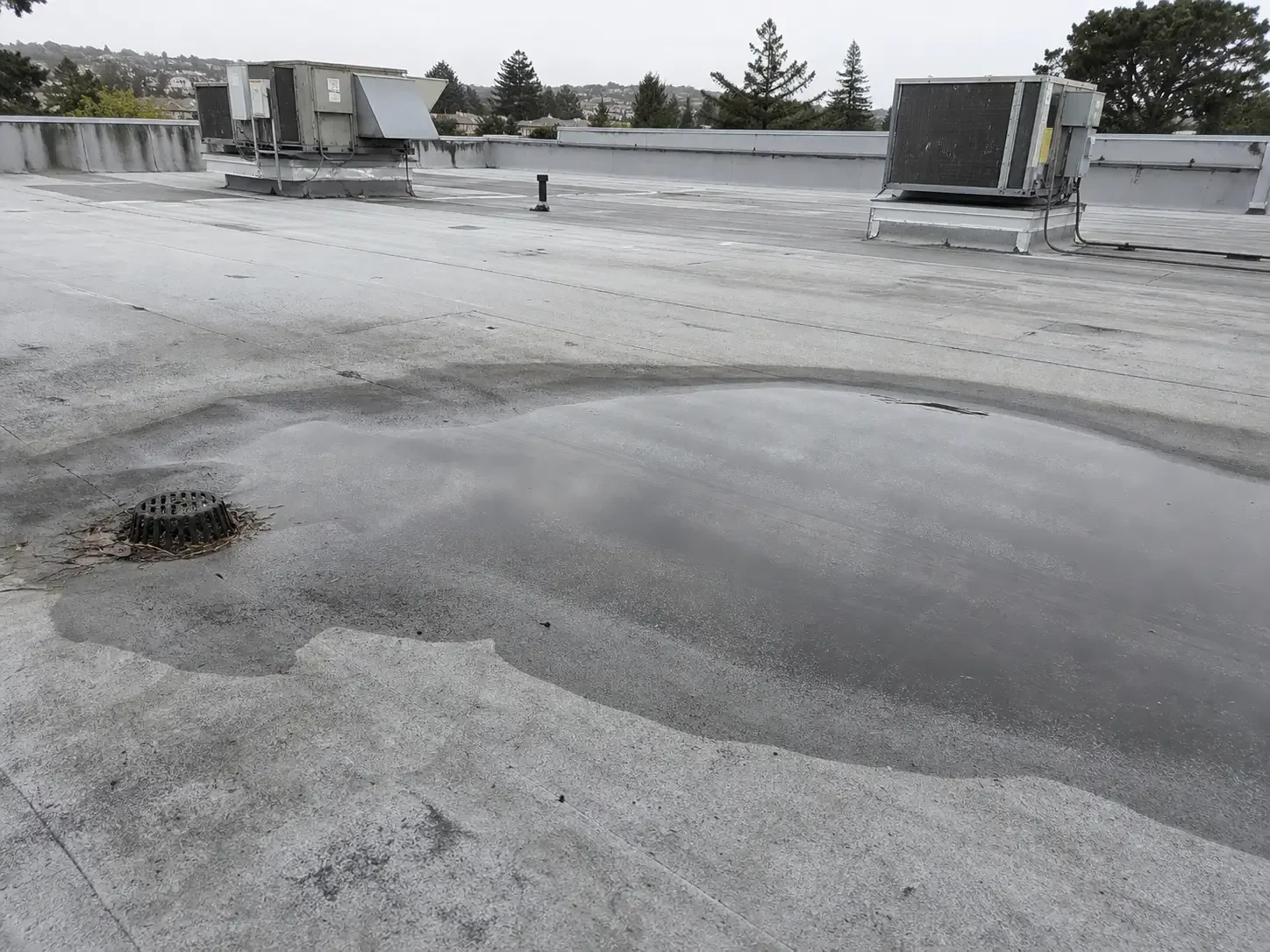
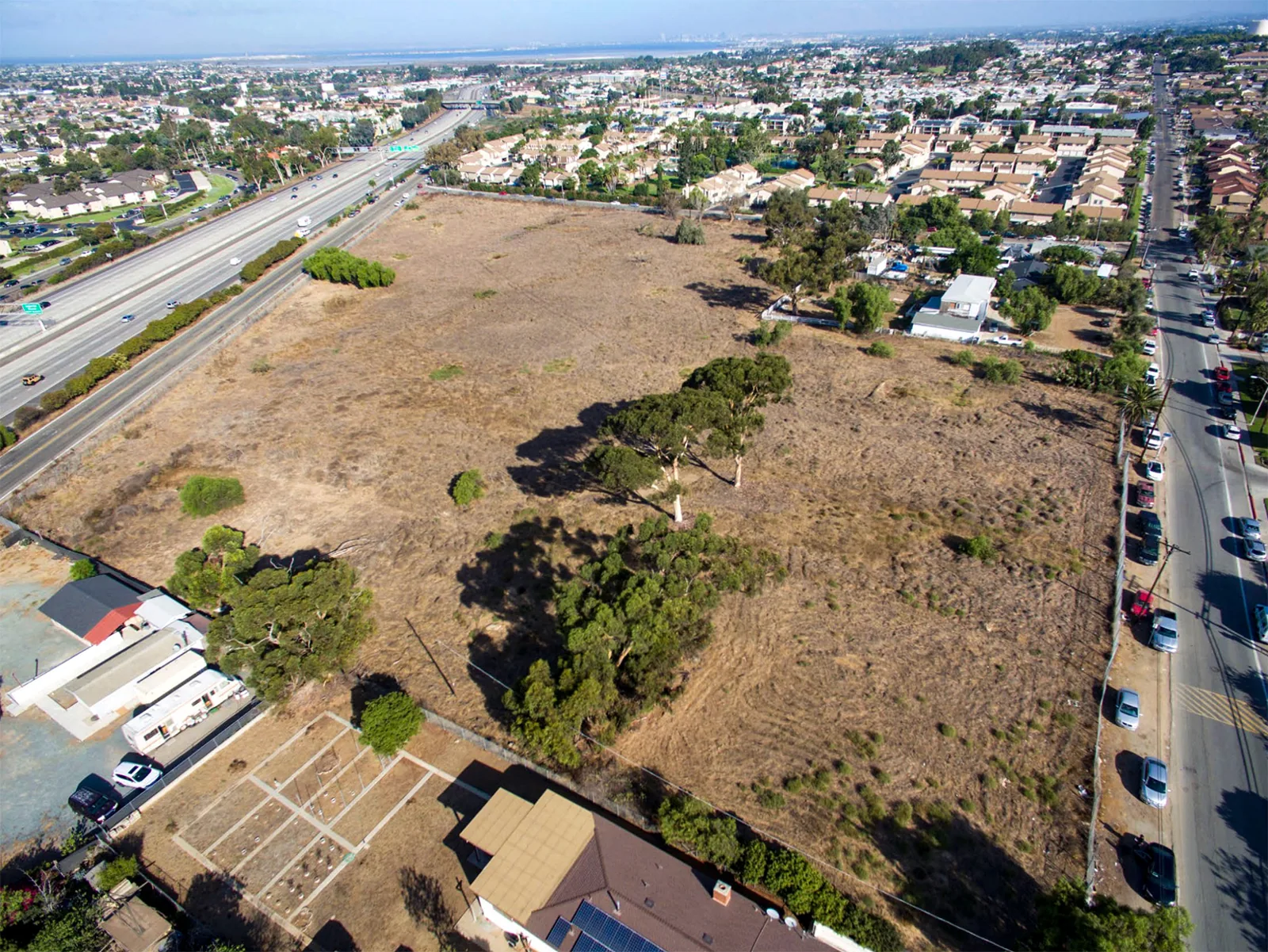
Water can enter several feet from where it becomes visible. It may travel beneath a membrane, along a deck flute or beside insulation before dropping into a sales floor, back room or hotel corridor. We use the reported room and roof plan to select an initial zone, then inspect uphill transitions and drainage paths. At a curb, pipe or wall, we check the flashing turn-up and termination; at a membrane seam, we look for separation, a loose edge or a puncture that matches the leak pattern. The drain bowl, overflow and low point matter because slow discharge can keep water at vulnerable details. On a metal roof, fasteners and panel laps may need a different test than a single-ply seam. Our commercial roof inspection records the observed condition with a photo and location so the repair does not rest on a ceiling stain alone. If the insulation may be wet, a moisture survey can help define where a controlled opening would be informative. We explain the limits of each measurement, then use the actual assembly to set the repair boundary.
A work zone that fits the corridor
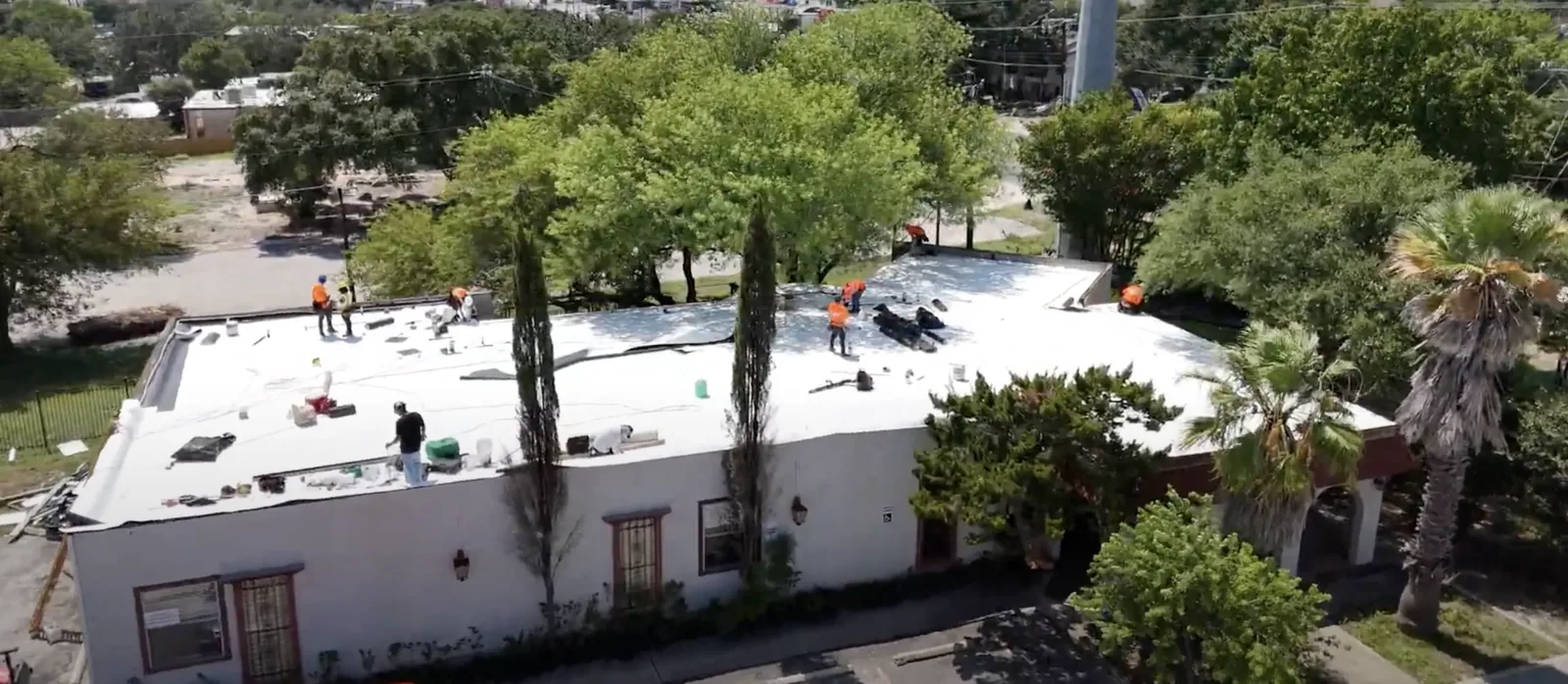
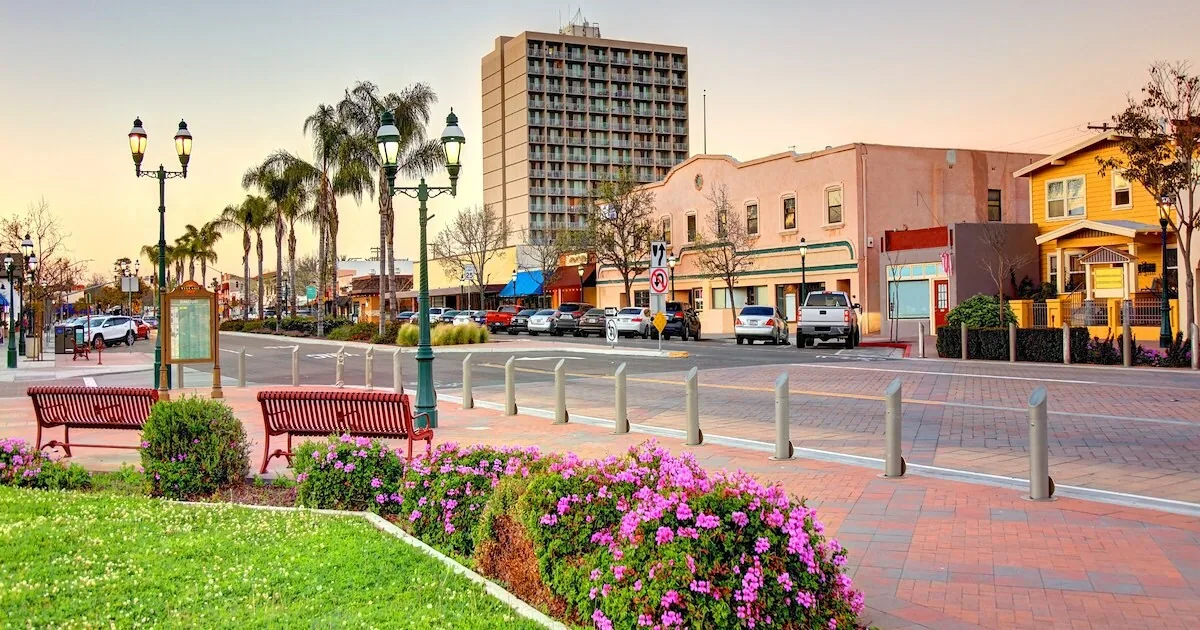
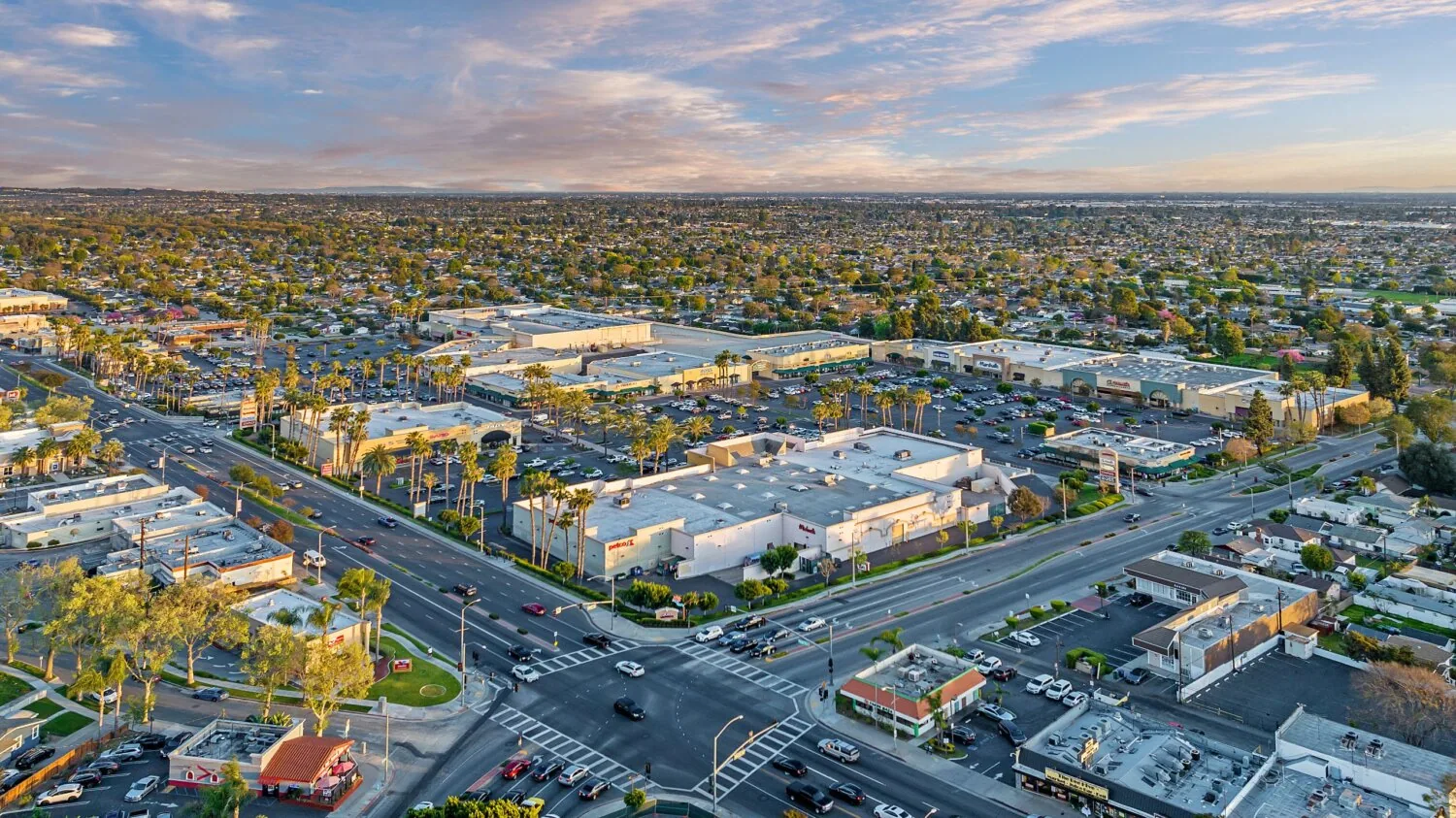
Palm Avenue is Imperial Beach's primary entrance and a major community artery, so a roof job can intersect with customer access, deliveries and regular service traffic. We ask the site contact which entrance carries customers, where deliveries arrive and what hours protect the business from avoidable noise or obstruction. Roof access and material staging are confirmed before mobilization. If a lift or debris container would affect a customer route, the plan defines a different location or a narrower work window. On a strip center, we identify which tenant spaces sit below the day's work area and how the manager wants notices handled. For a hotel or other occupied property, we coordinate the loudest steps and keep the dry-in sequence visible to the building contact. Our occupied-building work planning can break a larger replacement into controlled sections, each protected before the crew moves on. A daily update should say which roof zone is complete, which remains open and what the next shift changes, rather than leave tenants guessing about access.
Where a patch ends
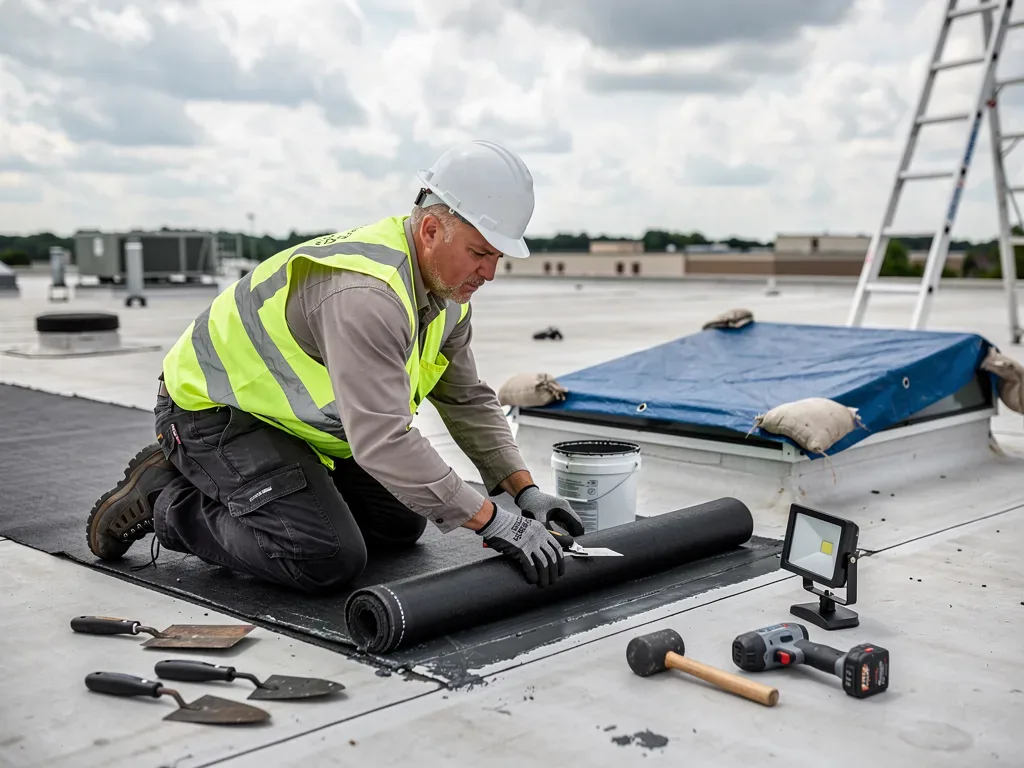
A patch should tie into material that can hold it. We remove loose or failed material far enough to expose a sound perimeter, dry and prepare that surface, then install a compatible repair with secure edges. Covering a weak perimeter with additional sealant leaves the failure mechanism in place. If the membrane is brittle, seams have separated across multiple roof zones or moisture extends beneath the surface, a spot repair may only buy time. The inspection record can separate immediate water control from the larger work needed to correct the system. Where an older commercial roof has recurring leaks, the next comparison might be a repair program, recover or replacement. That decision depends on assembly condition, drainage, insulation, penetrations and whether the existing layers can remain. We can document those choices through a condition report if the owner needs a record for budgeting or property discussions. When the leak follows ponding at a low point, review our water-retention repair scope alongside the membrane detail. A coating is considered only when the existing surface accepts the system and hidden moisture has been addressed.
Materials, coastal air and timing
Coastal exposure can affect exposed metal even when the membrane field still looks serviceable. During the roof walk, we inspect edge metal, coping joints, fasteners and supports for corrosion, loose connections and breaks in protective finishes. The finding needs a roofing response tied to the metal's condition; discoloration by itself does not prove a leak. Material choice also depends on the existing roof. A thermoplastic patch requires a compatible surface and a sound weld; a modified-bitumen repair needs prepared, dry material and a suitable tie-in; a metal seam needs a repair suited to the panel profile. We check product and attachment requirements against the actual deck and substrate rather than choose from a photo. Chula Vista's climate profile includes a wet-winter pattern across the broader San Diego region; that market context can inform seasonal planning, but coastal Imperial Beach conditions differ from inland conditions. We do not use a marketwide weather description to diagnose one roof. The work plan accounts for forecast conditions, cure or weld requirements, and how much surface can be safely left open. Where the route connects into Chula Vista, a Bayfront roof walk can be coordinated on a separate property with its own assembly record.
A decision record the owner can use
Repair cost and timing follow the evidence: how many roof zones are affected, whether insulation or deck has been reached, what must be removed, how many curbs and edge details need rework, and whether customer activity limits staging. We show the repair boundary and identify hidden conditions that could change the scope after opening the roof. That keeps a small leak repair separate from a recommendation for broader capital work. For Chula Vista, the 2025 California Building Code with local amendments was adopted for that city's jurisdiction; a property in Imperial Beach must be reviewed under requirements applicable to its own jurisdiction. When a project changes the roof assembly or drainage, we identify code and permit questions for the appropriate local review rather than assume rules carry across city lines. The closeout record includes photos, locations, materials installed and remaining follow-up items. To arrange a roof walk along Palm Avenue, share the building, reported roof zone and access contact. We can establish what is visible, outline the options and explain what further inspection would resolve before the owner commits to larger work.