Where the Repair Has to End
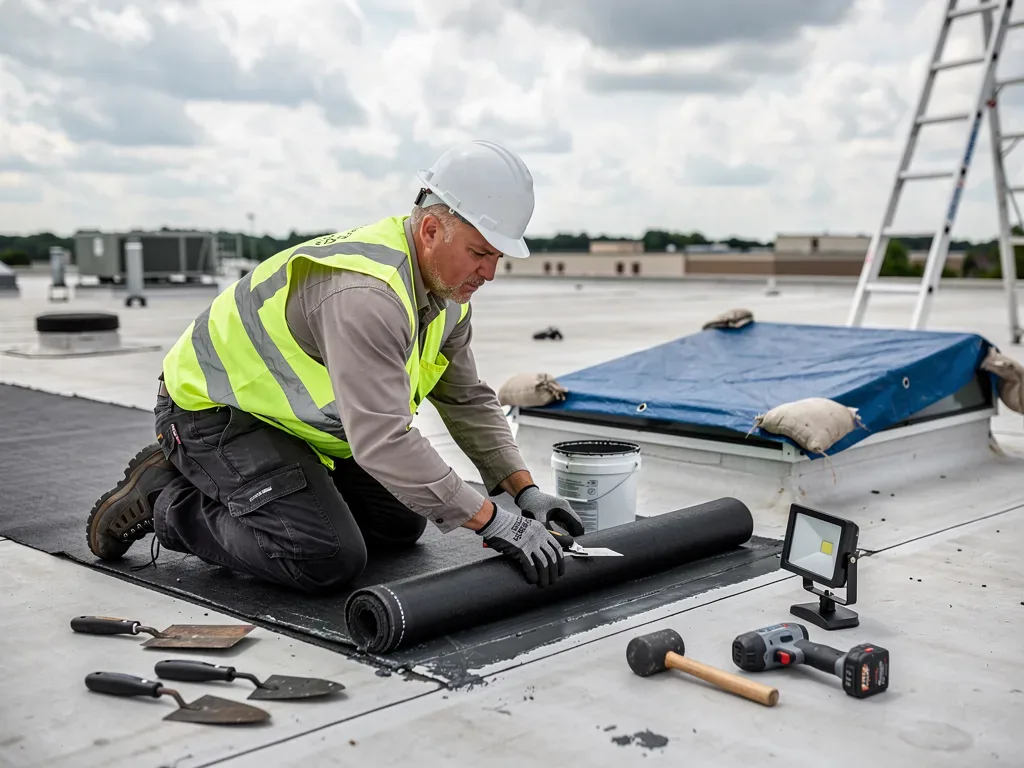
A patch must reach material that can support it. We inspect open seams, split membrane, lifted flashing and earlier repairs that have separated. Dirt, oxidation, moisture and incompatible material can prevent bonding. We prepare the surface and carry the repair onto sound material. If the surrounding sheet is brittle or insulation moves underfoot, we mark that limit instead of enlarging a patch over weak support.
We map the defect and nearby details before work. A curb, penetration or expansion joint may be the entry while a remote stain is only where water appears. Photos show the original condition, repair limits and finished connection so the facilities director can see what was corrected and what remains outside scope.
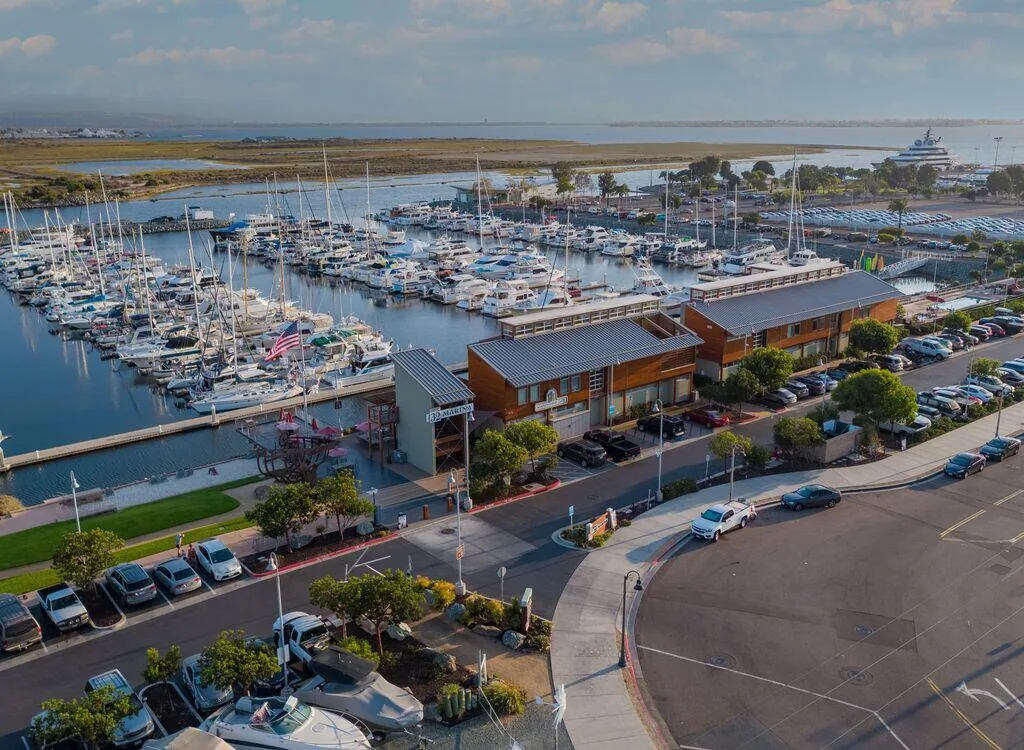
Chula Vista has coastal property near the bay and inland employment districts. Coastal air can affect exposed metal at the Bayfront; hot dry winds farther east can stress sealants. We inspect the actual detail. For an edge failure, edge metal and coping repair may accompany the membrane patch.
Seams, Flashing and Penetrations
An open single-ply seam can start as a narrow separation at a weld or splice. We check beyond the visible gap, prepare the membrane and make a compatible repair that bonds to stable material. A probe can locate separation, but the tie-in still needs a clean, dry surface and adequate lap width. We check and photograph the finished edge.
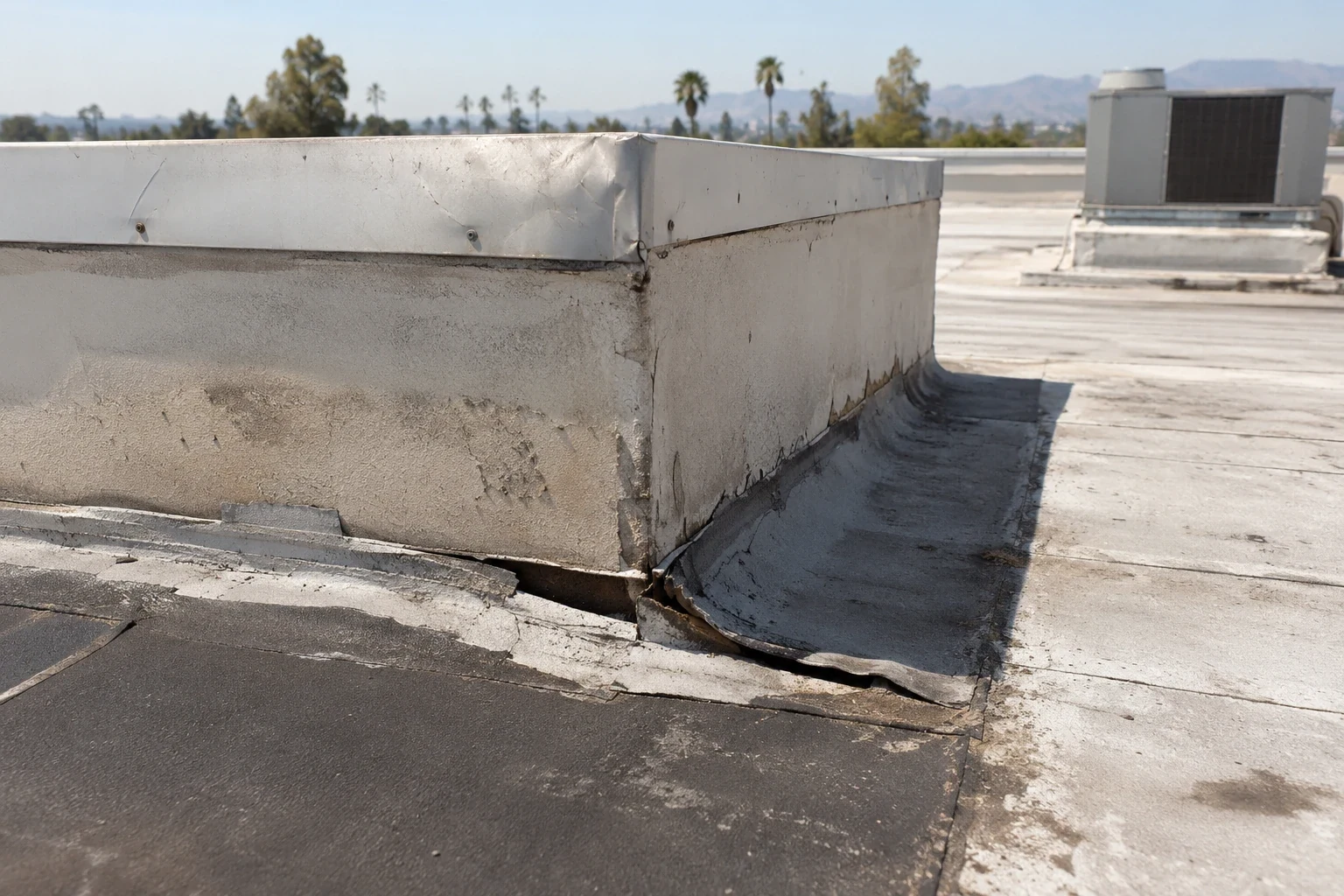
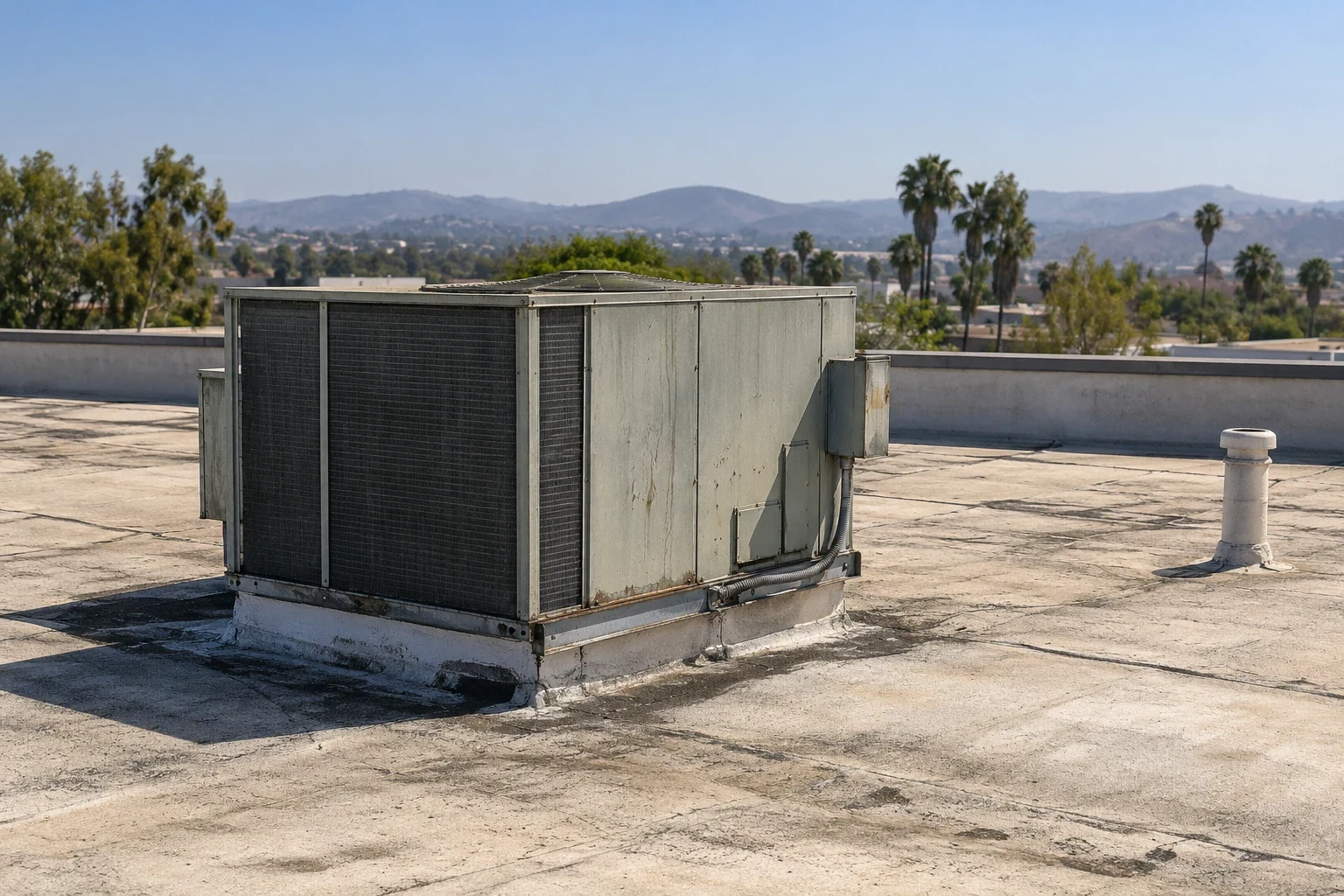
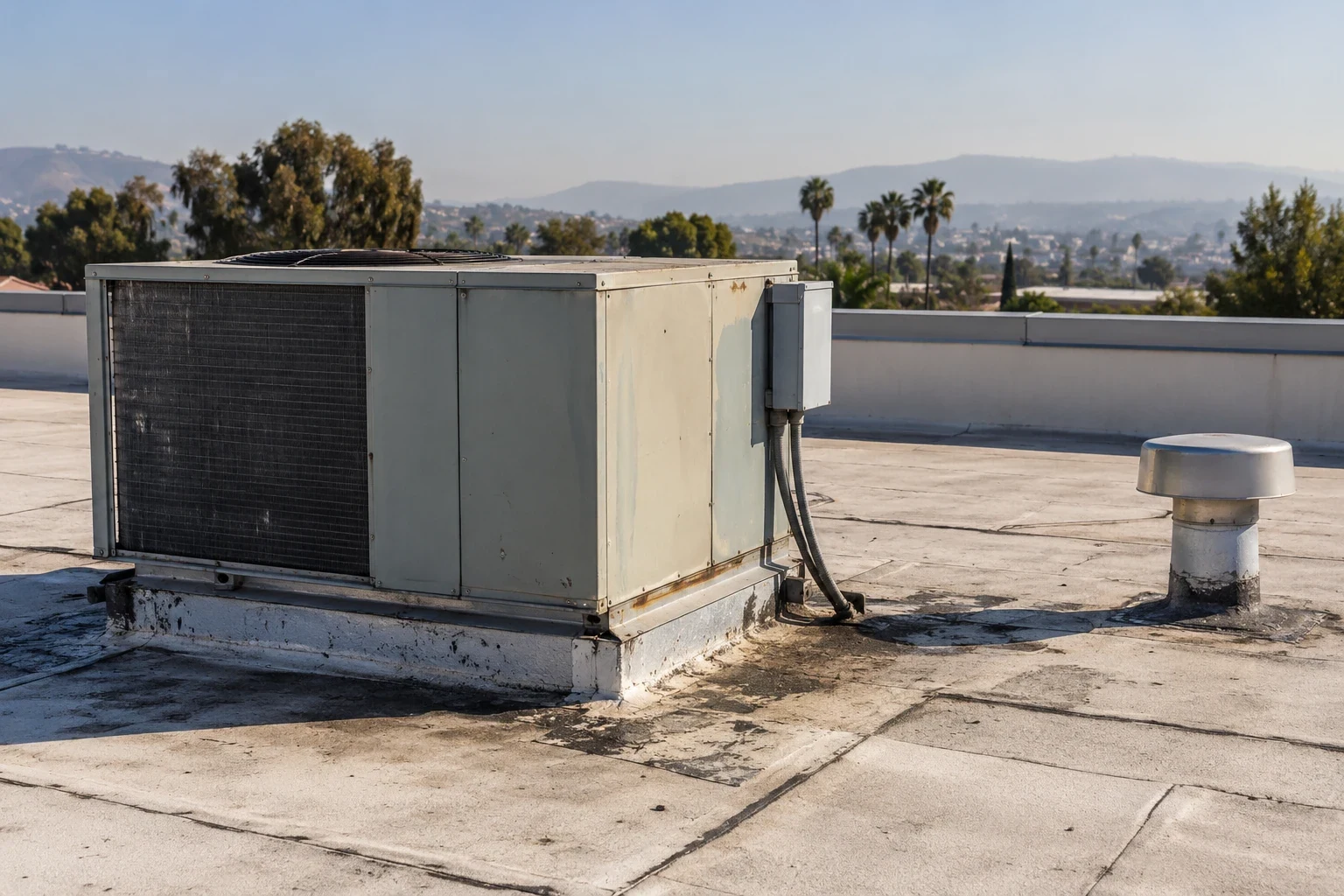
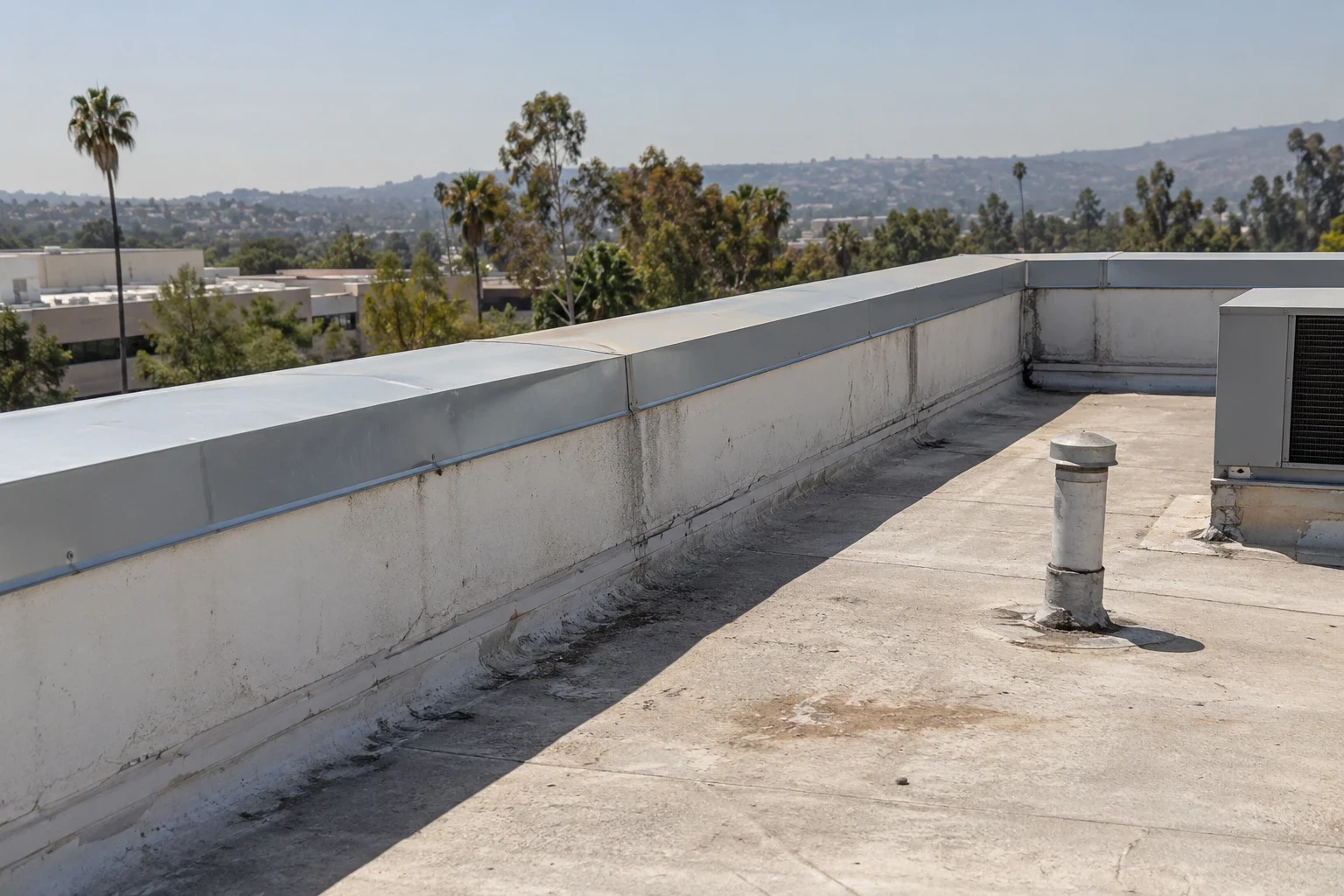
At a curb, membrane should turn up and terminate above the field, with counterflashing protecting its upper edge. Loose termination, cracked sealant or a corner gap can admit water. We inspect all sides, including the side hidden from the normal roof route. Flashing failure repair addresses the transition instead of patching over the symptom.
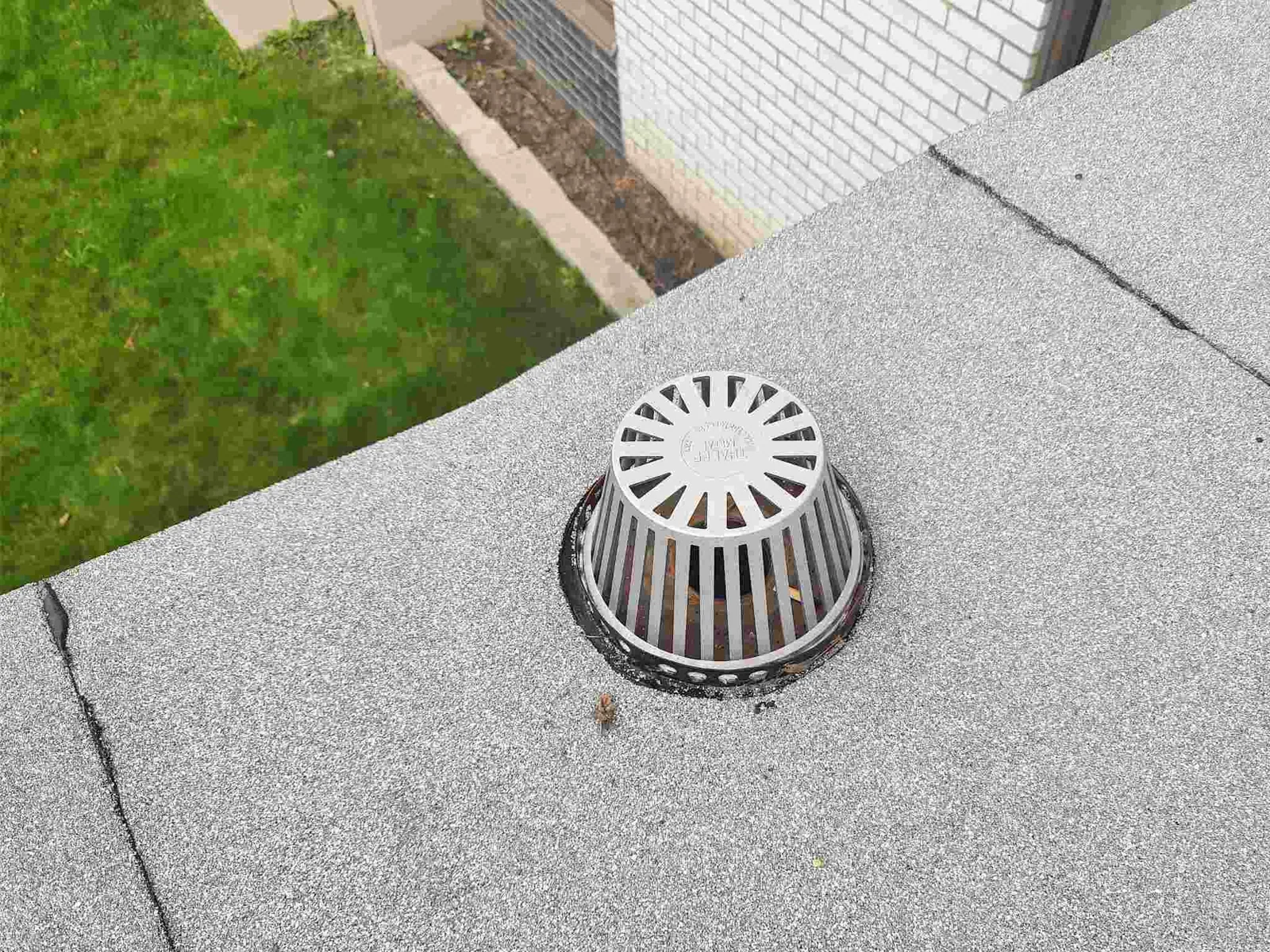
A drain repair must preserve flow into the bowl. We inspect the clamping ring, membrane cut and surrounding slope, then coordinate outlet work beyond the patch. A drain and scupper repair may be needed when the outlet or overflow contributes to the condition. A clear drain alone does not prove the roof above it is dry.

Match the Repair to the Roof
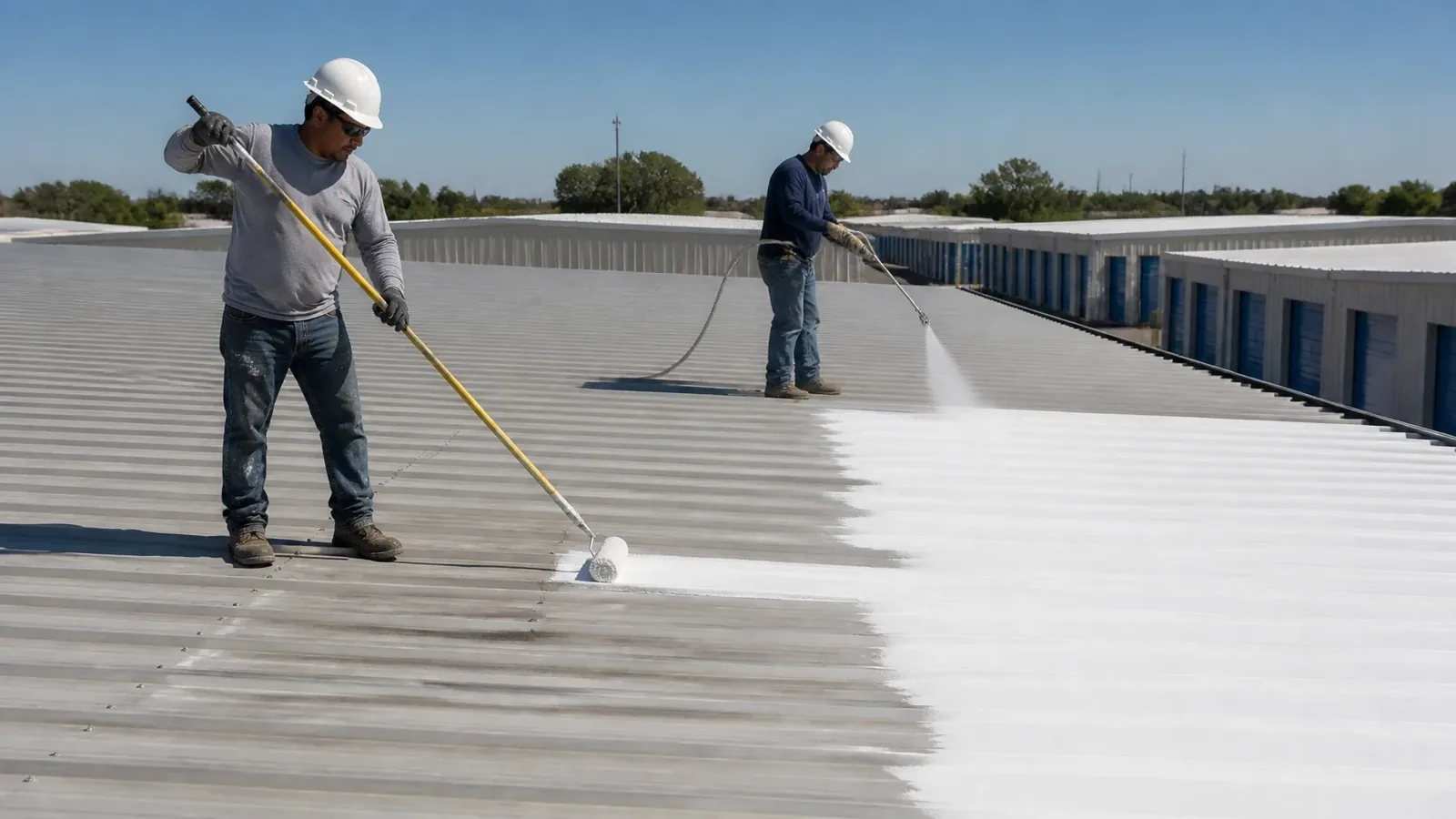
Materials must suit the roof system. Thermoplastic seams may be welded, EPDM uses compatible tape and primers, and modified bitumen needs a repair suited to its surfacing. Metal roofs use different fasteners and seams. A sealant can still fail if it is incompatible, placed over contamination or asked to bridge movement. We identify the system and list preparation and materials in the work record. We check that edge from above and below where safe.
Older roofs may hold several generations of patches. We record their limits and check the substrate. Wet or loose areas may need separate removal; a contained detail can support localized repair. Repeated failures along a seam or across zones call for comparing broader work with restoration or replacement. The owner also needs to know whether a repair is intended as a durable correction or temporary water control. We state that distinction, the exposed layer involved and the next inspection point so the facilities team can schedule follow-up without mistaking a temporary measure for a completed assembly repair.
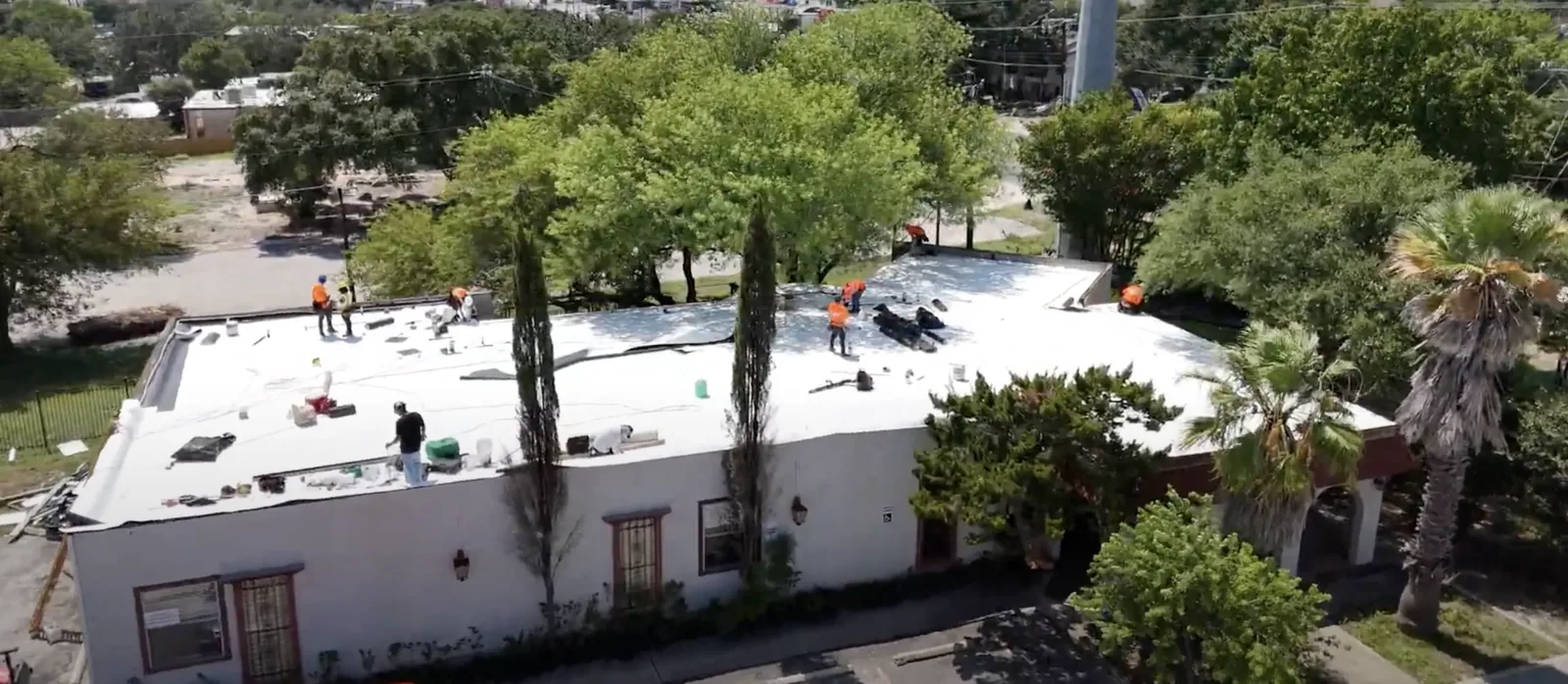
Broadway and Main Street serve commercial retail, while Otay Mesa links industrial activity to SR 905 and I-805. We plan access and material movement for the property. A phased occupied-building plan can protect sensitive areas as work moves between zones.
Work Windows and Water Control
Most Chula Vista rain falls between November and March. A repair may need temporary protection while a detail is opened. We check the forecast and carry materials to secure the area before leaving. Inland heat affects adhesives and sealants, so we follow application limits rather than rushing a tie-in. Conditions shape work; the roof still needs inspection.
A loading dock, fenced yard or storefront can limit lift and material access. At waterfront sites in National City’s Marina District, truck routes and active operations may affect timing. We coordinate delivery and roof access with the building contact. The Marina District service area includes port-related and commercial activity, so the property’s route determines the sequence.
Afterward, we check the patch edge, seam weld or flashing termination and clear drainage. A surface check does not trace a leak through the full assembly. The closeout record states what was repaired, what was not opened and what to watch at the next inspection.
A Clear Record for the Next Decision
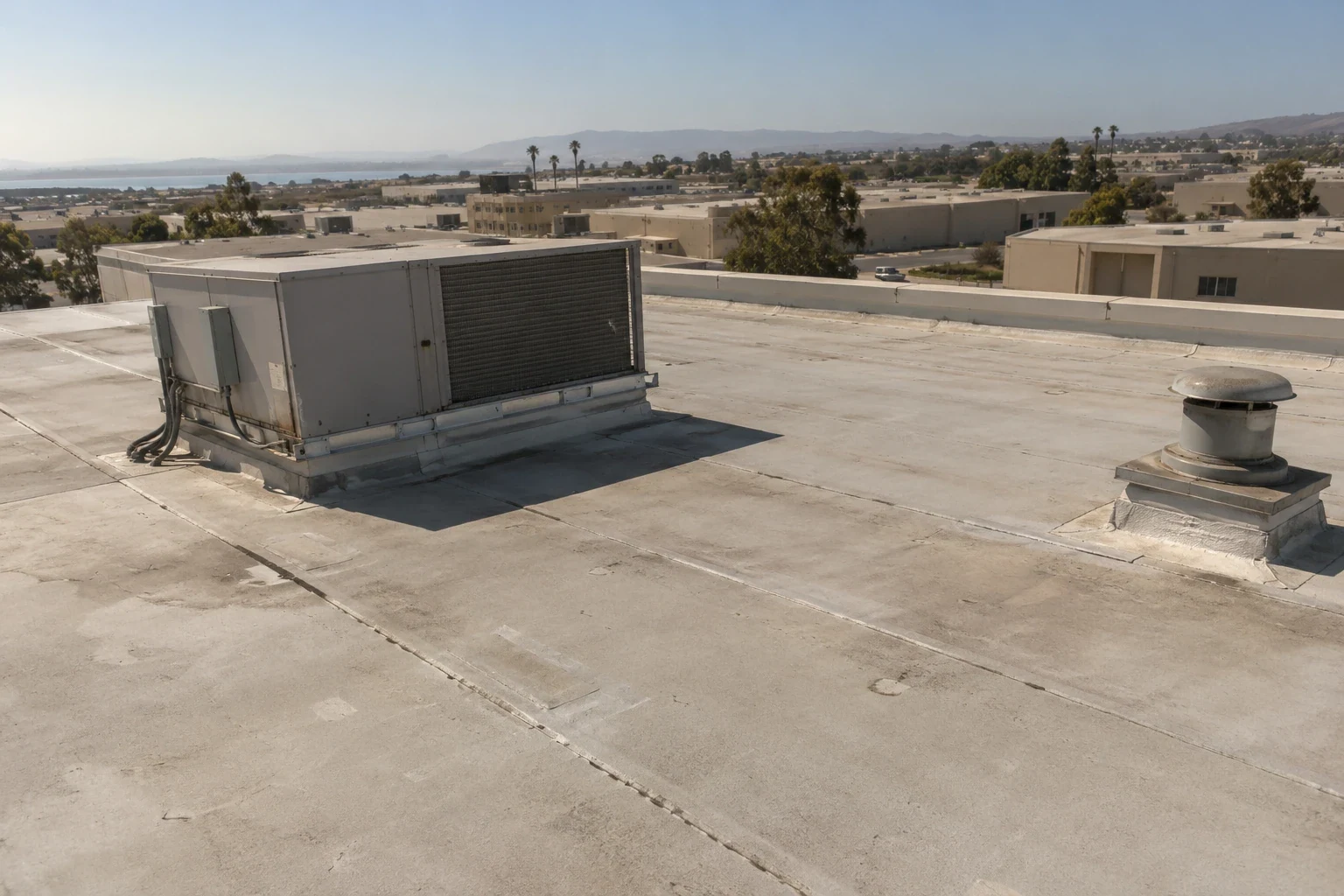
Cost and timing depend on access, preparation, system type, defect extent, safety controls and any wet insulation or damaged deck. A seam repair needs cleaning and welding; flashing work can involve rebuilding connected edges. We describe each item by location and detail, with concealed conditions separated from the planned boundary.
Repeated open seams, loose metal, ponding or interior reports may call for planned follow-up. Preventive roof maintenance keeps those details on an inspection route, while a roof condition report records photos and locations. It separates observed defects from recommendations for later budgeting.
Commercial roofing repairs are available around the clock, including weekends and holidays, when active water entry cannot wait. For planned work, share the building, roof zone and access contact. We will inspect the detail, define the repair boundary and explain the next decision.