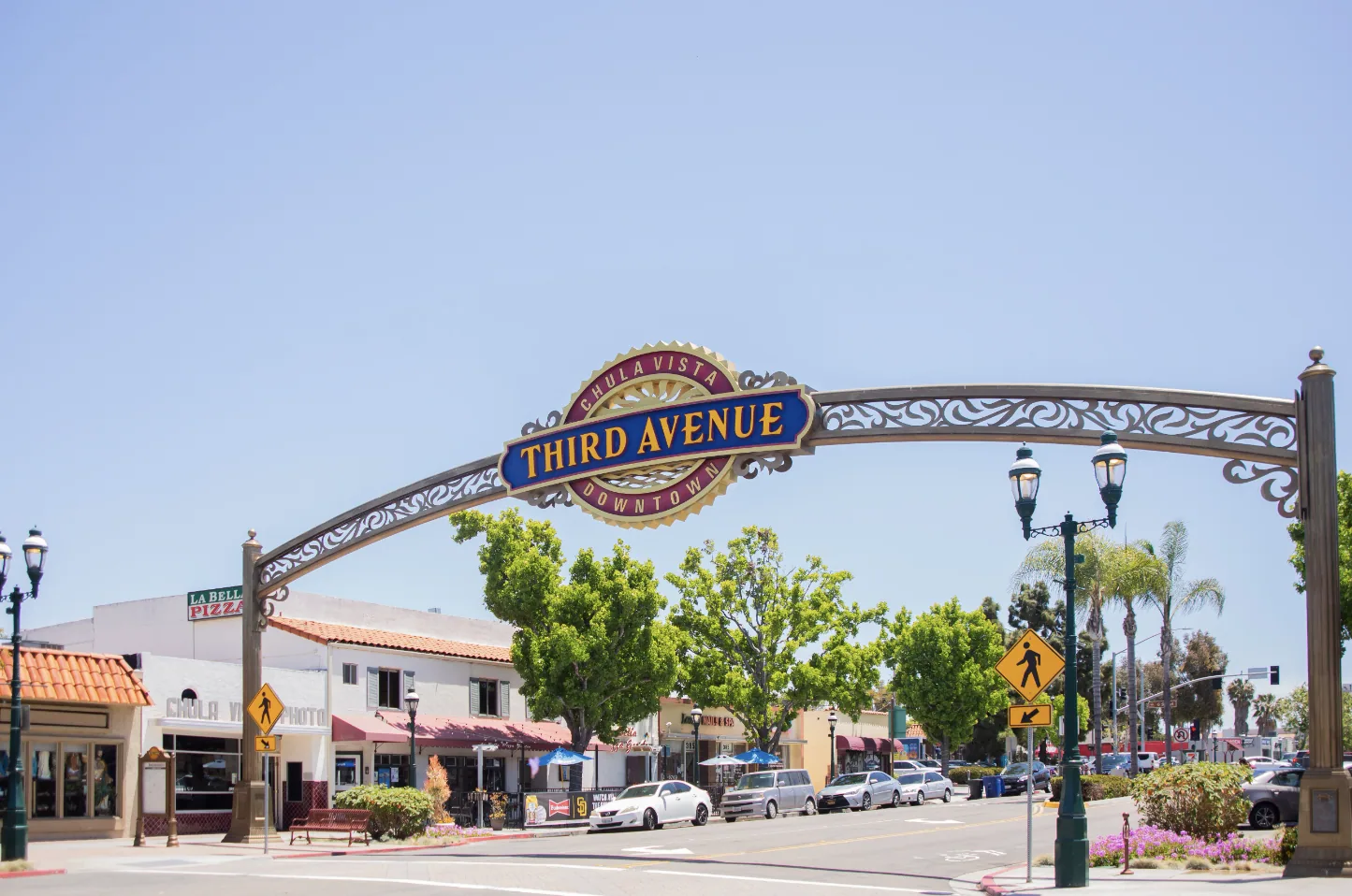
Commercial roofers based in Chula Vista
A leak above a work area needs more than a patch chosen from the ceiling stain. Water may enter at a curb or seam, travel below the membrane and show itself somewhere else. We inspect the roof zone tied to the report, follow seams and drainage toward the likely entry, and document what can be confirmed. That gives the facilities lead a basis for choosing repair, testing or broader work. We serve commercial properties in Chula Vista and nearby San Diego communities, with roof work matched to each building’s assembly and operating needs.
The work begins with a conversation about the building, access, reported condition and what must remain operational. We look at the surface, drains, edges, penetrations, rooftop equipment and accessible interior signs. When concealed moisture is possible, we explain whether a survey or controlled opening would help. The inspection record identifies roof zones and photos, then separates observed conditions from questions that need more evidence. A commercial roof inspection gives the owner a clear starting point before a repair or replacement decision.
Work across roof assemblies
Commercial roofs use different assemblies, and each handles water and repair differently. TPO and PVC use heat-welded seams; EPDM patches require compatible primers and materials; modified bitumen and built-up roofs contain layered assemblies; metal systems rely on panels, fasteners and seams. We identify the existing roof instead of assuming it from the building use. A TPO repair, EPDM work or standing-seam metal scope follows the assembly’s details and the condition found during inspection.
Drains, curbs, skylights, walls and edge metal can be as important as the field membrane. Water may remain at a low point, enter through a detail or move beneath the surface. We inspect the transition and its tie-in, then choose materials and preparation that fit. Where a survey may locate concealed moisture, its result guides targeted follow-up rather than replacing a physical check. The written scope records the repair boundary, materials, staging and closeout information so a facilities team can track what changed.
Understand the local operating setting
Chula Vista’s mild Mediterranean climate is tempered by the coast, while inland areas have larger temperature swings and can experience hotter dry winds. Most San Diego-area rain falls during winter. These patterns affect forecast review, exposed-area protection and installation windows, but they do not diagnose a specific roof. We check the surface and materials at the property before planning work. Coastal air makes exposed metal worth reviewing where present; inland heat can affect material handling and the size of a safe daily opening.
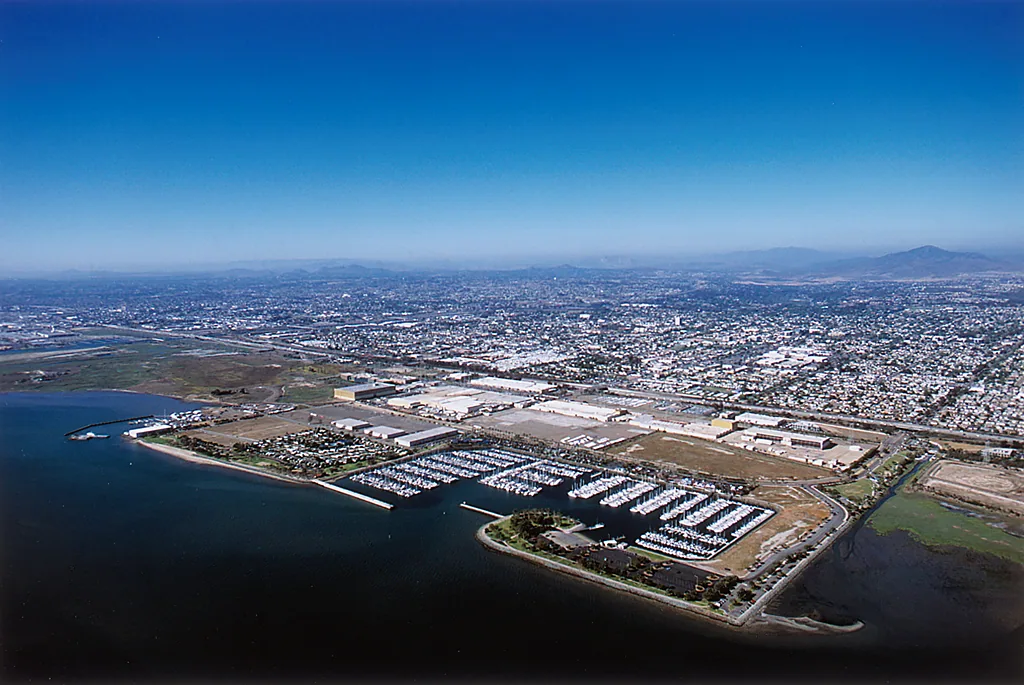
Commercial activity spans the city. Its economic plan includes manufacturing, technology, office and professional services, retail and cross-border trade. Planned employment settings stretch from the tideland and Montgomery to Otay Valley, Eastlake and Otay Ranch. Waterfront development provides for restaurants and shops, marina services and offices connected to maritime uses. Each setting brings different access and occupancy considerations; the building walk determines its roof system and condition. For example, Bayfront commercial properties and the Eastlake business center call for property-specific access planning, not assumptions based on location names.
Plan around people and equipment
We work on occupied buildings and coordinate around tenants, staff, deliveries, customers and active equipment. Before mobilization, we confirm roof access, staging, entrances, noise-sensitive areas, material handling and the site contact who can authorize a change. Each daily sequence identifies the active roof zone, dry-in limit and handoff. That lets the building team communicate the practical impact and know when a section is closed again. Occupied-building planning is especially useful when work must proceed in phases or several operations share the property.
When a leak needs immediate attention, emergency response is available around the clock, including weekends and holidays. Stabilization and permanent repair remain distinct steps: we protect the open area first, then inspect and define a durable repair when conditions allow. If insurance documentation is needed, claim documentation support can organize condition photos and repair scope around observed damage. We do not promise an insurer’s decision. The owner receives a record that shows the roof condition and work performed.