Separate Roof Leaks From Condensation
A cold-side room can hold moisture against the underside of a roof if insulation, air sealing or vapor control is interrupted. A roof leak can produce a similar stain, but the repair path differs. We check whether water appears after rain, follows a seam or curb, or forms near a thermal bridge or duct. The facility team can note when the room temperature changed and whether the mark grew during a weather event. That information helps target the roof inspection instead of treating every ceiling spot as a membrane defect.
At the roof, we inspect membrane laps, perimeter transitions, drains and penetrations above the report. If the insulation is wet, we define the visible boundary and explain whether a controlled opening is needed. Water can travel along a deck or insulation joint before reaching the ceiling, so the roof location may not line up with the indoor stain. Infrared moisture mapping can help identify areas that merit confirmatory testing, while leak repair addresses the entry after the path is established.
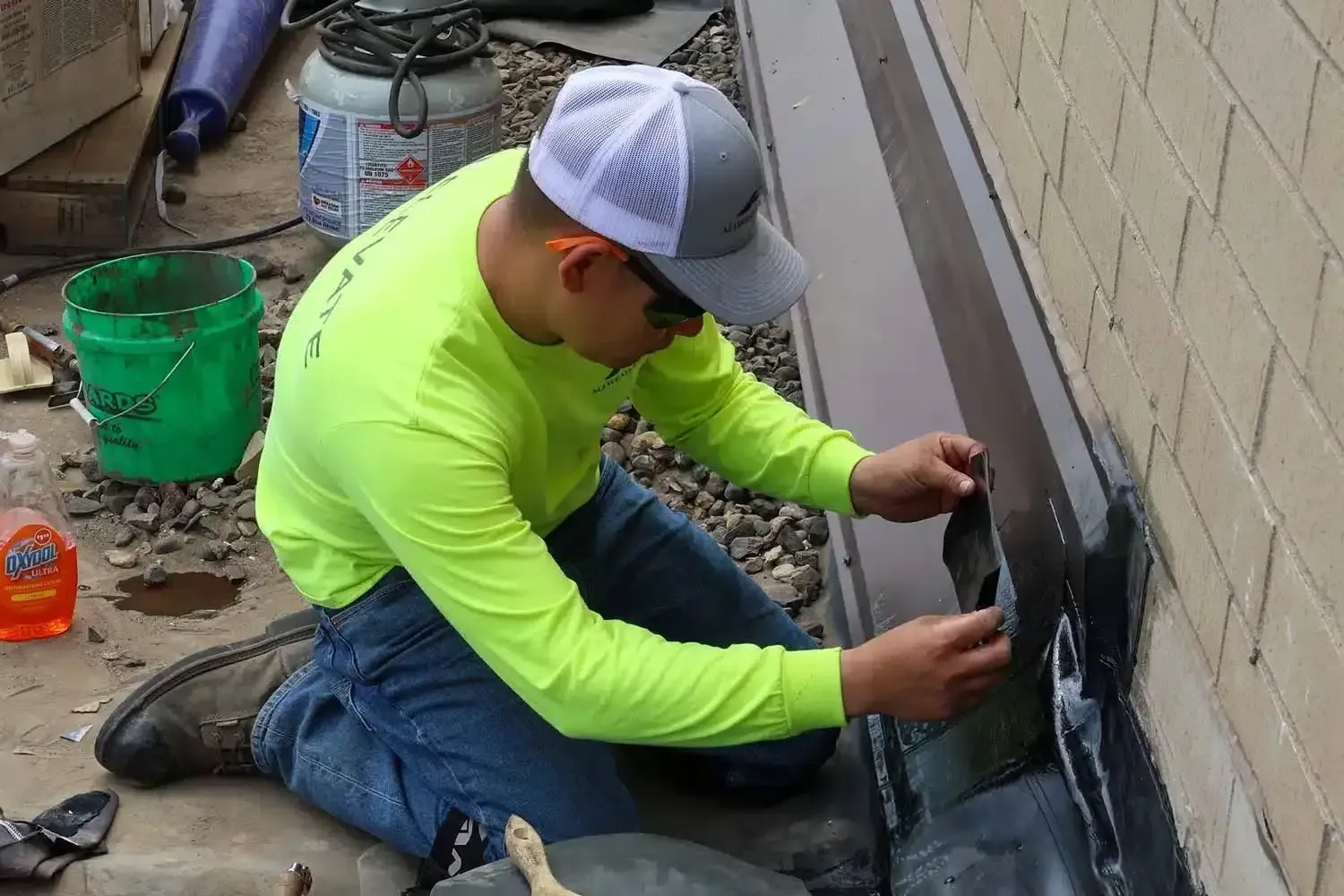
Material selection depends on the existing assembly and the temperature conditions at each transition. The roofing detail must join sound membrane and keep insulation protected. We distinguish a surface repair from a wider envelope correction when evidence points to both.
Protect the Insulation Layer
Insulation does more than limit heat transfer. On a refrigerated building, its continuity and dry condition affect the roof’s performance and the space below. Wet boards can lose insulating value and add weight, while compressed areas can create low spots that hold water. We inspect around fasteners, curbs, rooftop units and past repairs for signs of movement or moisture. If removal exposes more damage than the first opening showed, we stop at a protected boundary and document the added area.
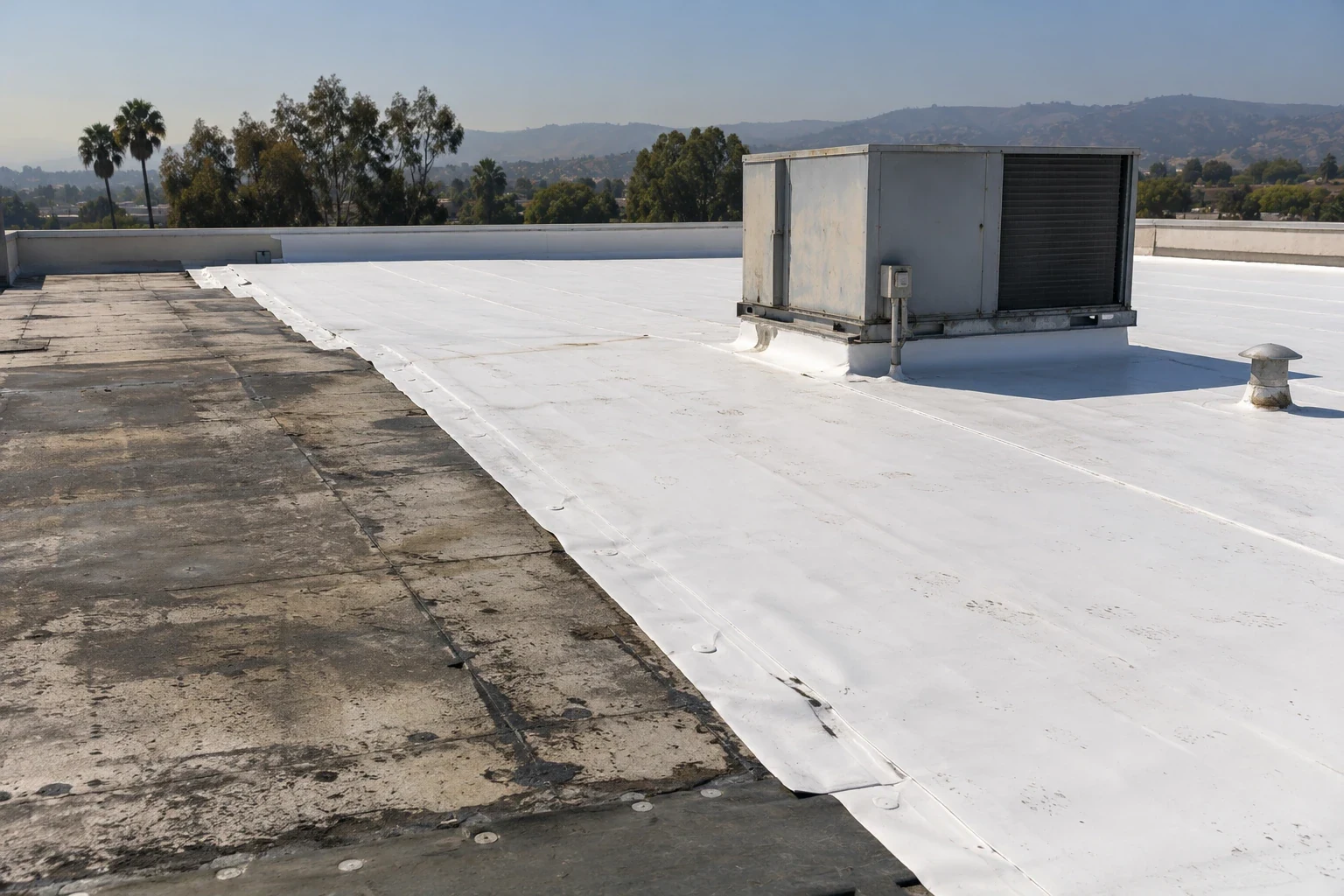
Roof recover work needs a sound substrate and a compatible existing assembly. Covering damp insulation can trap a problem under the new roof. A recover evaluation therefore begins with condition and attachment, not just the apparent age of the membrane. Where the roof layers are saturated or the deck is compromised, replacement may allow a fuller repair of insulation and tie-ins. A cover-board and insulation scope can address thermal and substrate needs as part of that plan.
Room operation matters during removal. We coordinate openings above sensitive storage or processing areas, use interior protection where needed and close the roof each shift. The facility contact sets any required temperature or access restrictions before work begins.
Keep Equipment and Drains Serviceable
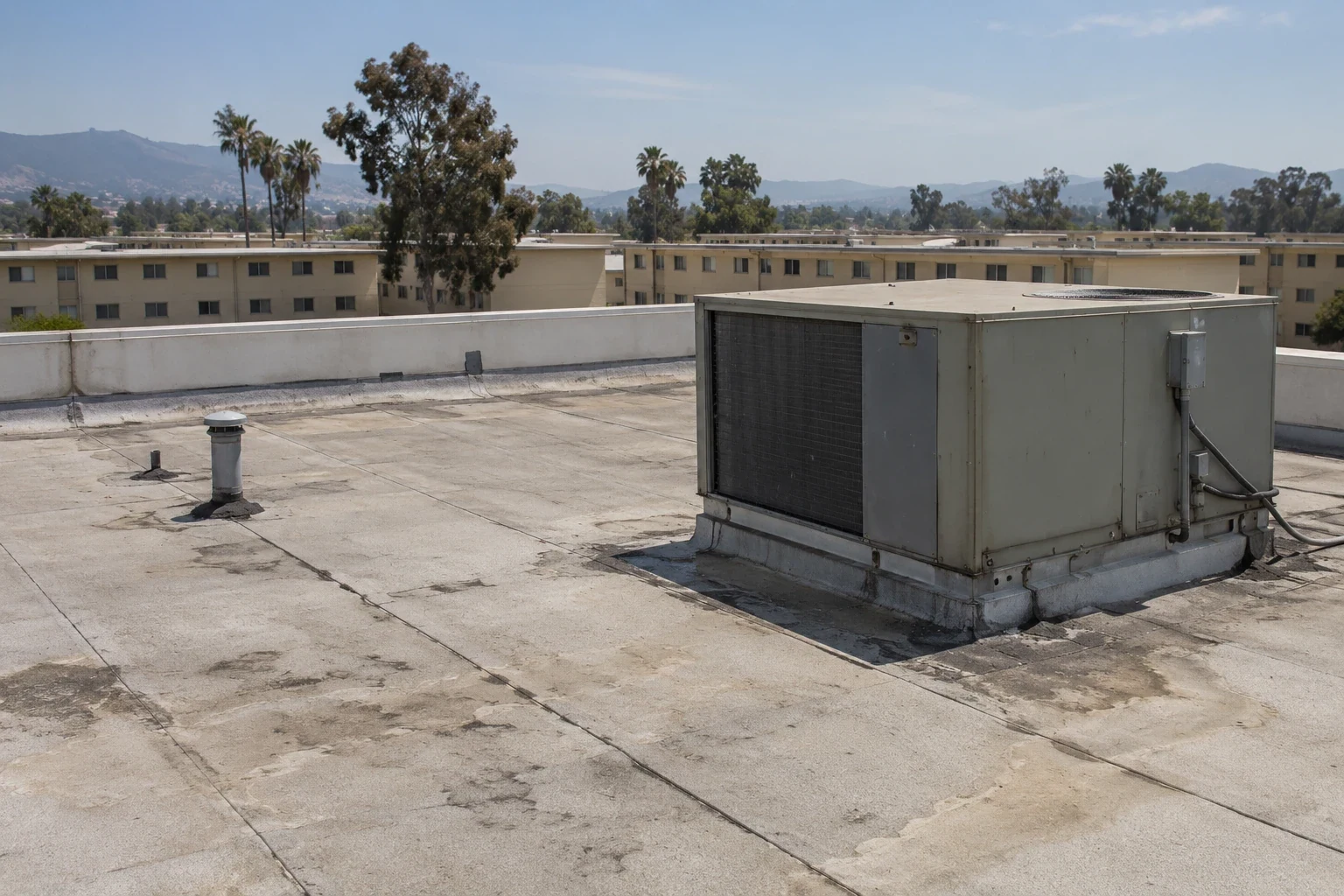
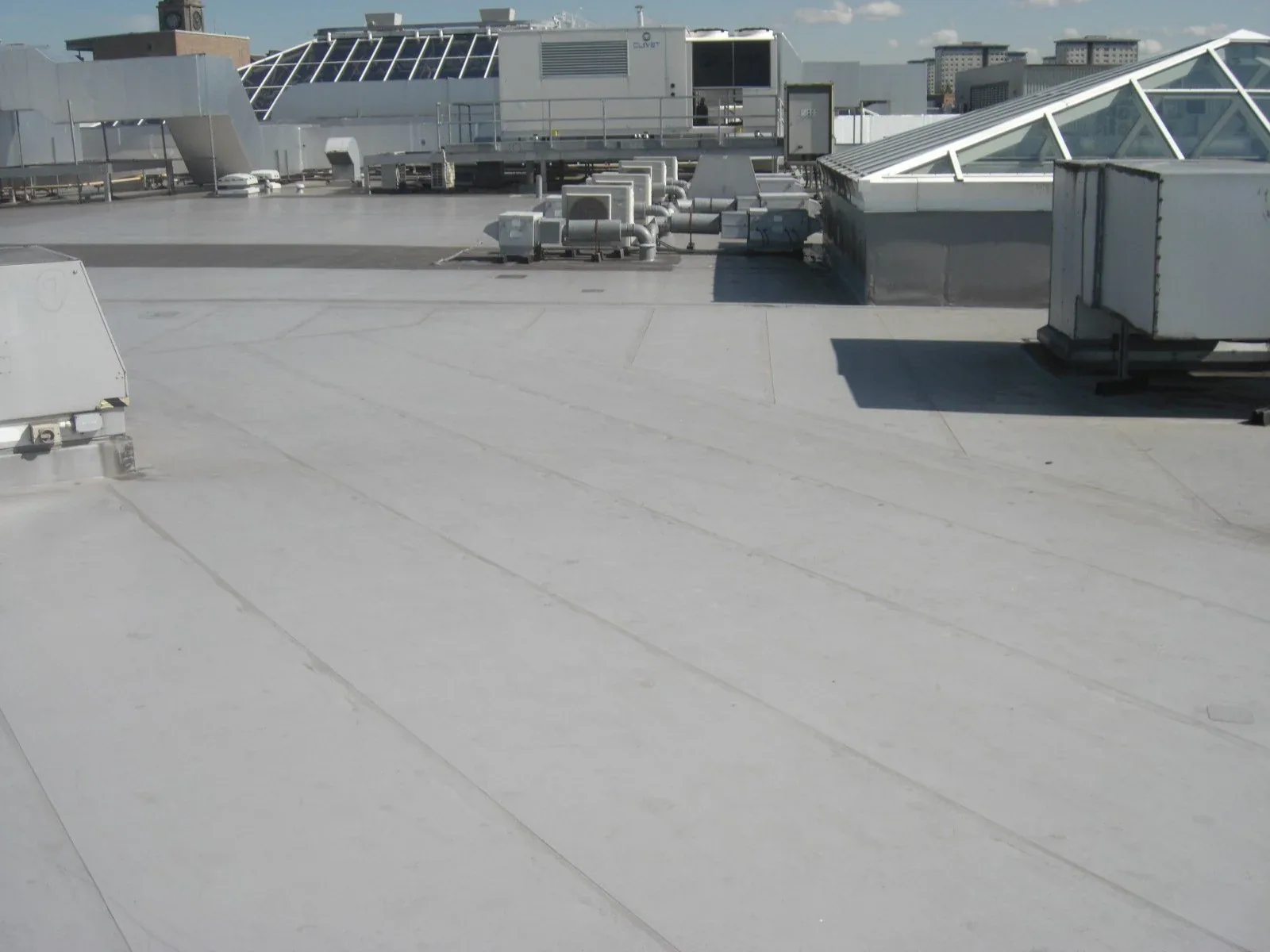
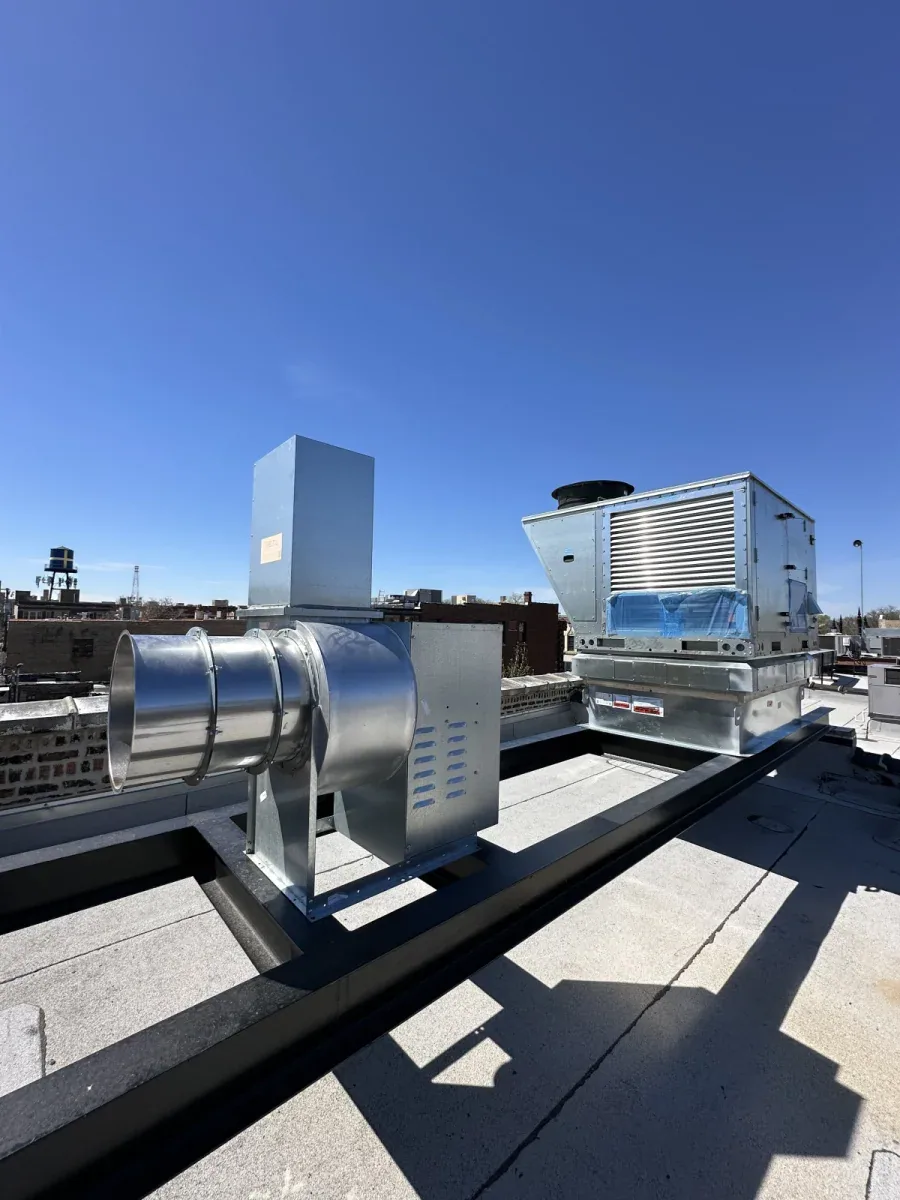
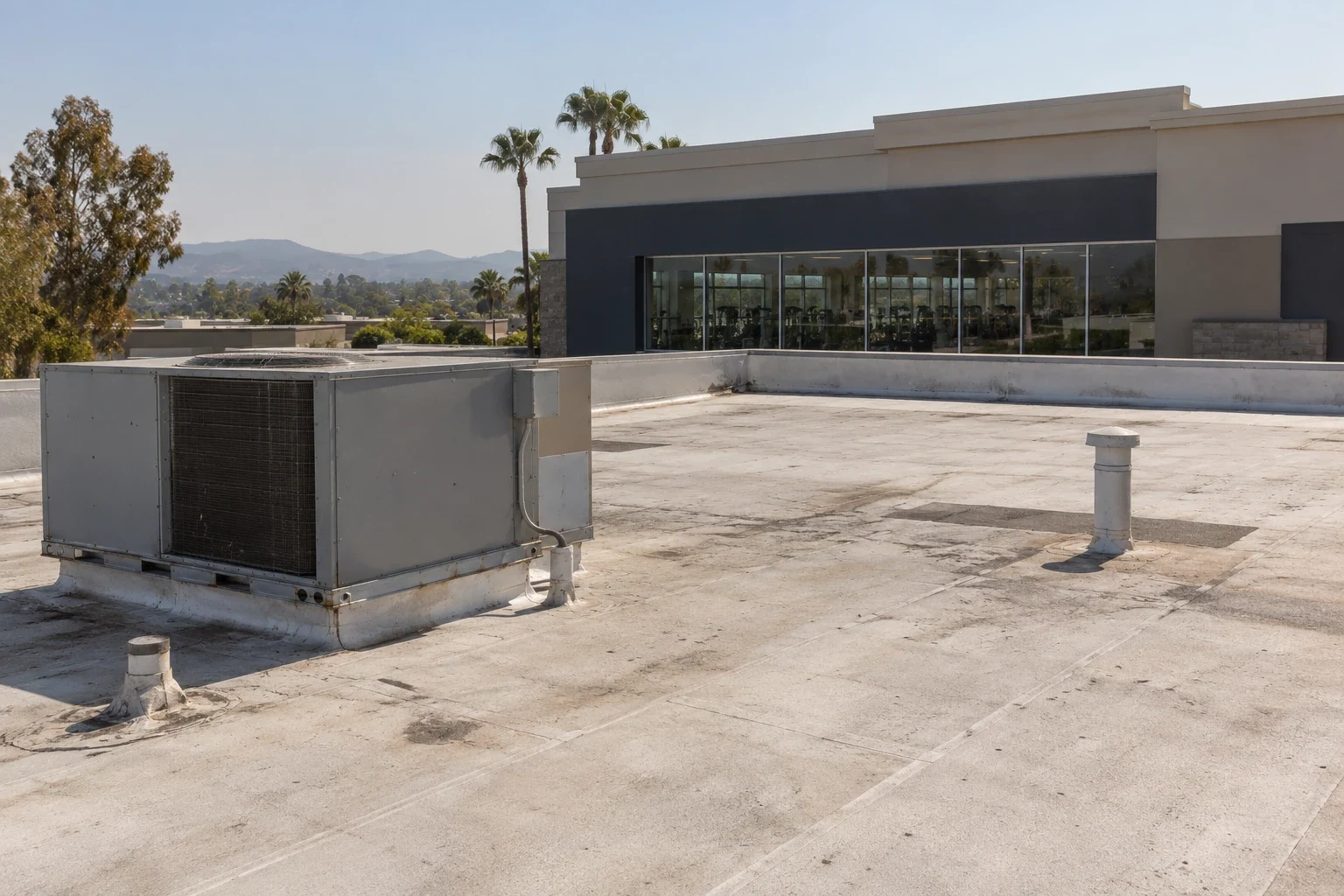
Refrigeration lines, condensers, exhausts and electrical conduit use roof paths that also need to carry water. A pipe support can press against the membrane, while a line that settles can rub through its pad. Debris around a condenser or curb can also block a drain bowl. We check the support base, flashing, clearance and outlet together, then identify which trade must adjust the equipment. Equipment curb and support repairs can close the roof interface after the mechanical work is settled.
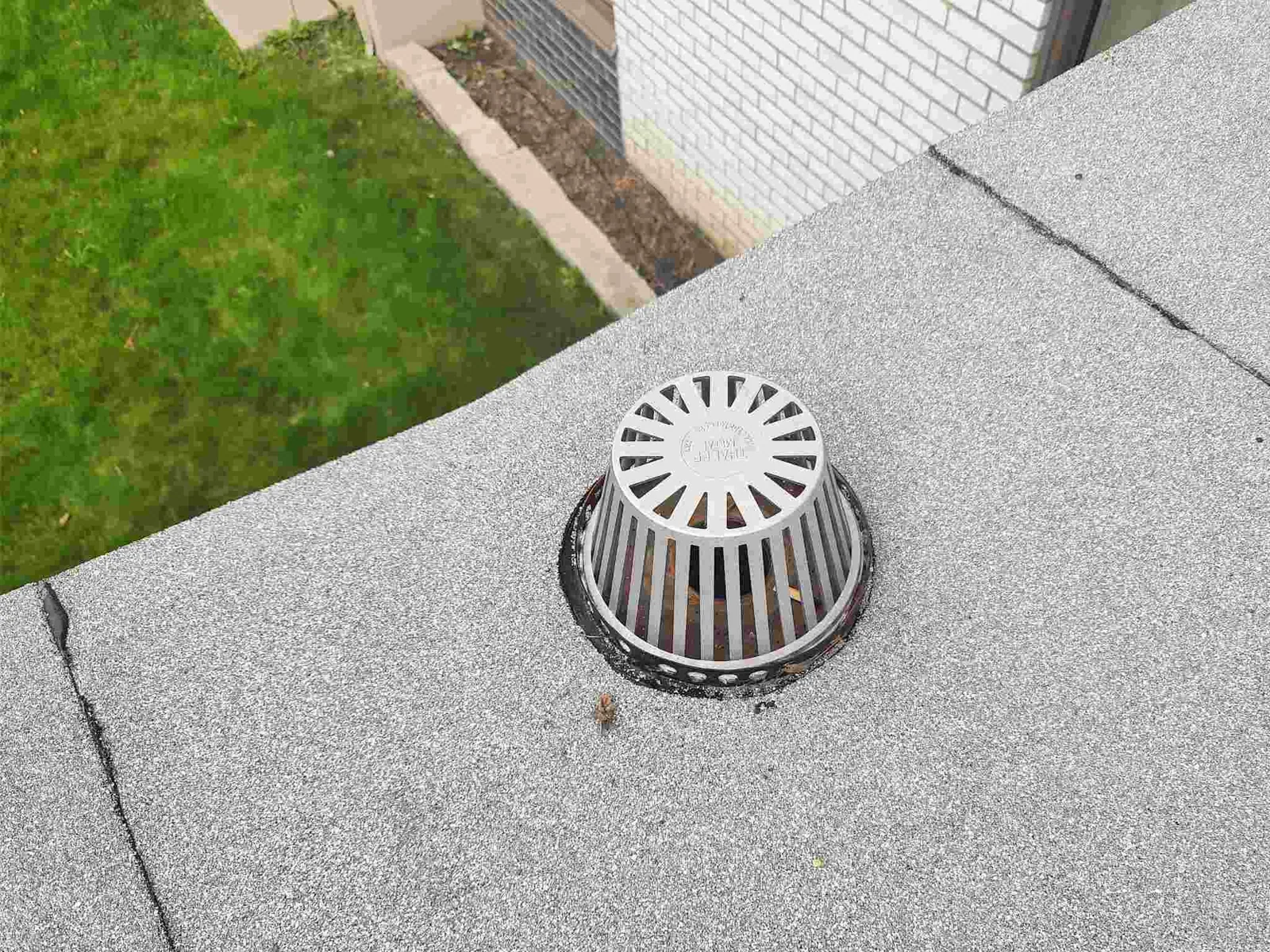
On a roof with several refrigeration units, water may collect in small pockets that are not obvious from one drain. We follow the surface slope and look at overflow openings before recommending a repair. A blocked bowl is different from a low area caused by settled insulation or deck. Drainage repair should correct the specific route and keep access open for cleaning and inspection.
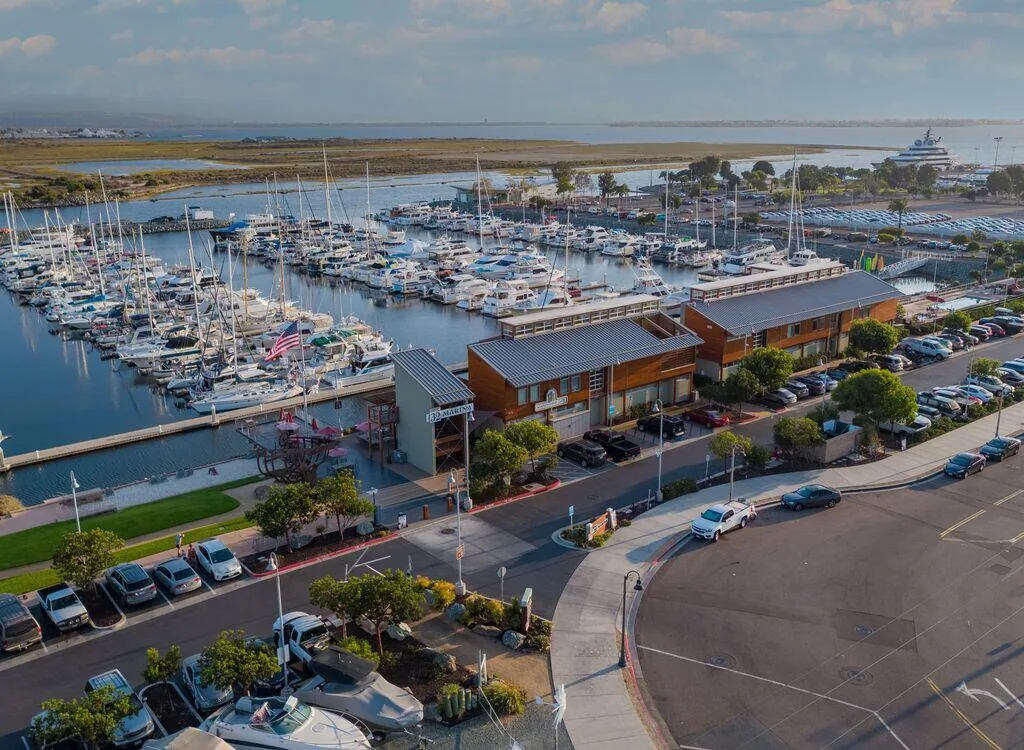
Chula Vista’s coastal setting is mild, while eastern San Diego can see hot dry winds and larger temperature swings than the coast. Those conditions can change how exposed sealants and metal appear, but we base the repair on the actual detail. Near the National City Marina District, maritime deliveries and public access affect staging; building gates and service lanes still set the work route.
Sequence Work Around Refrigeration
Opening a roof over temperature-sensitive inventory needs a short, controlled work window. We set the daily tear-off limit, confirm interior protection and stage membrane, insulation and closure materials before removal. If a refrigeration unit must be isolated, its operator or service technician coordinates that step. The roofing crew protects open duct and piping connections but does not disconnect or restart systems without authorization.
Most San Diego-area precipitation falls during winter, although yearly totals vary. We check the forecast before opening the assembly and secure the tie-in at the end of each shift. If weather or a hidden condition shortens the production window, we finish dry-in before expanding to another bay. When cold inventory or cooling equipment is at risk, we can send emergency roof response at any time of day, on weekends and holidays as well.
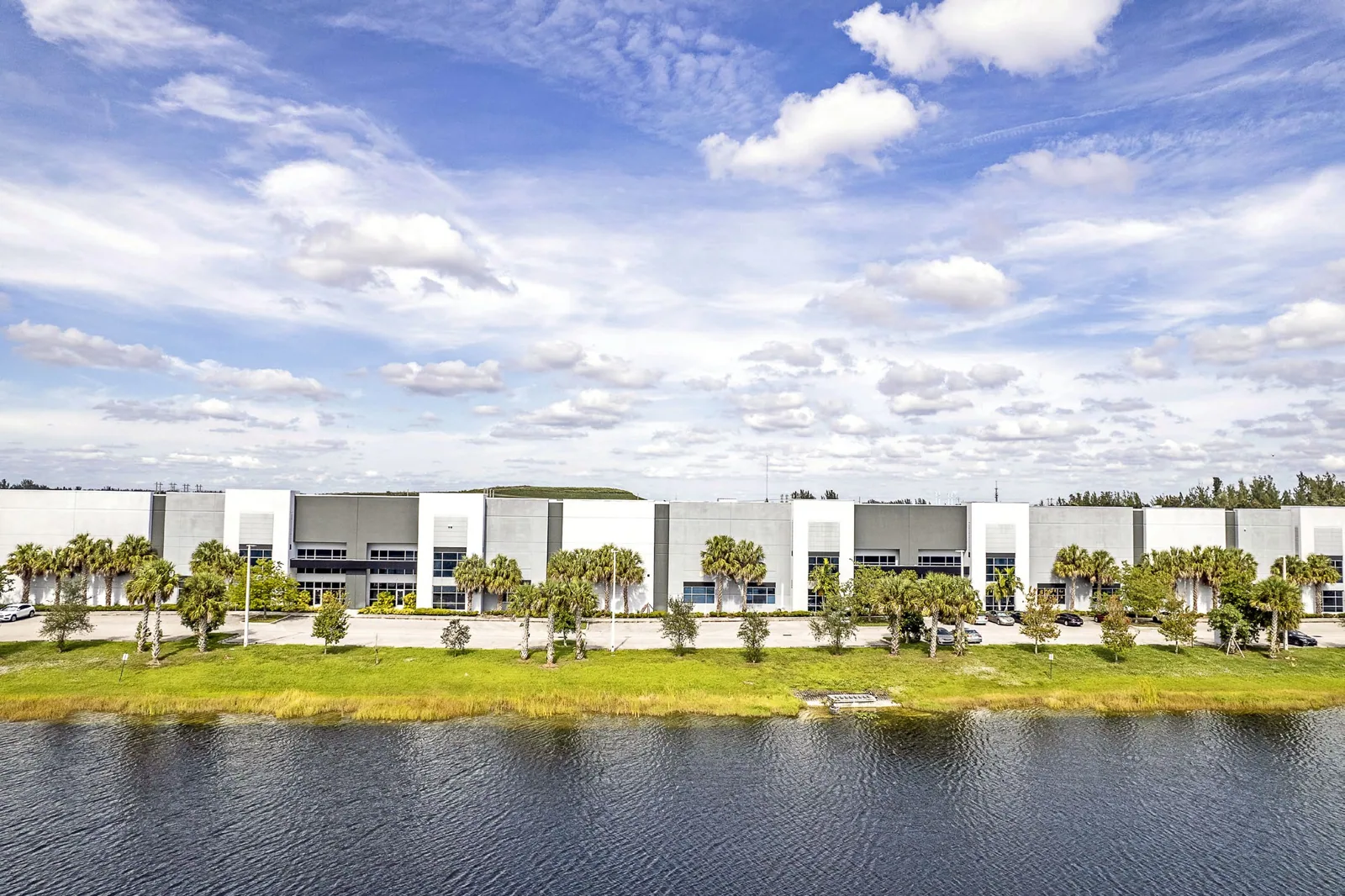
The San Diego Bay Working Waterfront includes terminals, shipyards, suppliers and maritime industrial uses. That nearby cold-chain activity underscores how storage, shipping and roof access meet in the region. For an individual cold room, we confirm its receiving schedule, product protection rules and lift path before mobilizing. A distribution center roof may share dock access concerns, while a warehouse roof can have a different interior risk profile.
Document Each Temperature Zone
A closeout record should tie each repair to a roof zone and the cold or ambient space beneath it. Photos show the original detail, opened layers and completed tie-in. We list work completed separately from areas that need additional testing or a mechanical adjustment. If the room reports moisture again, the facility team can compare its location and timing with the roof record rather than assume the prior repair failed.
Cost and schedule depend on the roof assembly, insulation condition, equipment access, interior protection, shutdown window and how many zones need separate closure. Refrigerated operations may limit the time a roof can remain open, requiring more staging or smaller phases. We explain those drivers before extending removal beyond the observed damage. A roof condition report can preserve repair photos and the maintenance route by building.
Send the building, room temperature zone, leak timing and refrigeration contact. We will inspect the roof above the affected area, identify whether the evidence points to water entry or another condition, and set a work window that protects the stored product.