Triage the Report by Property and Risk
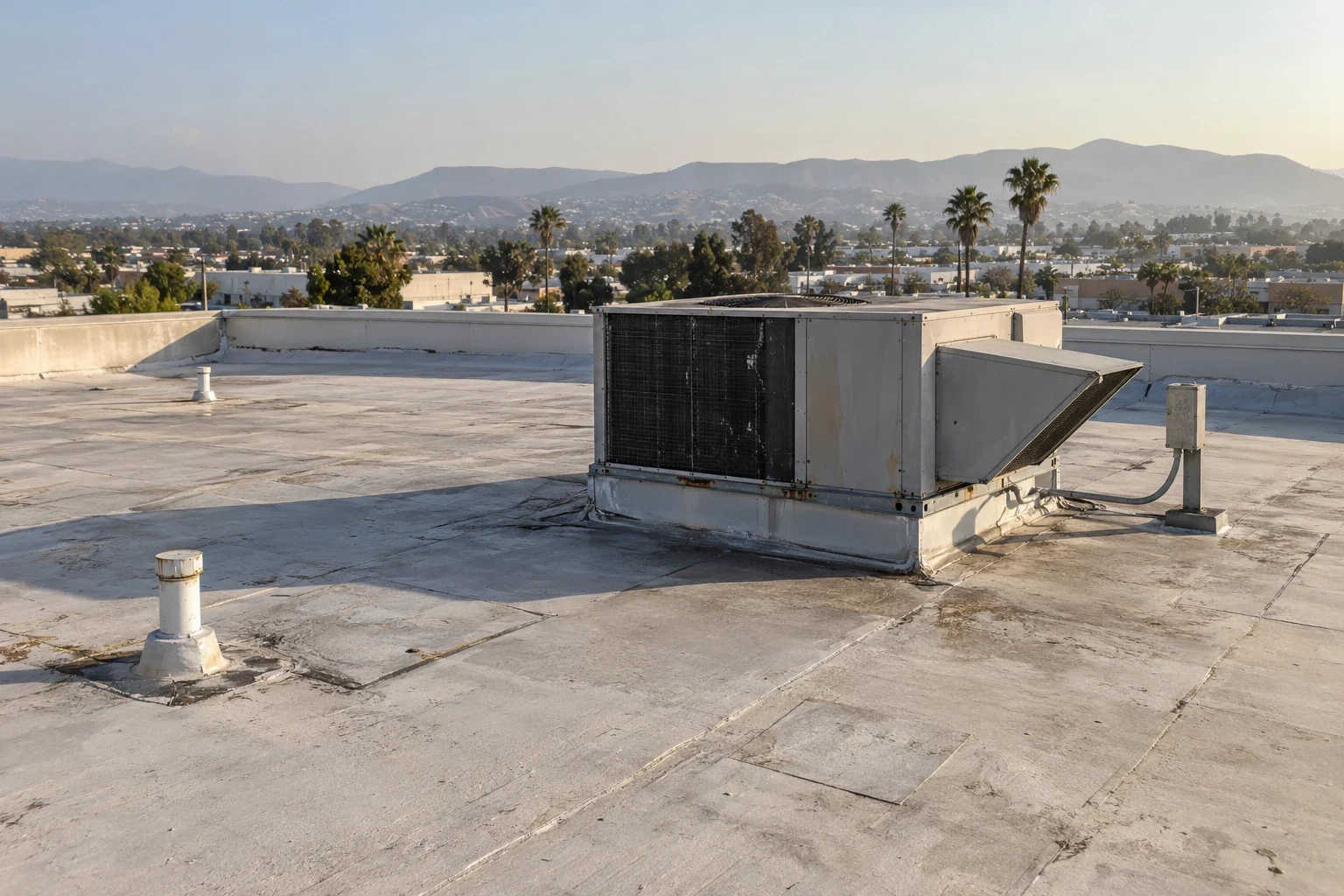
When a tenant reports a stain, we first identify the affected room and the roof area above or near it. Water can travel along a deck flute, framing, insulation joint, or conduit, so the ceiling mark alone does not define the repair. We inspect seams, drains, curbs, wall transitions, and earlier patches, then label confirmed findings separately from suspected paths. The work order can state whether the next step is a surface repair, a controlled opening, or further investigation.
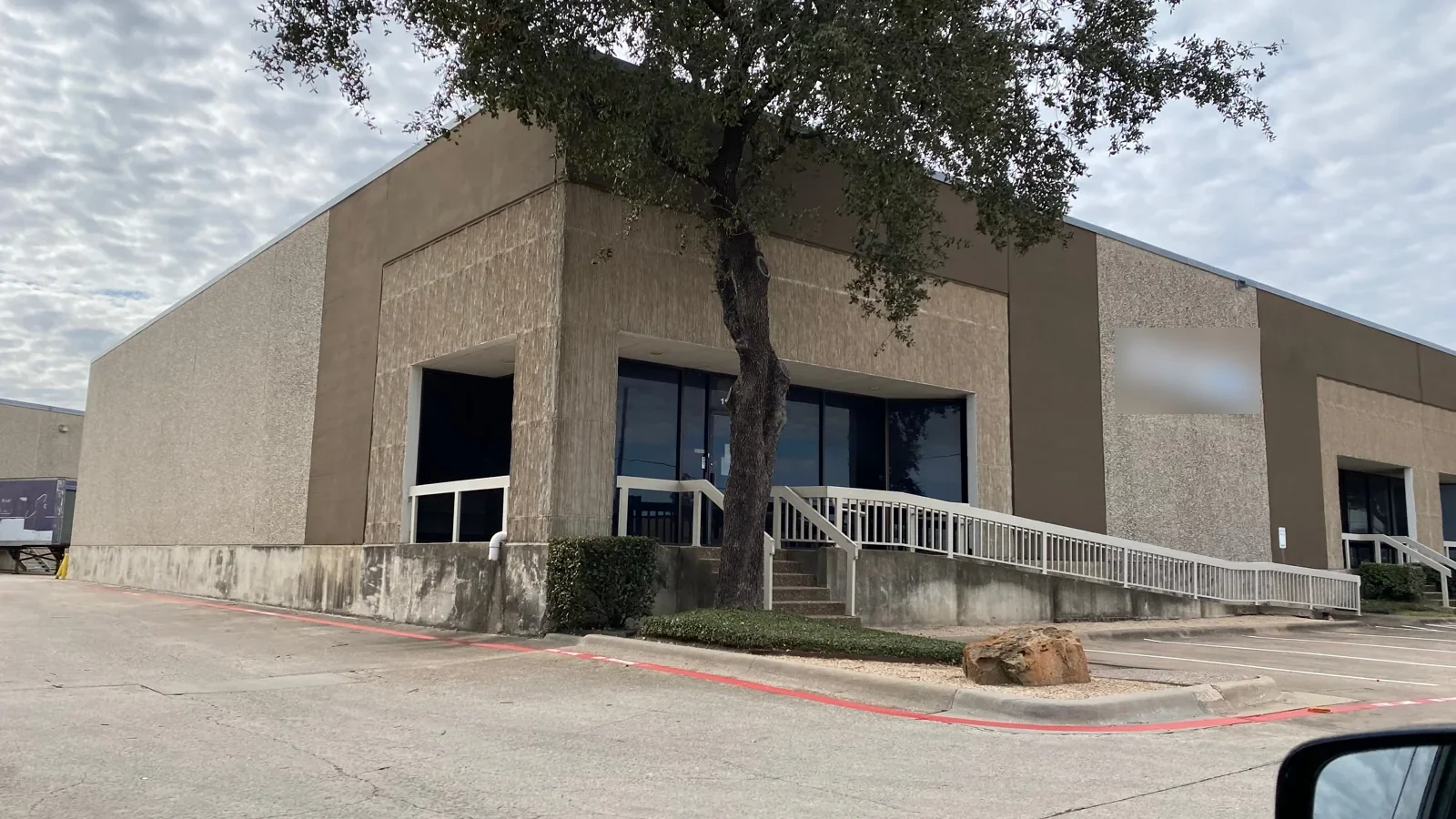
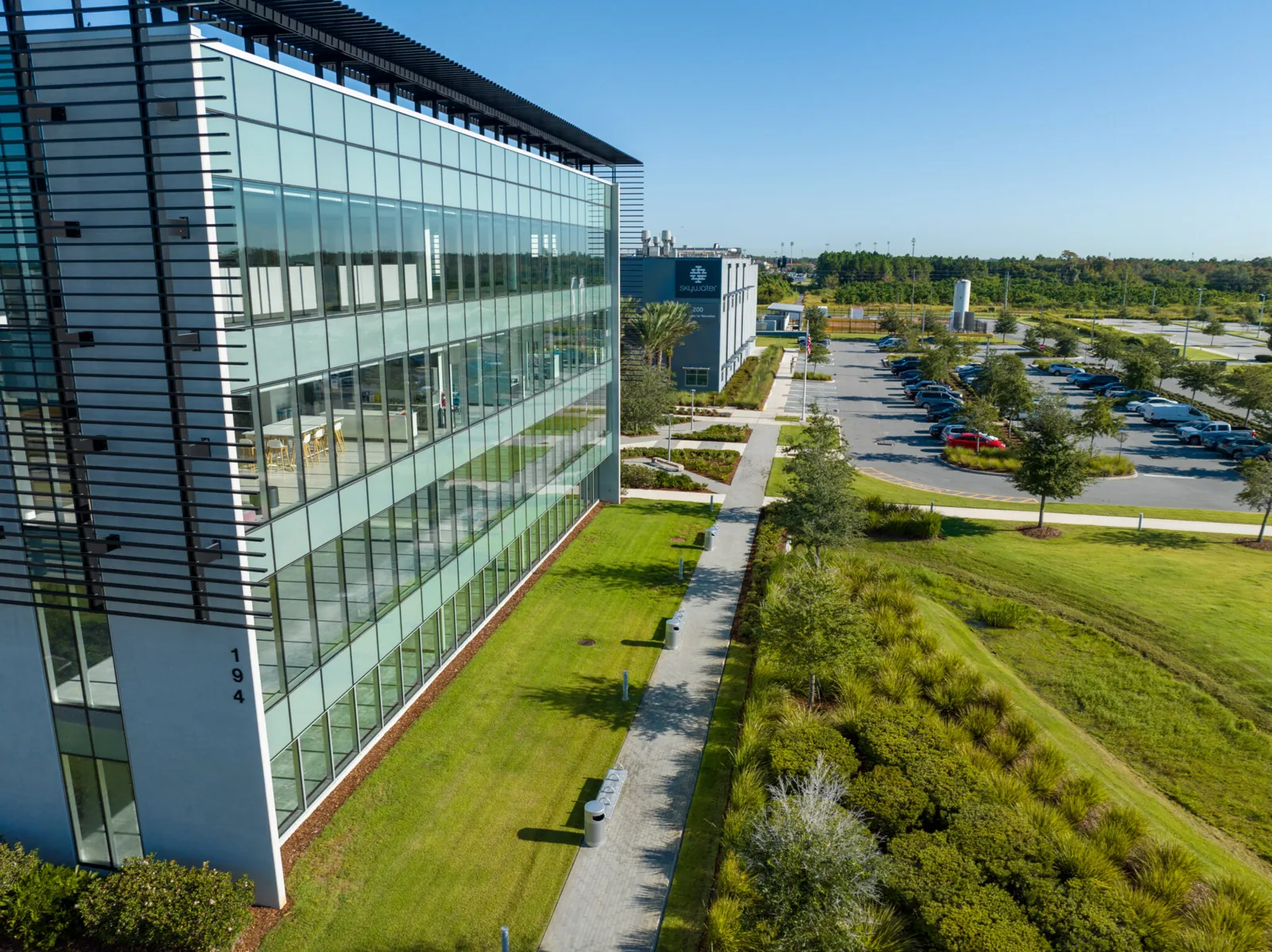
A property manager may be coordinating several calls at once. We can group roof walks by geography while keeping each building’s access contact, assembly, and repair boundary distinct. The condition record includes location-based photographs, observed material, drainage notes, and open items. For a repeat property, that gives the next manager a point of comparison rather than a bare work-order line saying only that the roof was checked. A real-estate portfolio can use the same structure to compare capital needs across assets, as can a manufacturer managing several facilities.
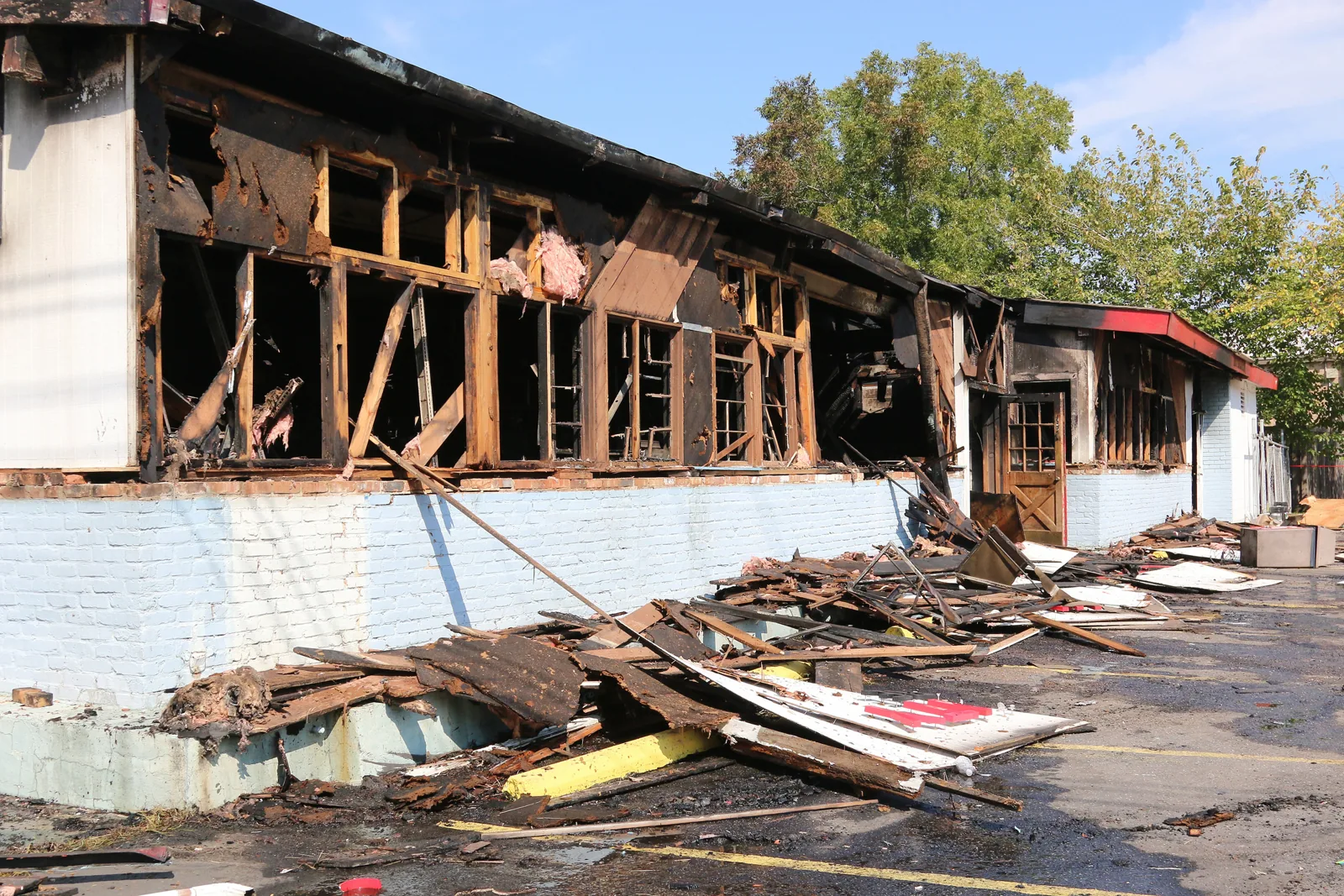
Active water needs prompt attention even when permanent work requires approval. Emergency response is available overnight, on weekends, and during holidays. We stabilize the opening, protect the space below, and document the temporary condition before presenting the permanent repair scope. That separation helps the manager tell a tenant what has been protected and what still needs a decision.
Keep Each Roof’s Condition Separate
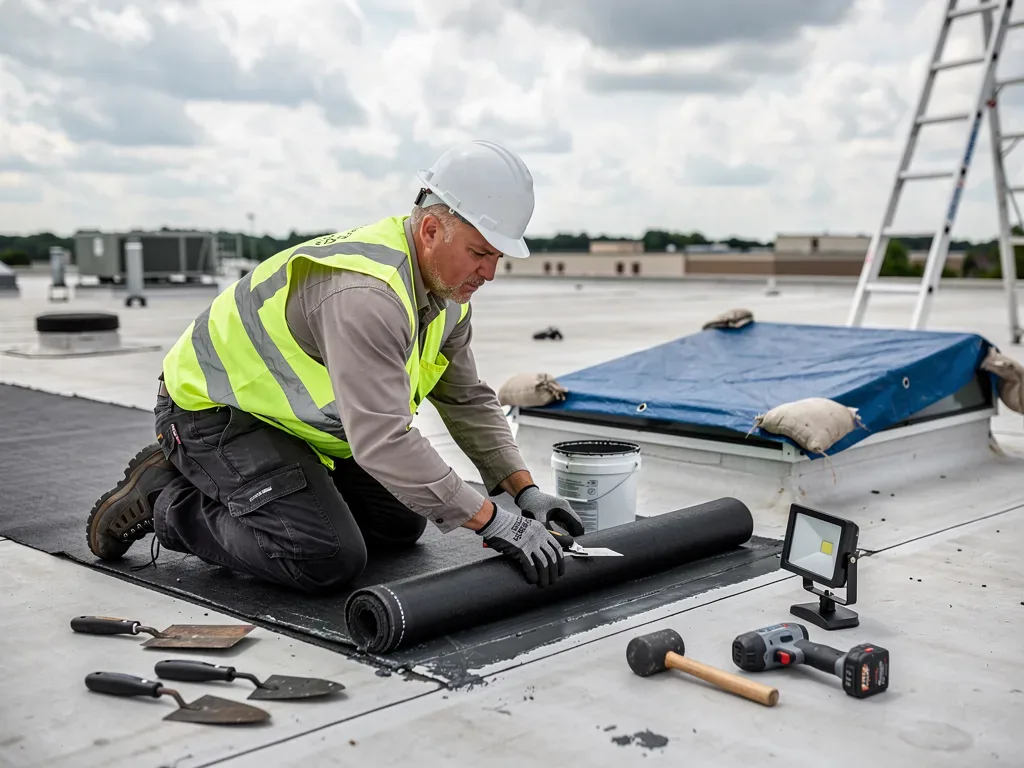
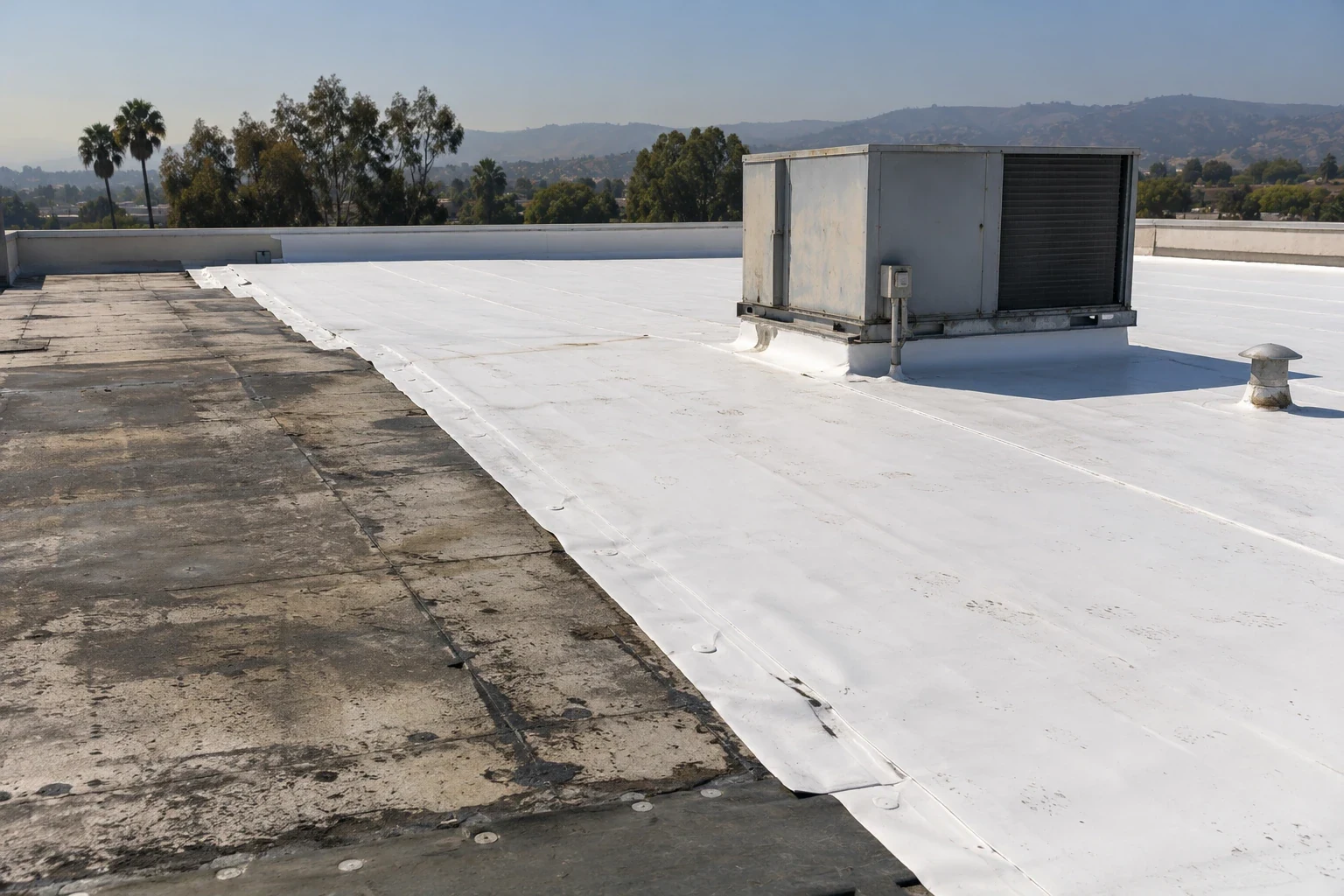
Two neighboring buildings may have different decks, insulation, and previous repairs. We identify the roof system at each property before recommending a compatible patch or broader work. A TPO seam, an EPDM termination, and a metal panel lap do not use interchangeable details. If the system is uncertain, we explain what a test opening or material check would establish and how the opening will be restored.
Chula Vista’s employment land spans the tideland, Montgomery, and Otay Valley areas, with newer industrial development in Eastlake and Otay Ranch. That mix can put retail, offices, and industrial roofs in one management portfolio. It also means the field report should name the property and assembly rather than borrow a repair assumption from another site. A commercial roof inspection identifies the visible system and the conditions that influence repair, recover, or replacement.
If multiple sites show recurring seam, drain, or edge problems, we can organize the findings in a multi-site roof program. The program does not flatten different roofs into a single score. It gives each building a condition, immediate action, and planning horizon, with evidence attached so the asset manager can see why one property needs work before another.
Plan Work Around Tenants and Operations
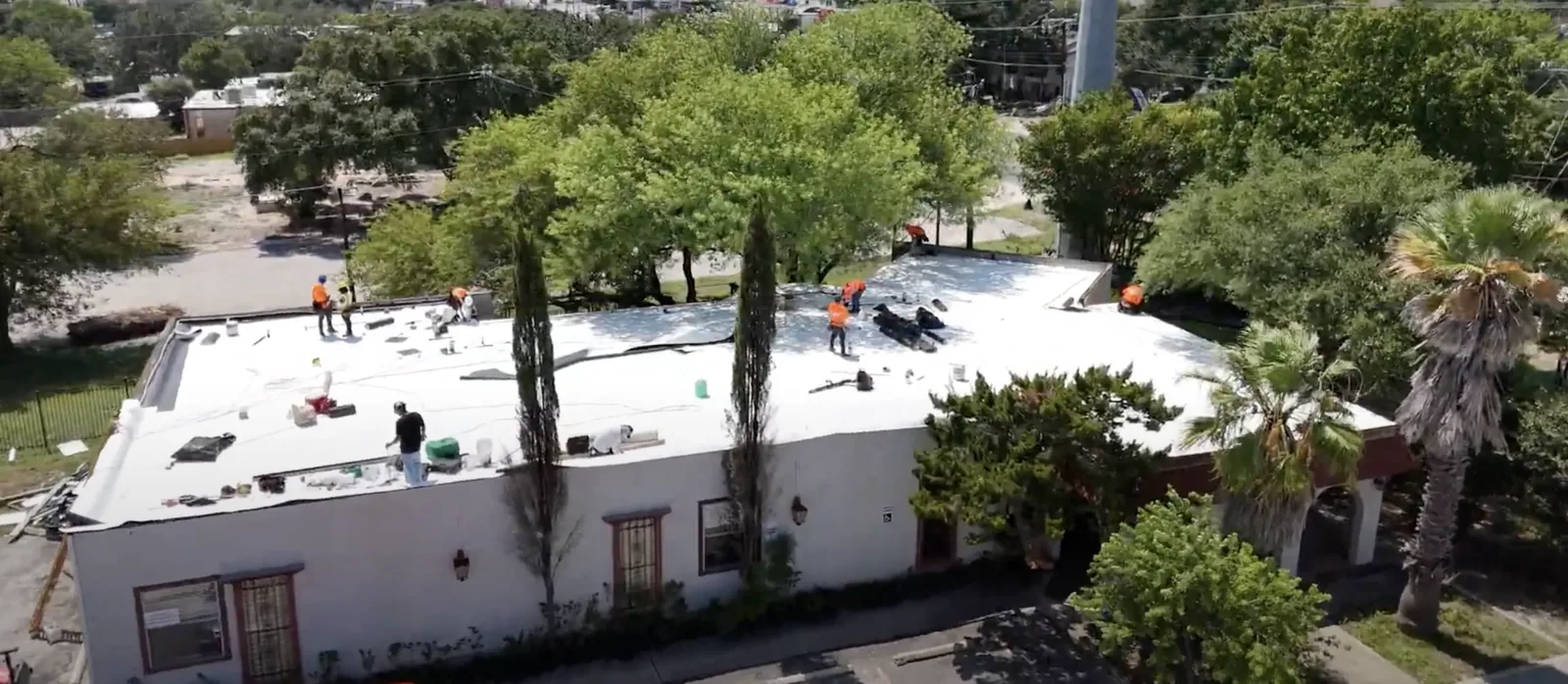
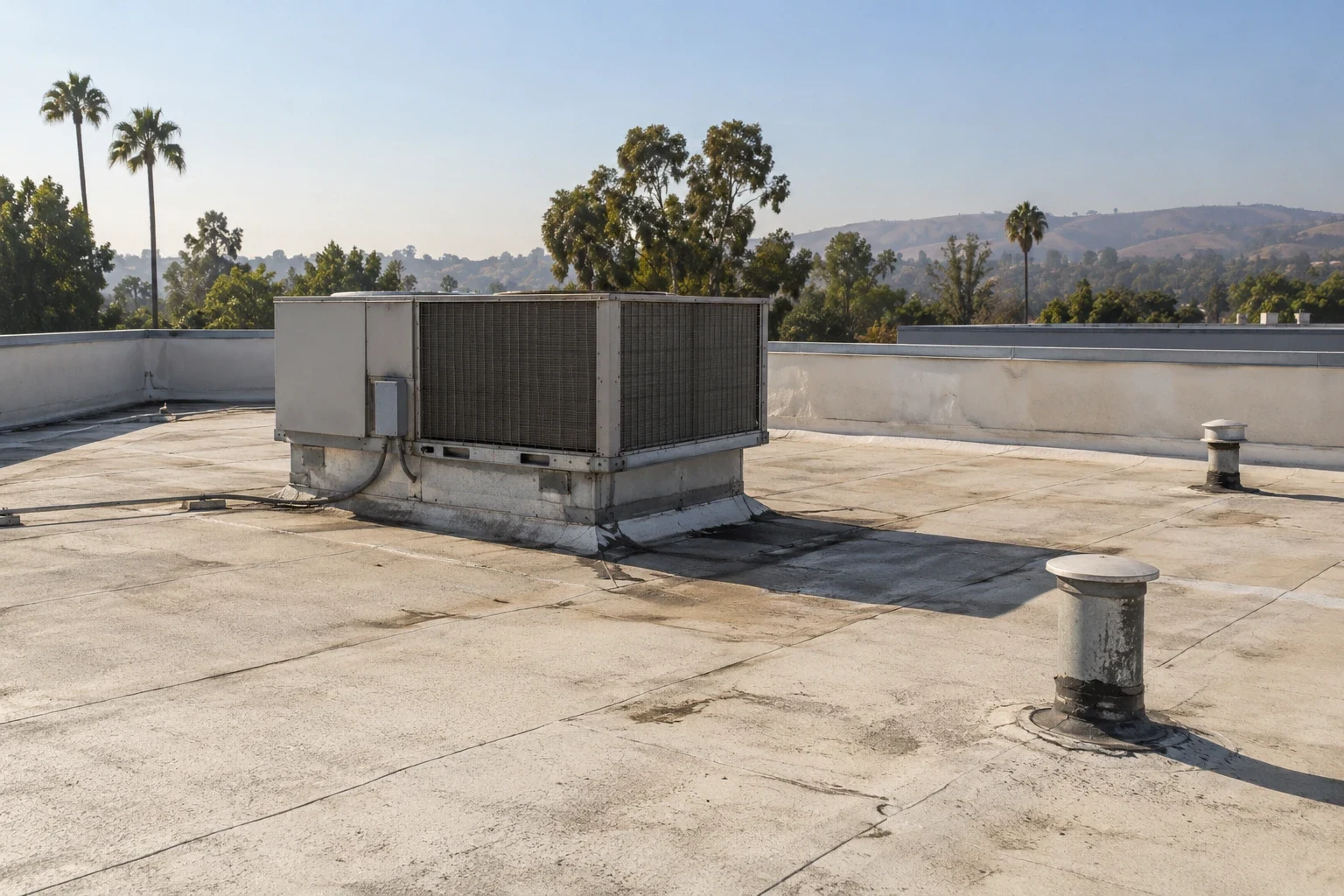
Roof access often crosses tenant parking, loading space, shared corridors, or mechanical rooms. We confirm who can release the area, when a lift can arrive, and whether the space below needs protection or a temporary closure. Before tear-off, we identify the route for material and debris, mark the active roof zone, and set the point when the opening will be dry-in complete. A tenant’s operating hours and a property’s delivery schedule belong in the work plan.
Third Avenue, Broadway, and Main Street form western Chula Vista business areas, while H Street connects retail and office activity with transit-oriented development. These corridors may involve different parking, pedestrian, or receiving constraints. We confirm the actual site plan with the manager instead of assuming a corridor-wide schedule. For a property with occupied suites, phased reroofing can keep the work area separate from tenant entrances and shared circulation.
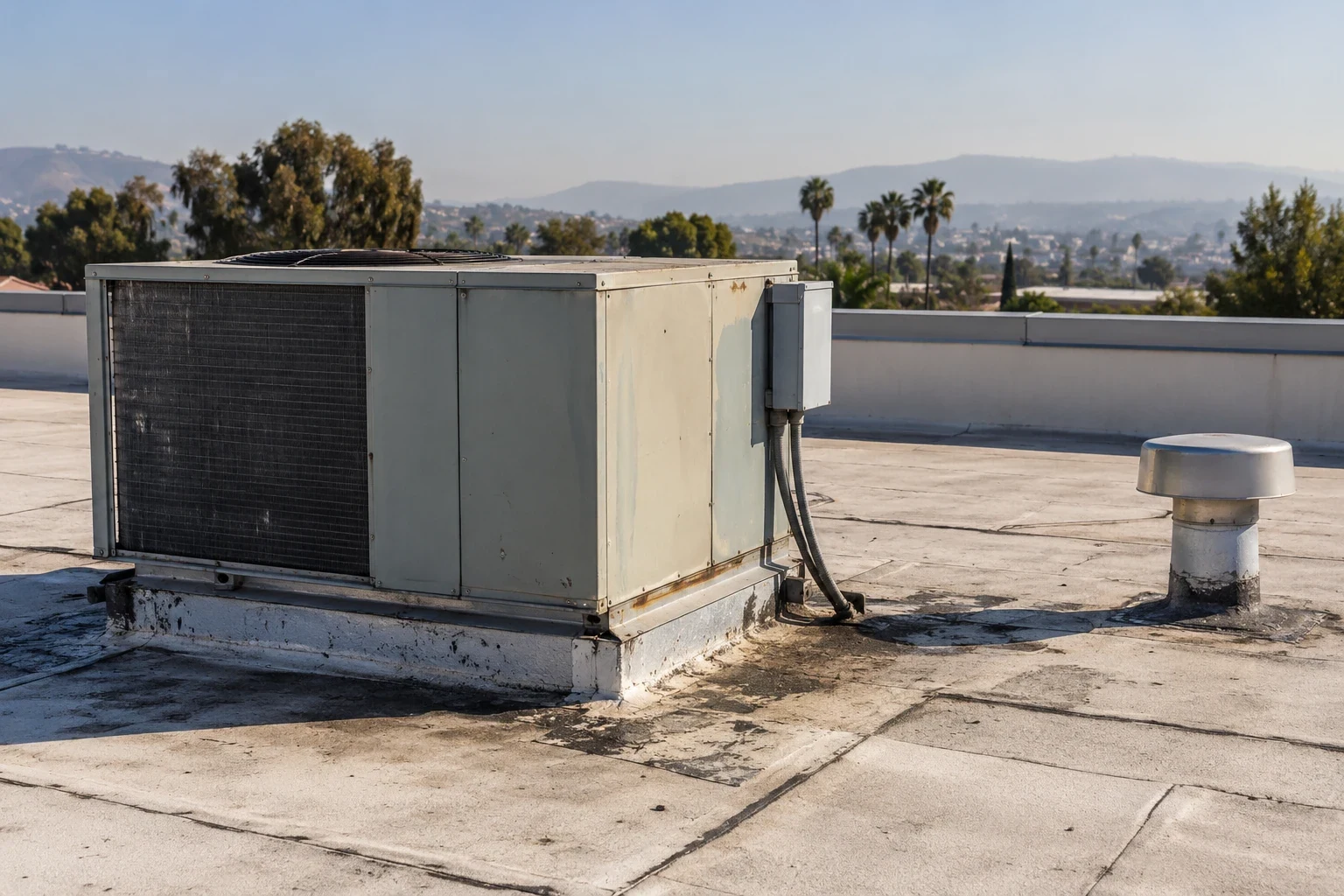
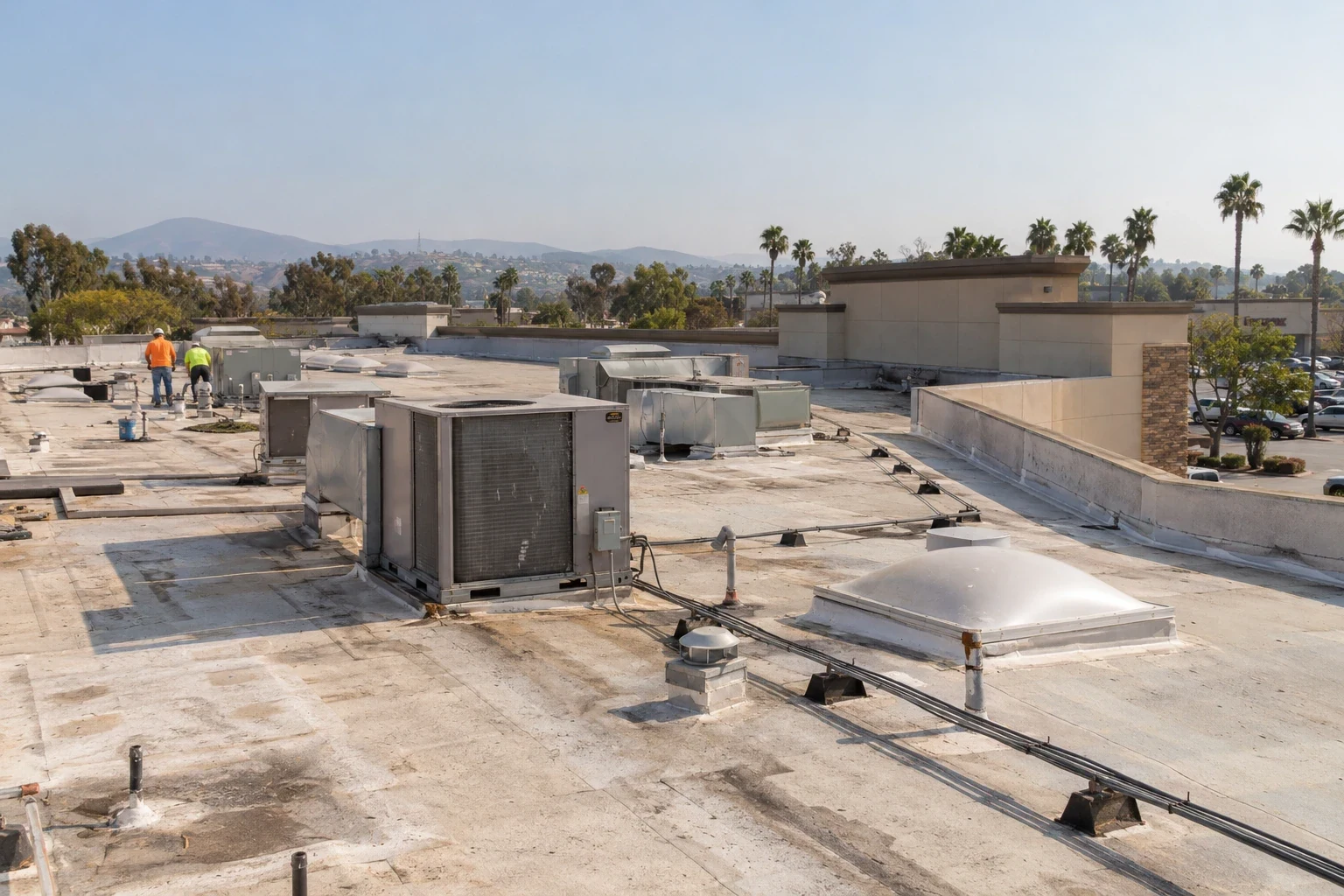
Mechanical units, exhaust, skylights, and communications lines may remain active during a repair. We identify which items need protection and coordinate any shutdown with the responsible trade. The roofing crew does not disconnect an active service without authorization. A revised tenant schedule changes the approved work window, so the manager receives the affected zone and new dry-in point before work resumes.
Connect Findings to Budget Decisions
A manager needs to know whether a repair can keep a roof serviceable or whether repeated failures point toward replacement. We show the condition behind each recommendation: open seam, failed curb flashing, ponding at a low area, wet insulation, loose attachment, or damaged deck. The work boundary identifies what is confirmed and what remains concealed. If testing is needed, the report names the opening and the decision it would support.
Cost and schedule depend on roof area, assembly, access, removal, lift needs, testing, weather window, and concealed conditions. A focused flashing repair and a replacement involving insulation, edges, and multiple work zones are different scopes. A recover option is considered only when existing layers and substrate are suitable and the project allows it. Replacement planning accounts for removal, tie-ins, drainage, and the operating schedule.
In Chula Vista, most area rain falls in winter, while eastern areas can also see hot, dry easterly winds. That seasonality affects when a roof can remain open and when coating or sealant work can be scheduled. The forecast is a planning input, not a diagnosis. We identify the actual repair condition first, then explain how weather and access shape timing.
Make the Next Work Order Specific
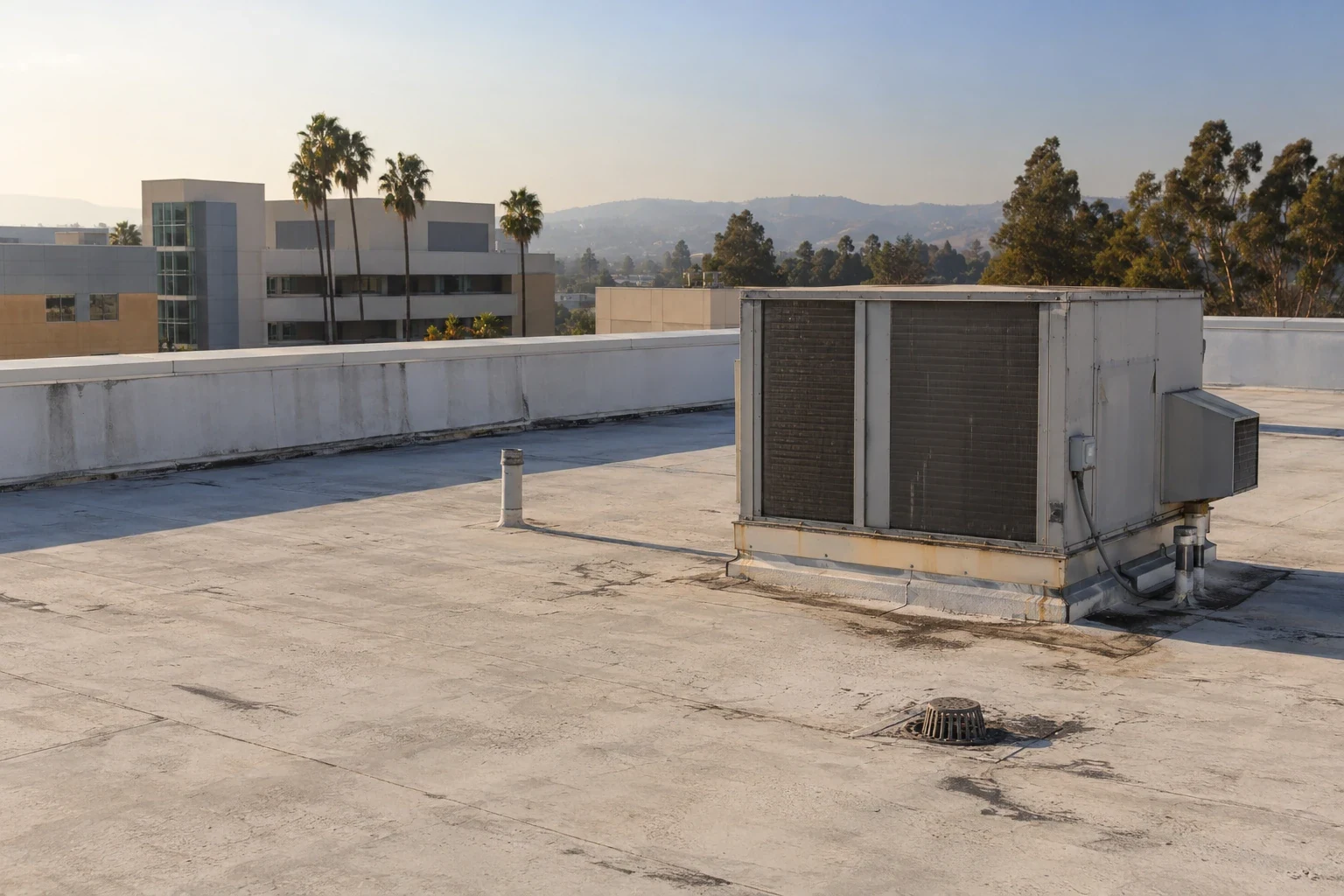
A useful closeout names the property, roof zone, condition, repair detail, and photographs before and after work. We list any open item that needs another trade, a test result, or owner approval. The manager can use the same labels on future work orders, making it easier to see whether a drain, curb, or seam changed between visits. Preventive maintenance can then follow the condition record rather than a generic calendar alone.
Portfolio coordination is strongest when the initial request includes property name, affected room, access contact, roof plan if available, tenant schedule, and any recent leak history. We can arrange a roof walk and return findings by building, not as one combined list that hides which asset needs attention. The service area includes city corridors and employment districts such as EastLake Business Center, but each job still gets a site-specific access and safety plan.
Send the priority properties, reported leaks, operating restrictions, and the person authorized to approve work. We will inspect released zones, document the visible assembly, and separate emergency stabilization from permanent repair. The resulting scope gives management a clear next decision for each roof.