Start With the Shipping Pattern
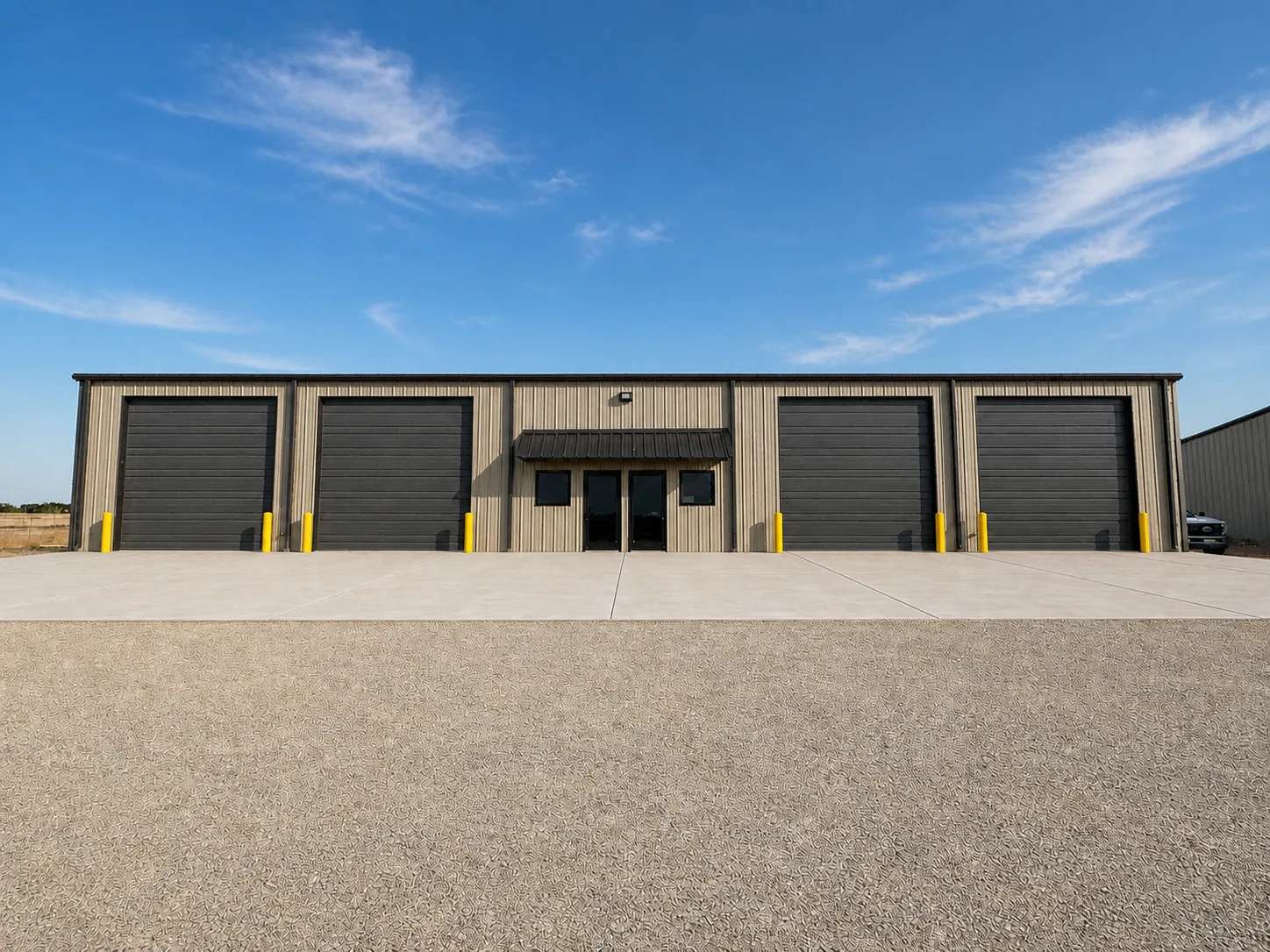
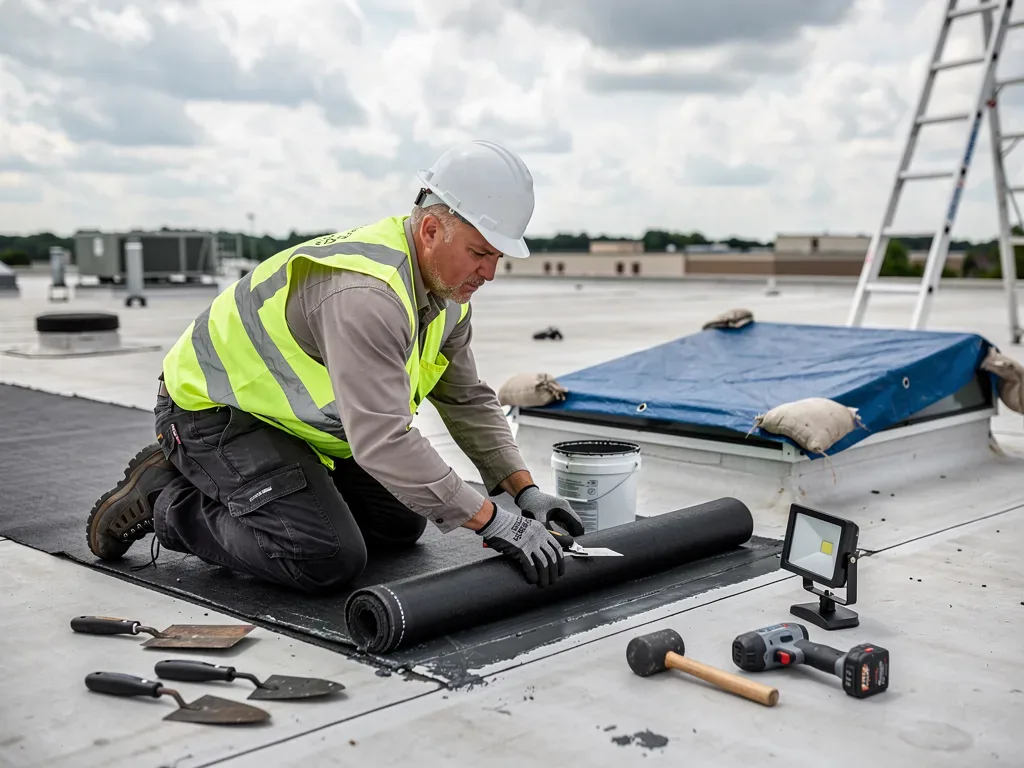
A fulfillment center may process inbound pallets, sort orders and stage outbound trailers in separate shifts. The roof scope should identify which docks, yard lanes and interior zones must stay clear while each section is repaired. We confirm when loads arrive, where a crane can set up and how the crew reaches the roof without crossing a live trailer path. Those details determine whether a repair can happen in one window or needs to move by roof zone.
A water mark above a sorter can interrupt more than one work cell if water reaches electrical equipment or stored packaging. We trace the report through the roof, checking seams, curbs, penetrations, joints and drains before selecting a repair. Leak investigation can distinguish a curb failure from a nearby seam or drainage issue. When one membrane area has a known opening, localized repair may restore it without disturbing a broader section that remains sound.
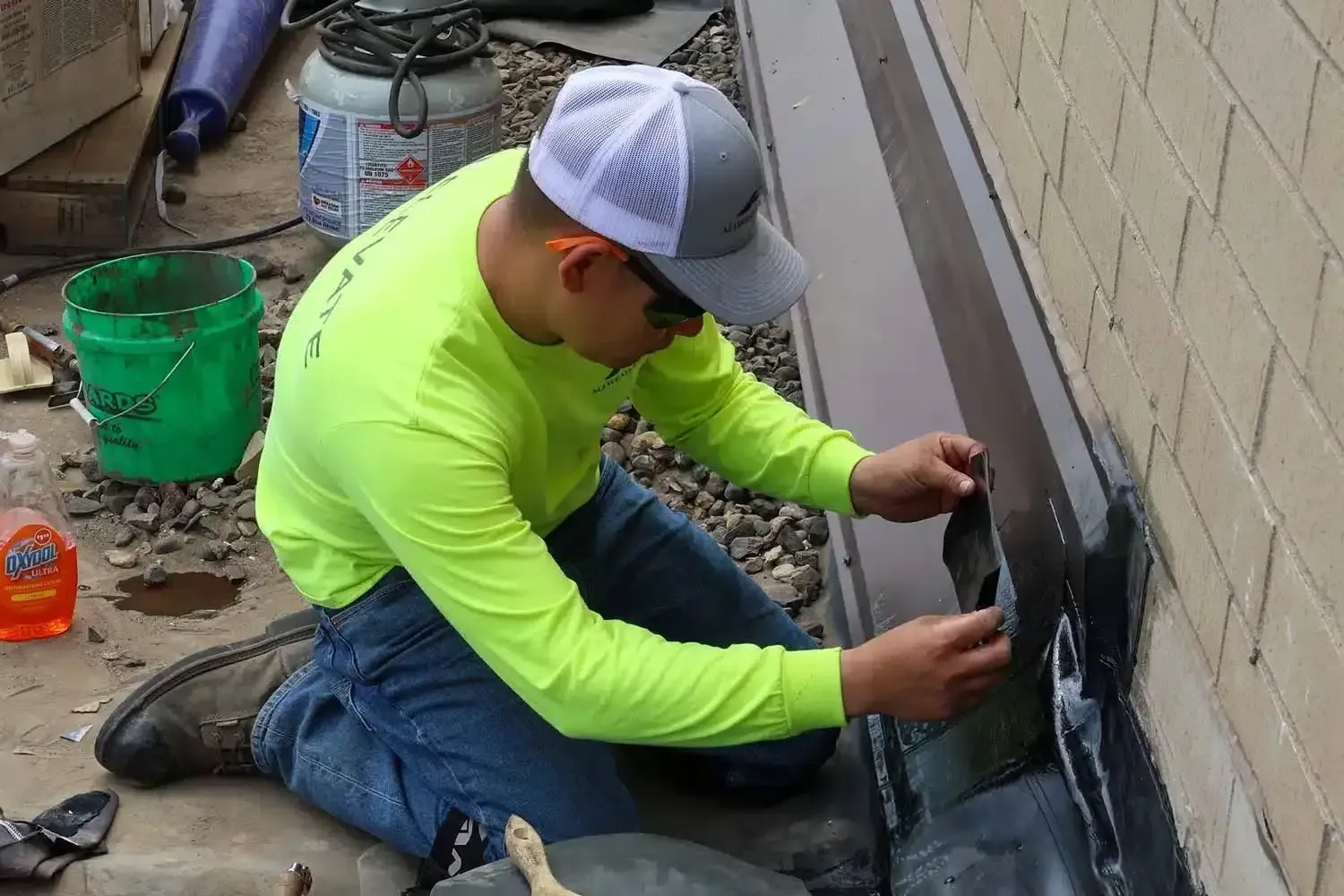
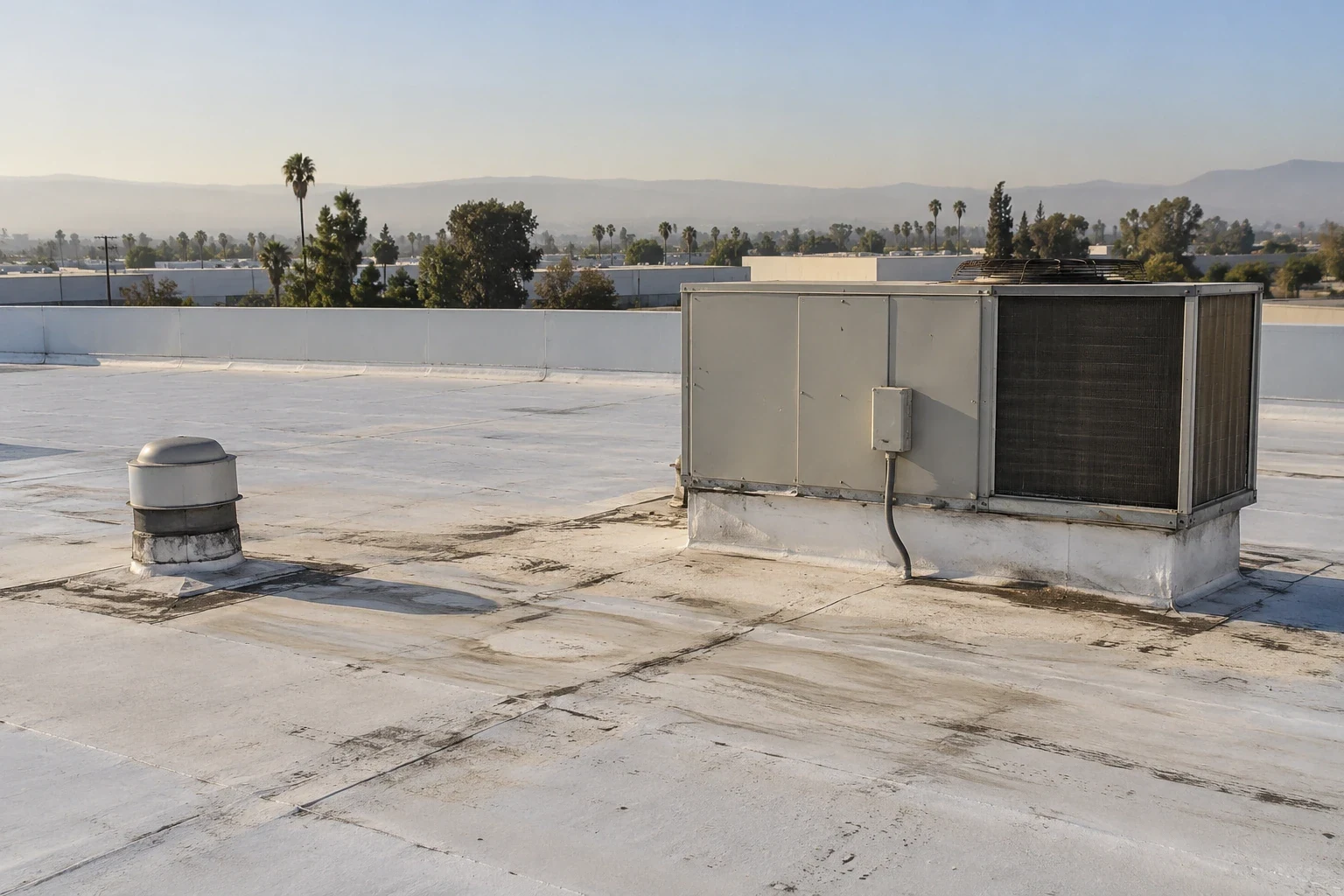
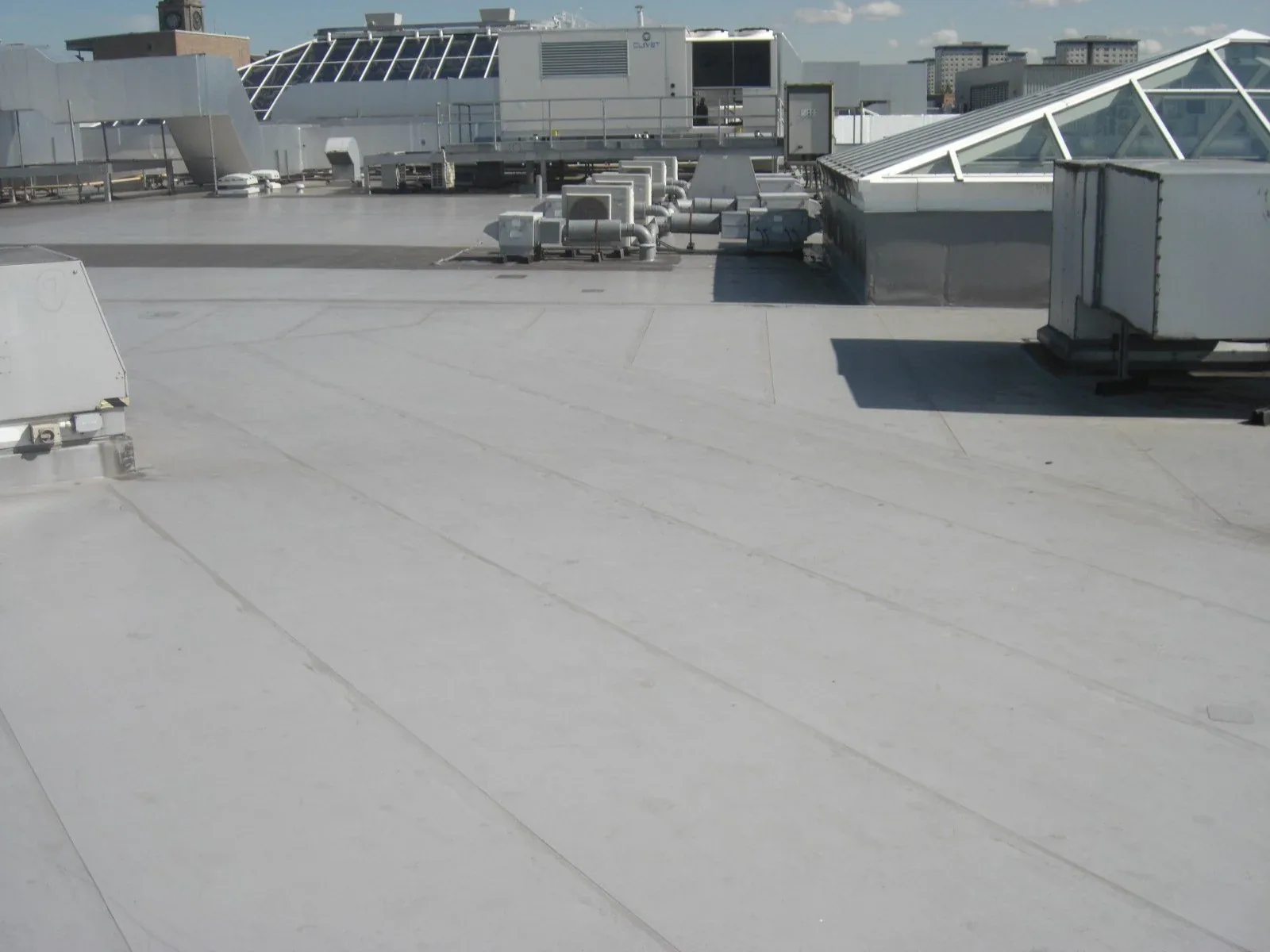
Distribution buildings often use multiple rooftop exhausts, make-up air units, skylights and cable or conduit routes. Each penetration needs a flashing detail compatible with the roof assembly. We map equipment and access lanes against the work zone so a material lift does not block a unit technician or inspection path.
Keep Conveyor and Utility Routes Protected
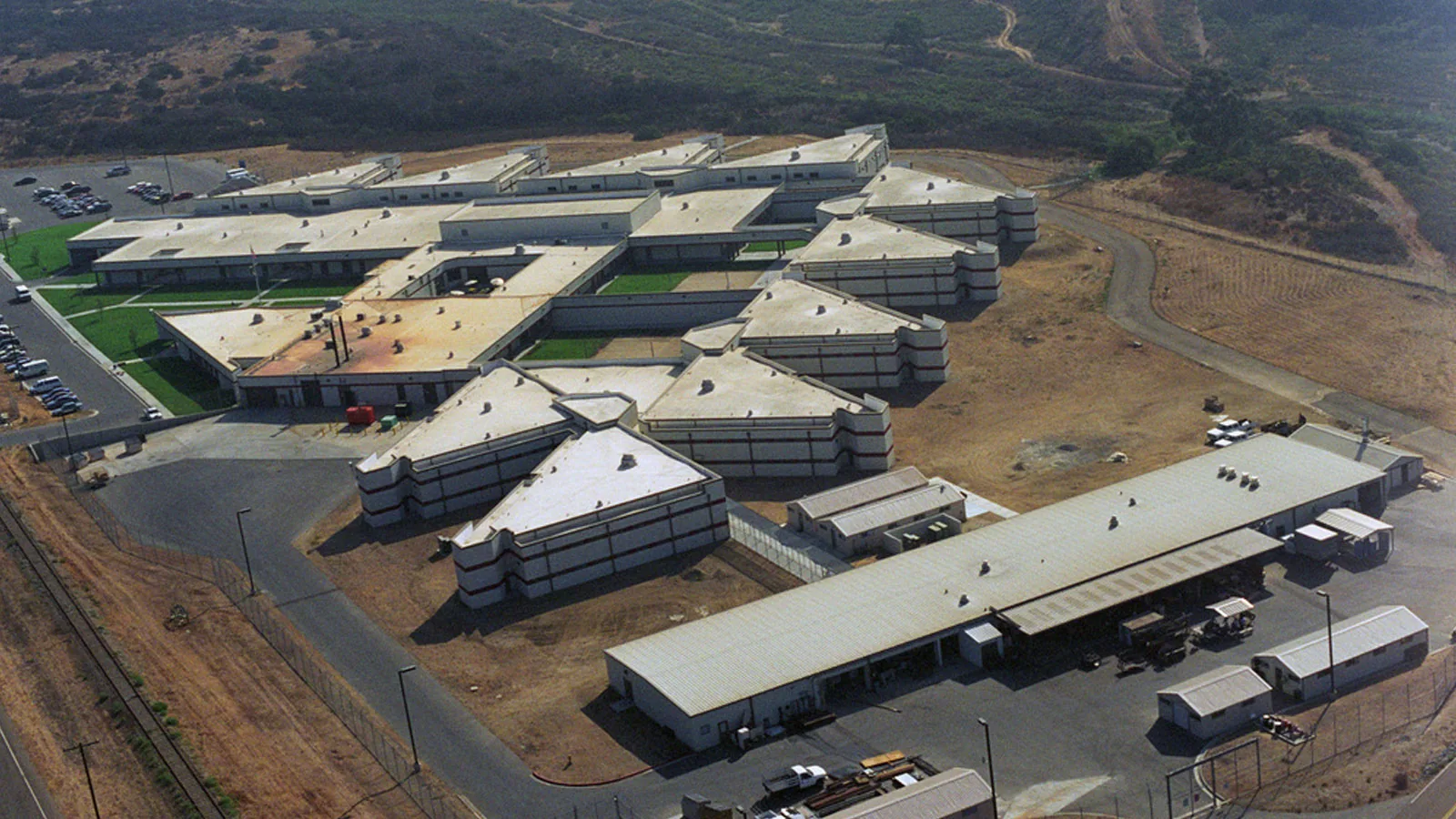
Conveyors and electrical feeds may sit directly below a roof penetration or mechanical curb. Before opening the membrane, we locate the equipment below, confirm who can authorize a shutdown, and protect the interior from dust or water. The roofing crew does not disconnect a powered line or reposition machinery. If the repair needs a unit lifted or a duct opened, the facility’s mechanical or electrical contact owns that part of the sequence.
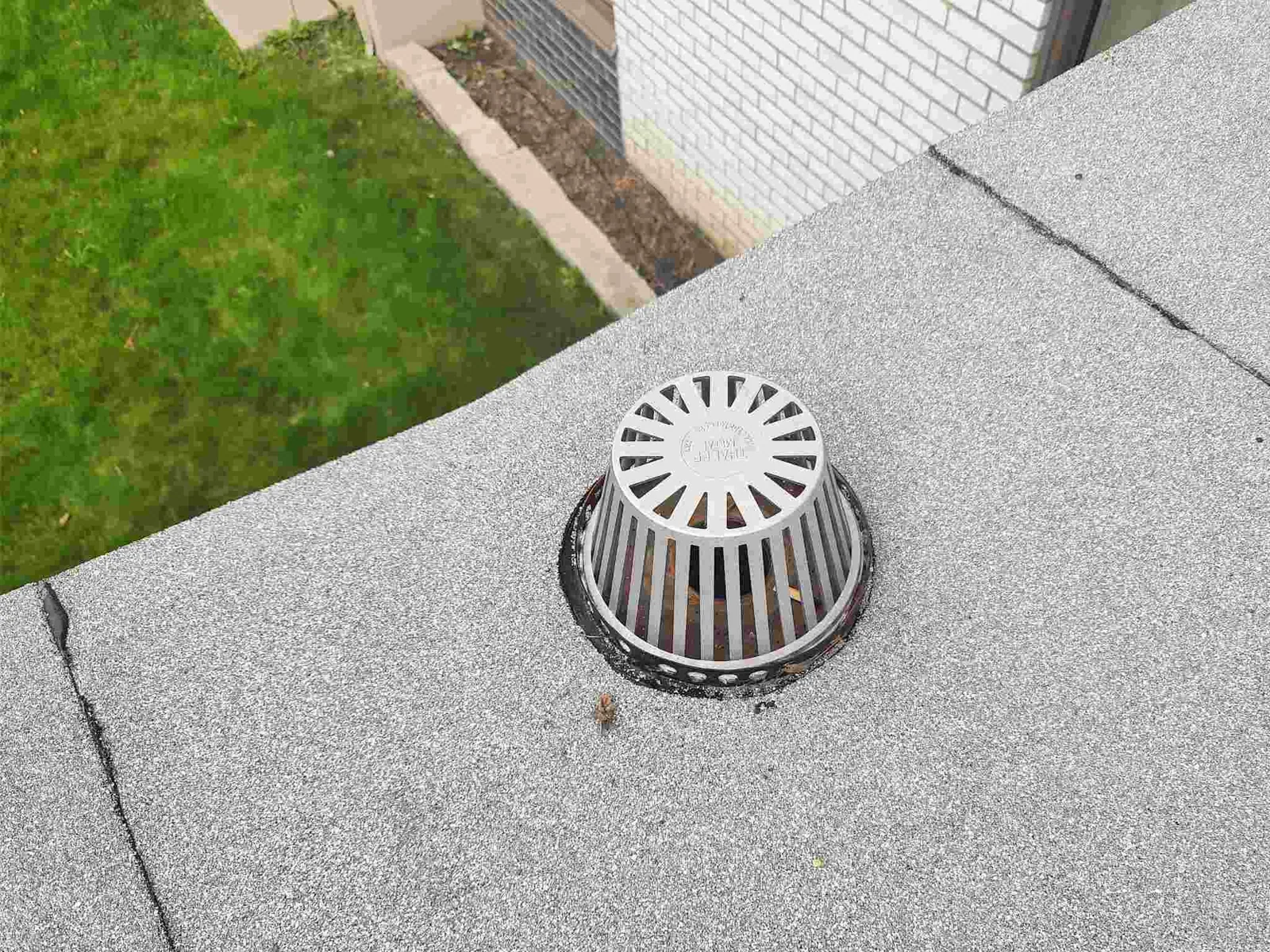
Fasteners, pallet wrap and other debris can collect around roof drains, particularly where multiple HVAC units interrupt flow. We check the drain bowl and overflow, then follow the roof slope to see whether equipment blocks the water path. If ponding persists after the outlet is clear, we identify whether a localized insulation adjustment or broader drainage correction is needed. Drain and scupper repair should leave both the outlet and maintenance approach accessible.
For a distribution center handling refrigerated goods, roof work must also protect mechanical service access and any roof-mounted lines. Cold-storage buildings need details that account for their equipment and operating conditions, while a warehouse roof may have a different dock cadence and storage use. We identify each building’s actual requirements before selecting materials or sequencing a repair.
Verify the Assembly Before Choosing a Scope
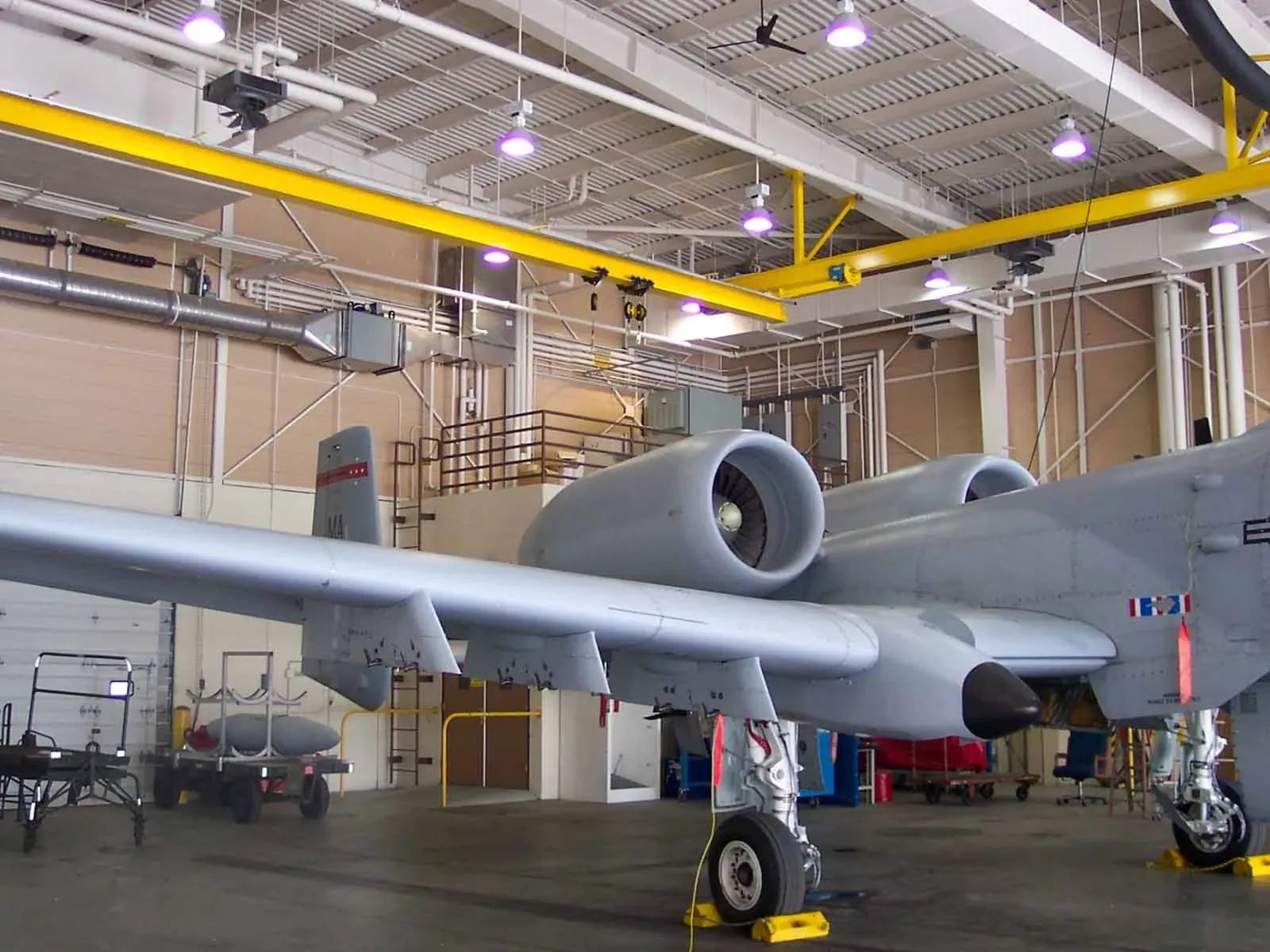
A new patch must bond or weld to the roof surface it meets. We identify whether the assembly is TPO, PVC, EPDM, modified bitumen, built-up or metal, then inspect prior repairs, seams and transitions. A cover layer cannot correct wet insulation or a loose deck. If those layers are in question, a controlled opening or infrared survey can show where further testing is useful before the owner commits to a replacement area.
Distribution centers can have long roof runs, multiple expansion joints and frequent penetrations. A detail that works at one curb may not solve a split seam or edge condition elsewhere. We photograph each location and explain whether the repair should stop at sound material, continue to a natural boundary or move into a larger replacement scope. Infrared moisture mapping can help target testing when the roof surface conceals wet insulation.
When several failures cluster, we compare repair with recover or replacement. A recover may preserve an existing assembly only when its condition and the design allow it. Replacement exposes more of the roof and can address damaged insulation or deck, but creates greater staging and production demands. We separate those options from the immediate leak response, so an urgent repair does not predetermine a capital decision.
Schedule Around Freight and Access
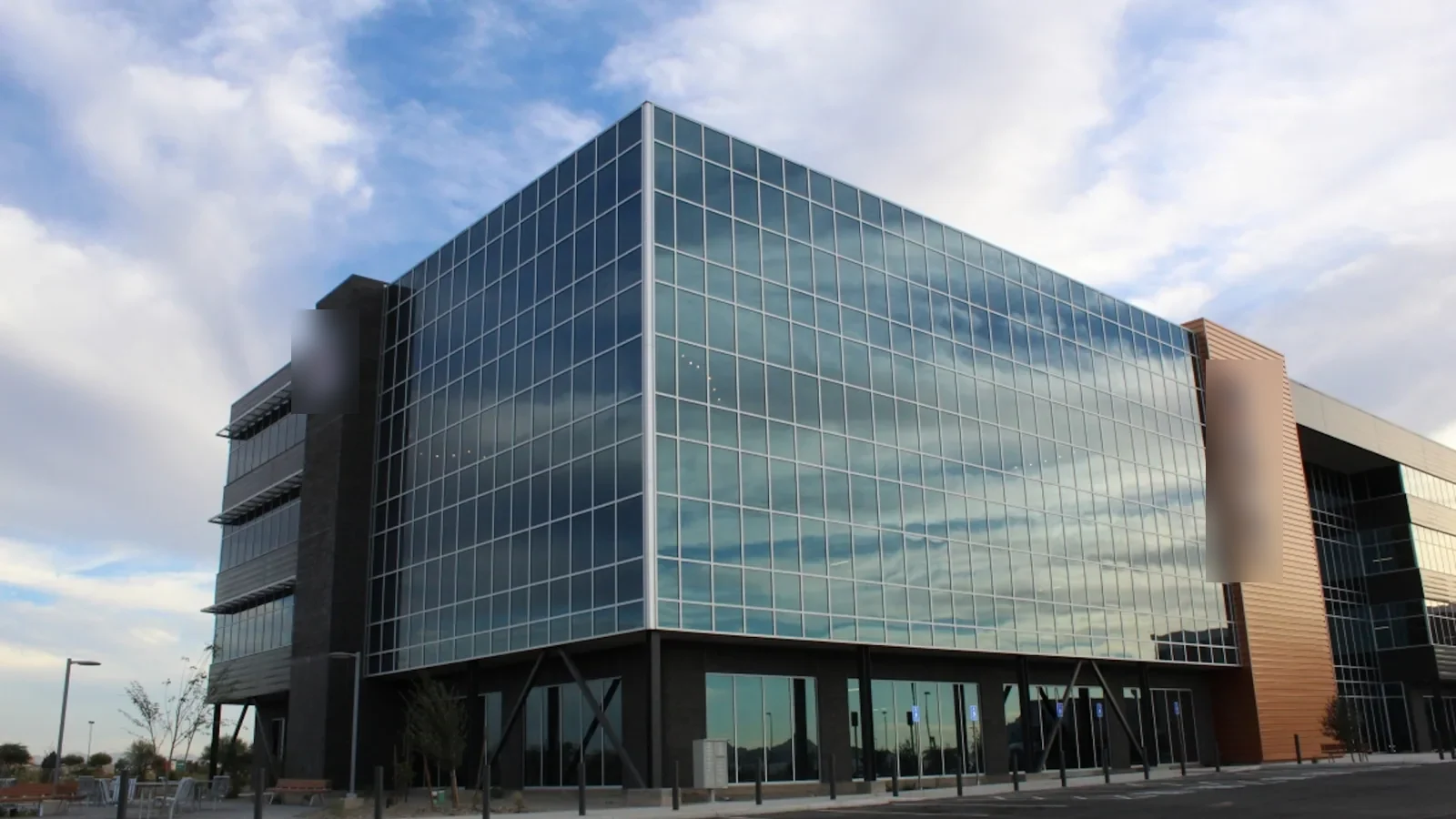
Freight access is part of the roof schedule in South Bay. The National City Marine Terminal moves vehicles and project cargo by rail and freeway. At the National City Marina District, port operations share the waterfront with public access. Those regional routes can affect how materials reach the market, while receiving gates, trailer courts and shift changes determine access at the distribution building itself. We confirm the site’s preferred entry, unloading area and working hours before dispatching a crew.
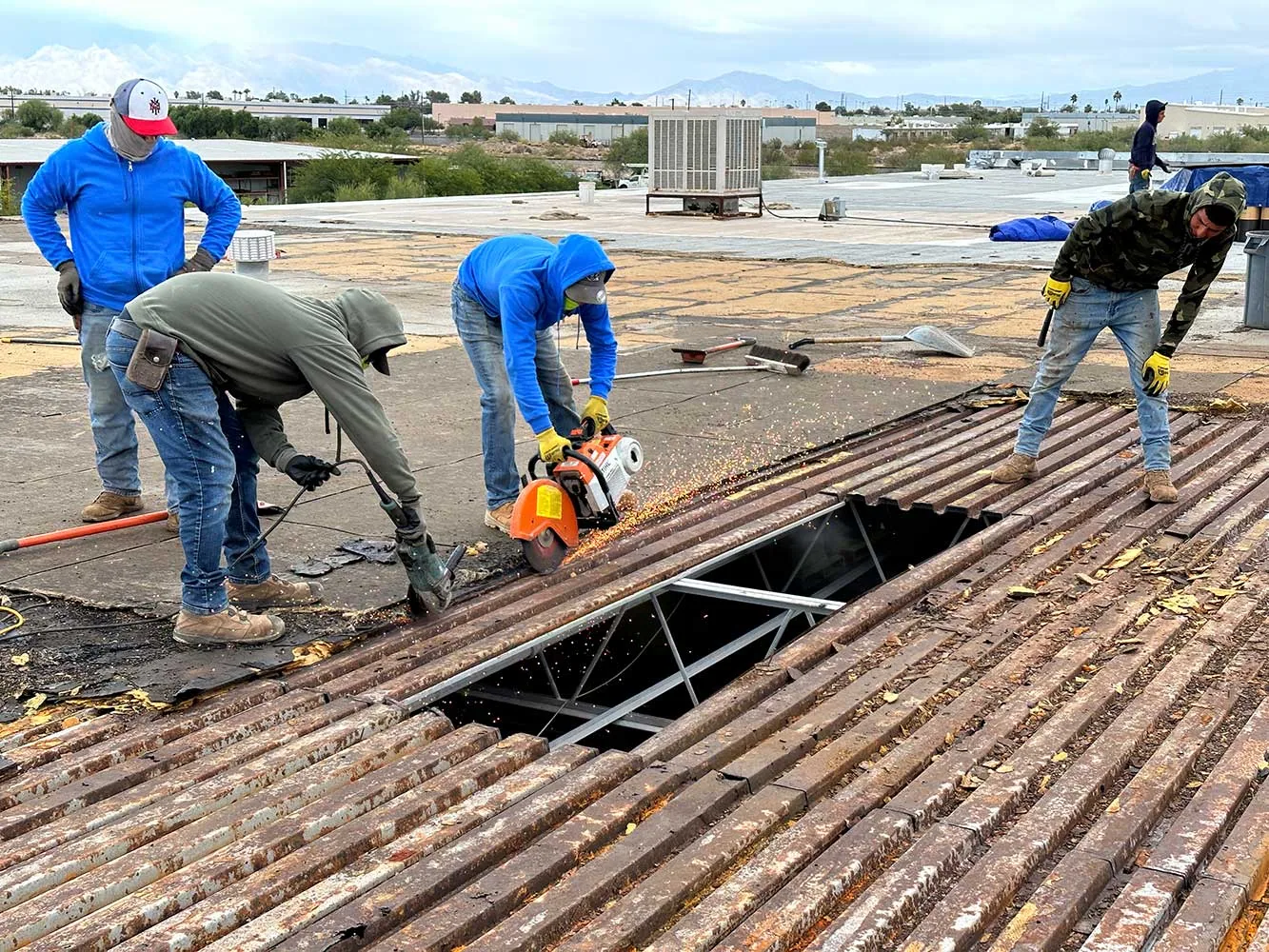
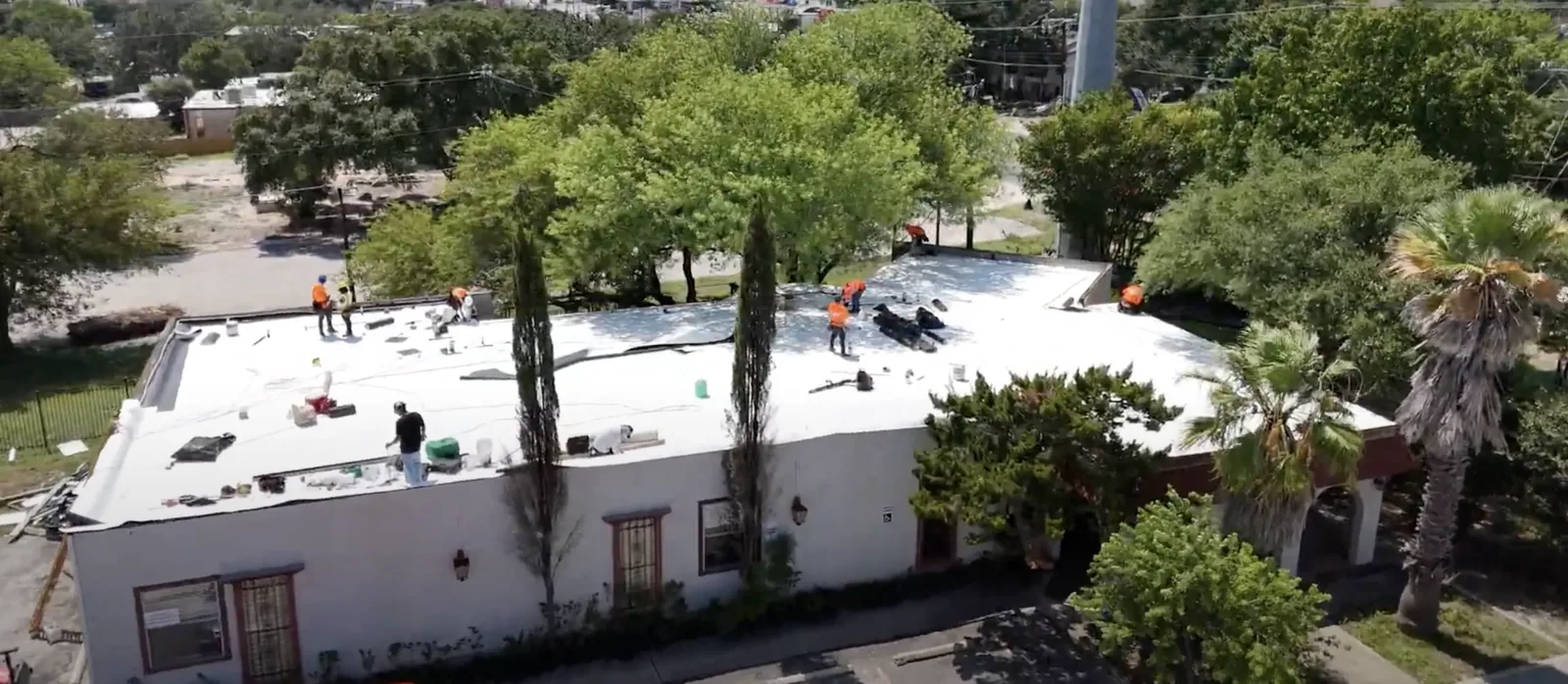
During construction, one work zone can remain active while another stays closed to keep dispatch operating. We set daily removal limits, protect exposed insulation and maintain a clear path to the drains. If weather or hidden damage reduces production, we close the active boundary first. When a leak puts orders or equipment at risk, urgent roofing service remains available day or night, including weekends and holiday periods.
For after-hours work, the facility contact identifies alarm procedures, lighting, roof-hatch controls and the person who can release the crew. A phased reroof sequence can organize these handoffs when operations continue below the work. We also keep the building’s life-safety route clear if a lift or debris container occupies part of the yard.
Keep Repairs Tied to Dispatch Zones
Closeout should let the facilities team find the roof area without searching through a stack of unrelated photographs. We identify the building, roof zone, drain or penetration, repair method and follow-up item. If one image shows temporary dry-in and another shows the completed membrane detail, both carry the same location reference. The record helps the next shift distinguish the permanent repair from a temporary measure or nearby maintenance need.
Cost and timing depend on roof assembly, leak count, lift and staging needs, interior protection, shutdown approvals and the extent of damaged insulation or deck. We state those drivers before work expands beyond the agreed boundary. A roof condition record can support future budgeting and help compare recurring leak locations with operational zones. At Otay Mesa, an inspection can be scheduled with the facility’s receiving hours and access route in view.
Share the building plan, affected process area, shift schedule and roof contact. We will trace the water path, map access and outline a repair sequence that keeps shipping routes available while the roof is made watertight.