Trace the Route Into the Outlet
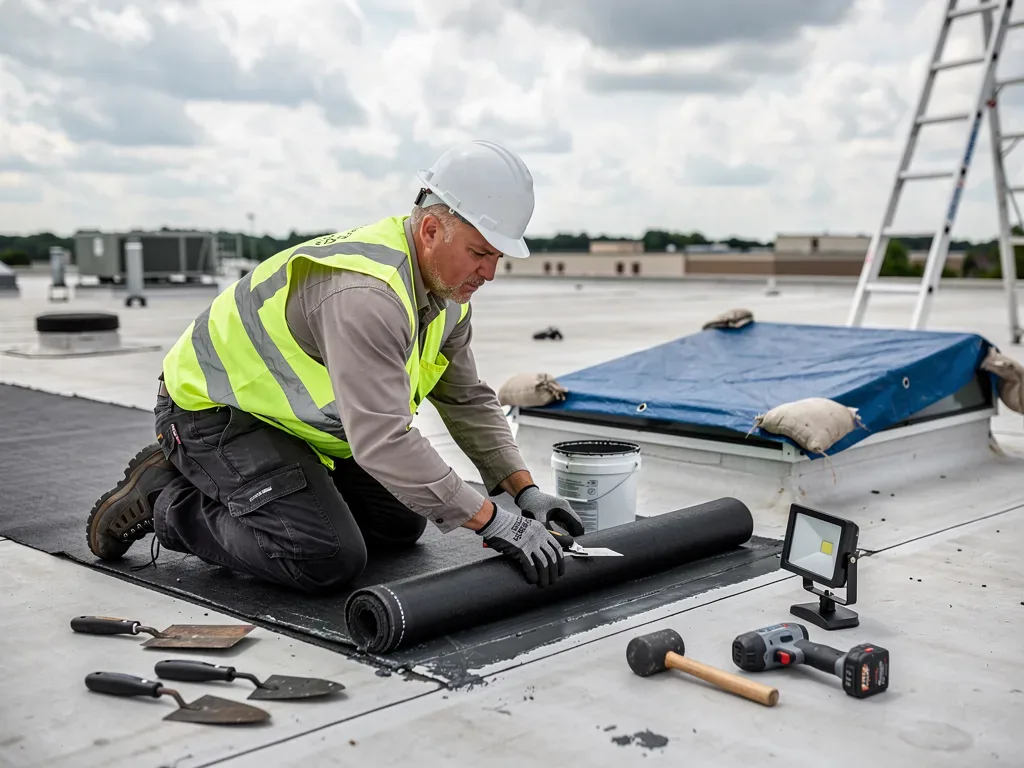
We follow water from high points toward each drain or scupper. A cricket divides flow around an obstruction; a saddle limits collection behind a curb. We check whether slopes lead to the outlet or leave a pocket. At a bowl, we inspect the clamping ring, membrane cut, strainer and surrounding sump. Loose rings, old patch layers or a raised bowl can interfere with both drainage and the membrane tie-in.
Scuppers need an unobstructed opening and a discharge route that does not return water to the wall or roof edge. Overflow openings protect against a blocked primary drain, but their height and position matter. We check the roof surface below the overflow and the path beyond the wall. A blocked outlet can often be cleared; a low slope or failed membrane near the bowl may need a different repair. We record which condition is present so a cleaning visit does not get mistaken for a drainage correction.
In Chula Vista, most precipitation is concentrated from November through March. That pattern makes outlet checks useful before and after the wetter months. We set the interval from roof layout, nearby trees, construction and prior ponding reports. The report maps drains and low points by roof zone so later visits can compare the same locations.
Find Why Water Stays Behind
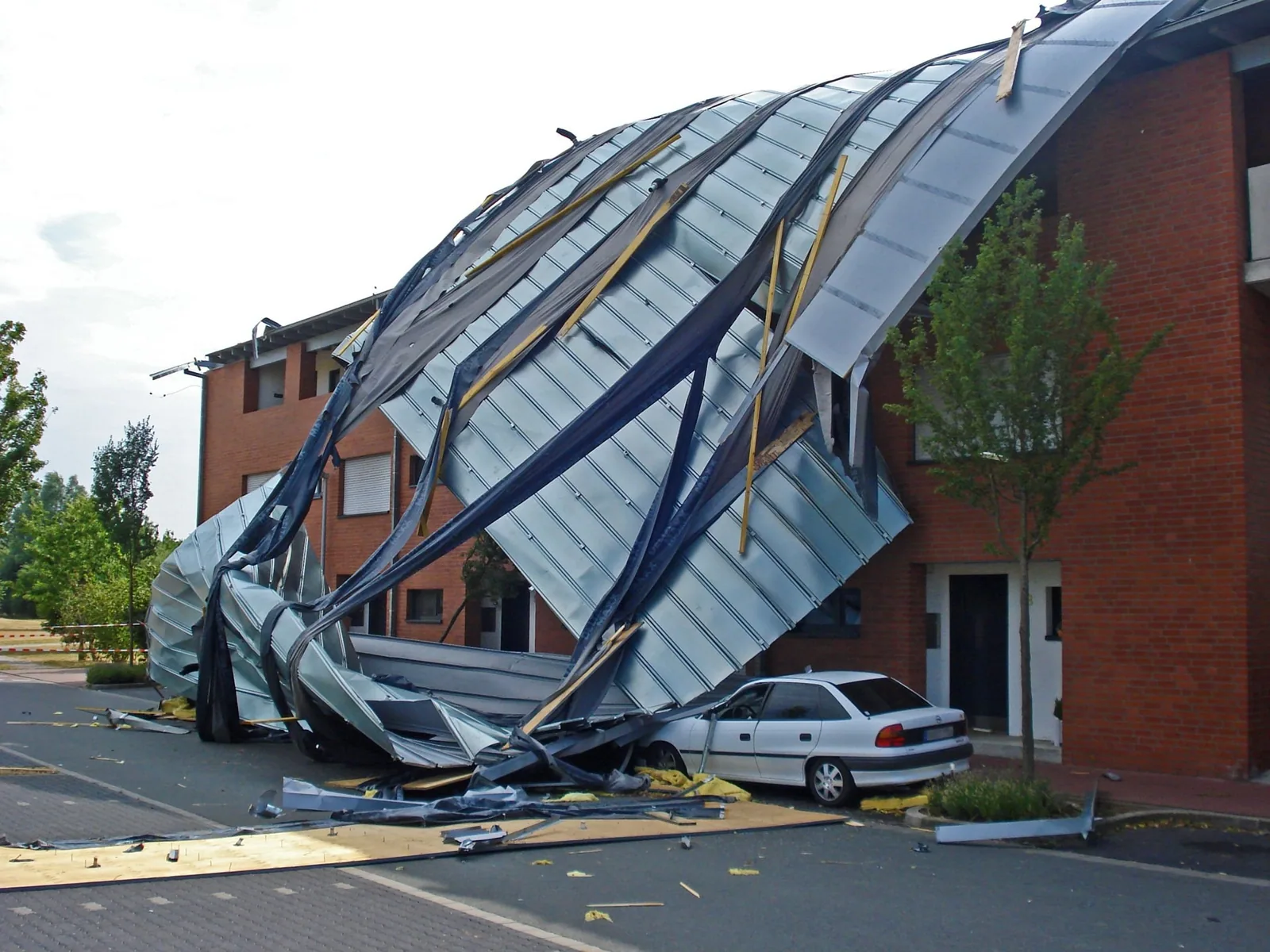
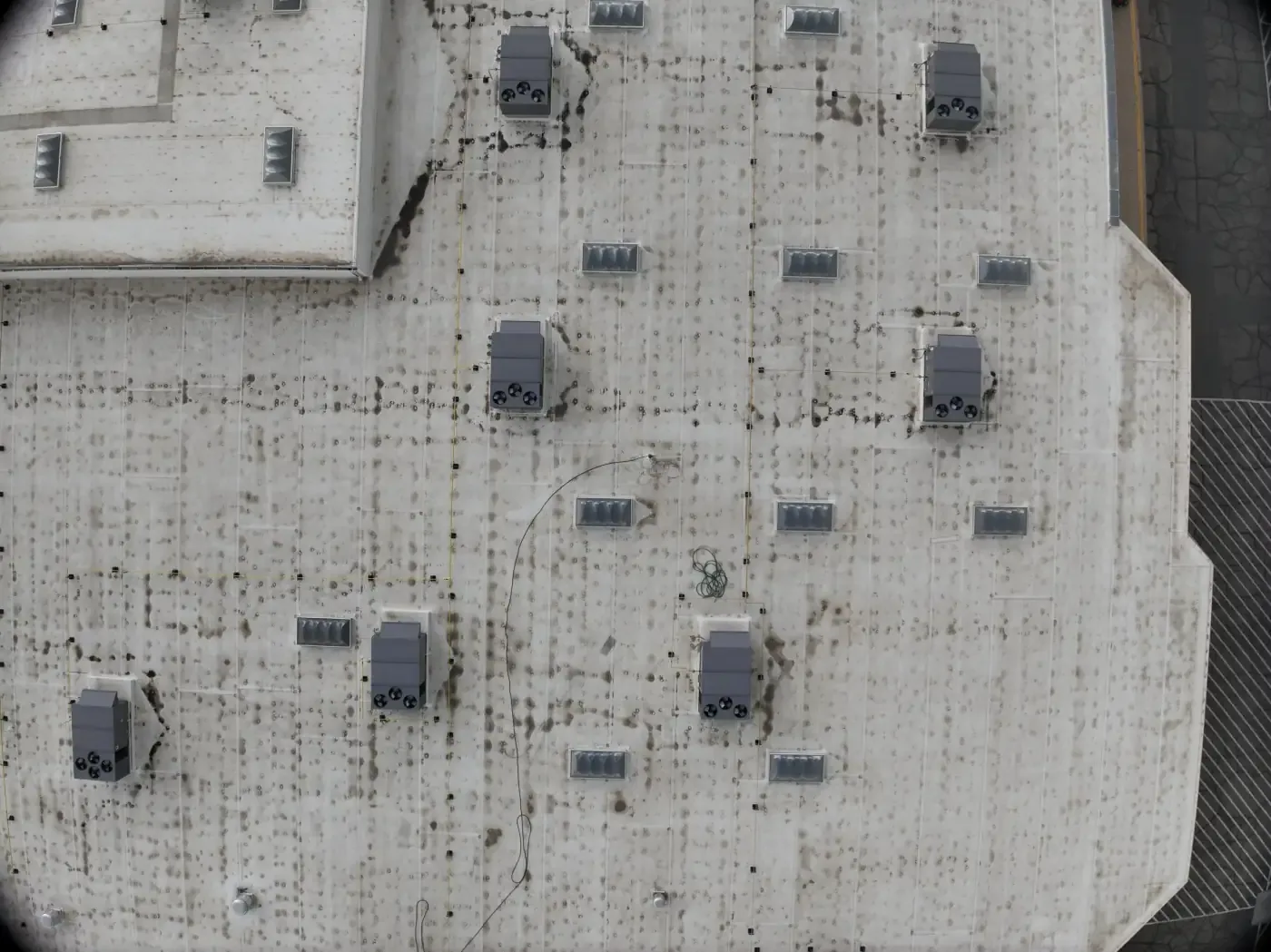
Standing water may remain because debris blocks the bowl, but persistent ponding can also point to settled insulation, deck deflection or a drain set too high. We check the water boundary, nearby outlets and any low point beyond the bowl. Prior inspection records and photos can help locate a dry area. We do not infer a hidden slope issue from a stain alone.
A pond that reaches a seam, curb or patch can increase the time that detail remains wet. We inspect those edges for separation and check whether a prior repair created a ridge that traps water. If the drain is open but water remains, the work may need tapered insulation or a drain adjustment. Slope correction changes heights at perimeters and equipment, so we include those transitions in the scope.
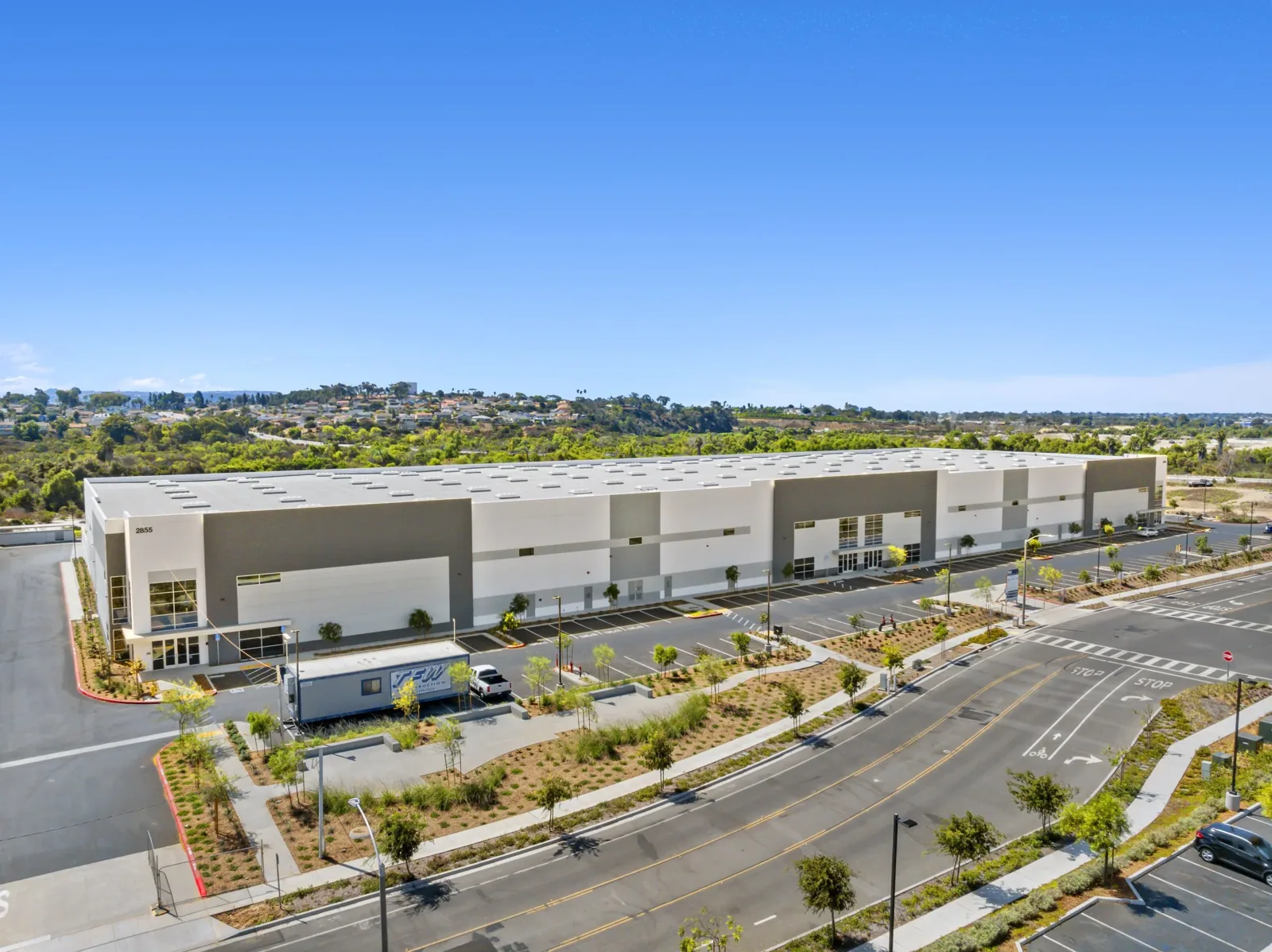
The Otay Valley and Otay Mesa employment areas connect to State Route 905 and regional freight routes. At the Otay River Business Park, industrial loading and equipment routes can affect lift placement or material staging, so we confirm receiving access with the building contact. At the roof, we measure the slope, outlet and low areas before specifying a drainage correction.
Choose the Right Drainage Correction
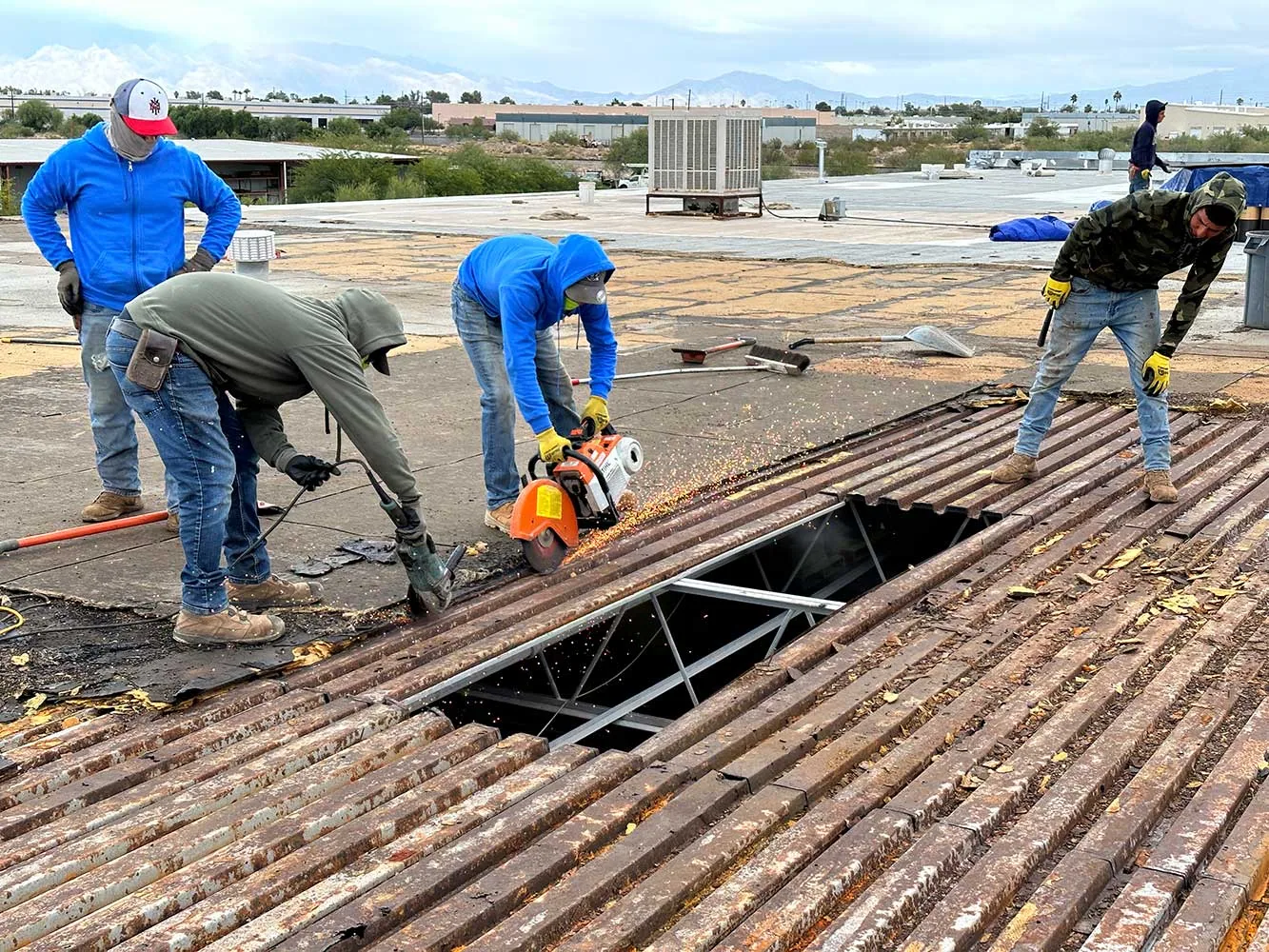
When debris is the issue, clearing the bowl, strainer and scupper may restore the intended flow. If the clamping ring is loose, membrane is cut incorrectly or old patches obstruct the sump, the drain detail may need to be rebuilt. A new connection must suit the membrane and preserve the opening. We inspect the bowl and set replacements to avoid a raised lip.
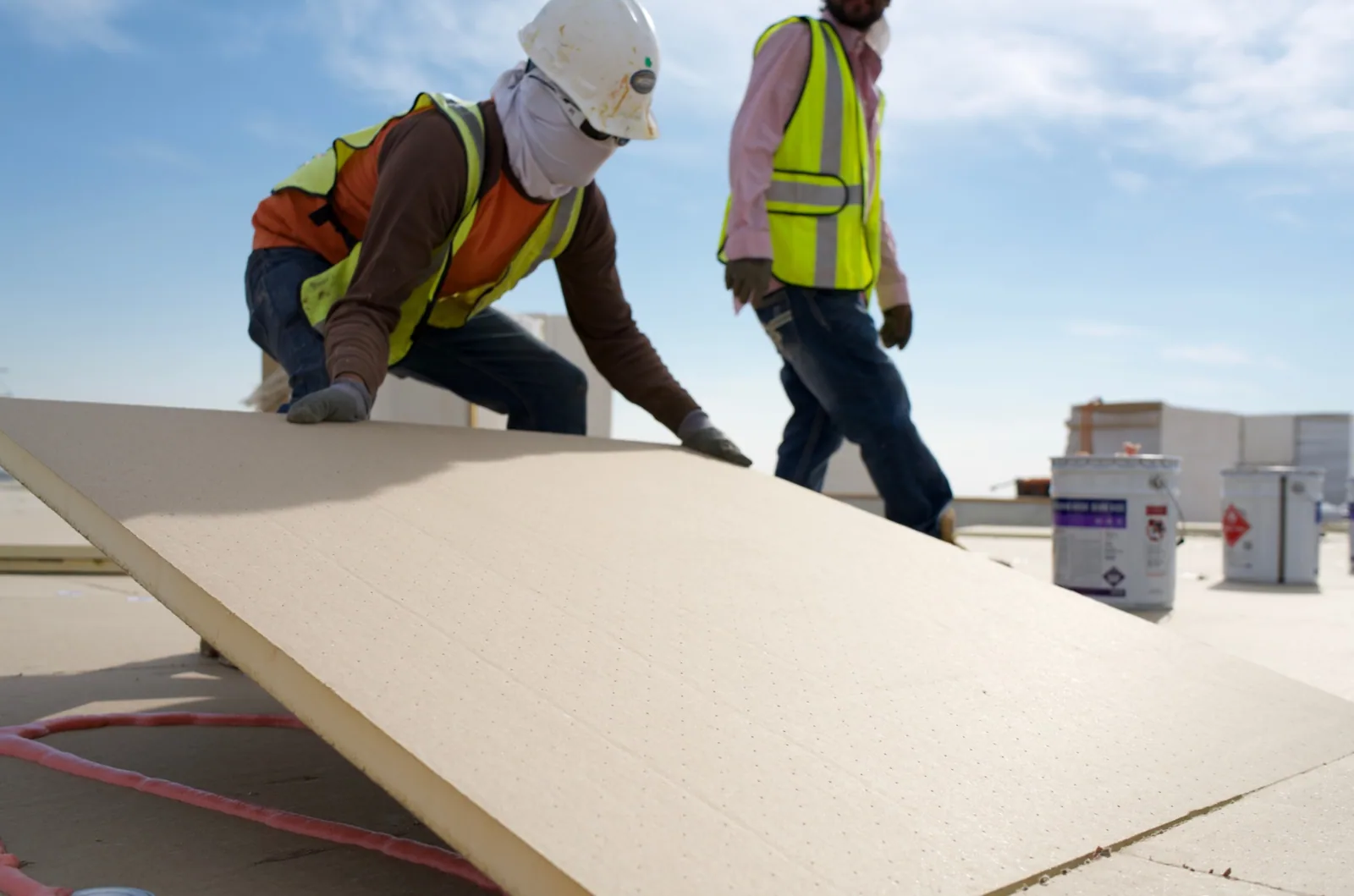
For a broad low area, tapered insulation can create a more consistent route to a drain. The layout needs to account for curbs, roof penetrations, equipment supports and perimeter height. Crickets can divide flow around units and tapered boards can guide a larger field. A settled deck may need review before new insulation is installed.
Drain work can affect nearby membrane and flashing. We tie the repair into compatible material, reinforce transitions when the system calls for it and inspect seams around the new detail. A roof repair may address an adjacent split or lifted lap, while insulation and cover board work can reshape a larger drainage field. We keep each item distinct so the owner understands what directs water and what restores the waterproof surface.
Plan Around Weather and Site Access
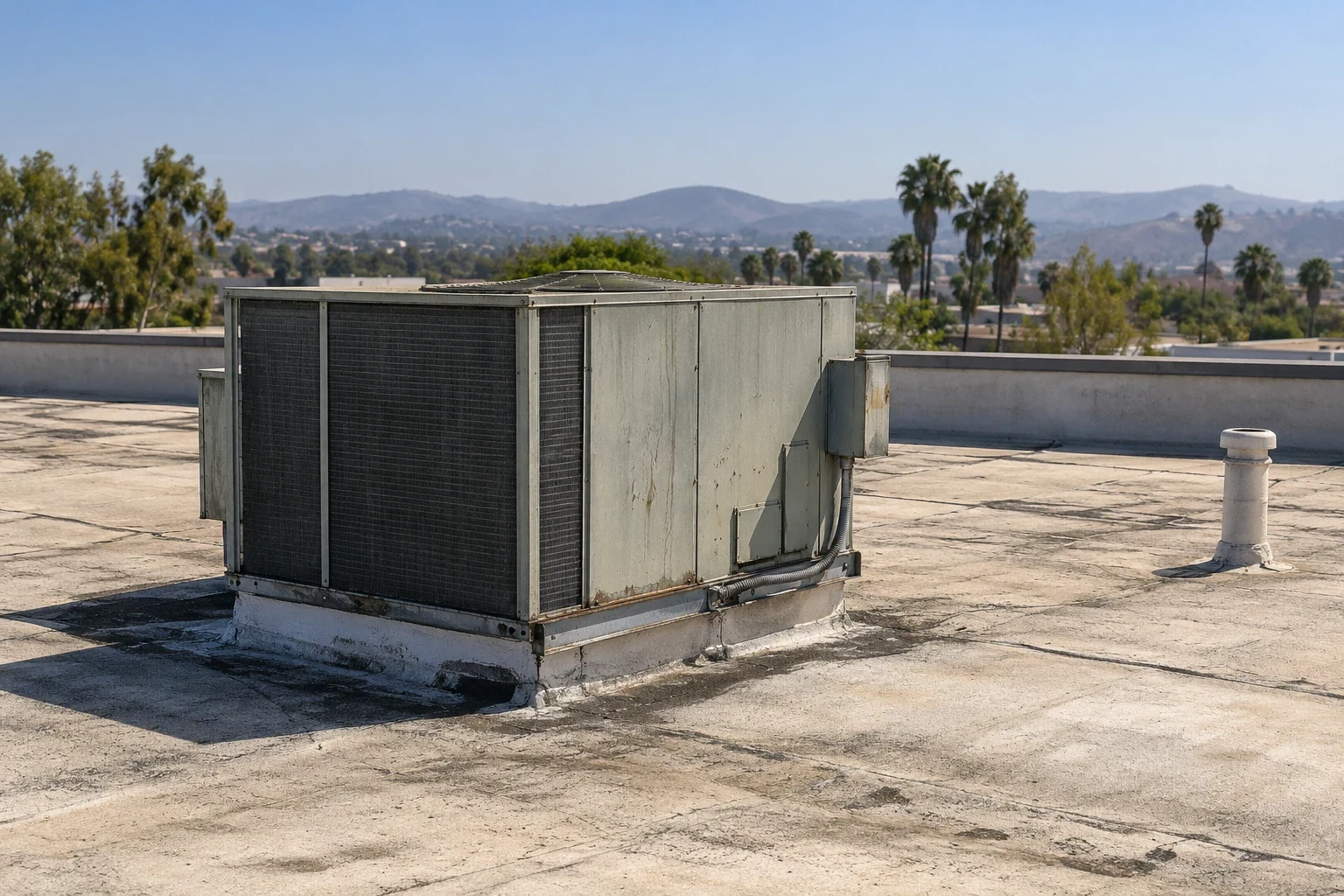
Drain correction may require lifting material, opening a membrane or installing tapered boards. We check weather, access and how many zones can be protected during a shift. Most local rain comes in winter, so an opening needs a dry-in plan and a protected transition if the work pauses. Hot inland surfaces can affect adhesives and sealants; we follow the material’s application conditions.
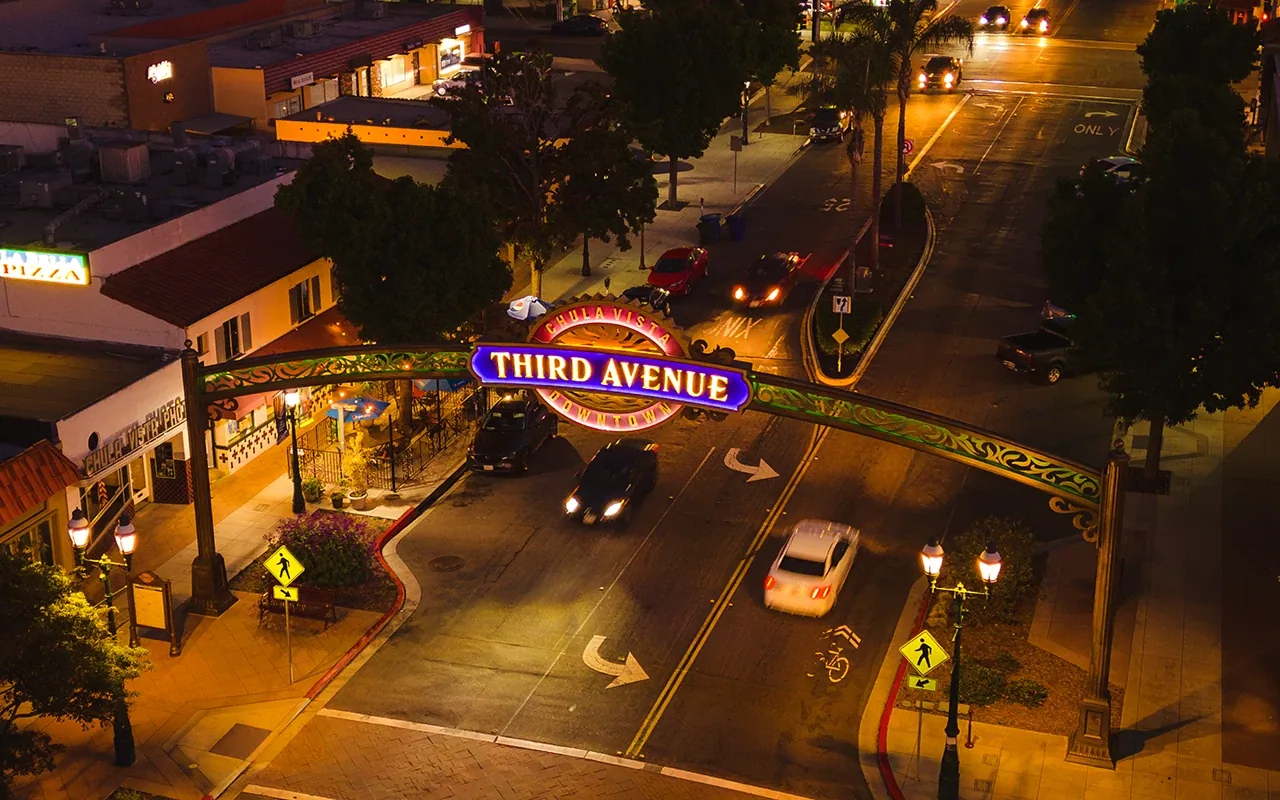
Access depends on the property. Otay Mesa connects industrial and commercial areas with SR 905 and freight routes, while western business corridors around Third Avenue and Broadway serve smaller firms and retail. A lift may need a different route from a crew carrying tools to a roof hatch. We coordinate with receiving, tenant and facilities contacts before bringing materials to the site. Otay Mesa service access and Third Avenue access reflect different area patterns, but each work plan is set with the building operator.
After correction, we inspect the bowl, scupper, overflow and membrane. A flow check can show surface direction but not concealed moisture. The closeout states what was adjusted, what remains ponded and whether follow-up observation is needed after the next rainfall.
Keep the Outlet Route Clear
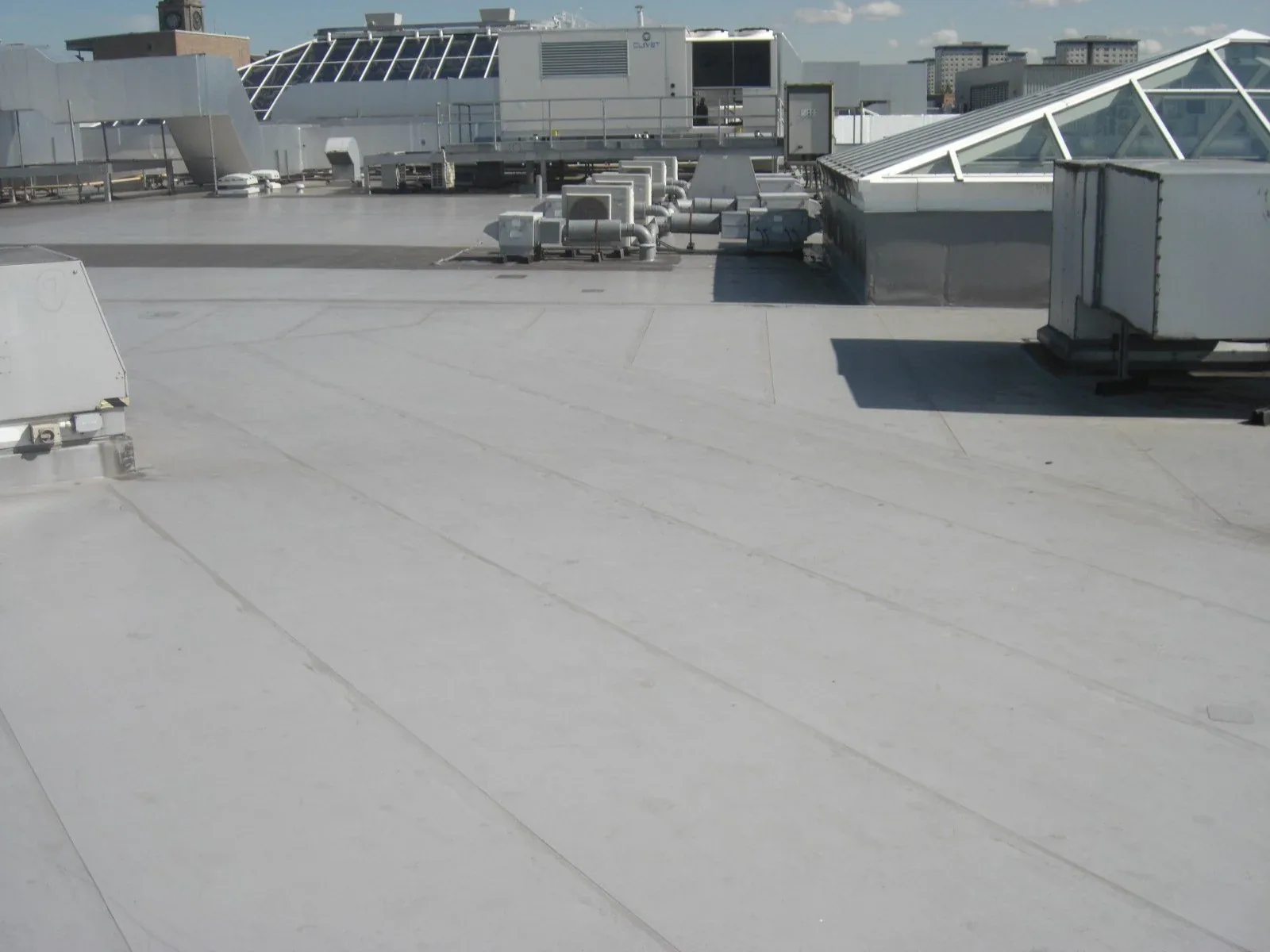
Drainage records should identify every primary outlet, overflow and low area by building and roof zone. We record whether a drain was cleared, repaired or raised, and photograph the finished detail. If ponding remains, we record its limits and the next action rather than marking the entire roof corrected. This makes seasonal maintenance more useful because the crew can revisit the same outlet and compare how water behaves.
Cost and schedule depend on the number of outlets, access, membrane system, debris, slope changes and any deck or insulation replacement. Cleaning can be a short task; tapered insulation and membrane tie-ins require layout, materials and dry-in. We explain those differences in the scope. Preventive maintenance can include outlet checks, while a roof condition report keeps repairs and remaining drainage concerns together for the facilities team.
Share the building, ponding location, roof zone and access contact to plan a drainage walk. We will trace the water path, inspect outlets and explain the next correction for the roof.