Trace the Entry Before Opening a Roof Area
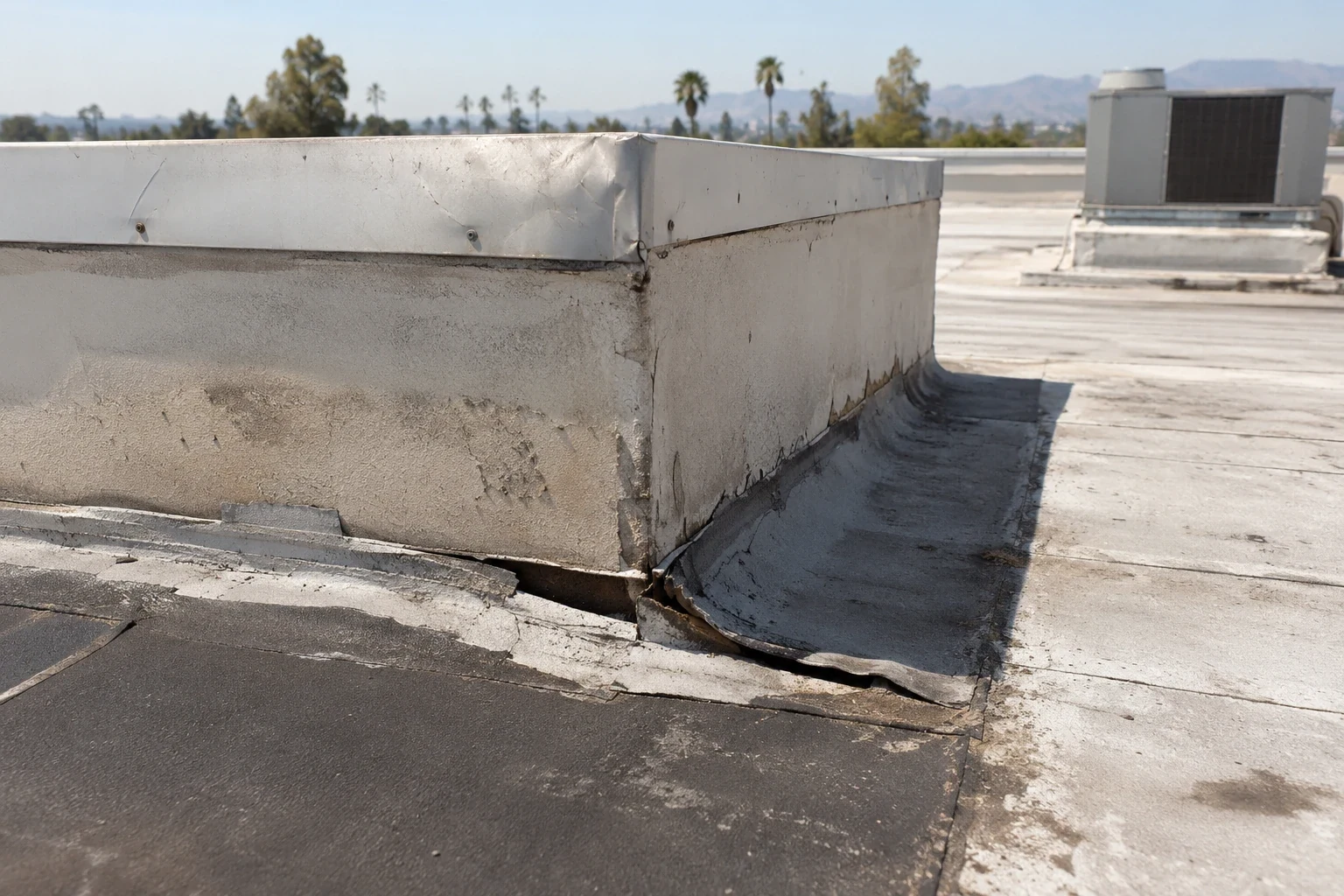
A stain over a guest room, office or service area may sit away from the roof opening. Water can travel beneath a membrane, along a deck flute or around a curb before it reaches the ceiling. We compare the interior report with roof slope, seams, penetrations and drains, then mark the likely path. If a seam has lifted, a seam repair can restore the lap when adjacent membrane remains sound. A wall or equipment transition may instead need flashing work.
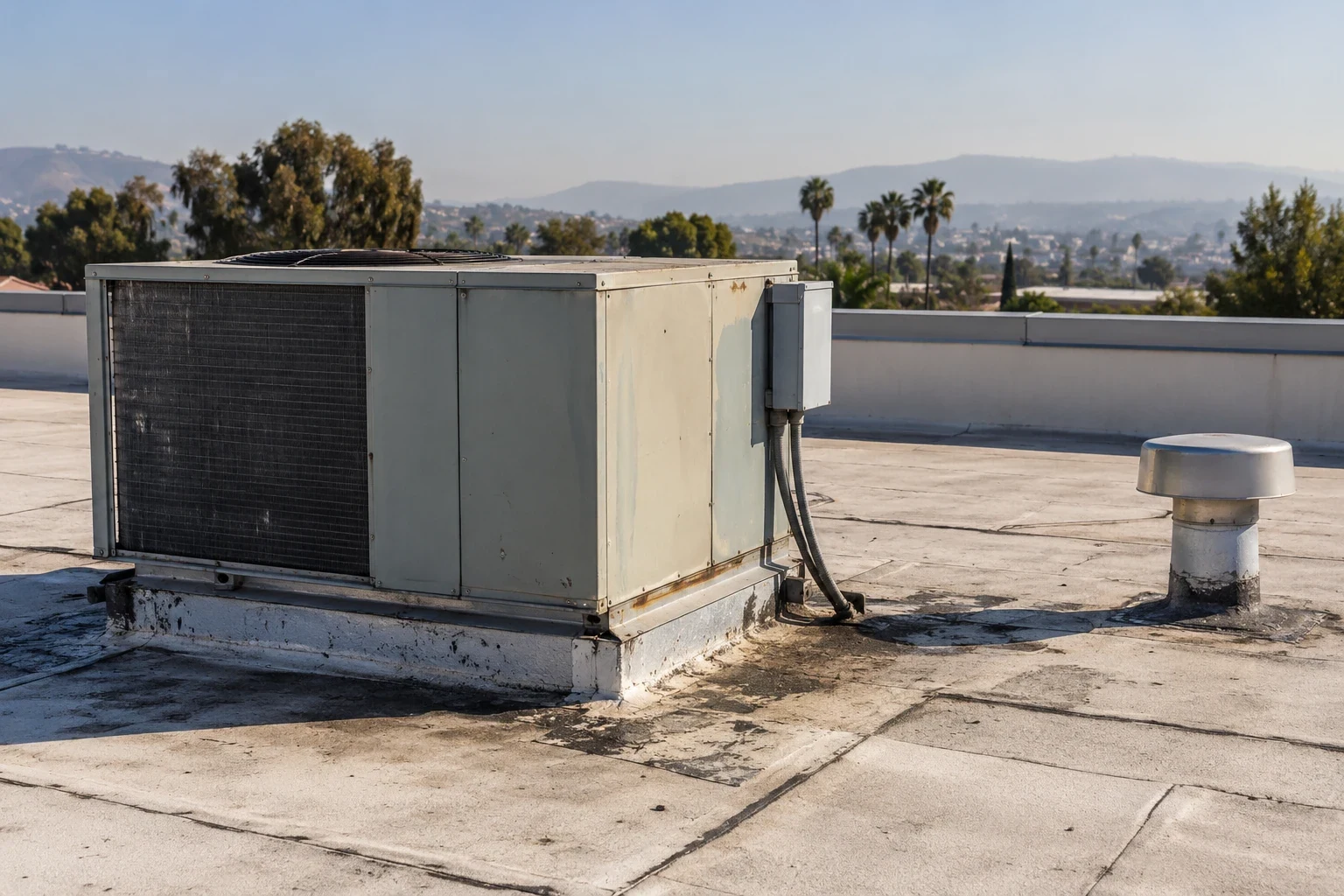
We check around prior patches, fasteners, rooftop units and changes in roof level. The repair boundary depends on what remains attached and dry, not just the visible size of the stain. If insulation may be wet, a suitable survey or controlled opening can clarify whether the scope needs to extend beyond the surface. We explain what that step would establish before adding it to the work.
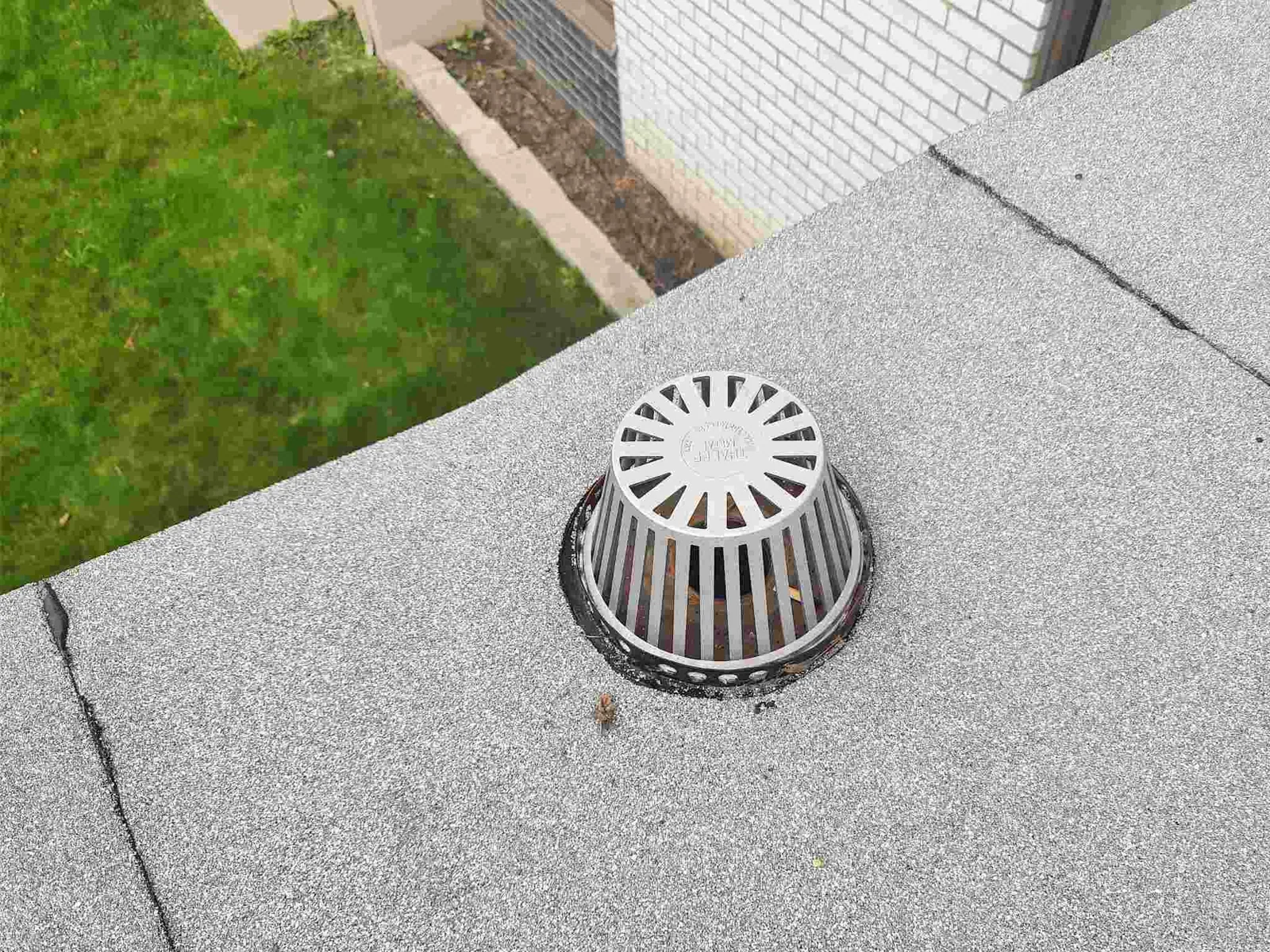
For a building with several roof levels, drainage can carry water toward a lower section or a wall. We inspect drain bowls, scuppers and overflow paths for debris or standing water. If the outlet is restricted, drain and scupper service can be handled with the leak repair or listed as a separate maintenance item. The record identifies which condition each task addresses.
Account for the Bayfront Setting
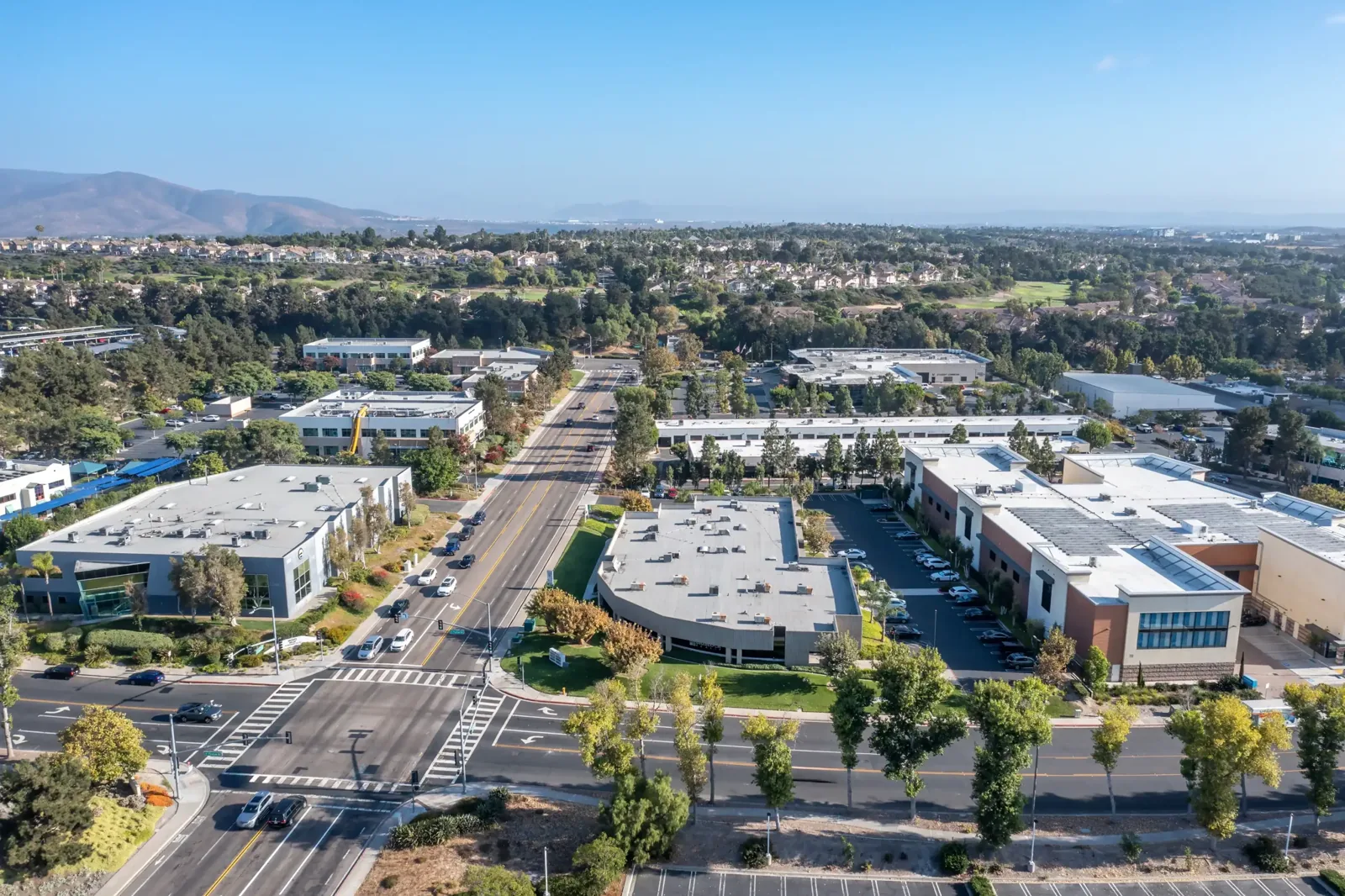
The Bayfront plan covers 535 acres and includes parks, open space, hotel and visitor services, and commercial uses. It also places restaurants, retail and marina-support uses alongside mixed-use recreation and marine-related offices. On an individual property, that setting can make gate access, occupied areas, equipment routes and delivery periods part of the roofing plan. We confirm the actual building contact, roof entry, lift location and work window rather than assuming district-wide access is uniform.
Coastal exposure can affect exposed metal, fasteners and roof edges. We inspect for corrosion, loose attachment and sealant separation where metal meets membrane or parapet. Corrosion alone does not identify a leak, so we compare the detail with interior reports and water flow. Around Sweetwater Park and the connected bicycle path, public activity also makes safe staging important when a lift or material drop is needed. We set barriers and keep work routes distinct from public circulation as the site requires.
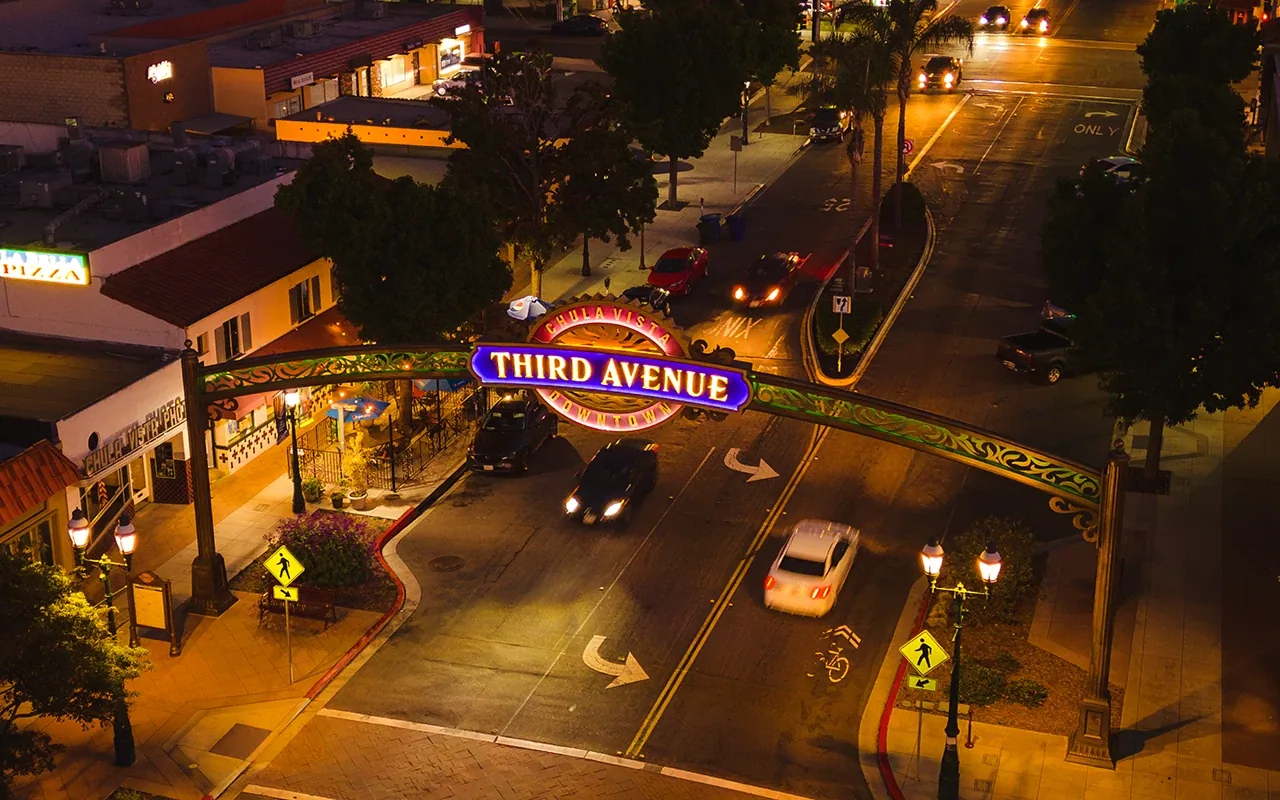
A nearby property in downtown Chula Vista may have a different access plan, but the roof review still records the same essentials: affected zone, visible defect, repair boundary and any condition that needs a follow-up test. For a second building toward Otay Mesa, the facilities team can use a consistent inspection record while keeping each roof's findings separate.
Choose Between a Local Repair and Broader Work
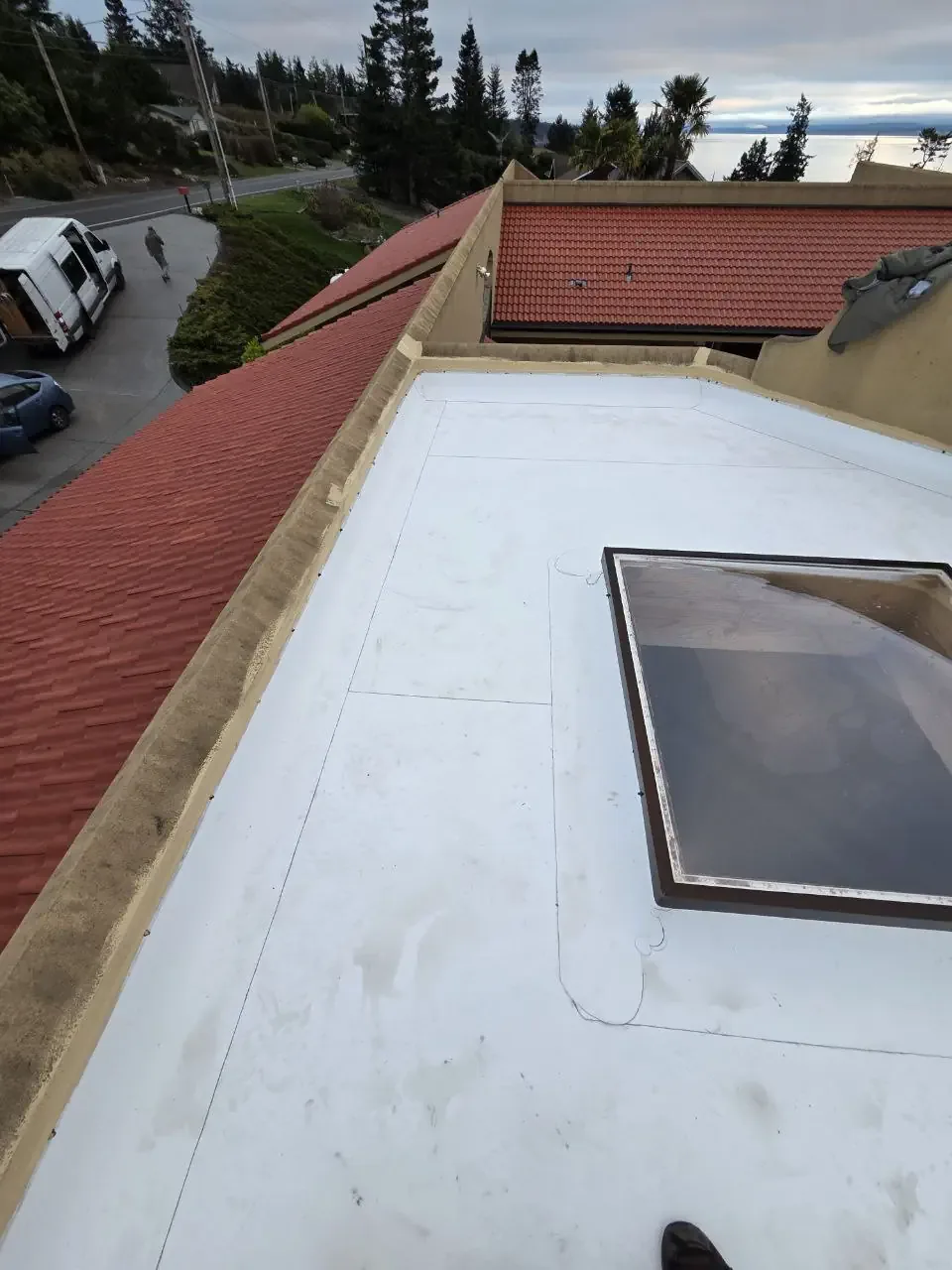
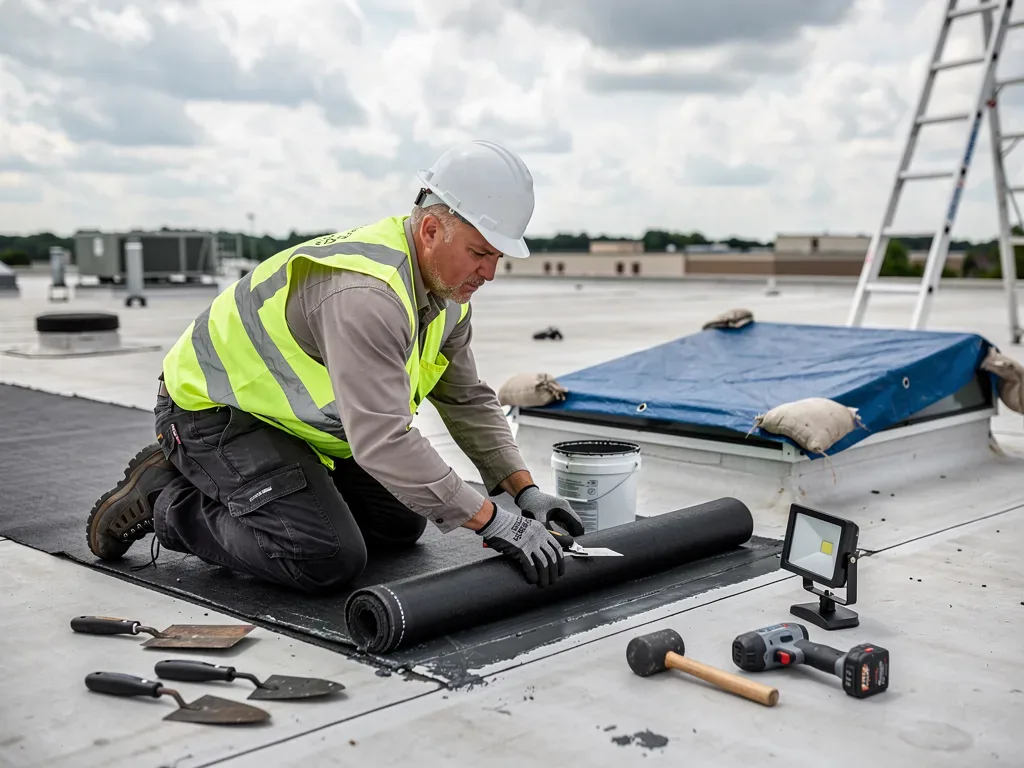
A small opening can be a contained repair if the membrane and insulation around it are sound. We prepare the surface for the installed system and tie the repair into stable material. A thermoplastic membrane may need a compatible weld; an adhesive membrane may require approved primer and a matching patch. Metal roofing calls for a fastening and closure detail that allows panel movement. We do not cover active separation with a bead of sealant and call the water path corrected.
When the damage extends across several roof zones, we compare repeated patching with a broader repair, recover or replacement. The decision turns on membrane condition, wet insulation, deck integrity, existing layers and how the building must remain in service. A commercial roof repair scope identifies immediate stabilization and permanent work separately. If a coating is being considered, the existing assembly has to meet the system requirements and remain suitable as a substrate.
Cost and timing move with roof access, material compatibility, height, equipment staging and concealed damage. A controlled opening may add a decision point, while a complicated lift or restricted service window can affect mobilization. We identify those drivers before work begins and explain which observations are confirmed versus which condition still needs testing.
Sequence Work Around Guests and Operations
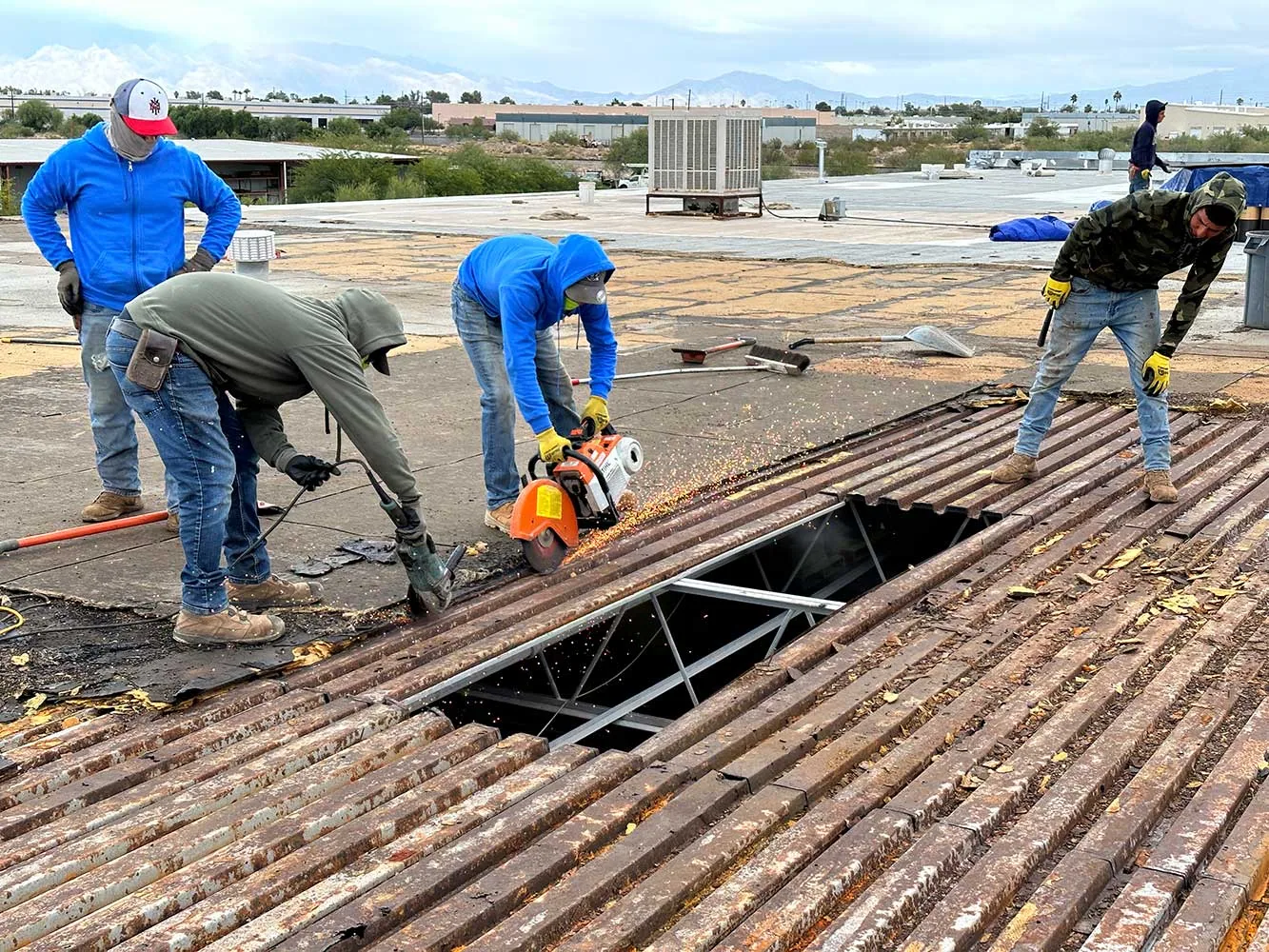
Roof repairs can affect areas below through noise, odor, debris handling or temporary access limits. We coordinate with the property contact on occupied rooms, public areas, deliveries and any sensitive equipment. Before opening the roof, we confirm how the work area will be protected indoors and who can authorize a change in scope. If another trade needs the same curb or equipment zone, the sequence should be agreed before the membrane is cut.
Suppression of an active leak may require after-hours protection before a permanent repair window is available. Emergency response runs around the clock, including weekends and holidays, when a sudden opening threatens the building. We secure the area with a temporary dry-in when conditions allow, then return for a permanent tie-in once the surface is ready. The handoff identifies what is protected, what remains exposed and what event would prompt a return visit.
Staging depends on the property. We confirm the roof hatch or ladder, escort requirements, loading route and location for debris before arrival. When the work is near a public path or waterfront operation, we coordinate barriers and spotters with the site lead. A roof repair should leave drainage open and the site's everyday routes usable at the end of each shift.

Leave a Repair Record the Team Can Use
At completion, we check the patch perimeter, adjacent seams and drainage path. We look for lifted edges, open laps, unsecured flashing or debris in drains. A controlled water check may be appropriate when the roof assembly and site conditions support it. The check follows the repair detail and does not replace inspection of the tie-in.
The closeout record names the roof zone, system type when known, work performed and materials used. Photos show the condition before preparation and after completion. If moisture testing, deck review or a broader roof project remains open, we identify the next decision so the facilities team can coordinate it with the building schedule. A roof condition report can keep those findings organized across multiple buildings.
Chula Vista receives most of its regional rainfall during winter, though season totals vary. Before that wet period, maintenance can check exposed metal, drains and repaired transitions. We can schedule preventive roof maintenance around site access and record any new condition against the prior repair area.