Build the Route From Roof History
A useful maintenance route begins with the roof’s history. We review leak reports, repairs, tenant changes, equipment work and areas that hold water. The route covers drain bowls, scuppers, seams, curb flashing, joints, edge metal and exposed fasteners. We record each condition by location so the next visit can compare it. System transitions are marked separately because each side may need a different repair method.
For a multi-building property, we keep each building and roof zone distinct. A leak at one warehouse should not be carried into another building’s maintenance record because both share an owner. We note access constraints, equipment clearances, receiving hours and whether a roof area needs an escort. Facilities staff can coordinate keys, lifts and tenant notices before arrival. Work orders also identify each location for follow-up.
Chula Vista employment areas include tideland, Montgomery and Otay Valley, with industrial growth farther east near Eastlake and Otay Ranch. A portfolio that crosses those districts may include different access routes and building uses. Near the bay, exposed metal deserves close attention; inland, dry wind and wider temperature swings can stress sealants. We use those conditions to set inspection priorities, then confirm findings on the roof rather than assuming every building has the same exposure.
Keep Water Moving to the Outlet
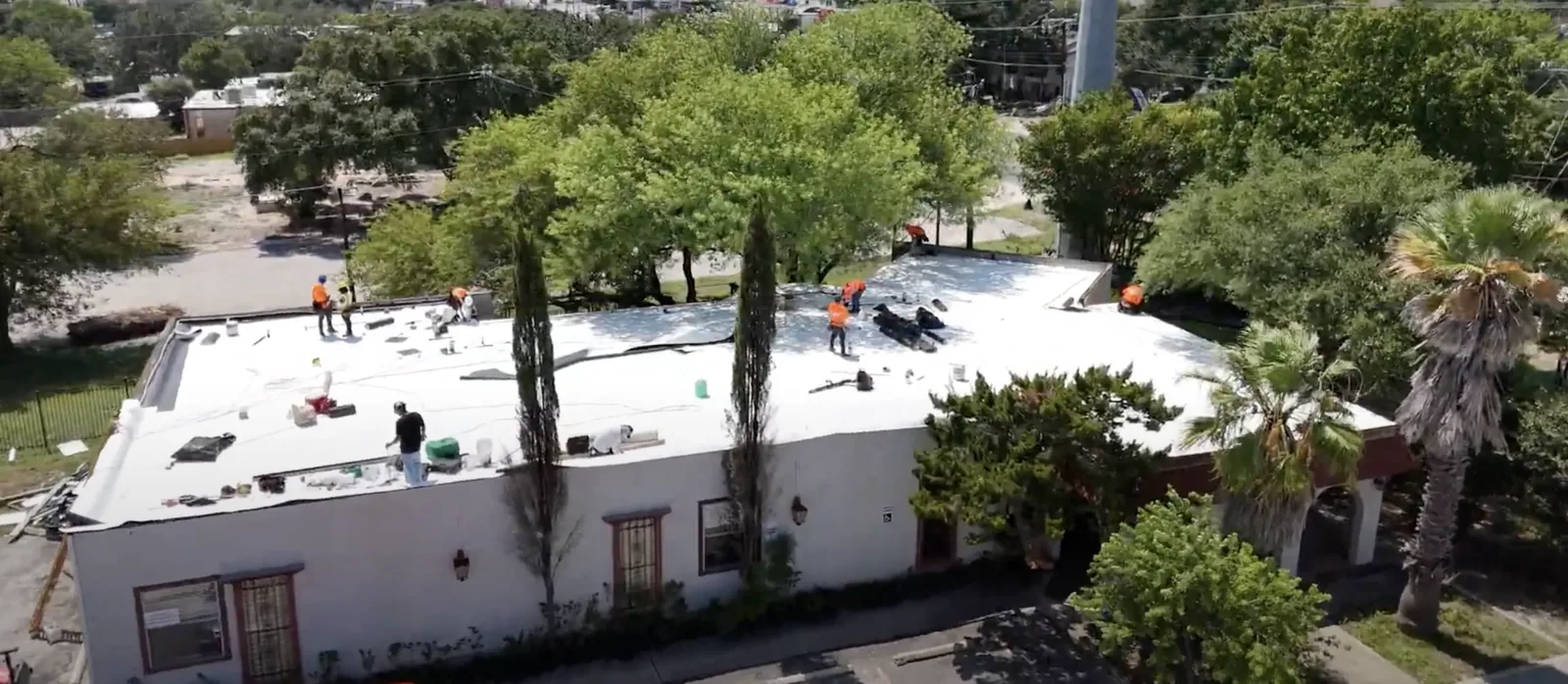
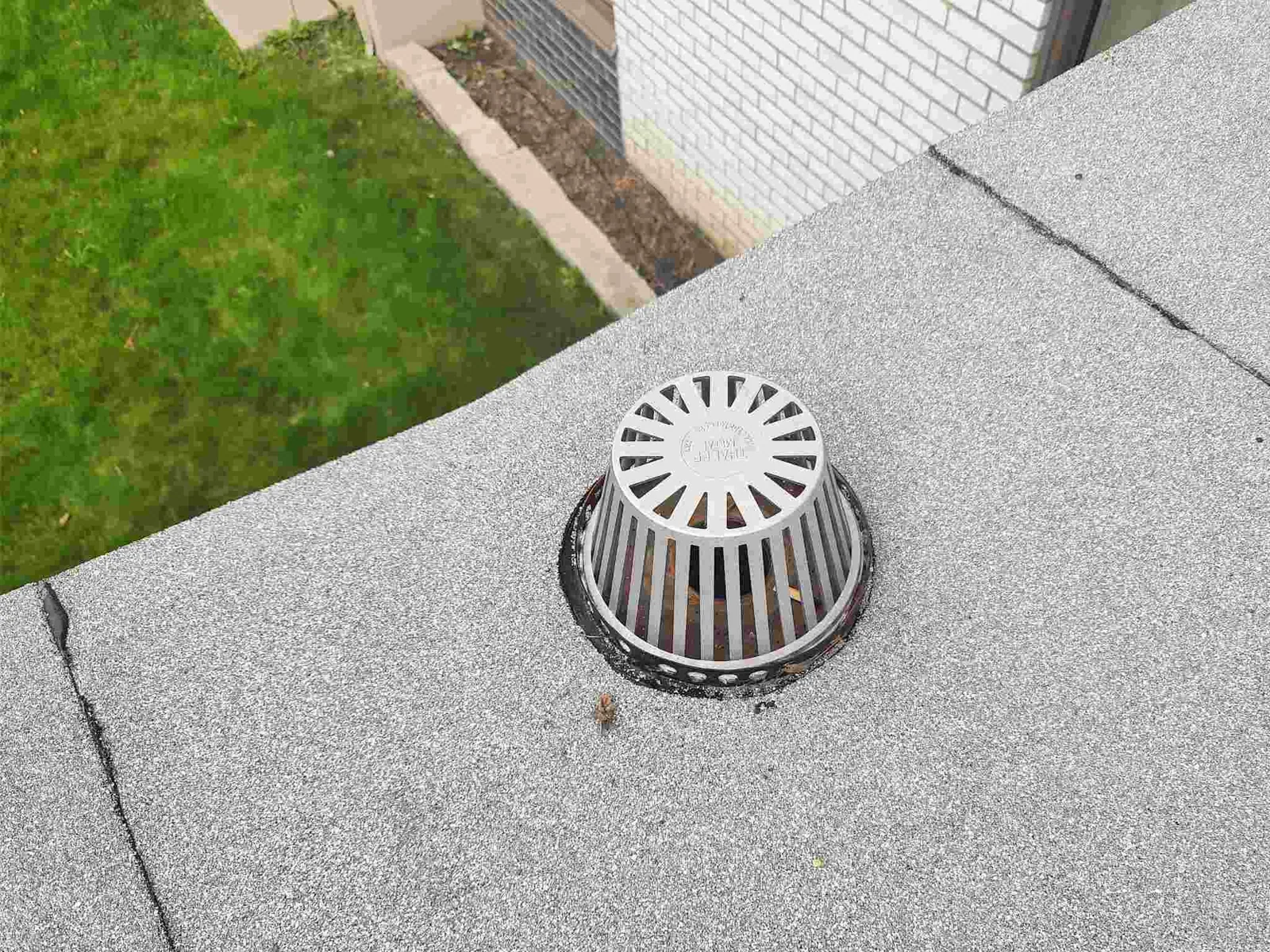
Debris in a drain bowl can slow water even when the membrane around it is intact. We clear accessible debris and check whether the clamping ring, sump and surrounding slope direct water to the outlet. Scuppers and overflow openings need a clear path too. If water remains after surrounding drains are open, the low area may involve settled insulation or a deck slope that routine cleaning cannot correct. We photograph the ponding boundary and identify whether further drainage work is warranted.
Maintenance also checks for signs that water is reaching the building. We compare interior reports with roof locations, look at the edge of stains and check nearby curbs, penetrations and seams. A drain may be open while water enters at the curb uphill from it. A drain and scupper service addresses outlet conditions, while a leak investigation follows an active water path when the entry is unclear. These tasks can share one visit, but the record should state which condition each action addresses.
Most Chula Vista precipitation occurs during the winter months. A pre-rain visit can clear drains and note exposed seams before seasonal use, while a follow-up can document what the roof did during the wet period. That timing does not replace inspections after wind, equipment work or a leak report. The maintenance route should respond to actual events and changes at the property.
Check the Details That Move
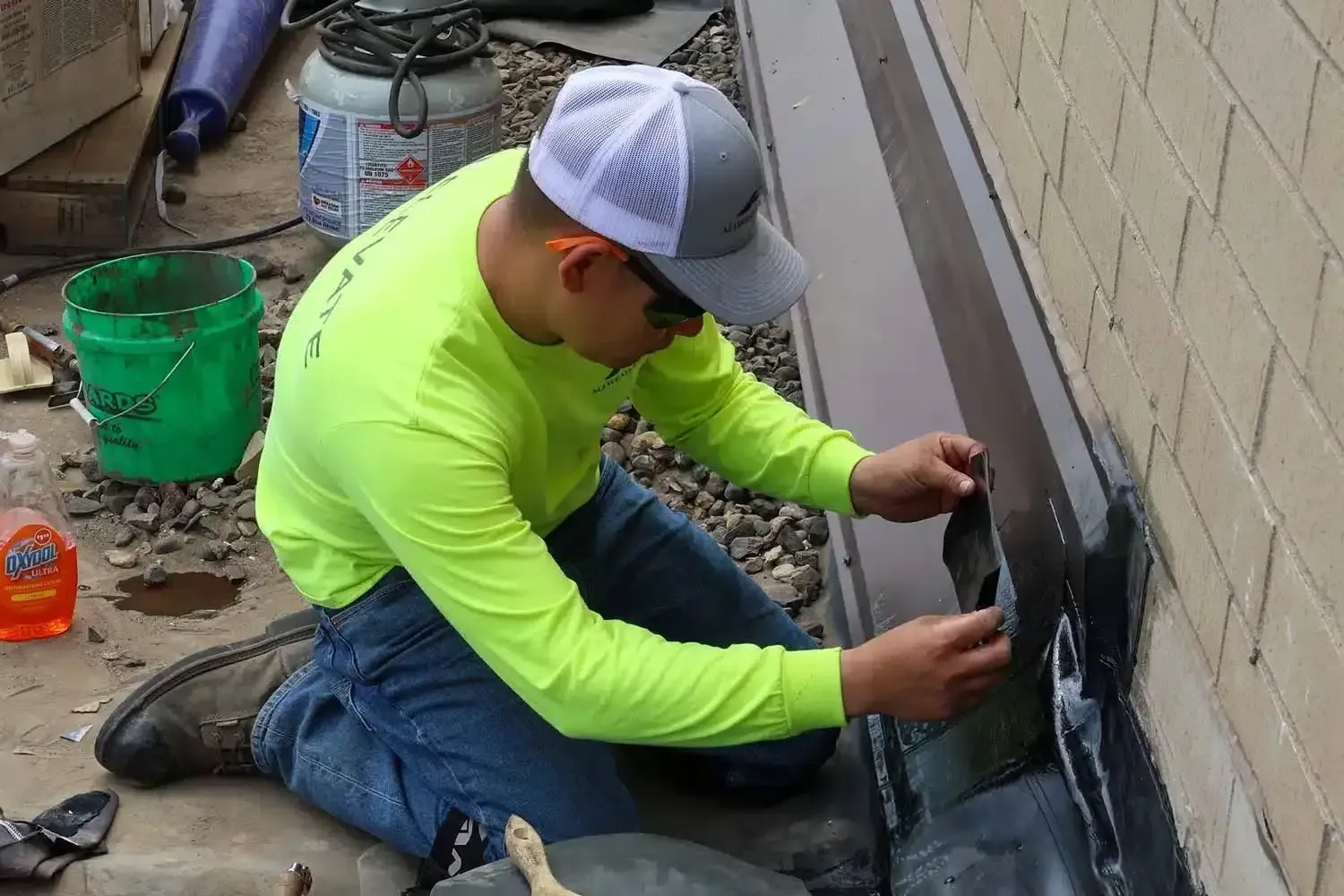
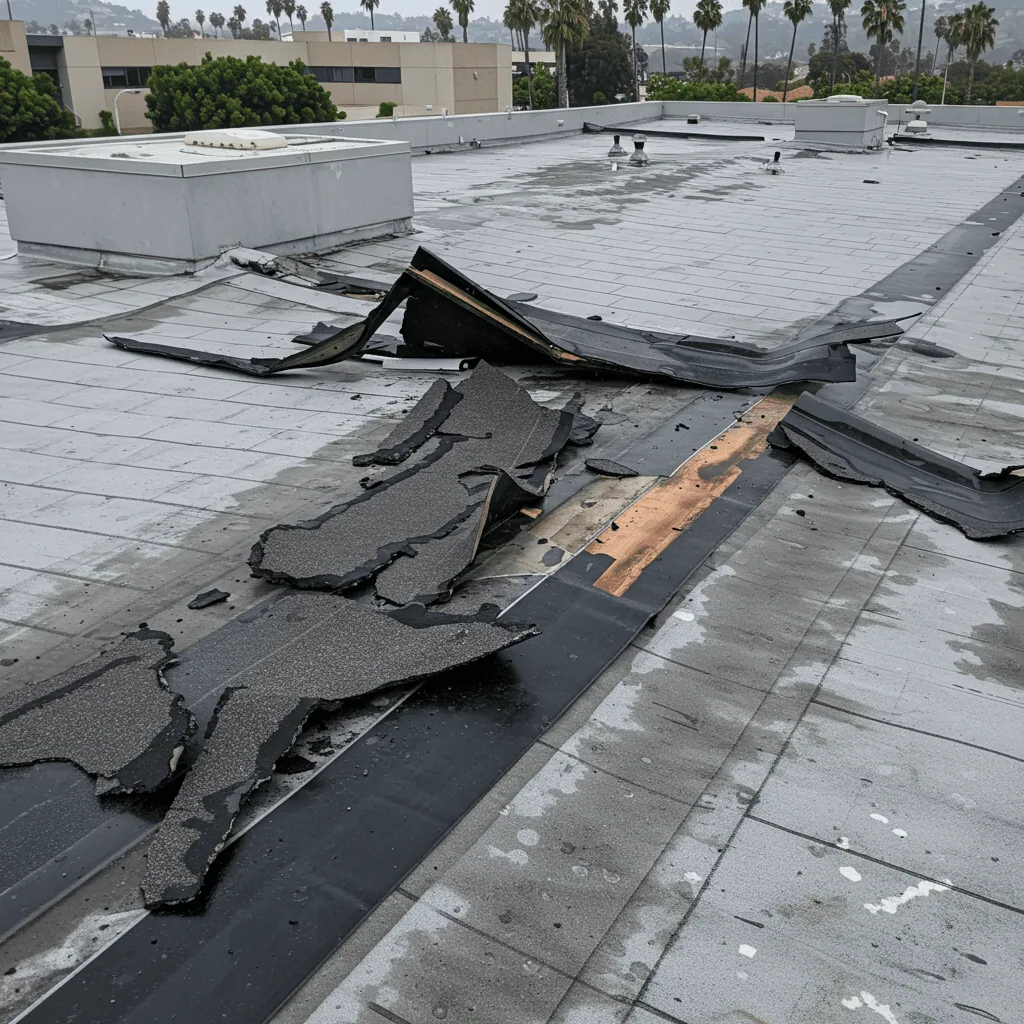
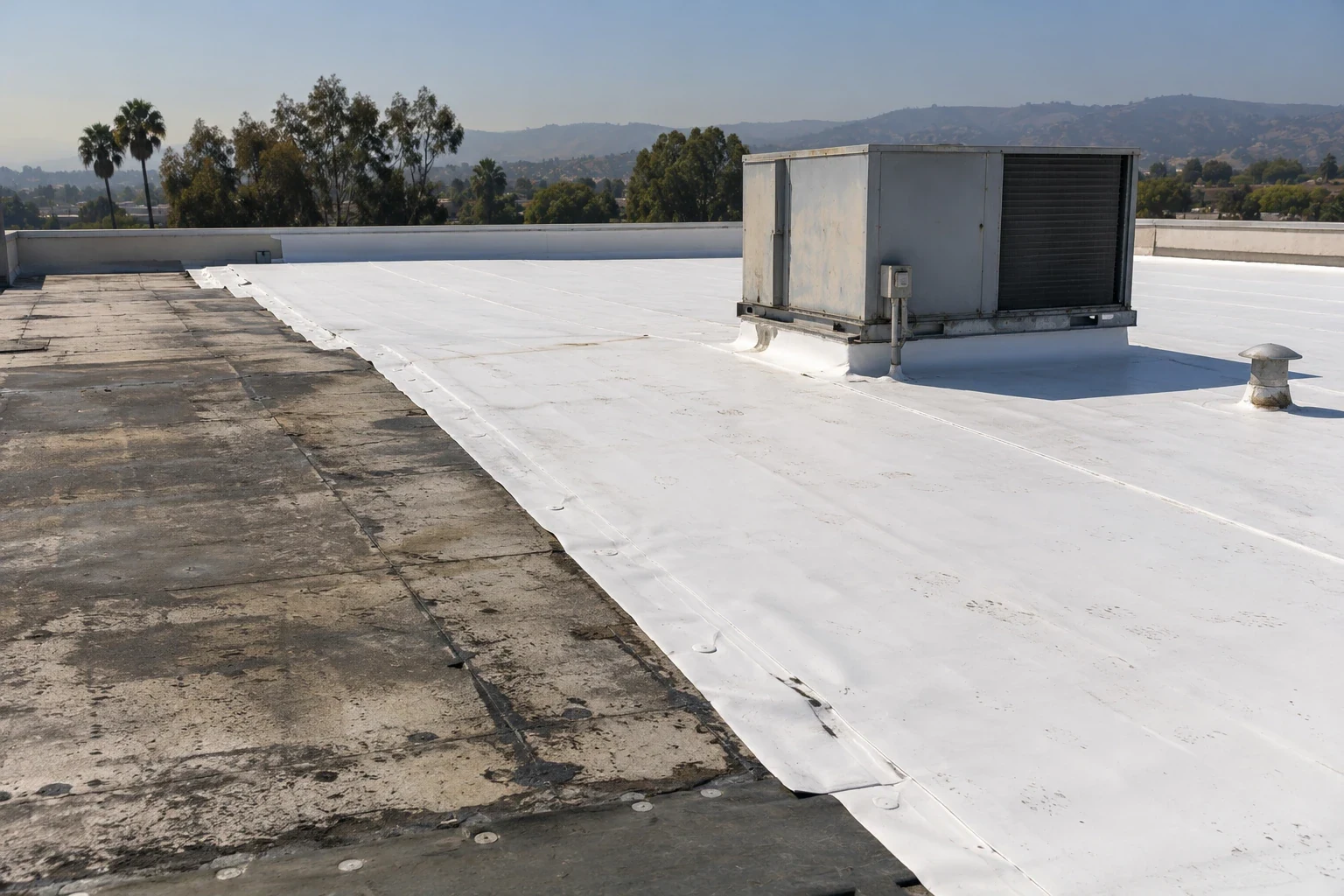
Seams and flashings move as the roof heats, cools and responds to wind. During maintenance, we look for separation at welds, lifting at terminations, cracked sealant, loose metal and exposed fasteners. We check past patches for open edges and examine whether the material around them remains stable. A small repair can be scheduled when the surrounding membrane is sound; brittle sheets, wet insulation or recurring failures may call for a broader review.
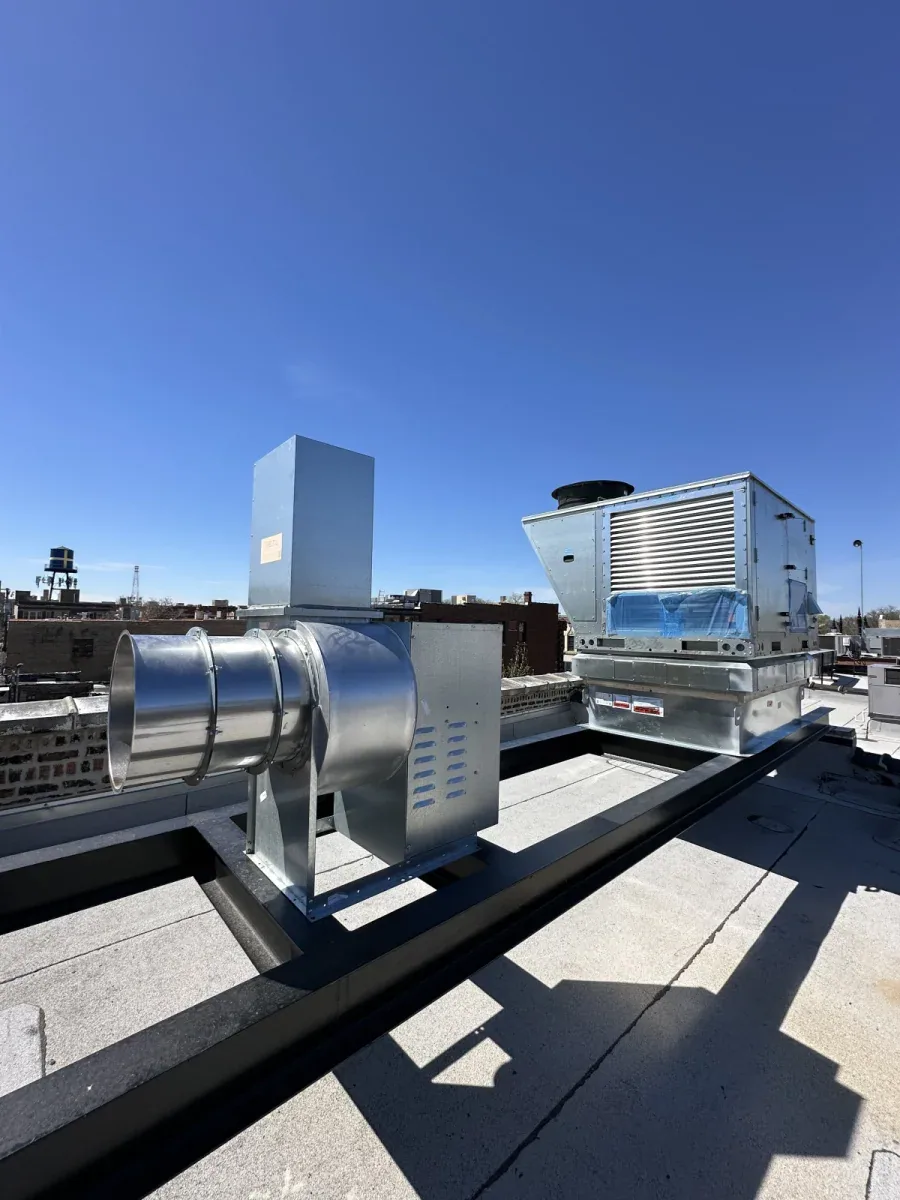
Equipment changes deserve a separate roof check. A new conduit, curb or exhaust line can create a penetration that was not on the prior route. Service technicians may leave tools, fasteners or packaging on the membrane, or shift rooftop supports during access. We record changes and inspect the nearby membrane and flashing. The equipment curb details should remain accessible for the next maintenance visit, not buried beneath a new line or support.
Along Chula Vista’s Third Avenue and Broadway business areas, commercial activity includes small firms, retail and services. The daily route may pass through a shared rear service lane or loading space. In the Otay Mesa service area, SR 905 and freight routes shape access around industrial properties. We coordinate the maintenance visit with the property’s real route and operating hours. If a roof needs repair during an occupied shift, occupied-building coordination can help protect interior operations while work proceeds.
Use Seasonal Checks With Judgment
A calendar is helpful, but it does not tell the whole maintenance team what happened on the roof. Chula Vista’s coast and hotter eastern districts have different exposure. We can check drains before the wetter months and exposed sealants after warmer periods. A leak, wind event or equipment change may require an extra visit.
Coastal air can affect metal at edges, coping and equipment supports. We inspect those surfaces for actual corrosion, loosened fasteners and failed joints. Inland heat can accelerate surface aging at exposed sealants, though not every sealant crack means water has entered. We compare condition, location and function before recommending replacement. Maintenance notes should explain whether a detail is actively failing, needs a near-term repair or can be checked again on the next route.
When rain or wind creates an active problem, emergency response is available around the clock, including weekends and holidays. Temporary dry-in can limit further exposure while a permanent repair is scheduled. Emergency roof response records the immediate protection separately from planned maintenance so the facility director can see what remains to be corrected.
Turn Visits Into Useful Decisions
After each route, the owner receives a record by building and roof zone, with photos, priorities and items to monitor. It lists work completed, access limits and recommendations separately. Repeated findings remain visible across visits, showing whether a seam, drain or patch is stable or changing.
Costs depend on the number of roofs, access, debris, repair materials and whether maintenance reveals wet insulation or damaged deck. Routine cleaning and inspection differ from membrane repair or drainage redesign. We identify where that boundary falls and explain any added work before extending the maintenance scope. A roof condition report can preserve findings for capital review, while roof asset management can organize records by building and planned service date.
To set up a maintenance route, share the building list, known leak areas, roof access contact and preferred operating windows. We will inspect the relevant zones, record existing conditions and identify the first maintenance decisions for your facilities team.