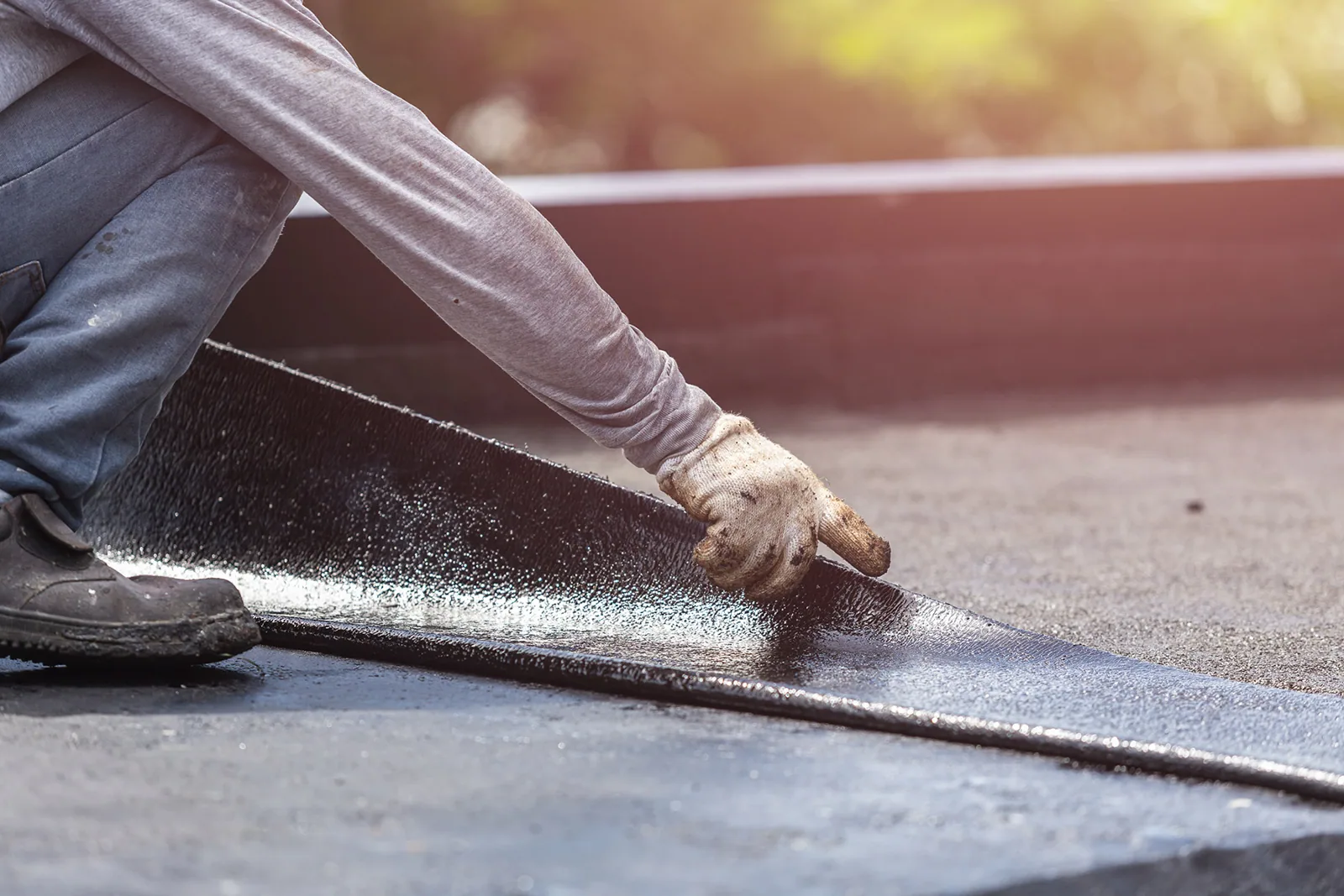
Chemical contact and surface condition
PVC can suit roofs where certain oils, grease, or chemical exposure make membrane selection important. Resistance depends on the product formulation, concentration, temperature, and duration of contact. Identify exhaust discharge, process areas, kitchen service, and cleaning routines before choosing a sheet. Do not treat a general material description as proof that a specific chemical is harmless to the installed membrane.
Inspect for discoloration, swelling, softening, cracking, surface wear, and changes near exhaust outlets or equipment. Compare affected areas with sections that see less contact. If the surface has been cleaned or treated, identify the product used and check whether residues may interfere with welding. Keep the membrane manufacturer's compatibility information with the submittal and confirm that the specified sheet matches the known exposure.
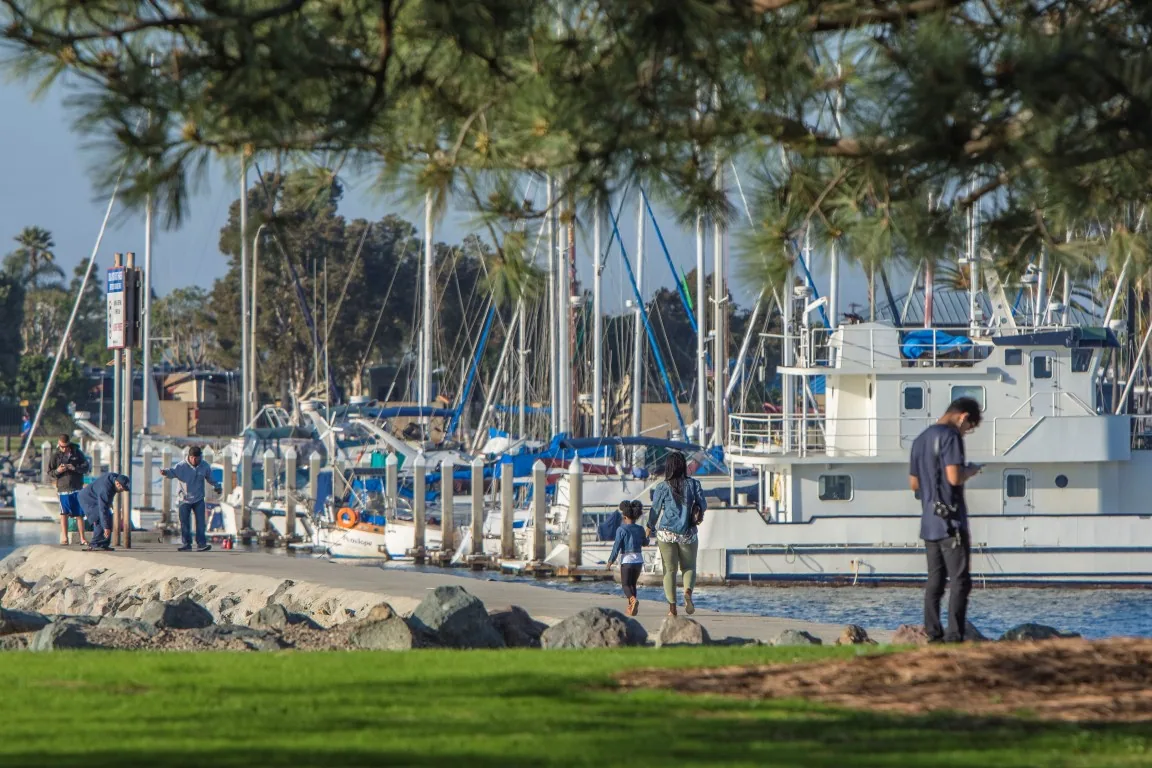
The planned Chula Vista Bayfront combines commercial recreation, marine-related offices, restaurants and marina-support uses. The mix of nearby commercial uses makes exhaust, washdown, process chemicals, and maintenance access important inspection questions. We ask the facility contact about exhaust, washdown, process chemicals, and maintenance access, then record the actual roof conditions. If the exposure is unknown, define the needed product review before ordering replacement material.
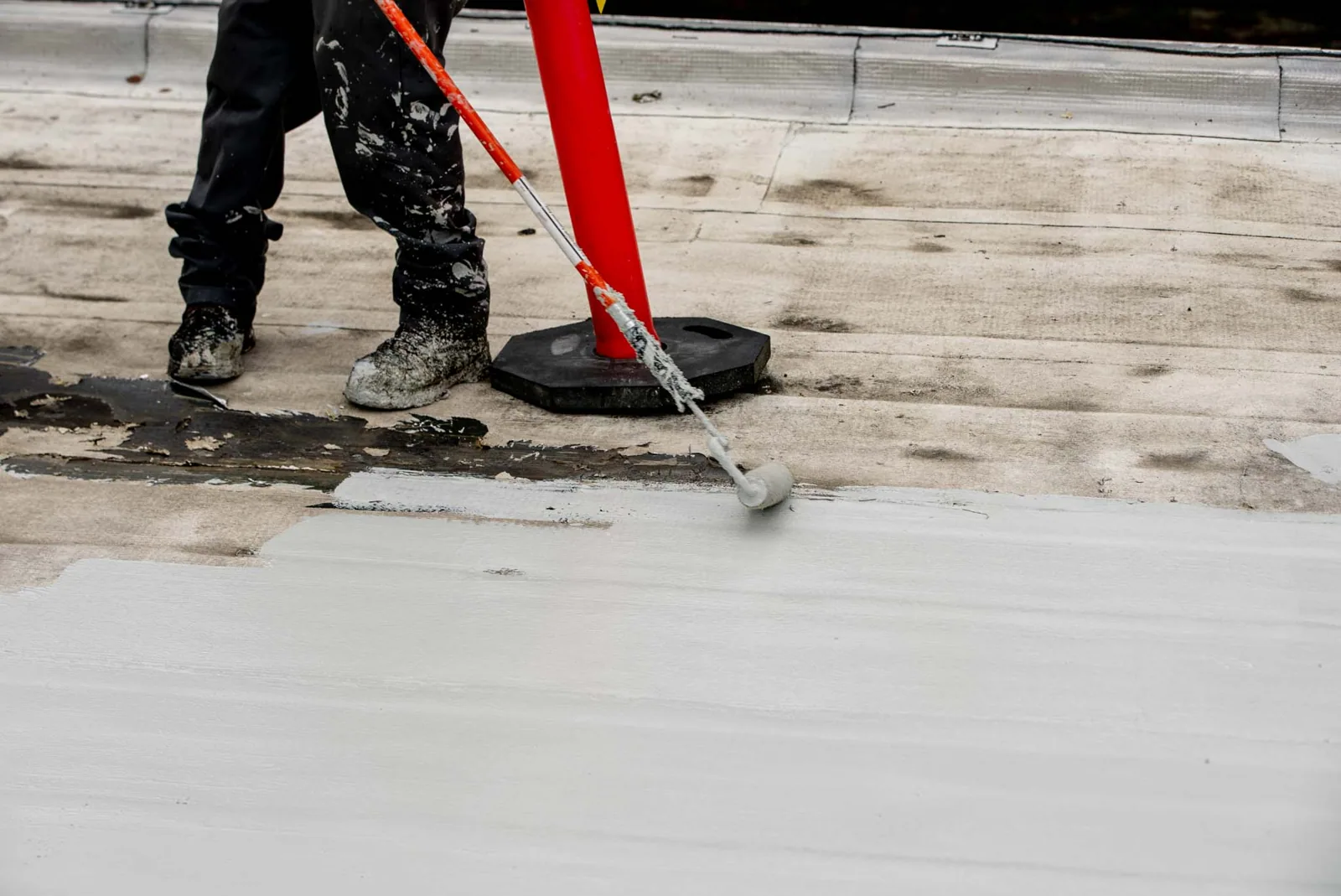
Welds, laps, and flashing
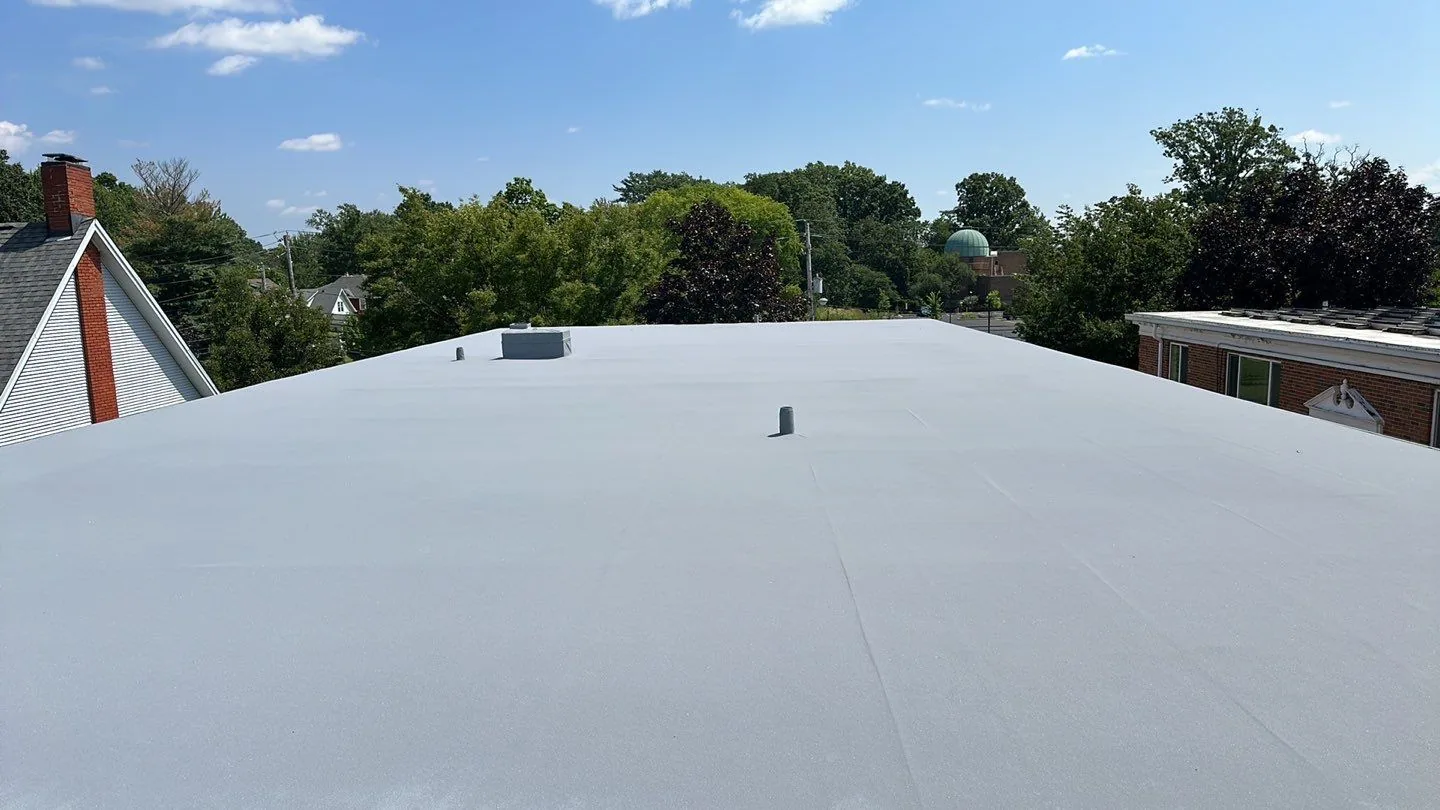
A PVC sheet joins to itself through a heat weld. The seam can separate when its surface is contaminated, the weld was not properly formed, movement stresses the lap, or a later trade cuts the membrane. We inspect along the full affected run, including corners and terminations. A probe helps locate an open edge, while a test weld can show whether the existing material accepts a repair under current conditions.
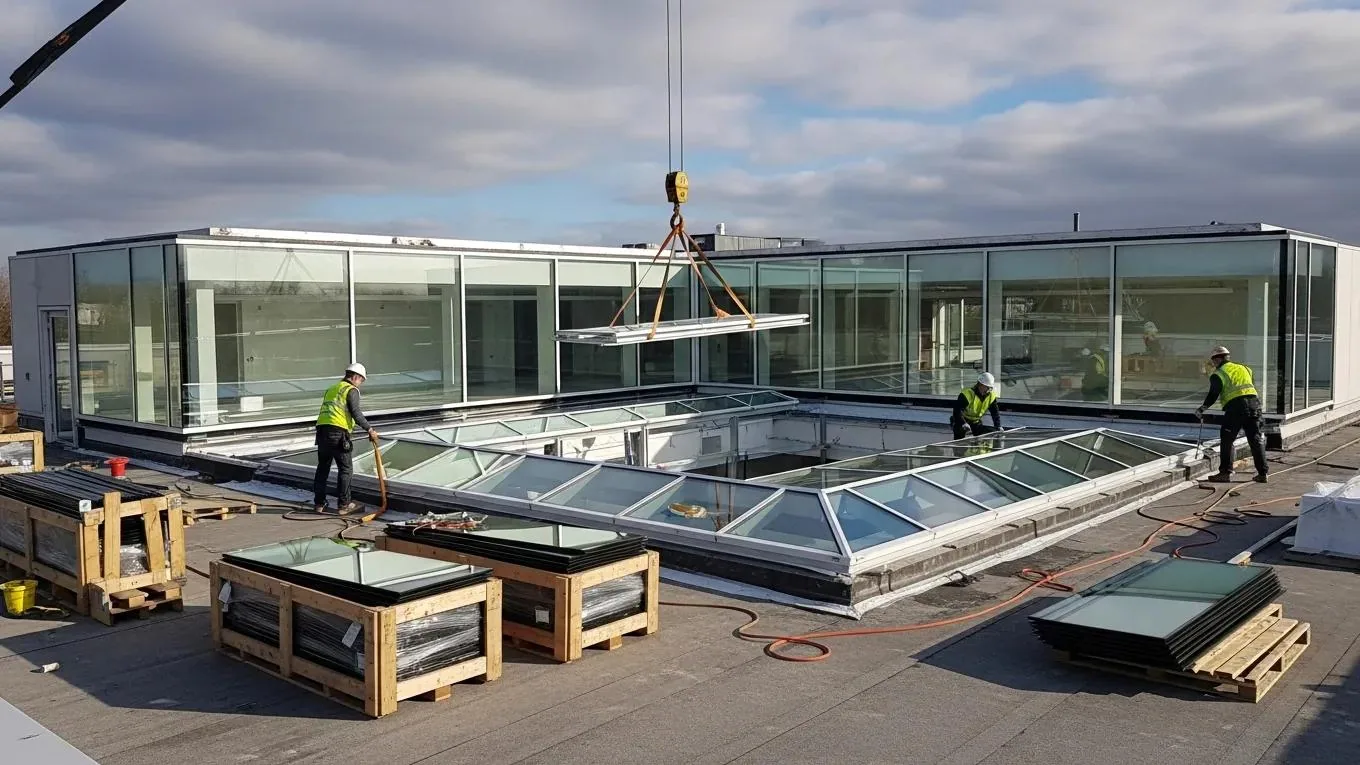
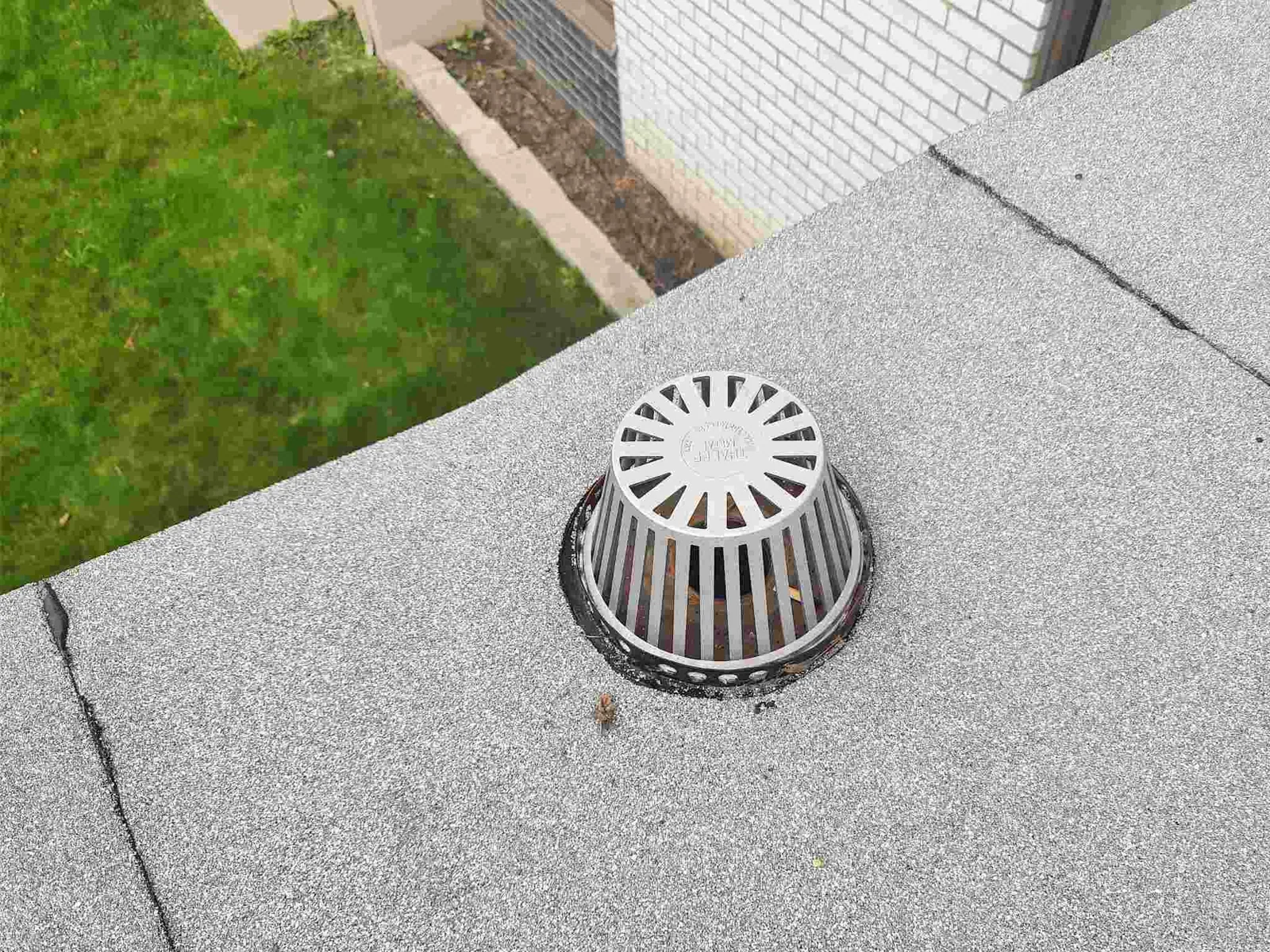
At drains, confirm the membrane cut, clamping ring, bowl, and surrounding sump. At a pipe, curb, or skylight, check flashing height, corners, top termination, and the transition to the field sheet. Repairs should use material and preparation compatible with the existing PVC. A curb and penetration detail should close the joint without leaving a ridge that blocks drainage or a loose edge that can lift.
Do not assume that every older white thermoplastic sheet is PVC. TPO and KEE can have a similar appearance but use different compounds and details. Read available product records, inspect accessible edges, and confirm the material before a repair. A TPO membrane and a KEE sheet may need different transition steps; color alone does not confirm a sound tie-in.
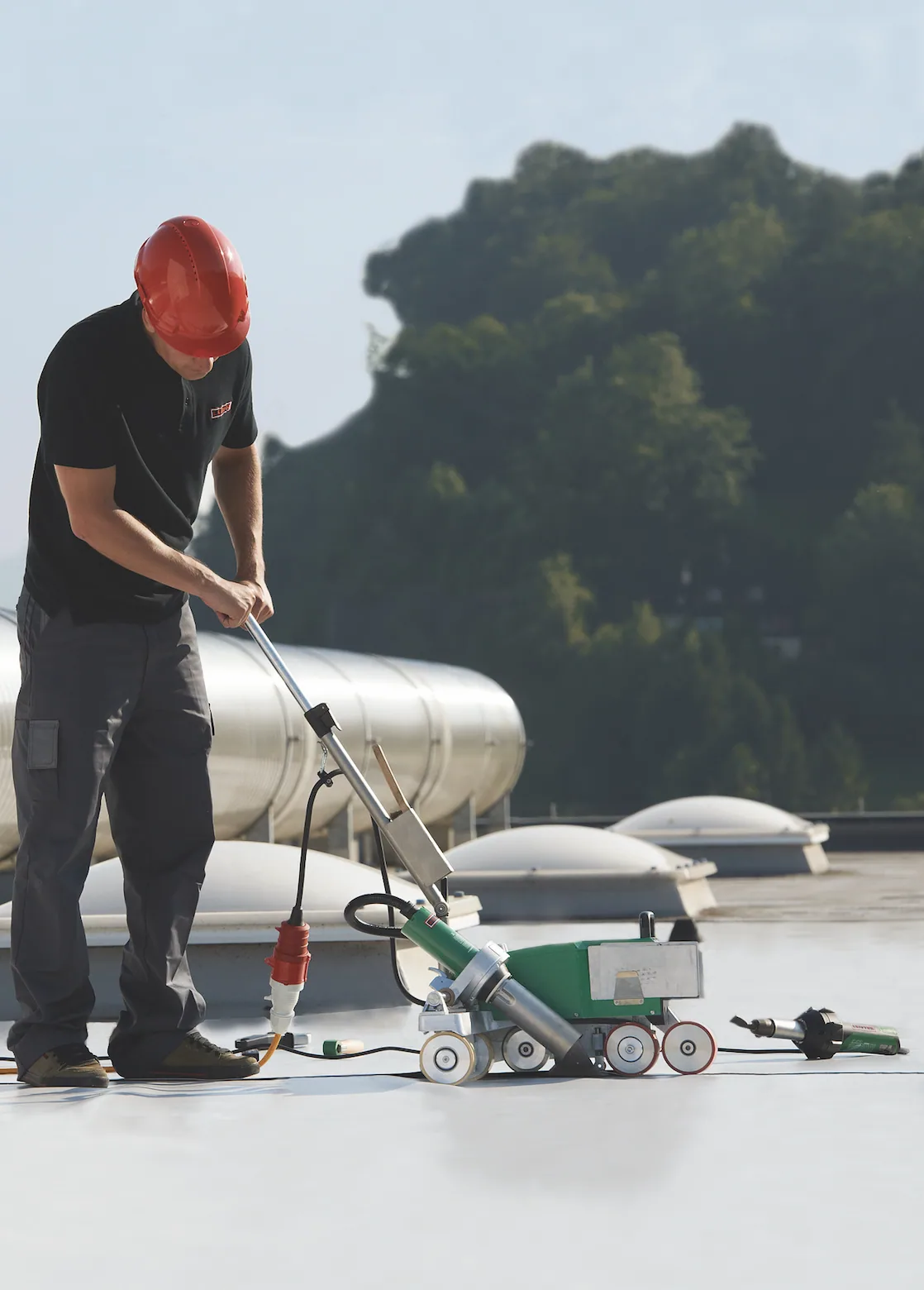
Drainage and roof transitions
Water held at a drain or low point can keep a seam wet and make a small defect harder to isolate. Trace the slope from high areas toward drains, scuppers, and overflow openings. Check whether debris, displaced insulation, or a prior recover changed the outlet height. A drainage inspection can determine whether the issue is cleaning, a failed bowl detail, or a broader slope correction.
At parapets and changes in roof height, inspect the termination and metal cover together. The membrane needs secure attachment at the edge, a compatible tie-in, and a clear path for water to leave. Where PVC meets metal, coated foam, or another roofing material, the transition should account for movement and product compatibility. Repairing only the visible sheet may leave the adjacent connection open.
Most San Diego-area rain arrives during winter. Before that season, a facility can use an inspection to identify exposed seams, open flashings, blocked outlets, and areas that need repair before wet weather. Rain timing varies, so temporary openings also need a dry-in method. We list which zones are watertight at the end of each shift and record any detail that remains protected pending follow-up.
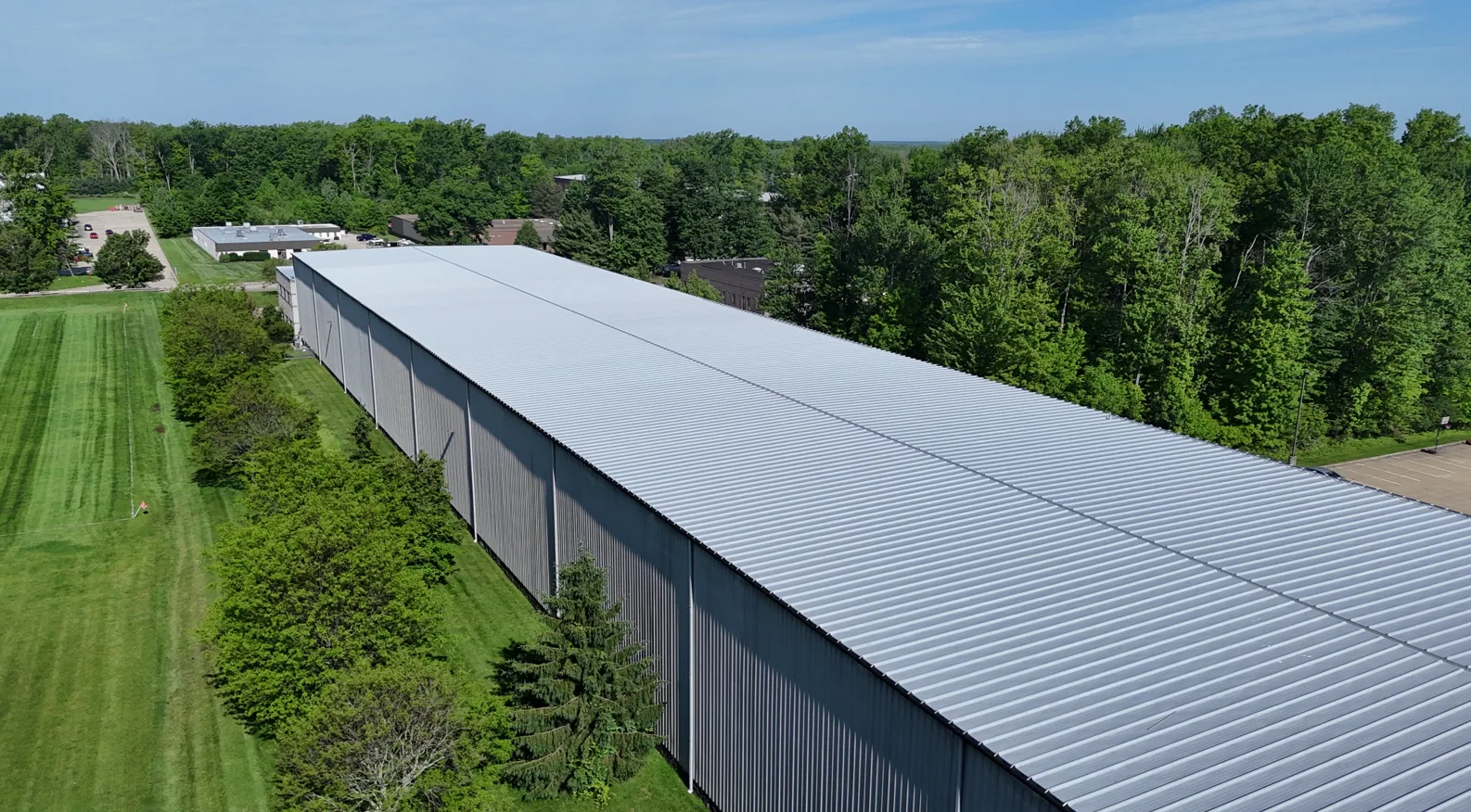
Substrate and attachment
The roof assembly may be mechanically fastened, adhered, or installed over ballast. Confirm the deck, insulation, cover board, fastener pattern, and perimeter attachment from records and field checks. Loose membrane can point to a failed seam, inadequate attachment, or movement below the sheet. If moisture has reached insulation, welding the surface does not dry the assembly. Check the affected zone and agree on confirmation before expanding removal.
Wind loads do not act evenly across a roof. Edges, corners, and transitions need attention because uplift forces and attachment details change near the perimeter. Inspect metal edge, coping, termination bars, and adjacent substrate after a strong gust or when membrane appears loose. A repair can fail again if the underlying nailer or deck edge cannot hold the connection.
In Chula Vista's inland areas, dry easterly winds can bring hotter periods than the coastal zone. Surface temperature and wind affect safe access and the timing of welding or adhesive work. We check actual conditions and use the requirements for the selected assembly. Near the Otay River employment area, planned industrial and commercial uses can involve receiving routes; coordinate staging with the property's active service paths.
Repair, recover, or replace
A repair may be appropriate when the defect is localized and the sheet, attachment, and insulation around it remain serviceable. Repeated weld separation, chemical deterioration, widespread shrinkage, or wet insulation can point to a larger scope. We map each issue by roof zone and compare repair with replacement using the same boundaries, access, and detail assumptions. The estimate should show what is known and what still needs confirmation.
A recover adds material over the existing roof, so first verify moisture, attachment, compatibility, finished height, and load. Check drains, parapets, skylights, equipment curbs, and edge metal for clearance after the added layer. Replacement can expose the deck and insulation for inspection, but it also requires removal, temporary protection, and a coordinated work sequence. A replacement scope should include daily dry-in and the detail work that returns the building to service.
Compare material choices against actual contact conditions, seam details, maintenance access, and the facility's operating needs. PVC should not be selected solely because a building has kitchen exhaust or industrial equipment. Confirm what reaches the roof, how often it occurs, and whether the product data supports the intended use. Record the approved material and transition detail in the closeout file.
Inspection and repair records
After repair, inspect the finished weld, corners, penetrations, drains, and terminations. Photograph both the detail and its roof-zone location. Record the product used, preparation, repair limit, and any area left for monitoring. If a trade will return to the roof, identify the service route and protection needed to keep new work from puncturing or contaminating the membrane.
During scheduled maintenance, look for open weld edges, staining near exhaust, loose flashing, ponding, fastener exposure, and damage around rooftop equipment. After equipment changes, check that each new curb and penetration has a completed membrane tie-in. Keep the inspection record with the roof plan, product data, prior repairs, and maintenance history so staff can compare later findings.