Check the Whole Curb Before Sealing
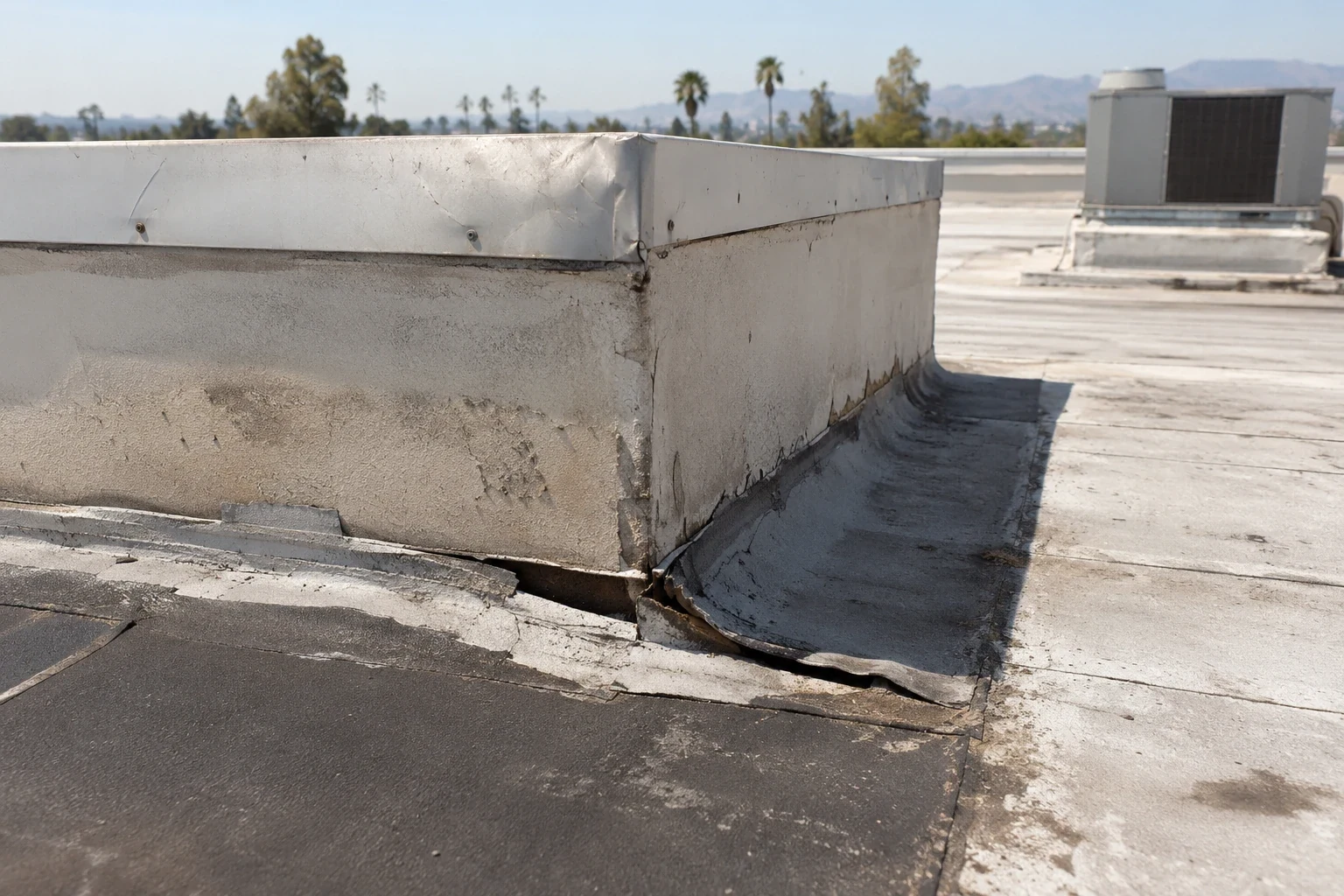
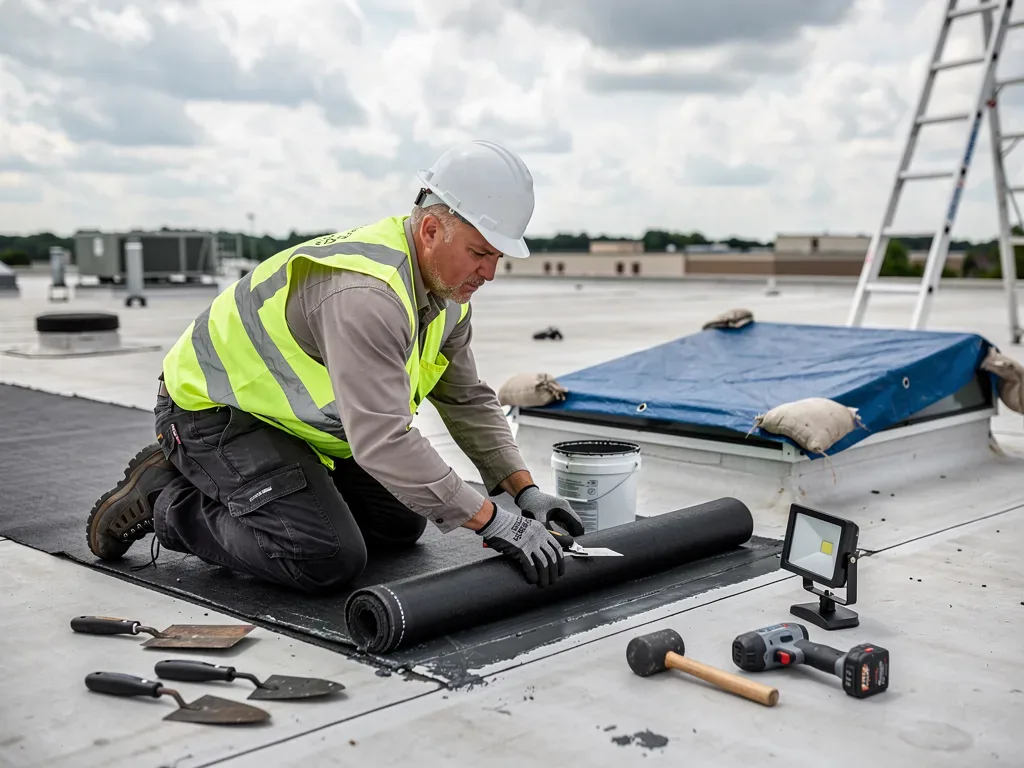
A skylight curb lifts the opening above the roof surface so water can drain around it. The membrane should turn up the curb and terminate high enough to stay protected, with metal counterflashing covering the upper edge. We check all four corners, seams, fasteners, cap joints and the curb’s connection to the roof. A sealant bead can hide an open termination, so we look at the way the layers overlap rather than judging only the surface.
Cracked domes, failed glazing gaskets and condensation can also create interior marks that resemble roof leaks. We inspect the skylight frame and curb separately, then compare the findings with the reported room and timing. If the glazing itself is damaged, the repair may involve the skylight assembly as well as the roof flashing. We identify the component that failed and coordinate any work requiring the building operator or glazing trade.
A roof curb can be too low for added insulation or a new membrane layer. If the flashing rises only a short distance above the field, ponding or a new recover may bring water closer to the termination. We measure curb height and nearby drainage before deciding whether to extend the curb, rebuild flashing or replace the opening. A replacement scope should include those dimensions before new roof layers are installed.
Give Each Penetration a Sound Tie-In
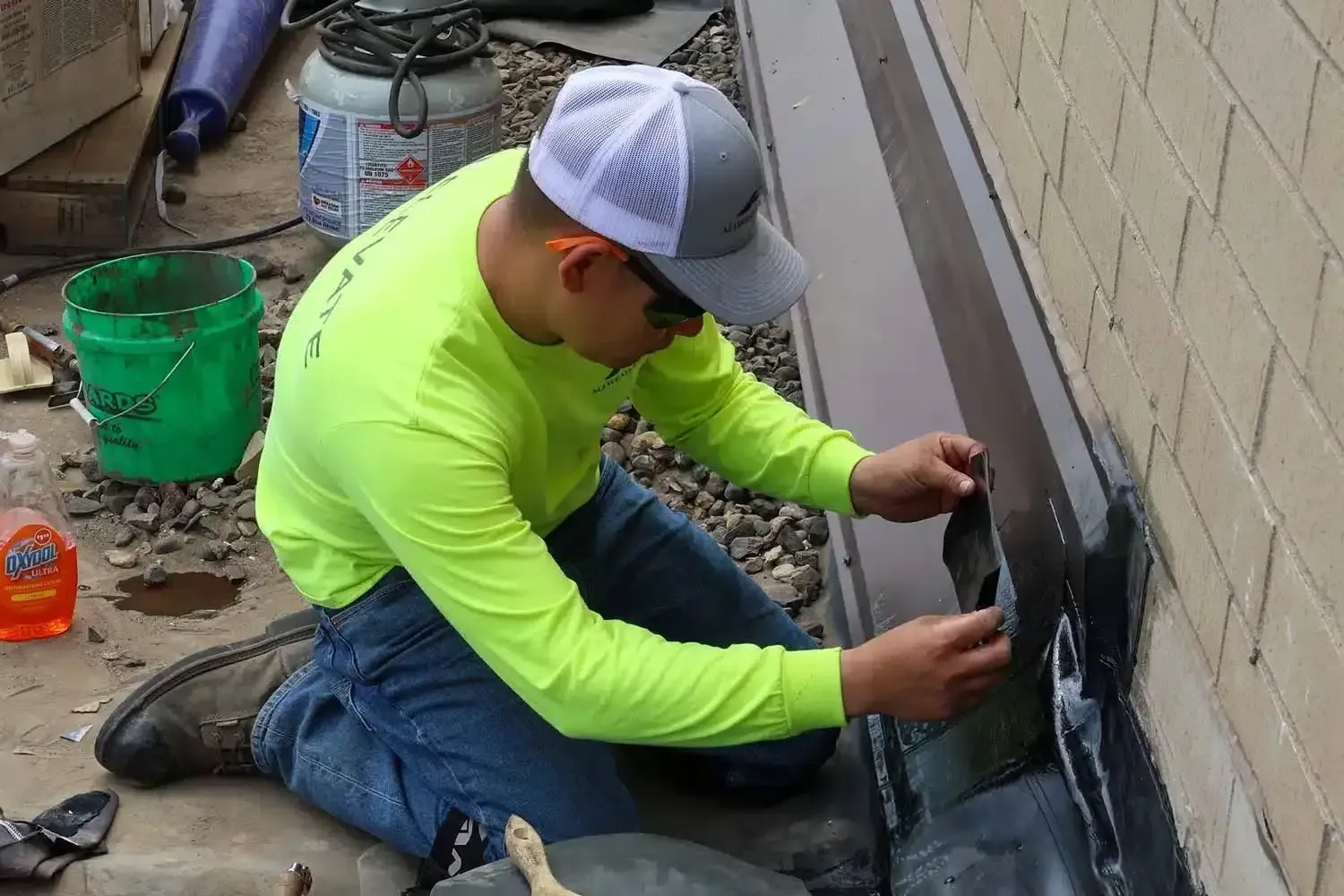
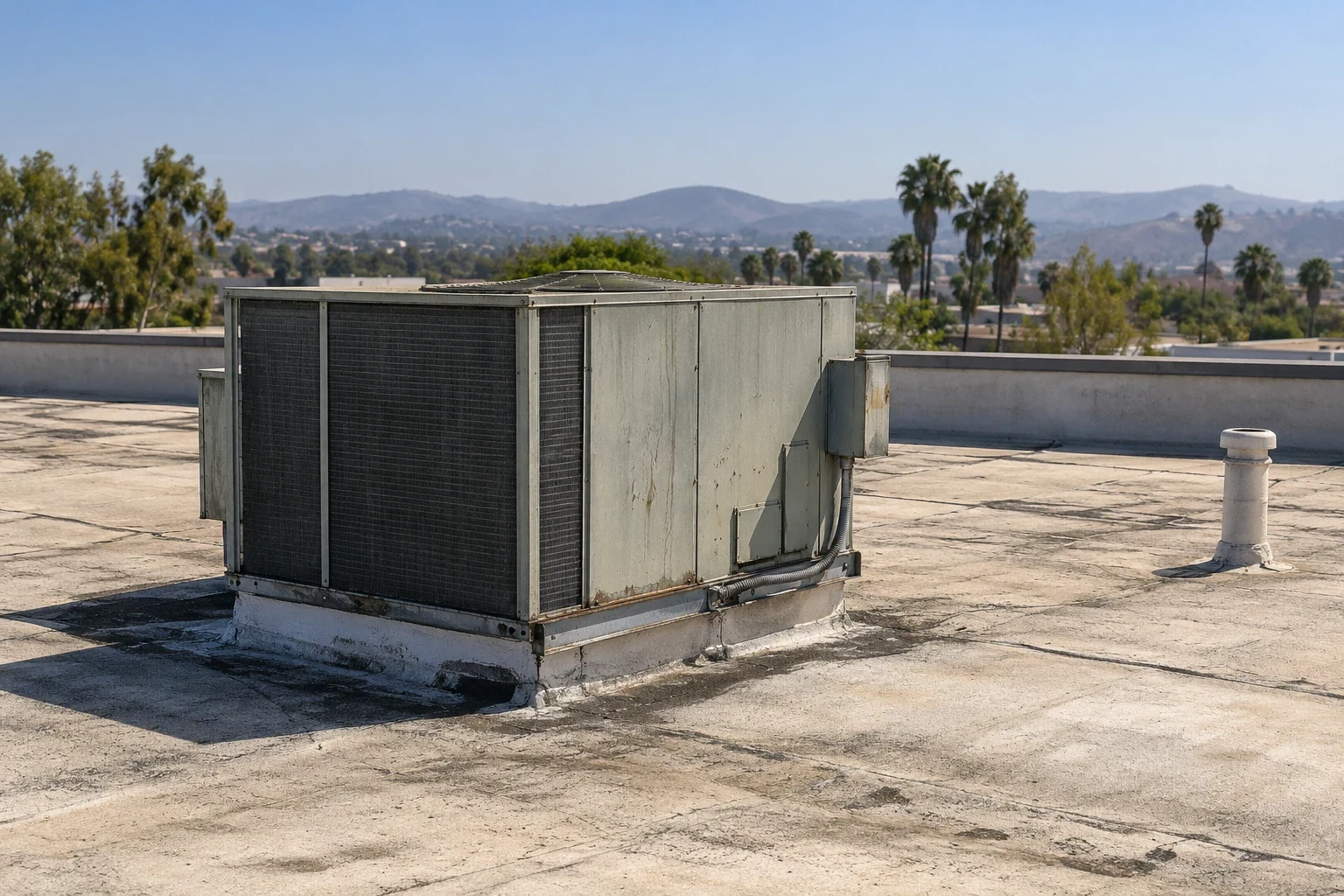
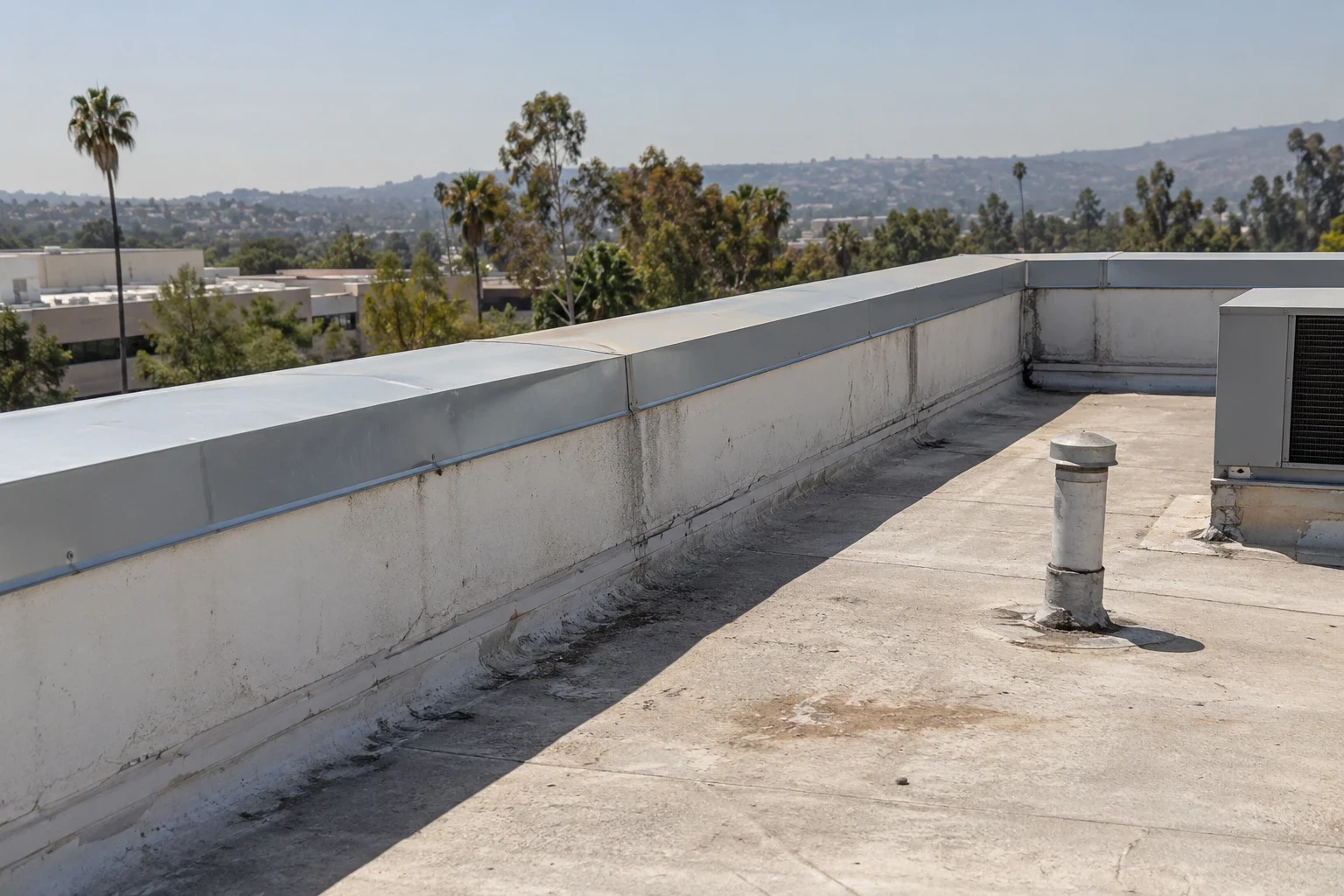
Pipe boots, conduit supports, exhaust curbs, pitch pans and equipment lines interrupt the roof membrane. Each needs a detail suited to its shape and movement. A split boot may admit water around a pipe; an open pitch pan can let water reach the deck; loose counterflashing can expose the membrane termination. We inspect the exposed layer, nearby fasteners and support points, then rebuild the transition with compatible materials. Where equipment vibrates or lines move, the flashing should accommodate that movement instead of binding against it.
Roof service work can disturb a detail even when the roof itself was not the reason for the visit. HVAC technicians may move a conduit, set a tool near a boot or leave a support out of position. We check penetrations after rooftop work and document what changed. A roof repair can be coordinated with the trade responsible for the pipe or equipment so the final tie-in remains accessible for future service.
Chula Vista employment areas include industrial and office uses in Eastlake and Otay Ranch, with growing commercial activity farther east. On a building with multiple rooftop units, we record each penetration by roof zone and equipment label. The Eastlake area and Otay Ranch include varied planned uses, but each building’s equipment layout determines where a flashing repair belongs.
Connect the Roof Detail to the Interior
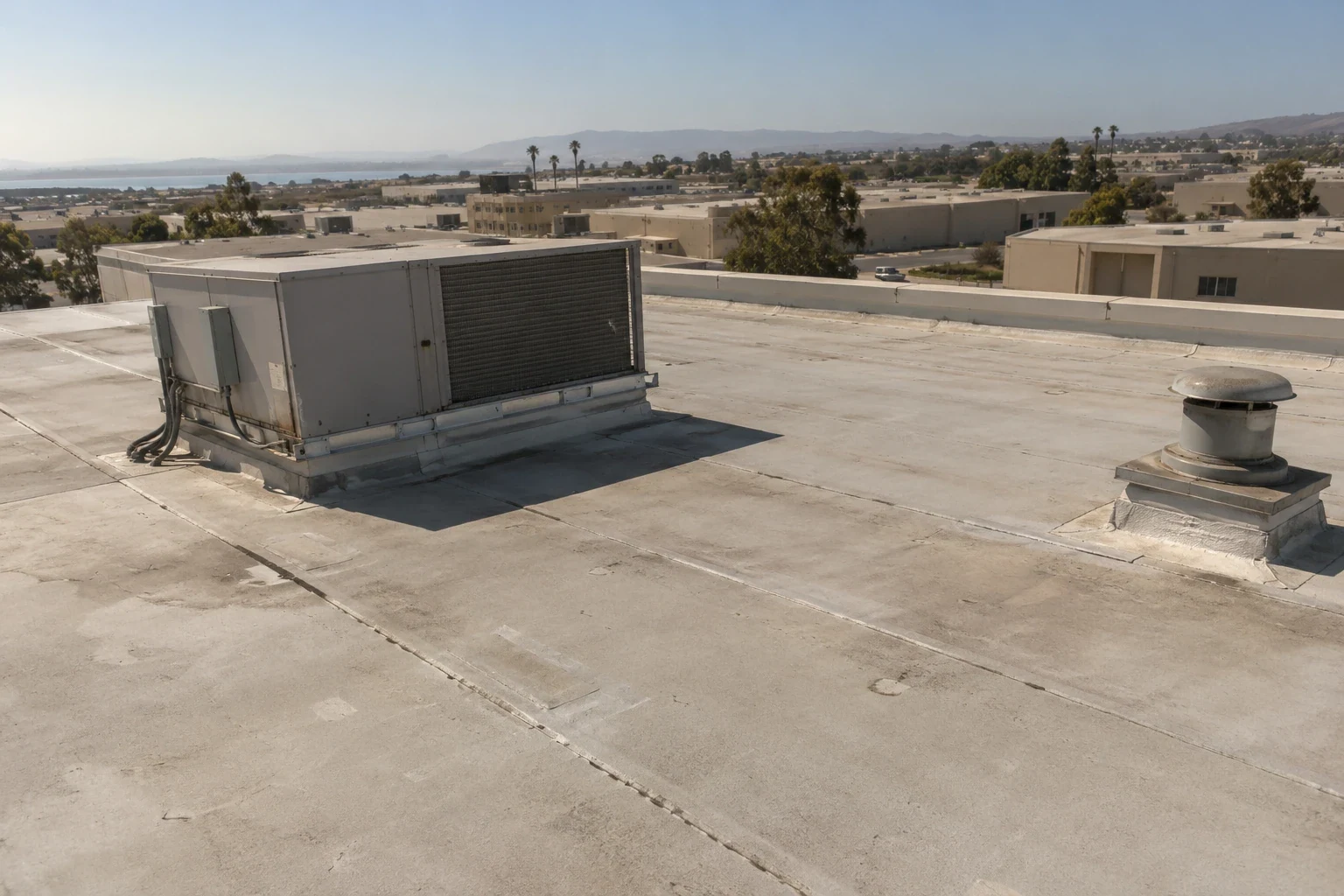
Water entering at a penetration may follow a deck flute or insulation joint before showing in a ceiling. We ask which room is affected, when the water appears and whether it changes with wind or equipment cycles. Then we inspect the roof details above and uphill from the report. Interior piping and condensate lines can create similar staining, so we compare the roof condition with the building evidence before naming an entry point.
If the flashing is wet or the substrate moves, a surface patch may not restore the connection. We can use a probe along a seam or recommend a controlled opening when concealed insulation affects the repair choice. The test location and what it will answer are discussed before access. A leak investigation can follow the full path, while flashing failure repair addresses a confirmed transition defect.
Most regional rain falls between November and March. After wet weather, we inspect the curb for water marks, loose corners and sealant separation, and check that runoff is not trapped uphill. Coastal air can affect exposed metal, while hot inland periods may shorten a suitable application window for some sealants. We note conditions on the day and use materials within their application limits.
Coordinate Work Around Openings and Occupants
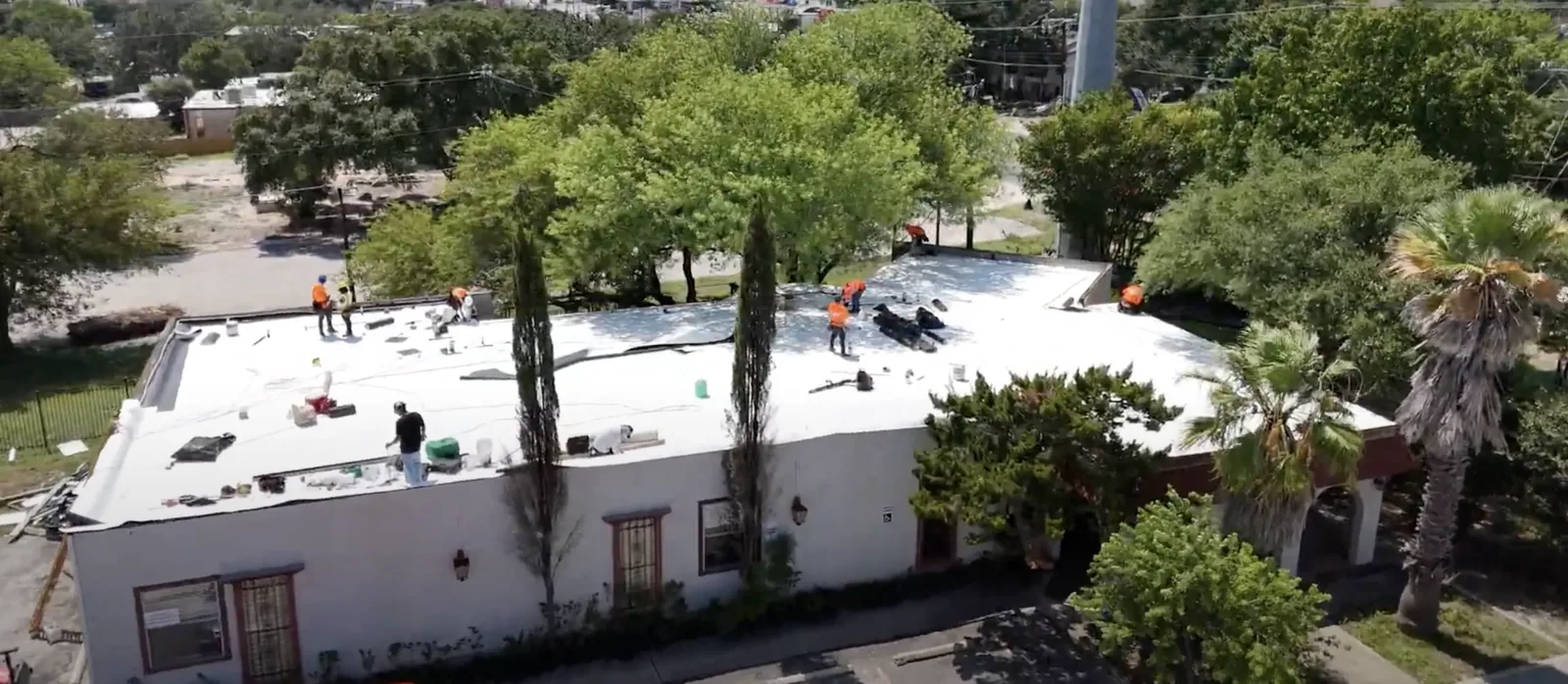
Skylight and penetration work may require interior protection below the opening, especially when old flashing must be removed. We coordinate with the facilities contact to move contents, cover sensitive equipment and keep people away from the immediate work zone. If the room is occupied, the sequence can limit the area opened at one time. We protect the roof if concealed conditions extend the work beyond the planned shift and explain what remains before the crew leaves.
Access varies by property. Around Chula Vista’s Third Avenue corridor, shops, restaurants and services may share rear delivery routes. At the Otay River Business Park, industrial uses sit near Main Street, Fourth Avenue and SR 905, and receiving access may affect lift staging. We confirm the actual route and work window with the building contact. For active tenant spaces, occupied-building planning can coordinate roof access, notices and interior protection.
Once the repair is installed, we check the curb corners, membrane termination, fasteners and drainage around the opening. We remove loose debris and photograph the finished detail. The closeout separates glazing, curb, flashing and adjacent membrane work for later maintenance.

Record the Detail for Future Service
A good repair record lists the building, roof zone, penetration type, materials and sides of the curb or boot that were rebuilt. Photos show the detail before and after, with any access limits or components left for another trade. If the repair exposed wet insulation or an unstable deck, the report identifies that boundary and the next required work. Clear locations help facilities staff find the same opening after equipment maintenance or another leak report.
Cost and timing depend on the number and type of penetrations, access, material compatibility and whether the curb or substrate needs rebuilding. Replacing a small boot differs from raising a low curb or repairing multiple connected transitions. We explain the task and any separate glazing or mechanical coordination in the scope. Preventive maintenance can revisit exposed boots and curbs, while a condition report preserves locations for budget and repair tracking.
To schedule a flashing walk, share the building, affected room, roof zone and access contact. We will inspect the opening, trace the water path and identify the next repair decision for your facilities team.