Details where water changes direction
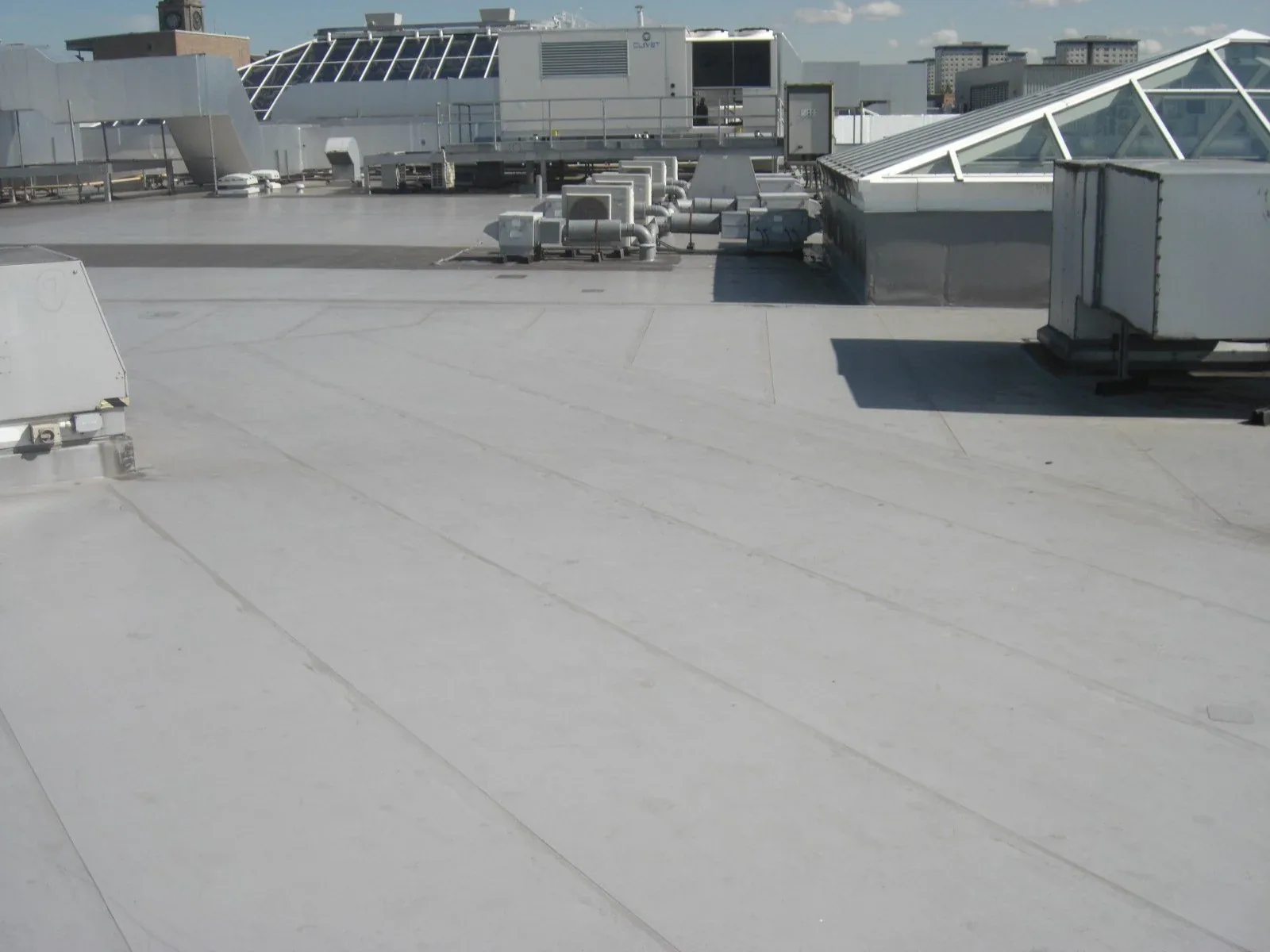
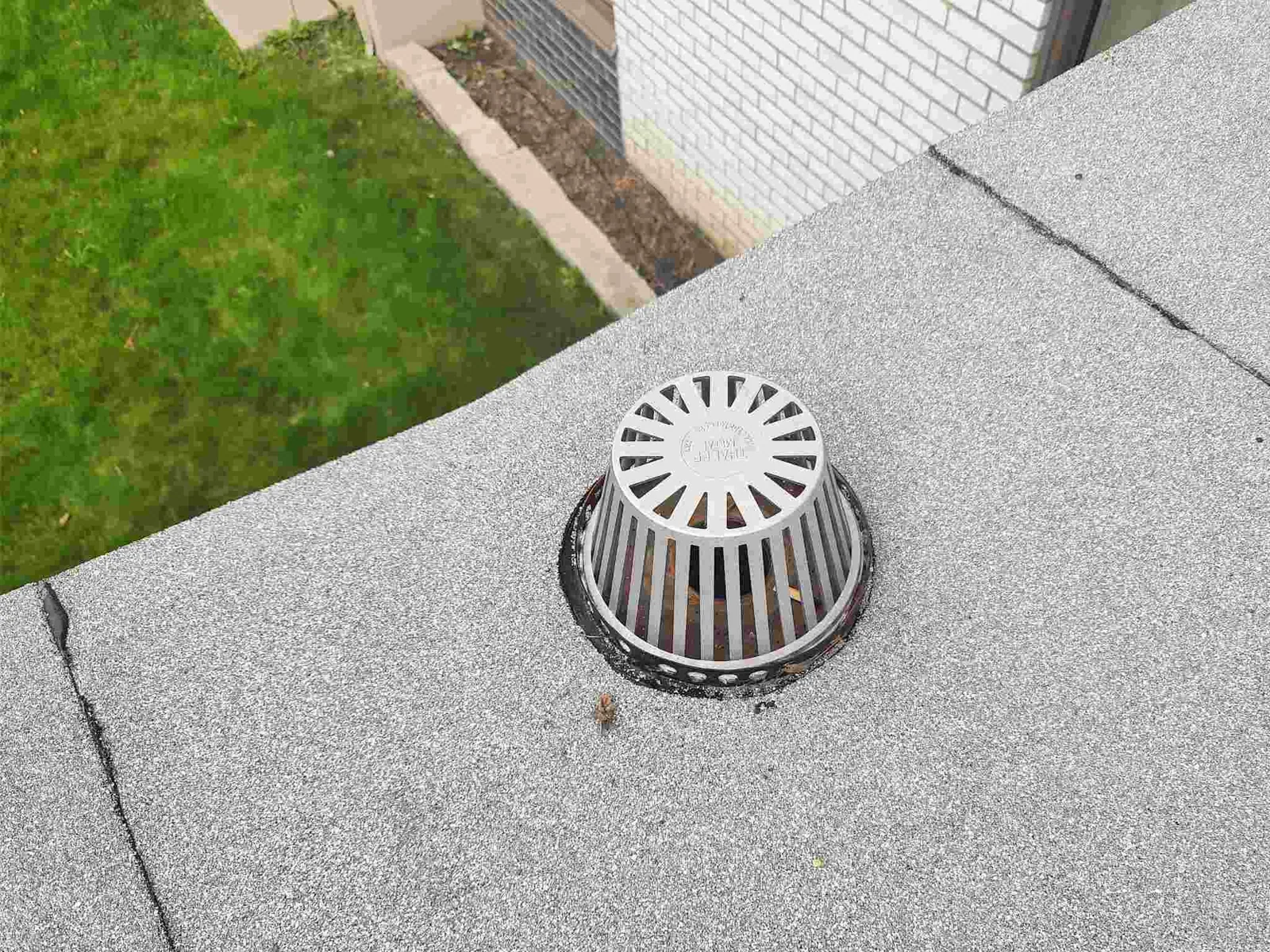
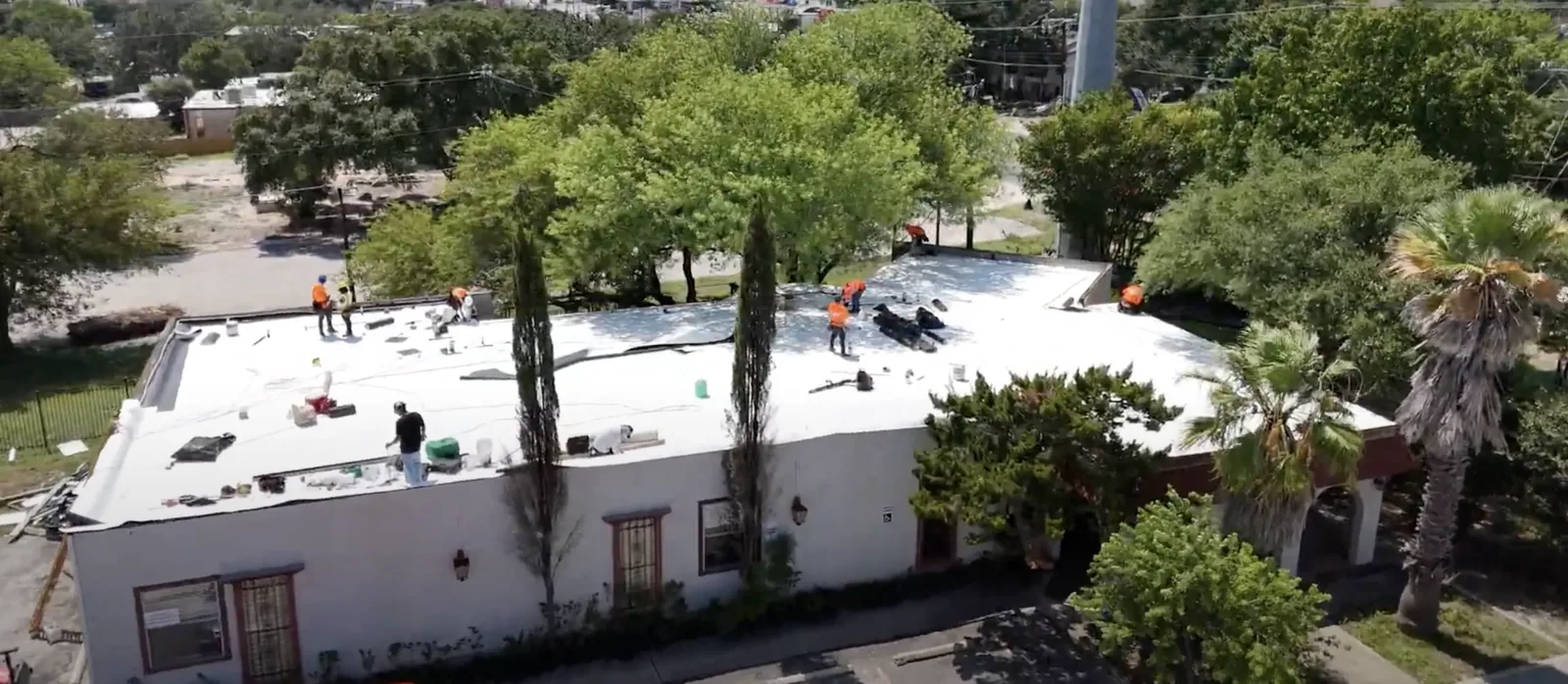
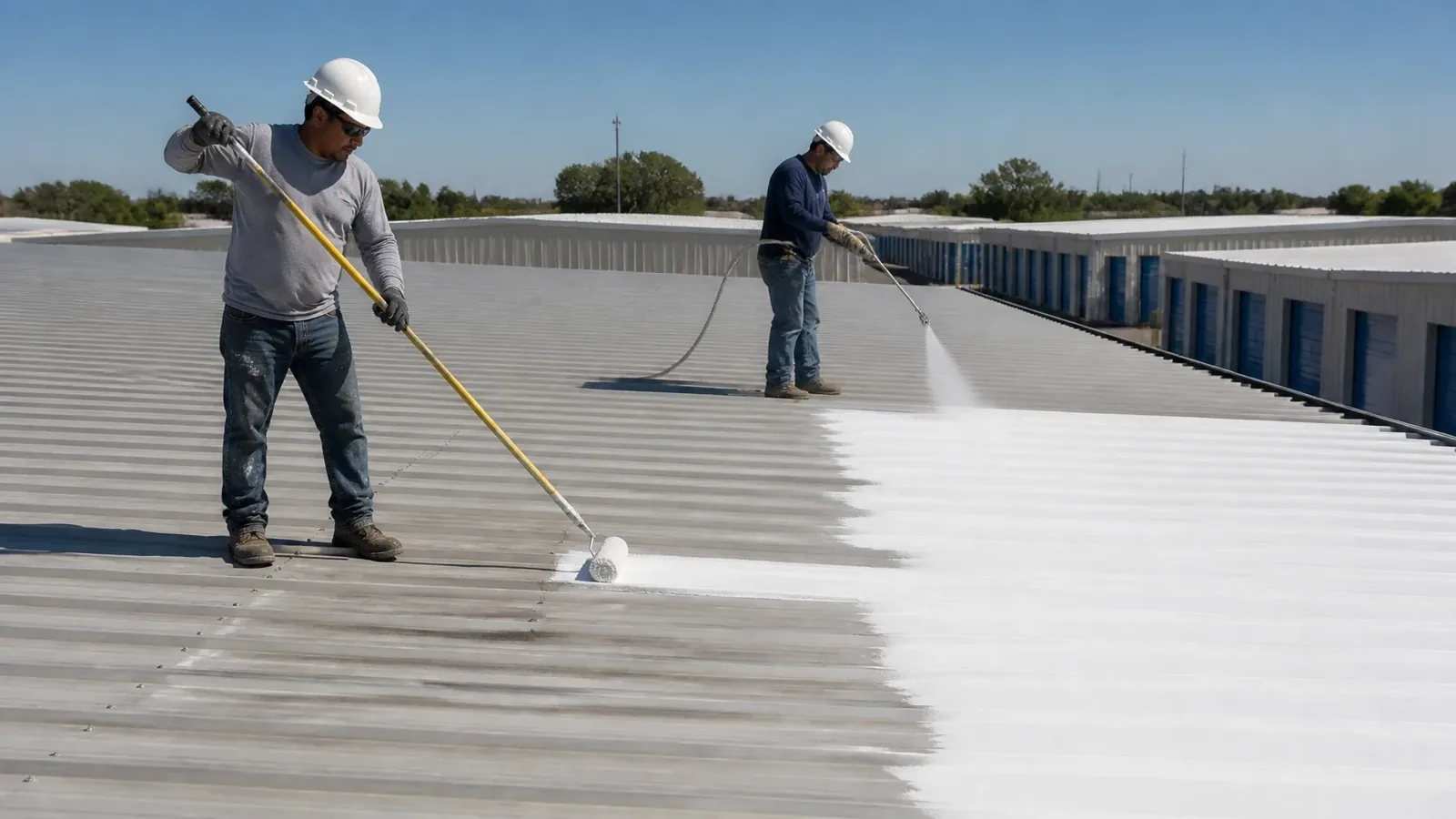
Leaks often appear where the roof changes plane or a piece of equipment interrupts the membrane. We inspect wall terminations, curb flashing, drains, scuppers, skylights and edge metal near the reported roof zone. At each detail, we check whether the membrane remains bonded, whether sealant is bridging a gap instead of correcting it, and whether water can drain away without crossing a low seam. A defect at a parapet can feed water into the roof assembly, while a plugged drain may leave water at a separate weak point. Those causes require different work, so we document the physical condition instead of bundling every observation into one repair line. If the initial inspection finds moisture that may extend below the membrane, we can use an infrared survey to choose where direct confirmation is useful. The drain and scupper inspection can also establish whether a slow outlet, damaged bowl or failed overflow connection is contributing to the problem. Photos and roof-zone labels give the owner a way to check the proposed work against the observed conditions.

Keep storefront movement clear
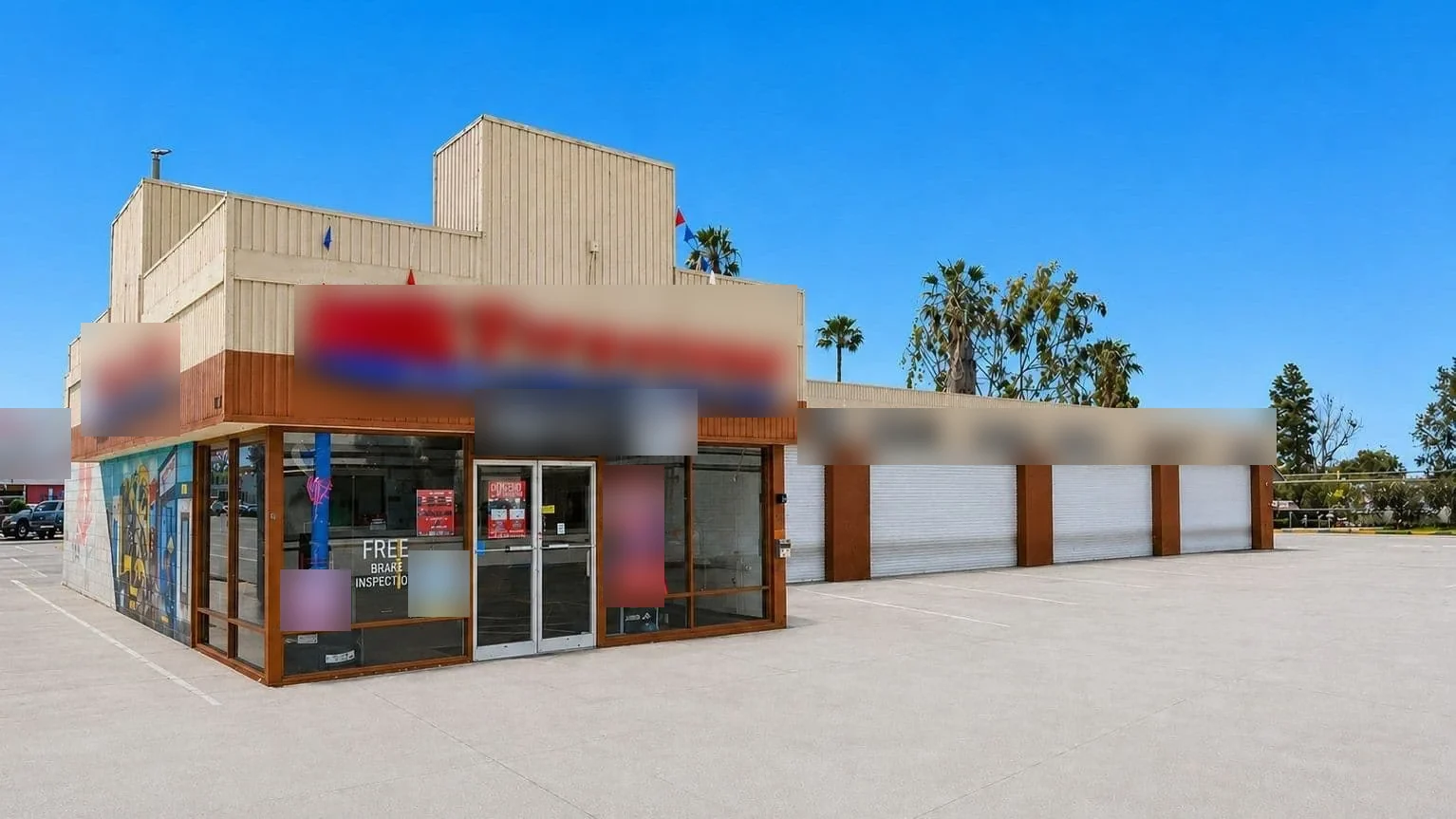
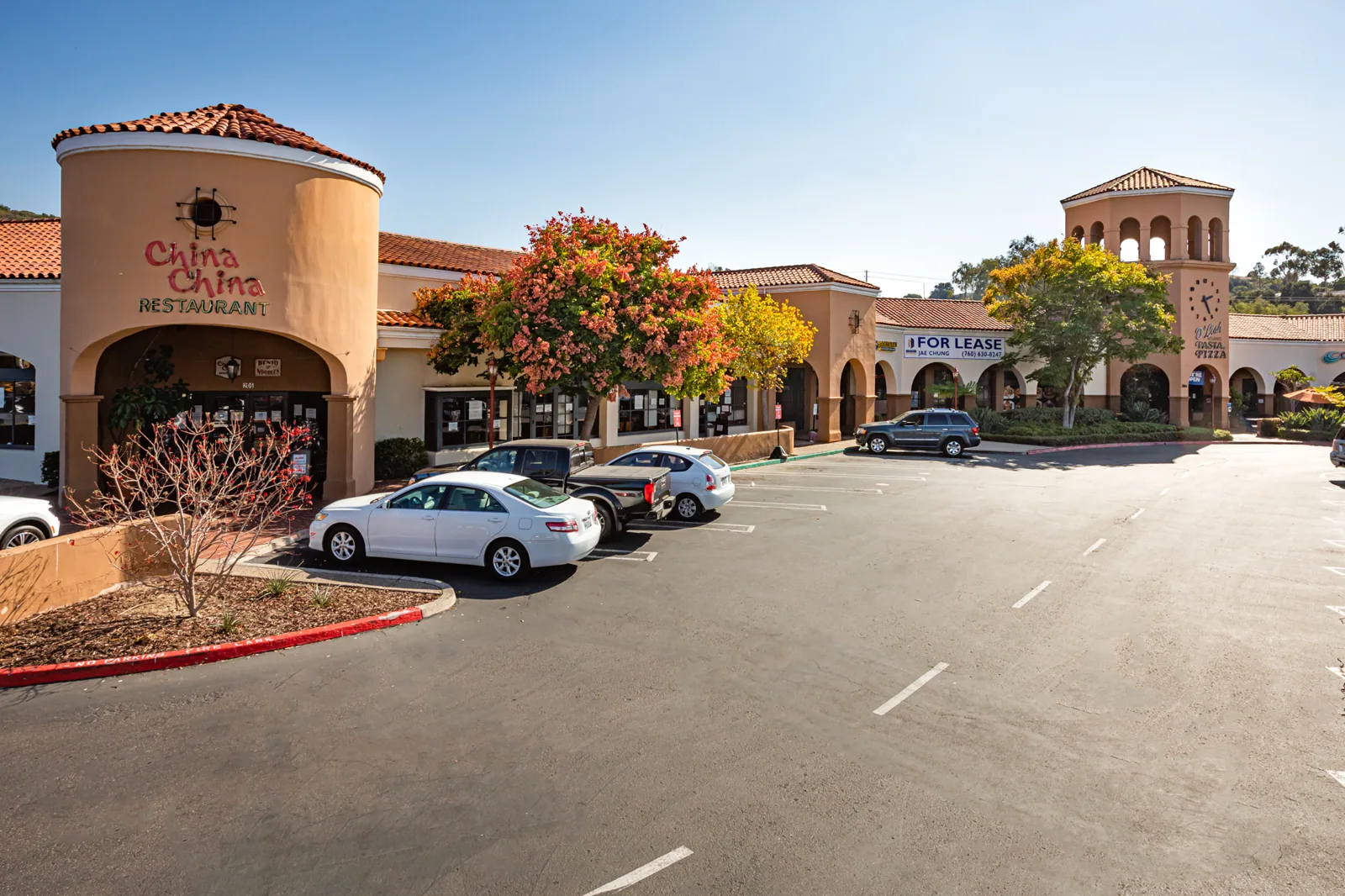
Palomar Street and Orange Avenue bring different routes into a commercial district, but a roof crew needs the individual property's instructions. We confirm where occupants enter, how deliveries reach the building, which service doors remain active and whether staging could cross a customer path. Commercial properties along Palomar Street and Orange Avenue have distinct entrances and service routes. We coordinate equipment placement and material staging with the site contact before work begins. A repair may take a short visit; a replacement can require repeated deliveries, tear-off and a longer protected work area. For an occupied shop or office, the work plan identifies which roof section is open and when dry-in is complete. We explain expected noise, temporary restrictions and any interior protection before work begins. If the property stays active, our occupied-roof project sequencing can divide the scope into manageable sections. That keeps the roofing work accountable to the building's actual hours and the paths its staff and customers use.
Repair, recover or replace
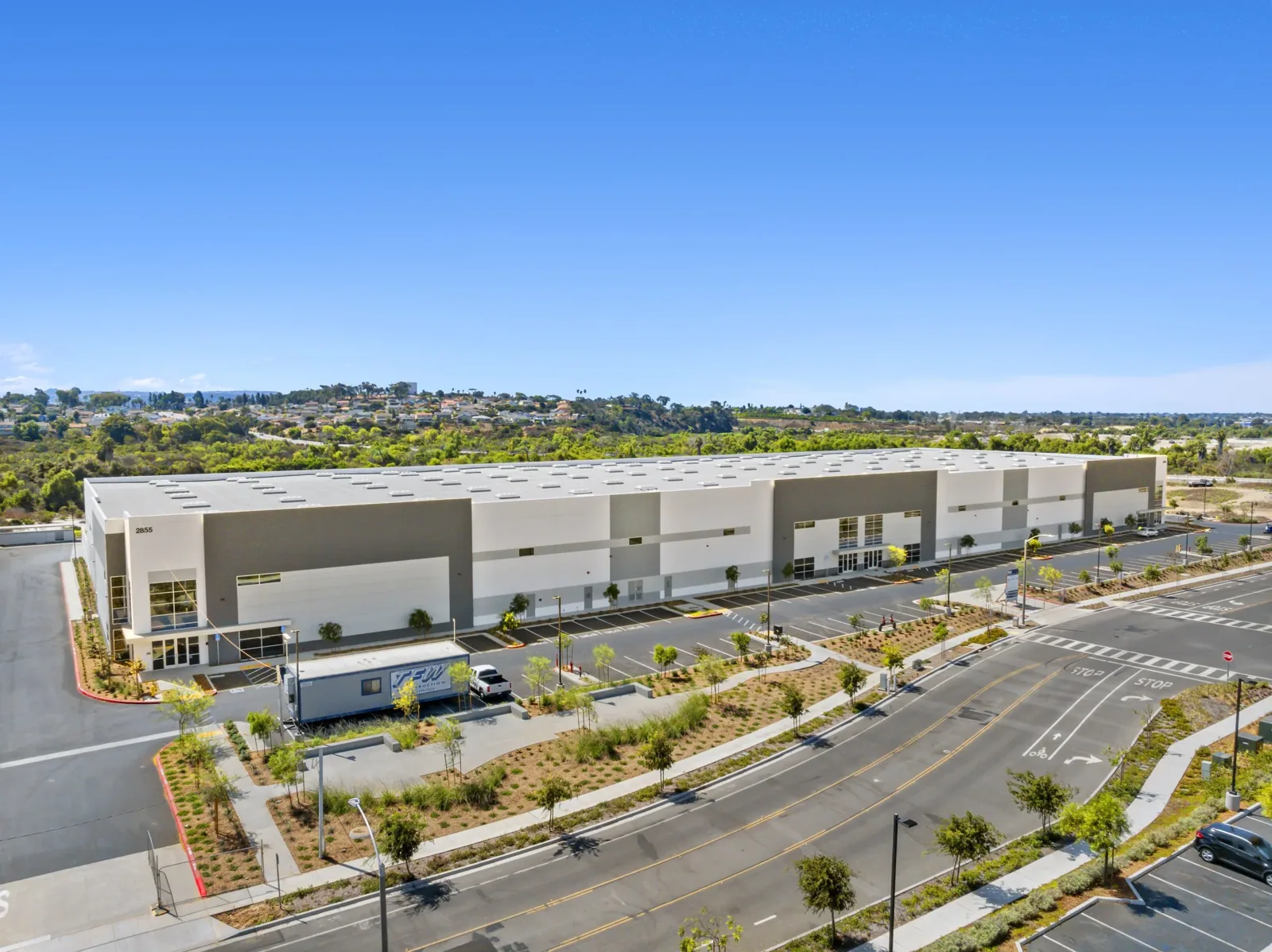
One failed seam does not by itself call for a new roof. We first determine whether the membrane around it is sound and whether the repair can tie into dry, stable material. If the roof has several failure points, widespread wet insulation or deteriorated edge details, a patch-only approach may leave the underlying cause in place. A recover can be considered only when the existing assembly, moisture findings, height and drainage support an additional layer. Replacement enters the comparison when removal is needed to address damaged material or when the existing system no longer offers reliable tie-ins. We set out what each option includes, how much surface it affects and what remains unknown until the roof is opened. On a single-ply assembly, a compatible welded patch may be the right repair; on metal, a panel seam or fastener detail needs repair specific to that profile. For coating work, surface preparation and adhesion testing are part of the decision, not details to skip. The owner can review a replacement scope or a restoration and coating option against the condition photos before approving the next step.
Set a safe weather window
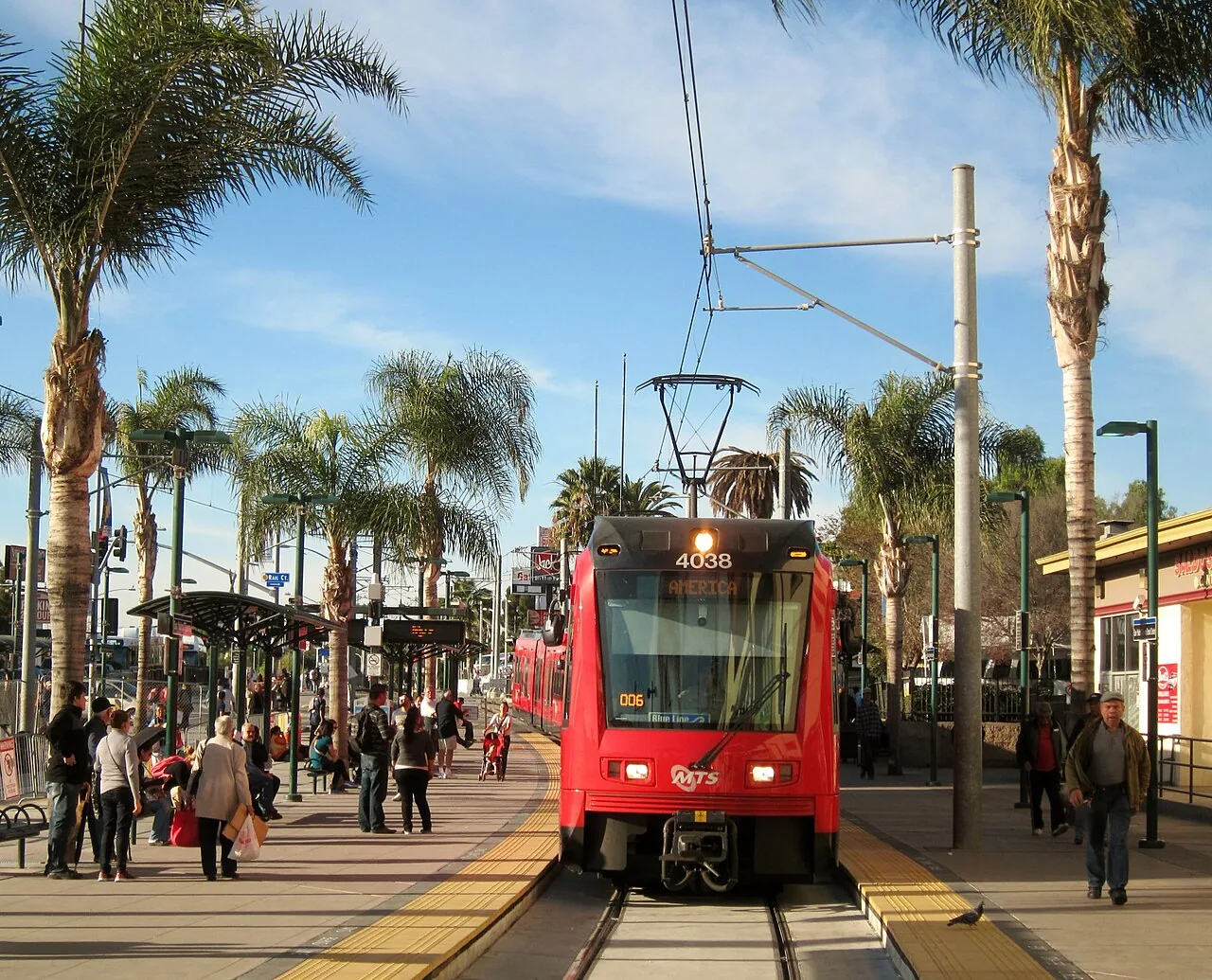
Chula Vista's weather profile is mild near the coast, with most San Diego-area rain arriving during the winter months. Inland areas can see hotter dry-wind periods and wider temperature swings, so market conditions change across the region. We check the forecast and roof conditions for the work date. A membrane needs the right substrate condition and installation window; a coating needs dry surface and product-specific cure time. Before opening the roof, we set the day's tear-off limit and confirm how the section will be dried in. Coastal air can also affect exposed metal, so the inspection checks coping, edges and equipment supports for corrosion and loose joints where relevant. The contractor's scope should identify the tie-in to sound material and how any penetrations are protected overnight. If rain threatens before an exposed section can be closed, the sequence changes: stabilize the area, keep water out and resume permanent work when conditions allow. These steps protect the interior and make the schedule reflect field conditions rather than a calendar promise.
Scope and follow-through
Repair timing and cost follow the roof evidence and the site's logistics. Removal depth, hidden insulation damage, deck condition, curb count, drain work, edge details, material choice and the usable staging area all affect the labor. We state which items are confirmed and where an opening may uncover additional work. That makes a change easier to evaluate before the crew proceeds beyond the approved boundary. Chula Vista adopted the 2025 California Building Code with local amendments; the applicable permit and code review depends on the work and property. We flag that review where an assembly, insulation, structural or drainage change warrants it. A closeout record logs photos, repaired roof zones, materials and maintenance items that still need attention. That information can support a later budget conversation without treating the roof as a single unexplained condition. To arrange a walk in Palomar Gateway, share the building, the leak or concern, the roof zone if known and an access contact. We will inspect the relevant details, explain the repair choices and provide a practical next step tied to what the roof shows.