A Coating Needs a Sound Base
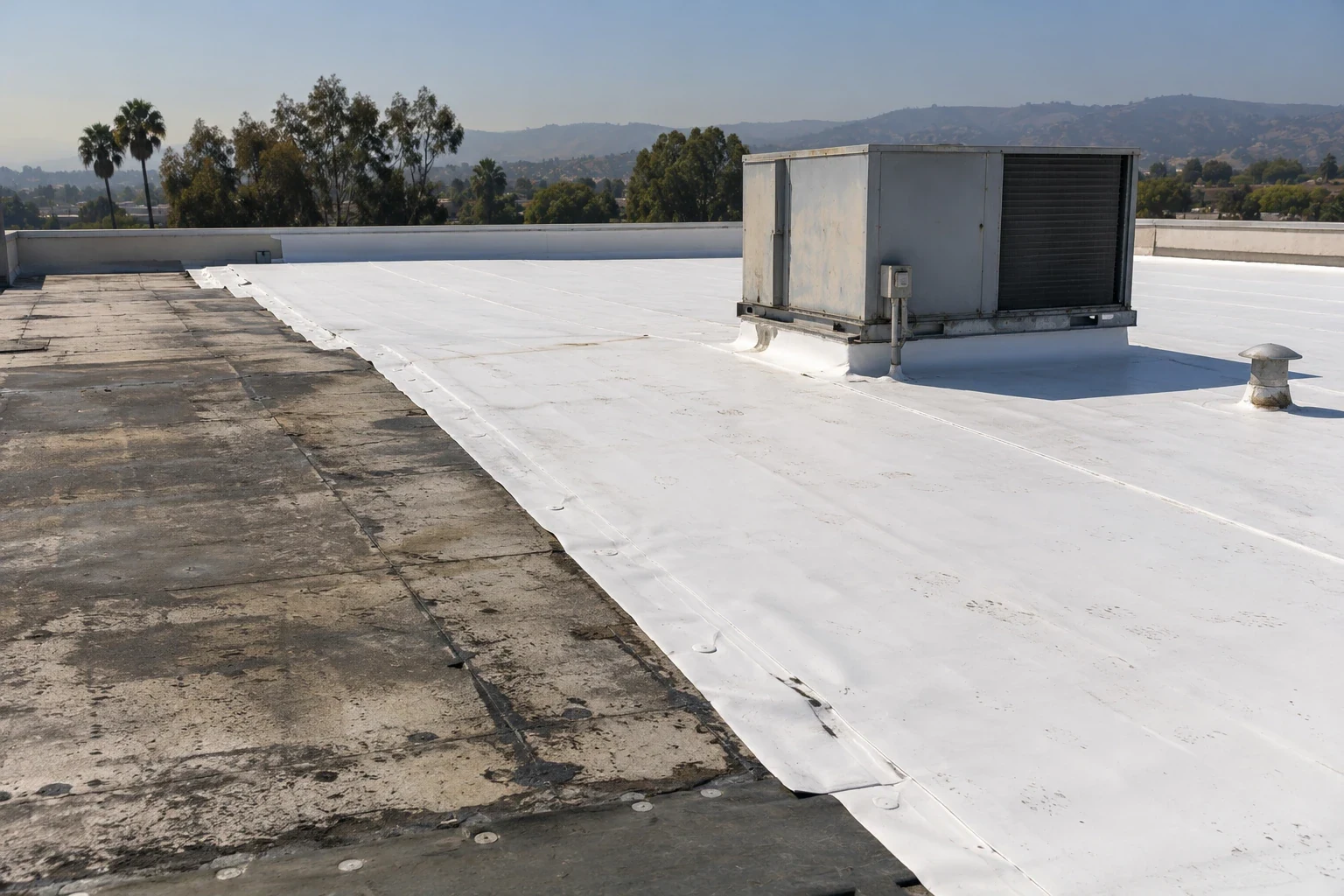
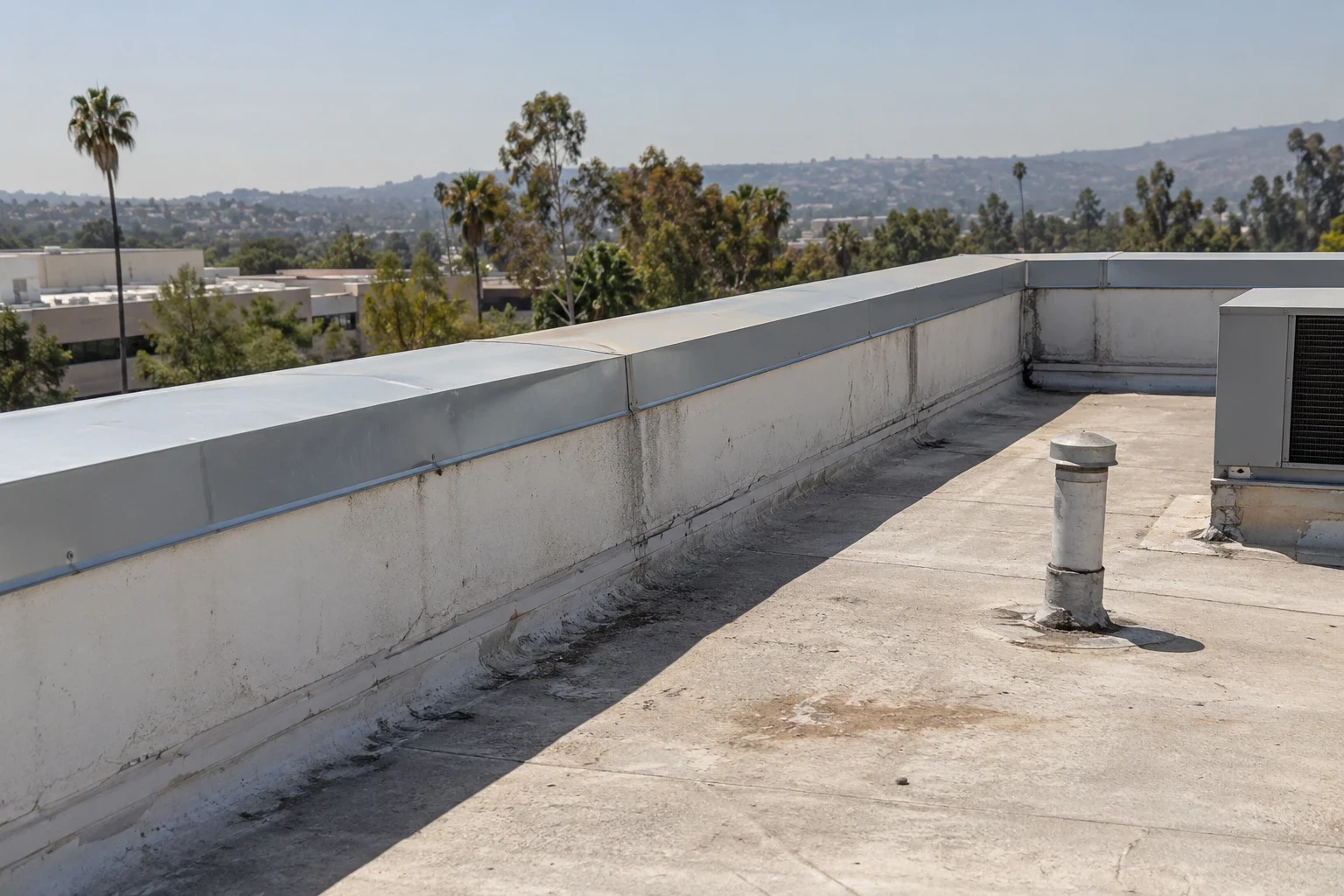
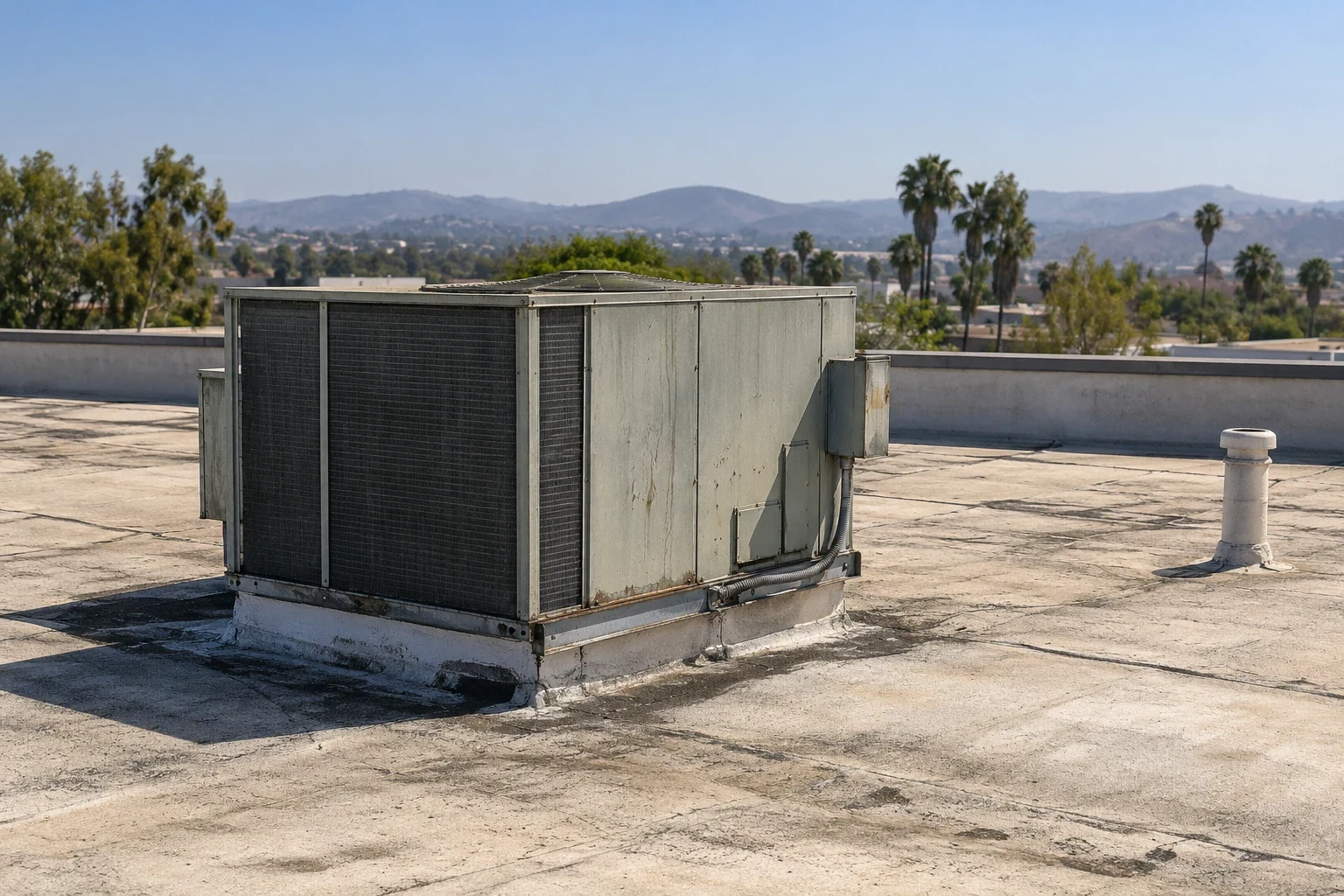
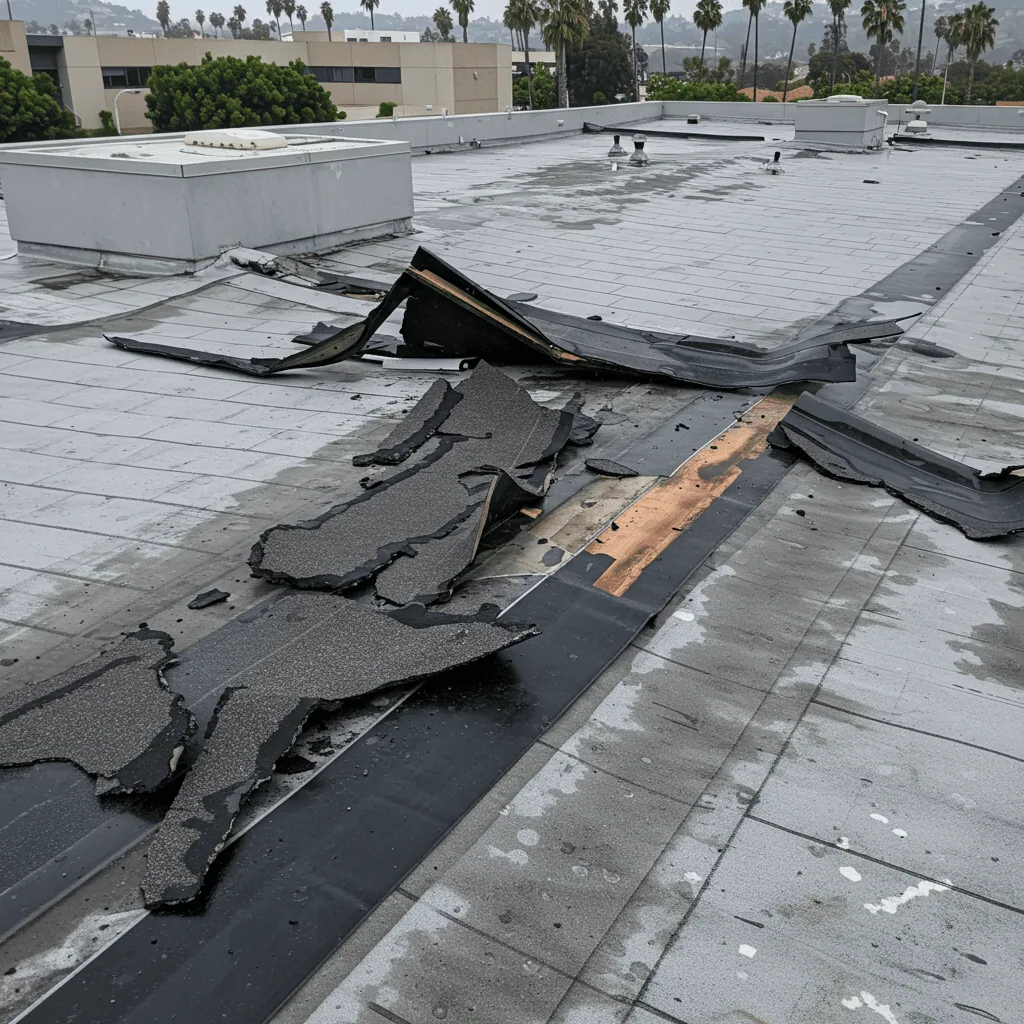
Coating restoration is for a roof that can support a new protective layer after preparation and repair. We inspect the existing membrane or metal surface for loose areas, open seams, failed flashing, ponding and exposed insulation. We look for blisters, peeling, chalking, contamination and previous coatings that may not accept another material. A coating cannot stabilize a soft deck or dry out wet insulation. Where those conditions are present, removal or a different repair strategy may be needed before coating is considered.
Moisture status matters because a coating can reduce drying from above. Interior leaks, thermal patterns, soft spots and drainage all help direct the investigation. If the surface hides the insulation condition, a test cut or infrared moisture survey may help define where direct confirmation is useful. The method and number of openings depend on construction and the decision. We explain each result at its tested location.
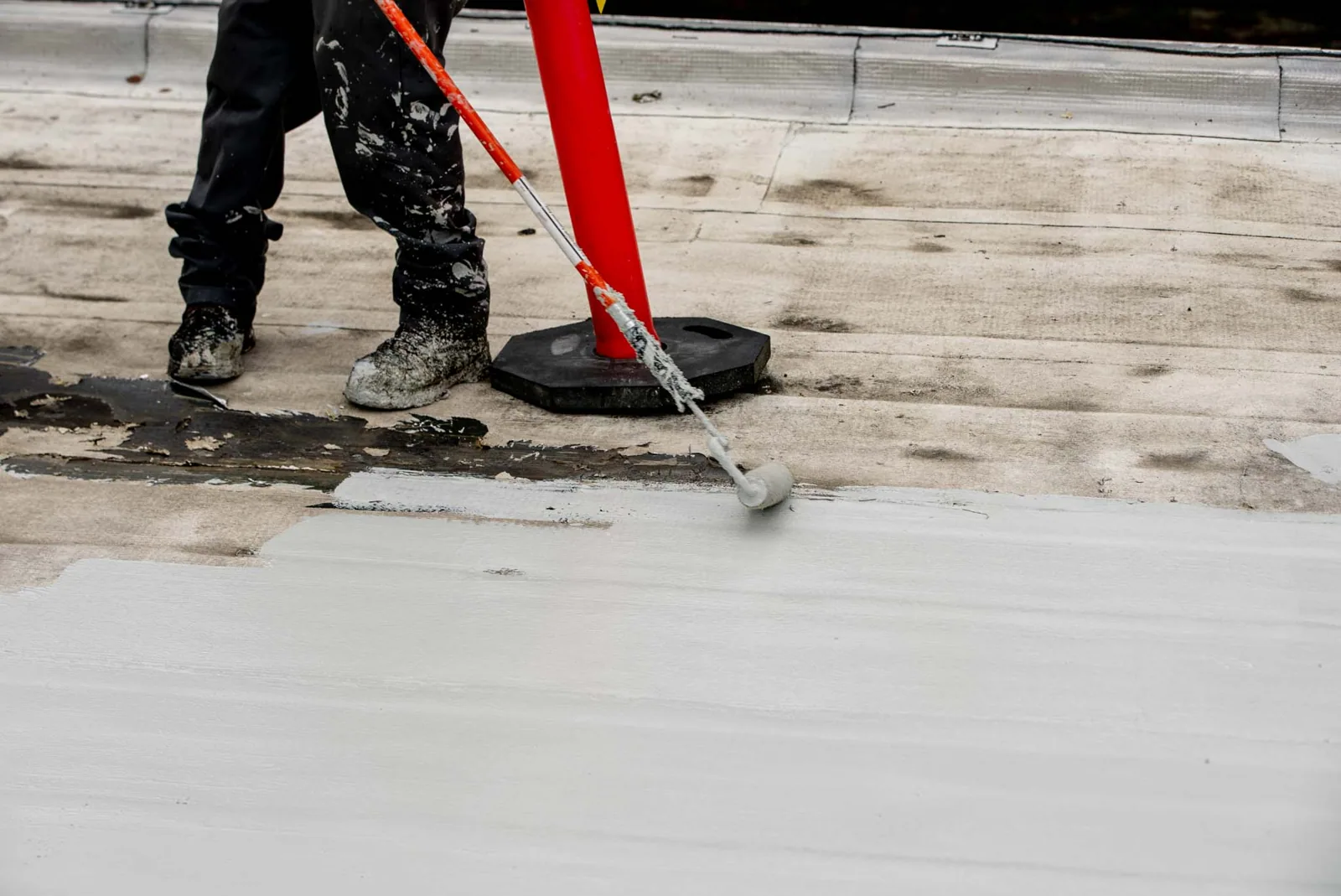
Adhesion is another gate. We clean a representative area and test the proposed preparation and coating method on the actual substrate. Old coatings, oils, dust and weathered membrane can interfere with bonding. We check system compatibility and integration at seams and penetrations. Silicone and acrylic coatings have different performance characteristics; we compare the choice against slope, ponding, exposure and maintenance expectations.
Repair Details Before Field Coating
Preparation removes loose material and contamination, then repairs defects that would sit beneath the coating. We inspect seams, fasteners, curb flashing, edge metal, drains and pipe penetrations. Coating may bridge minor irregularities within its limits, but not a loose termination or seam that needs rebuilding. Those details are corrected first, then allowed to cure or dry as required by the chosen system.
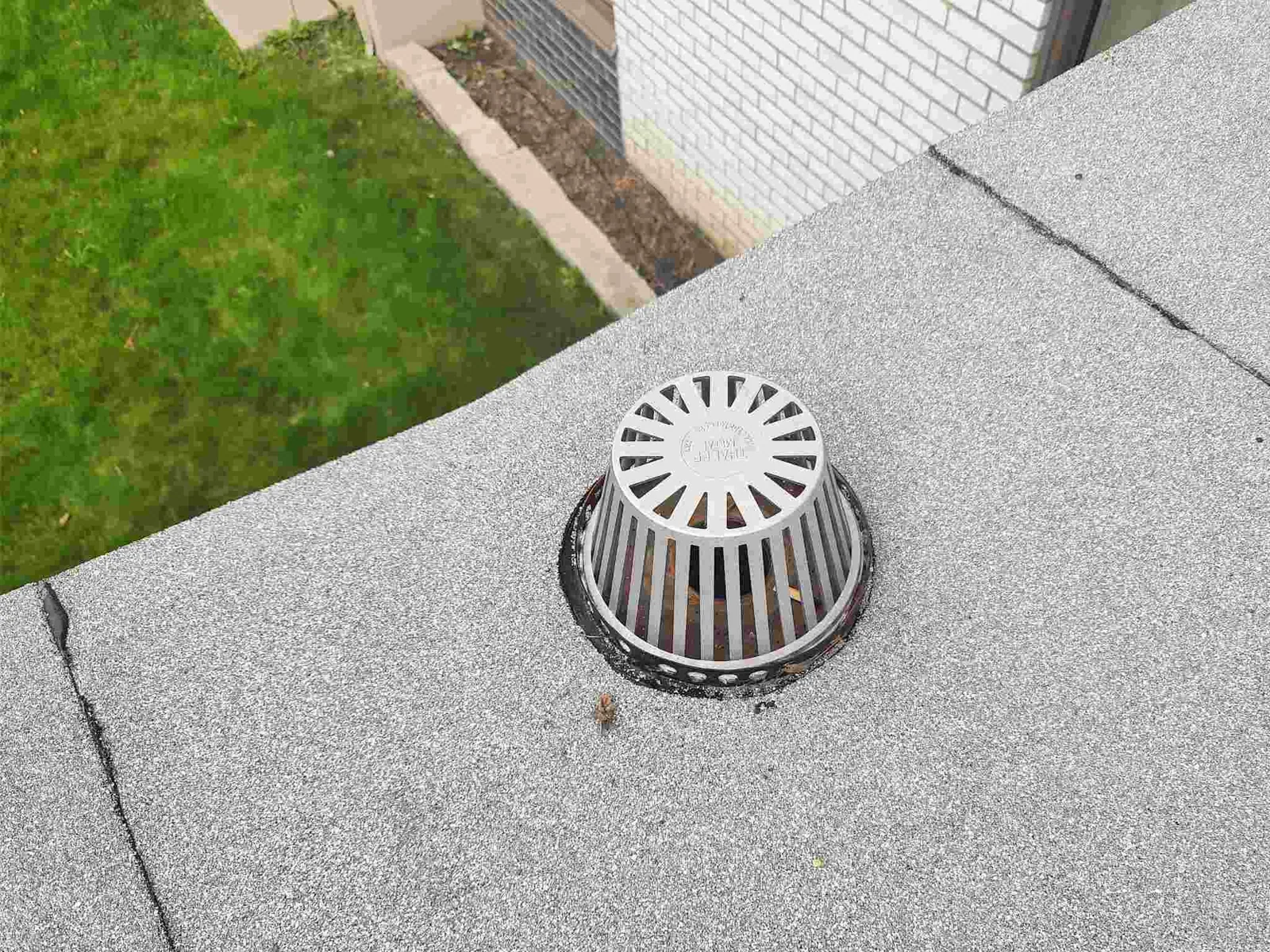
Drainage should be evaluated before coating. A low roof can hold water after rain because insulation has settled or a drain bowl sits above the surrounding surface. Coating over that pond may leave the water path unchanged. We identify whether tapered material, a drain adjustment or separate deck work is needed. At a roof with scuppers, we keep openings clear and preserve the overflow route. The drainage details need to meet the finished coating height rather than disappear under it.
Most San Diego-area rain falls from November through March, so application requires a suitable dry window and enough time for cure before moisture returns. Inland heat can raise surface temperatures and shorten the workable period for some materials. Coastal exposure makes exposed metal worth checking, while adhesion still depends on the roof surface and preparation. We check actual surface condition and follow the system requirements for temperature, dew point and cure conditions.
Plan the Coating Work by Roof Zone
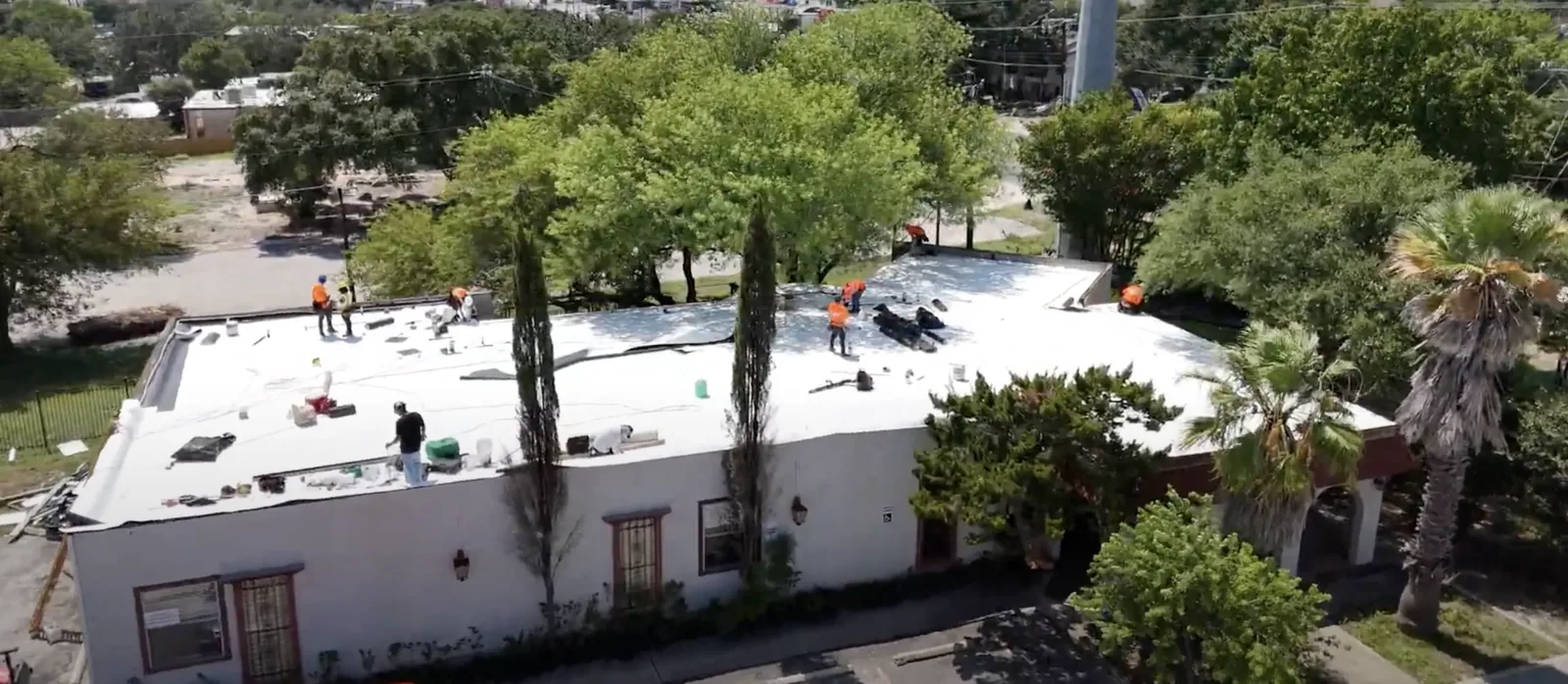
We break the roof into work areas that can be prepared, repaired and coated within suitable weather conditions. Cleaning and drying have to happen before application. The crew applies material at the specified rate and checks coverage at drains, seams, penetrations and edges. We record the work area and any section held back because of moisture, access or substrate concerns.
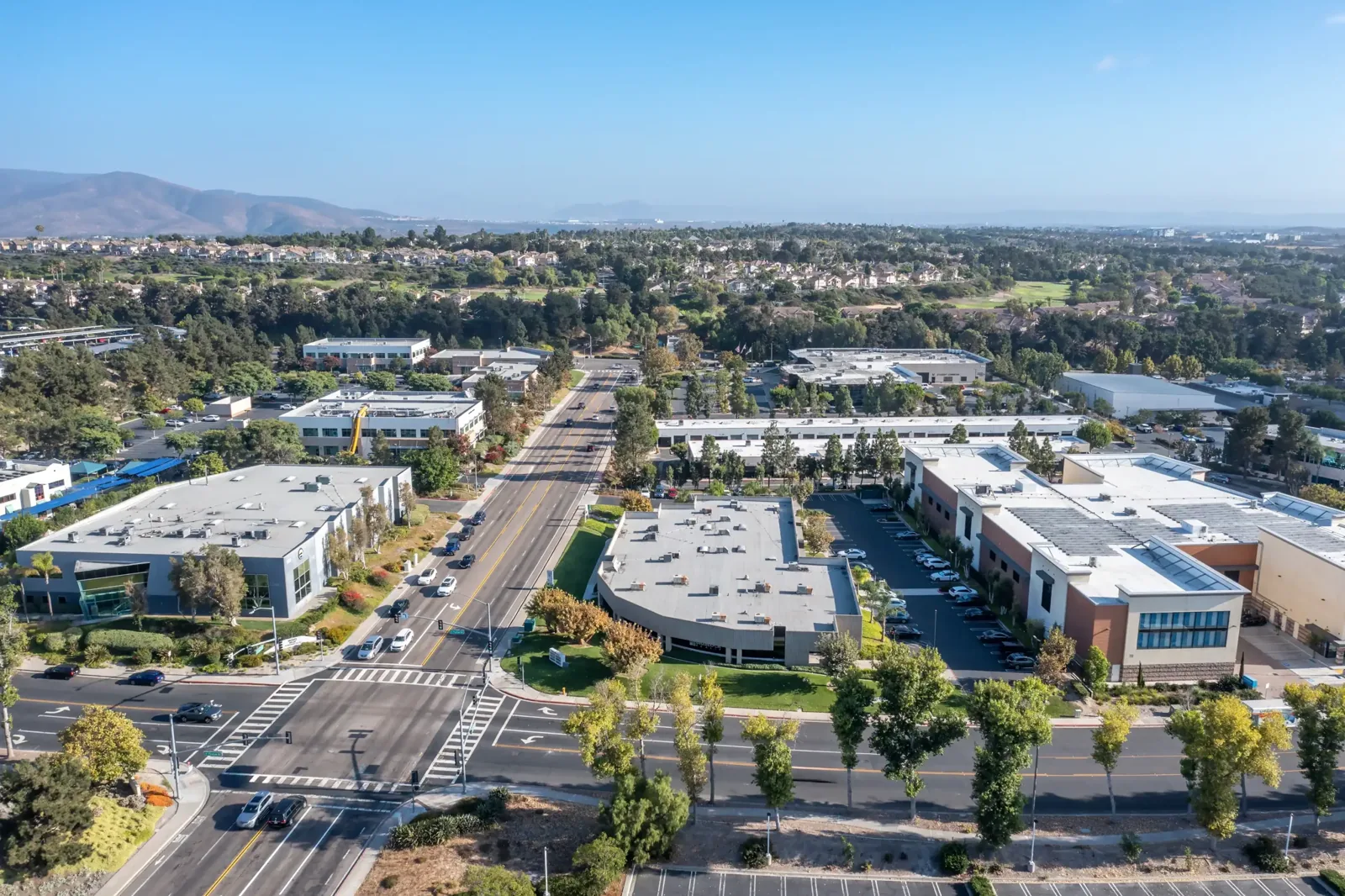
Occupied properties may need sequencing around tenant hours, deliveries, sensitive equipment and roof access. At Chula Vista’s Third Avenue district, a commercial building may share a service lane with retail operations; near Otay Mesa, industrial deliveries and freight access can shape staging. We confirm the actual property route before setting material drops. A phased work plan can keep interior operations coordinated while the coating cures and access is controlled.
Weather interruptions can affect an application if a storm arrives before material cures. We monitor conditions and limit each shift to the area that can be completed and protected. If rain or wind threatens, we pause rather than leave an unprotected transition. The owner knows which zones are complete, pending or still protected.
Match Chemistry to the Roof
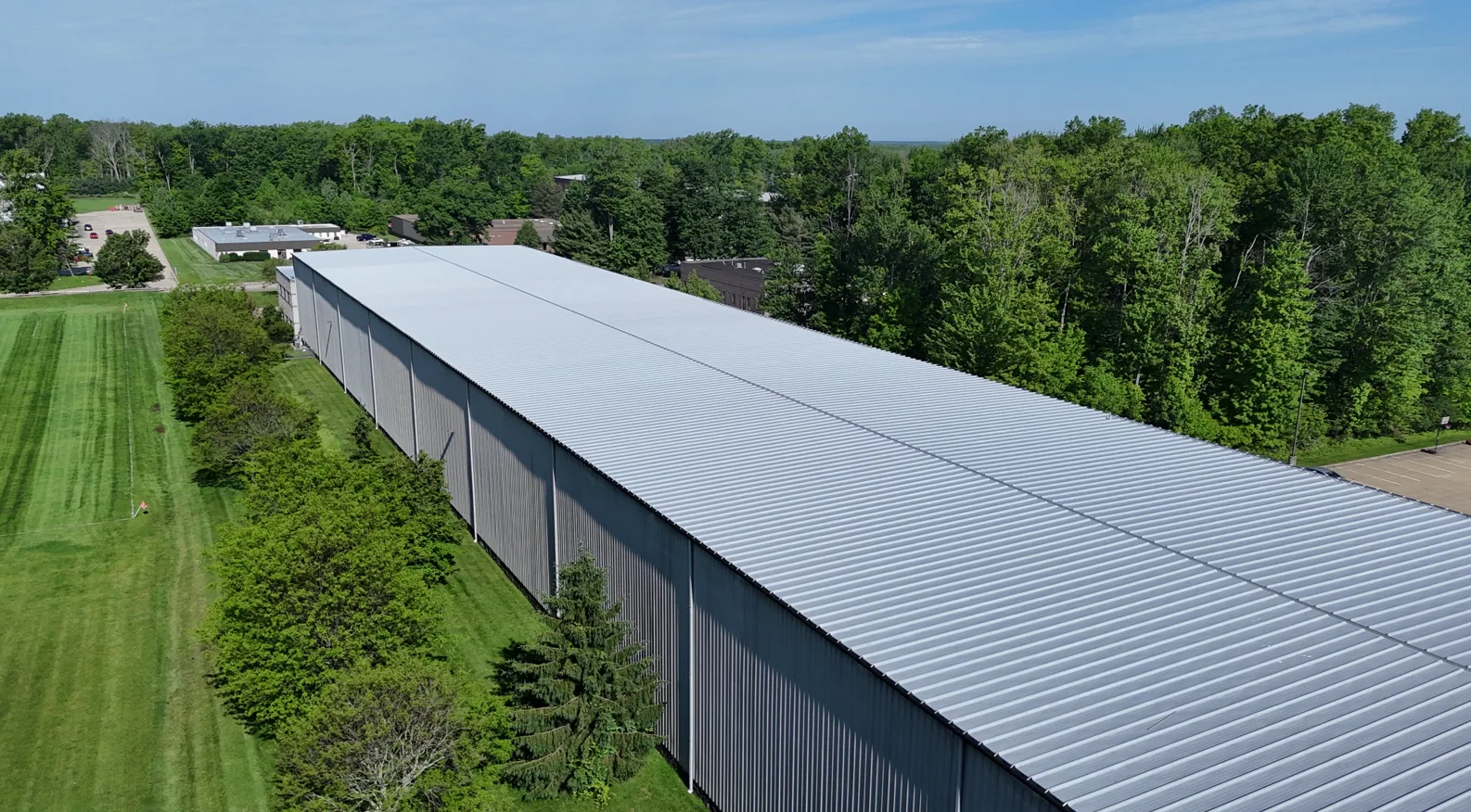
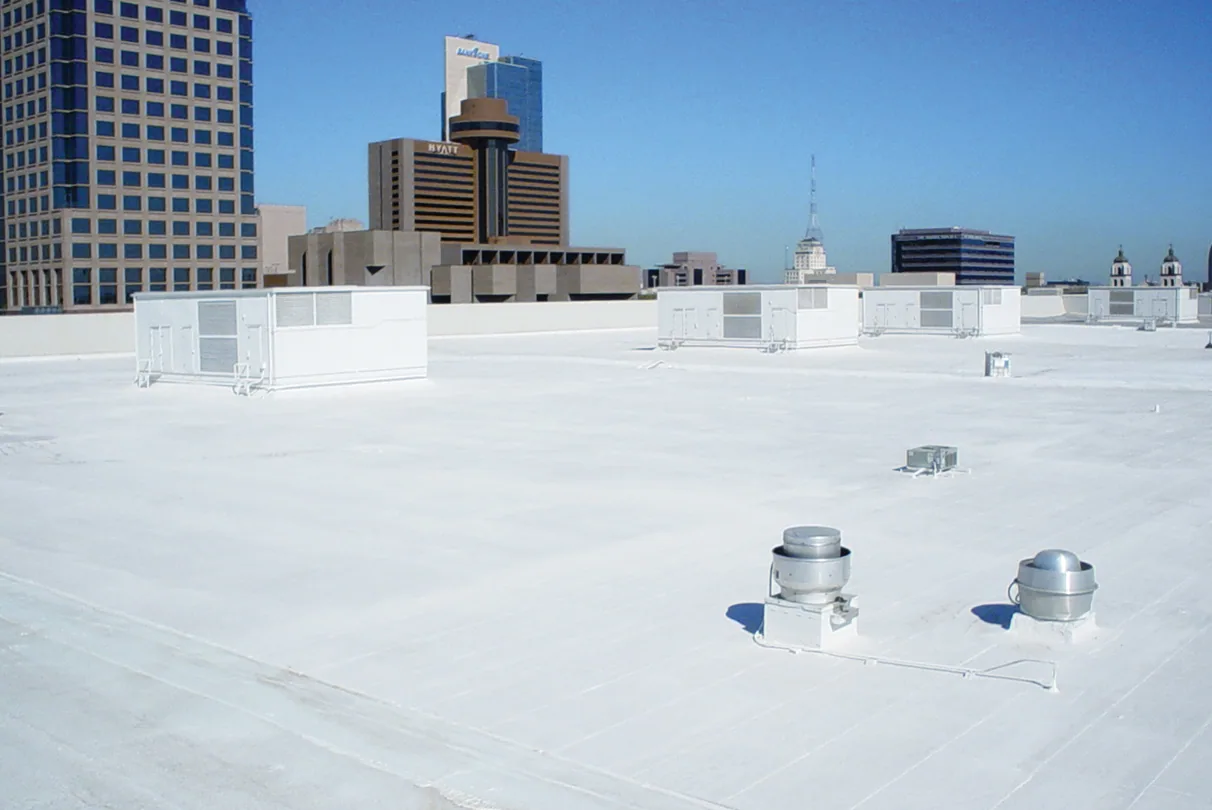
Coating selection depends on the substrate and service conditions. Silicone can tolerate standing water better than some alternatives, while acrylic systems rely on drainage and may need more frequent attention where water remains. Metal roof coatings need a compatible primer and careful treatment of fasteners, seams and corrosion. A coating system also has a target thickness, reinforcement details and curing conditions. We specify the material and preparation rather than relying on a generic label such as “roof sealant.”
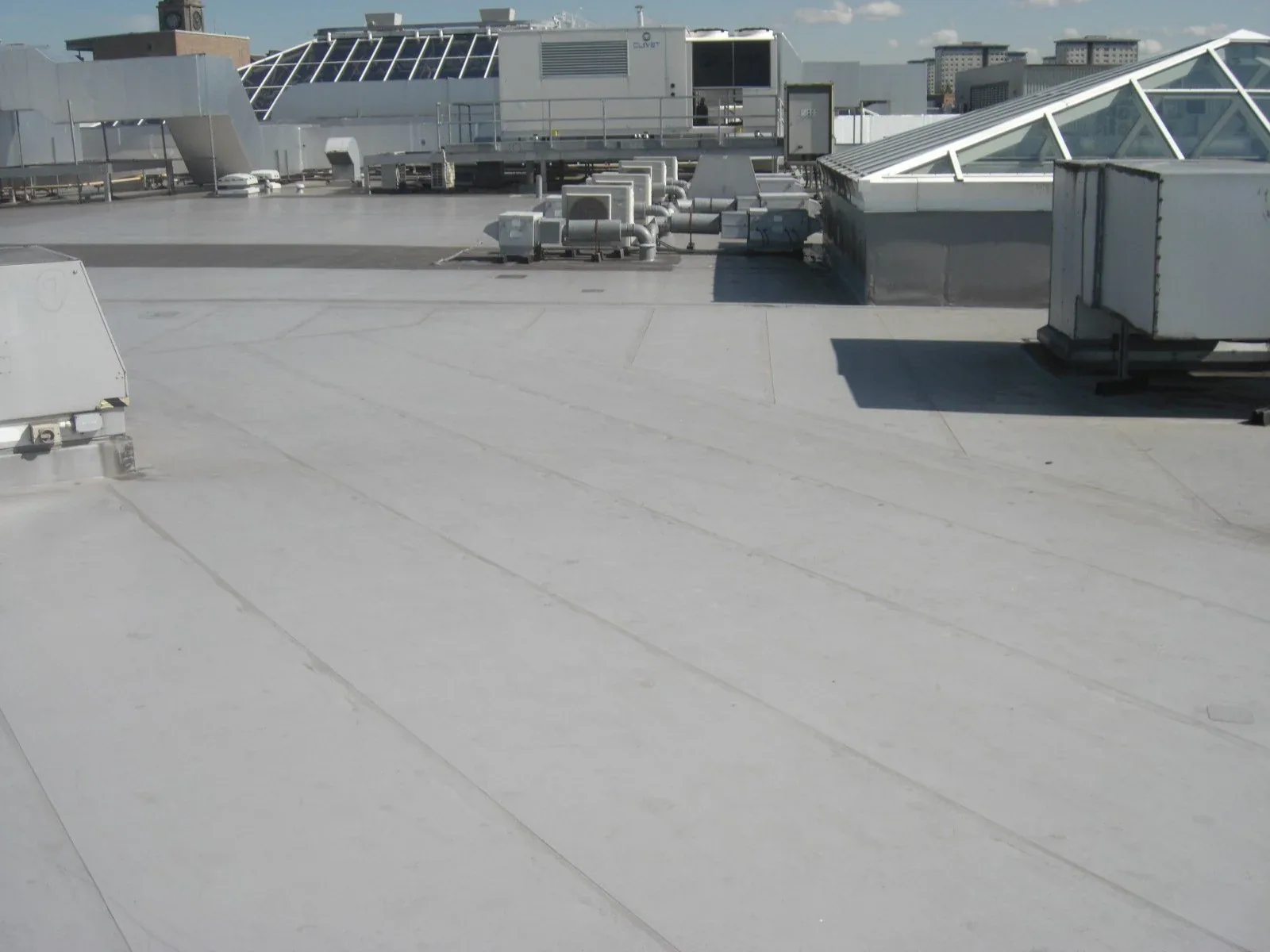
Color may influence solar reflectance, but appearance is only one factor. The roof must be clean and dry, seams compatible and drainage functional. We check tie-ins at curbs, parapets, skylights and metal, then identify components that need replacement. A metal edge and coping repair may be needed before coating to protect the termination and avoid sealing over loose material.
The Eastlake service area and Otay Ranch include planned retail-commercial and industrial-office uses among broader community areas. A property in those districts may have several roof phases or older repairs. We inspect the actual substrate area by area and avoid assuming one coating is appropriate across every building. Where the coating only fits part of a roof, we define the transition between restored and unrepaired zones so maintenance staff can inspect the boundary later.
Understand What Restoration Changes
Coating can renew a suitable surface and reduce direct exposure, but it does not reset every roof component. Existing insulation and deck remain in place unless separately removed. A coating may extend the use of the assembly when adhesion, moisture, drainage and details are sound; inspect concealed layers separately if moisture below remains a concern. We explain which layer is restored, what remains below and which conditions still require maintenance.
Cost and schedule depend on cleaning, repairs, material quantity, number of roof zones, access and test results. Extensive seam or flashing repair can change the economics compared with a straightforward field application. We give the facility team a scope that separates preparation, detail repair, field coating and exclusions. The record lists the system, work zones, preparation, repairs and areas not coated.
After application, maintenance still matters. Drains, seams, penetrations and exposed edges need periodic checks, especially after severe weather or equipment work. A maintenance route can revisit the restored zones, while a condition report records defects that remain outside the coating scope. We can begin with a sample area and moisture review at the property, then compare coating with the repair or replacement options supported by those findings.