Tie the Roof Finding to the Asset
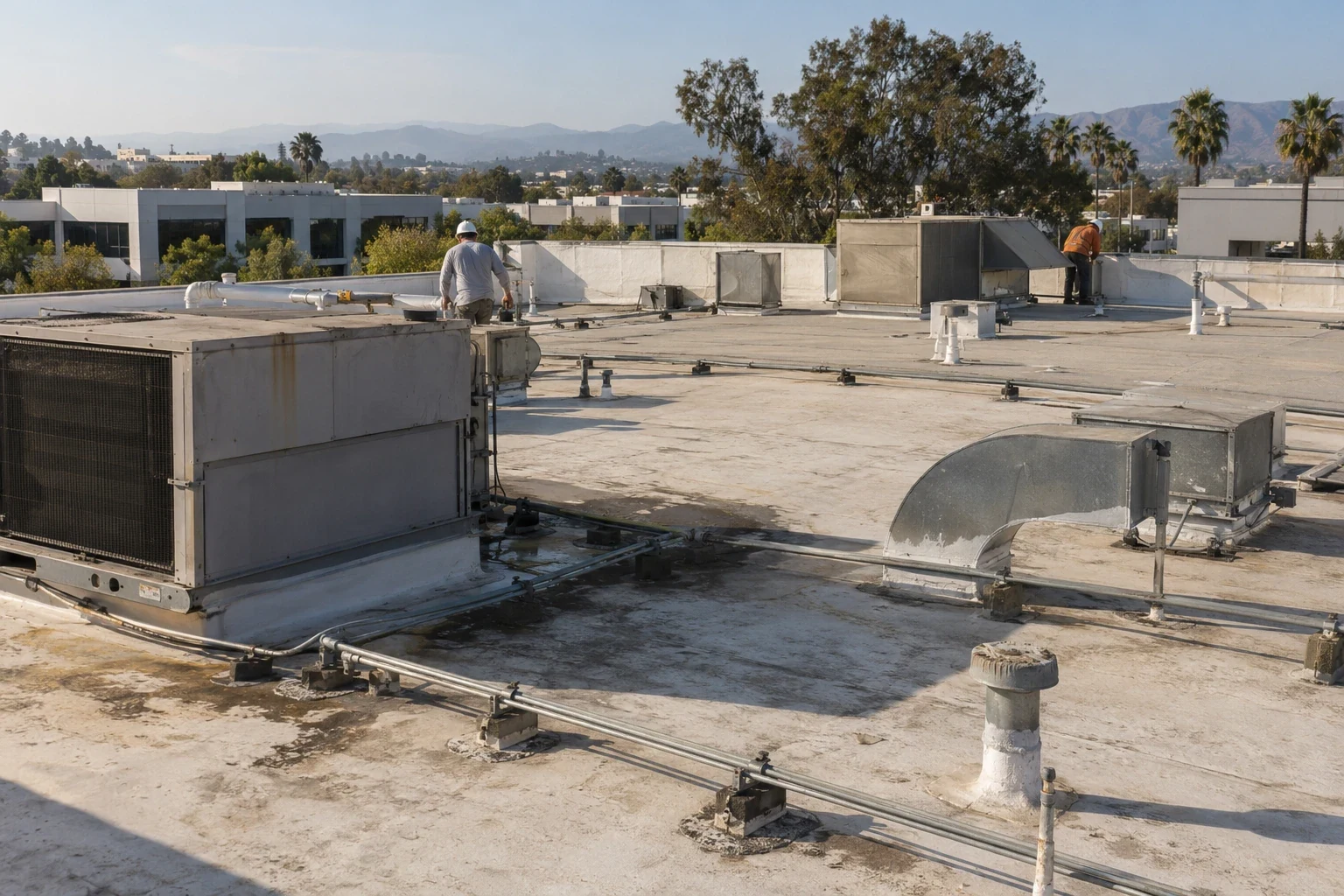
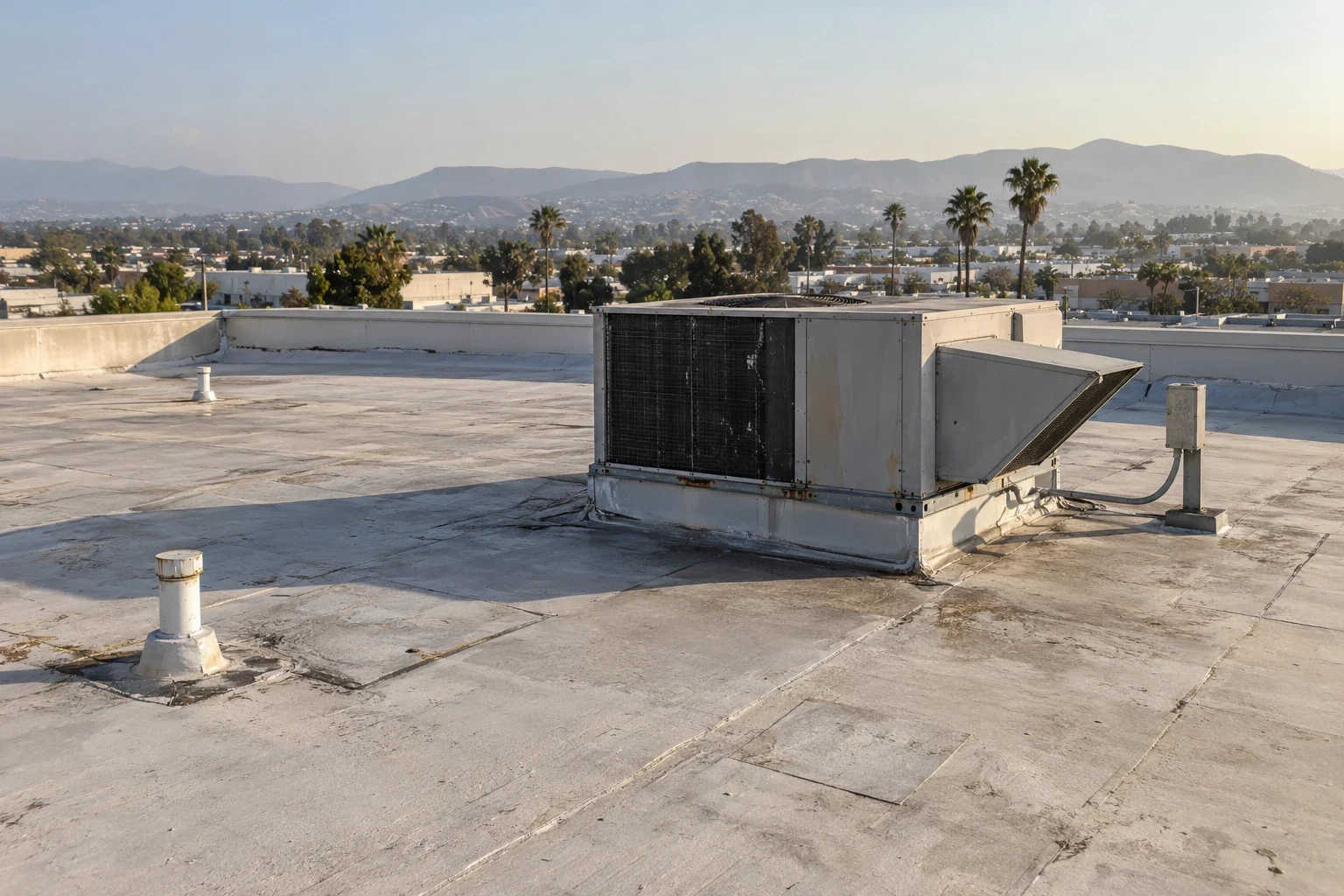
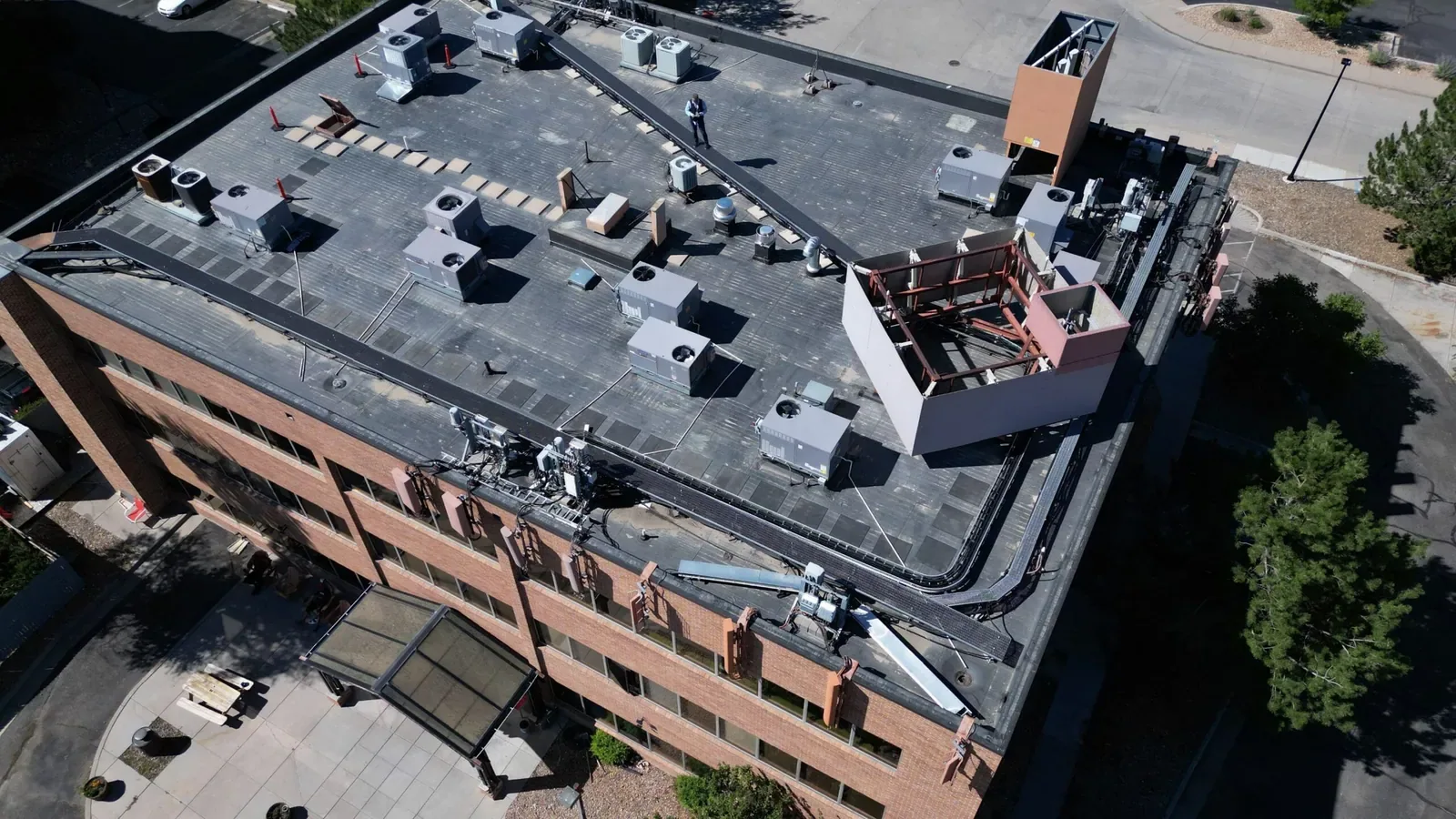
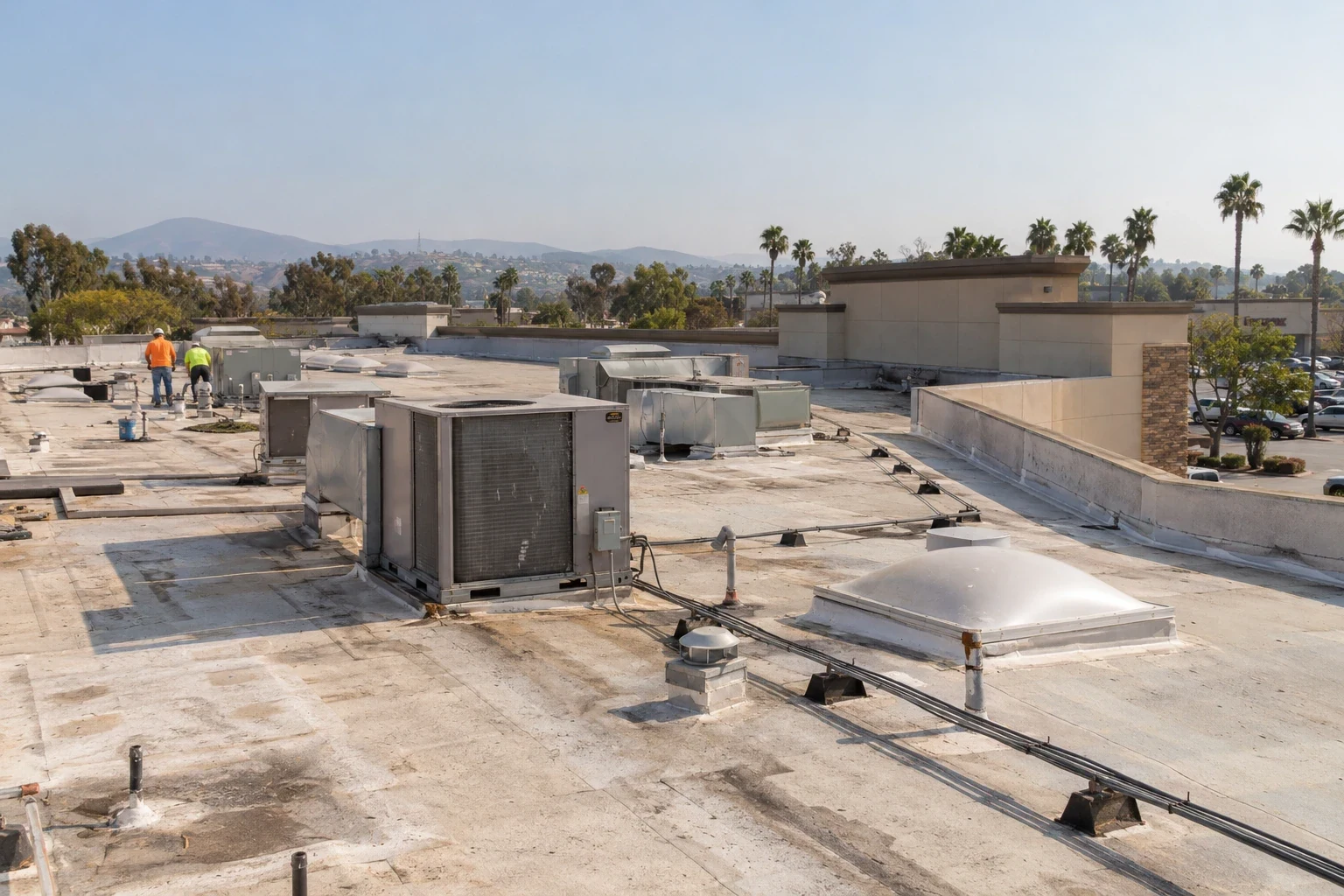
For an acquisition, refinance, or annual capital review, the key question is what condition can be confirmed today. We inspect visible seams, drains, curbs, edge metal, rooftop equipment, and prior patches, then record any area that could not be accessed. If surface evidence cannot establish insulation or deck condition, we describe the test opening needed and the decision it supports. A condition report distinguishes observed damage from an estimate or unresolved question.
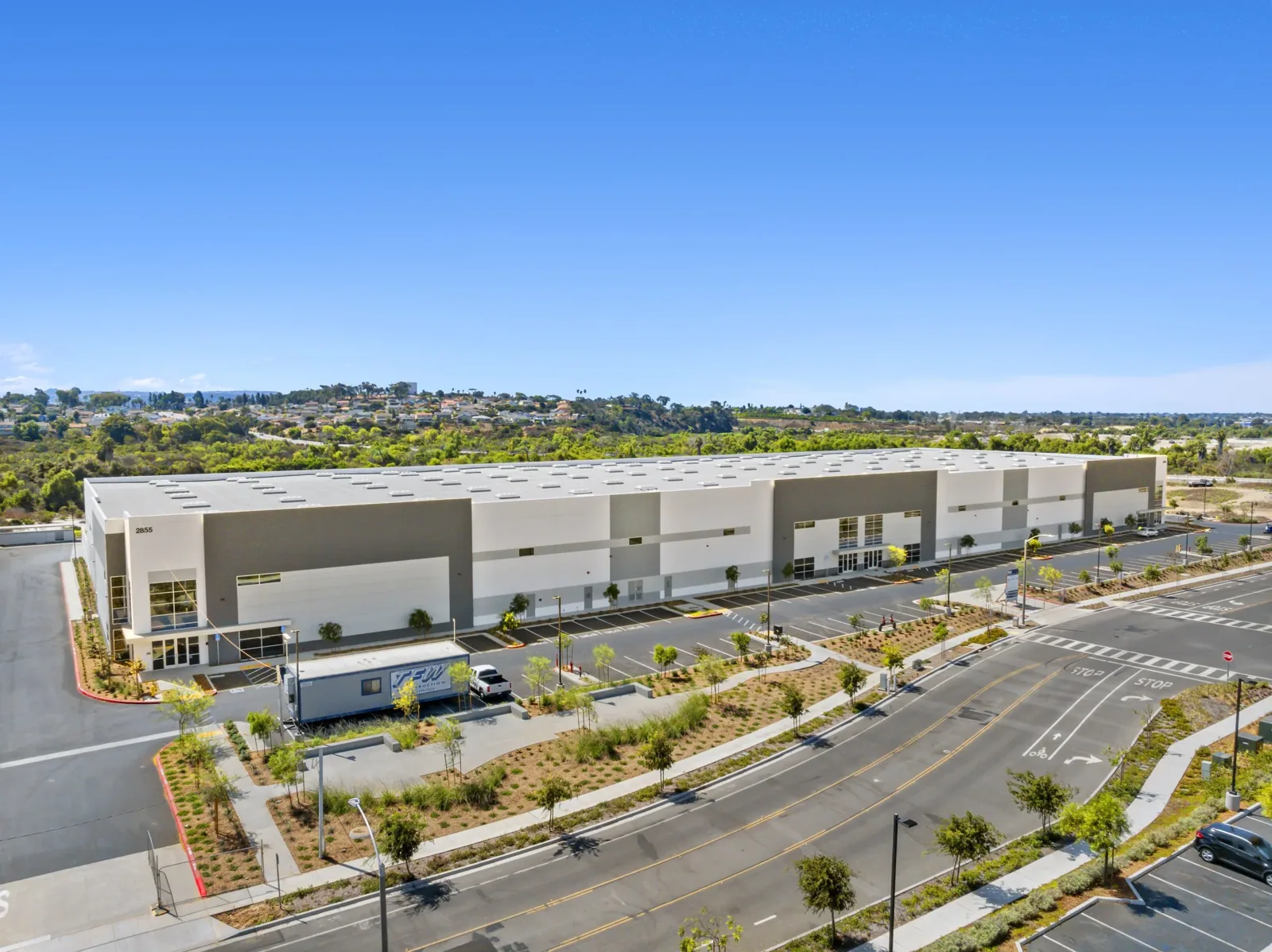
Chula Vista employment land includes industrial activity in the tideland, Montgomery, and Otay Valley areas, with emerging development in Eastlake and Otay Ranch. Port-related activity also reaches the San Diego Bay Working Waterfront, where shipyards and cargo businesses support maritime work. These property settings can bring varied roof assemblies and operating hours into one portfolio. A property management team can use asset-level labels to keep maintenance requests and financial records tied to the right building.
When several properties need review, a multi-site roof program can rank repair needs by condition and operational impact. It should not imply that two similar roofs share the same remaining life. We document the assembly, failure points, water path, and uncertainty for each building so ownership can compare like decisions without assuming identical construction.
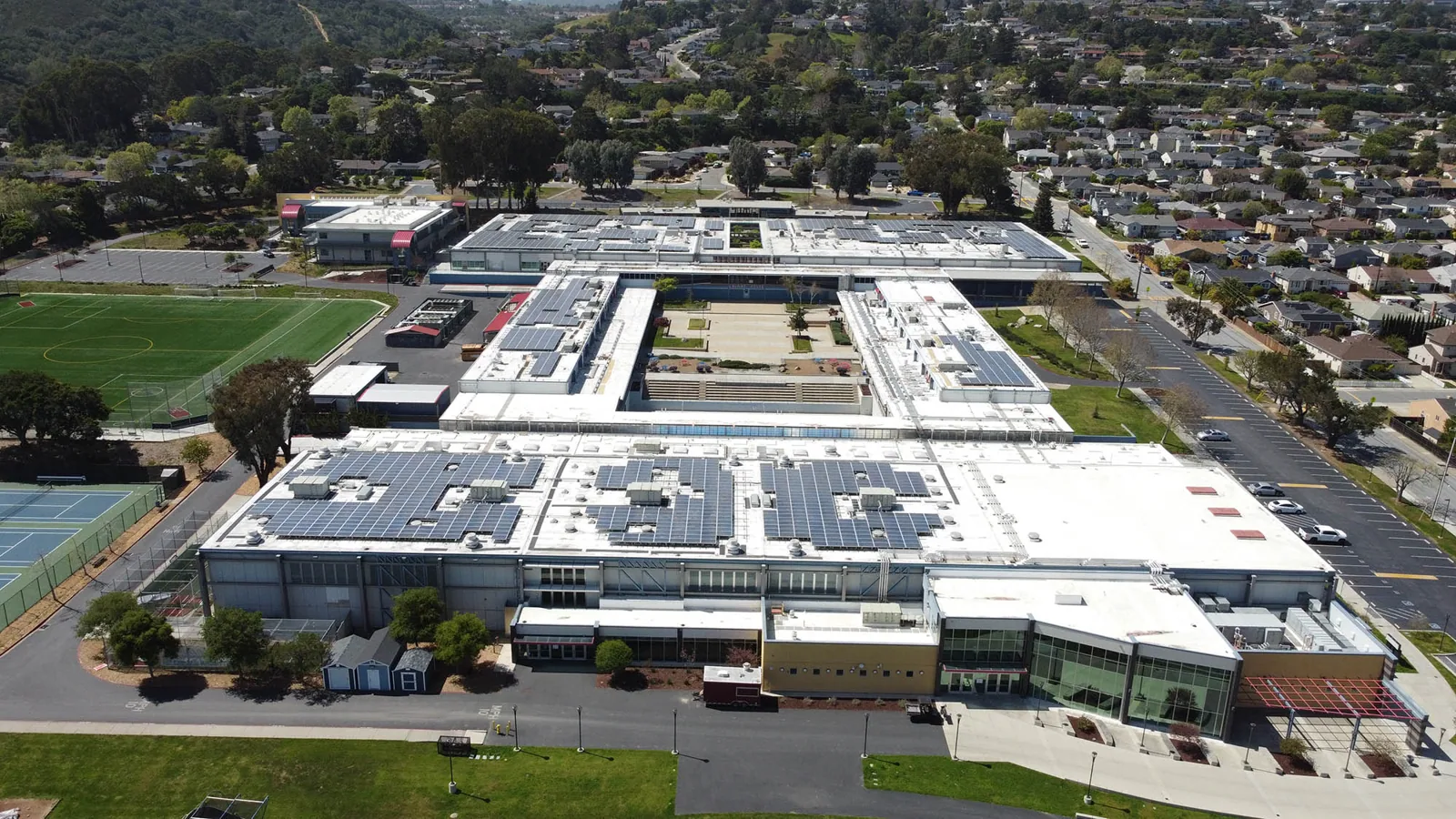
Separate a Local Leak from System Risk
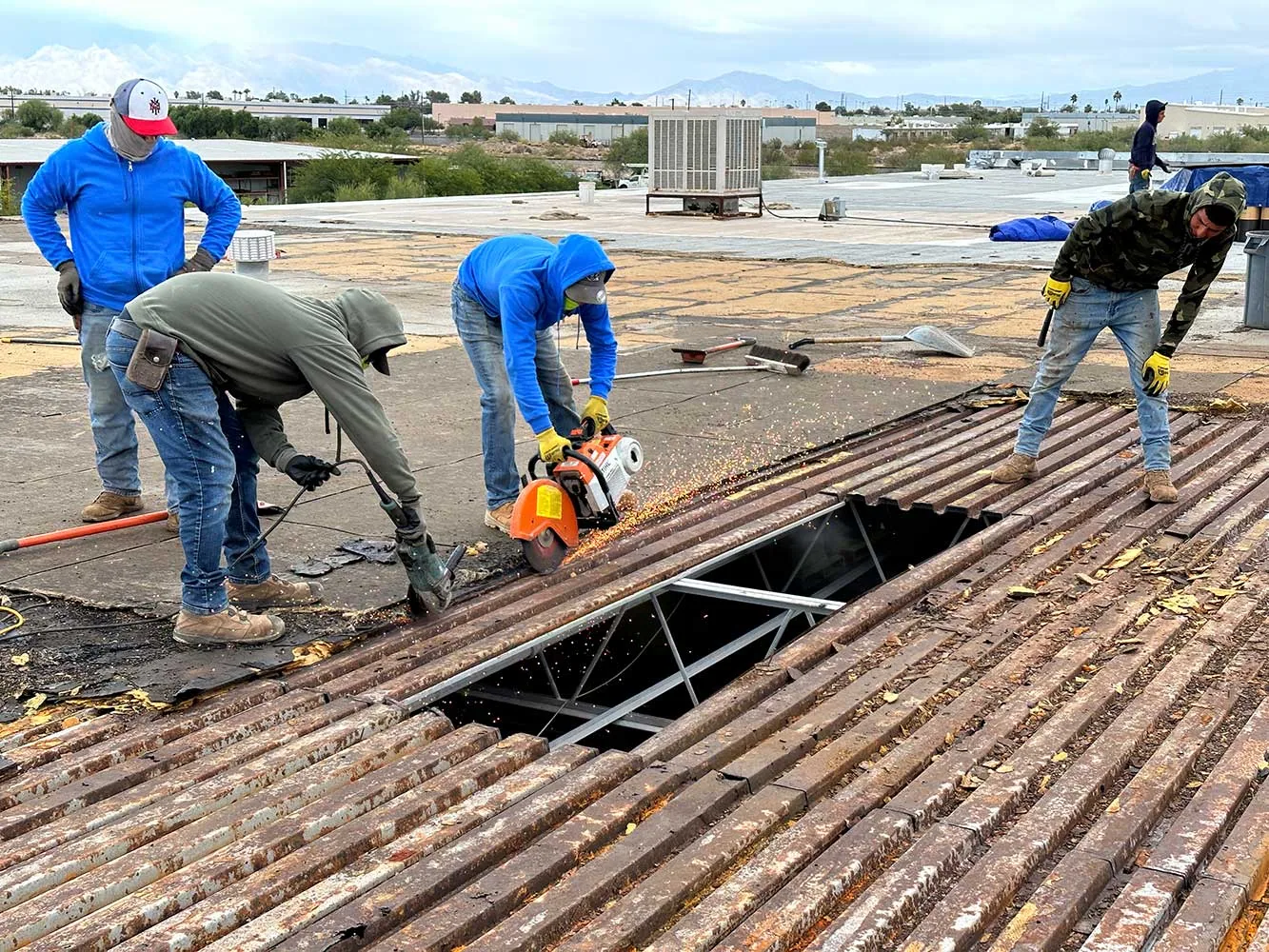
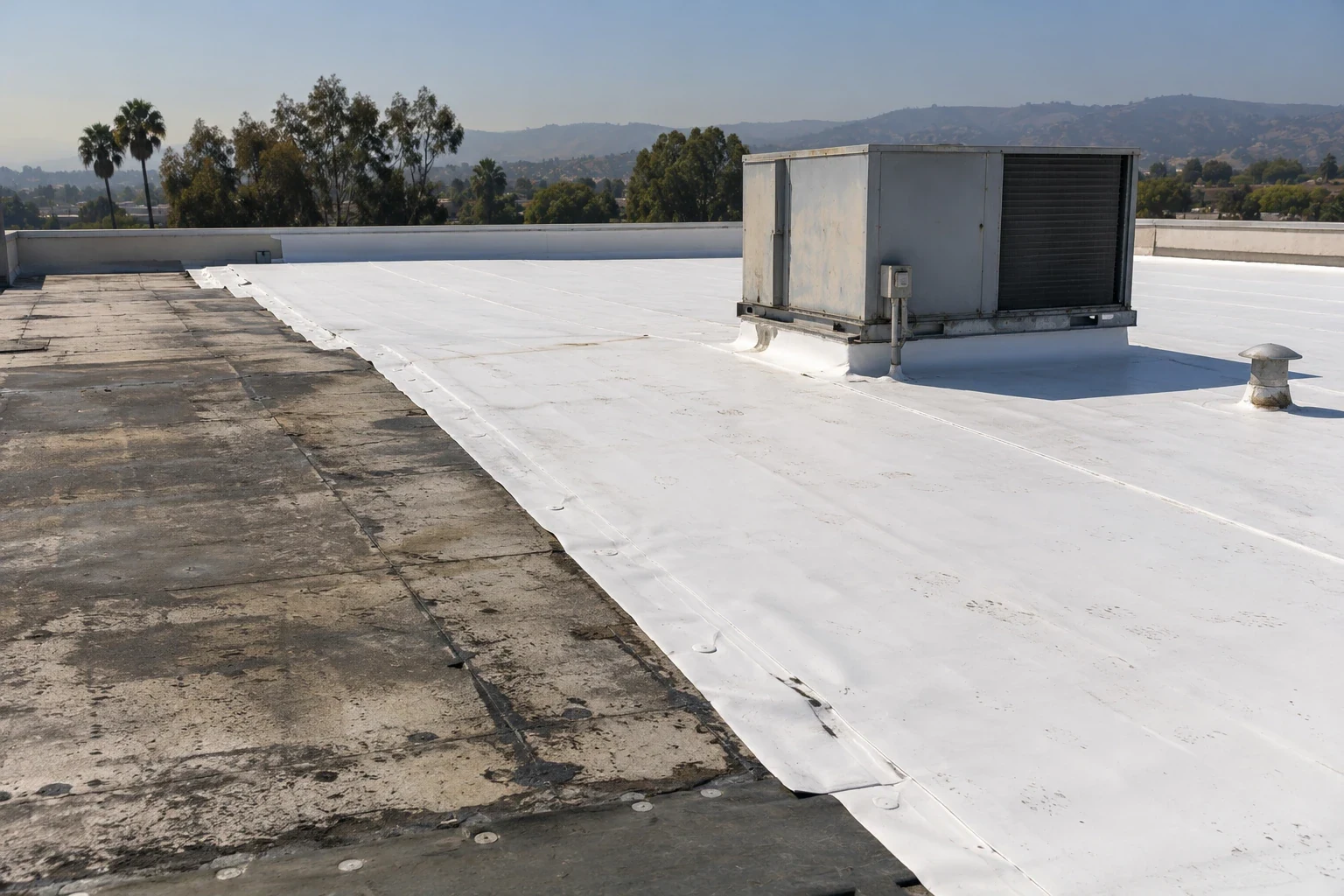
One failed curb is different from widespread seam separation or wet insulation. We look for repeated failures, open laps, loose attachment, ponding at low points, corrosion, and membrane damage. The report identifies whether the defect appears localized and what could change that conclusion. A controlled opening can confirm the layers below; it is not treated as proof of widespread damage by itself.
The repair choice follows the evidence. A compatible patch may address an isolated transition; repeated failures, wet insulation, or damaged deck can point to larger removal. Targeted repair and replacement planning are described separately with the access, removal, tie-in, and testing that each requires. If the existing layers are dry, attached, and suitable, an overlay option may be considered when project rules allow it.
Delay can let moisture spread, damage interior finishes, interrupt tenant use, or complicate a planned transaction. We state the observed issue and the near-term protective action ownership can consider. If water continues after hours, our crew can protect the interior and secure the accessible roof opening, then record what remains for permanent work. The record separates that immediate response from the permanent scope and the approval needed to proceed.
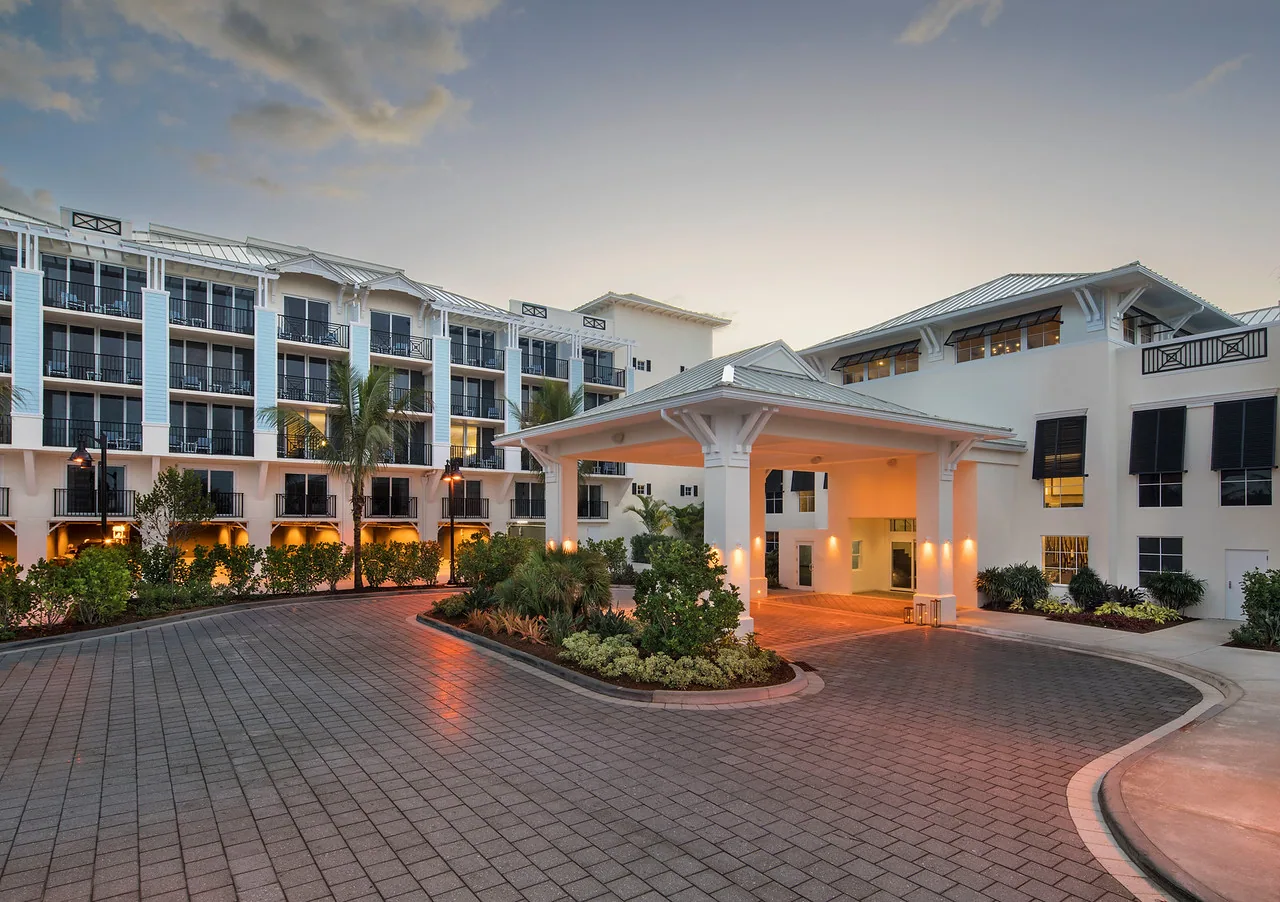
Read the Chula Vista Operating Context
Third Avenue, Broadway, and Main Street serve western Chula Vista business areas, while H Street links retail and office activity with transit-oriented development. Farther east, employment growth includes Eastlake and Otay Ranch. Those districts include varied operating settings, from commercial streets to employment areas. We confirm each property’s receiving route, tenant hours, and roof access before estimating duration.
Most rain in the San Diego region arrives during winter, and seasonal totals vary. Eastern San Diego and nearby suburbs can also face hotter periods during dry easterly winds. Those conditions affect how long a roof may stay open and when coating work can proceed. We use the current forecast and roof-surface readings to set the day’s scope and protect the area scheduled for repair.
Property plans can also depend on tenant fit-out, roof units, solar, or a future addition. Before removing equipment or changing a curb, we identify the affected service and coordinate with the responsible trade. If a roof plan is incomplete, the roof walk records visible conditions and items requiring confirmation rather than assuming an old drawing matches the field.
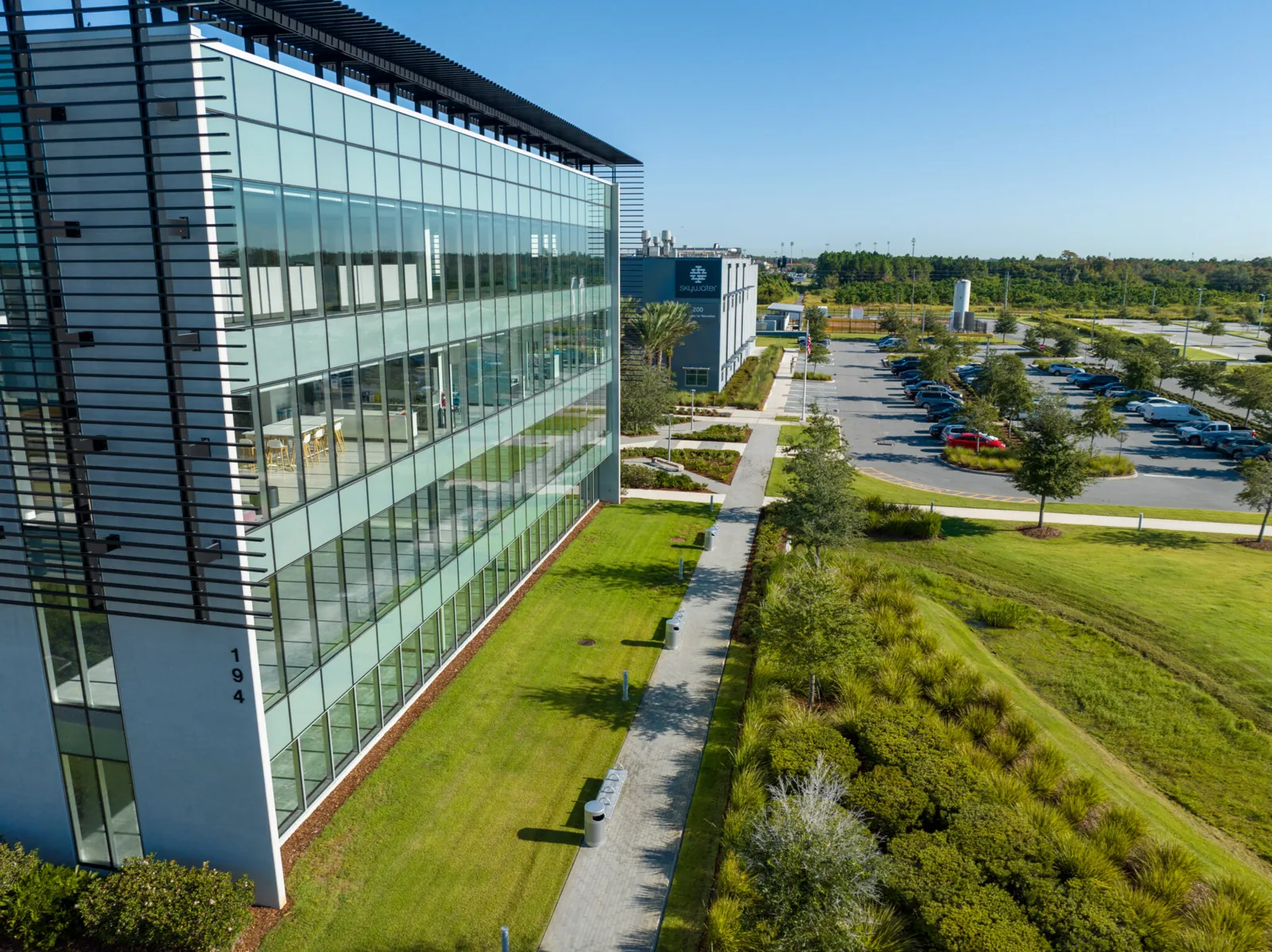
Build a Scope Ownership Can Compare
A useful capital scope names roof zones, repair limits, materials, tests, and exclusions. It should show whether access needs a lift, escort, tenant notice, or after-hours work. We provide photographs with location labels, record the water-control path, and identify what happens if removal exposes wet insulation or a damaged deck. That level of detail helps the owner compare a patch, recover, and replacement on scope rather than on a single headline number.
Timing and cost depend on area, assembly, access, tear-off, insulation, edge metal, drainage, testing, and the number of work zones. A low first cost can become a different decision if the substrate is not sound or a leak recurs at the same transition. The recommendation explains the evidence and what additional testing could resolve. A capital planning review can carry those findings into a future budget without promising a lifespan the inspection did not establish.
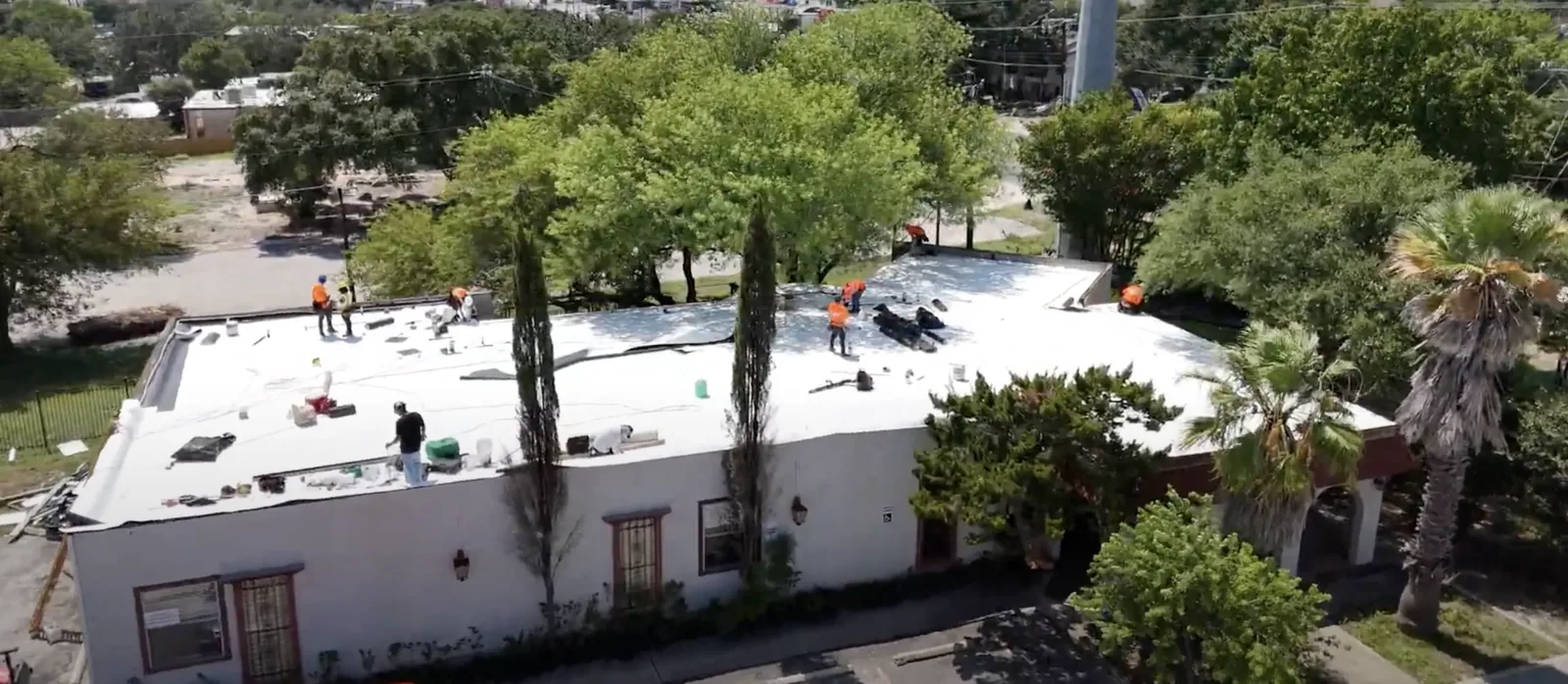
For an occupied property, phased work can protect tenant entrances and separate active removal from areas that remain in service. We agree on the work window, overhead protection, delivery route, and the daily point when each section is dry-in complete. A roof visit near Otay River Business Park is still scheduled around the individual tenant and access plan.
Keep Findings Useful After Closing
Roof diligence is useful only if the next owner can locate the finding. We identify the property, system, roof zone, visible defect, photos, and recommendations. Where access was limited, the report says which areas need further inspection. After closing, those labels can carry into maintenance tickets and contractor scopes instead of being lost in a one-time inspection file.
Ownership can provide the roof plan, prior invoices, warranty documents, tenant contacts, and the reason for the review. We compare available records with current field observations and call out differences. If a warranty or manufacturer requirement is involved, the applicable documents are reviewed before repair details are selected. A roof inspection can establish a current condition baseline, while general contractors can coordinate roofing when a transaction leads to broader renovation work.
Send the asset list, transaction or budget deadline, known leak locations, roof plans, and access contact. We will inspect the released zones, define immediate protection, and give ownership a building-specific repair or capital decision supported by photographs and inspection records.