Set One Reporting Method for the Portfolio
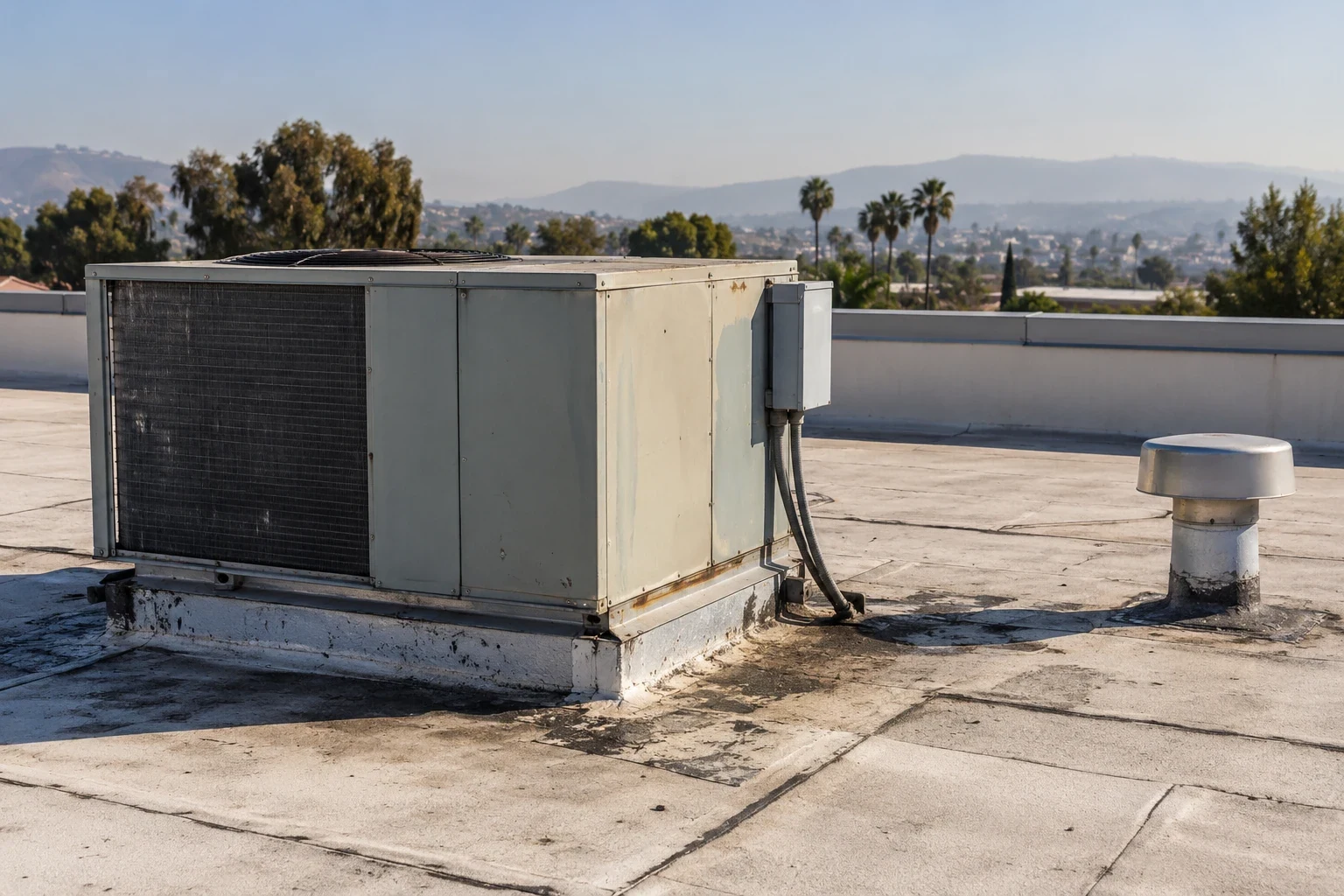
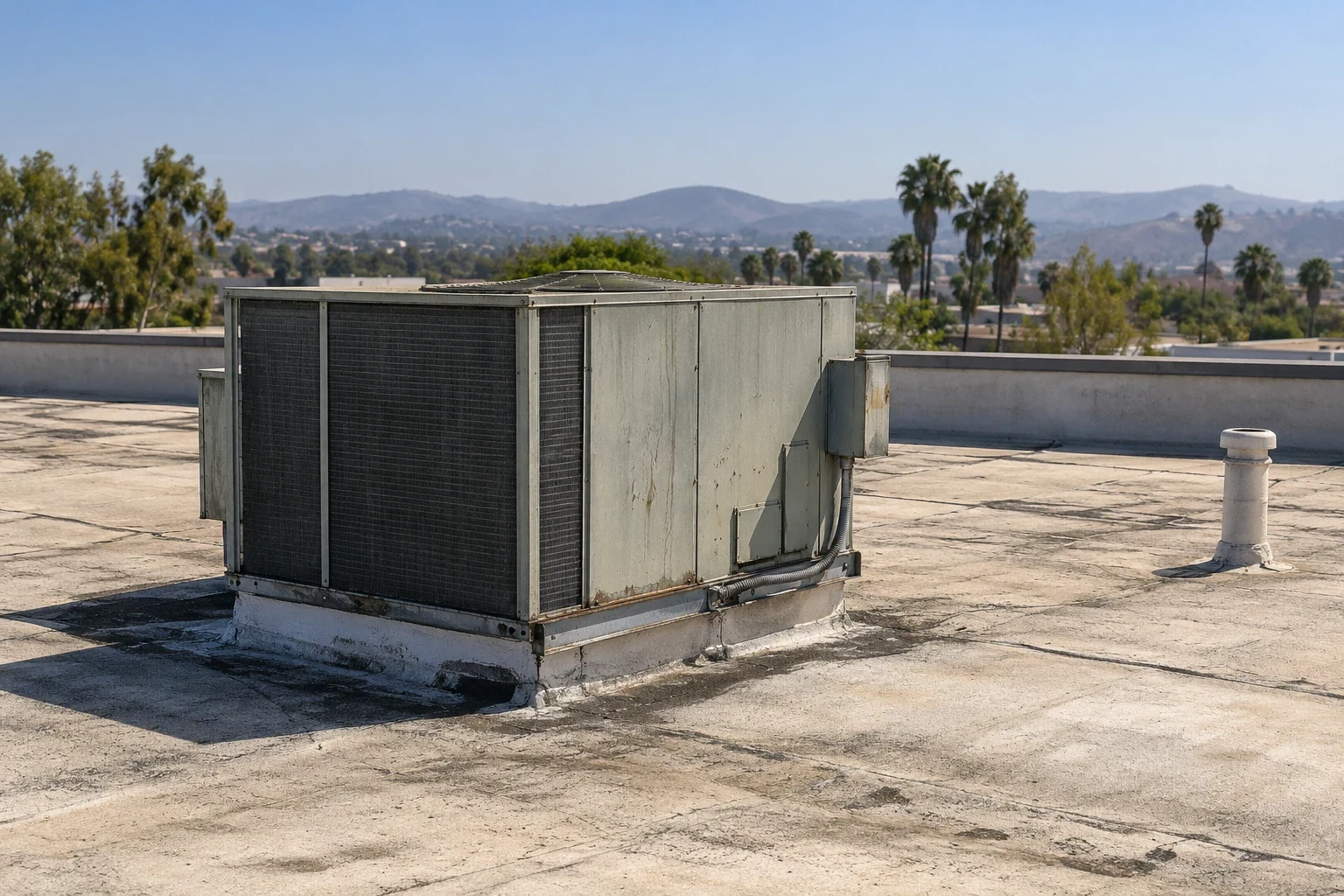
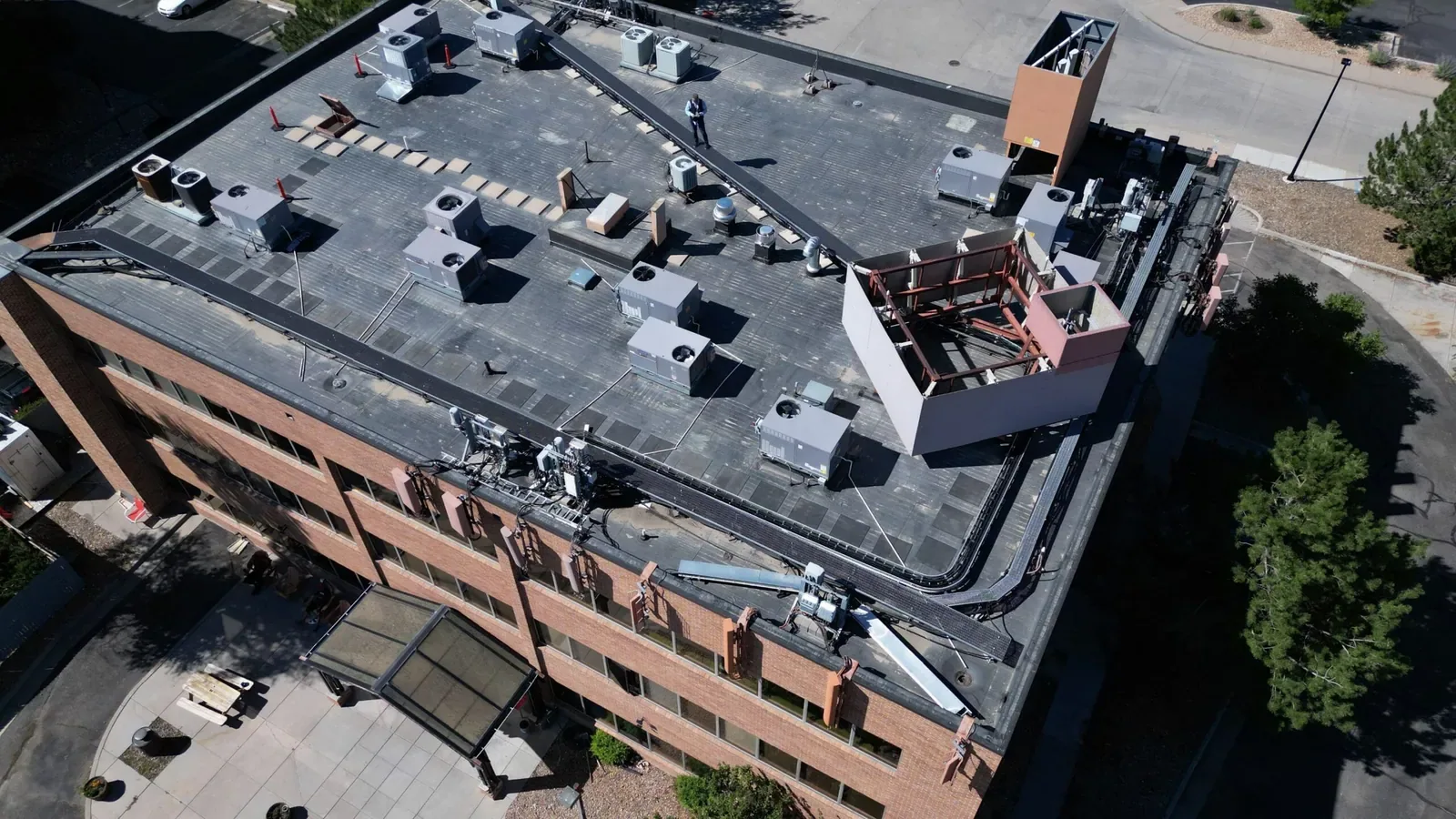
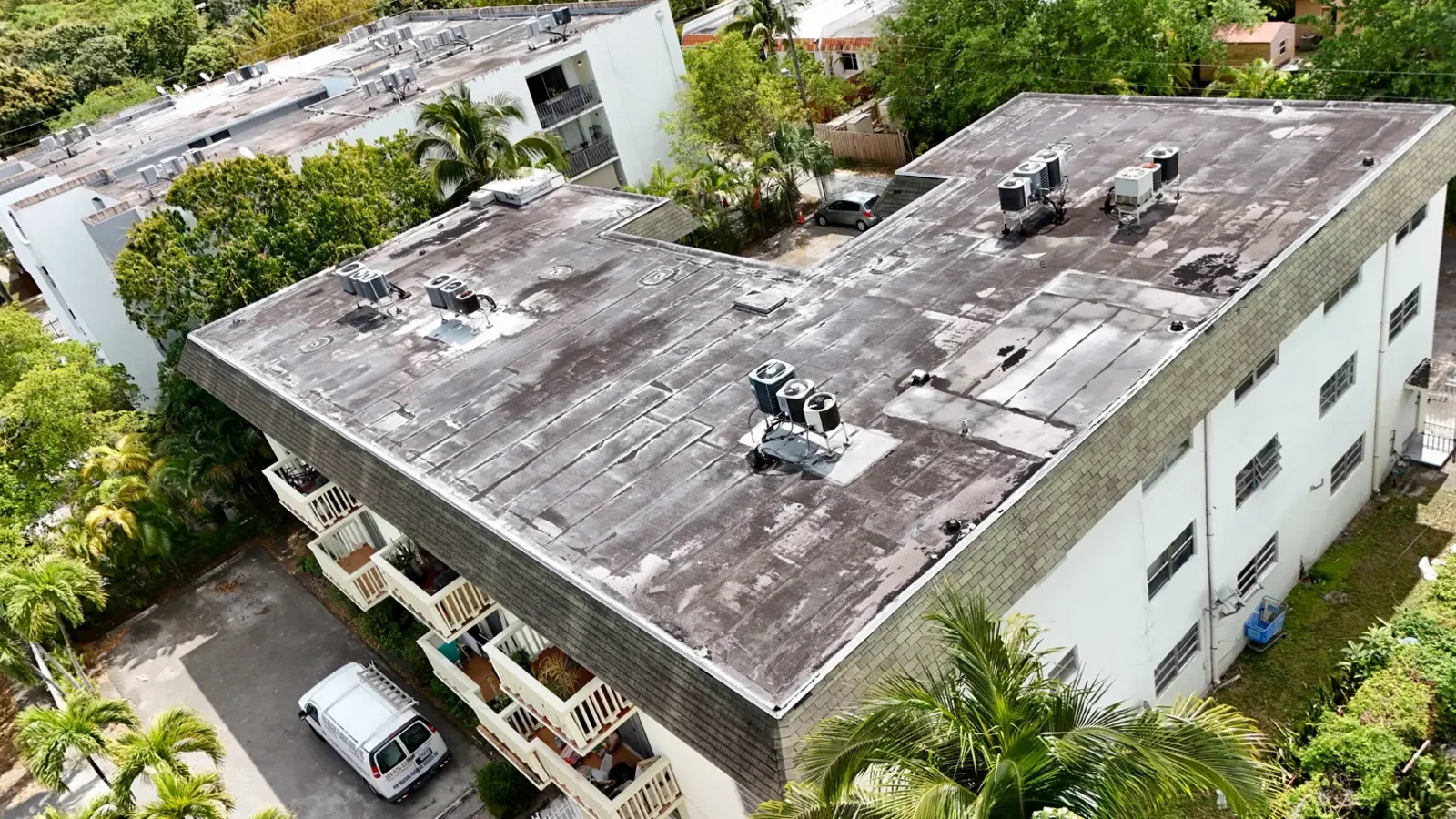
Start with a property list that names each building, site contact, operating hours, roof plan, and known leak history. We agree how roofs will be divided into zones and what each closeout should show. Photographs, material records, drainage observations, and open items then follow a common order. A facilities director can compare records without losing which seam, curb, or drain belongs to which address.
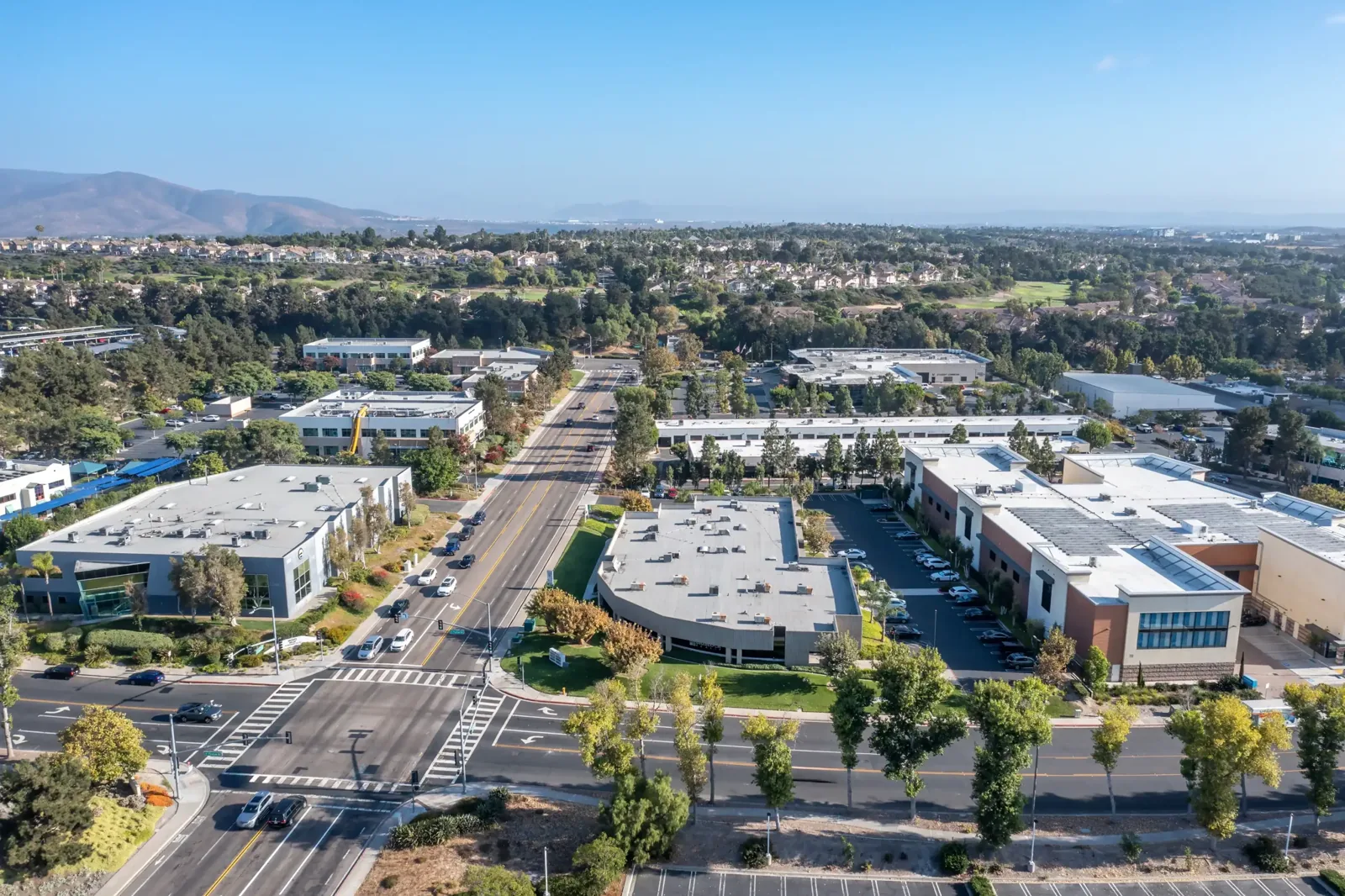
Chula Vista employment activity stretches from the western business districts through Otay Valley and toward Eastlake and Otay Ranch. A portfolio may also include retail near H Street and industrial property connected to the Otay Mesa freight area. These settings affect travel, receiving, and access planning, but they do not predict the assembly at a particular building. We identify roof materials and confirm operating limits at each property before setting the work sequence.
Roof asset management can keep the inventory and repair history together. A condition report records what the current inspection found. Those functions can share identifiers, while maintaining separate files for each property and retaining the inspection date, access limits, and responsible contact.

Rank Calls Without Blending the Roofs
One location may have water entering over a stock room while another has an isolated membrane split with no active leak. We compare the reported impact, visible failure, likely extent, and urgency at each property. If the condition is not confirmed, the next action may be a test opening or a closer inspection, not a portfolio-wide repair instruction. The call log identifies the building and roof zone before maintenance dispatches a crew.
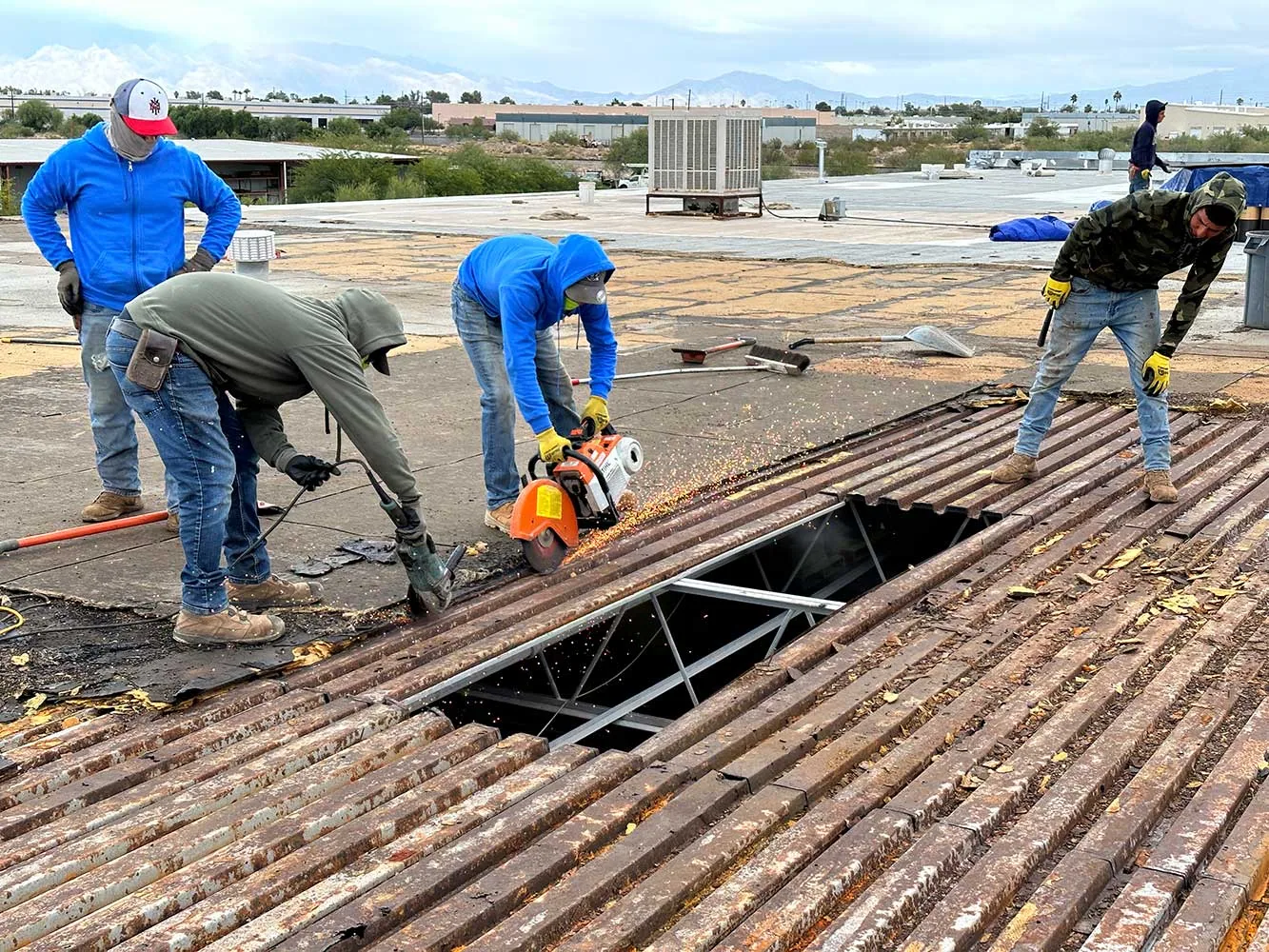
Active leaks need a different path from scheduled capital work. Emergency roofing response is available day or night, weekends, and holidays. We coordinate access, protect the interior, and record the temporary condition separately. Once the roof is secure, the facilities lead can review the permanent repair with building-specific photos and any test result. That prevents an urgent call at one site from hiding an unrelated capital need at another.
Where the portfolio includes a property near the Otay River Business Park, the site contact may need to set truck or yard access. A location near Third Avenue can have different pedestrian or loading constraints. We confirm each route and work window directly, then place those logistics with the specific dispatch record rather than applying the first site’s access records to every visit.
Make Scope Comparable but Site Specific
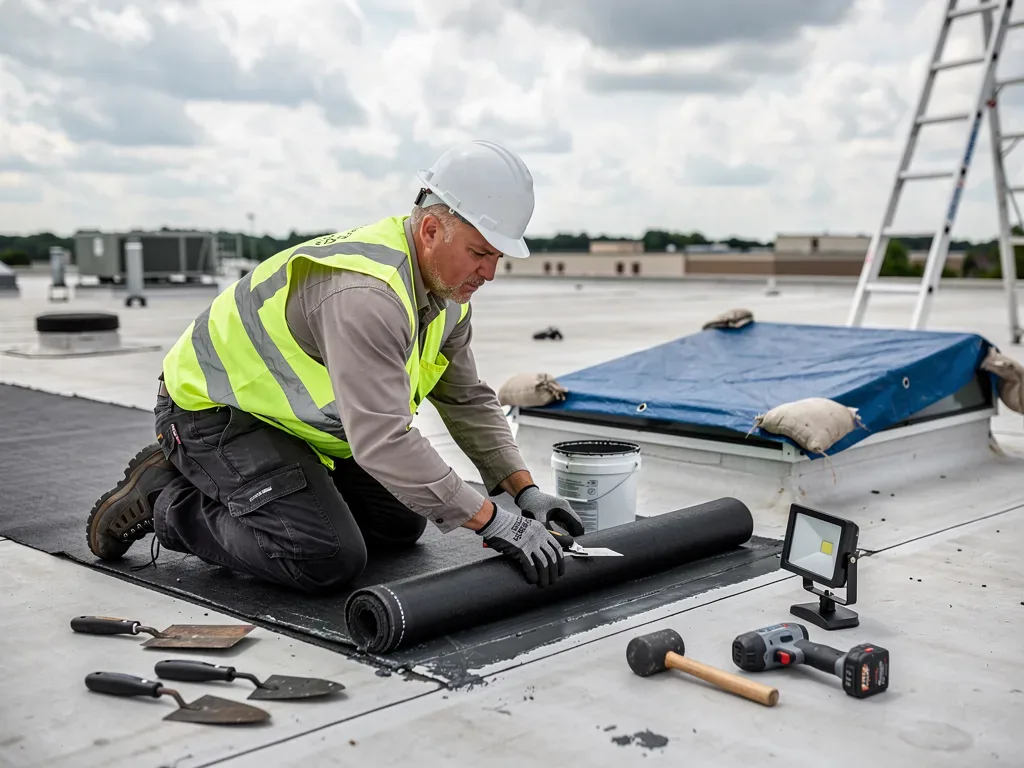
A common scope format should ask the same questions, not force the same answer. For each roof zone, we identify the system, defect, affected layers, drainage path, compatible repair, access needs, and work that remains uncertain. A patch at a curb may be an efficient local correction on one building. On another, repeated failure or wet insulation may justify a larger review after testing. The recommendation follows field evidence, not a portfolio label.
Roof inspections can identify visible conditions and the test needed to investigate concealed material. Repair work addresses bounded defects with compatible details; replacement requires a different sequence for removal, insulation, tie-ins, and dry-in. We explain each option separately and record which items need authorization or input from a mechanical trade.
One pricing format can help compare labor and access, but quantities depend on roof area, system, material removal, lift placement, equipment, and protection below. We keep estimates by site and list assumptions that could change after opening. The portfolio summary can group similar needs for planning, while the underlying scope shows the condition and quantity supporting each building’s work.
Use Planned Visits to Catch Changes
Scheduled maintenance should revisit the same known roof details: drains, overflows, seams, edge metal, curbs, and previous repairs. We record whether an outlet has collected debris, a patch has opened, or water has marked a new interior area. A site report identifies completed upkeep and issues that need a project scope. The next visit can then focus on the condition that changed rather than repeating a broad walk without a question.
Preventive maintenance can be planned by building use and observed condition. Sites with different systems may need different access intervals or repair methods, depending on what the inspection finds and any written requirements. We keep the schedule adjustable when a roof is replaced, a leak is repaired, or an area remains inaccessible. A warranty record can be maintained alongside the service log without treating upkeep as proof of coverage.
Rain in the San Diego region is concentrated in winter, while seasonal amounts change. A pre-season visit can check water-control details and exposed repairs; the timing still depends on facility access and crew availability. At properties toward Eastlake and Otay Ranch, hotter dry easterly periods can also affect the work window for certain repairs. The field condition and current forecast govern whether a specific task can proceed.
Bring the Same Evidence to Budget Review
Ownership can review immediate protection, repair, testing, and replacement needs on one portfolio calendar when each item has its own evidence. We group work by urgency, access opportunity, and operational impact, then preserve the supporting report at the property level. A capital plan can show expected funding windows without presenting a roof age or visual score as a fixed replacement date.
For an acquisition or refinance, the portfolio team may need a separate transaction survey to answer questions about specific assets. A maintenance inspection does not automatically answer a lender’s or buyer’s request. We agree on the review purpose, included properties, required interior access, and deadline before walking the roofs.
Send the site list, prior service records, available drawings, current leak reports, and operating contacts. We will identify the routes, inspect released areas, and return a prioritized schedule with distinct work boundaries. For a property near the EastLake Business Center, for example, we will confirm its own receiving access and roof zones before adding it to a shared program calendar. That gives facilities a consistent process and a dependable record for each location.