Trace the Water Beyond the Stain
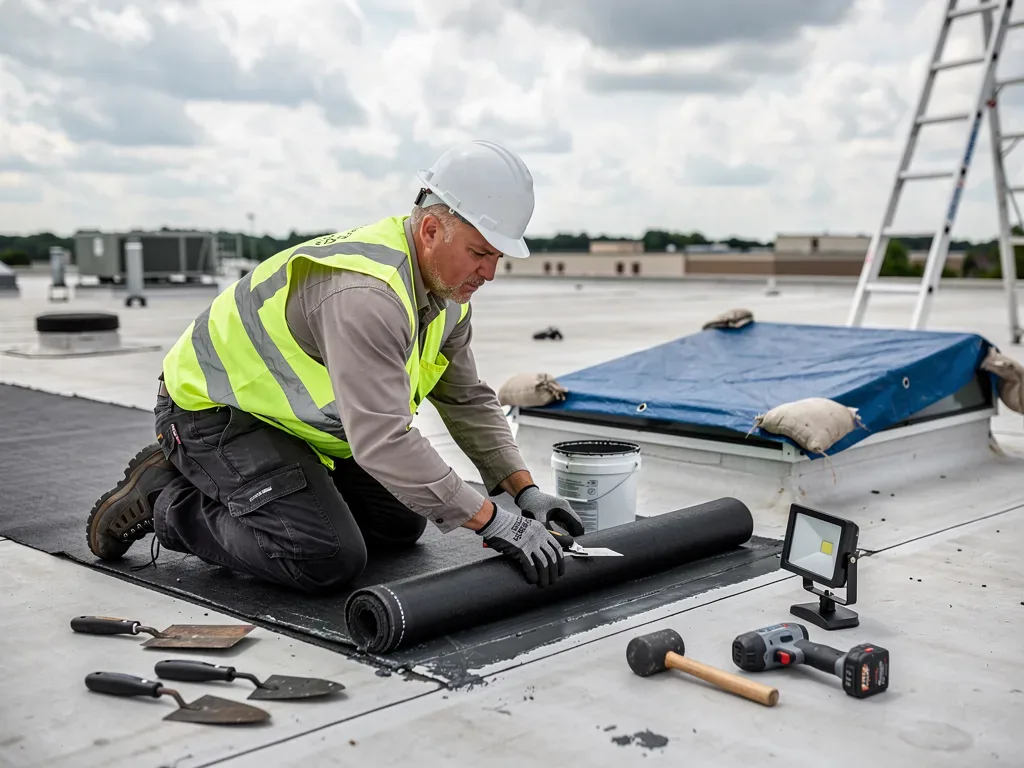
A ceiling mark over a pallet bay may be several roof sections away from the entry. Water can follow a deck flute, insulation joint or steel framing before it appears indoors. We compare the interior report with roof seams, curb flashing, drain bowls and nearby repairs, then follow the likely path toward a detail that can admit water. Commercial leak repair begins with locating the failure, not spreading sealant across every visible seam.
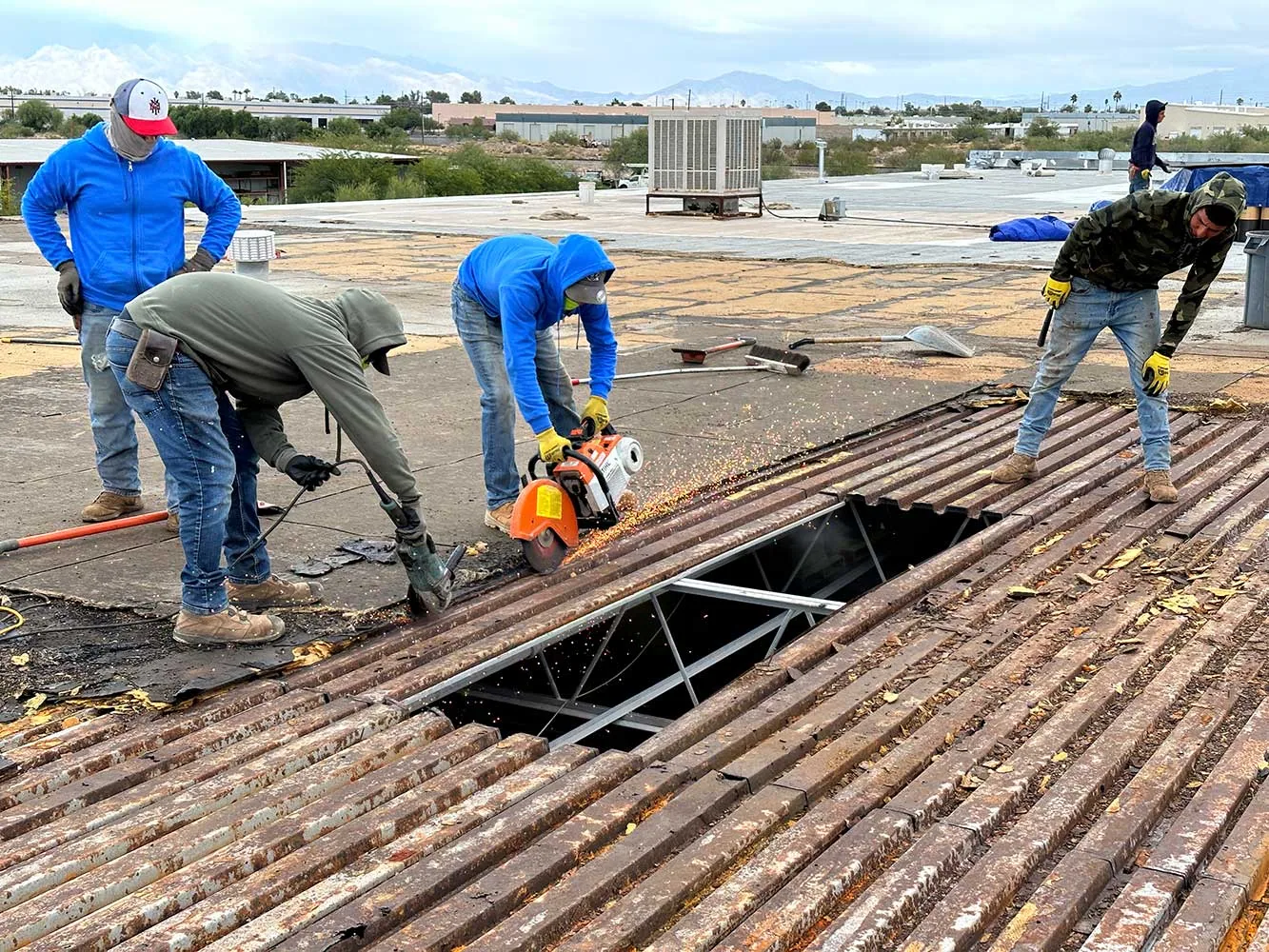
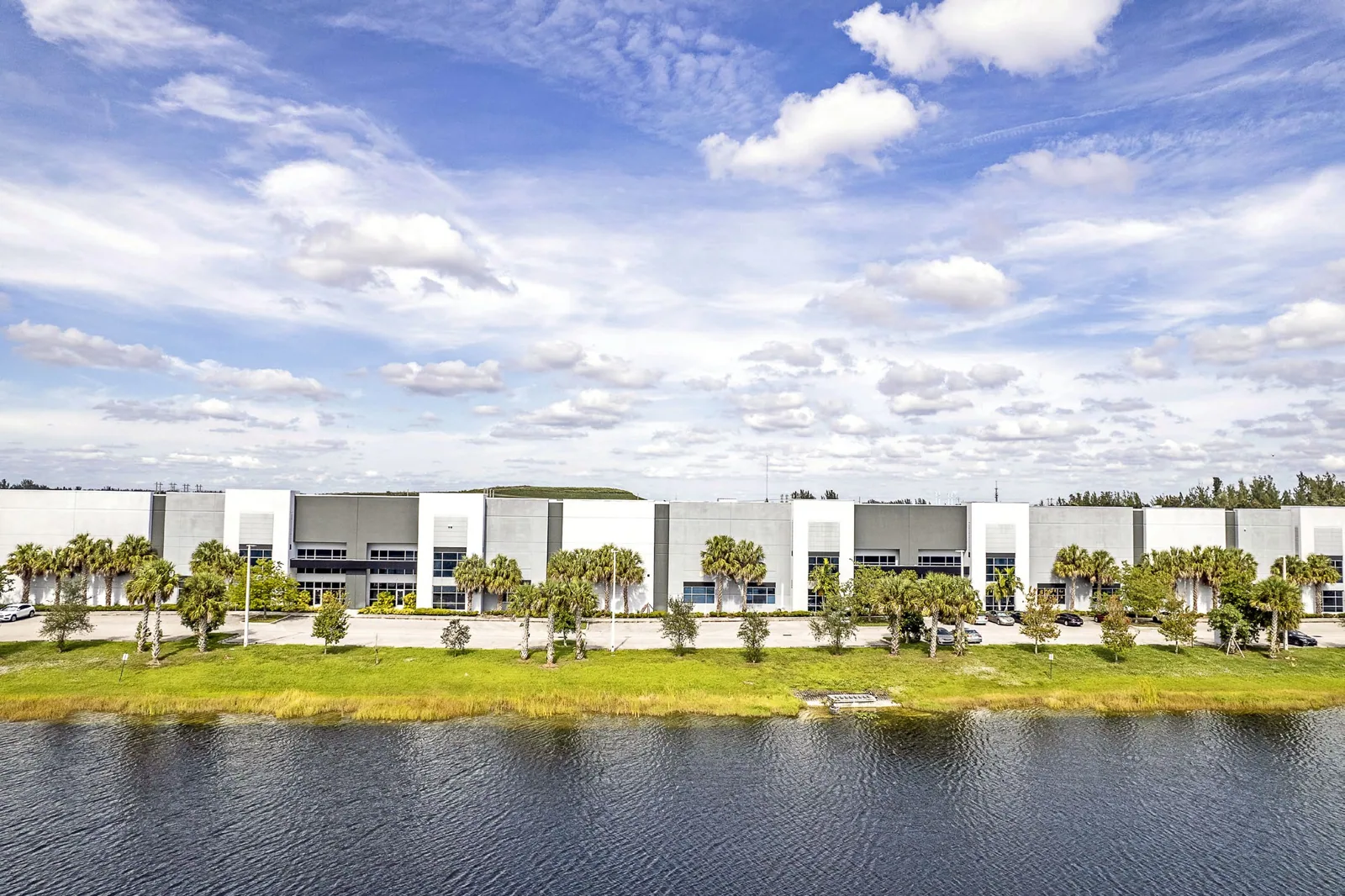
Warehouse interiors give water room to travel before it becomes obvious. A receiving door, aisle light or rack row provides a reference point, but the stain alone does not set the repair boundary. We inspect nearby penetrations and transitions, photograph the roof zone and record whether a controlled opening would show wet insulation or deck damage. If the surface is sound and the entry is local, a targeted roof repair can address the failed detail while keeping unaffected areas intact.
For high-bay operations, the facilities contact can help isolate inventory or equipment below the work area. We identify overhead protection needs before opening the roof and close each opening with a compatible permanent repair or secure temporary dry-in before leaving.
Keep Drainage Clear of Daily Traffic
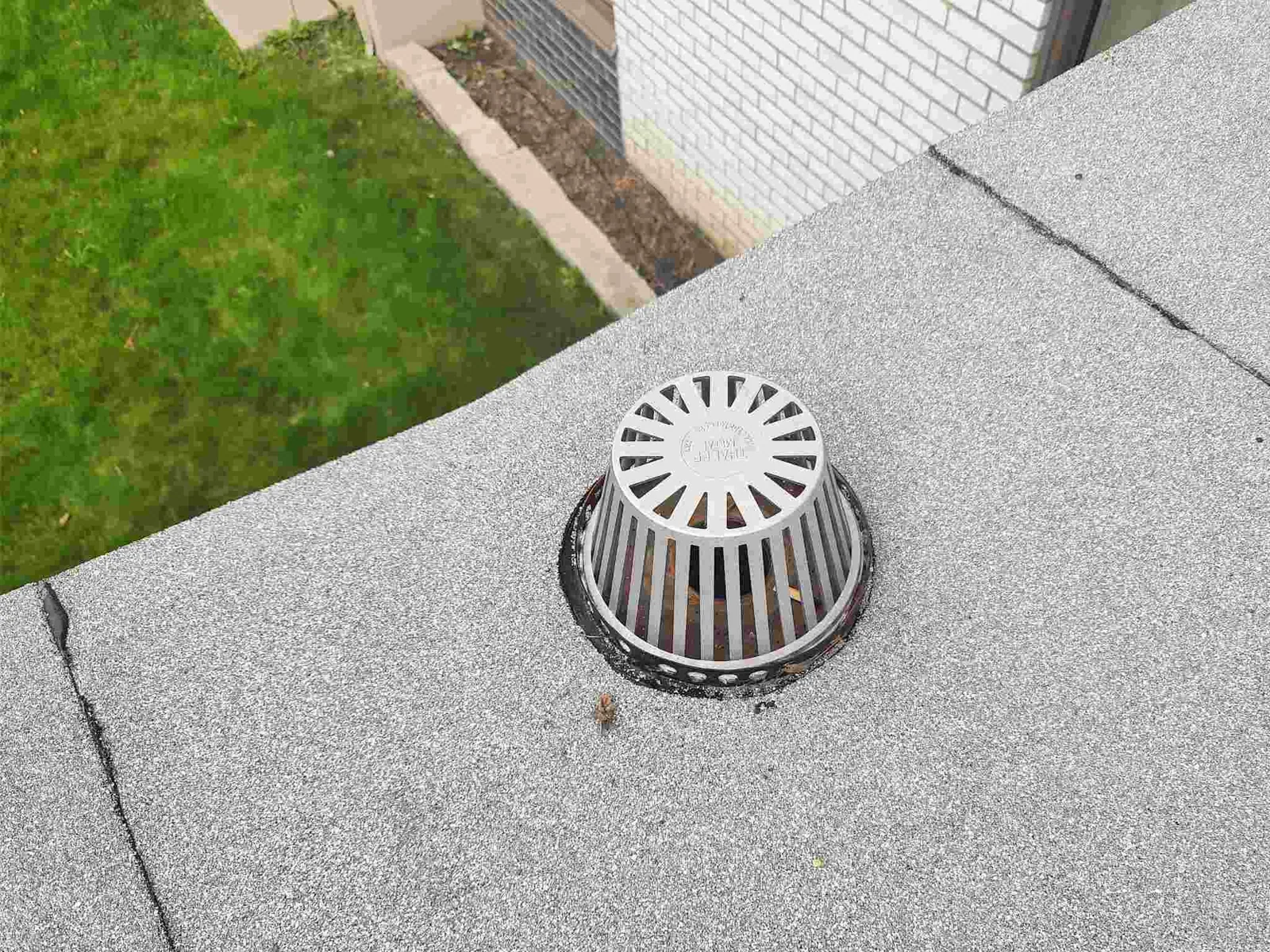
Warehouse roofs carry ducts, vents, exhausts and service routes that can interrupt the path to a drain. Debris at a bowl or scupper slows discharge; compressed insulation or settled deck can hold water even after the outlet is clear. We inspect the bowl, overflow path and surrounding slope together. When cleaning does not correct ponding, the next step may be a localized slope repair, insulation adjustment or broader drainage review. Drain and scupper work should leave a clear route that maintenance staff can reach.
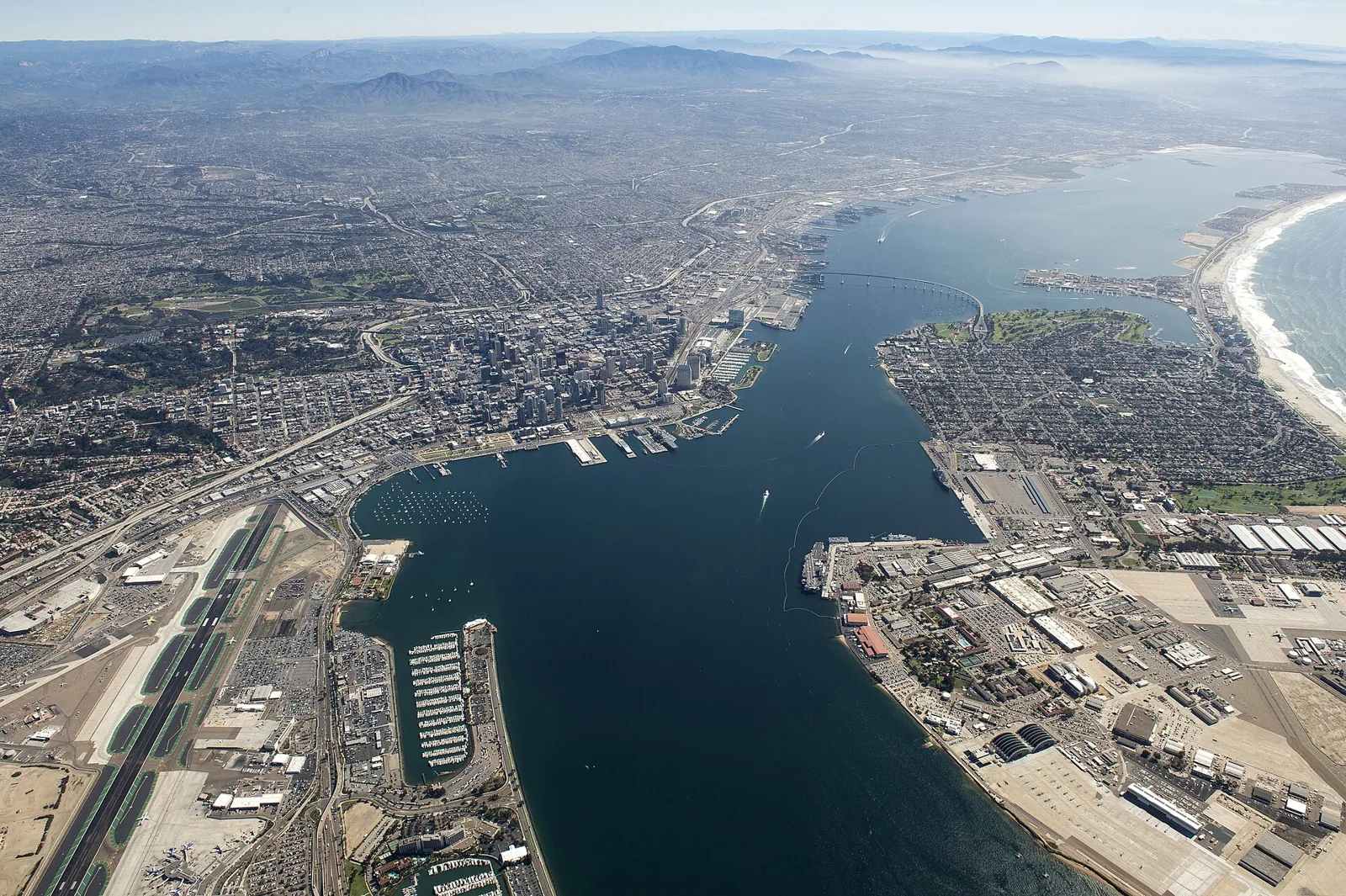
Loading schedules influence where a crew can stage tools, remove old material or set a lift. Chula Vista's Otay Valley and nearby Otay Mesa connect industrial properties to SR 905 and regional freight movement. That helps explain why a warehouse roof visit needs a receiving-window check before materials arrive. We ask the facility contact for actual gate hours and keep pallets, lifts and debris containers away from the dock route.
On a distribution center roof, several active shipping shifts can leave less time for drain cleanup. For temperature-controlled inventory, cold-storage roofing also requires clear equipment access. After rain, a short walk can show whether water drains normally, returns at an overflow or remains in a low area. A roof inspection records those observations by zone, making it easier to compare the same drainage points after a repair or maintenance visit.
Match the Repair to the Roof Assembly
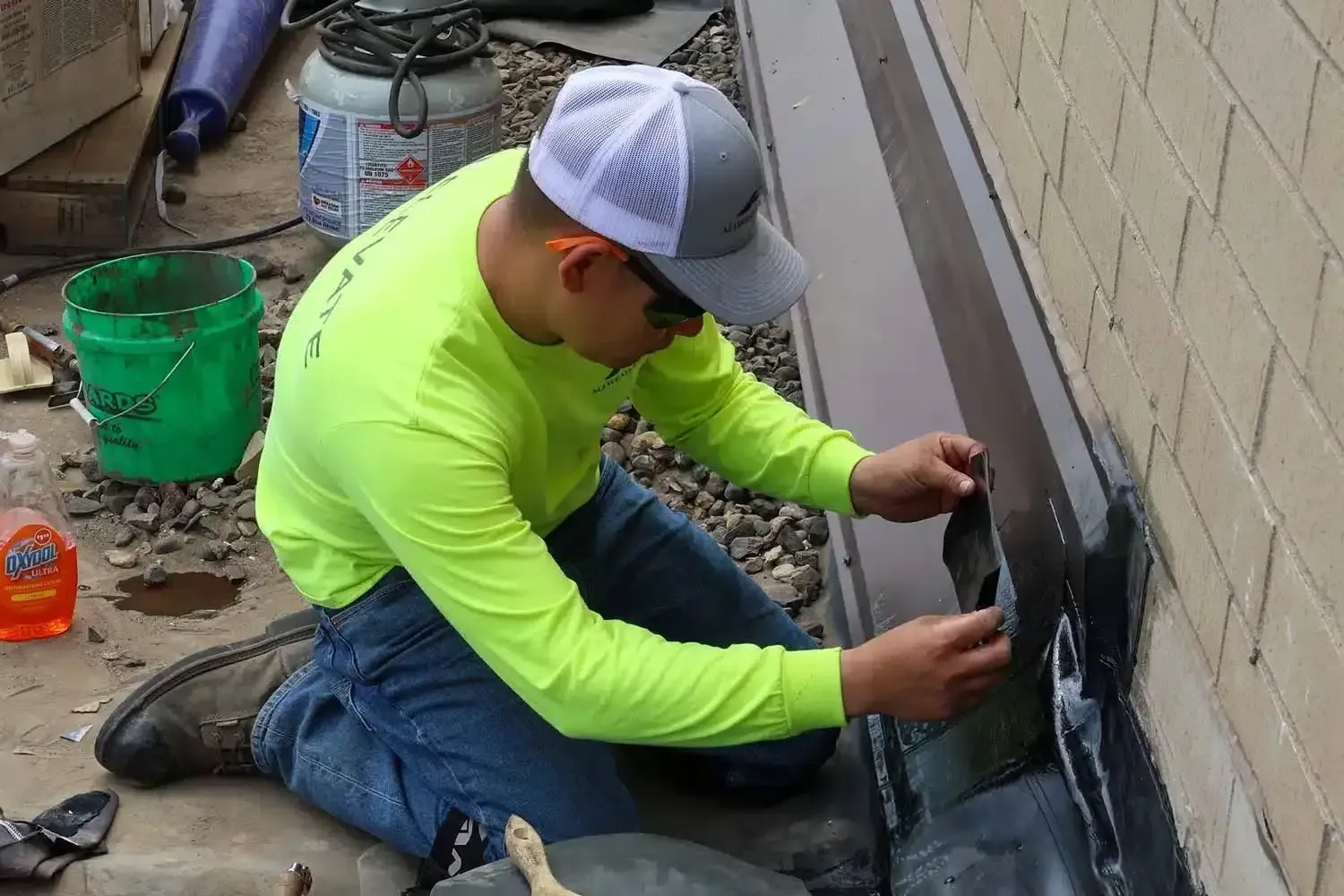
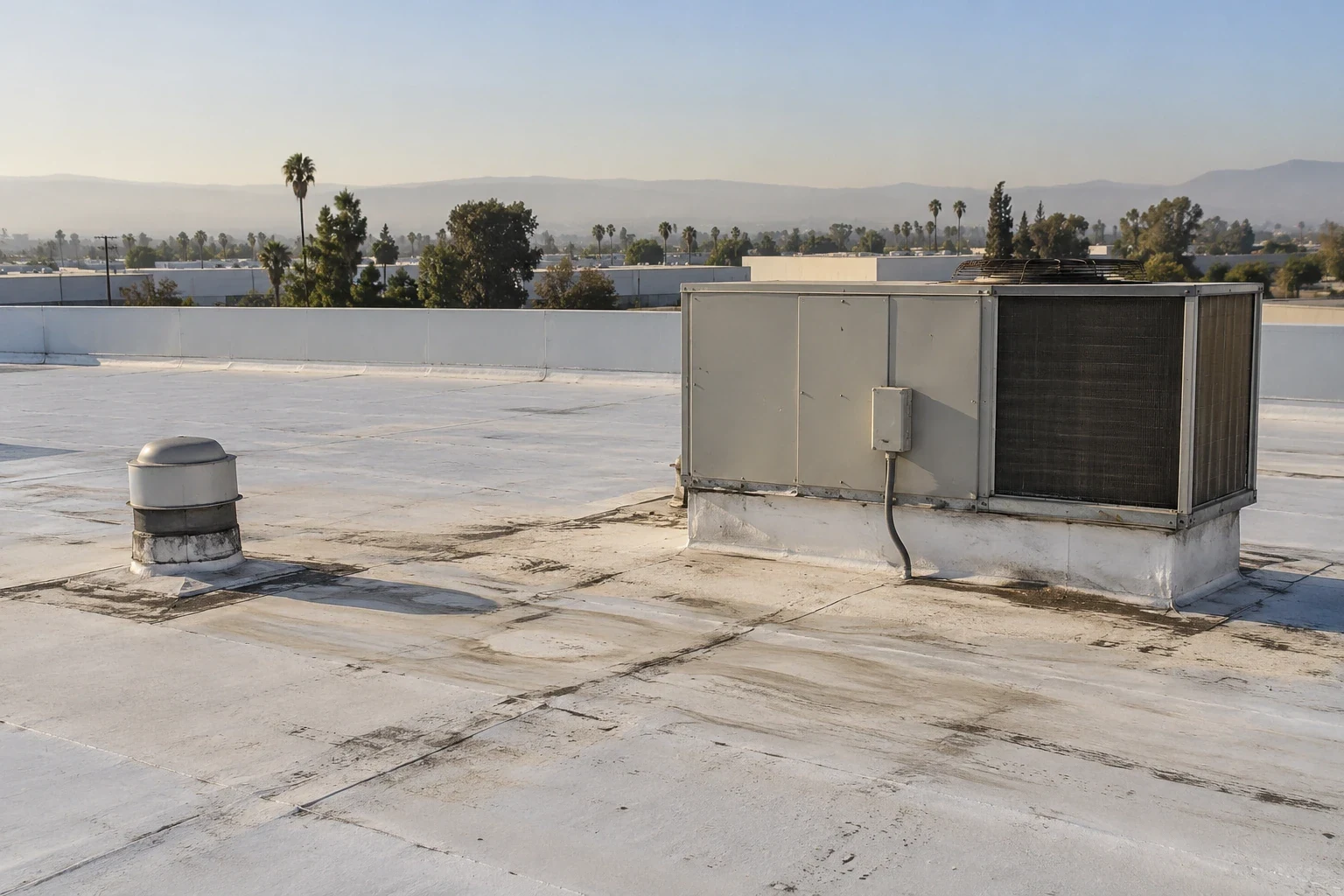
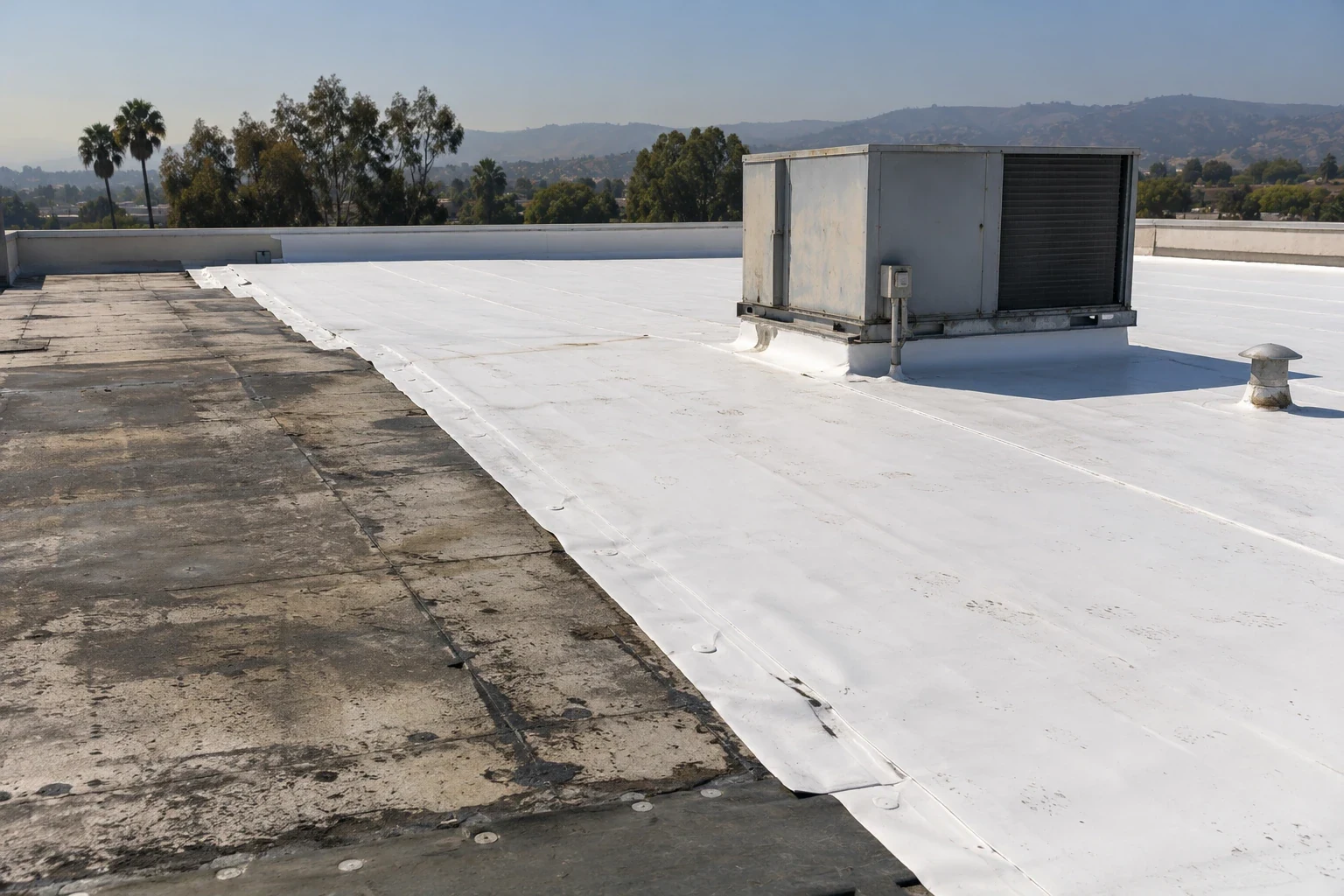
TPO, PVC, EPDM, modified bitumen and built-up roofs each have their own seam, flashing and repair materials. An incompatible patch may peel or create a hard edge that holds water. We identify the visible assembly, inspect previous repairs and use a detail suited to the existing membrane. Where the roof system cannot be identified from the surface, we explain what a test opening would establish before extending the scope.
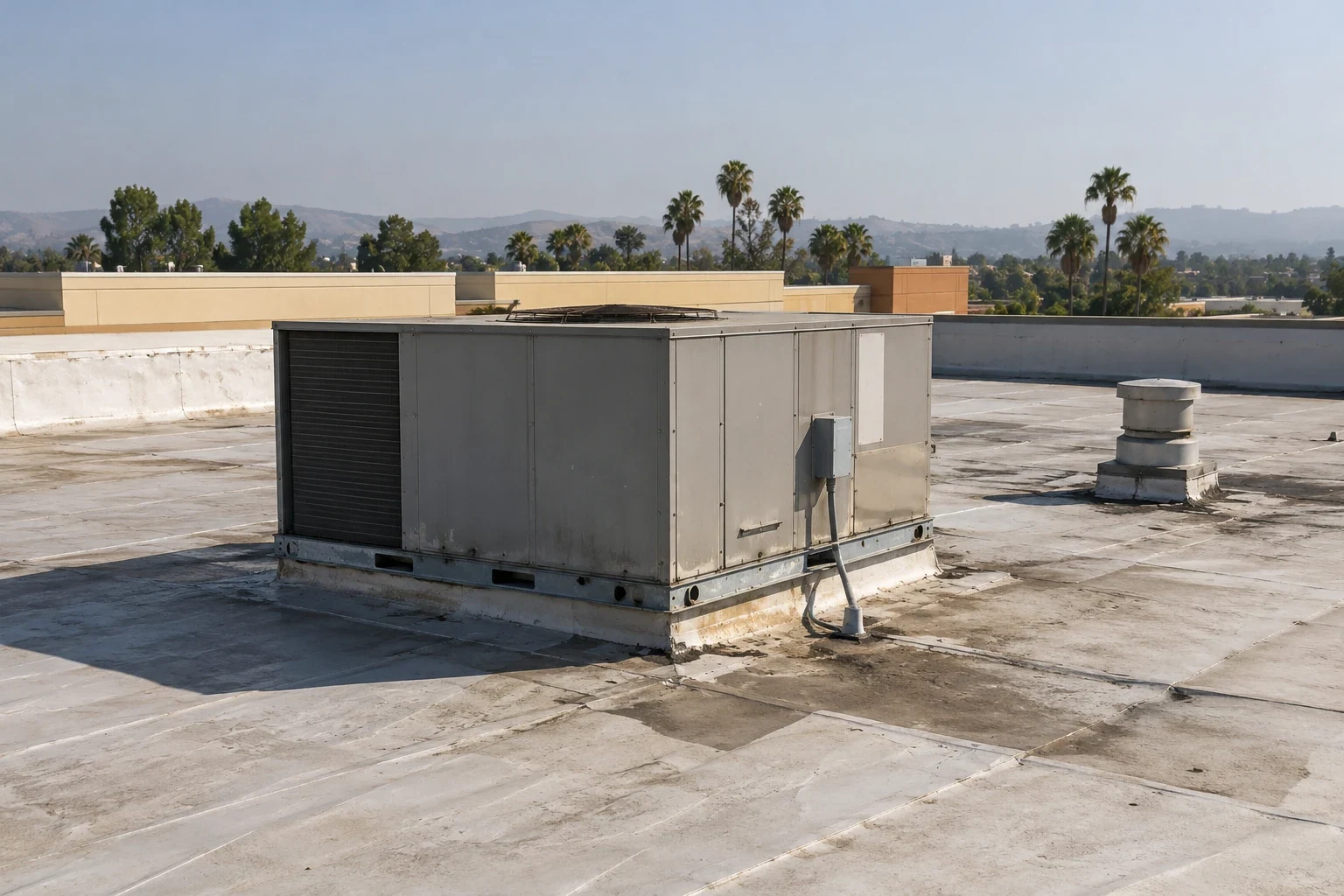
Warehouse equipment changes can leave unused penetrations or new curb transitions. We check whether a curb remains supported, whether conduit boots are tight and whether fasteners have backed out around a roof hatch or exhaust. Edge metal and parapet joints can also open as materials move. The repair must connect to sound material and preserve the drainage path rather than hide an open edge beneath another layer.
If the roof has repeated seam failures, wet insulation or widespread deterioration, the owner may compare repair, recover and replacement. A recover option requires a suitable existing assembly and sound substrate; replacement exposes and addresses more of the roof layers. A TPO system can be considered when the project calls for that membrane and compatible details.
Protect the Receiving Window
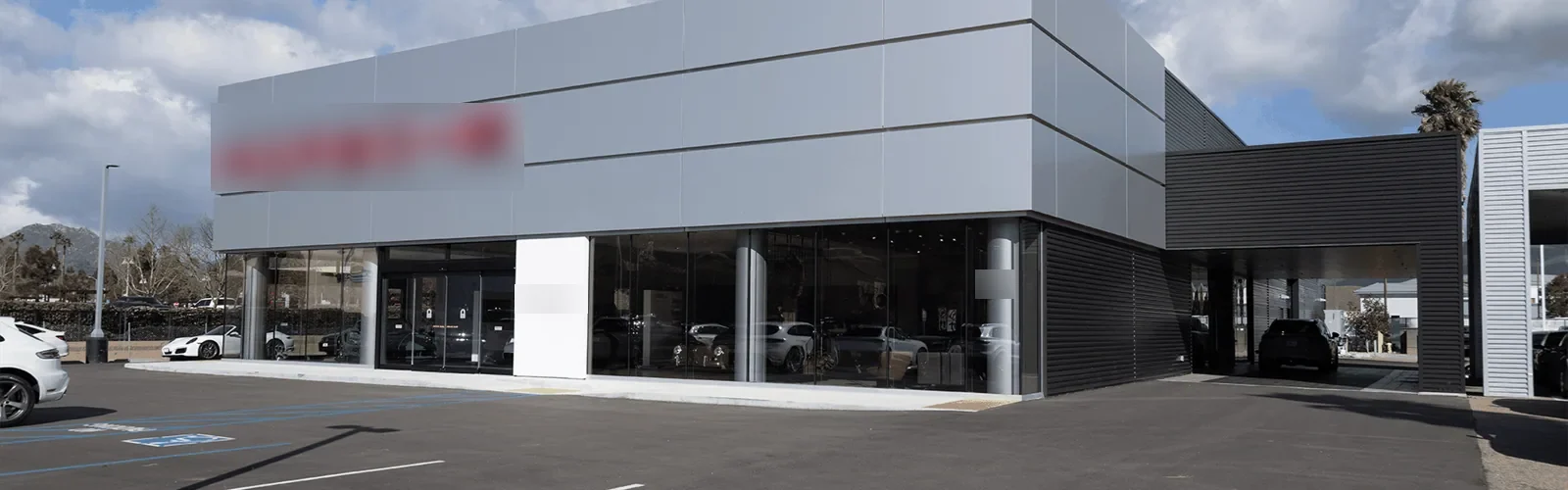
Warehouse operations often have fixed delivery slots and limited space for trucks to turn. We set crew entry, material drops and debris removal around the facility's receiving plan, then mark a separate roof access route. If a crane or lift crosses a drive aisle, the site contact helps choose a window and spotter arrangement before mobilization. Along the San Diego Bay working waterfront, cargo terminals combine marine shipping, on-dock rail, storage and freeway connections. That regional flow makes delivery coordination familiar territory, but every warehouse has its own gate, dock and circulation rules.
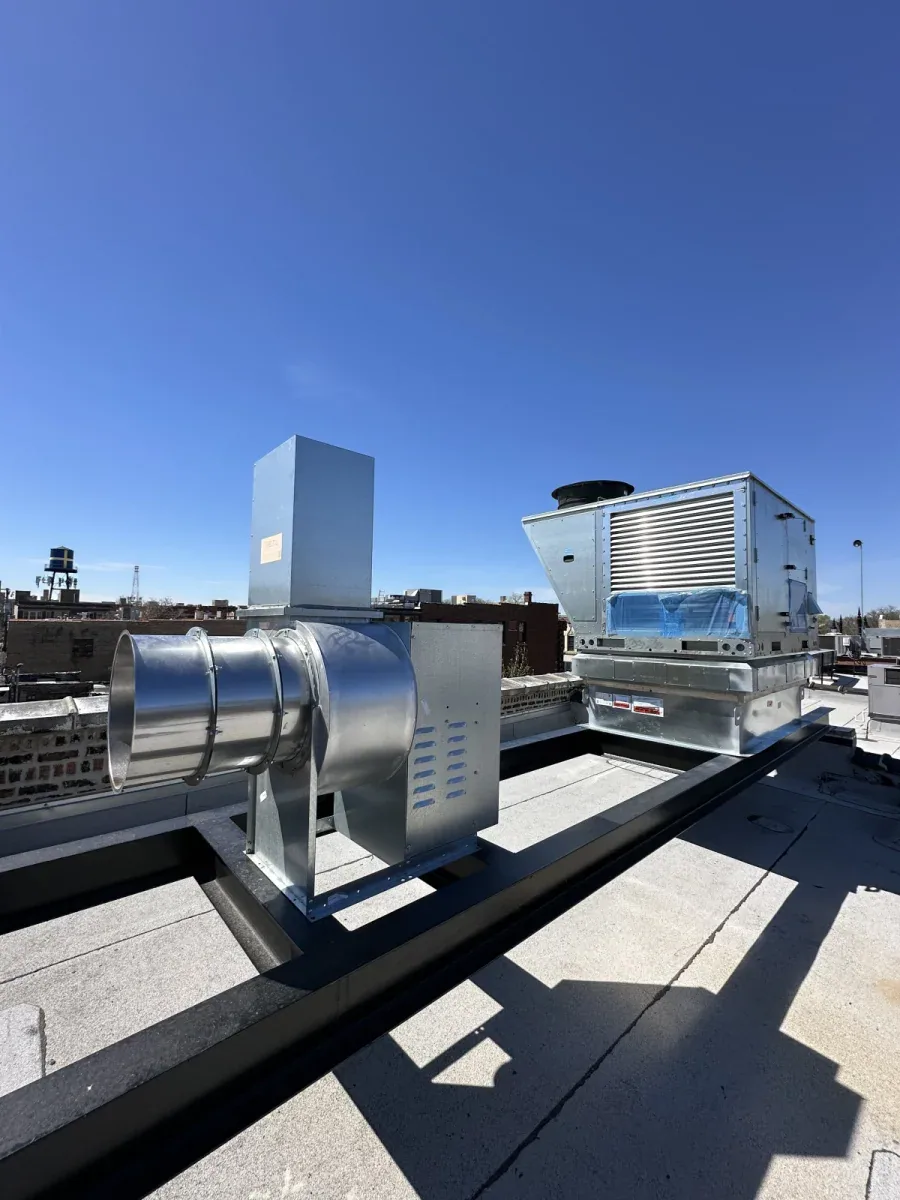
On a roof, equipment work needs similar coordination. Exhaust fans and rooftop units may serve temperature-sensitive storage or active production. We confirm shutdown authority and protect duct openings before disturbing curbs or supports. A curb and support review can separate roofing work from mechanical adjustments that belong to another trade.
At shift end, we secure materials, clear drains and close any exposed edge. If weather or a hidden condition reduces the planned work window, we finish the dry-in before opening another section. A leak that threatens inventory can receive emergency attention at night, on weekends or over a holiday, with temporary protection while permanent work is set.
Use Findings to Set the Next Work Order
A useful warehouse roof record names the building, zone, drain or detail, and work completed. Photos show where the condition sat in relation to a roof hatch, equipment line or parapet. We distinguish urgent repairs from maintenance items and identify any concealed condition that needs testing. That format helps facilities staff plan work around inventory and compare follow-up photographs with the original location.
Inspection timing and repair cost depend on roof area, access, assembly, lift requirements, insulation condition and whether operations must be staged by bay. A clogged outlet and a failing deck are different scopes. We explain the evidence and repair boundary before expanding work, then identify any production or delivery window that affects timing. A roof condition report can carry those observations into capital planning, while a roof visit near Otay River Business Park can be scheduled around its Main Street, Fourth Avenue and SR 905 connections.
Share the building, roof plan, leak locations, receiving hours and access contact. We will inspect the affected zones, identify the water path and set a repair sequence that keeps the warehouse's operating routes clear.