Plan for the Building in Front of You
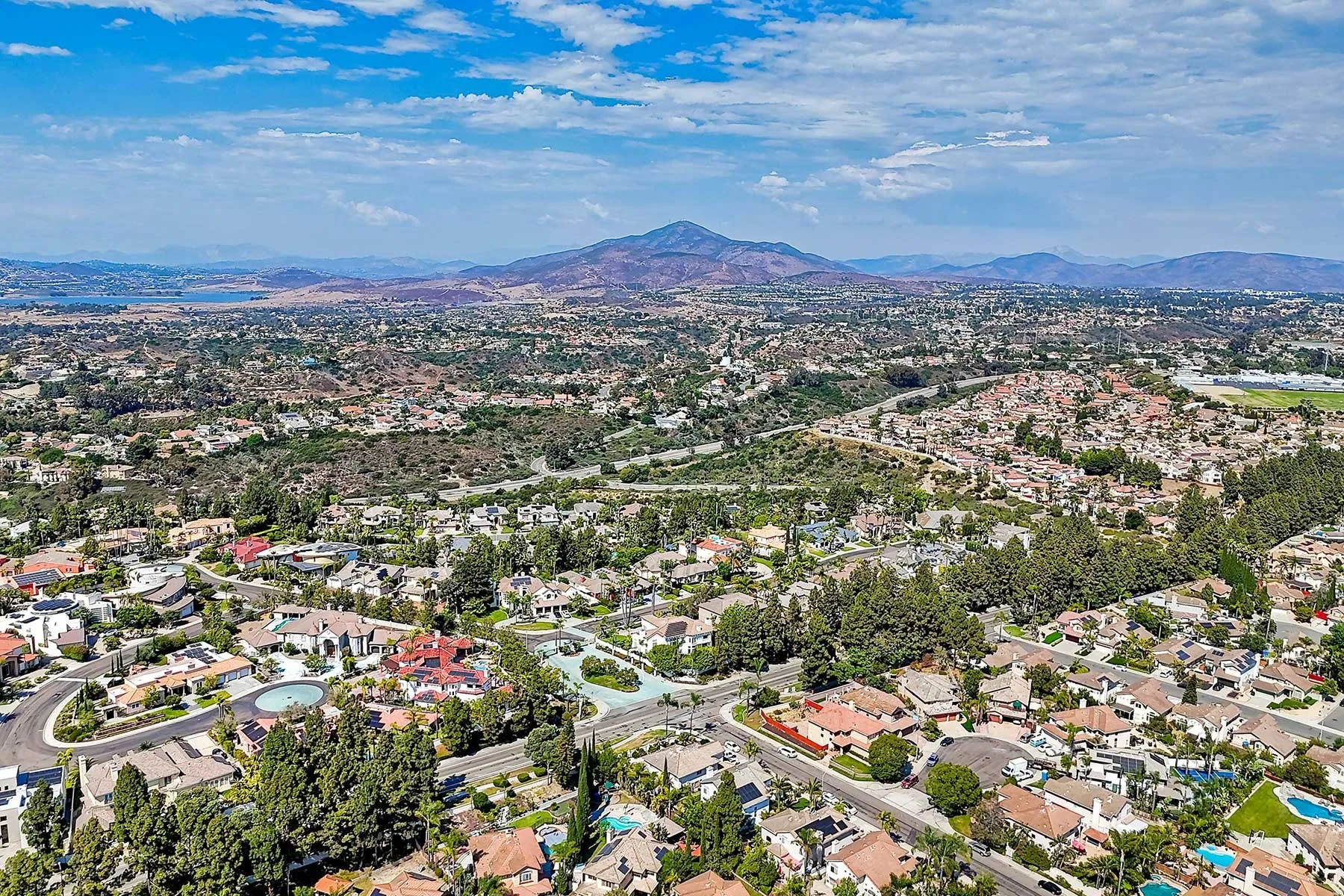
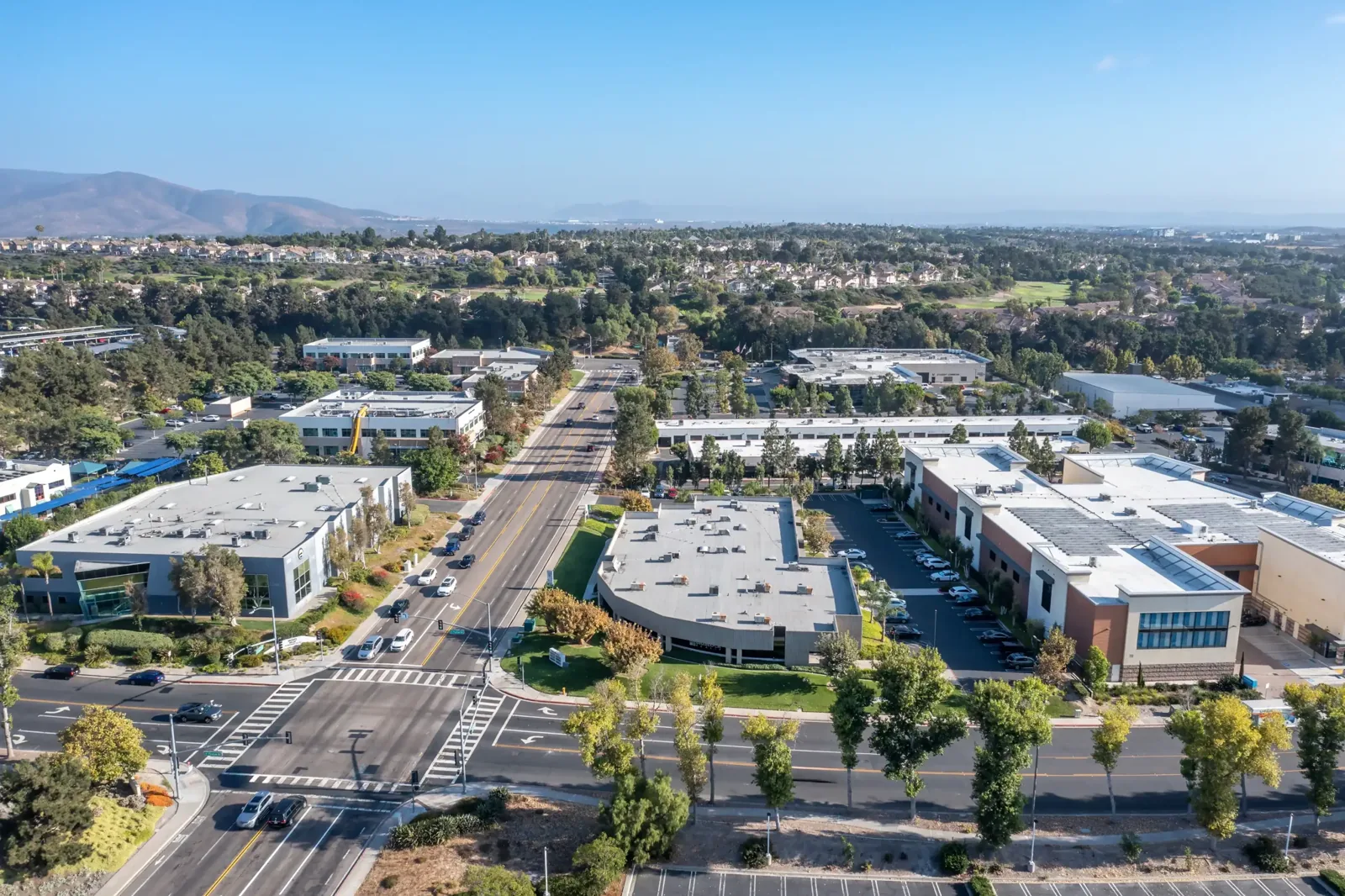
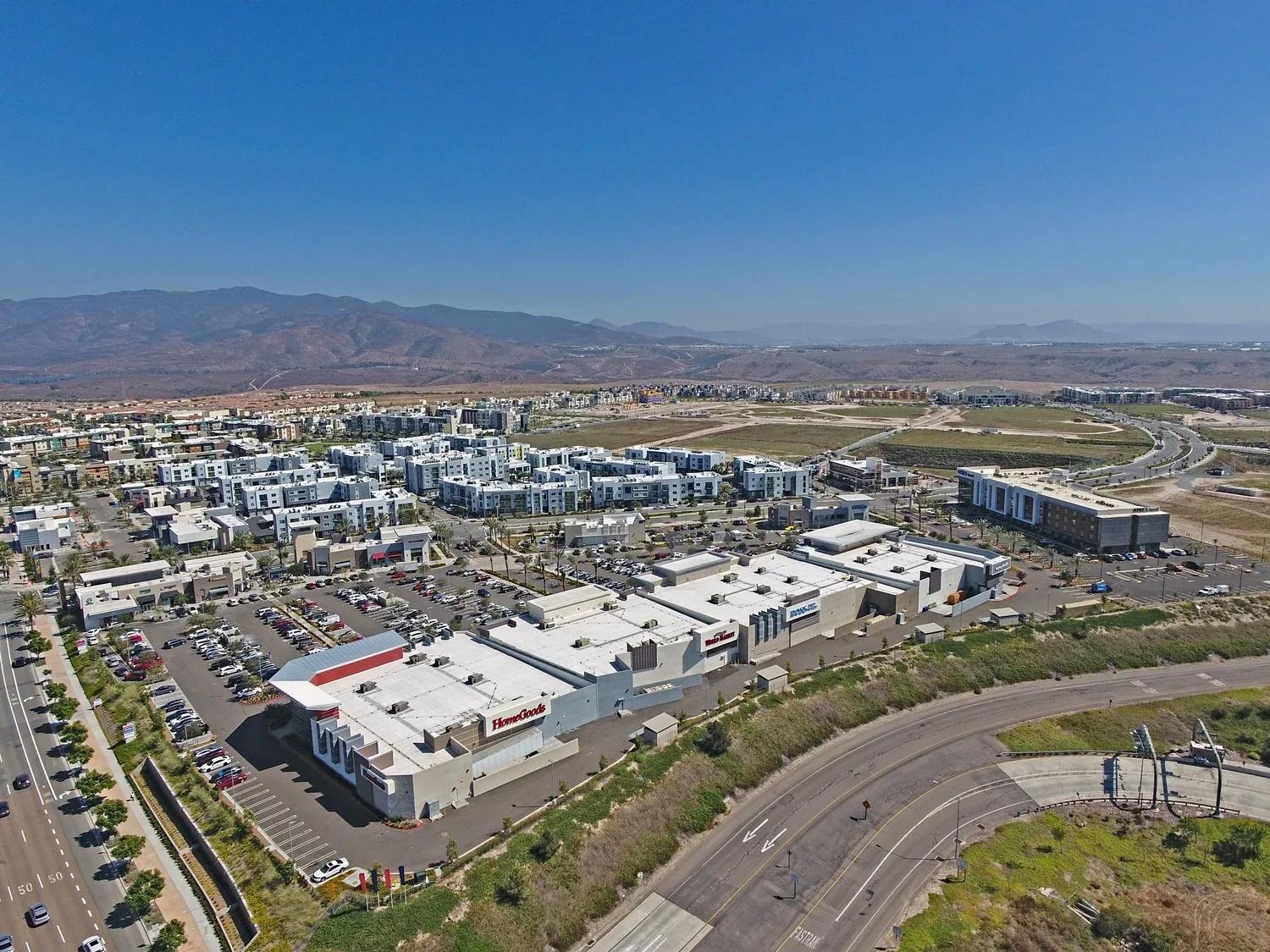
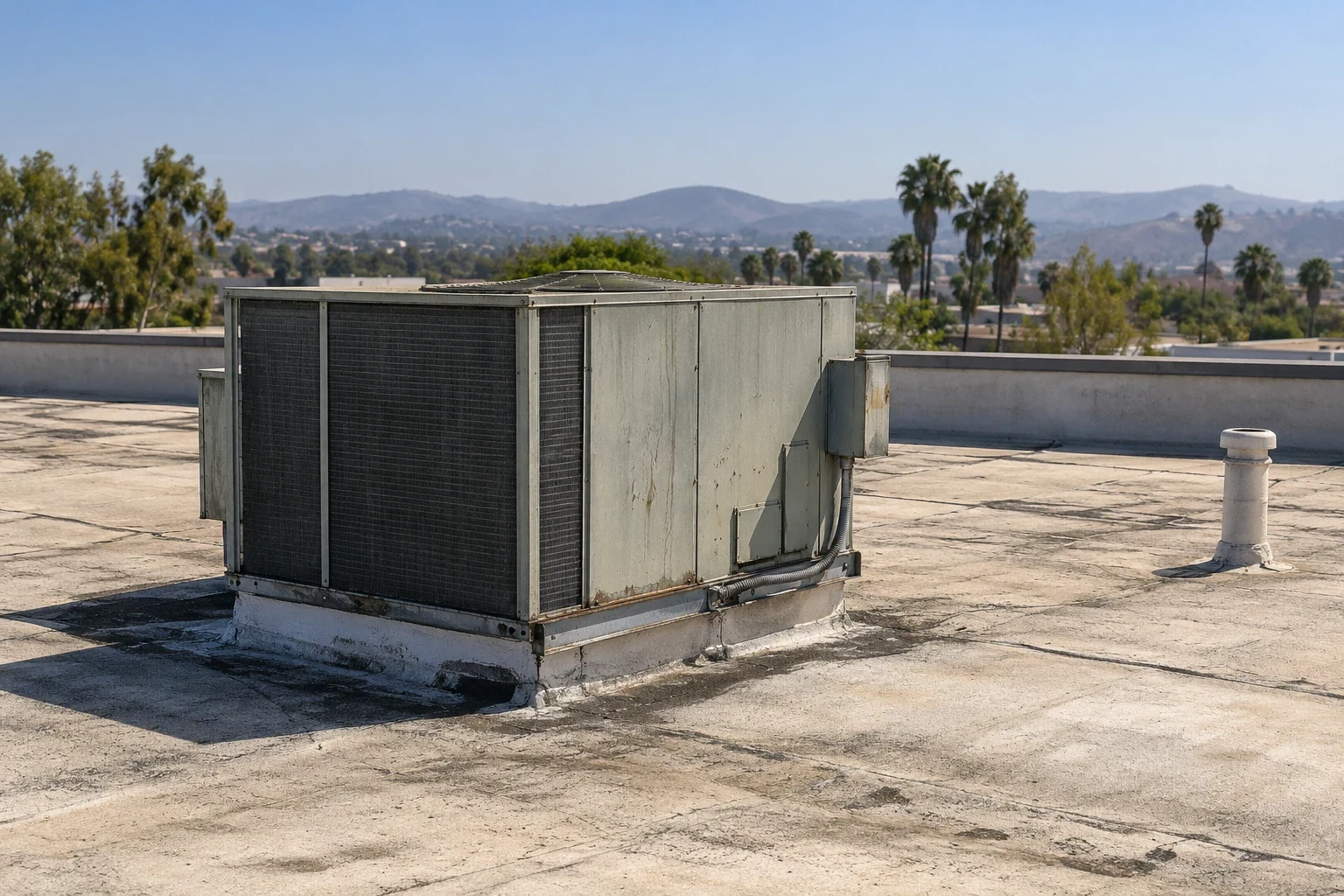
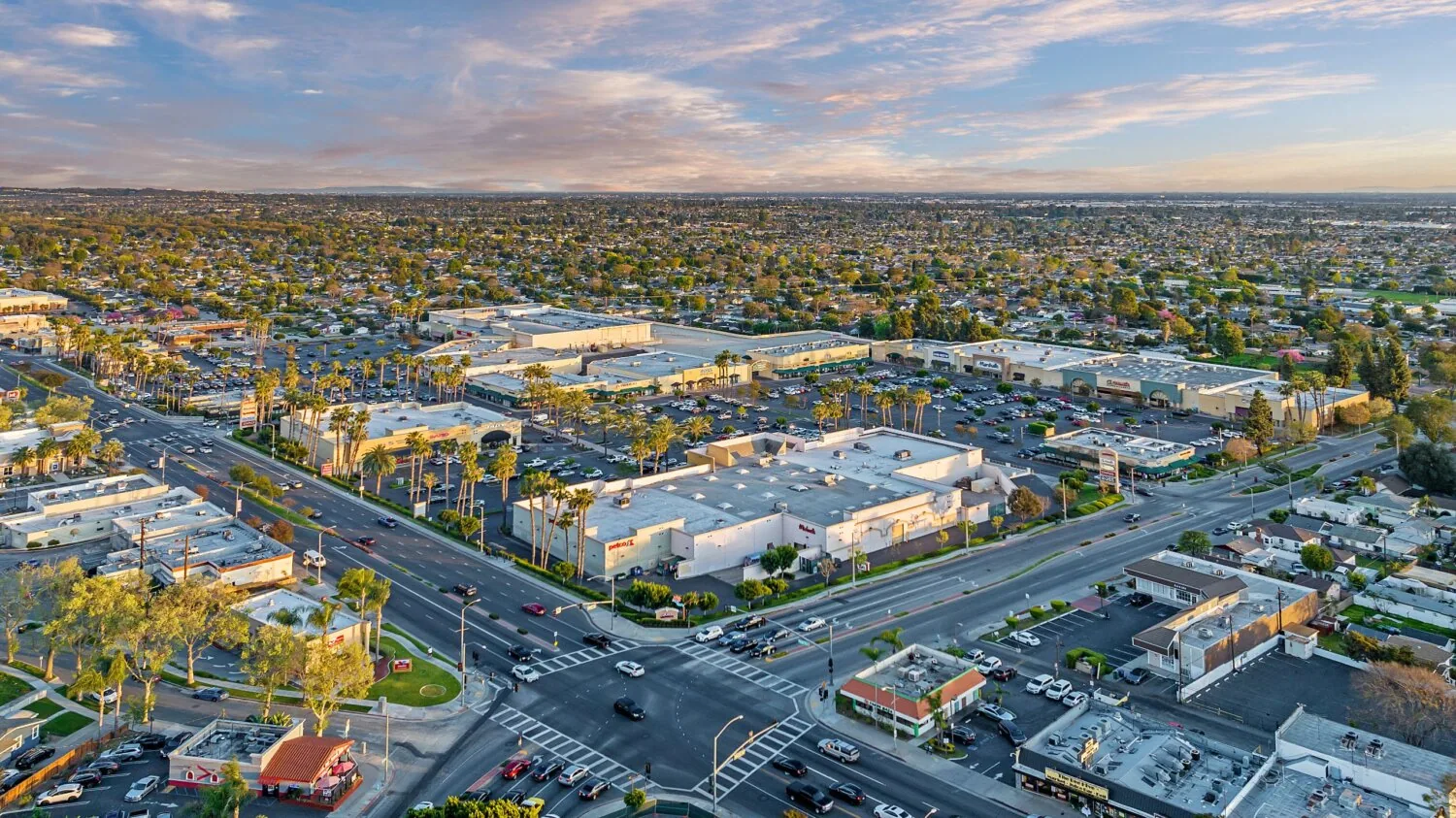
Otay Ranch is planned as 11 urban villages across a broad area east of I-805, with residential, commercial and employment designations. Village cores combine commercial uses with parks, schools and planned pedestrian and transit connections. Those uses can bring different access and work-hour needs, so we inspect each building and confirm its membrane, roof levels and service routes before recommending repairs.
For a retail or office property, access may depend on tenant hours, customer entry and equipment deliveries. At a facility with a service yard or active mechanical equipment, the roof route can be tied to a different operational window. We confirm roof hatches, ladders, escorts and staging points with the property contact, and identify who can authorize a temporary closure or interior protection below an active leak.
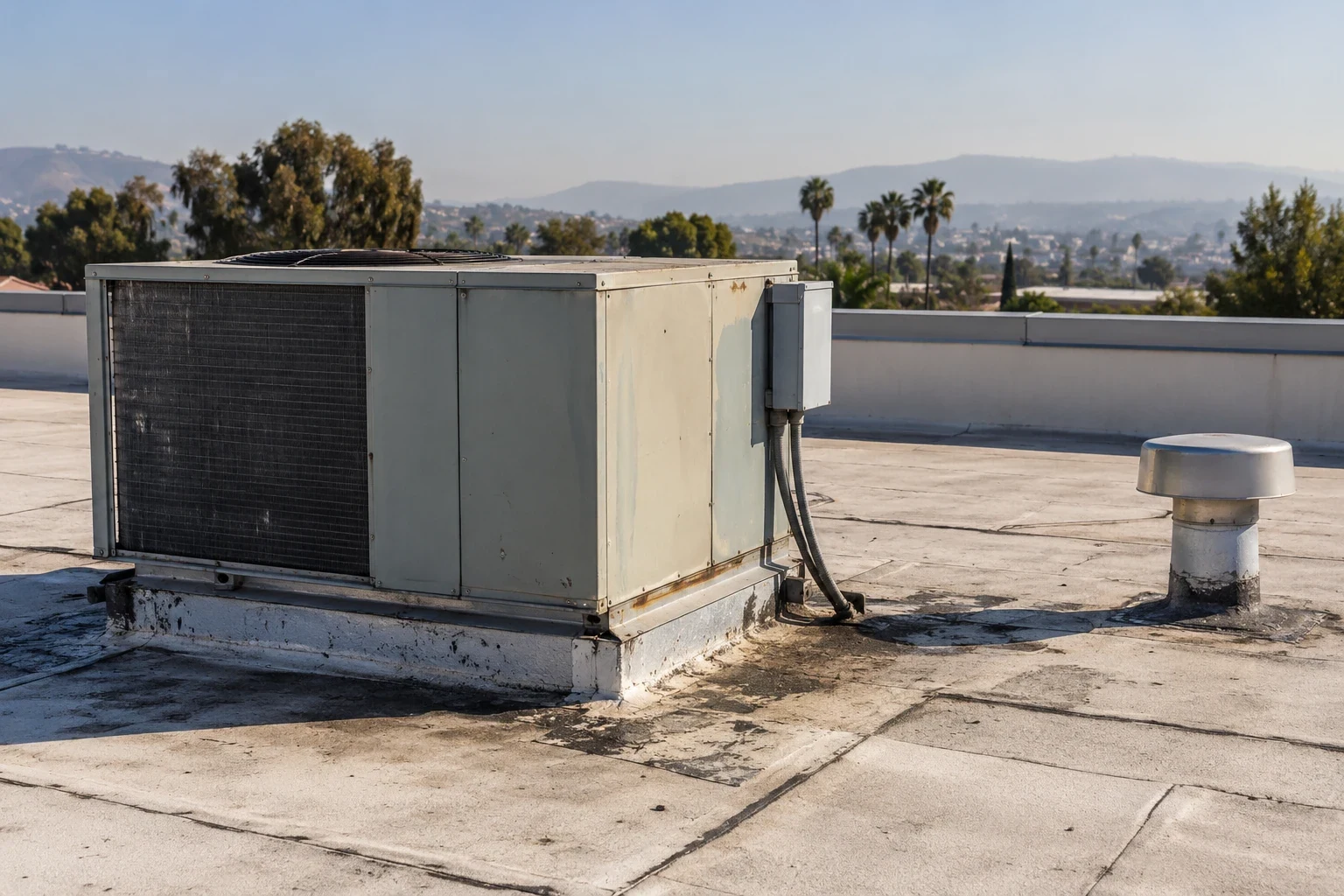
If water appears inside, we compare the reported location with the roof slope, parapets, equipment curbs, seams and drains. The stain may be distant from the opening. A leak investigation can trace the path and establish whether moisture is limited to a local area. We can use a suitable survey or controlled opening when the hidden layers affect the repair decision.
Inspect for Heat-Related Movement and Seasonal Water
Chula Vista's inland areas can see hotter dry-wind periods than the coast. Dry easterly winds bring temperatures in the 90s and sometimes higher to eastern San Diego communities, with many 90-degree days in September and October. On the roof, we inspect sealants, exposed fasteners, membrane laps and metal edges for actual movement or brittleness rather than assuming heat caused a leak.
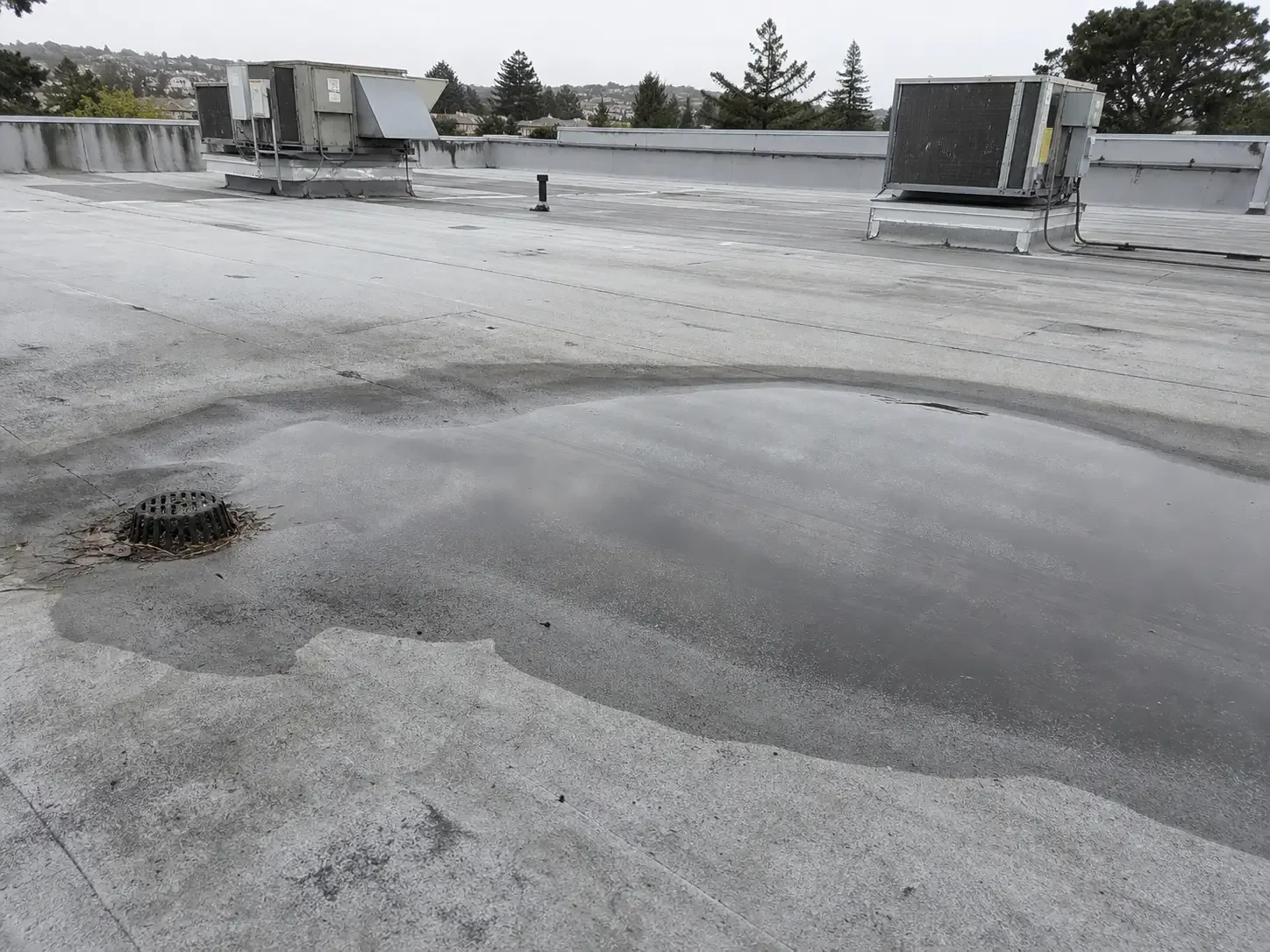
Most San Diego-area precipitation falls in winter, while seasonal totals vary. A small opening that stays dry during summer can admit water once winter rain reaches an unsealed lap or transition. We check the affected area for ponding, clogged outlets and stains below the membrane, then determine whether the work can proceed during the current weather window. If the surface is wet or the forecast closes the installation window, we may secure a temporary dry-in and return for the permanent tie-in.
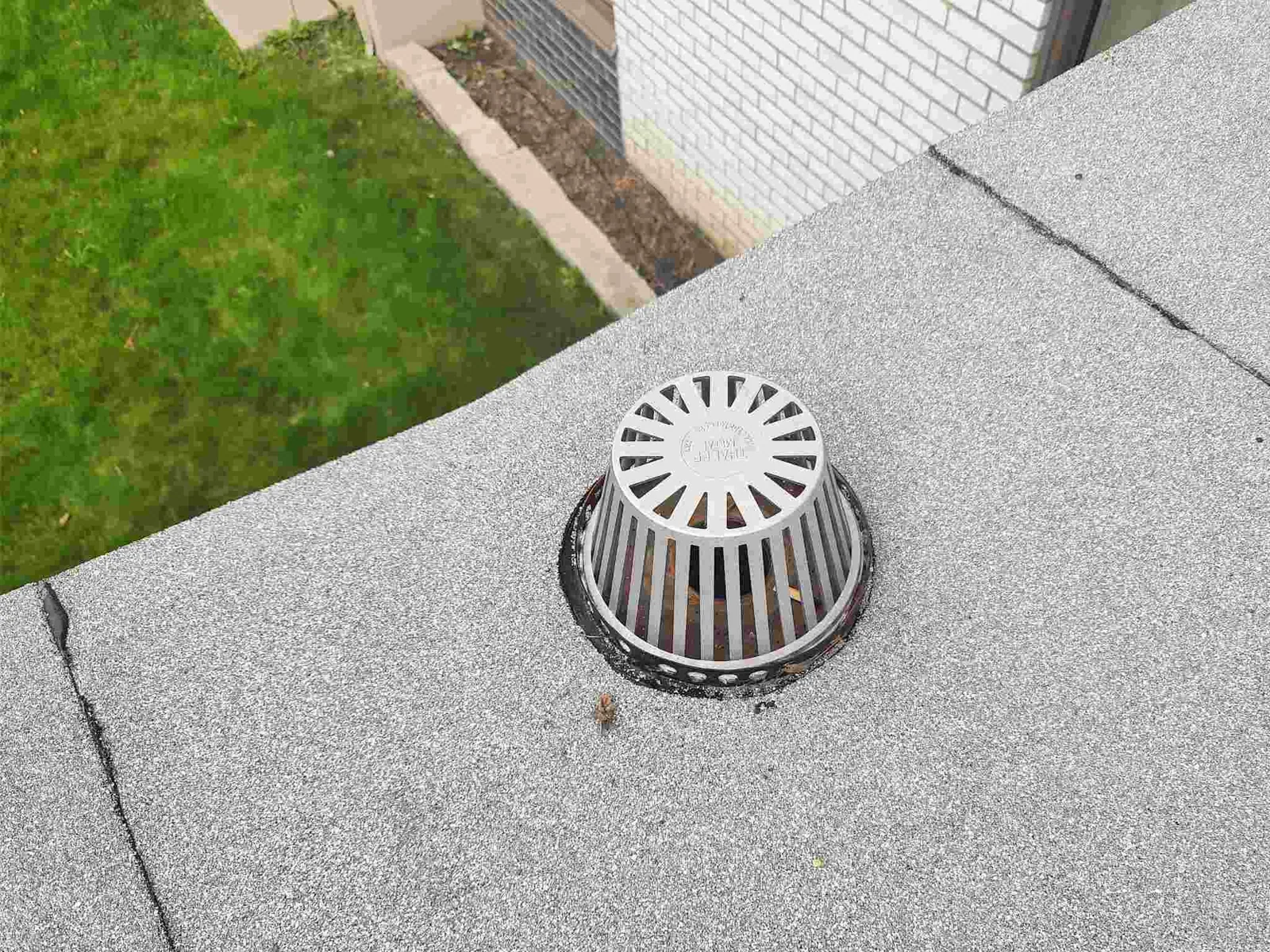
Drainage issues can compound a seam failure. We inspect drain bowls, scuppers and overflow paths, then distinguish debris removal from a slope or insulation correction. Drain and scupper service can restore a clear outlet, while ponding-water repair addresses persistent standing water. The repair record keeps those items separate so the owner can see which condition each part of the scope addresses.
Choose a Repair That Can Tie Into Sound Material
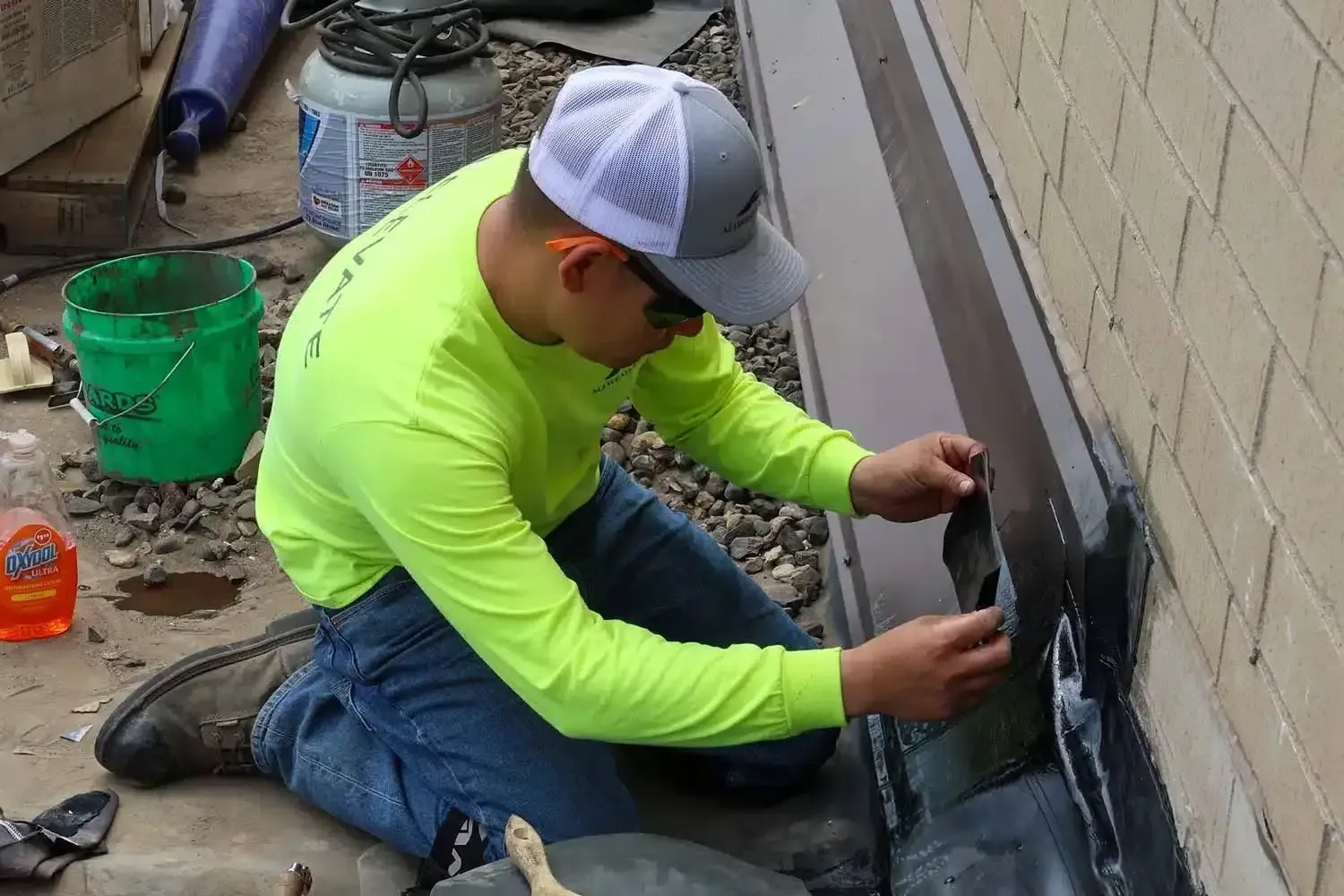
System identification comes before patch selection. TPO, PVC, EPDM, modified bitumen and metal roofs use different seam and edge details. We inspect any old patch, coating or sealant at the failure, then prepare the surface so new material bonds to a stable area. A membrane patch must extend beyond the split; a metal repair must secure the panel without blocking its movement. Applying generic sealant over a wet or loose edge can hide the leak without restoring the connection.
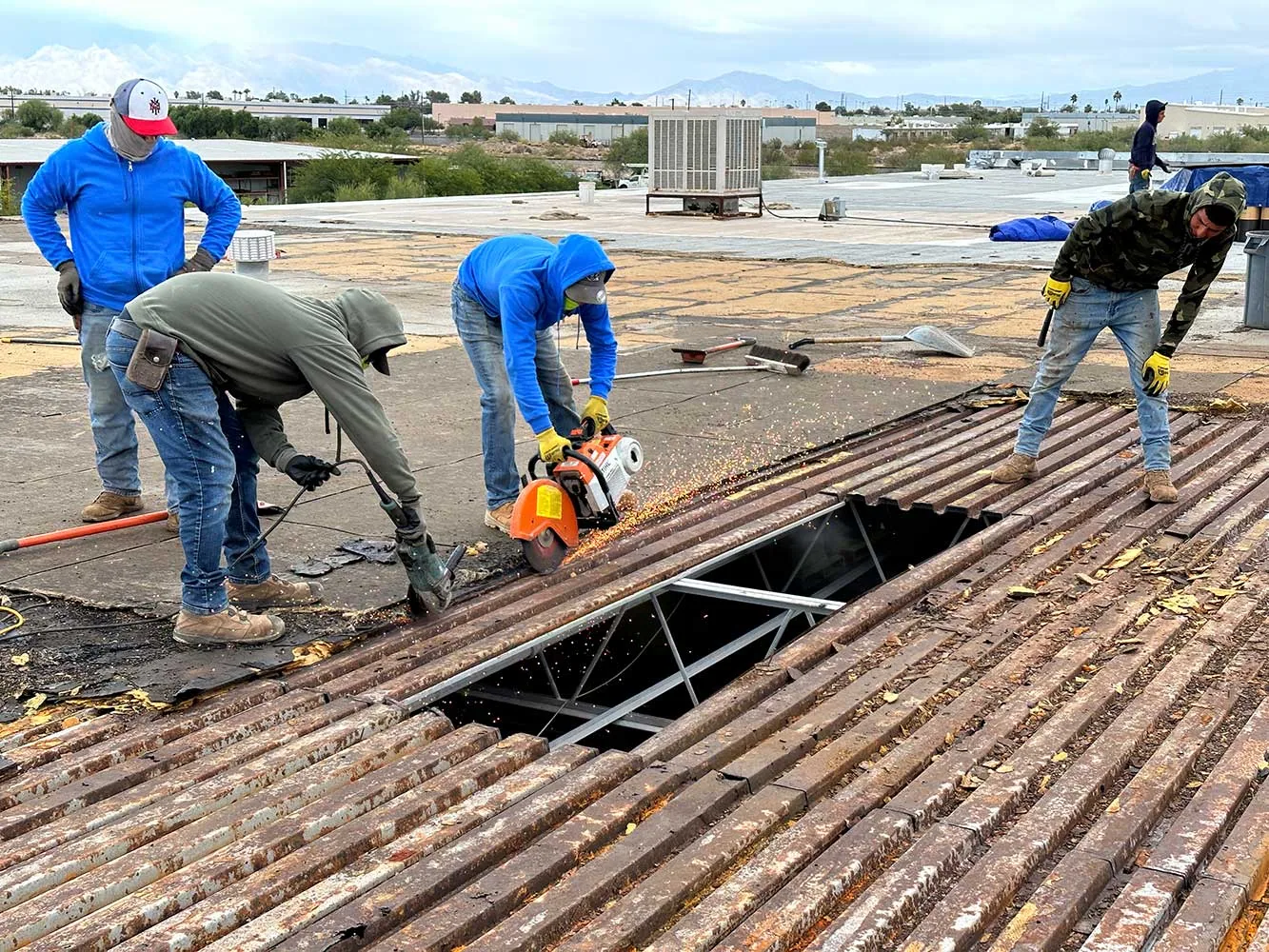
If the insulation is wet or the deck has softened, the repair boundary may need to reach beyond the visible defect. We explain how a controlled opening would confirm the layers before removal begins. If damage is confined and the adjacent roof is dry, a local repair can be appropriate. Repeated leaks, brittle membrane or widespread moisture can support a broader restoration or replacement plan. A commercial roof repair scope identifies the observed condition and separates it from optional follow-up.
Cost and timing depend on roof access, height, system compatibility, material staging and concealed damage. A lift, tenant restriction or rooftop shutdown can change the work sequence. We review those drivers with the property contact so the plan is realistic for the building's operation. A broader replacement assessment can compare a local repair with a larger project when repeated patches no longer fit the existing assembly.
Coordinate Access Across the Work Window
When a roof is above an occupied building, work sequencing matters as much as the patch detail. We confirm access and protection below before cutting out wet or failed material. If a tenant area, school operation or customer entrance sits beneath the work zone, the site contact can identify hours when noise or overhead work should be limited. A crew should leave each opening secure at the end of a shift, even if another trade must finish its part later.
A sudden roof opening that puts interiors or equipment at risk can be addressed overnight, on weekends and through holidays. We can secure a temporary dry-in when the roof and attachment points are safe to reach. Temporary dry-in limits immediate water entry; a compatible permanent tie-in follows when the roof and weather conditions are ready. We document the protected area and schedule the compatible tie-in once material conditions allow it.
Facilities serving Otay Ranch may share a broader regional portfolio with Eastlake or Millenia. A consistent roof-zone naming method helps compare service records across buildings. We still inspect and confirm access at each property. Before a visit, we confirm the building contact, roof entry, equipment restrictions and material drop location.

Set a Practical Follow-Up Point
At the end of repair work, we inspect the tie-in, edge details and nearby drainage. Photos show the repair before and after preparation, and the record identifies the roof zone, materials and any condition left for further review. If testing or deck access remains necessary, we state what decision it will answer. This lets the property team distinguish completed work from an open question.
A building with previous leaks may benefit from a return visit after the next rain or maintenance cycle. We can check whether the repair stayed bonded and whether the same drain, curb or seam shows movement. If another leak appears, comparing the same marked zone helps determine whether it followed the old water path or came from a separate detail.
For a property group, roof condition reporting can carry repair findings into budget planning. Preventive roof maintenance can revisit accessible seams, drains and roof edges before seasonal rain. A nearby Otay Mesa roof visit can use the same clear record format while keeping its conditions separate from the Otay Ranch building.