Map Where the Pool Starts and Ends
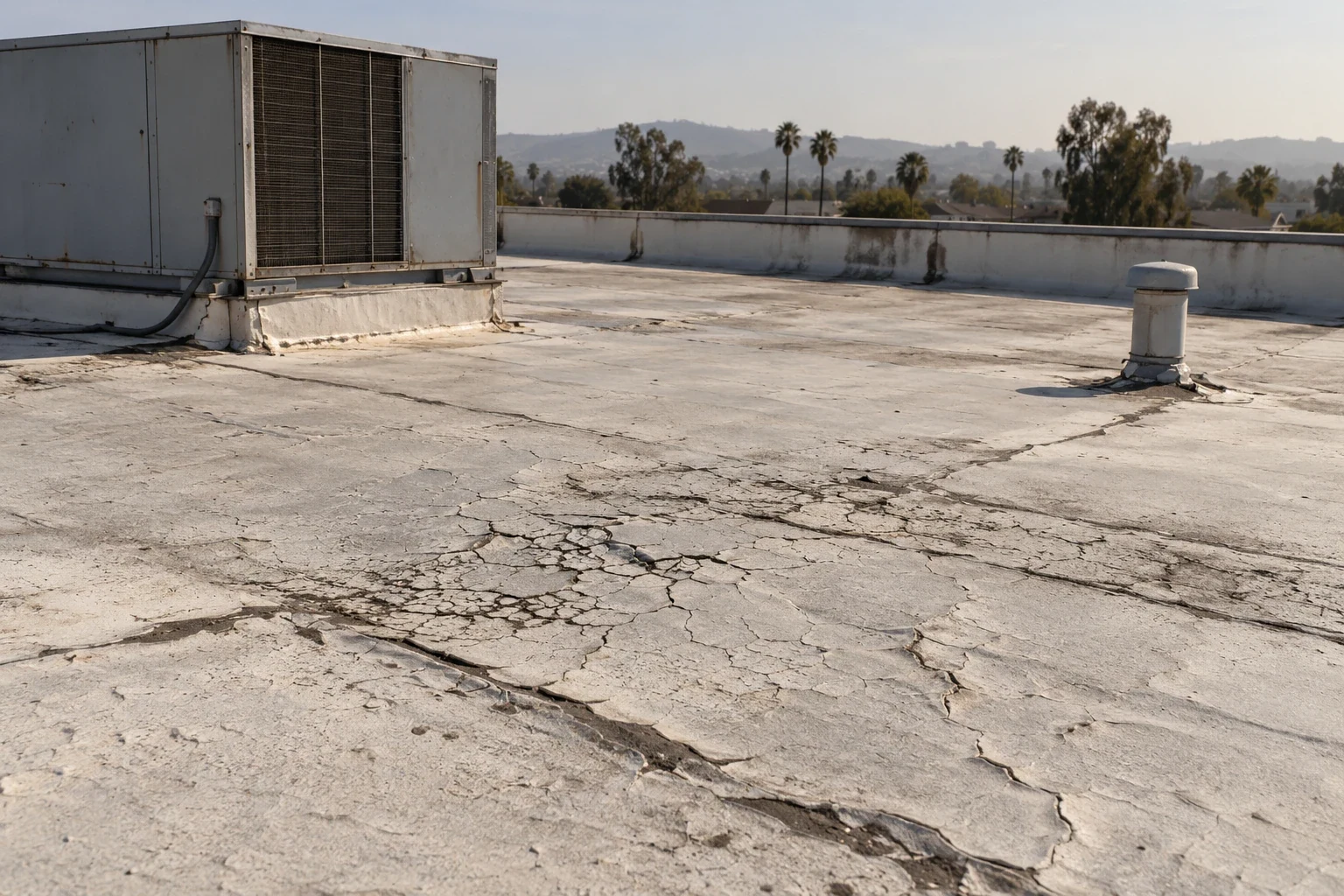
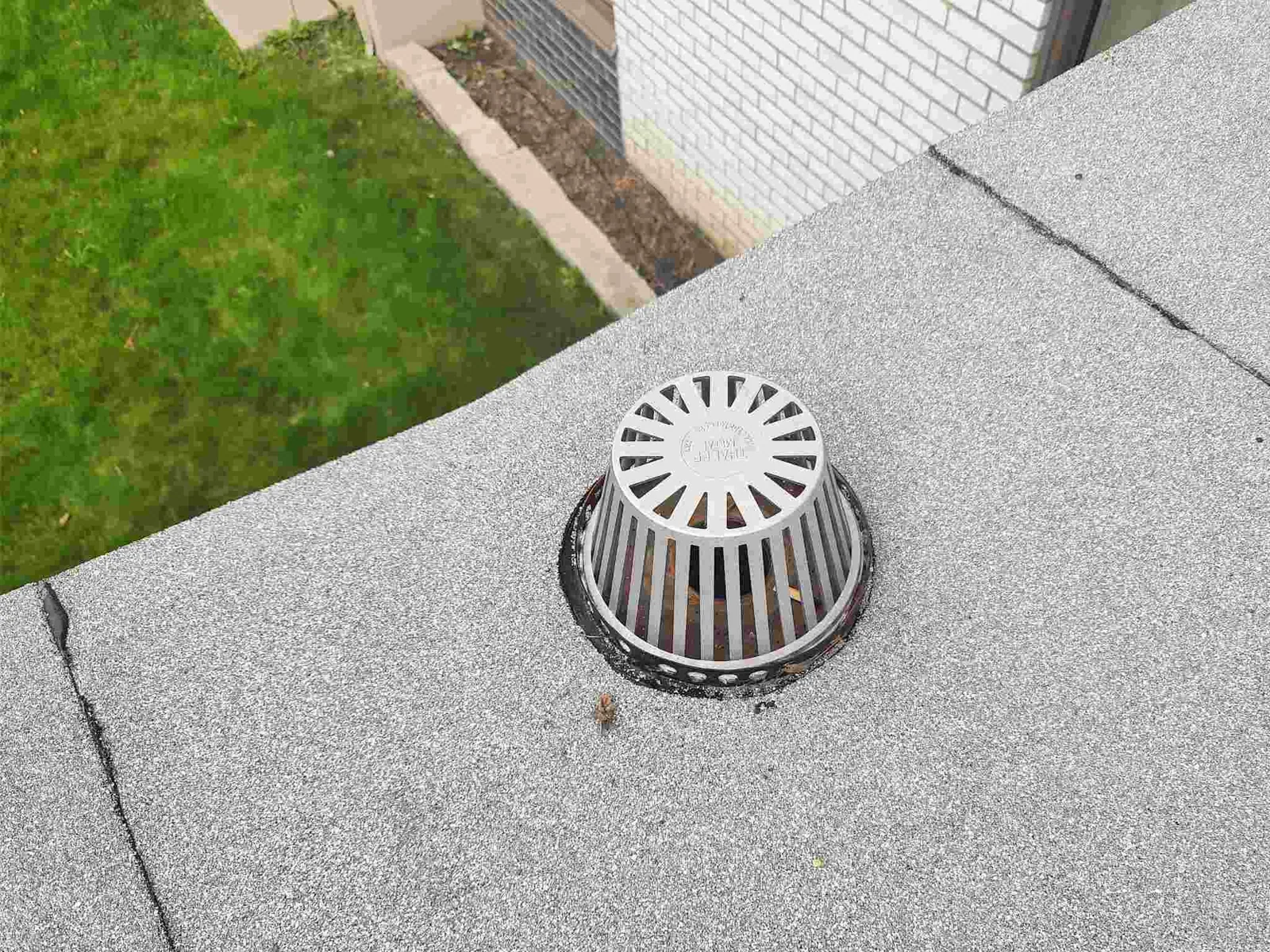
We record the water boundary in relation to drains, scuppers, curbs and roof edges. A pool may sit in a depression even while runoff reaches the bowl. We check the strainer, overflow and bowl height. Water can remain if insulation or deck has settled away from the drain.
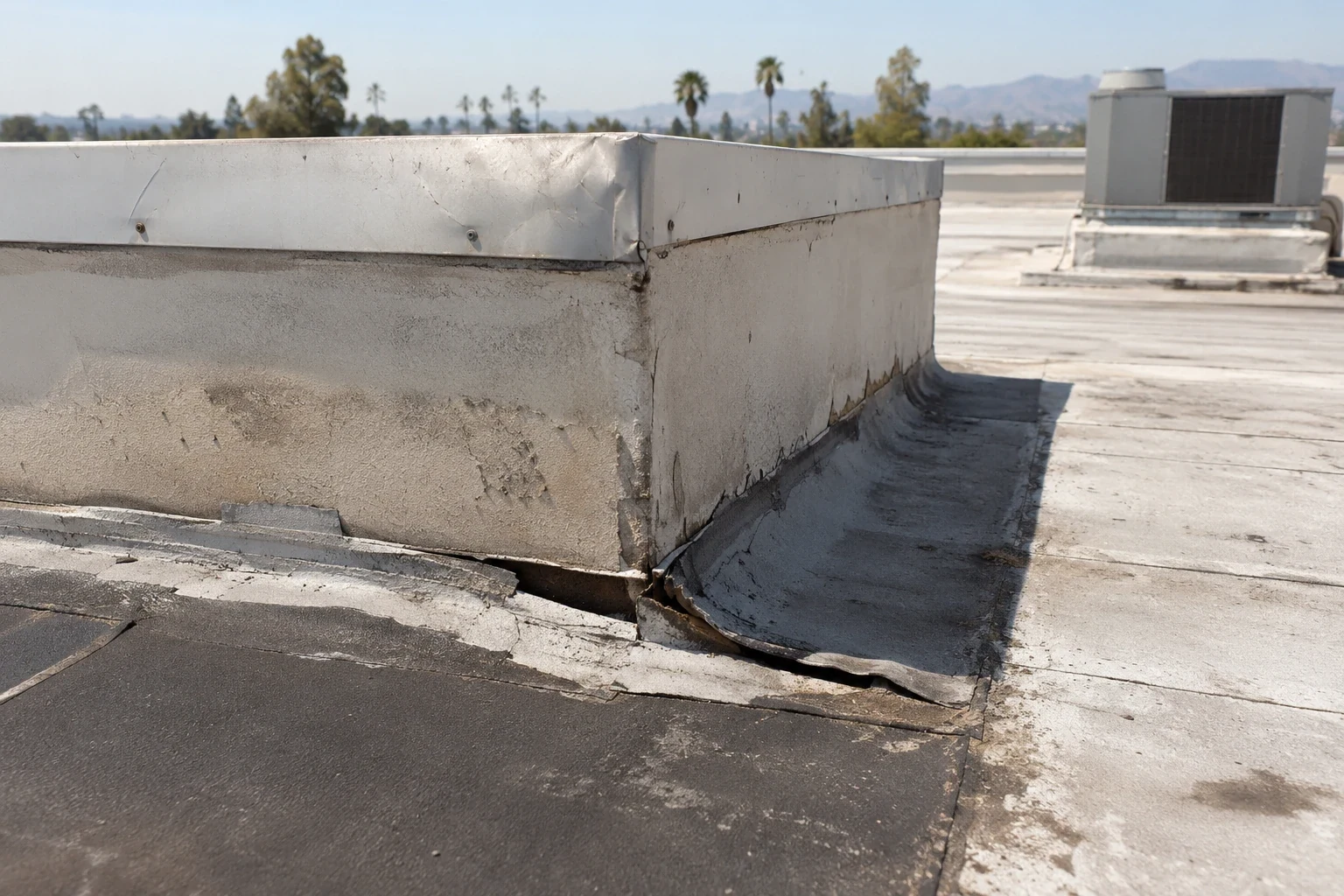
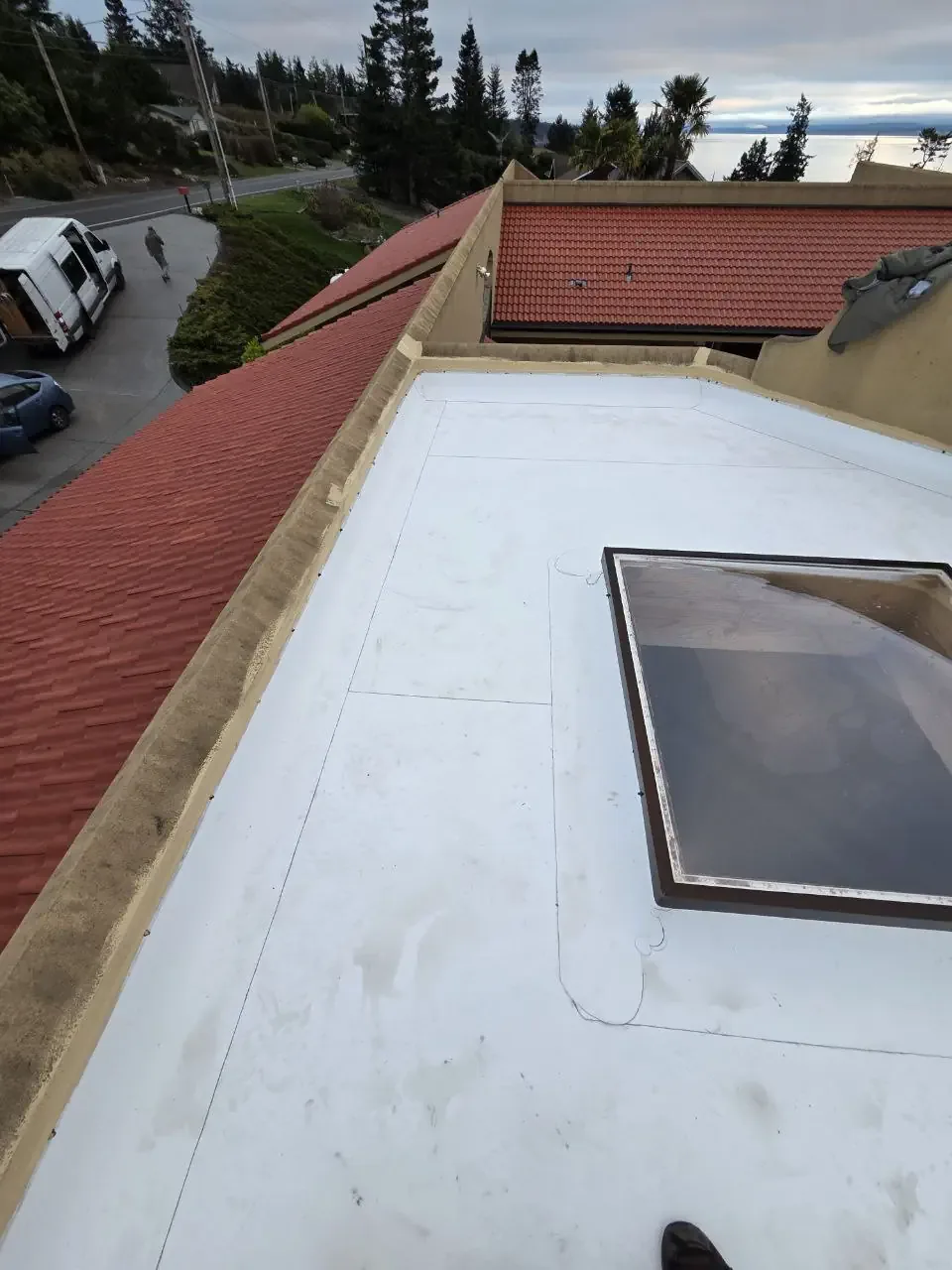
We check whether water reaches seams or flashing. A raised patch can hold runoff against a detail; repeated wetting can weaken adhesion or expose a gap. Photos after rain, compared with a dry visit, show whether a depression persists or appears only during a storm.
Most San Diego-area rain falls in winter, though totals vary. One dry-weather visit may not reveal a slow drainage pattern. We mark low spots by drain, slope break and maintenance history instead of describing the whole roof as ponded.
How long water remains matters as much as whether it is present right after rain. We ask when the pool was first seen and whether it shrank as the roof dried. A persistent outline at the same location points to a different investigation than water that recedes after debris is removed. We compare those observations with membrane seams, drain height and roof plans. If the roof’s low point is not visible from the access route, a marked measurement or follow-up visit can make the condition easier to compare.
Look Beneath the Surface Before Adding Slope
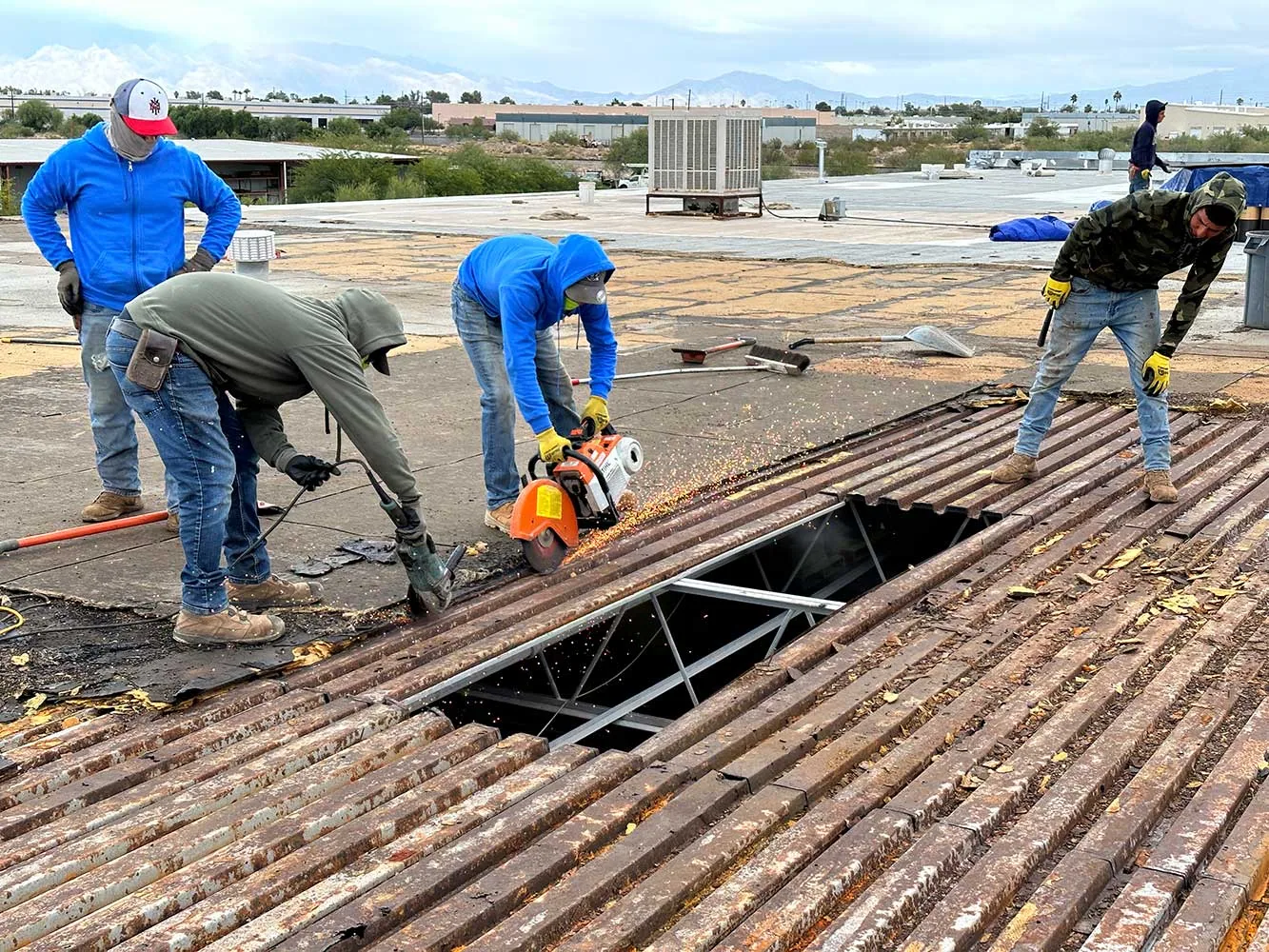
Standing water does not show why a roof is low. We inspect the membrane, insulation and visible deck, then decide whether a survey or opening would help. Tapered boards over wet insulation can trap moisture; a soft deck or deflected framing may need evaluation before roofing work. We identify what is visible and what remains unconfirmed.
At a drain, we inspect the clamping ring, membrane cut and sump. A rebuild or height change must preserve the waterproof tie-in. At a scupper, we check the opening, wall membrane and discharge path. An overflow only helps when water can reach it and it sheds away from vulnerable details. Drain and scupper work addresses an outlet defect; infrared review can help focus inspection when conditions allow.
Concealed moisture can spread beyond the pool boundary, so a ceiling mark may appear downstream from the depression. We compare interior signs with roof geometry before opening the assembly. A roof patch will not correct deck movement.
Choose a Correction That Changes the Water Path
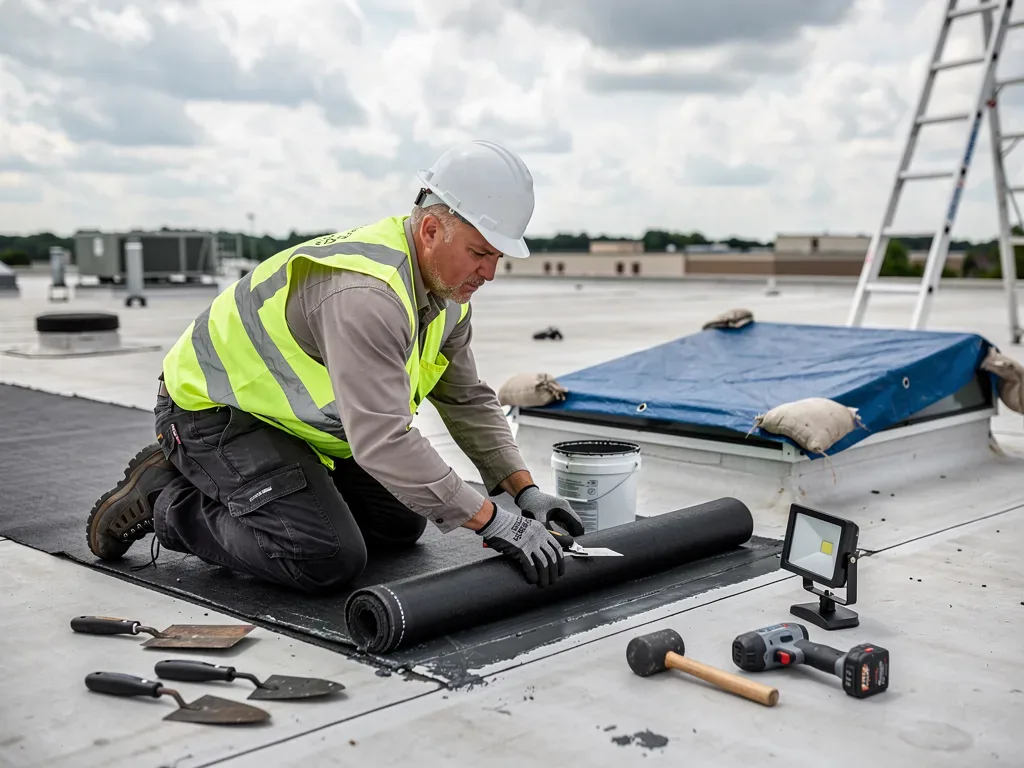
Clearing debris may restore flow when the bowl is the only problem. A high outlet or failed membrane needs a drain-detail repair. A broad low area may call for tapered insulation, laid out around curbs, parapets and perimeter heights so the correction does not create a new pocket.
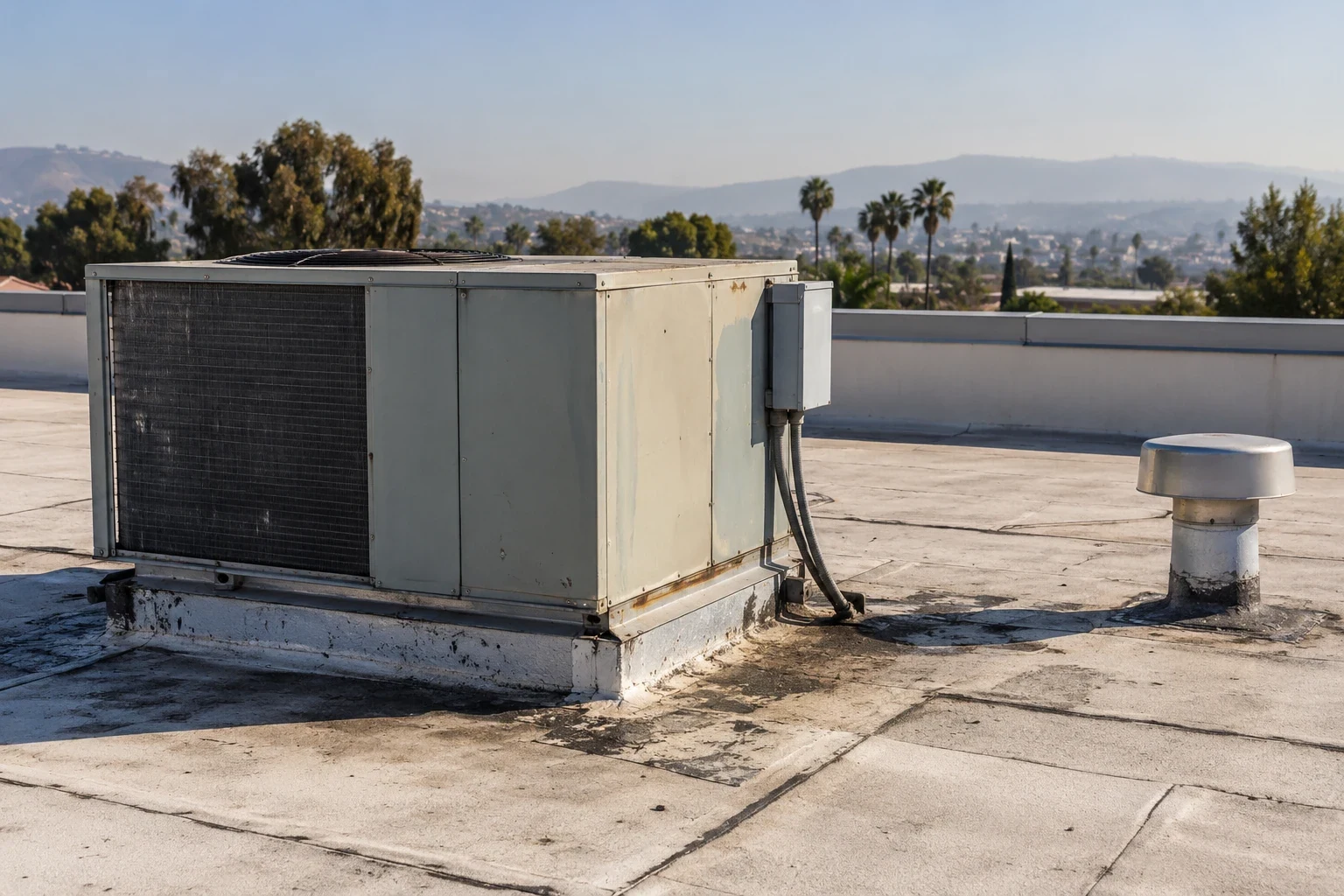
Crickets split flow around units and need a clean transition to the surrounding roof. We measure the field and map the route before ordering insulation. A single drain area may need correction without changing other roof zones. Tapered insulation can reshape a suitable field; flashing repair addresses an opened curb or wall transition.
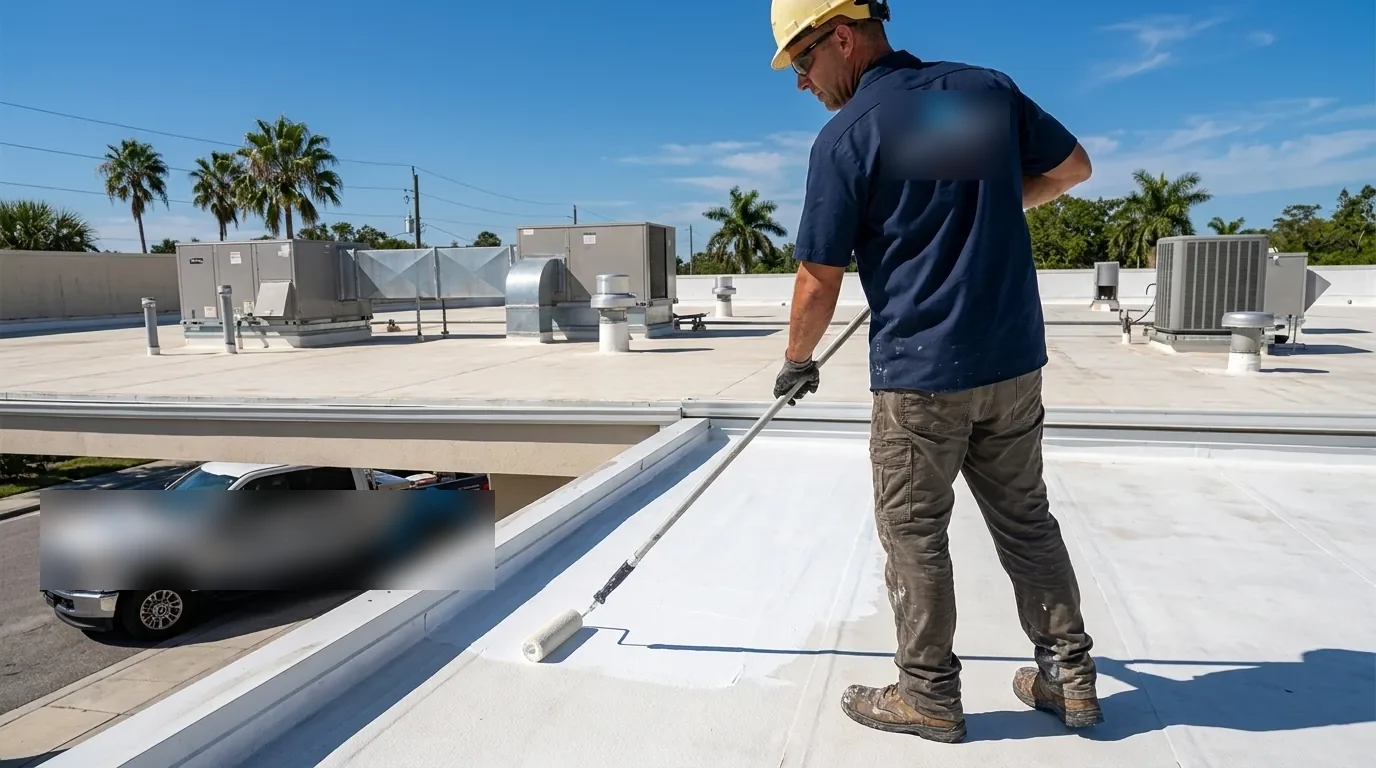
A coating will not raise a low area or stabilize wet insulation. Recover or replacement may be a better comparison when the substrate is compromised or ponding crosses zones. We explain what each option retains and what hidden condition needs testing before setting the scope.
Protect Open Work Through a Wet Season
Drainage work may require membrane removal, an outlet change or new insulation. Each opening needs a dry-in limit and rain plan. We check conditions, keep materials clear of drains and secure the roof if work pauses. Active entry can receive emergency response at night, on weekends and through holidays before permanent correction.
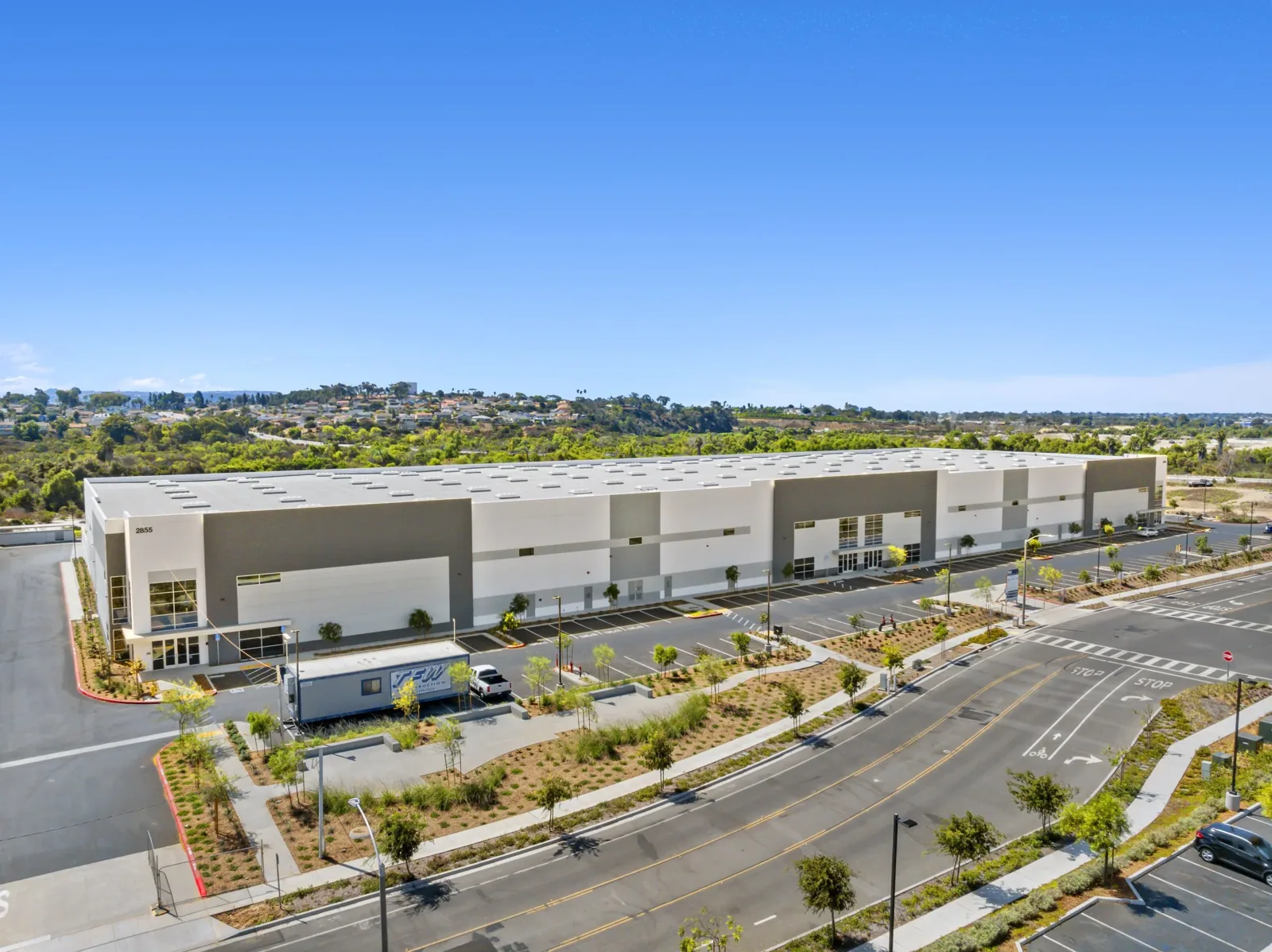
Property access affects lift and material placement. Otay River Business Park lies near Main Street, Fourth Avenue and SR 905, where truck movement can affect deliveries. We confirm roof access, gate and loading area with the property contact. A roof visit near Otay River Business Park follows the building’s access rules.
We isolate the wet zone and keep walkways clear. If insulation or deck condition changes scope, the opening is secured while the owner reviews added work. After installation, we check the outlet, overflow and membrane, then record any water remaining for observation after rain.
Track the Same Low Area Over Time
A ponding record includes a roof-zone map, outlet height, water boundary and photos. We mark wet, dry or inaccessible areas and distinguish cleaning from slope correction. If water remains after repair, we record the limits and follow-up so maintenance can compare the same location after rain.
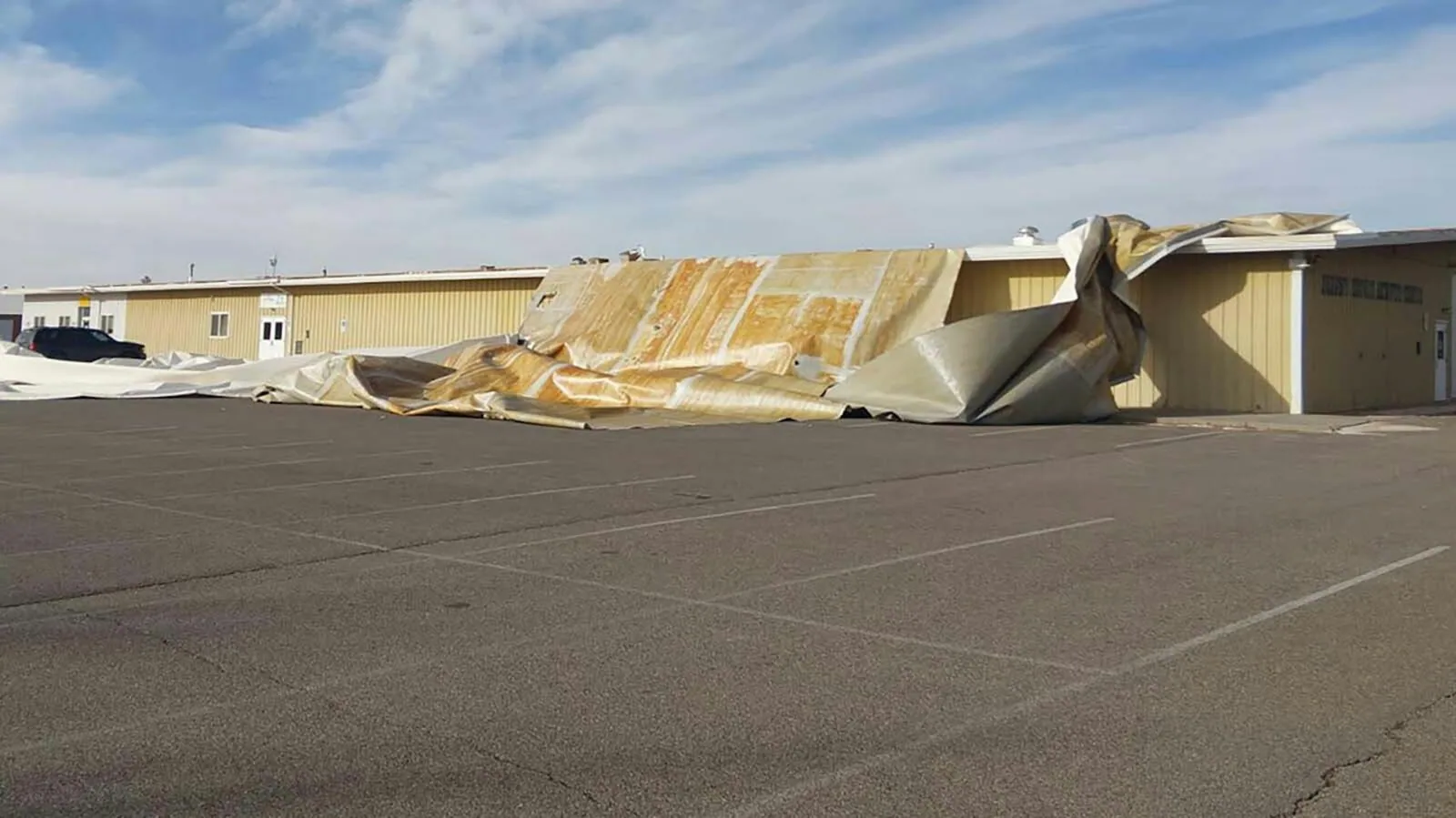
Cost and timing depend on outlet count, roof height, assembly, moisture, slope changes, access and dry-in. Clearing a strainer differs from adding tapered insulation across the field. We identify those drivers and any test that could change the work area. A roof condition report preserves the water map; a broader commercial roof repair can address related seams or flashing where evidence supports it. For wind-opened edges or laps, see wind damage repair and seam repair.
Share the building, roof zone, drain location and any interior report. We will map the pool boundary, inspect the outlet and explain which correction changes the water path.