Check the Perimeter Before the Field
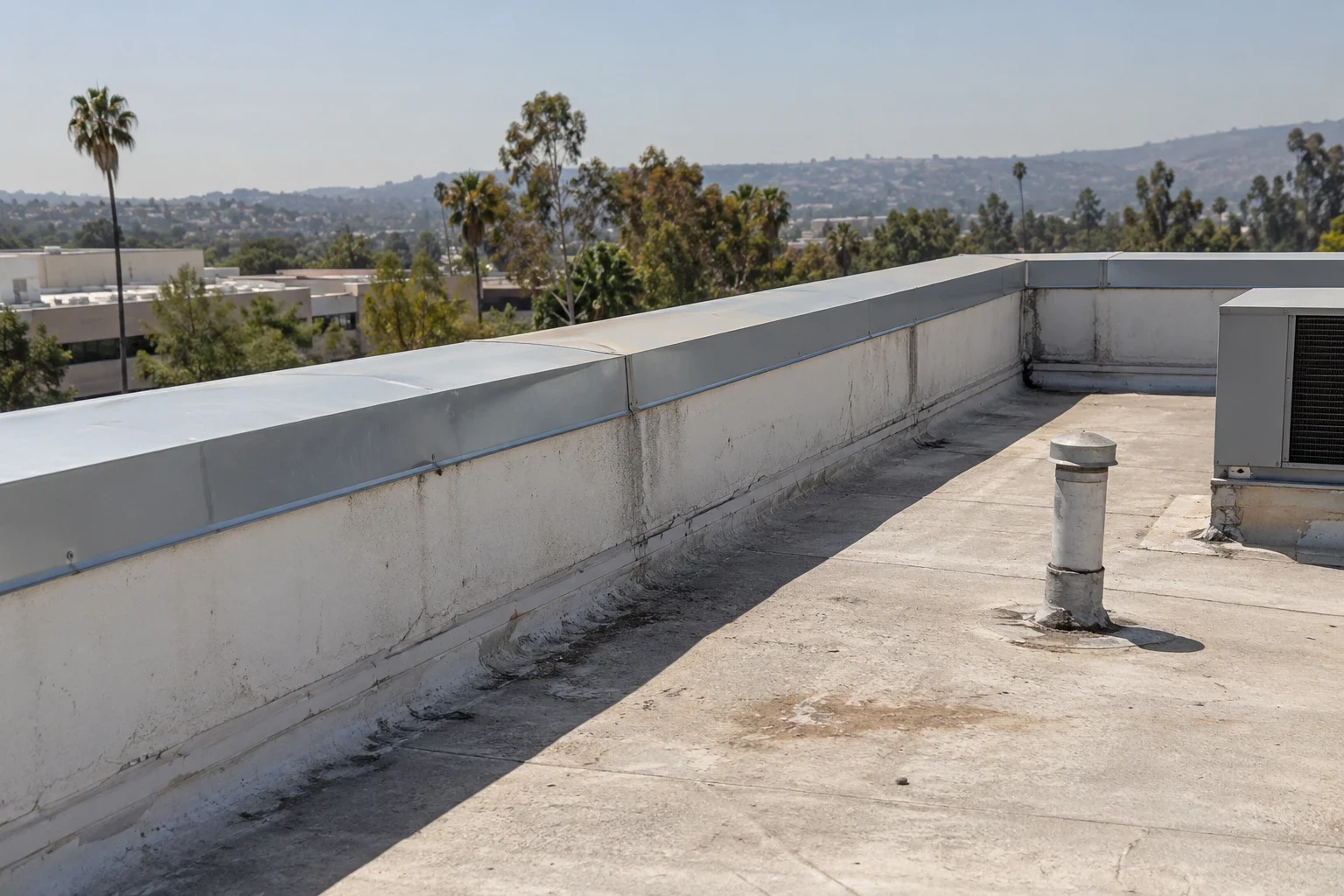
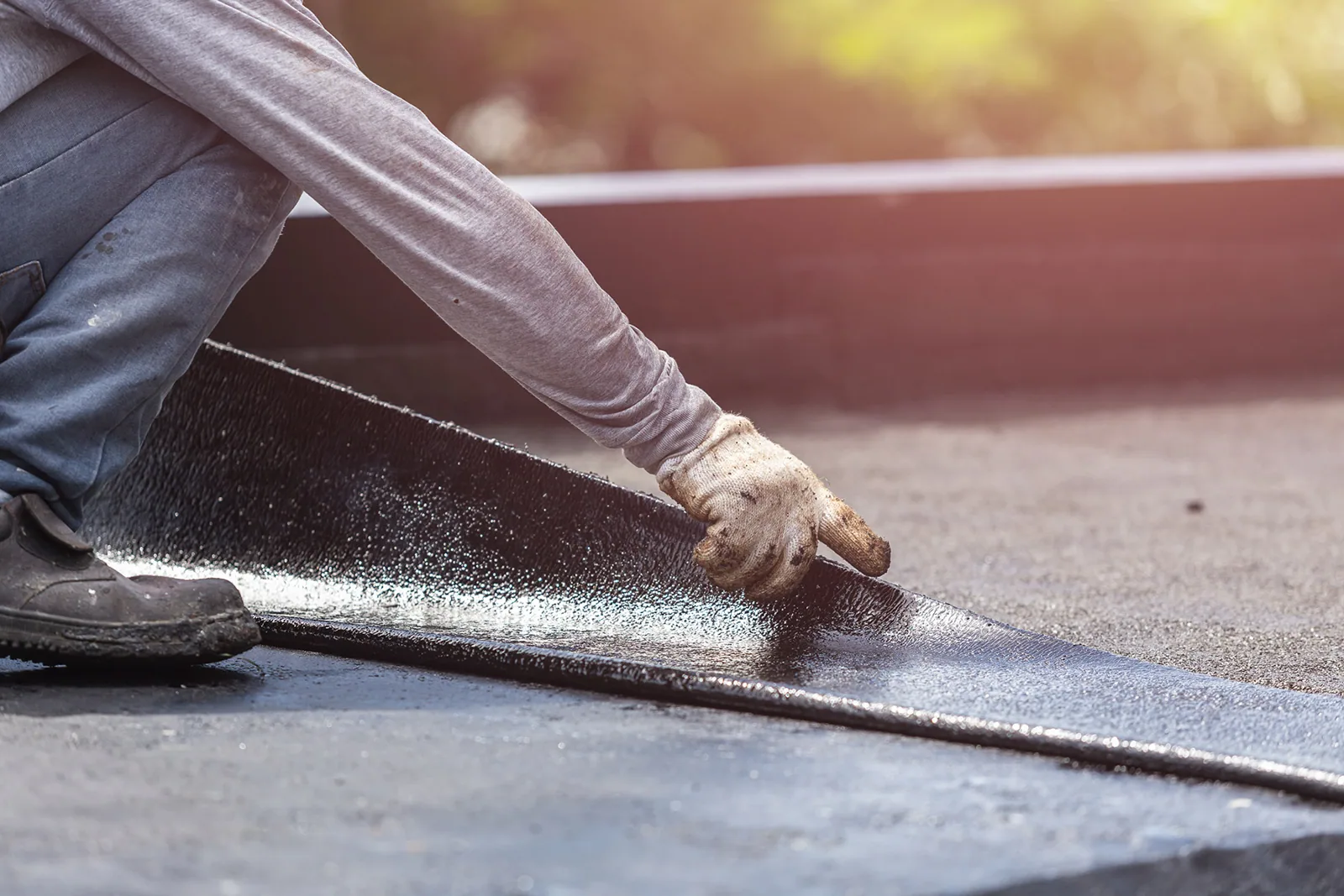
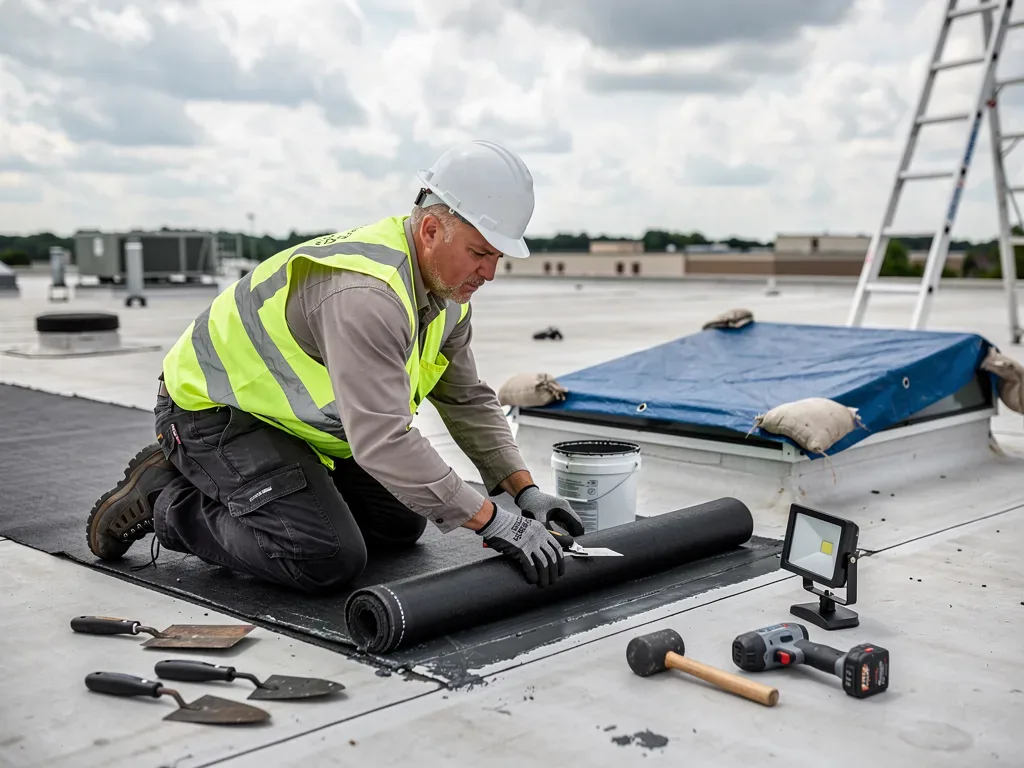
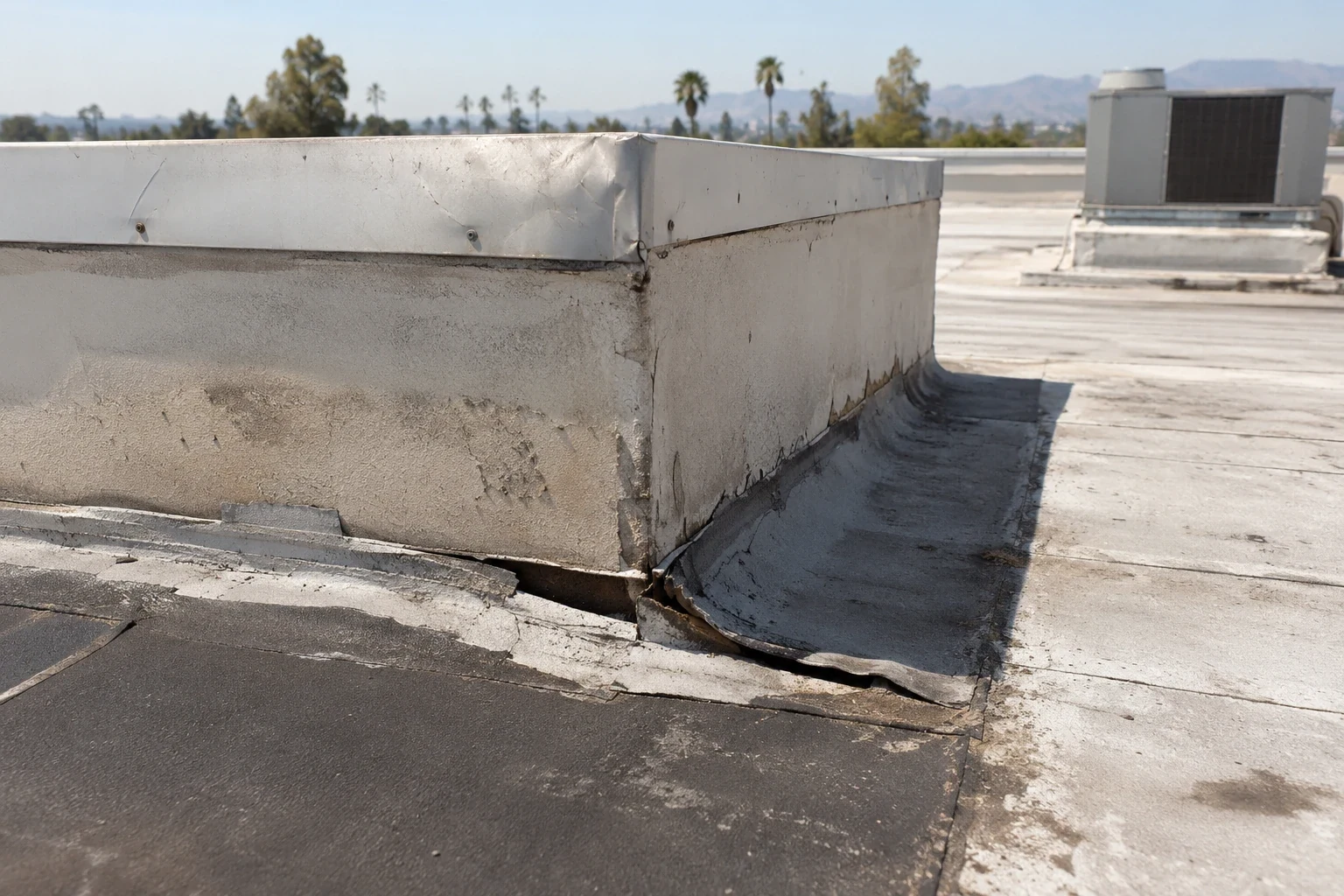
Wind damage can begin where the roof meets a wall, parapet or open edge. We inspect coping joints, edge metal, fasteners and membrane terminations for movement. A piece attached at one end may still gap underneath. We check the full run and nearby corners. Metal roofs need panel laps, clips and ridge closures checked; single-ply roofs need sound perimeter adhesion and cover strips.
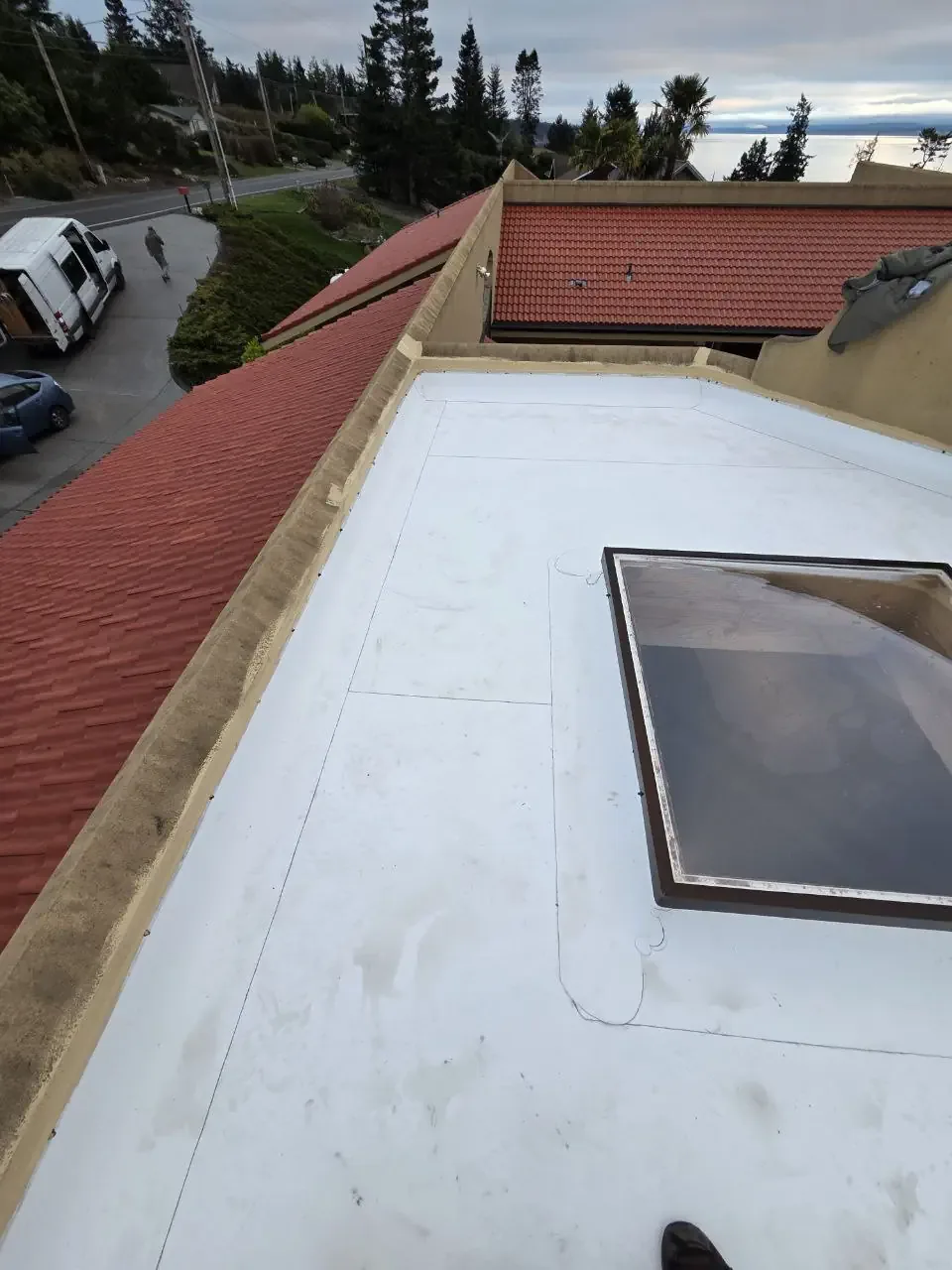
Next, we check the field for lifted seams, punctures and debris impact. The pattern can show whether movement stayed local or crossed roof zones. Curbs and skylights add transitions where wind can stress flashing. We inspect each side and record loose fasteners or separated sealant. Edge metal repair addresses a confirmed perimeter failure; seam repair restores an opened lap when sound material remains. A related flashing repair can rebuild a failed curb or wall transition.
Photos show scale and roof-zone location so a later visit can compare the same corner or seam. At a multi-level building, we also mark how the damaged edge connects to the lower roof and runoff path. A shifted edge can direct water toward a wall after the fastener is replaced.
Limit Rain Entry While the Scope Is Set
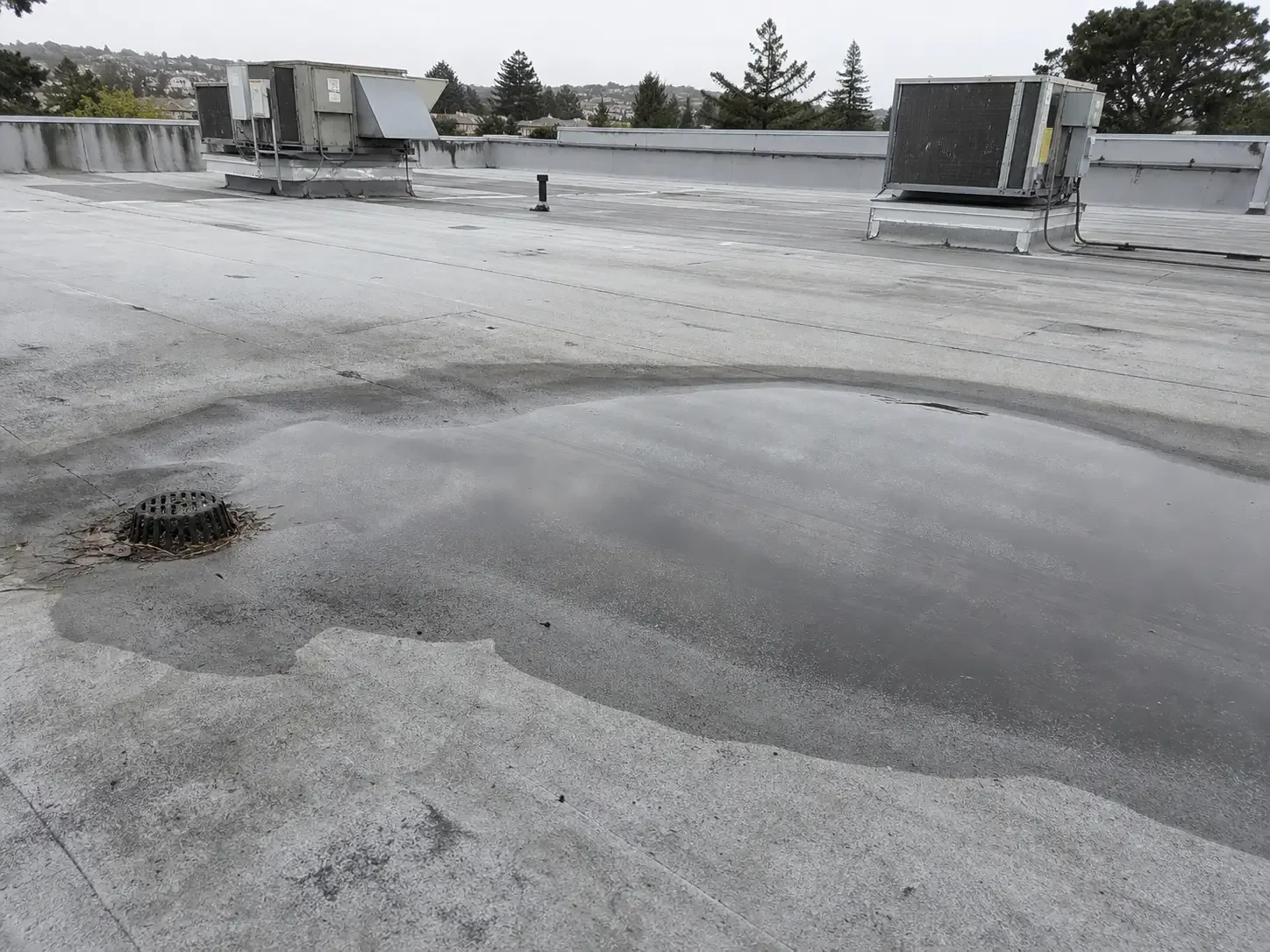
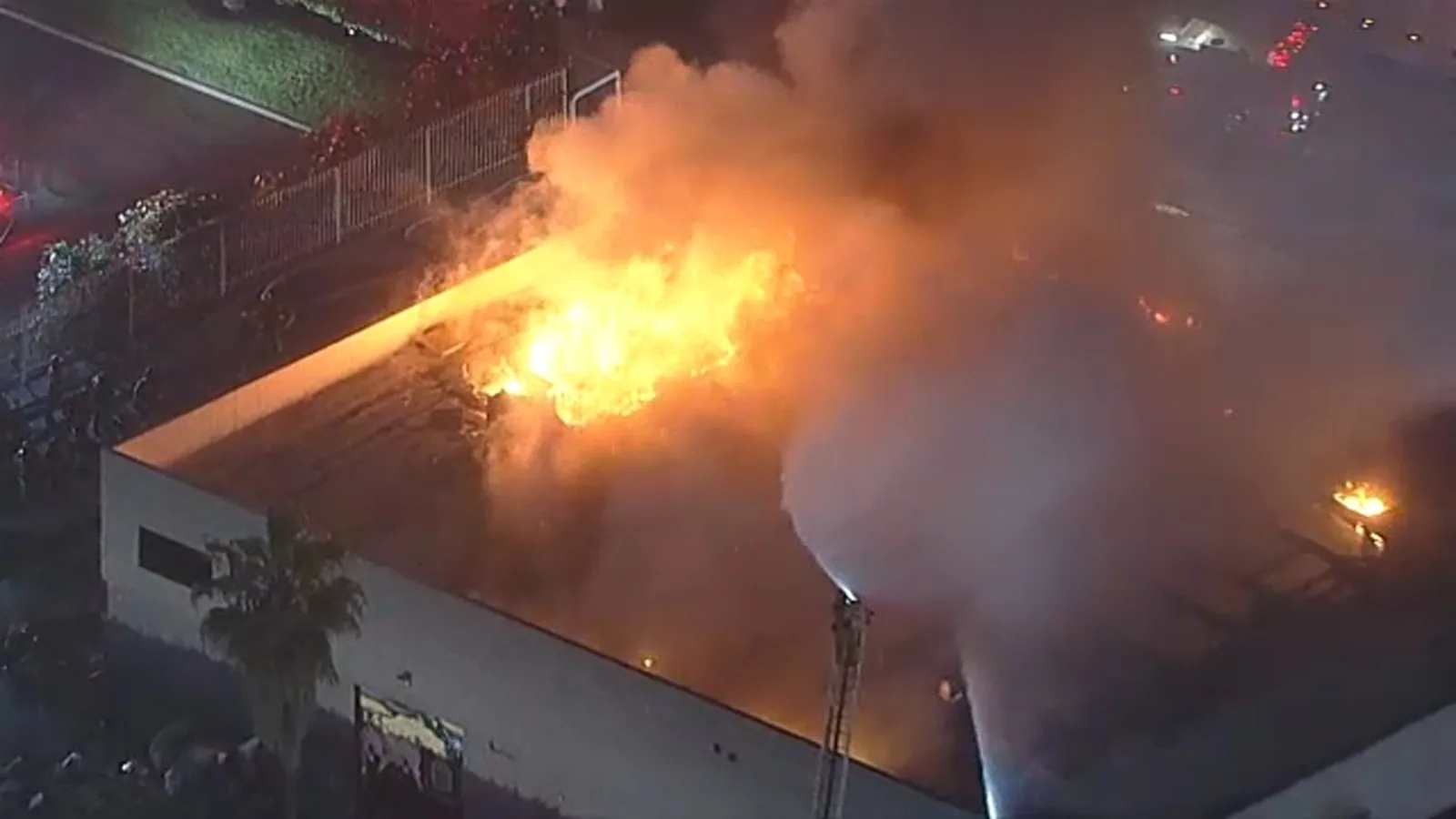
When wind opens a seam, water may travel beneath the membrane and surface elsewhere. We record the room, timing and weather direction, then compare edges, curbs and drainage. A stain below an opening does not prove that detail caused the damage; we look for a connected path.
Most San Diego-area rain falls in winter, though totals vary. If rain is approaching, we limit the open area and secure temporary cover to sound material. It is an interim measure, not a completed tie-in. For active entry, emergency repair is available at night, on weekends and through holidays while permanent scope is set.
Before covering an area, we check for loose membrane, wet insulation or damaged deck. If moisture may be concealed, a survey or controlled opening may help determine the repair boundary. A moisture survey can focus follow-up when conditions support it.
Restore Attachment Without Trapping Water
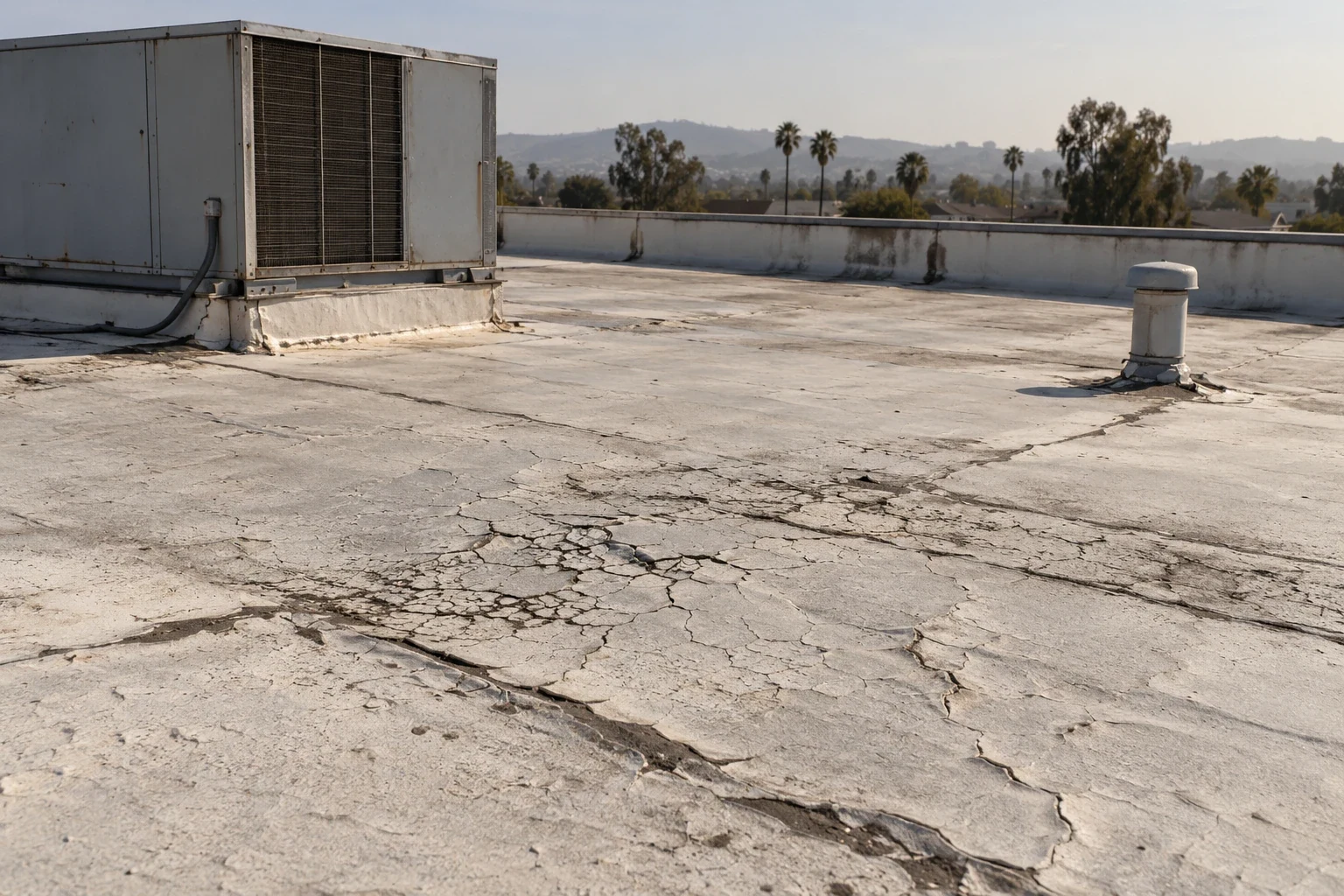
The repair method follows the assembly. A single-ply lap may need a compatible weld; a metal panel needs a fastening detail that allows movement. At a parapet, edge metal connects to stable blocking and the membrane terminates to shed water. We remove loose material and tie the repair into sound surfaces. A patch over wet or unsupported material hides movement without restoring attachment.
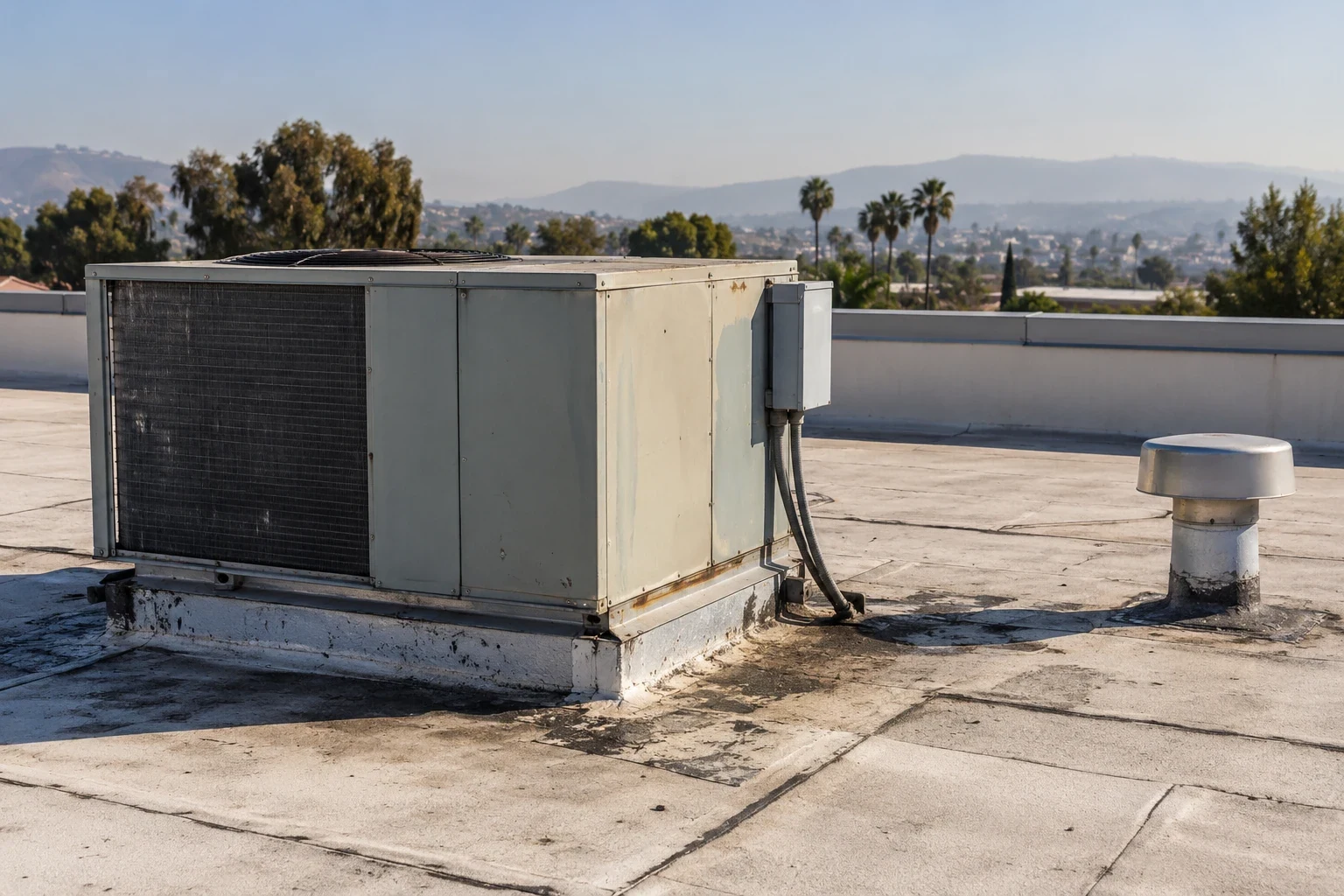
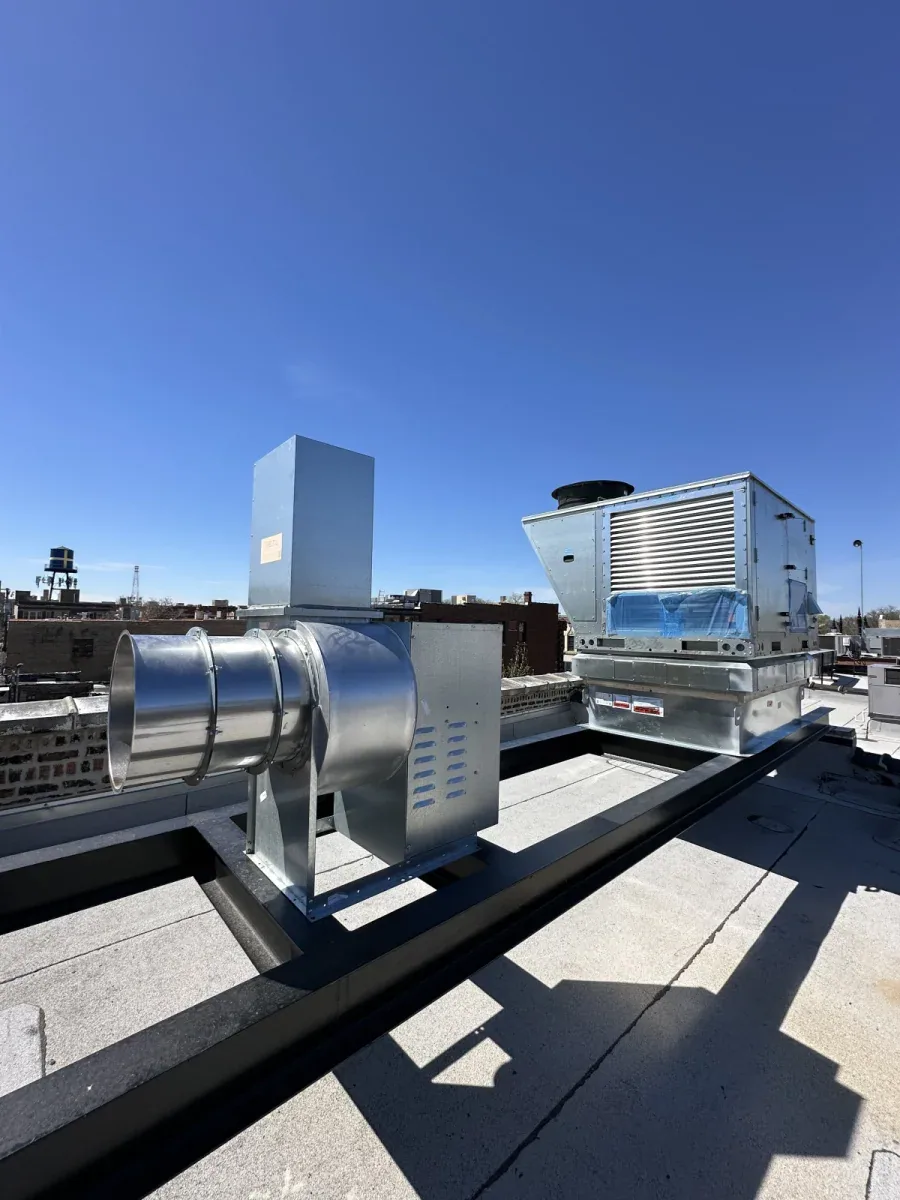
Wind can move equipment covers or mounts and damage the membrane. We identify whether another trade must secure or remove the item. A curb should remain stable, with flashing connected around its perimeter. If equipment stays active, we coordinate its work window with the authorized contact. Curb and equipment-support work can address an opened transition.
When several seams have opened or insulation is broadly wet, spot repairs may not be a durable answer. We compare a section replacement with a broader reroof based on attachment, substrate and drainage condition. A replacement scope identifies what will be removed and how the new roof connects to retained areas. The repair record lists wind-displaced details separately from other maintenance items, tying each recommendation to the observed condition.
Coordinate Inspection and Repair Access
Lifts and material staging must leave fire lanes, receiving areas and entrances clear. Otay Mesa connects industrial and commercial land with SR 905 and freight routes; Third Avenue and Broadway are western business areas where street-side staging may be limited. We confirm the gate and turning area before mobilizing. A roof repair visit in Otay Mesa follows the property’s own access plan.
If wind-driven rain affects an occupied building, we coordinate interior protection before opening the roof. Work can proceed by zone, with temporary dry-in at each shift boundary. If a hidden deck problem appears, the opening is secured and the added scope reviewed before removal continues. At the end of work, we check drainage, remove loose fasteners and record what remains for follow-up.
Chula Vista’s employment areas extend from the tidelands and Otay Valley to industrial development in Eastlake and Otay Ranch. That mix can put offices, production and freight uses on different sides of the market. It does not determine roof condition, but it can shape delivery and access choices. We base the work sequence on the property’s actual operations and the physical location of damage.
Record the Affected Zone and Repair Boundary
A useful closeout identifies the roof system, damaged detail, repair material and perimeter of the work. Photos show the original condition, prepared surface and completed connection. If an area remained concealed, we state what was not opened and what would prompt another inspection. The facilities team can use the record to compare a later report with the same edge or roof zone instead of treating it as a new event by default.
Cost and schedule depend on roof height, attachment type, number of displaced details, access, wet insulation and weather protection. A loose coping run differs from several open seams or compromised deck. We explain what is included and whether temporary protection, further testing or follow-up belongs in the next step. A roof condition report preserves photos and boundaries, while preventive maintenance can recheck vulnerable edges and drains before the next wet period.
Share the building, reported wind event, affected roof zone and access contact. We will inspect the perimeter and field, stabilize active openings and explain the repair choice based on the layers we can confirm.