Make Each Photo Answer a Field Question
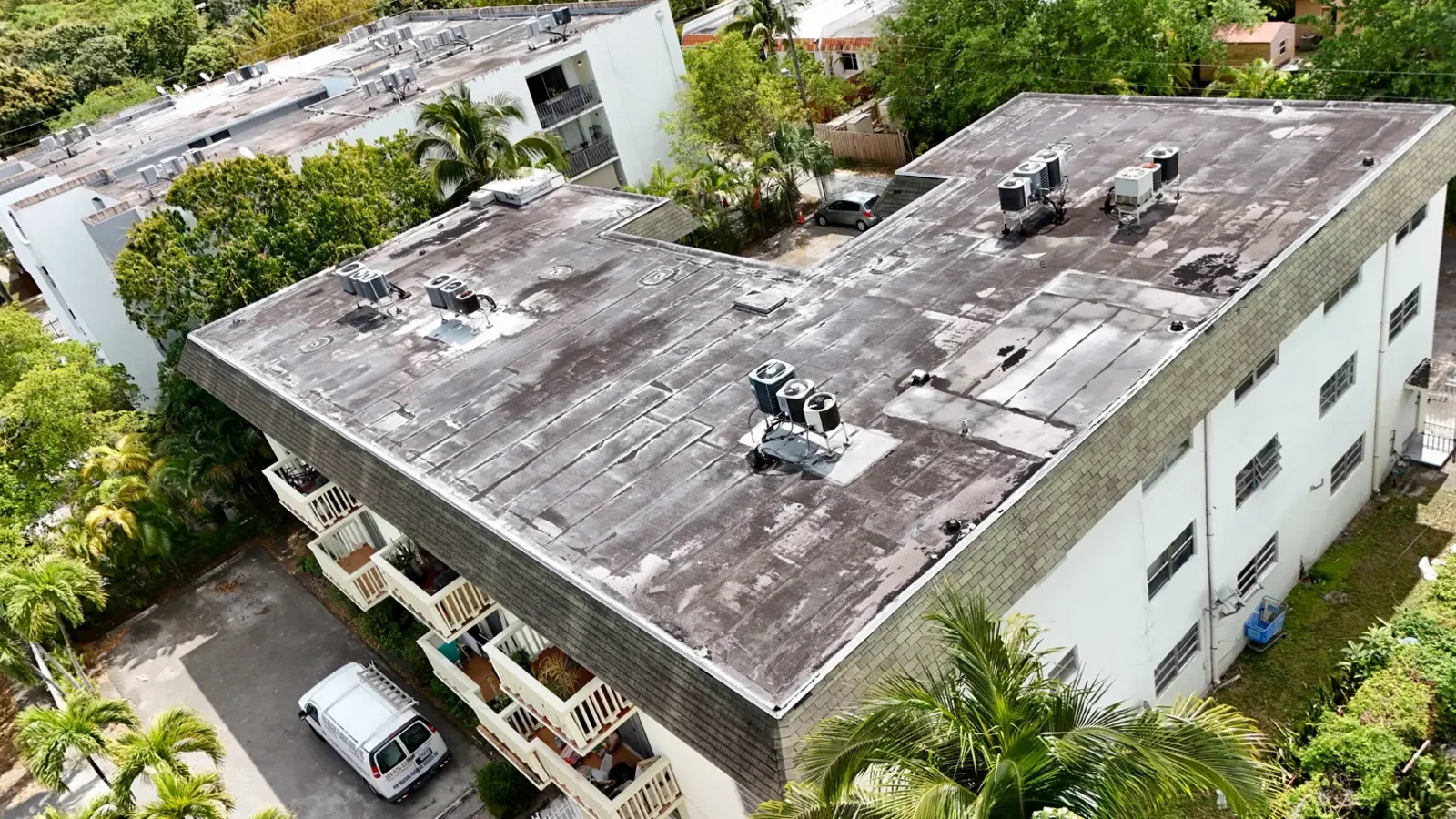
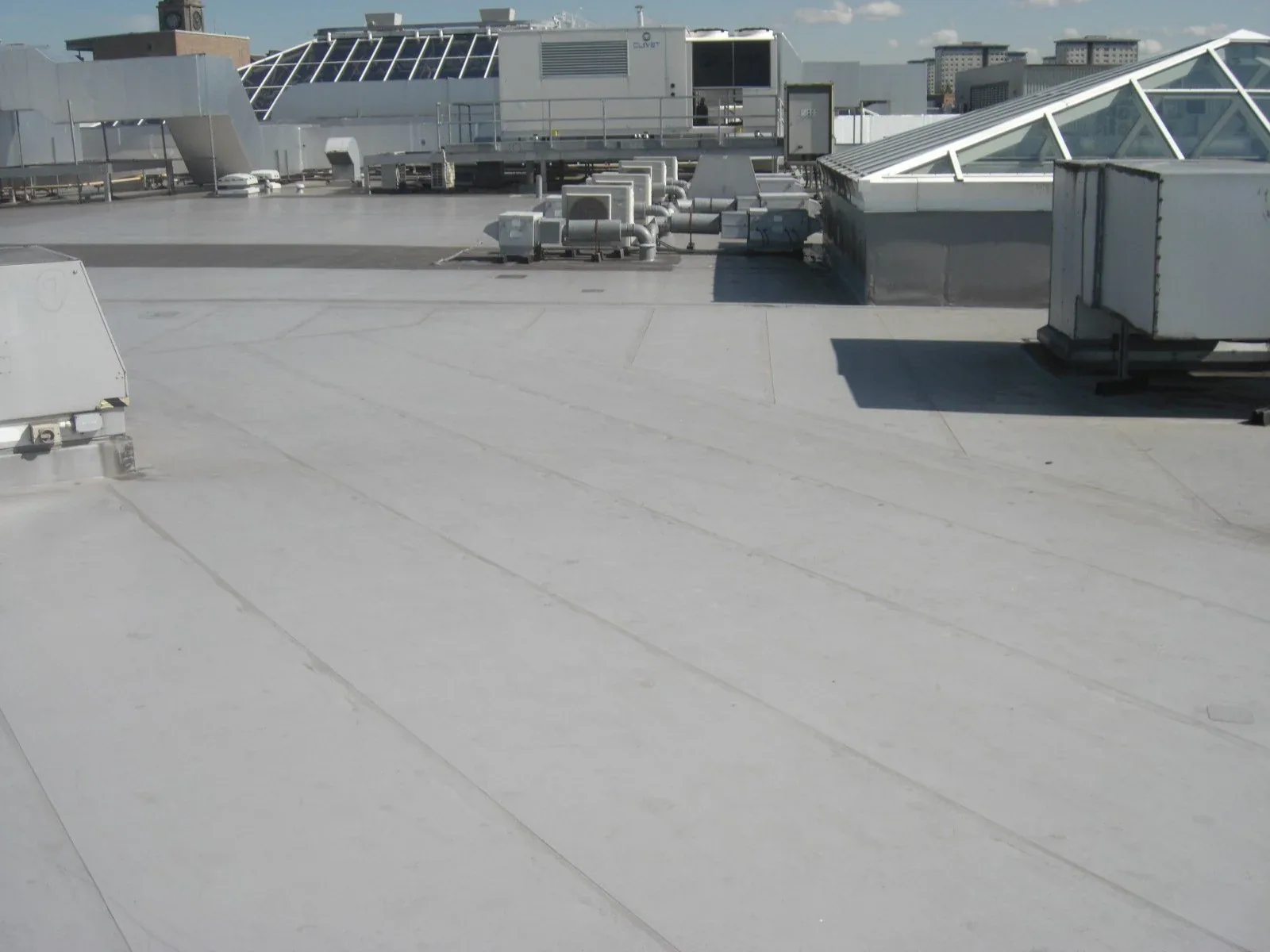
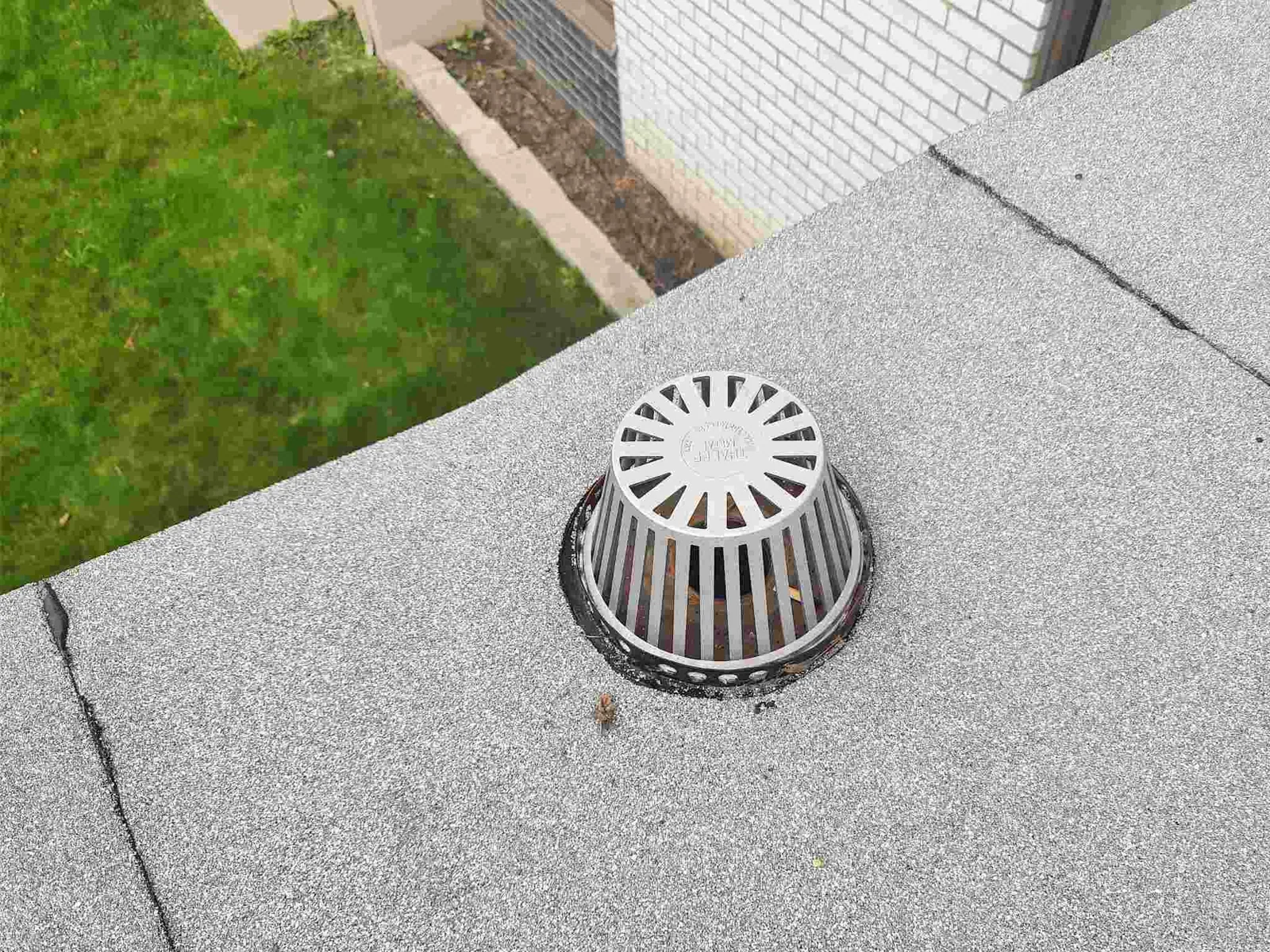
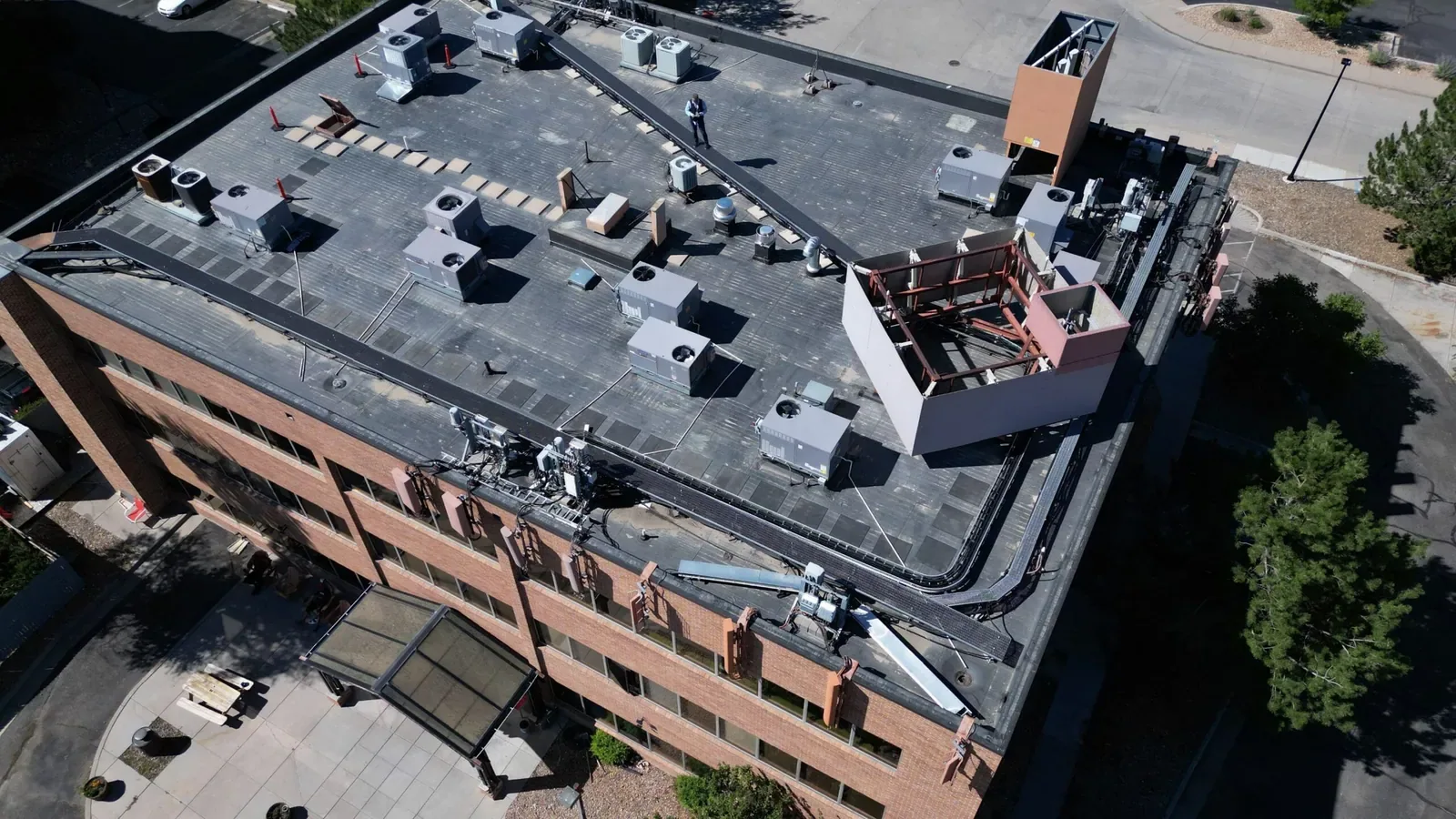
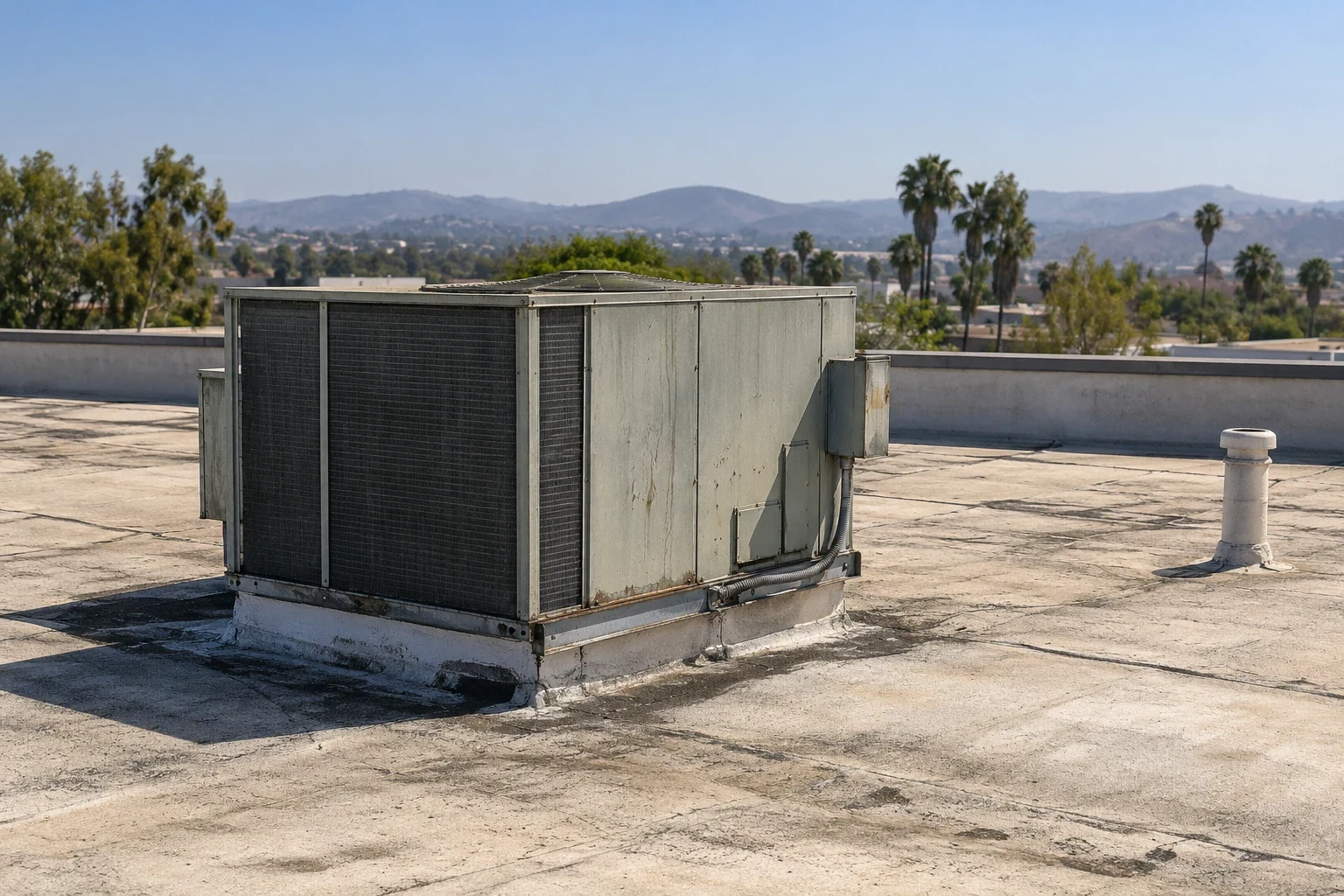
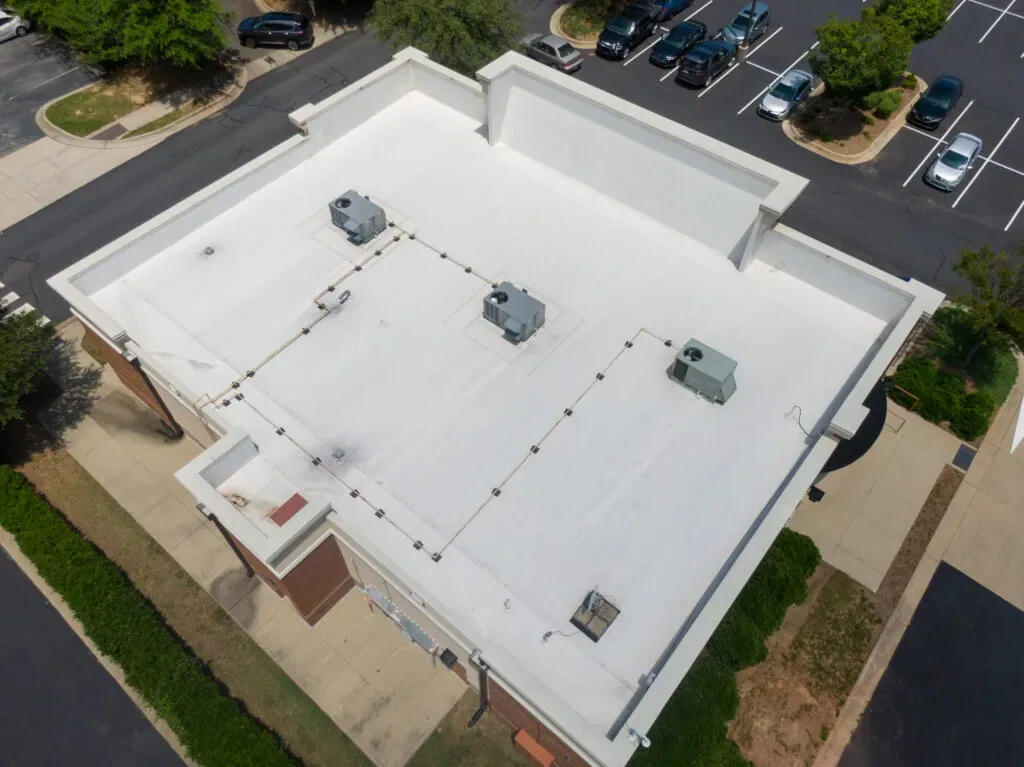
A useful image shows both the defect and where it sits on the roof. We photograph seams, curbs, drains, edges, penetrations, equipment supports, and repair patches with enough context to relocate the detail. A close-up can reveal a split lap, while a wider view shows whether the same condition follows an entire roof zone or stops at one transition. Captions identify the building side and the feature in view instead of leaving a folder of unlabeled images.
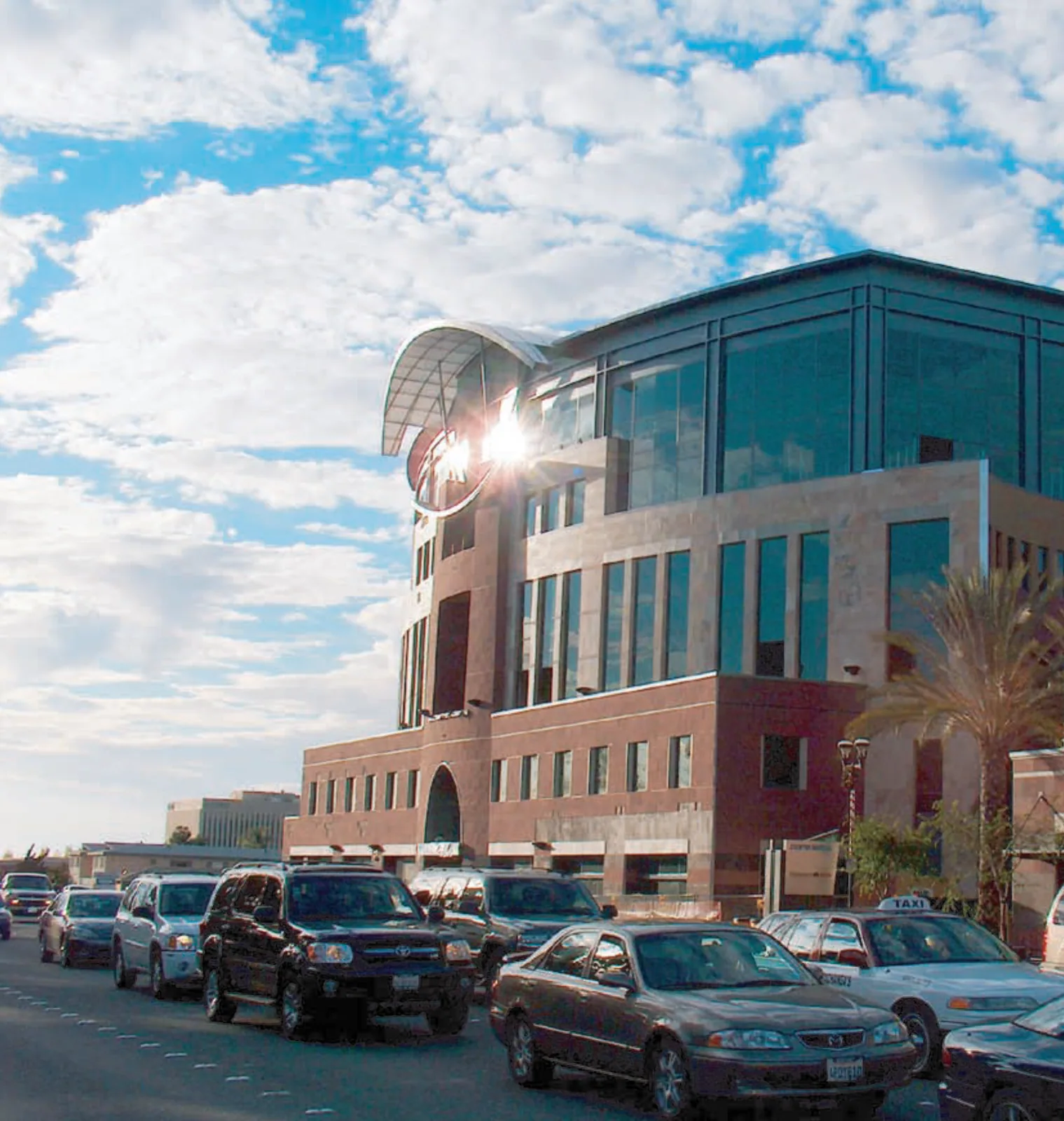
Chula Vista includes employment property from the western corridors to Otay Valley and eastern areas near Eastlake. A report for a site near H Street may involve a different access route than one near Otay Mesa. We label the building and roof section inspected, along with any access limits caused by tenants, operations, or equipment. Those labels let a facilities team compare observations across properties without assuming the same defect exists everywhere.
For transaction work, a roof diligence survey can answer a different question from a maintenance visit. The report identifies its purpose, inspection limits, and any document reviewed. For ongoing operations, a roof asset record can keep the photos linked with repairs and later observations.
Separate What Is Visible from What Is Suspected
A ceiling mark is an interior observation; an open seam or failed curb is a roof observation. The report connects them only when the inspected path supports that relationship. Water can travel along framing or deck flutes before it appears inside, so we describe a likely route as a likely route. If the roof is dry during the visit, that does not erase a documented leak; it defines what conditions were visible that day.
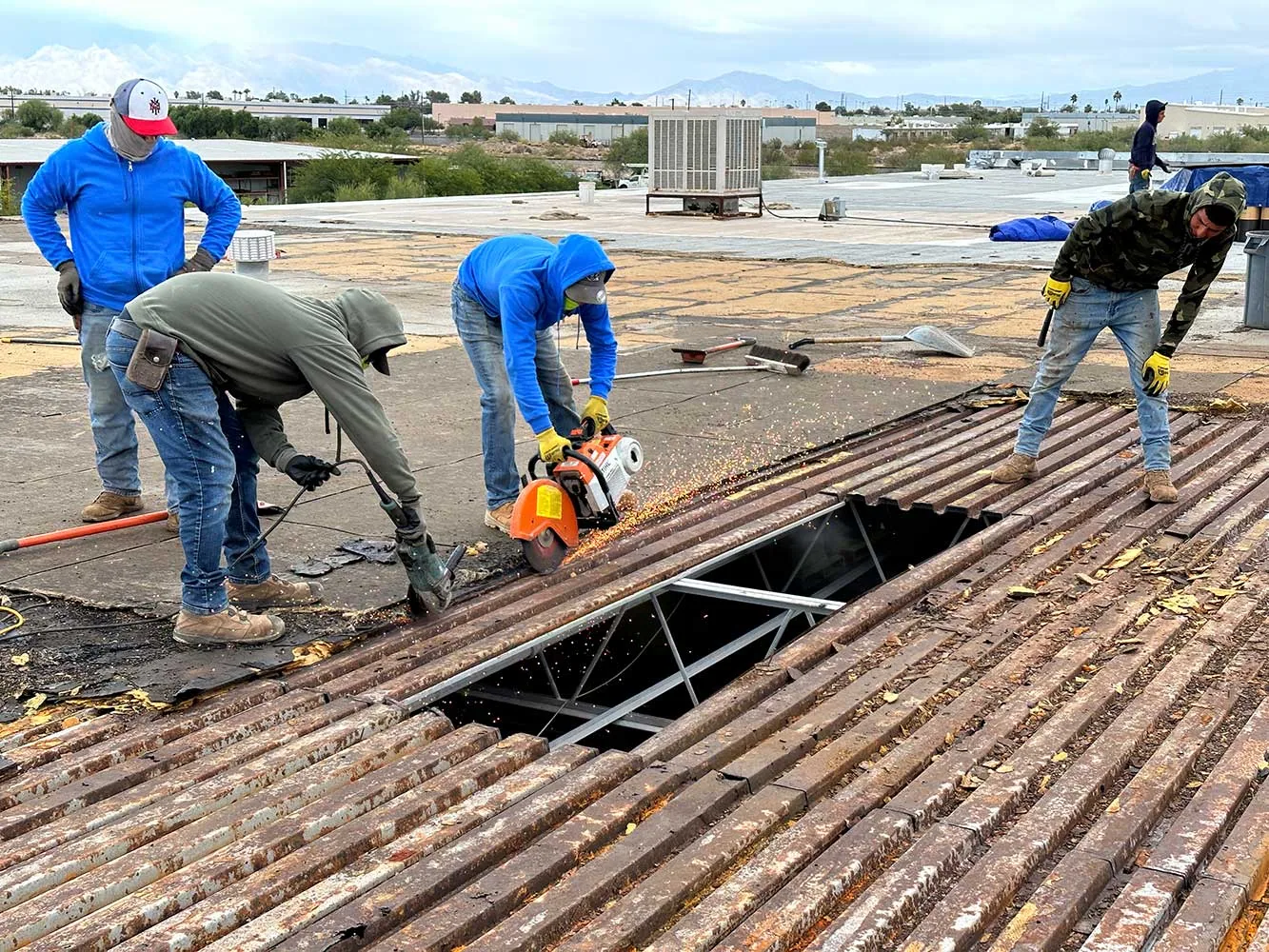
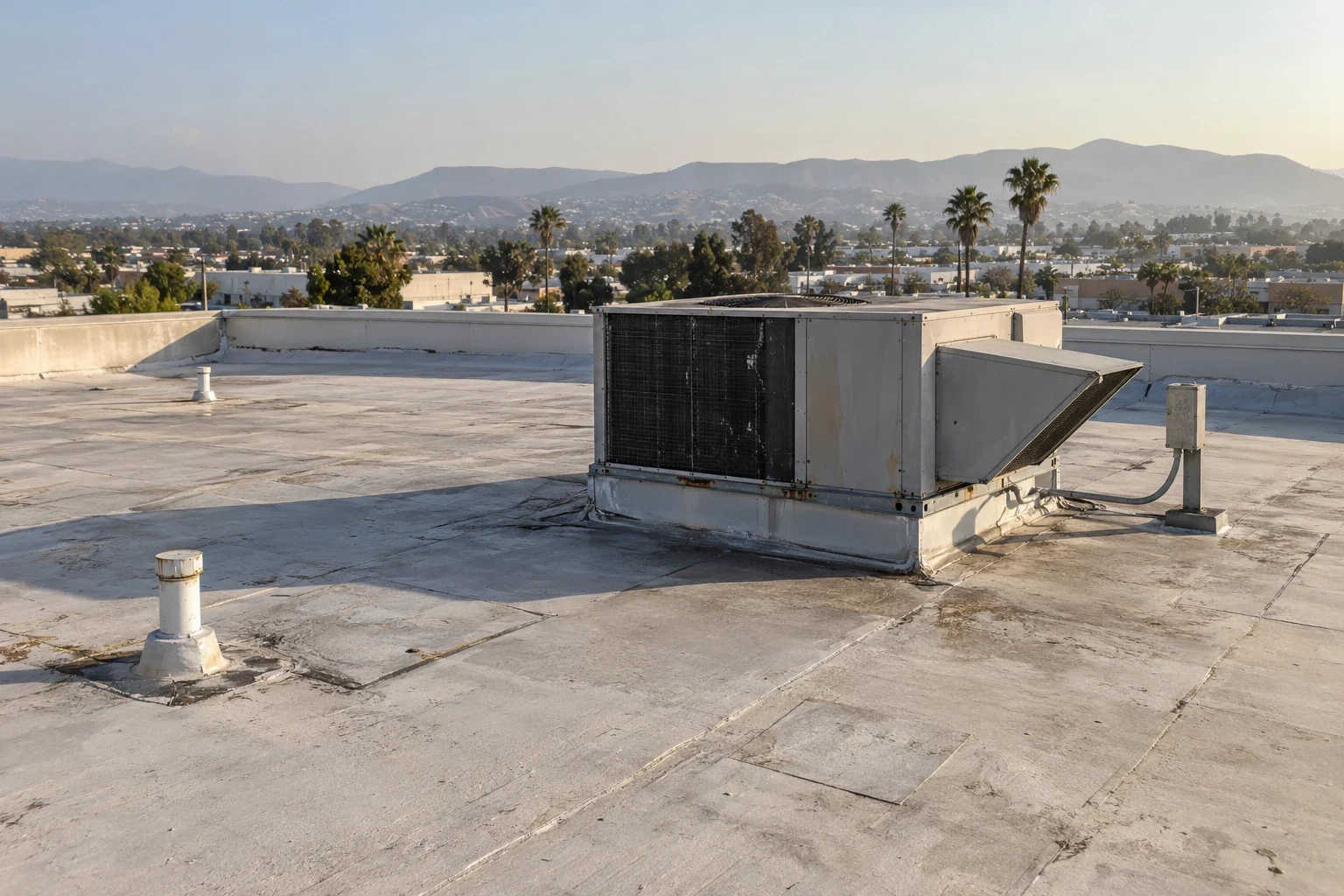
We record membrane type when identifiable, surface condition, drainage, flashing, edge metal, penetrations, previous repairs, and areas that could not be accessed. A condition hidden below the membrane is not described as confirmed. If insulation or deck may be involved, we state whether infrared scanning, a test cut, or another opening could answer the question and how the surface would be restored. A moisture survey can focus the next inspection, but readings need to be checked against roof construction and field conditions.
Chula Vista has a mild coastal climate, while inland valleys can experience wider day-to-night changes and more frequent freezes. That regional context may affect inspection timing and surface conditions. We record moisture, movement, corrosion, and open details observed during the visit. Seasonal conditions also help facilities teams choose an inspection window.
Connect the Finding to a Practical Next Step
A report that names defects but leaves the reader with no next action has not closed the inspection loop. We identify whether a condition can be repaired at the surface, needs a controlled opening, requires another trade, or should be tracked. If active water is reaching the interior, emergency service is available around the clock, including weekends and holidays. The temporary protection and the permanent recommendation appear as separate steps.
A failed drain outlet may call for drain and scupper work; ponding over a low deck area could require a different correction. An isolated seam may support a repair, while wet insulation or repeated attachment failure can change the scope. Repair work is tied to compatible material and a defined tie-in. Where the assembly is broadly deteriorated, the report lists replacement considerations without expanding a localized finding beyond what inspection shows.
Photos, zone labels, and observations make it possible to compare the proposed scope with the field evidence. The narrative states what is confirmed, what is an inference, and what would change the decision. If the owner authorizes testing or removal, we update the record with the condition exposed and the work direction received.
State Access and Inspection Limits Clearly
Every walk has limits. A locked hatch, active equipment, unsafe surface, tenant restriction, or weather condition may keep part of the roof out of view. We name the area and why it was not inspected. A report does not imply that an unseen section matches a nearby one. If access changes later, the follow-up can target the missing zone rather than repeating a full inspection without purpose.
For a property near the H Street urban core, staff may have defined service hours and a public entry route. In industrial areas such as Otay Mesa, receiving or gate rules may set a different arrival window. We confirm those site controls with the contact and record any area they prevented the crew from reaching. The property team can then decide whether to release the roof, arrange an escort, or accept the stated limitation.
The report also records the date, weather at the time of inspection when relevant, and whether water was active. Winter is the primary rain season in the San Diego region, but rainfall varies year to year. A dry-day inspection may show a roof condition without reproducing the event that led to a leak. The next step may be monitoring during rain or opening a specific location, not assuming the visible surface tells the whole path.
Carry the Report into Maintenance and Budget Review
Facilities staff can use the report to assign work by building and zone. The record should separate completed temporary work, permanent repair, deferred items, and tests still pending. A capital planning scope can carry larger needs into the next budget cycle when the inspection supports that decision. We include the access, removal, drainage, and protection factors that shape timing, rather than giving an unexplained priority label.
For recurring care, maintenance visits can revisit the same drains, seams, curbs, and repair edges. Comparing dated photographs helps show whether a condition changed, held steady, or could not be inspected again. It does not prove a repair will remain sound indefinitely; it gives the team a current observation and a basis for the next visit.
Share the building list, leak locations, roof plans, prior reports, and access contact. We will inspect released areas, label photographs, and connect each observation to an action or a stated limit. A clear report helps a property team make the next decision without having to reconstruct the site walk from memory.