The Existing Layers Set the Limit
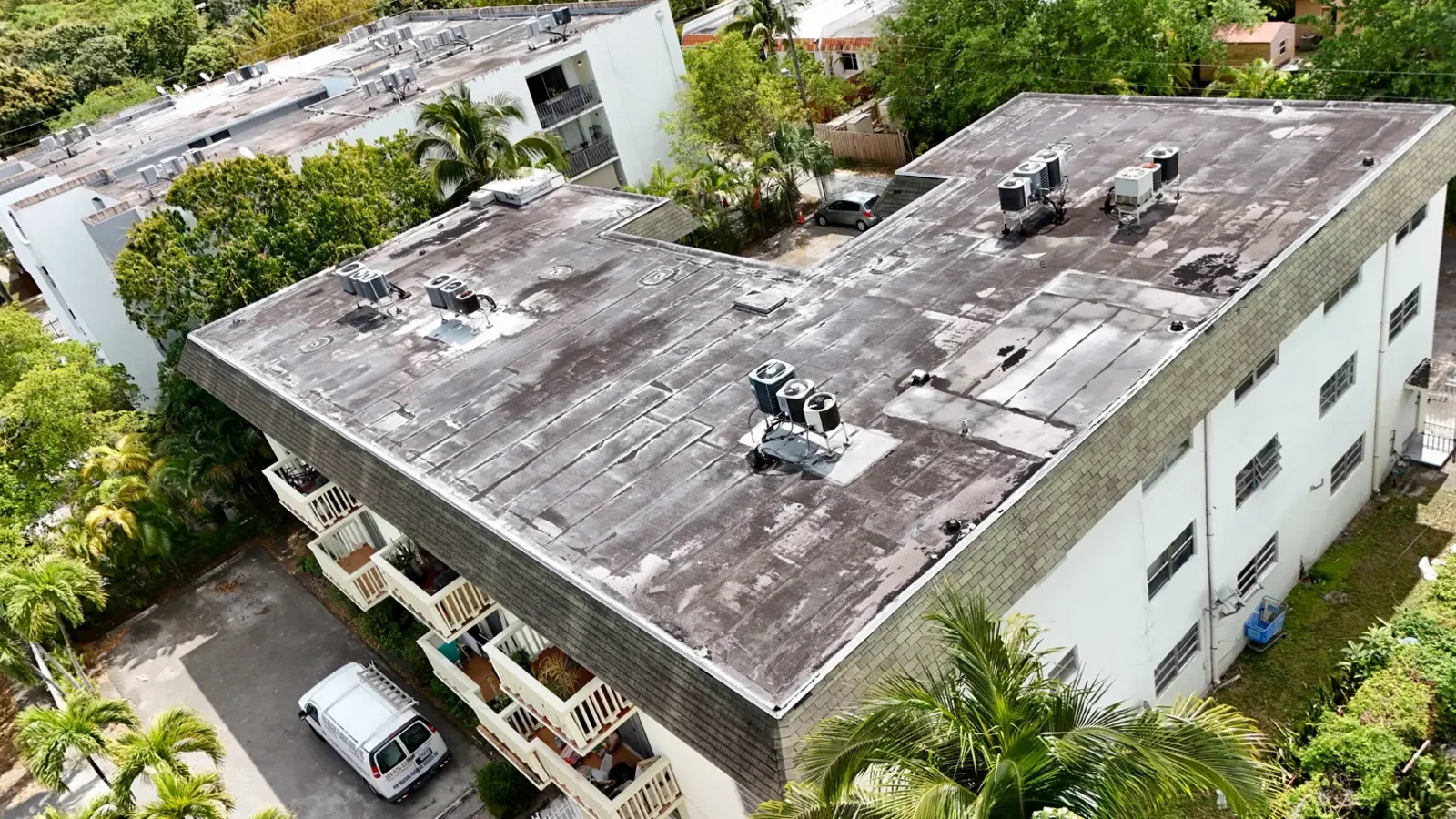
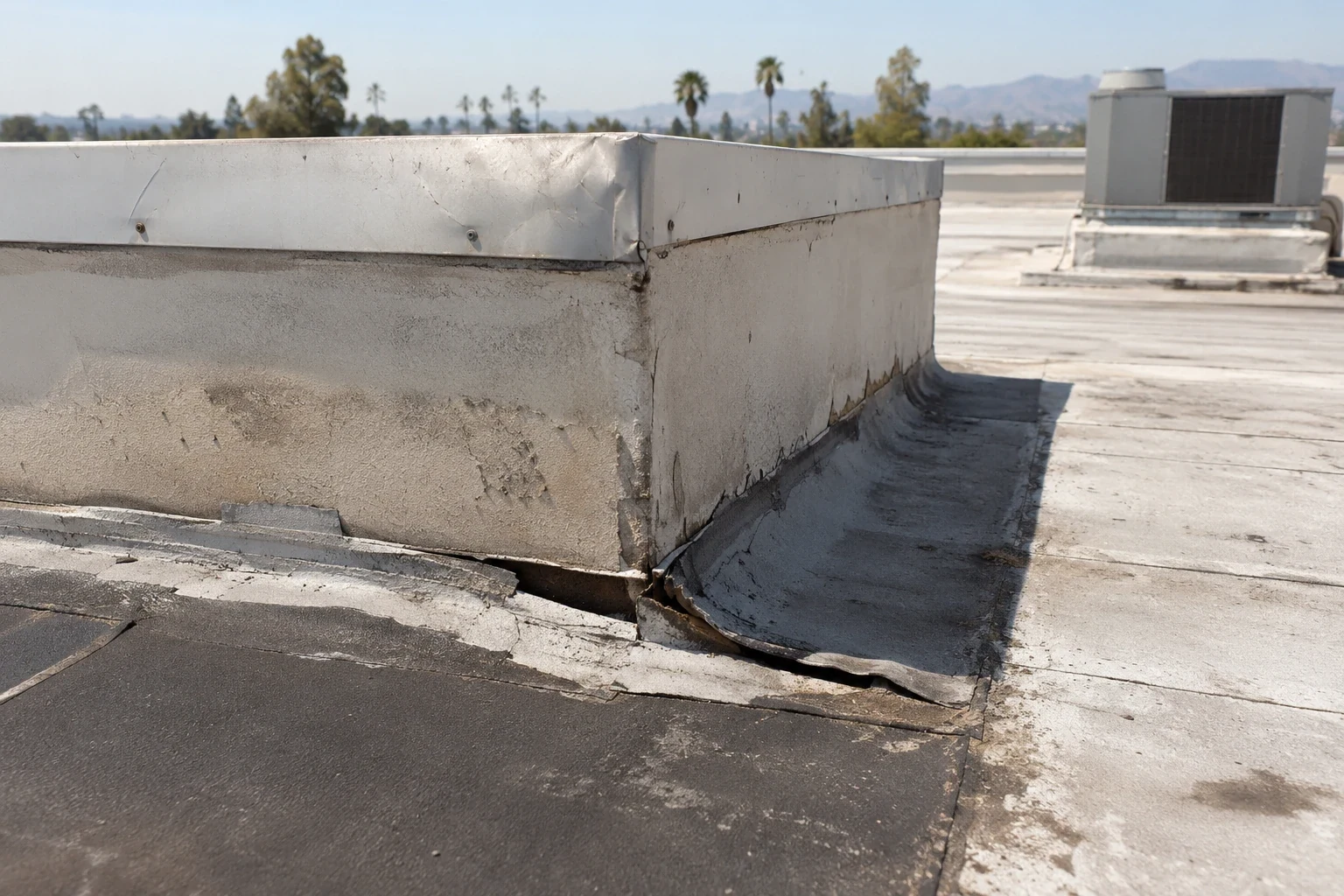
A recover is considered when the existing roof can support another assembly and hidden layers do not require broad removal. We inspect for open seams, splits, failed patches, trapped water, soft spots, moving insulation and deck deflection. A sound area does not prove the whole roof is ready, so we map findings by zone before proposing another layer.
A test cut exposes layers and moisture at that point. We protect the opening, then compare the result with visible conditions and other readings. Different construction phases or repeated repairs may call for several locations. We explain what each sample can establish before the owner chooses a scope.
Code, structural capacity, fire classification, insulation and attachment also constrain the assembly. We check permit requirements and roof build-up before pricing. Added thickness may obstruct thresholds, curbs, drains or perimeter height, requiring work that changes the economics. A roof survey records the layers and constraints for a capital decision. During review, we also check whether the roof can accept the fastening or bonding method under consideration. Existing membrane condition, adhesive compatibility and substrate stability all affect that connection. If the old surface cannot provide a reliable attachment plane, a recover may add risk instead of preserving value.
Moisture Has to Be Mapped, Not Guessed
A blister or interior stain is a reason to investigate, not a moisture map. We connect reports to roof zones, then check seams, penetrations, drains and deck changes that can carry water. Infrared imaging can identify patterns for closer review when conditions suit; test cuts show layers at selected points. We compare both with visible conditions to determine whether wet material can be isolated.
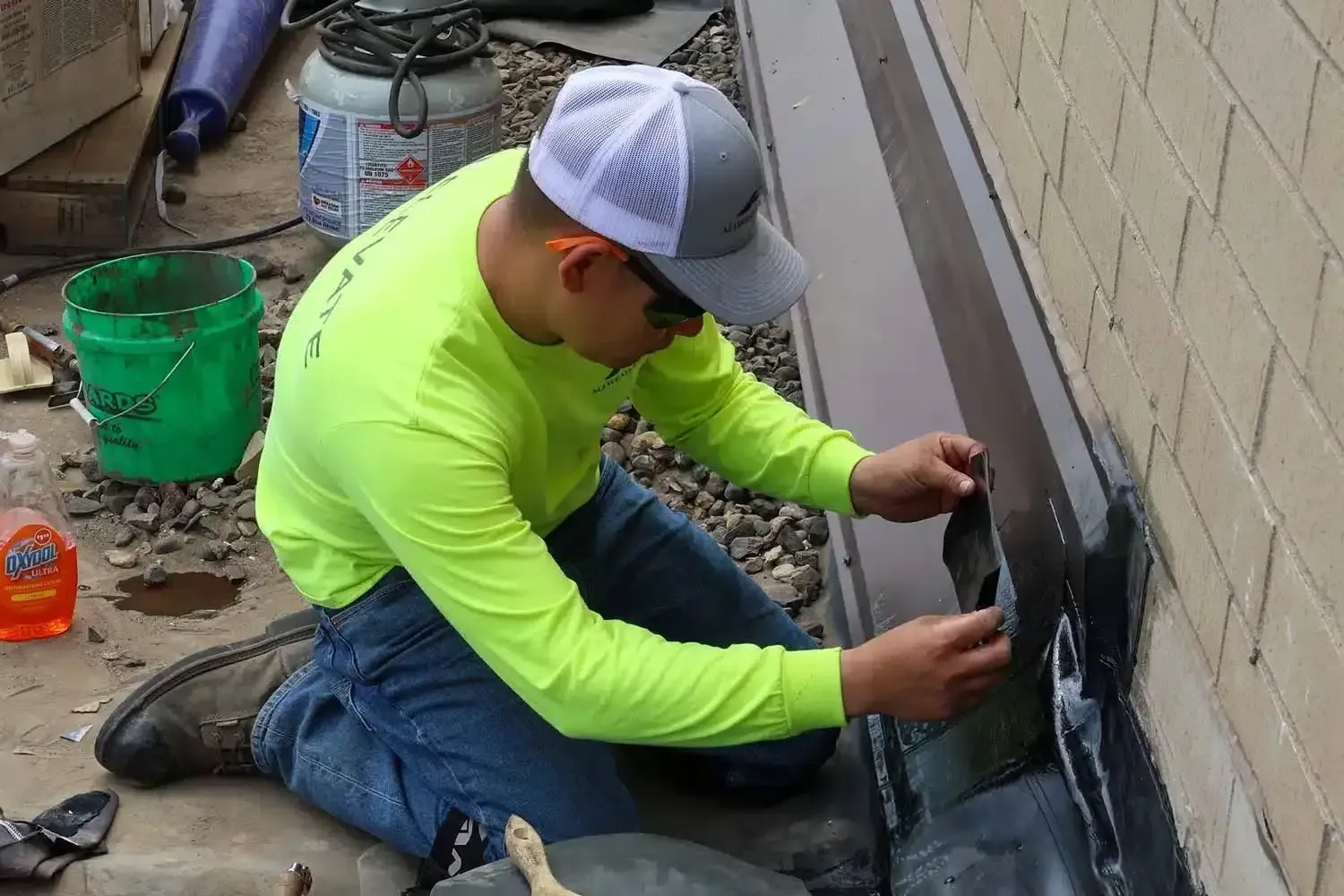
Water at a drain can travel along insulation joints; failed curb flashing can send it down a deck flute. We mark the suspected path against stains, repairs and roof geometry. Limited wet insulation may support localized removal before a recover. Widespread moisture or deteriorated deck calls for removal. A moisture survey can narrow test locations, while a flashing repair addresses a confirmed entry before the assembly decision.
Most Chula Vista rain falls in cooler months. We check drains and scuppers so no low point is buried under added layers. Coastal air makes exposed metal edges worth inspection where old coping meets new work. The actual condition determines whether replacement metal belongs in the scope.
Added Thickness Changes Every Edge
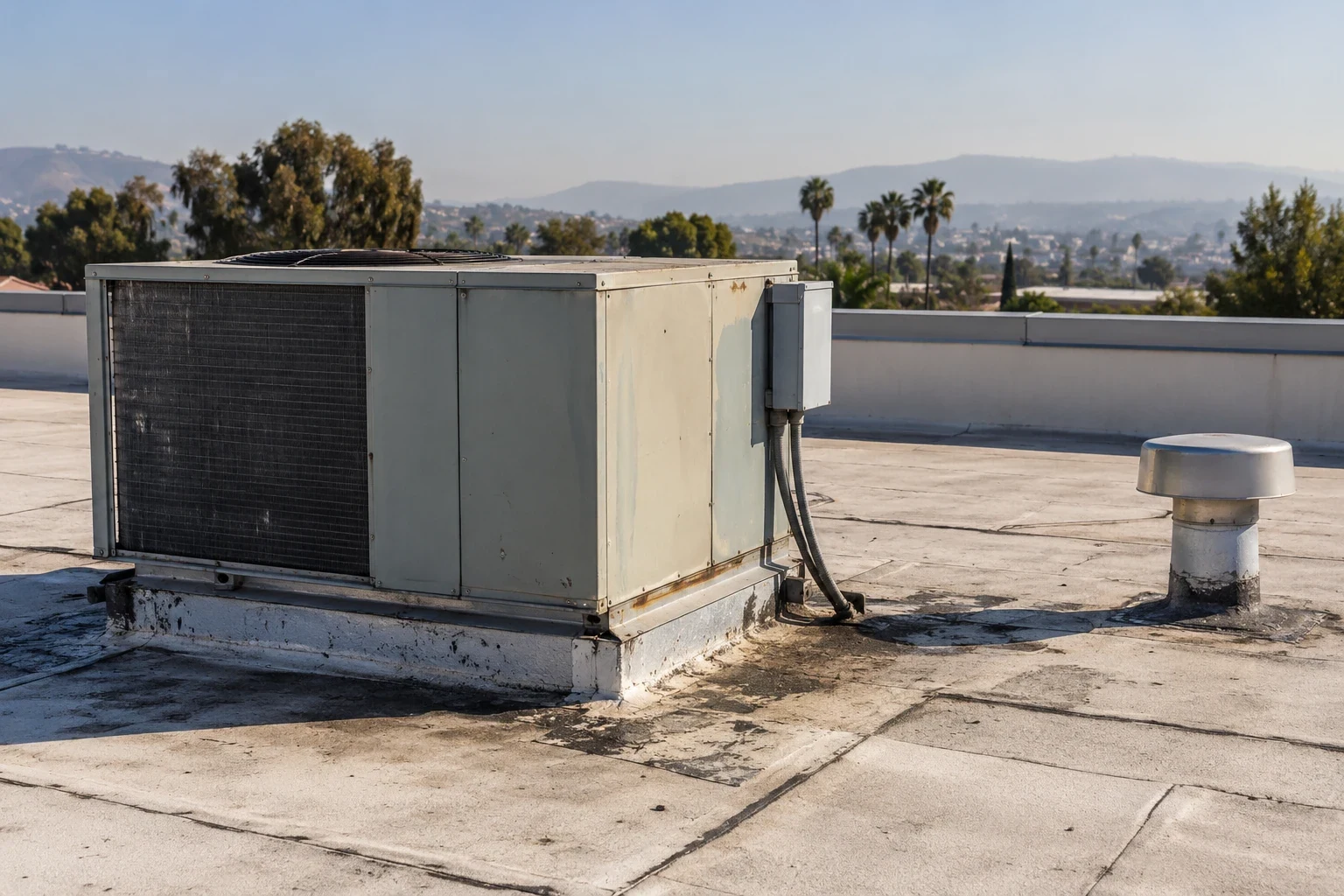
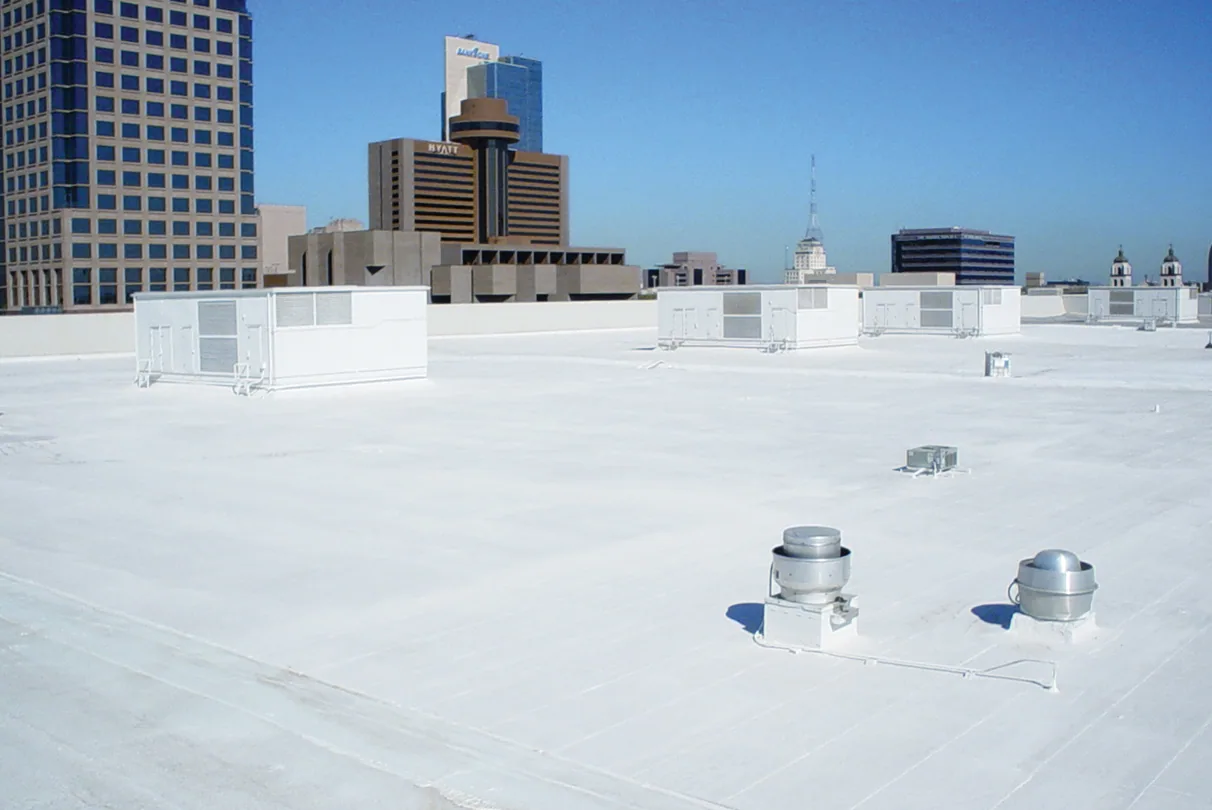
Added insulation and membrane raise the finished surface, reducing curb height, burying flashing or leaving a drain too low. We measure those transitions before choosing the approach and list what needs extension or replacement. A recover scope that counts only field membrane misses the edges water will test first.
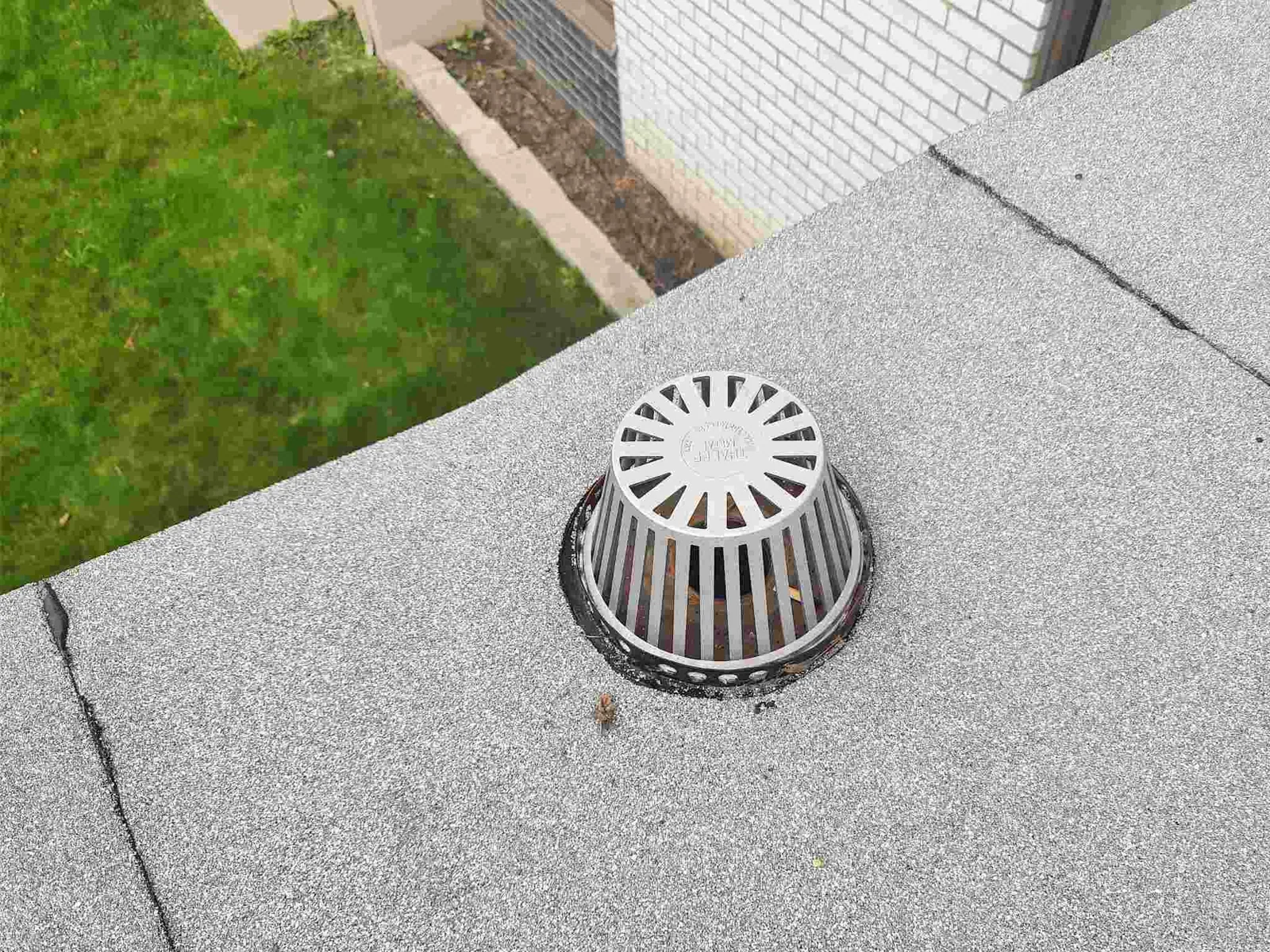
Water should reach each outlet without a step, pocket or reverse slope. We inspect bowl depth, clamping-ring fit, overflow openings and scupper discharge. Tapered insulation may correct ponding but changes heights at drains and perimeters. The drain and scupper details must match the proposed membrane before the field work is selected.
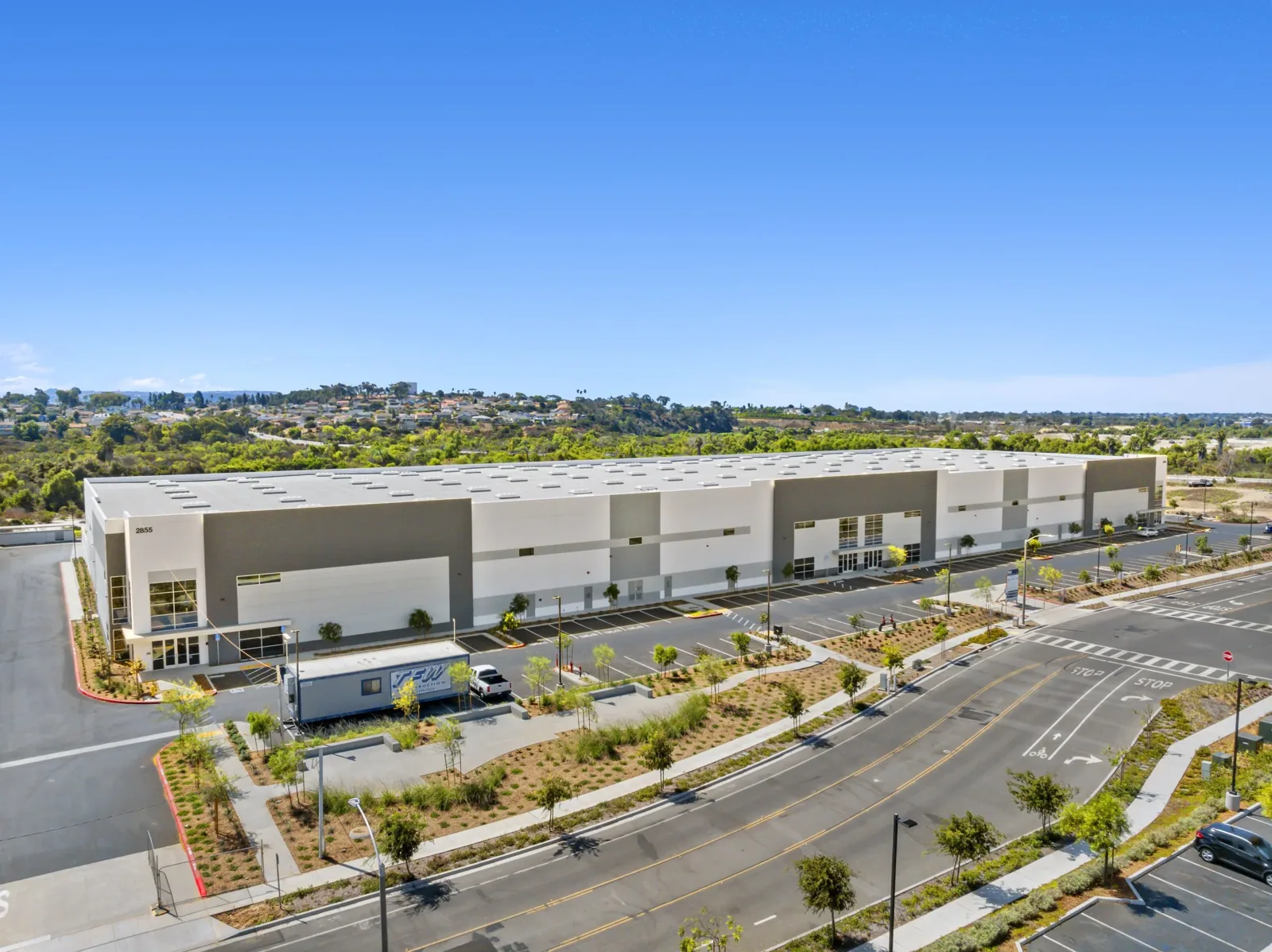
Otay River Business Park sits near Main Street, Fourth Avenue and SR 905. Its employment-area access makes loading and staging relevant to commercial work. We inspect the building and plan material placement around its service route. For a facility there, Otay River Business Park access planning shapes the sequence; measurements decide if a recover can finish cleanly.
How a Recover Moves Across the Roof
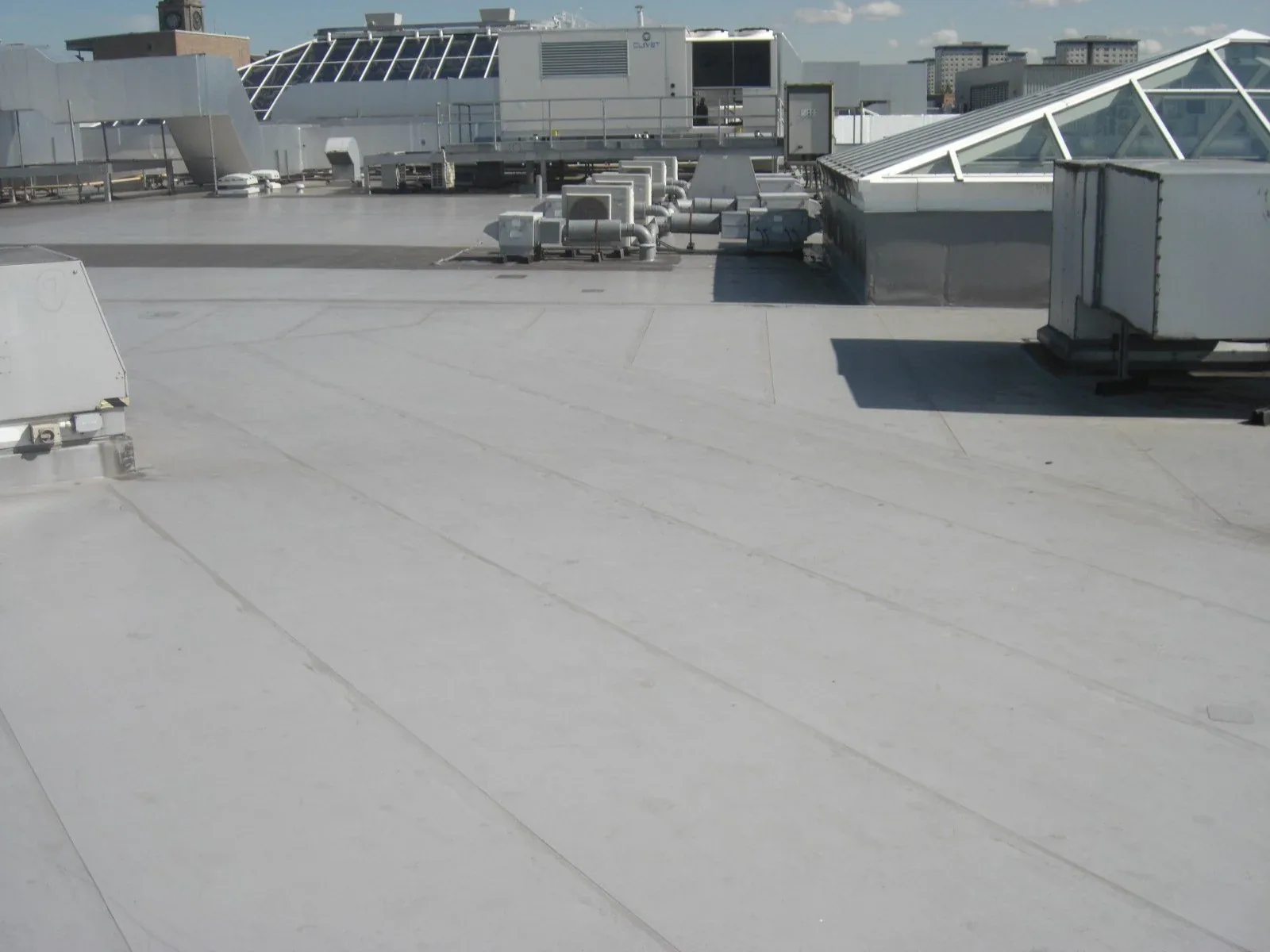
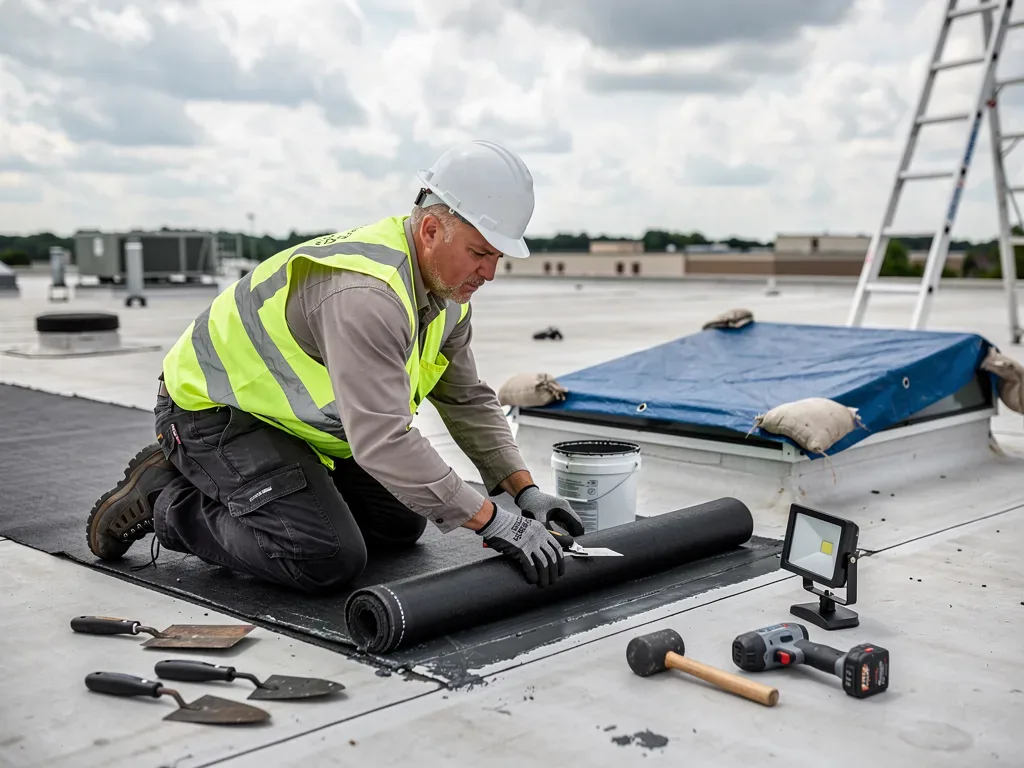
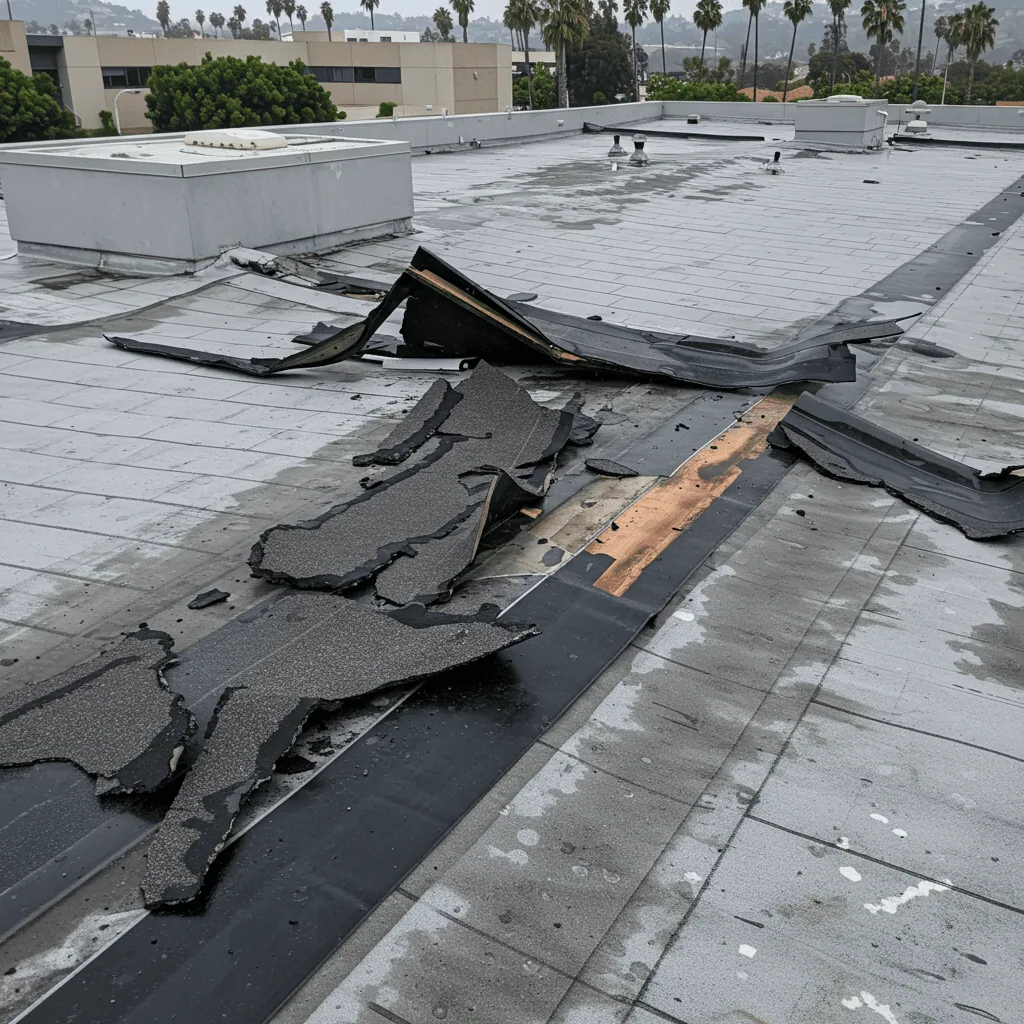
After eligibility is established, the crew secures loose material and corrects approved defects before installing the new system. Raised seams, old flashings, incompatible coatings and sharp transitions can interfere with adhesion or attachment. We list surface preparation, fastening and perimeter work so the owner knows what happens before the new layer covers the old roof.
On an occupied building, we divide work into areas that can be completed and protected each shift. Staging, equipment, gates and sensitive rooms affect the order. We coordinate shutdowns or restricted routes with facilities staff. If a new condition appears, we stop at the agreed boundary, record it and explain the repair choice. Temporary protection accounts for rain and wind.
Third Avenue and Broadway have shops and small businesses; Eastlake combines residential, retail-commercial and industrial-office areas. Those differences affect staging, not roof-type assumptions. We plan deliveries around property hours and receiving conditions. For multi-building sites, occupied-building sequencing can coordinate notices and work zones while maintaining access below.
Compare the Recover With Tear-Off
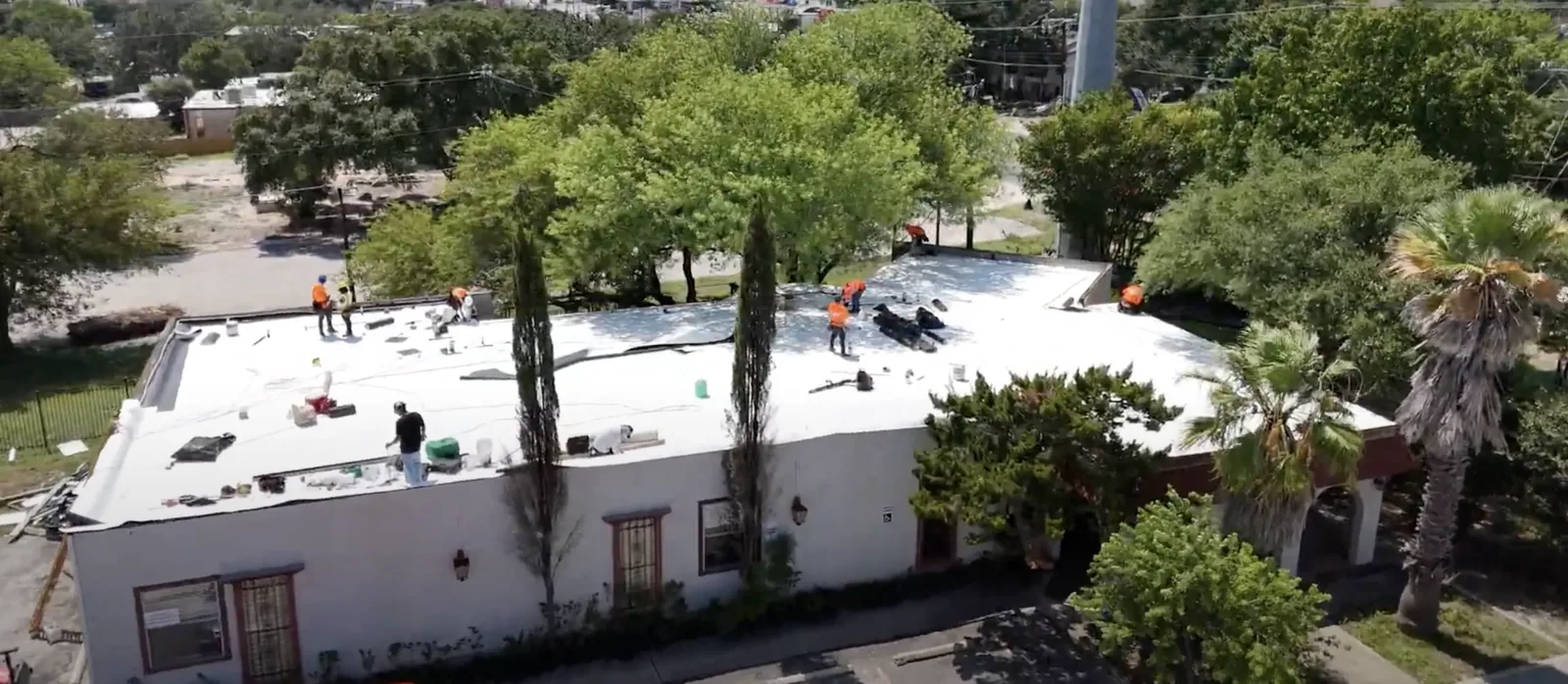
We compare the recover with existing-layer condition, wet material, code limits, edge heights and drainage corrections. A recover reduces tear-off and can keep more of the building covered. Tear-off exposes the deck and allows broader correction where layers are wet or unstable. The observed roof, not a general preference for fewer layers, sets the choice.
Timing depends on permits, material, access equipment, weather and operating needs. Chula Vista rain is concentrated from November through March, so openings need a workable dry-in plan. Hot dry-wind periods farther inland can affect handling and tie-ins. Daily limits follow what can be secured, and changed conditions are recorded.
Closeout identifies where the recover sits, which old material remains, how transitions were treated and what maintenance is needed. A condition report with photos supports future inspection, while capital planning tracks remaining work across buildings. For a recover review, send the building location, prior repair history and roof-access contact. We will inspect the existing layers and explain which assembly path fits.