Seam tape and sheet bonds
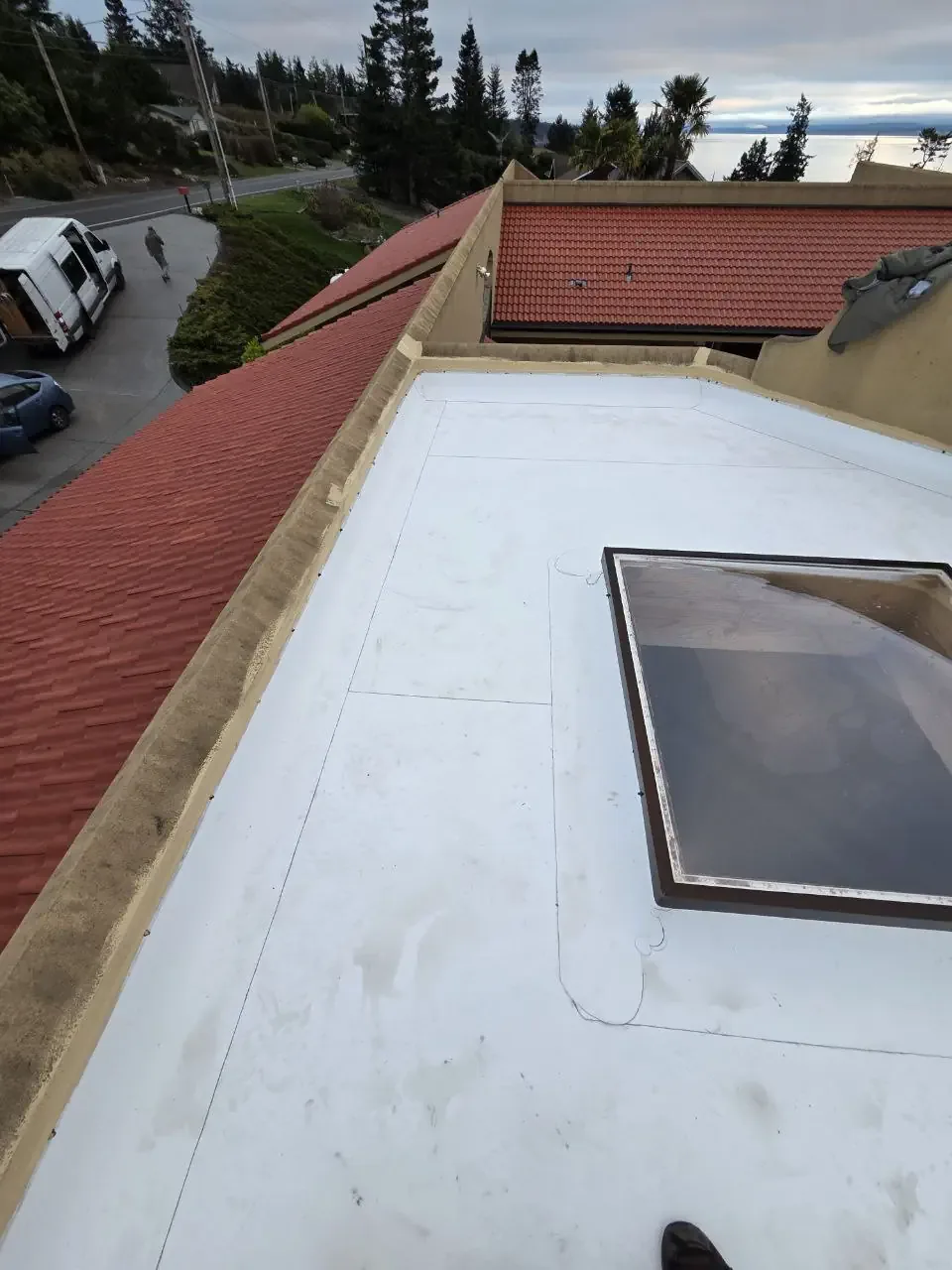
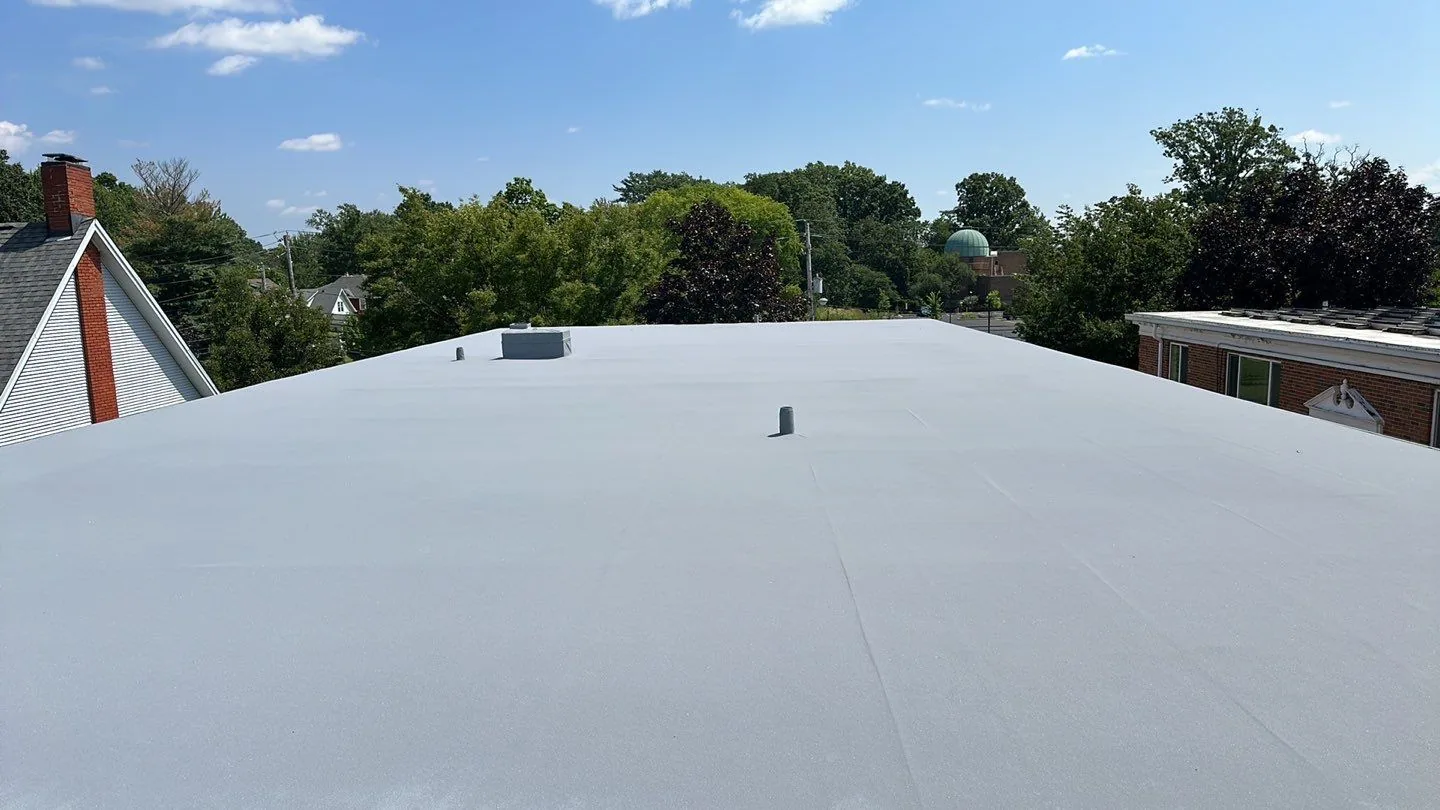
EPDM seams often depend on a cleaned surface, primer, and seam tape or adhesive specified for the assembly. A lap can release where preparation was incomplete, moisture reached the joint, or movement stressed the edge. We inspect the seam length, corners, T-joints, and termination. A probe can locate a loose edge, but the repair needs to extend to sound, bonded material.
Temperature, contamination, and the condition of aged rubber affect preparation. Dirt, oils, oxidation, or incompatible residue can interfere with a new bond. We clean and prepare a test area as required, then confirm that the repair method suits the existing sheet. If the EPDM is brittle or cracked beyond the seam, local resealing may not provide a lasting tie-in.
Sheet layout matters where an addition, repair, or rooftop unit interrupts the field. Review how the seam runs toward drains and walls, where the sheet is restrained, and whether a prior patch overlaps a new lap. The seam repair boundary should identify every open or suspect joint included, plus any nearby condition that remains outside the work.
Rubber sheet and repair patches
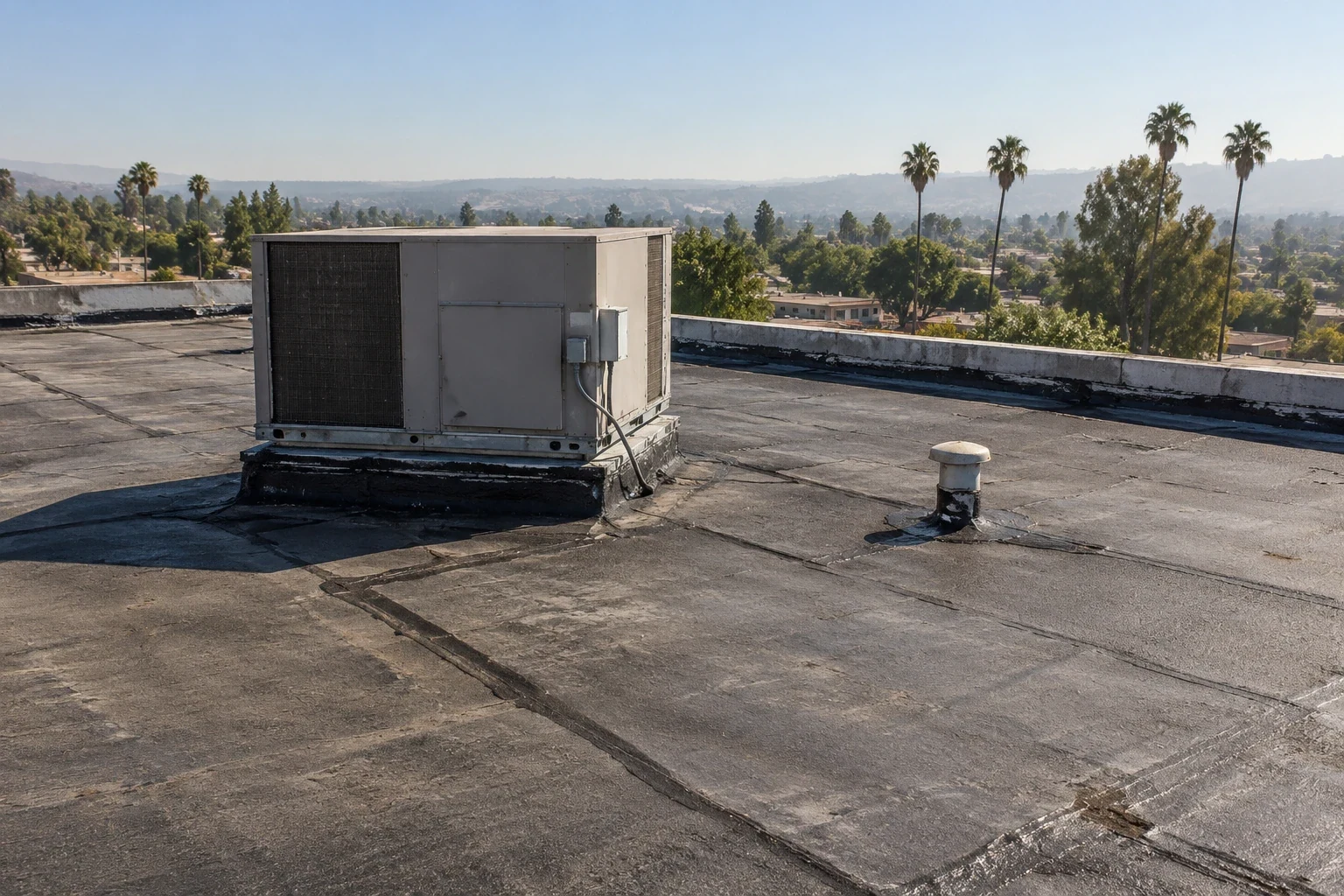
Look for cuts, punctures, open patches, surface cracks, loose flashing, and abrasion at service routes. A dark sheet can show chalking or weathering without a breach, so surface color alone does not set the repair scope. Record whether damage lines up with a mechanical contractor's path, material staging or a sharp support edge. Record locations and images before moving rooftop equipment or covering the area.
EPDM patches need clean, prepared rubber and compatible cover tape or flashing material. The patch shape and size should extend over sound sheet and be pressed into full contact, especially at corners and edges. Do not bridge an open lap with a patch that leaves the original bond loose beneath it. If water has entered the insulation, surface work will not dry or repair the hidden layer.
Coastal and inland parts of Chula Vista can have different temperature patterns. The Eastlake area sits within a larger planned employment community, and eastern sites can experience hotter dry-wind periods. We check actual surface temperature and access conditions before selecting the work window. A roof inspection can document exposed defects and identify areas needing a controlled opening or moisture confirmation.
Drainage and wall details
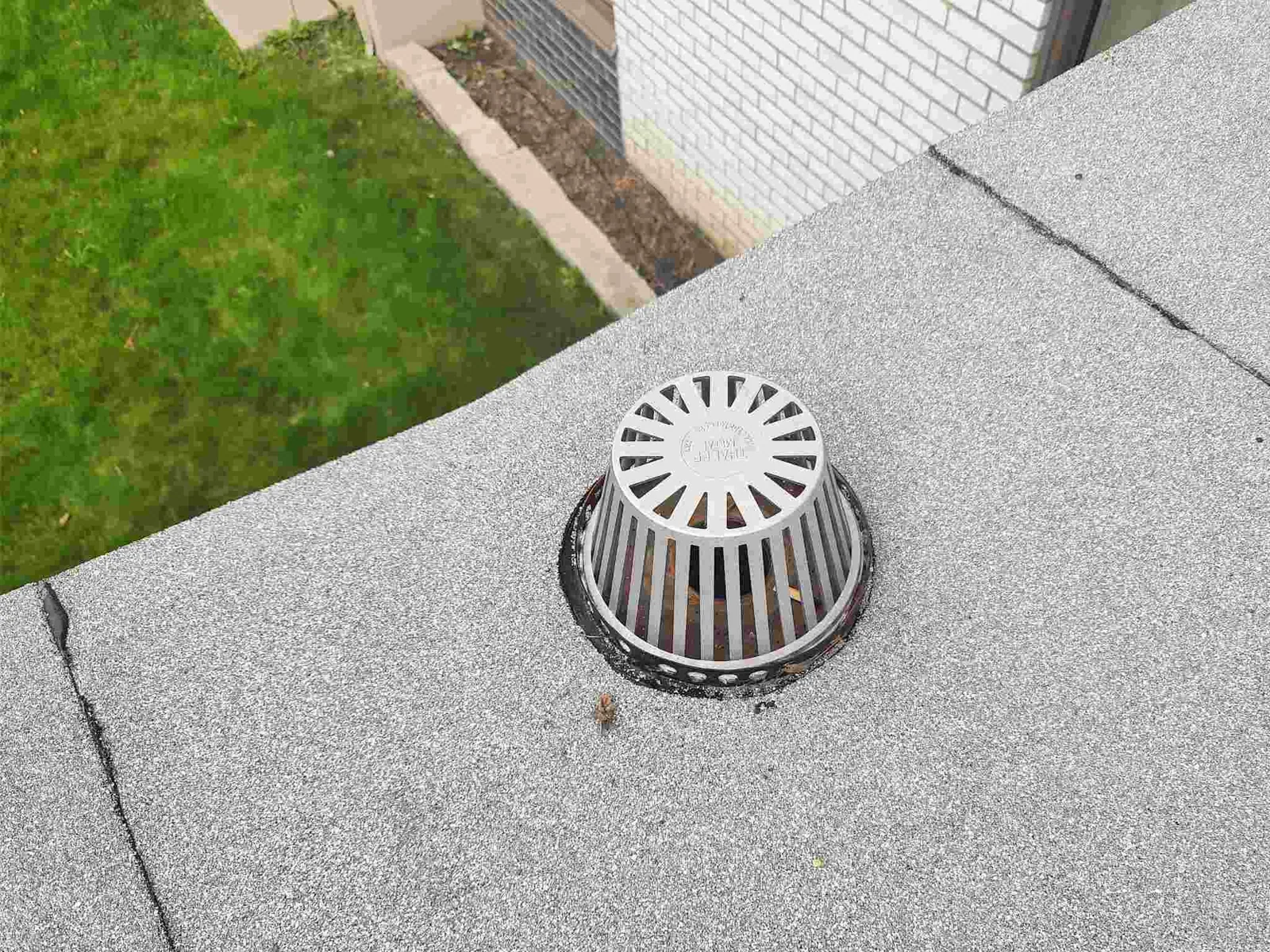
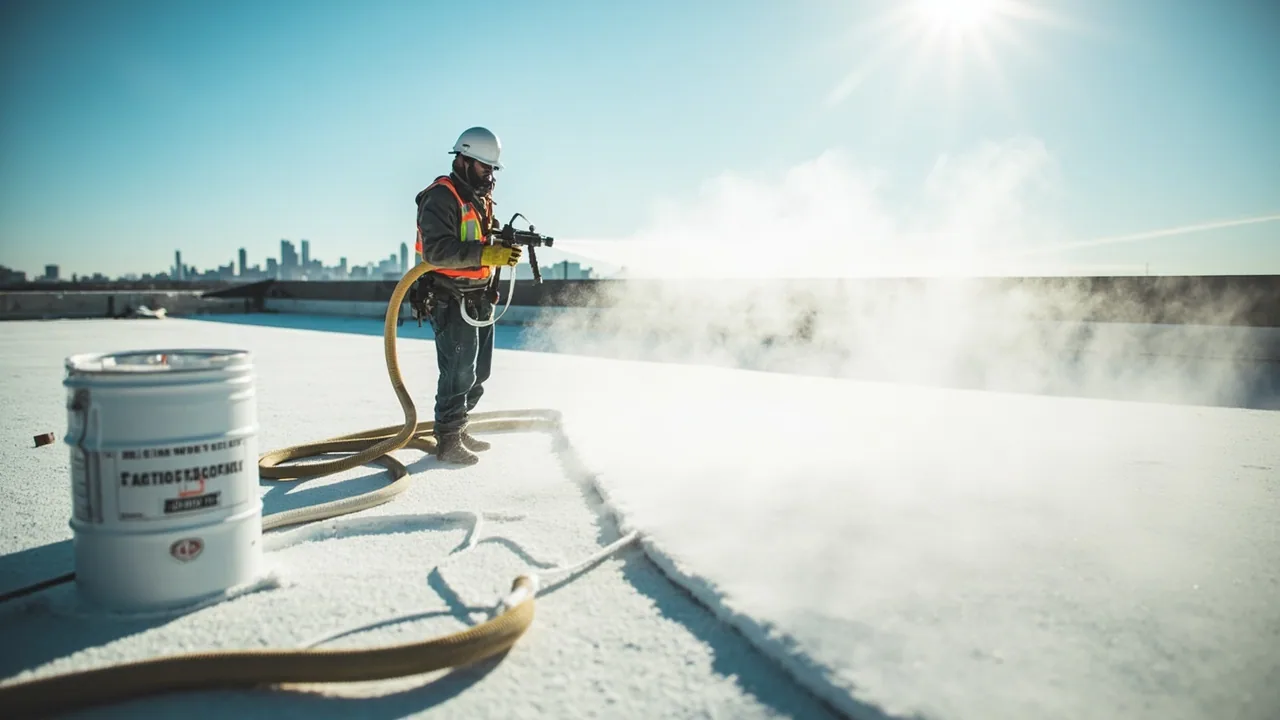
EPDM must carry water toward drains, scuppers, or gutters without leaving it trapped at a seam or curb. Trace the slope from the roof field to the outlet. Check the drain bowl, clamping ring, strainer, and membrane cut, then look for a raised patch or debris that slows flow. A drain and scupper review can distinguish a blocked outlet from a low area or failed drain connection.
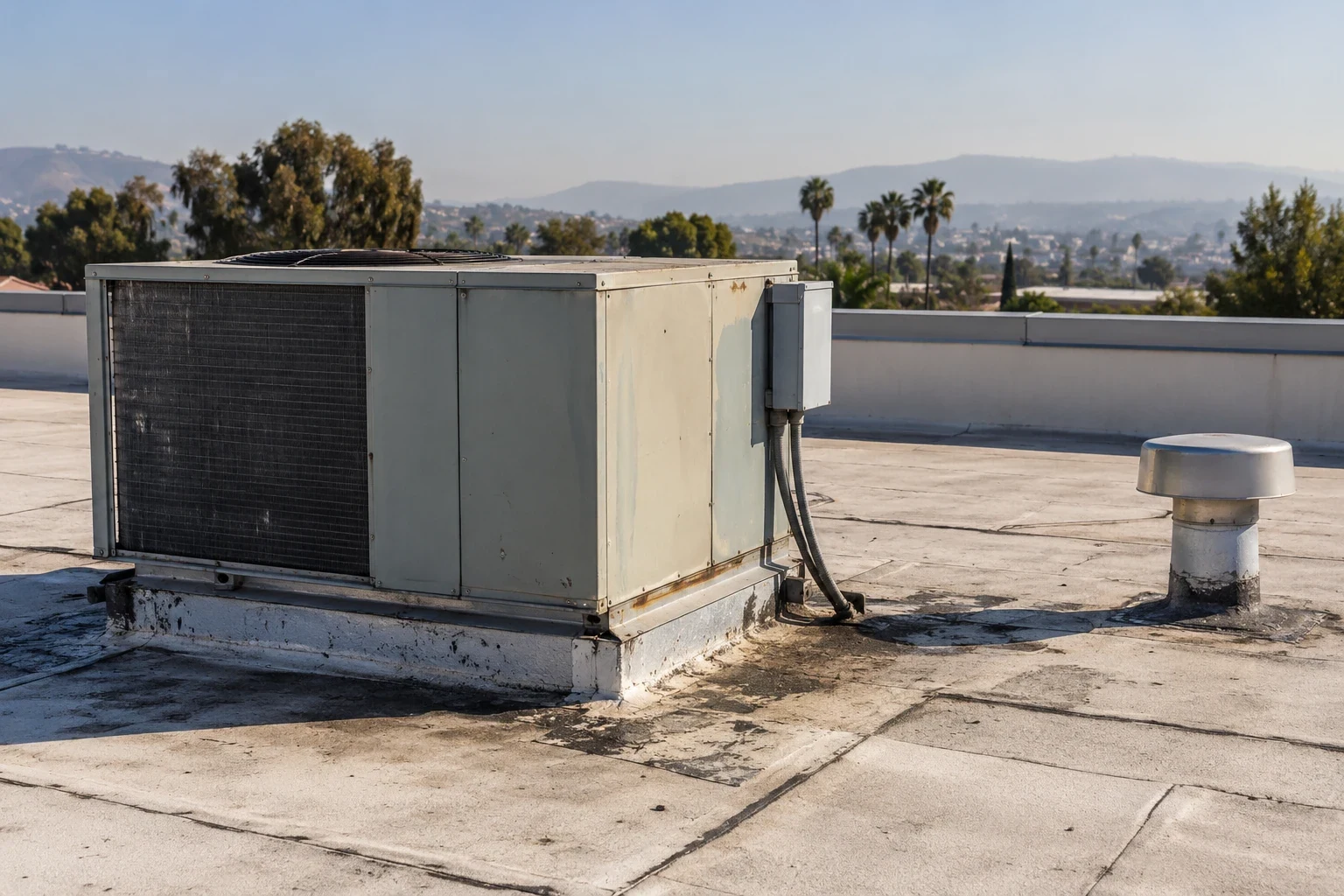
At a wall, the membrane may turn up beneath counterflashing or terminate at a bar. Inspect the height, attachment, corners, and lap where the sheet meets metal. At a penetration, check whether the boot or flashing remains flexible and attached. Movement around a pipe, curb, or conduit can pull a seam loose even when the field sheet is intact.
Most regional rain occurs in winter, so a roof opening needs a dry-in detail and a clear end-of-shift check. If work pauses, keep the membrane secured, drains open, and the temporary boundary visible to the facilities contact. Following rain, compare new interior reports with the roof plan and inspect the likely entry path instead of assuming the wettest interior mark identifies the seam.
Insulation, attachment, and movement
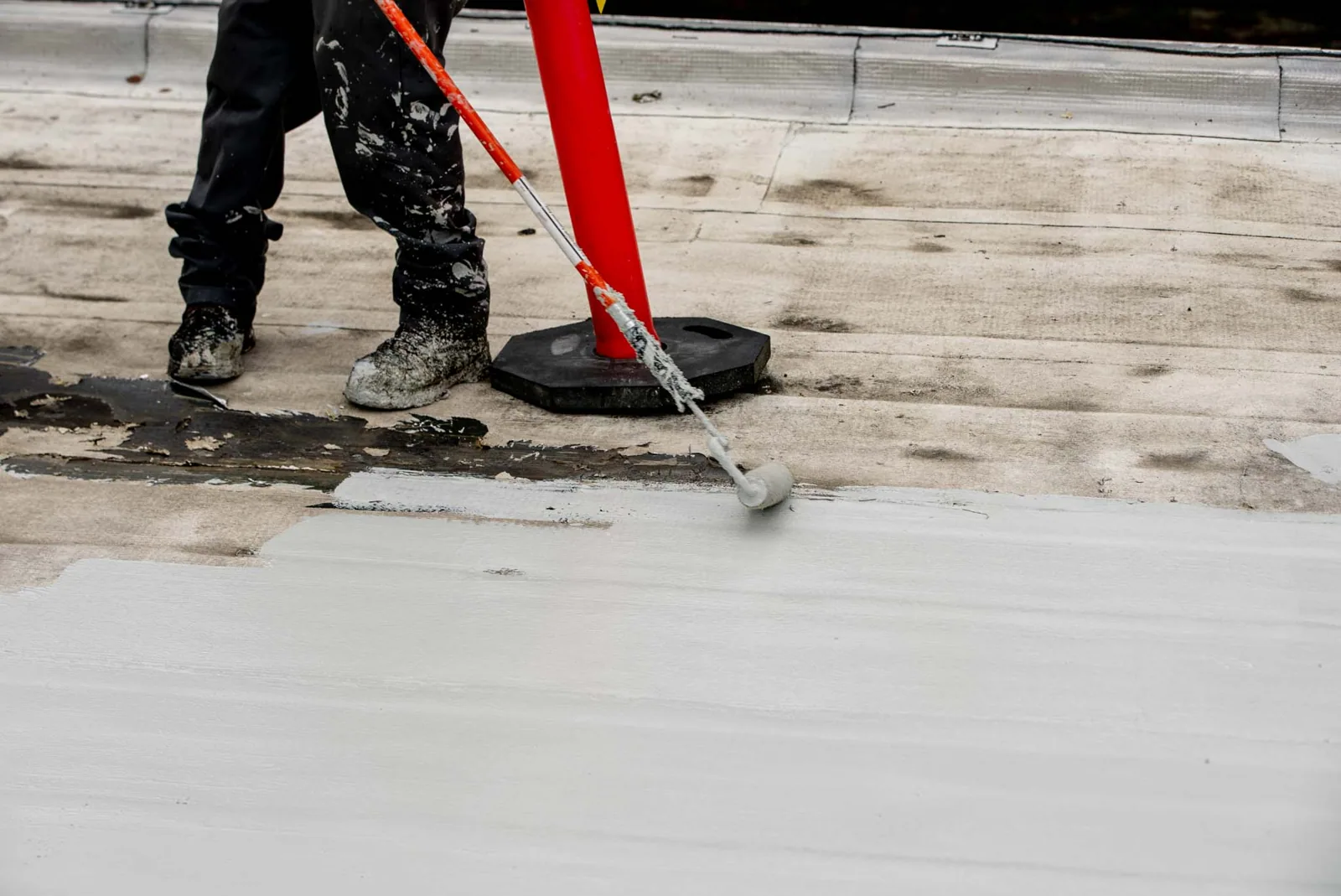
Identify whether EPDM is adhered, mechanically attached, or ballasted. Check the deck, insulation, cover board, and perimeter details against available records. Loose sheet can signal a bond problem, a missed fastener pattern, or movement below the membrane. A recover over wet insulation traps a condition that remains unresolved; confirm moisture before selecting an overlay.
Movement also occurs where roof sections meet walls, expansion joints, equipment curbs, and metal edges. Inspect those transitions for separation, wrinkles, or stress marks. A termination needs secure attachment to material that can hold it. Refastening the membrane to a weak nailer or damaged deck edge will not restore the assembly.
Confirm the exact building, service route, roof access, and active operations before staging material. At the Bayfront, planned commercial and marine-related uses can bring a different access plan. A roof repair scope should record those site constraints with the technical details, not assume that nearby properties share an assembly.
Repair limits and system choice
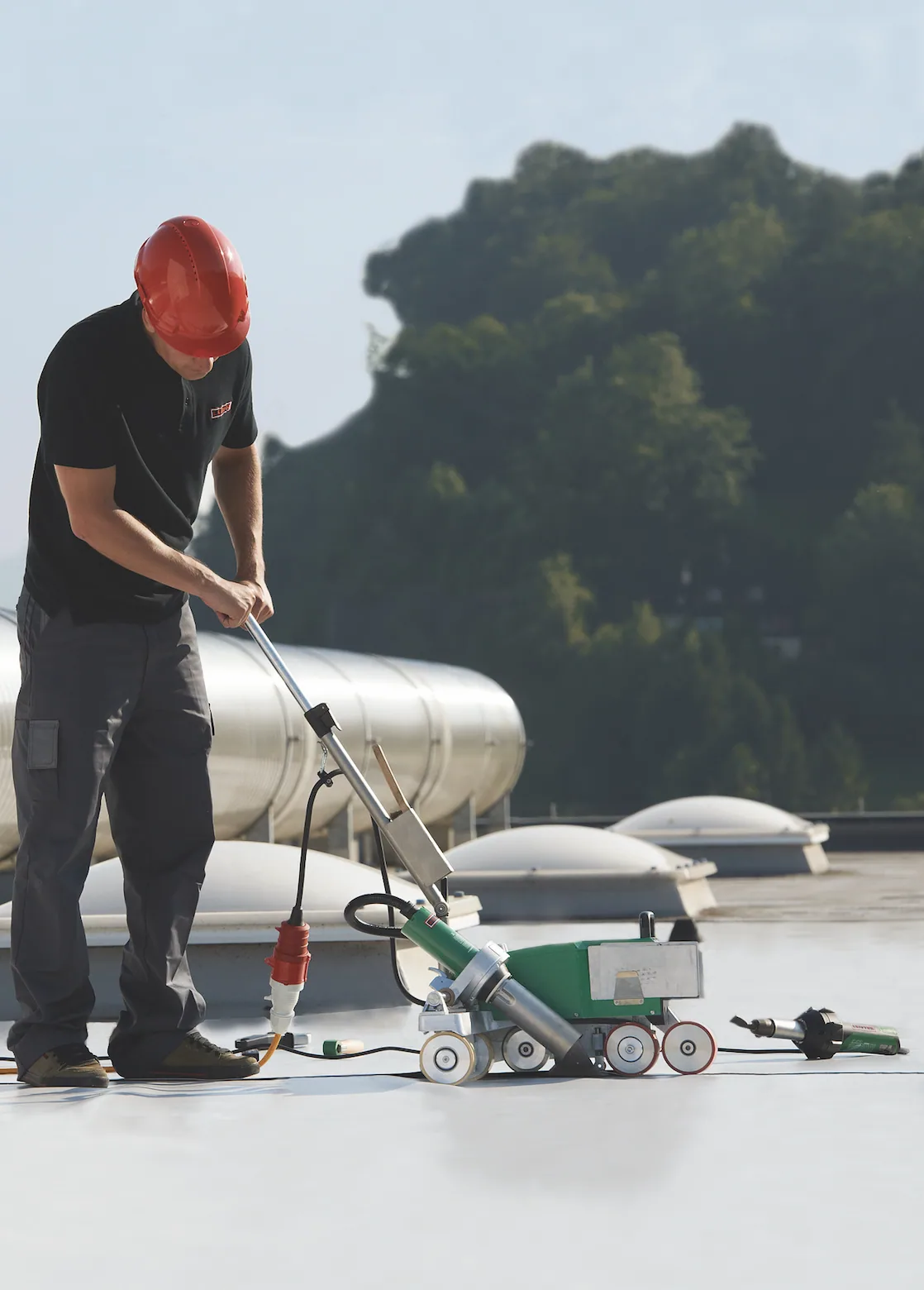
A localized puncture or failed lap can be repaired when nearby sheet, insulation, and attachment remain sound. Repeated seam release, widespread cracking, wet insulation, or failing edges may call for a broader scope. We compare repairs with replacement using the same roof area, access assumptions, and detail work. Identify what was visible and what needs confirmation before setting the quantity.
EPDM repairs should use materials compatible with the installed membrane and follow the system requirements for cleaning, primer, tape, and pressure. Avoid using an unrelated sealant as a substitute for a rebuilt seam. If a different membrane is planned at an addition, confirm its transition detail, movement allowance, and drainage before tying the new sheet to existing rubber. A TPO system and modified bitumen each require their own interface.
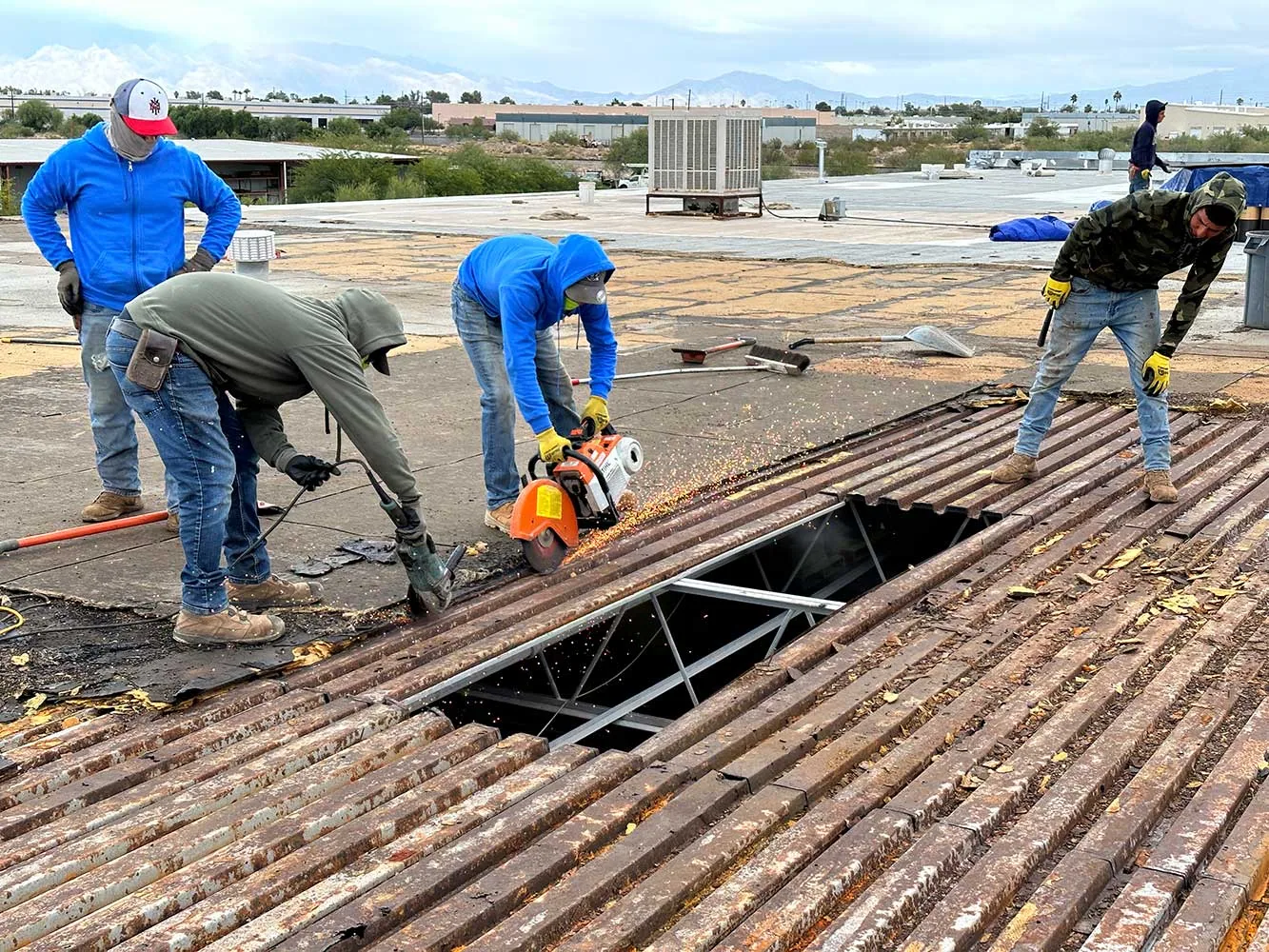
Replacement exposes more of the assembly for review but requires tear-off, protection, and coordinated closure. A recover can reduce removal only when attachment, moisture, loading, height, and compatibility support it. The replacement scope should set removal limits, insulation assumptions, drain heights, and daily dry-in points. Keep any temporary repair distinct from the permanent work so facilities staff know what needs a return visit.

Maintenance and closeout
After the repair, inspect the seam, patch edges, wall transitions, drains, and temporary tie-in. Record the material and preparation used, photograph the detail, and mark its location on the roof plan. Record any area that remains inaccessible or needs moisture confirmation. This record gives the next inspector a way to compare the same lap rather than starting from an unlocated photo.
During maintenance, check for lifted tape, shrinking patches, loose flashing, new punctures, debris at drains, and traffic damage. After another trade works on the roof, inspect the paths and penetrations it used. EPDM can remain serviceable where the sheet is sound, but the condition of seams and terminations still needs a field check. Keep prior repair records with product data and roof-zone labels.
Share the affected building, leak location, access contact, and any roof records to arrange an inspection. We can trace the water route, check the rubber assembly, and explain whether a local repair or broader renewal is supported by the field condition.