Keep Access Clear for Customers and Crews
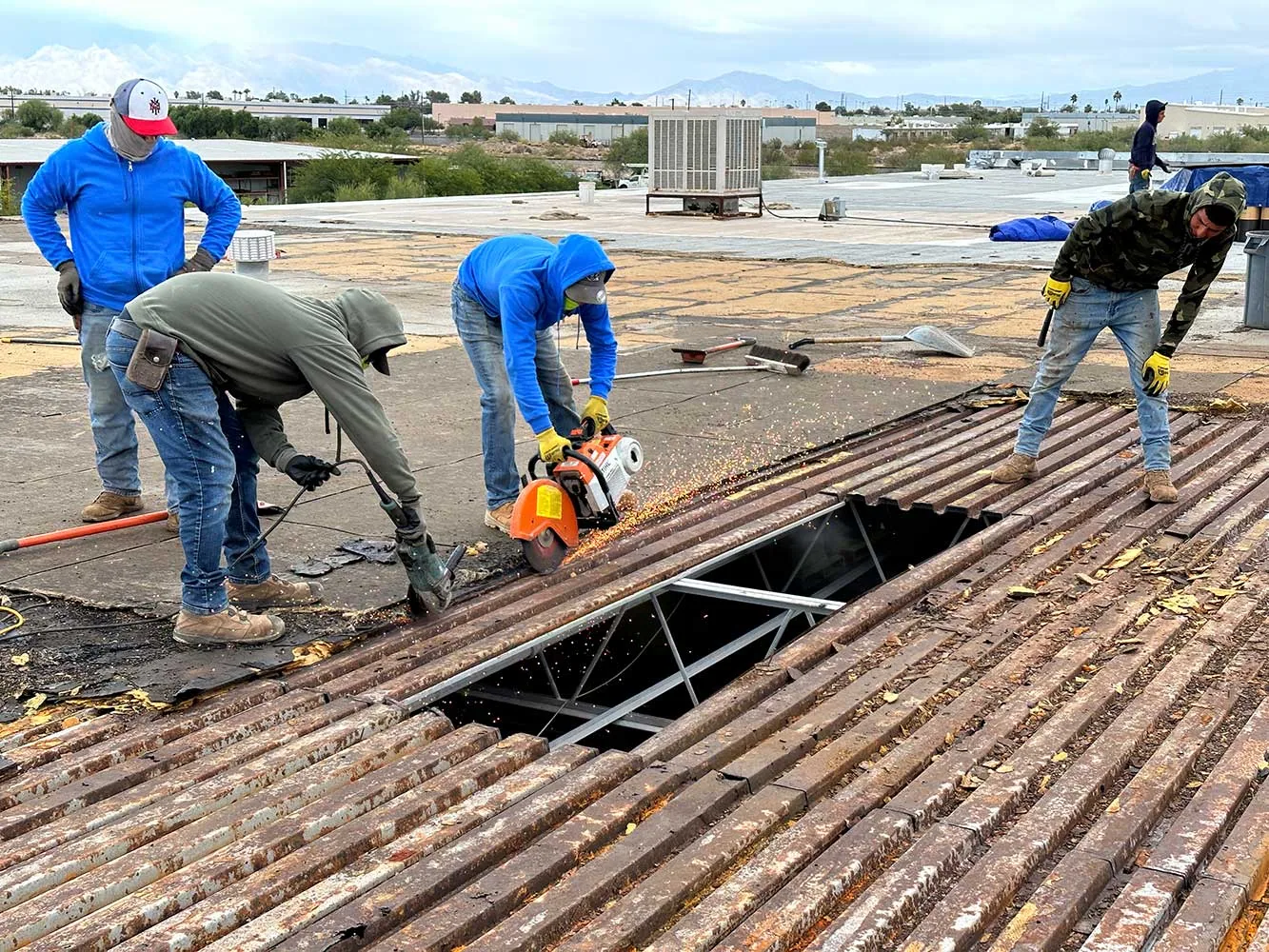
A lift, ladder or material drop can narrow access for customers or service vehicles. Before mobilization, we confirm where the crew may stage, whether the property shares an entrance and which hours are best for noisy or disruptive steps. The site contact identifies doors, loading points and indoor areas that need protection while the roof is open.
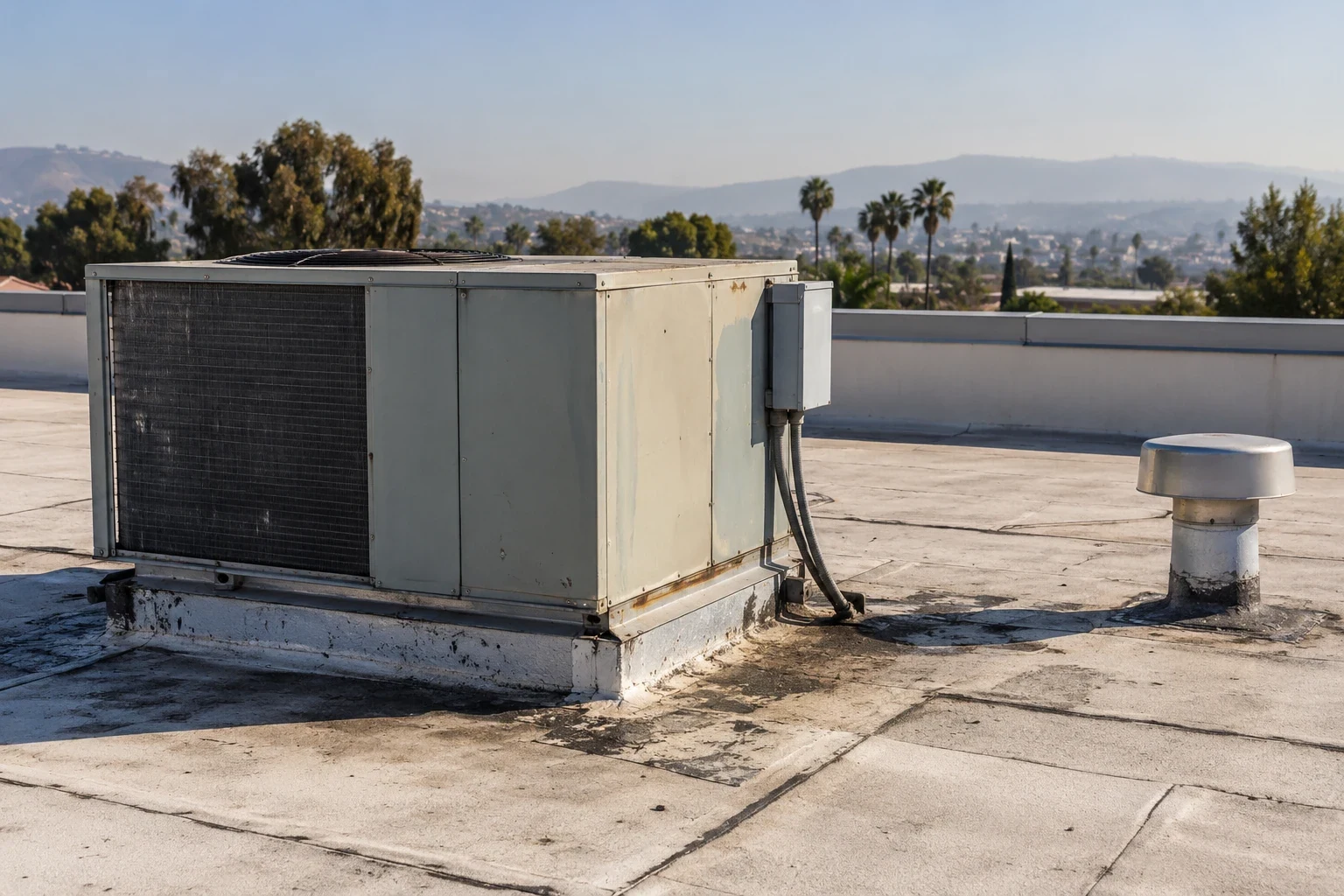
We also plan the roof route. A technician may need access to several elevations, a parapet edge or rooftop equipment before locating the leak. If a roof section cannot be reached, we explain what remains uninspected and whether a drone view could answer a surface question. It cannot show hidden insulation or establish attachment below the membrane, so the method has to match the decision the owner needs to make.
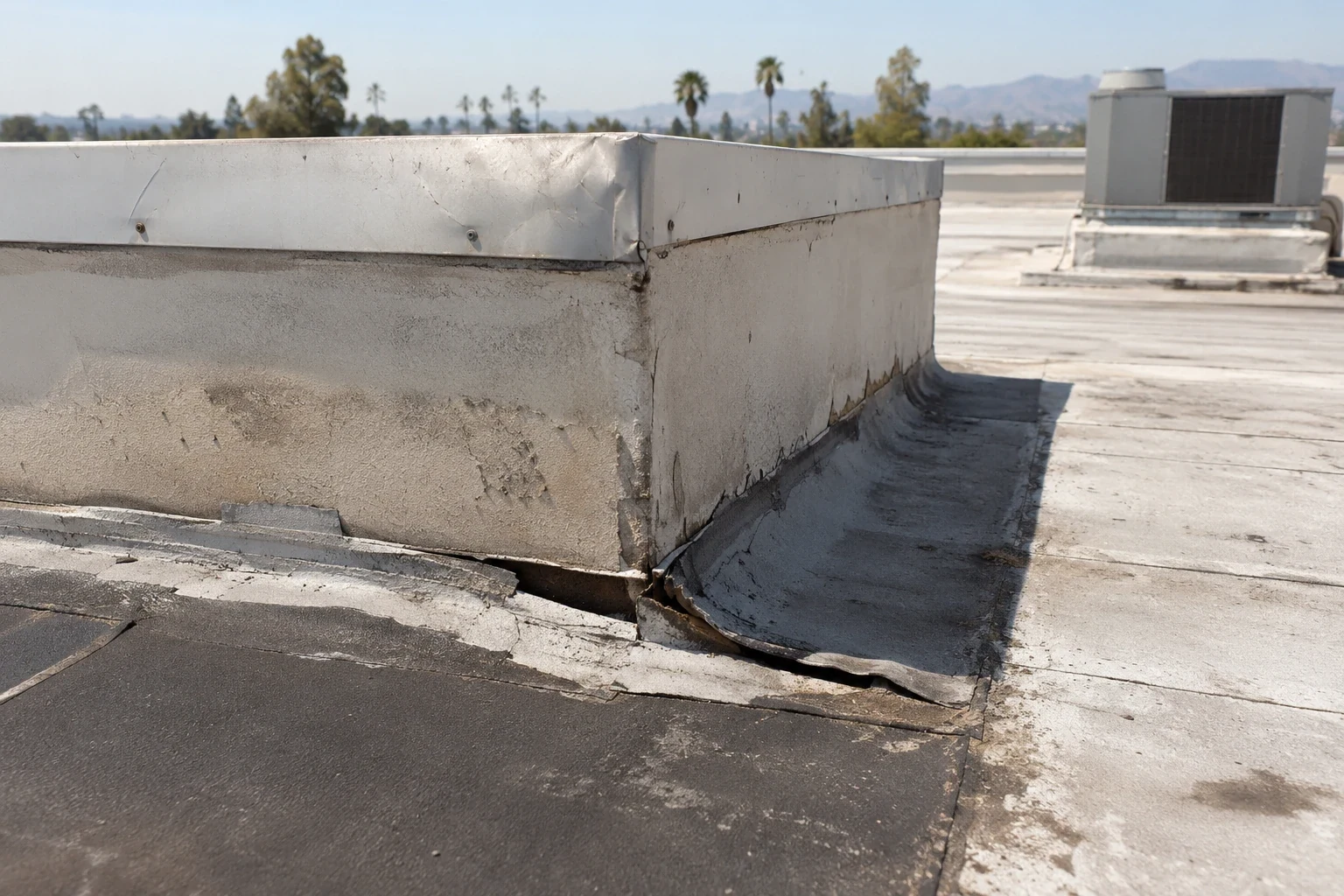
A ceiling stain in a retail space may not sit below the entry point. Water can move along a deck or beneath a seam before it appears indoors. We compare the affected room with roof slope, drains, curbs and prior patches. If the path reaches a separated lap, membrane seam repair can reconnect sound material. A curb or wall transition may need flashing repair.

Follow the Roof's Route to the Drain
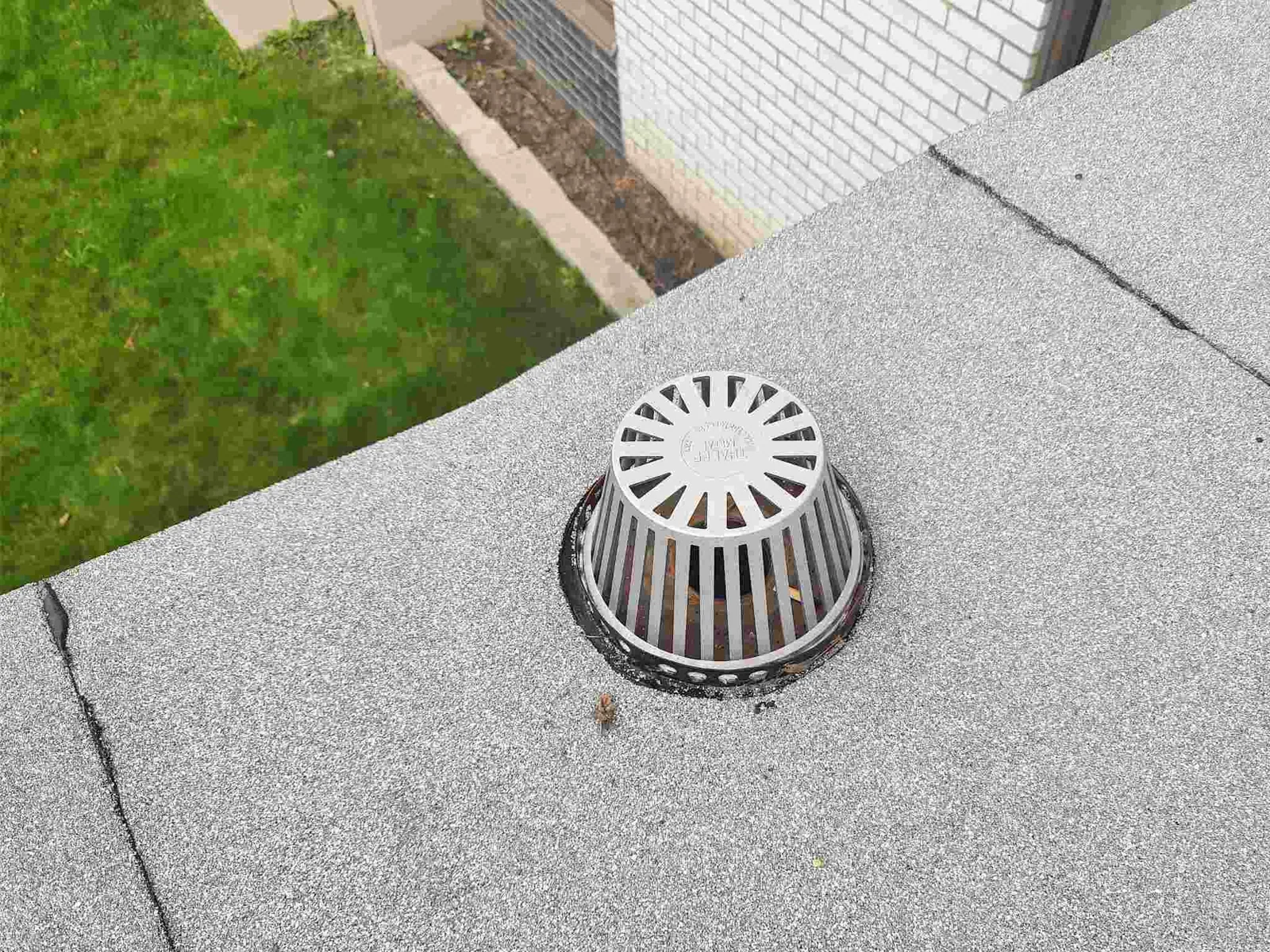
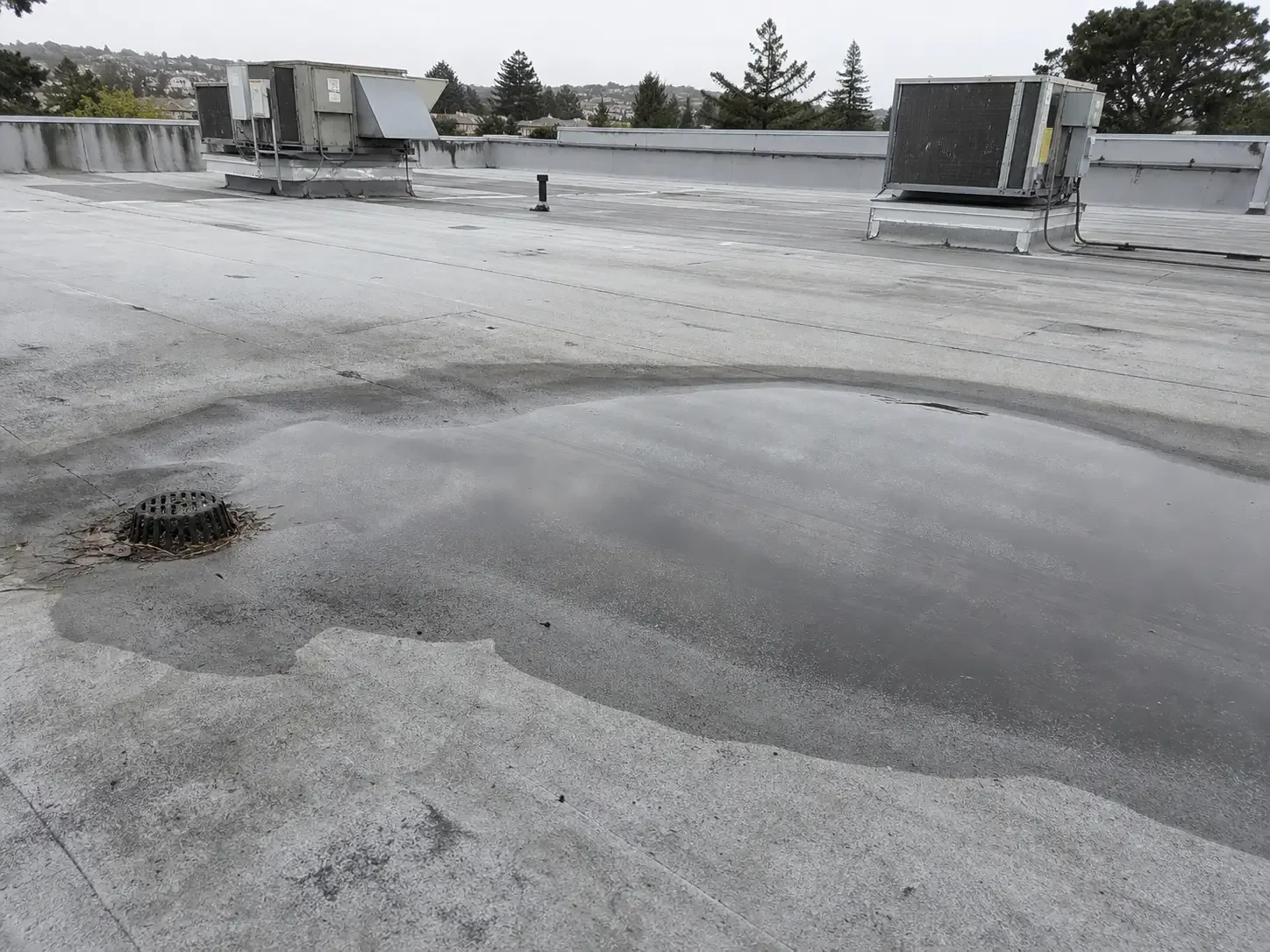
Debris at a drain bowl, a blocked scupper or a low area beside a curb can slow runoff. We inspect the outlet and the path leading to it, then look for ponding that remains after the drain is clear. A simple cleaning and a slope correction are different scopes. Drain and scupper service can address the outlet, while ponding-water repair can review a persistent low area.
Broadway connects with H Street, Third Avenue and the urban-core districts. A property manager coordinating several stops may need to account for corridor traffic and tenant hours, but roof drainage still needs a direct inspection at each building. We identify overflow routes and avoid leaving patch material or debris where it could block the next rainfall path.
Rainfall across the San Diego region is concentrated in winter, and annual amounts vary. We check drainage and transitions before repeated rain reaches an open seam. If a leak follows a storm, the date and location of the interior report help guide the walk. A suitable moisture survey may help map concealed wet areas when the roof assembly allows that method; otherwise, a controlled opening can establish the material condition below the membrane.

Prepare the Repair for the Existing Roof
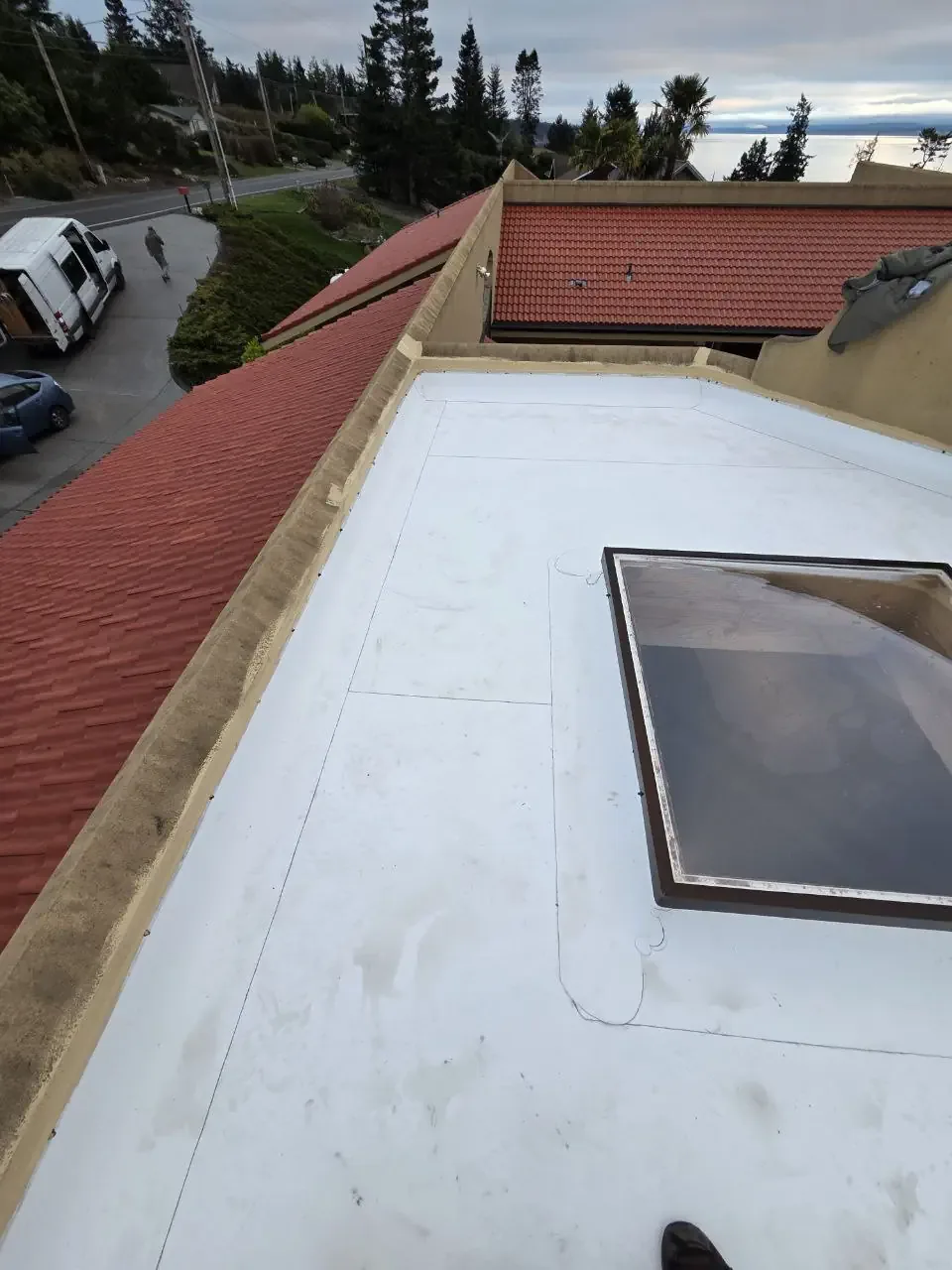
Patch material has to match the roof system. Thermoplastic membrane, EPDM and modified bitumen do not use the same preparation or tie-in. We identify the assembly, remove loose or contaminated material and extend the repair to a dry, stable surface. A sealant layer over a lifted edge may hide a gap while leaving the seam free to move.
If the defect is local and the surrounding membrane and insulation are sound, the work can remain focused. Brittle material, wet insulation or recurring leaks may call for a wider restoration or replacement. We explain what the roof walk established and whether testing could change the boundary. A commercial roof repair scope shows urgent water control separately from the permanent work.
Cost and timing depend on roof height, access, material compatibility, surface moisture and staging. Customer activity or delivery hours can narrow the time available for a lift. We review those factors before work begins and coordinate any equipment shutdown with the person authorized to approve it. If the weather does not support a permanent tie-in, we secure an active opening when safe and return when the surface is ready.

Choose a Safe Window for Permanent Work
Winter is the San Diego region's wettest period, though seasonal rainfall changes from year to year. A dry roof can still have an open lap or loose edge that admits water in the next storm. We inspect those details and determine whether the material can be prepared that day. Adhesives and welds need the required surface conditions; the repair should not be rushed over a wet or dirty substrate.
Dry easterly winds can bring higher temperatures inland, while Chula Vista's coastal climate stays milder. We schedule strenuous roof work and material application with those differences in mind. A repair detail still needs a direct check for movement, brittleness or poor attachment. Weather helps set the work window; it does not replace an inspection of the specific defect.
Emergency response is available overnight, on weekends and on holidays when a sudden opening threatens a business or interior equipment. We coordinate safe access, secure temporary protection where it can be attached to sound material and set the permanent return visit. The handoff explains what is protected and which repair remains open.
Record the Repair for the Next Visit
We inspect the finished patch or flashing tie-in, check adjacent seams and confirm drains remain clear. Photos identify the roof zone before preparation and after completion. The record lists material used, work performed and any area that still needs testing or another trade. That keeps a completed leak repair distinct from an observation that has not yet been resolved.
For a business with more than one property, a consistent roof-zone format helps compare repair history. A roof condition report can carry photos and repair decisions into a maintenance plan. Nearby Main Street and Third Avenue properties can use the same record structure while keeping their building conditions separate.
A scheduled roof maintenance visit can revisit drains, laps and perimeter details before winter rain. We can compare new photographs with the original repair area and identify any change that needs a separate work order.