Set Access Before the Crew Mobilizes
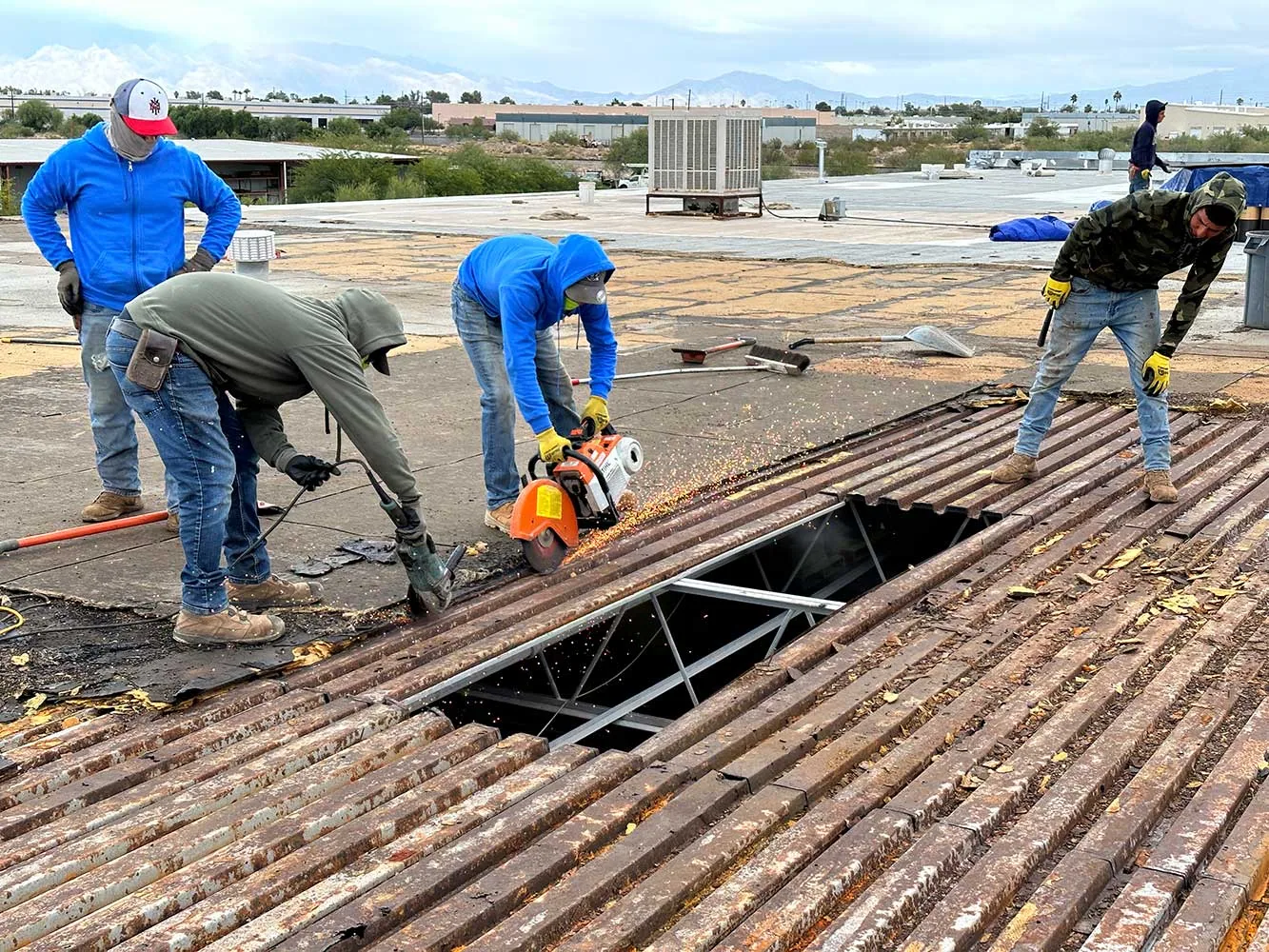
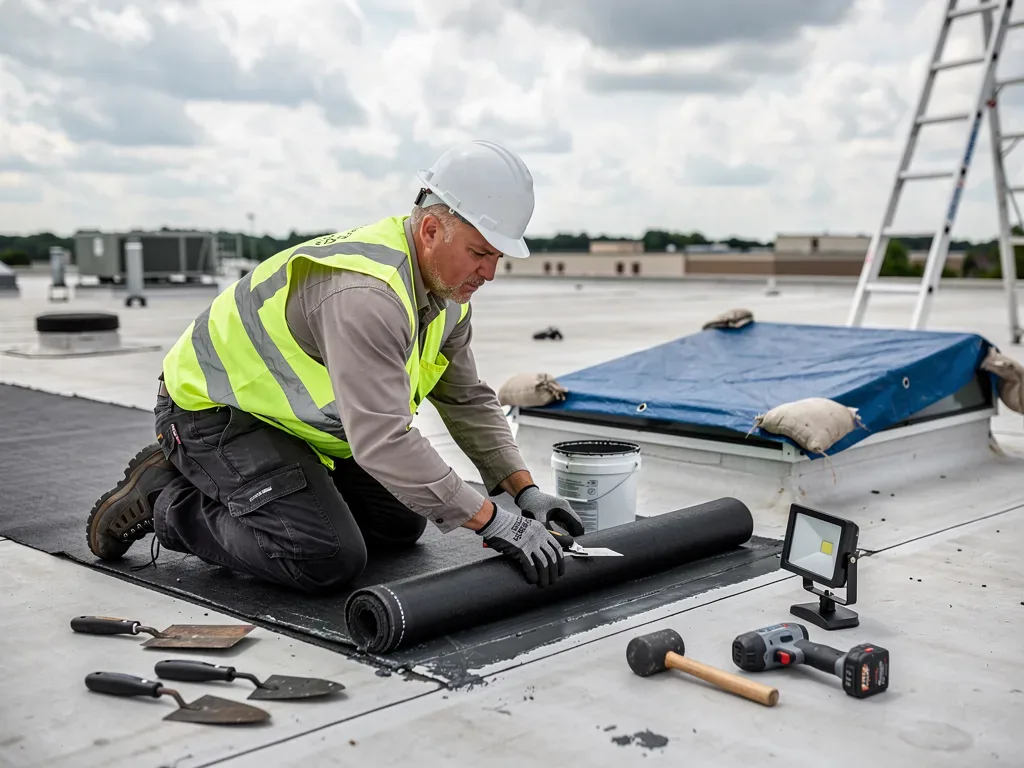
On a commercial corridor, a lift or material drop can affect more than the roof itself. We confirm where the crew can park, how roof access works, whether an escort is needed and when the service area is available. If deliveries use the same entrance, we schedule staging outside that movement where possible. The site contact identifies tenant hours, equipment restrictions and any space below the roof that needs temporary protection.
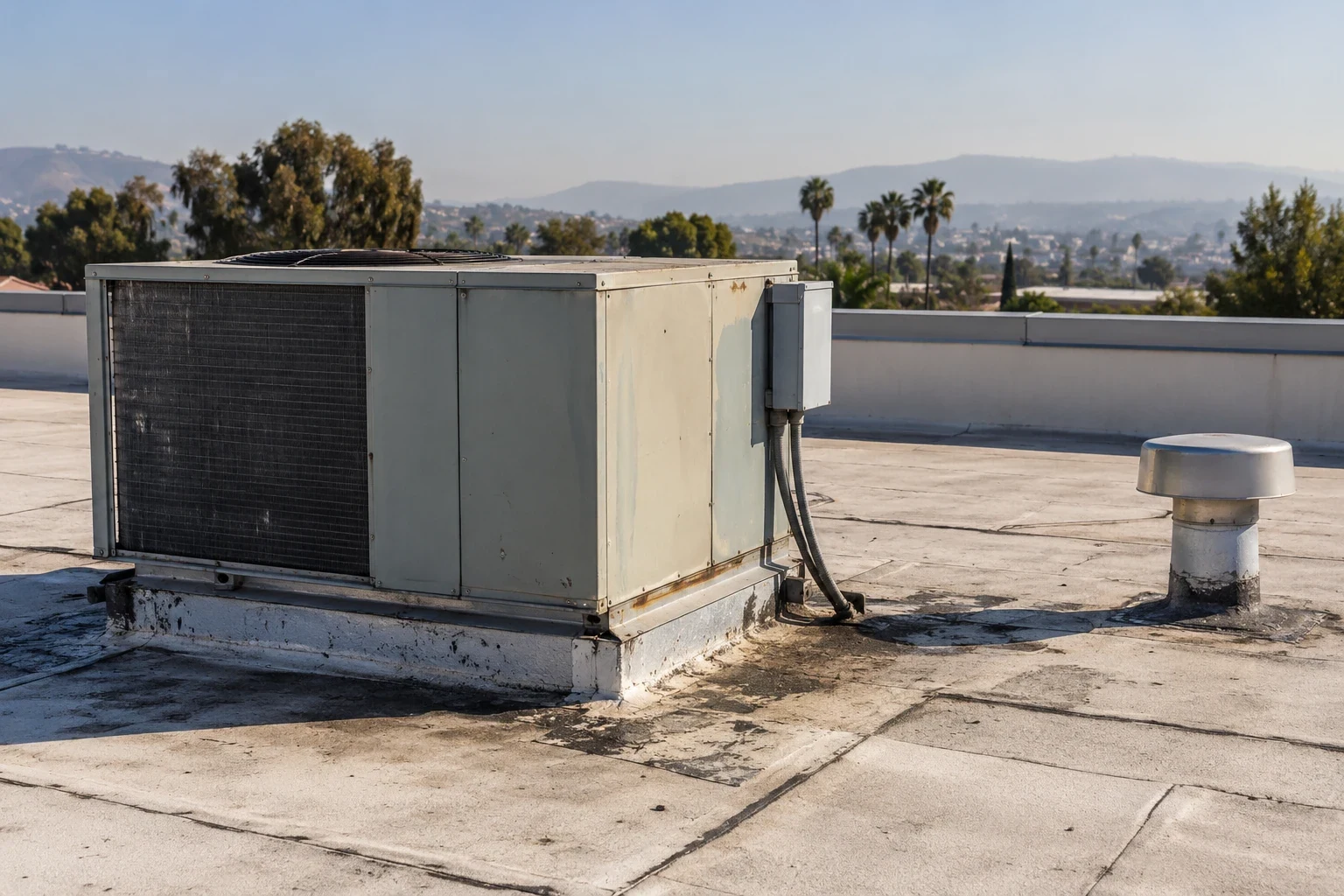
That first coordination call also helps define the inspection route. We identify hatches, ladders, parapet access and roof levels before walking the system. If access to one section is restricted, we record the limit and discuss whether a drone view or another method can answer the open question. A photo from above can show surface layout, but it cannot establish the condition of a concealed deck or membrane bond.
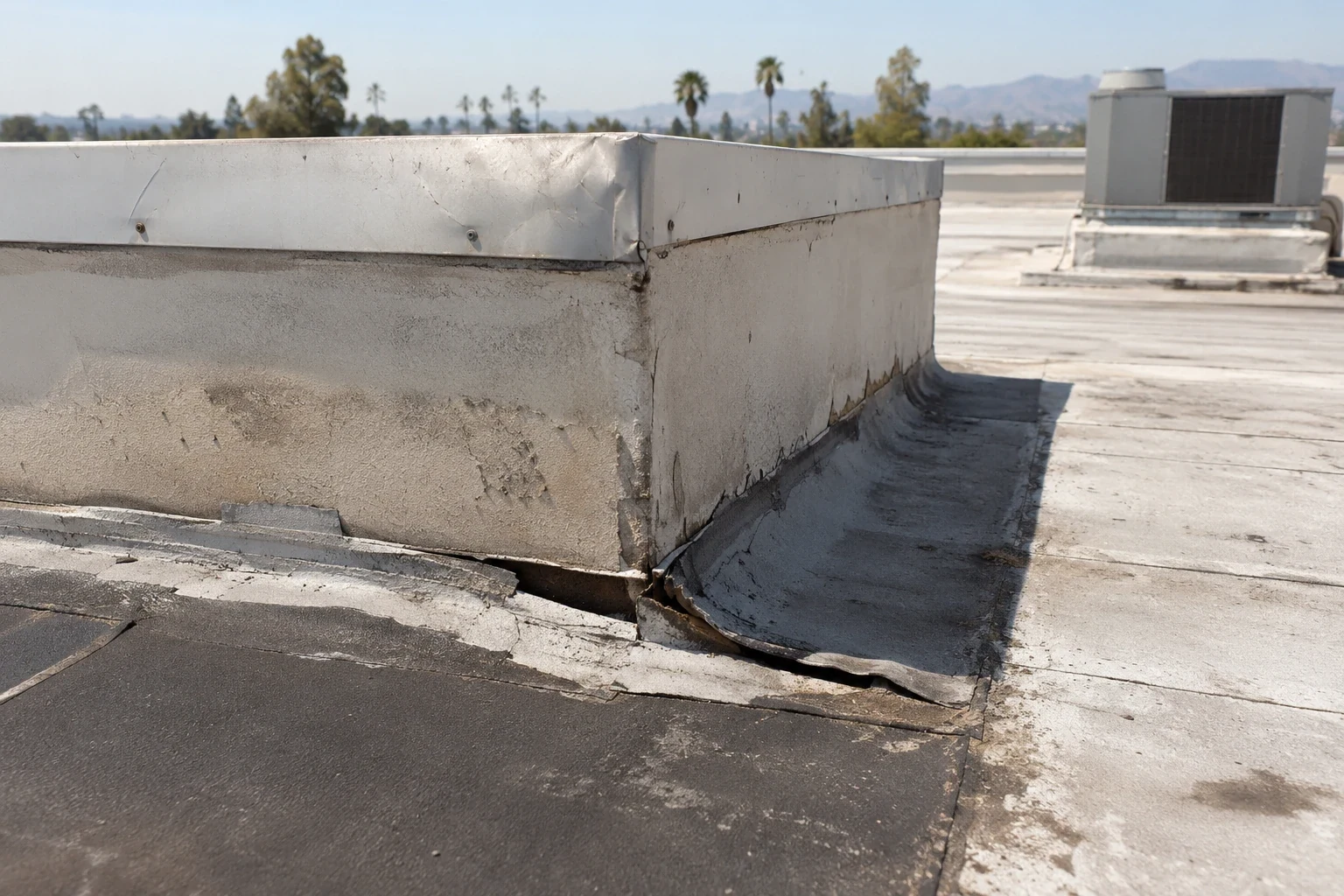
For active water entry, commercial leak repair begins with identifying how water reaches the interior. It may cross a deck or follow a seam before appearing near a storefront wall. We compare the reported room with roof slope, curbs, drains and old patches. Flashing repair can restore a failed wall or equipment transition; a separated membrane lap needs a compatible seam detail instead.
Follow the Drainage Path to Its Outlet
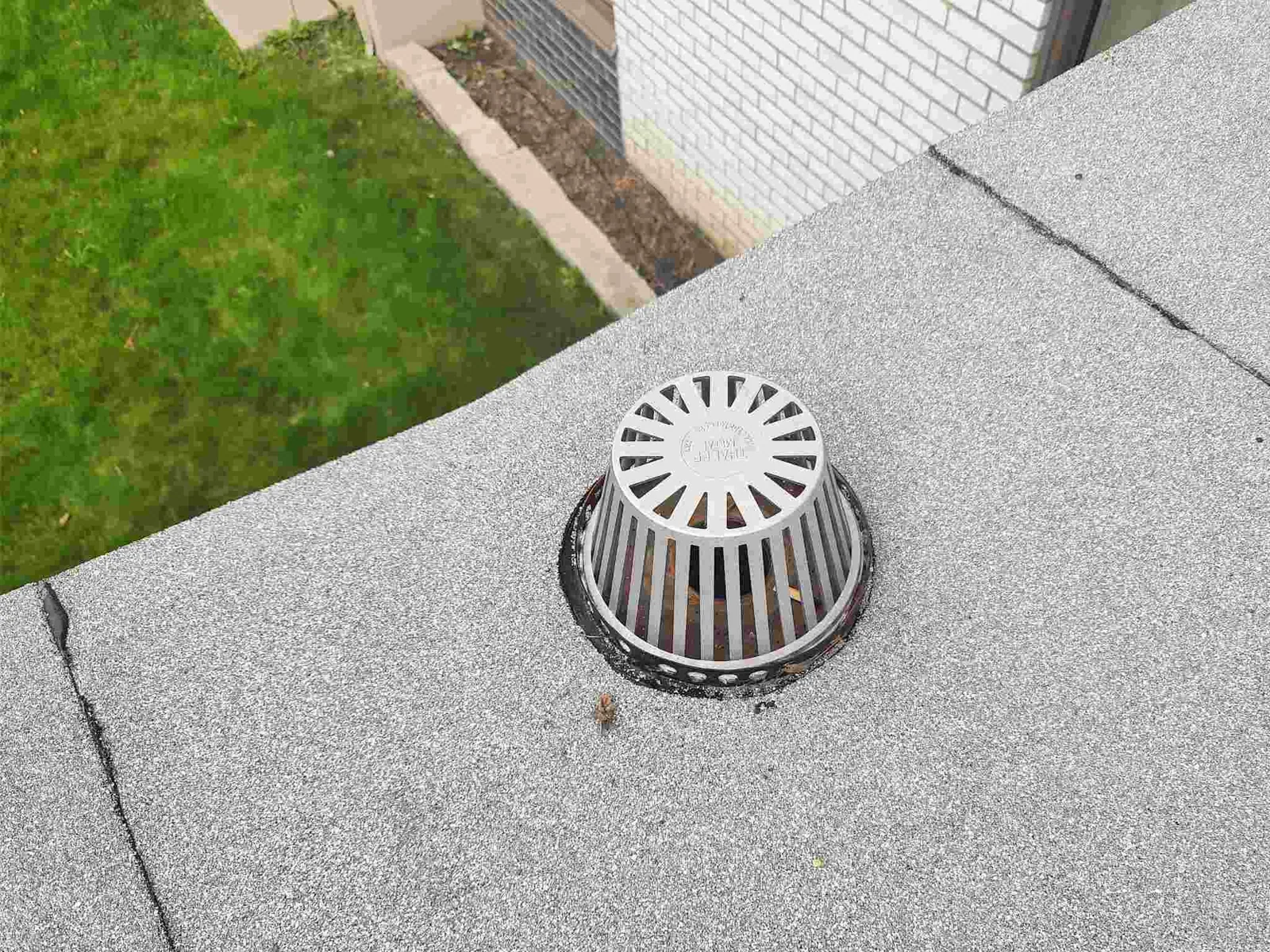
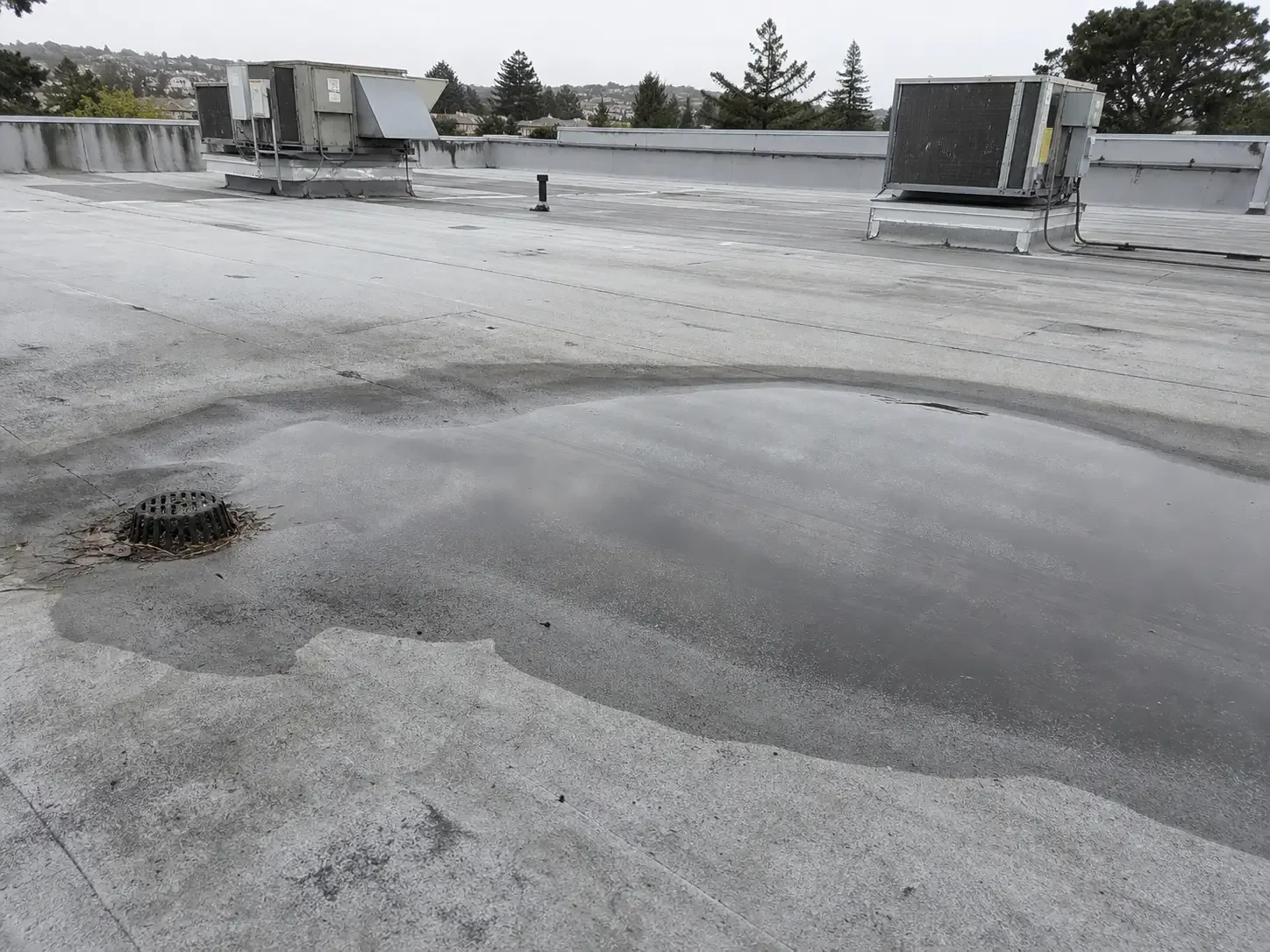
Low-slope roofs depend on clear outlets and a continuous path to them. We inspect drain bowls, scuppers and overflow points for debris or separation, then check whether water remains trapped around a curb or prior patch. If cleaning restores flow, the work can stay contained. If a depression continues to hold water, the slope or insulation may need review. Drain and scupper service addresses the outlet while ponding-water repair can address the larger condition.
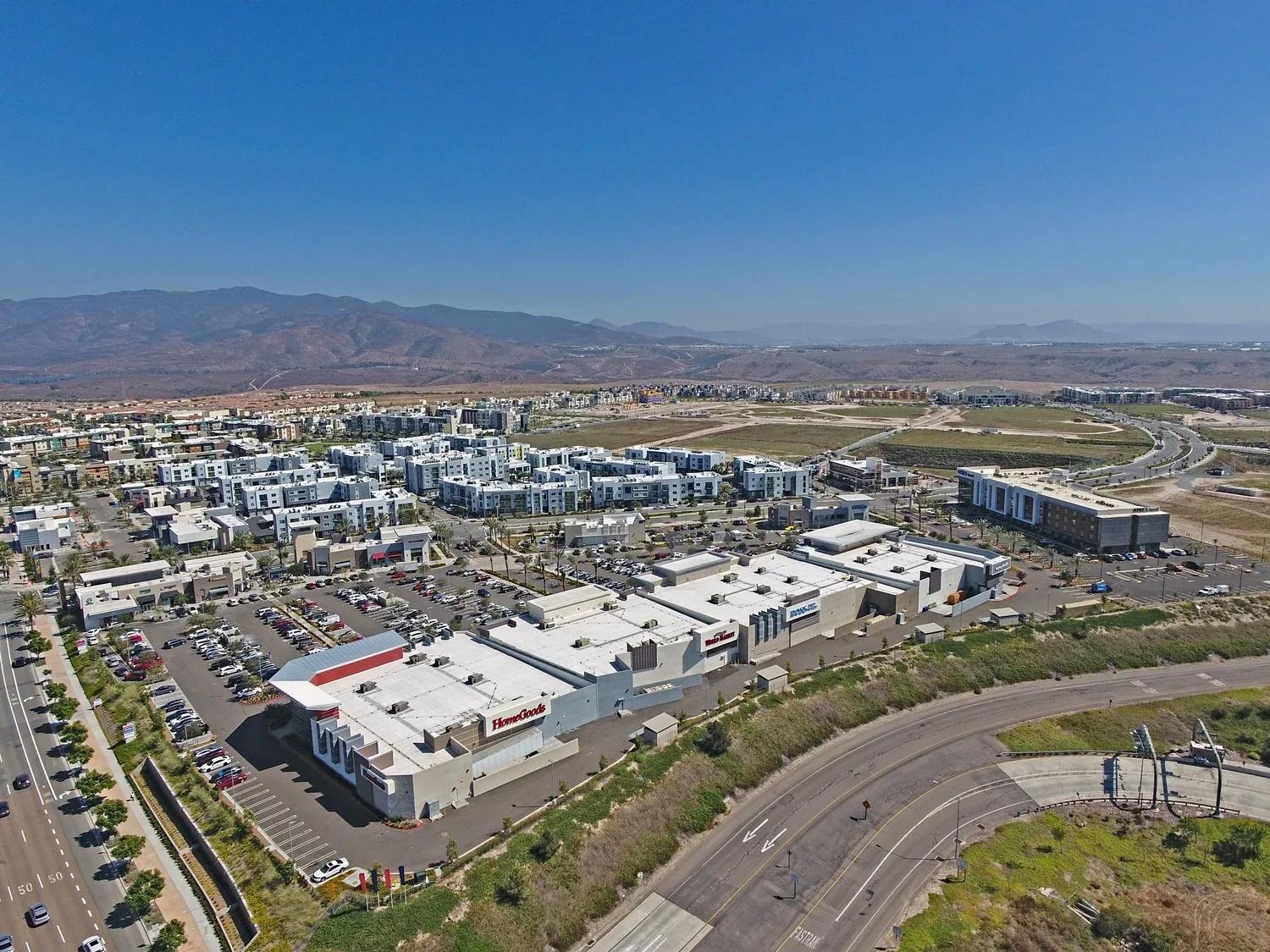
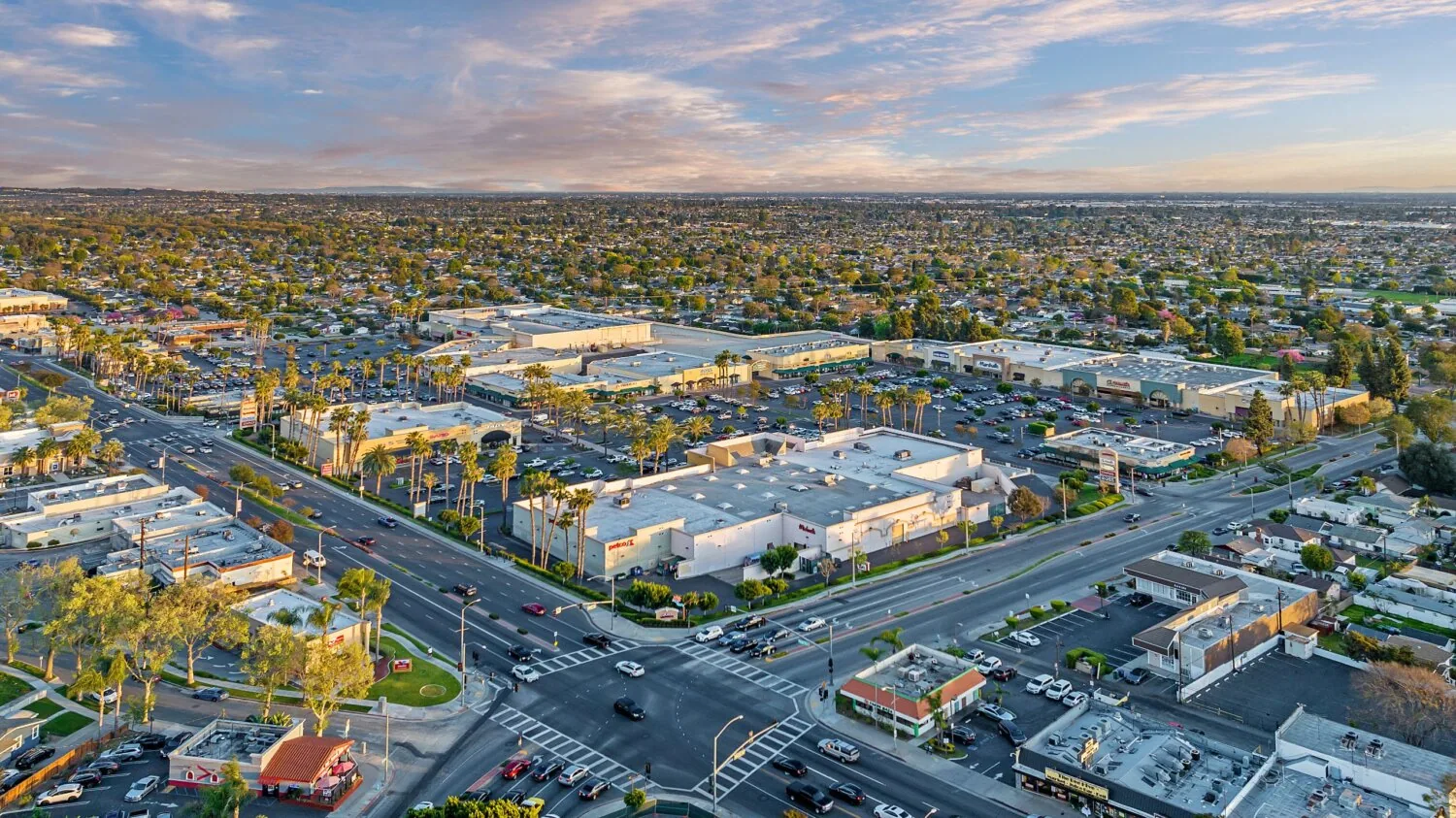
Main Street connects activity centers across Chula Vista and links commercial areas with regional routes. That movement can shape the time available to stage a crew, but it does not change the technical need to preserve drainage. We keep materials and debris clear of the outlet and avoid placing temporary cover where runoff cannot pass. After repair, we inspect the water path again to confirm that the patch has not created a new dam.
If interior reports occur after a storm, we compare dates, affected rooms and roof zones. Chula Vista's rainfall is concentrated in winter, although the amount changes each season. An older ceiling mark can persist after the roof is dry, so we check for current moisture before recommending removal. A moisture survey may help map a concealed wet area when roof materials and surface conditions are suitable.
Use the Installed System to Guide the Repair
We identify the membrane or metal roof before selecting repair materials. A thermoplastic seam may need a compatible weld; EPDM and modified bitumen use other preparation and patch details. The work surface must be clean and dry, and the new material needs a sound tie-in beyond the damaged edge. A generic sealant bead can cover an opening without restoring the attachment below it.
A local patch can remain narrow when the sheet and insulation around it are dry and firmly attached. Brittle membrane or damp layers call for a wider decision. If concealed material changes the quantity, we can open a small test area and scope the exposed condition. The repair plan separates immediate protection from permanent membrane work and lists any follow-up test. A commercial roof repair scope sets the materials and tie-in for that work.
Cost and timing depend on roof height, access, system compatibility, staging and concealed conditions. A traffic restriction can limit where a lift is placed; a tenant or equipment schedule can narrow the work window. We confirm those factors with the property contact before materials arrive, then set a sequence that closes each opened area at the end of the shift.
Schedule for Surface and Material Conditions
Most regional rain falls during Chula Vista's winter months, but the seasonal total varies. A roof detail that stays dry for months can admit water when a lap or curb connection opens. We check the current membrane temperature and moisture before welding or applying adhesive. Product instructions set the required conditions, and a rushed tie-in can leave a weak edge that opens again.
Dry easterly winds can send eastern San Diego temperatures into the 90s and sometimes 100s. Those hot periods can narrow the work window for some products. We look for actual shrinkage, brittle sealant, displaced edge metal or a lifted patch. If conditions are outside the product range, we stabilize an active opening when safe and schedule the permanent repair for a suitable window.
Emergency roof response is available overnight, on weekends and through holidays when a sudden failure threatens the building. We coordinate access with the site contact, secure a temporary dry-in to sound material and identify what remains for permanent work. A repair record distinguishes that temporary protection from the completed tie-in.
Keep Follow-Up Findings in the Same Roof Zone
We finish by checking the tie-in, neighboring seams and drain path. The photo set pairs the pre-repair condition with the completed detail. We identify material used and any follow-up check, including concealed insulation or deck that could change later work.
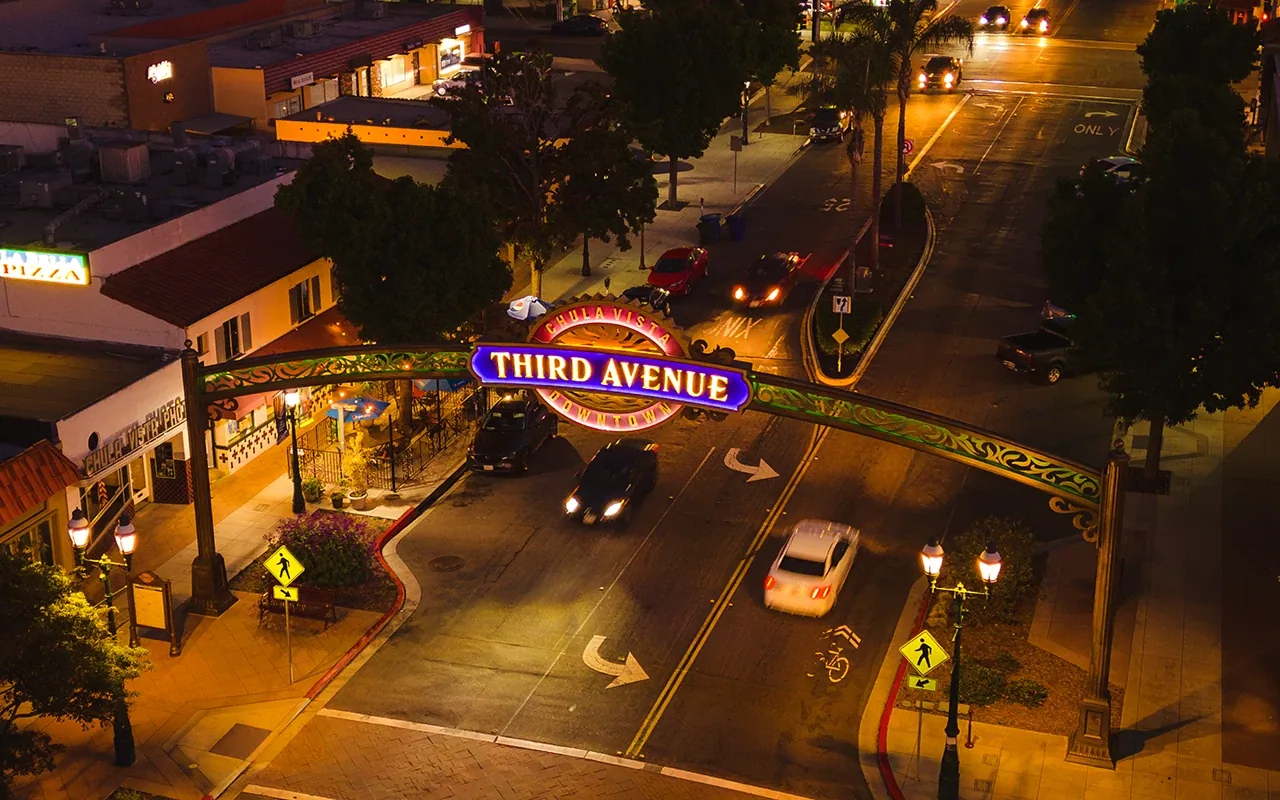
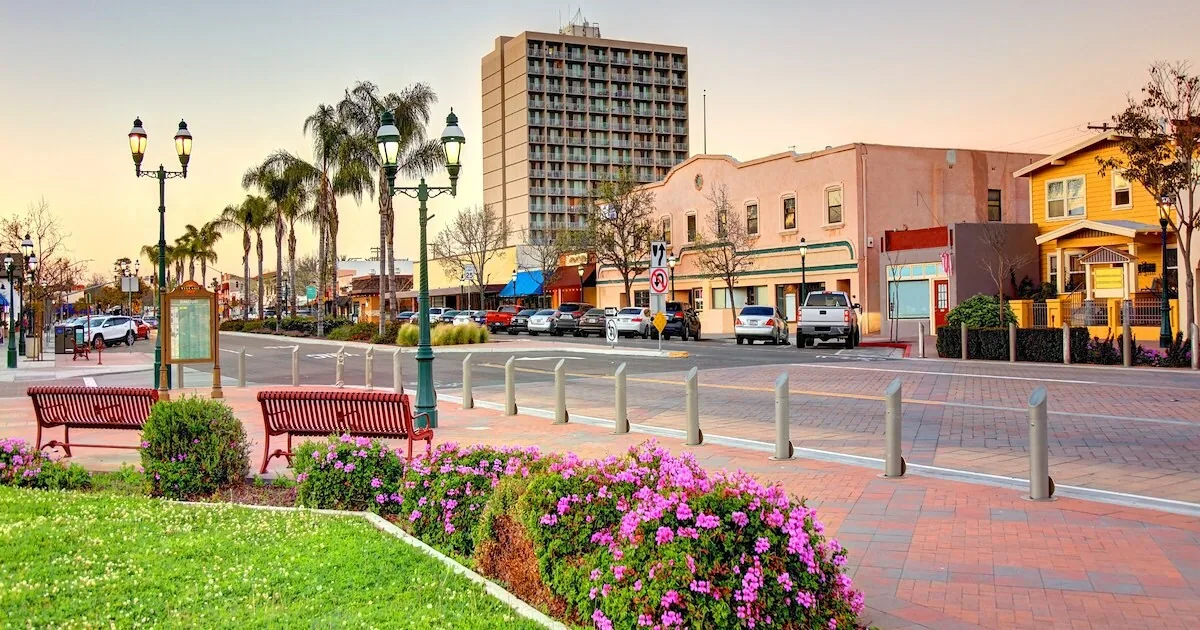
Main Street District and Palomar Gateway are separate western commercial areas. For a facilities group with buildings in the Broadway corridor or downtown Third Avenue, the same roof-zone format can help compare repair history without blending separate property conditions. Each property keeps a separate work history and access contact, even when one manager coordinates several addresses.
Roof condition reporting can carry repair photos into a maintenance budget. Preventive roof maintenance can check seams, drains and perimeter details before winter rain. Portfolio findings remain assigned to their own roofs.