Check panels, seams, and attachment
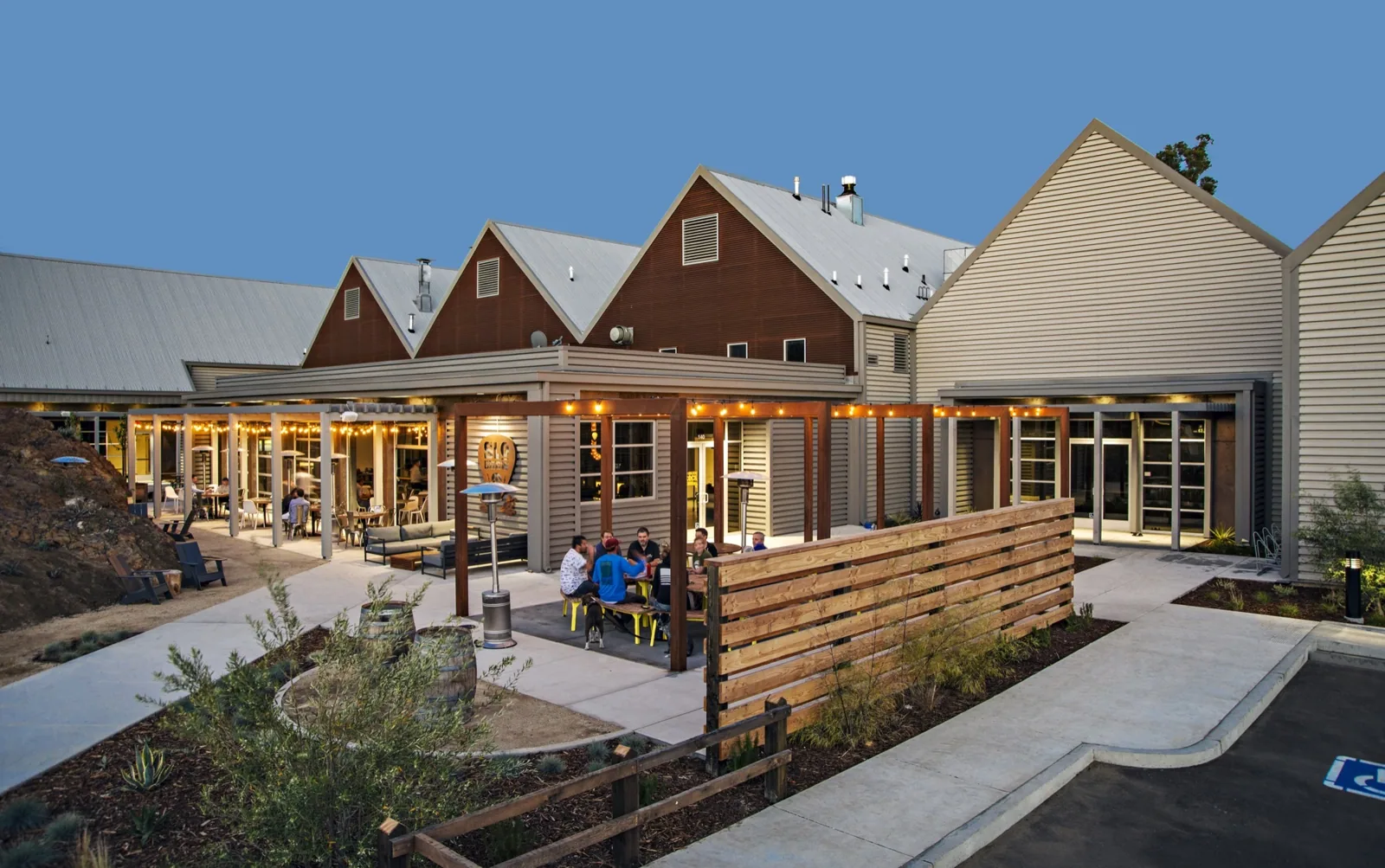
Identify the panel profile, seam type, metal, coating, and attachment method from project records or exposed details. Standing seams may be mechanically seamed or snap together, and panel widths or clip designs vary. Do not assume one repair tool or closure detail suits every profile. If records are incomplete, document visible characteristics and verify compatibility before ordering material.
Look along the panel runs for oil canning, buckling, scratches, corrosion, open seams, and displaced closures. Some waviness is cosmetic; movement at a fixed point or a seam that has separated may allow water entry. Check whether fasteners are concealed or exposed at specific trim locations. Do not tighten or add fasteners without knowing how the panel is intended to move.
Concealed clips attach panels to the deck or framing while allowing movement. A trapped or improperly placed clip can restrain expansion and stress the seam. Review attachment records where available, then inspect accessible eaves, ridges, and transitions. A roof inspection can map panel direction, attachment evidence, and locations that need closer review.
Follow thermal movement at details
Metal panels lengthen and shorten as temperatures change. Observe whether the panel has a fixed point and whether clips or end details allow movement as designed. Stress may show as distorted seams, elongated fastener holes, buckled panels, or trim pulling away. A repair that locks a moving panel in place can transfer strain to another connection. Check the full run and its terminations before proposing a local fix.
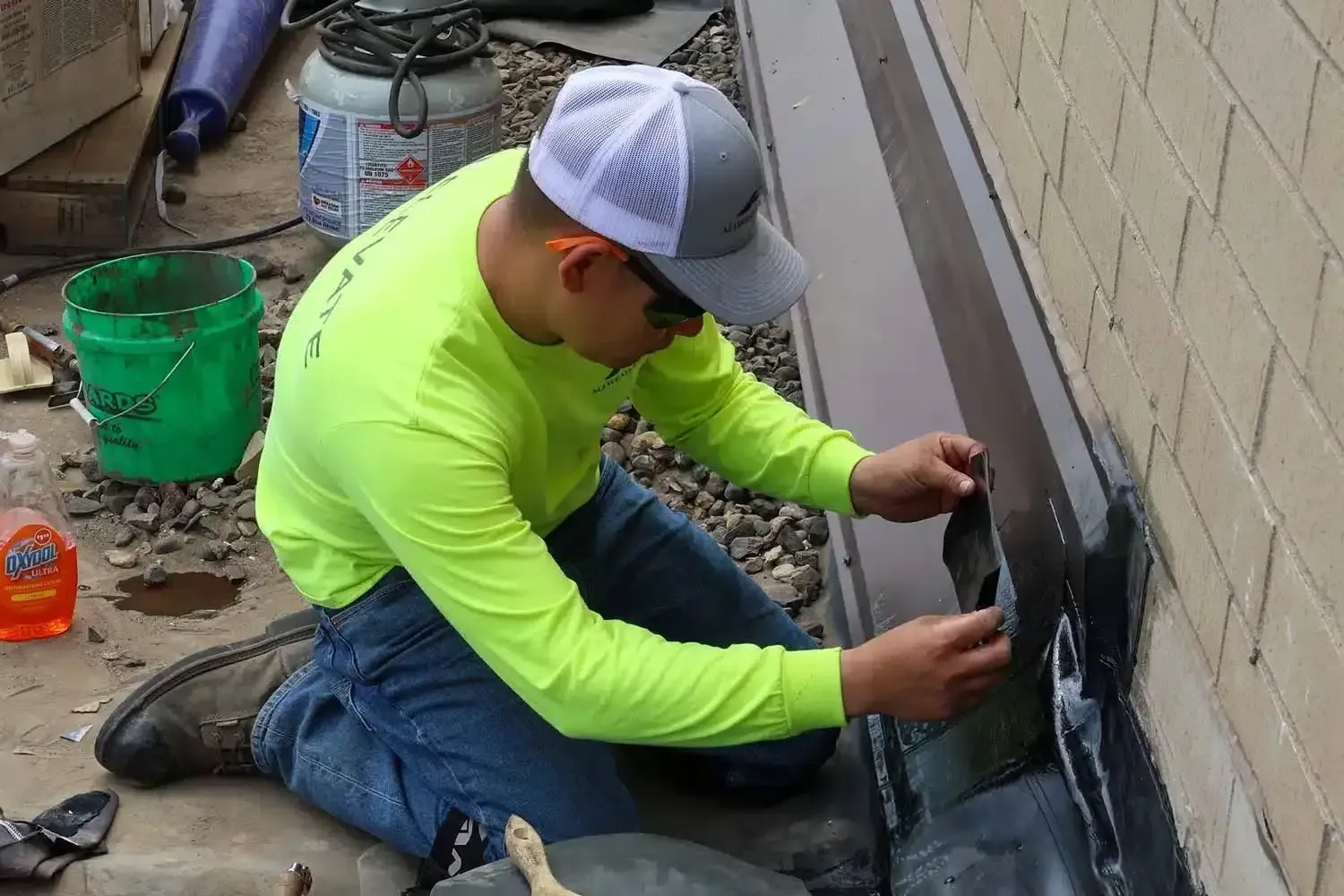
At ridge caps, valleys, eaves, and rake edges, inspect closures, sealant, underlayment transitions, and metal overlap. At curbs and pipes, look for a raised flashing pan, loose counterflashing, open corners, or incompatible sealant. Water can travel beneath a panel before showing inside. Record the path and the specific joint that failed. The leak repair review should distinguish the entry point from the interior stain location.
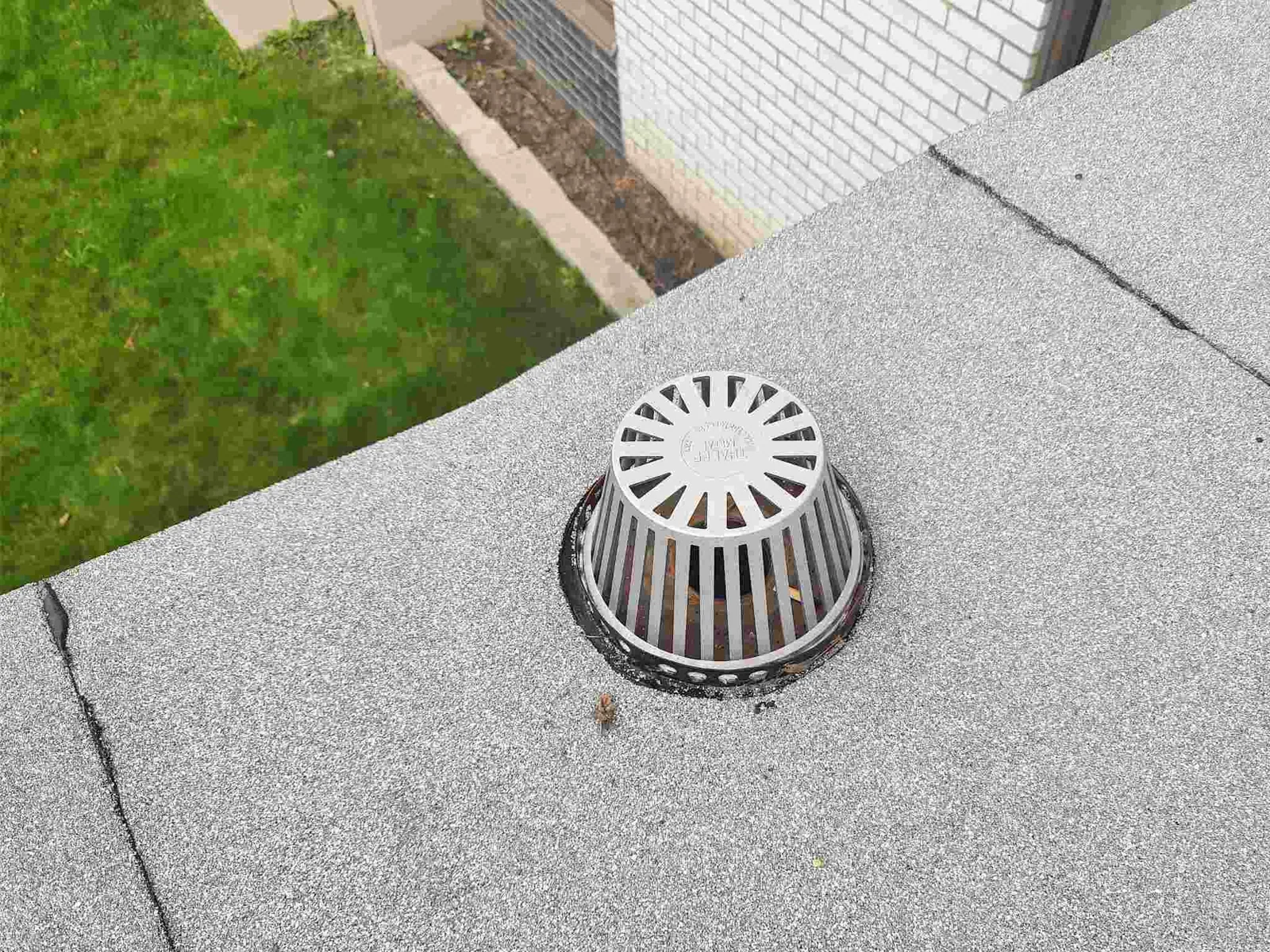
Nearby dissimilar metals can corrode where water bridges the materials. Identify the metals and coating condition at gutters, fasteners, equipment supports, and flashing. Replace a detail with compatible materials, and keep drainage clear so runoff does not remain at a cut edge. A drainage check can identify a blocked gutter or outlet contributing to the wetting.
Trace leaks without masking the cause
Start with the reported time, wind direction if known, and interior location, then compare them with panel seams, penetrations, valleys, and transitions. Water may run along framing or insulation and appear far from the opening. Use a marked roof plan and inspect the likely route rather than applying sealant across every seam. If water testing is appropriate, control the area and observe one section at a time.
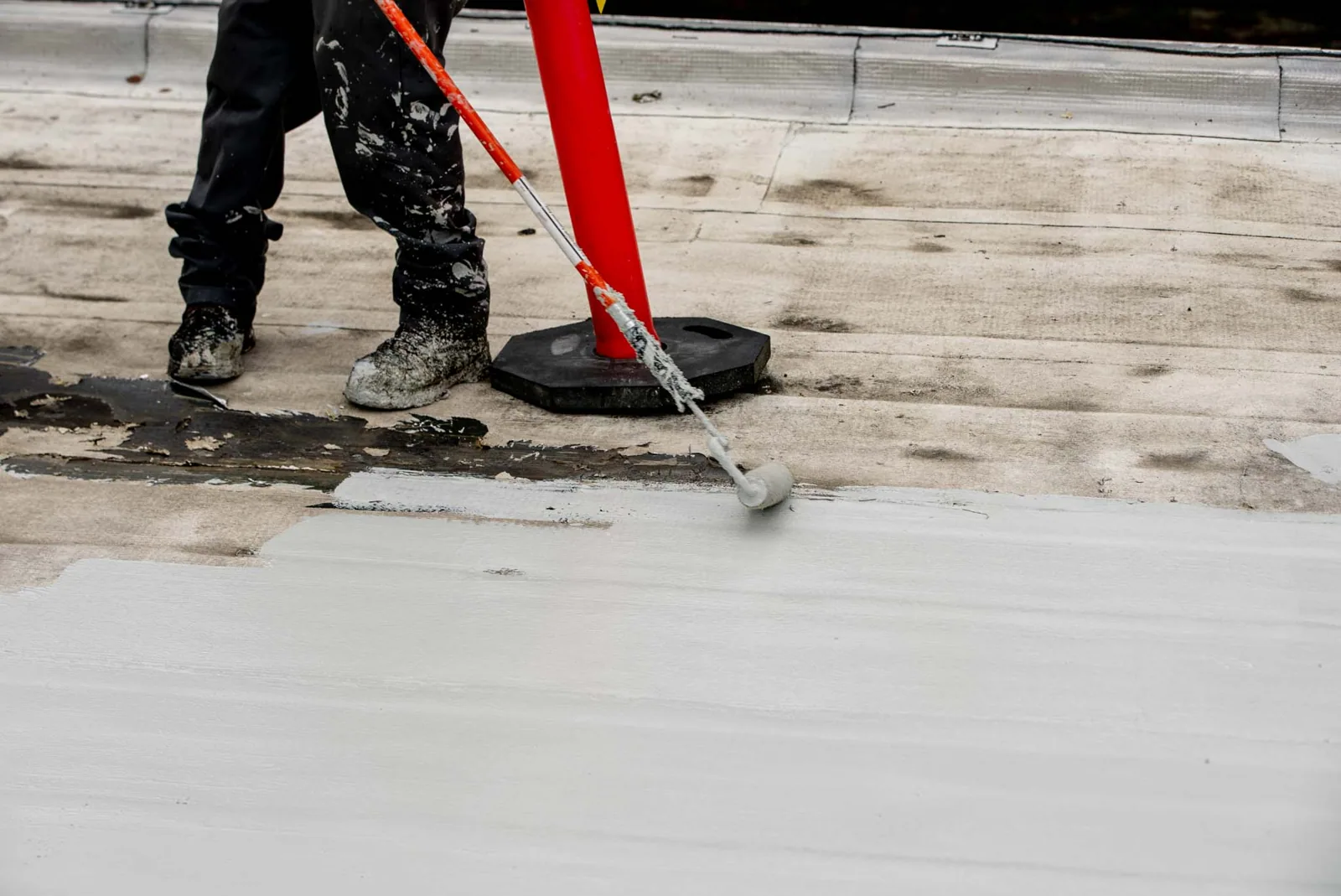
Corrosion needs context. Surface discoloration may affect a coating without reducing panel thickness, while rust at a cut edge or fastener can signal a progressing defect. Remove loose material only as part of a defined repair. Identify the substrate and finish system needed to protect exposed metal. Photograph before and after preparation, and record any coating limitation.
After winter storms, inspect gutters, panel ends, ridge closures, and any area with prior repairs. Wind-driven rain can reach a joint that remains dry in calmer conditions. Eastern sites can also experience hot, dry-wind periods; actual panel temperature and wind matter when using coatings or sealants. Follow the chosen product limits, not a general seasonal assumption.
Repair, retrofit, or replace
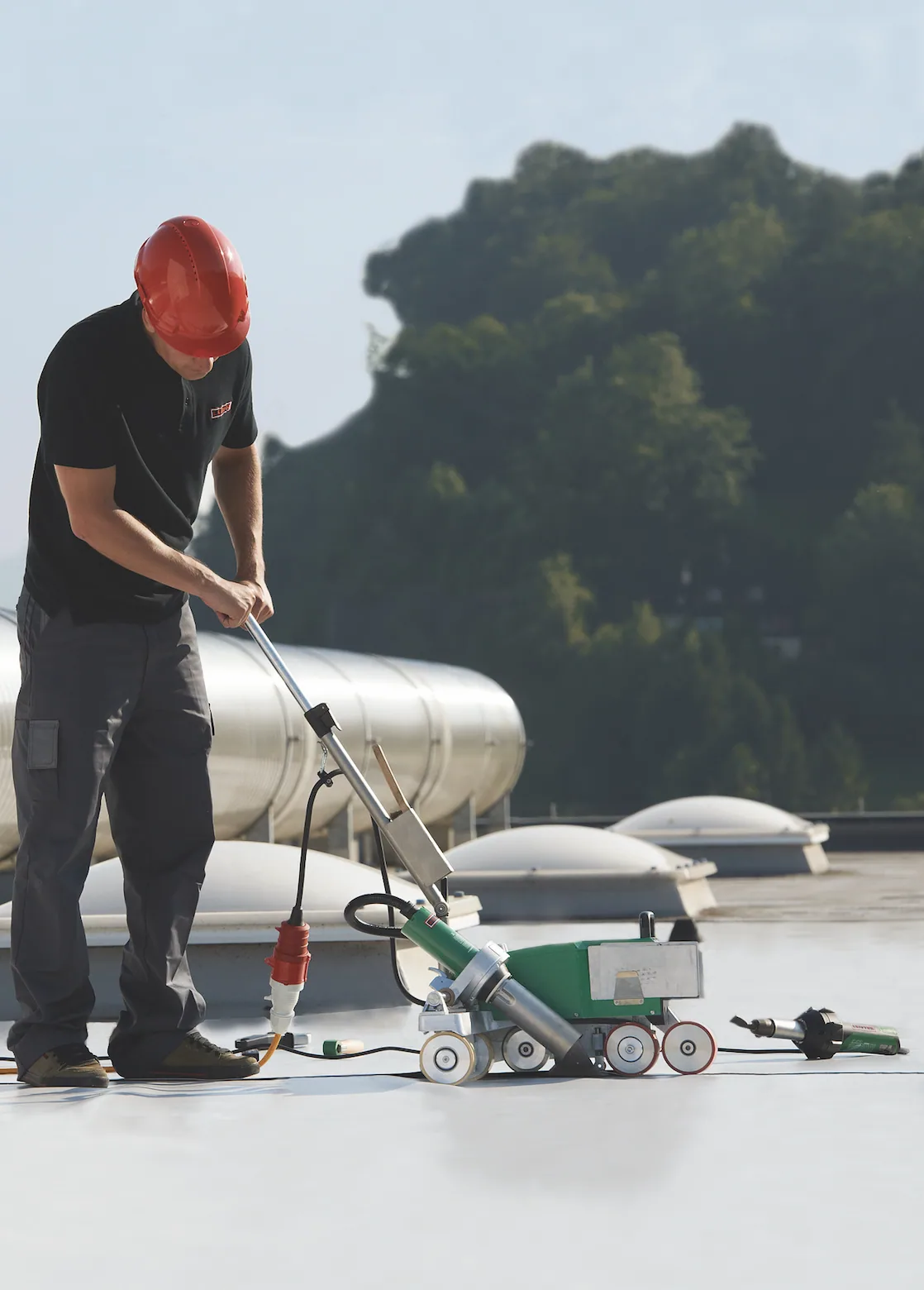
A single loose trim piece or failed penetration detail may be repairable when panels and attachment remain sound. Repeated seam separation, widespread corrosion, damaged clips, or structural movement calls for a broader assessment. Map defects by slope and panel run. Compare repair with replacement using the same area, access plan, and flashing work, and state which concealed conditions could change the scope.
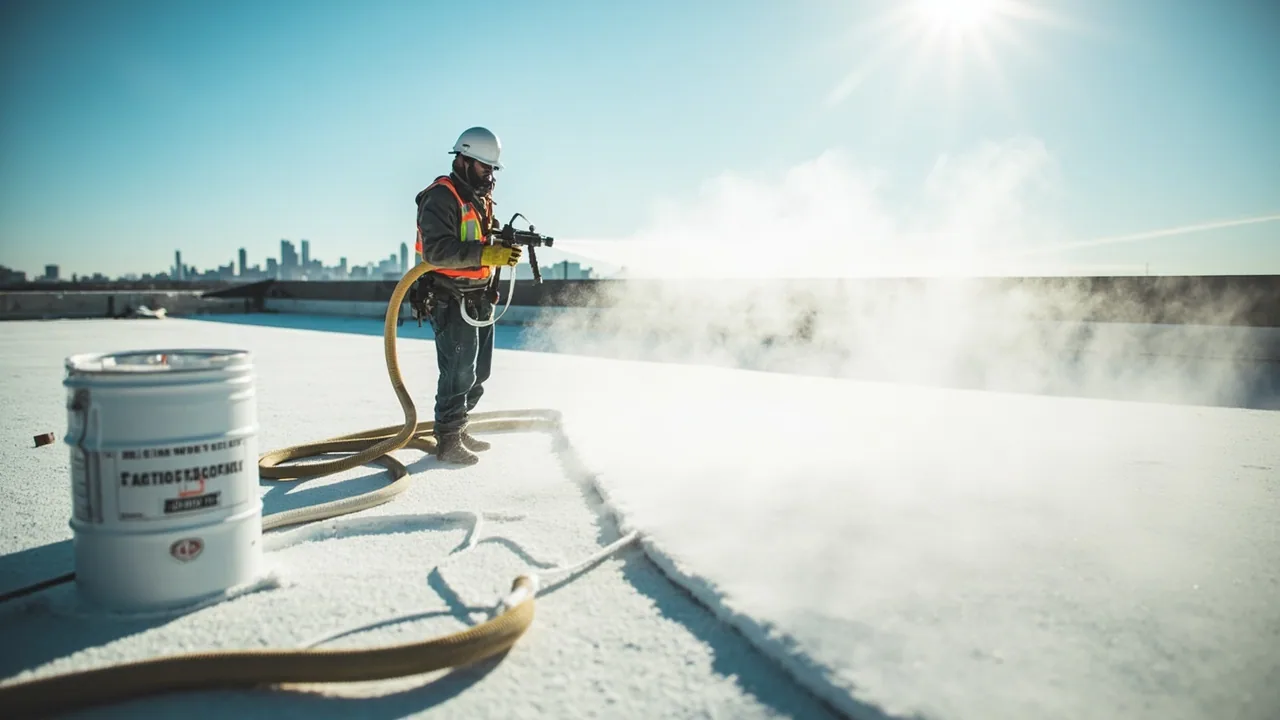
Some existing metal roofs can be restored or overlaid with a compatible system, but the panel profile, attachment, substrate, drainage, and added load must support it. A coating does not correct loose clips or failed seams. A metal-roof retrofit evaluation should test panel stability, fasteners, perimeter details, and the planned water path before selecting a cover system.
Full replacement can correct attachment and expose concealed materials, but it affects weather protection, noise, debris, and building operations. The replacement plan should specify panel removal, deck work, underlayment, clips, trim, gutters, and daily closure. Where a new roof meets an existing TPO system, define the transition with both system requirements in view.
Coordinate safe access and closeout
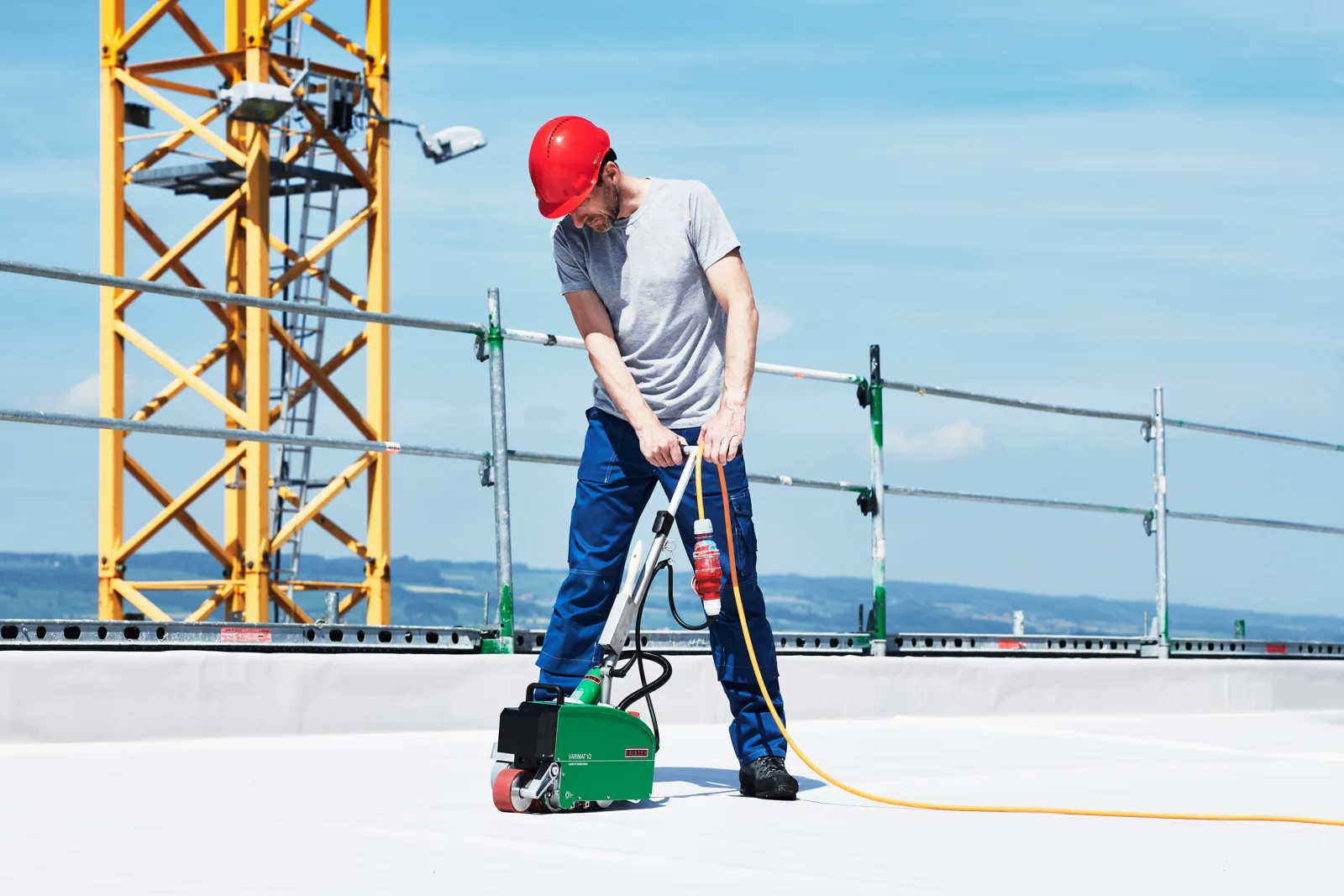
Metal roofs can be steep, slick, or difficult to traverse. Establish fall protection, access routes, tie-off points, and exclusion areas before inspection or repair. Protect panels from concentrated loads and avoid walking on unsupported sections. Confirm whether rooftop equipment can remain in service and how tools or materials reach the work area.
On occupied properties, coordinate lifts, deliveries, noise, and temporary closures. The occupied-building sequence should show which slope is worked each day and how the building is protected if work stops. Wind can affect long panels and loose material during staging, so set a safe handling plan with the site contact.
At closeout, photograph completed seams, clips where exposed, flashings, edges, and sealant transitions. Mark the repair on the roof plan and record materials used, coating preparation, and any limits. Keep a copy with the panel and finish records. Keep product data and maintenance records together so the next inspection can compare the same panel run.
Maintain the metal roof
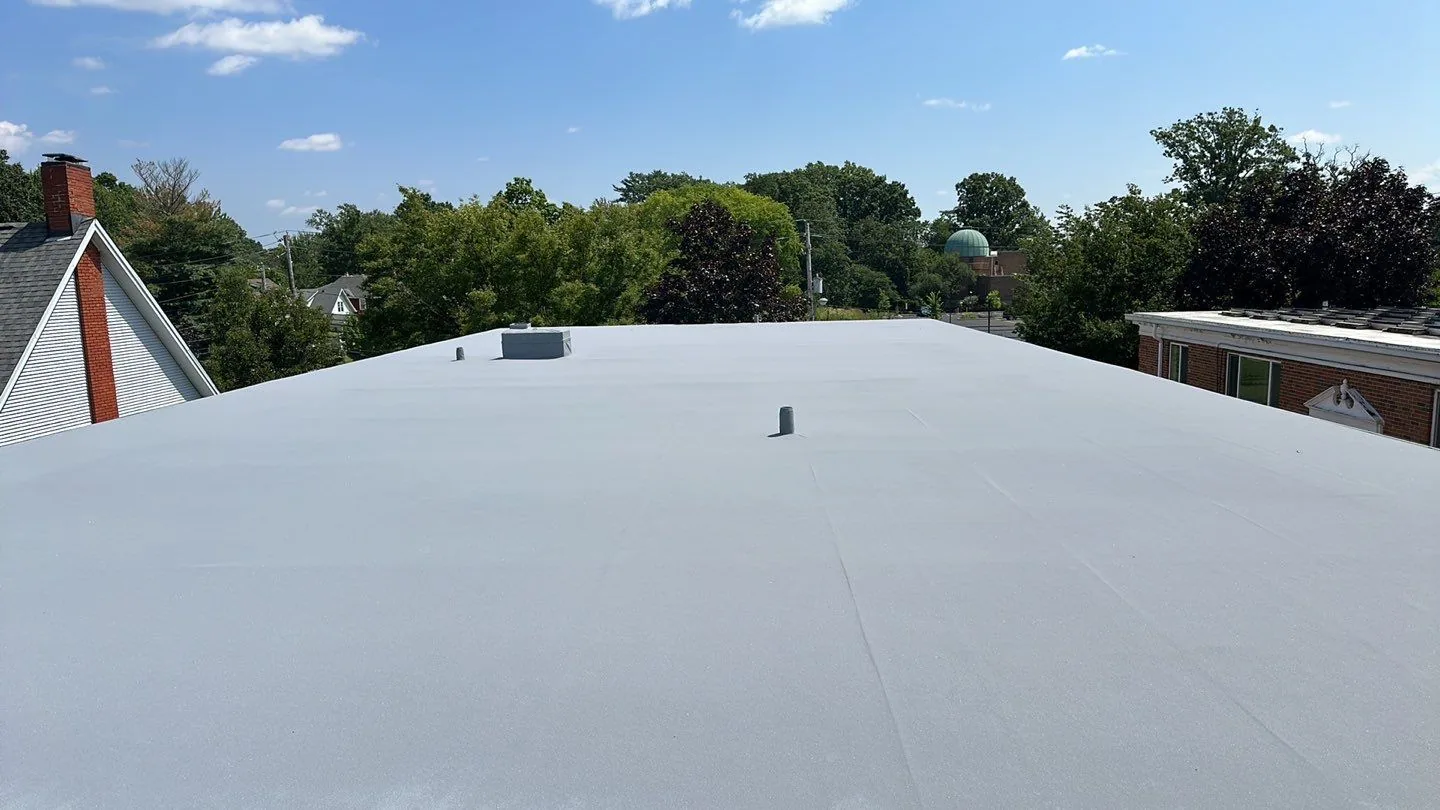
Routine checks should look for loose trim, open seams, corrosion at edges, clogged gutters, damaged coating, and new penetrations. After HVAC or electrical work, inspect the routes and flashing disturbed by the trade. Remove debris without scraping protective finishes. When a leak returns, start from the current evidence and compare it with past repairs before expanding the work area.
To arrange an assessment, share the building location, roof plan, access contact, leak history, and panel or installation records. We can inspect the seams and attachment details, explain any testing needed, and outline a repair or renewal scope tied to the roof's condition.