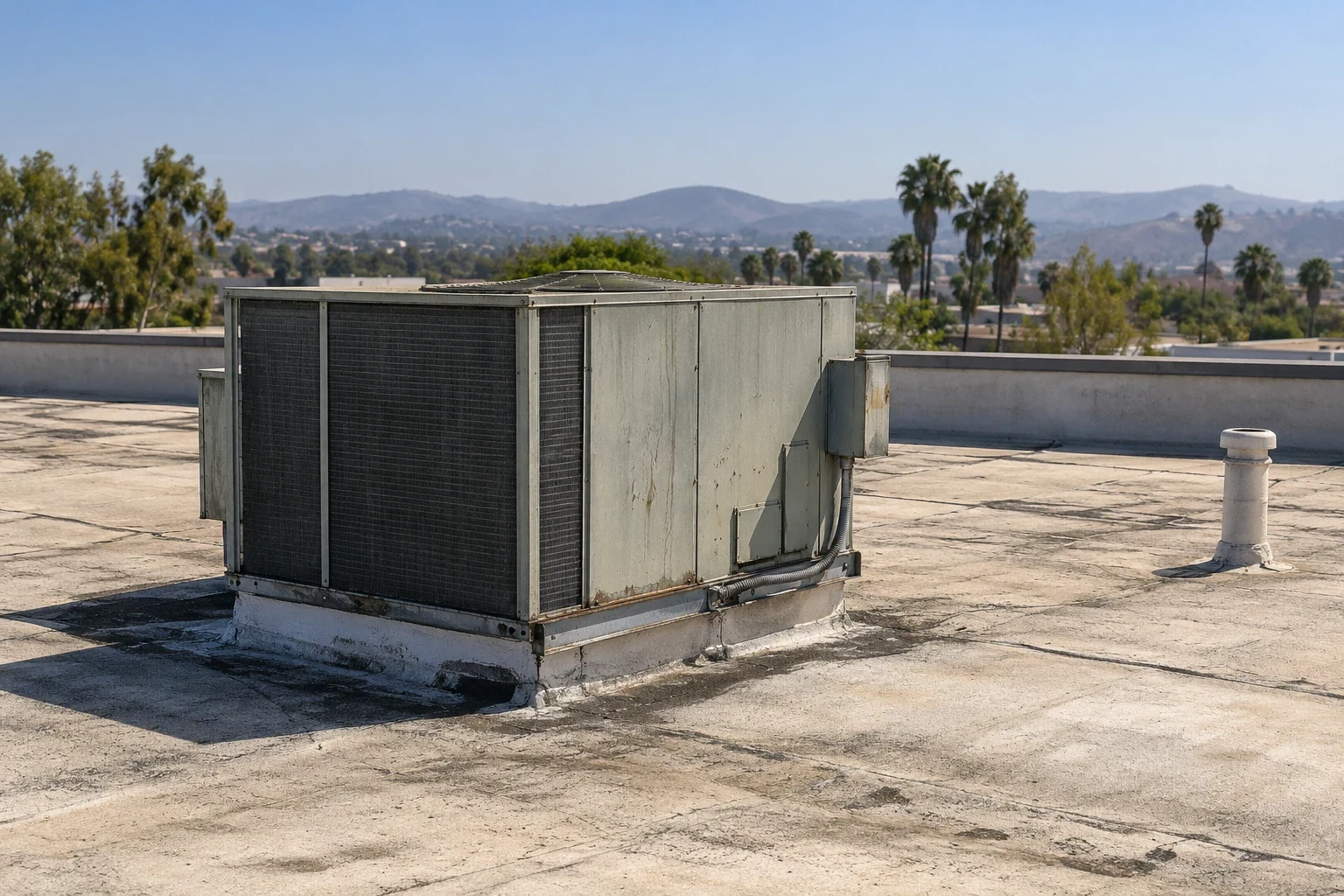
Map the Roof Route Before Work Begins
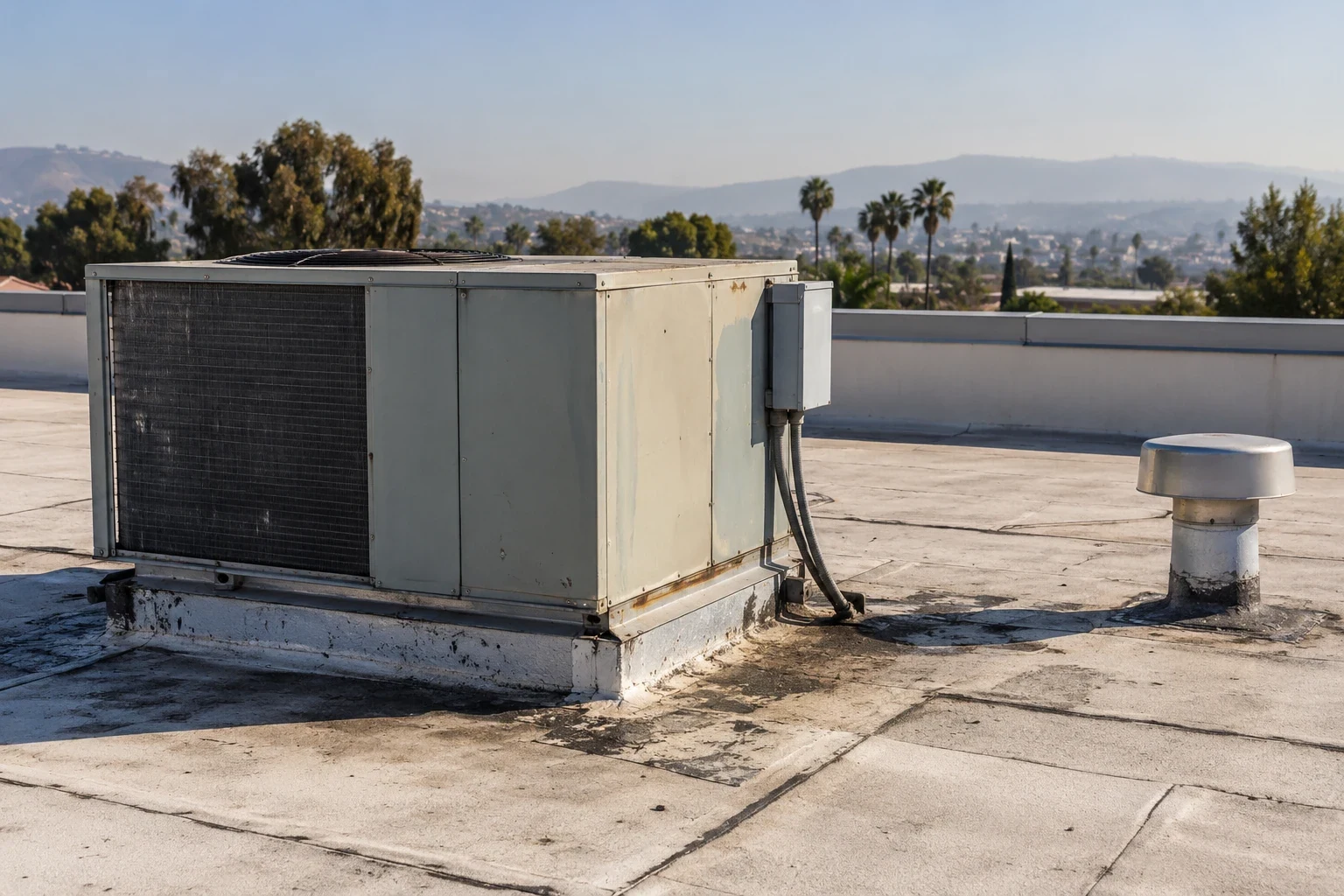
Before arriving, we confirm the roof hatch or ladder, any escort needs, work hours and where materials can be staged. A lift or debris container may need a separate route from tenant and service traffic. We ask the site contact about equipment shutdowns and interior protection so the roof can be opened and closed in a planned sequence.
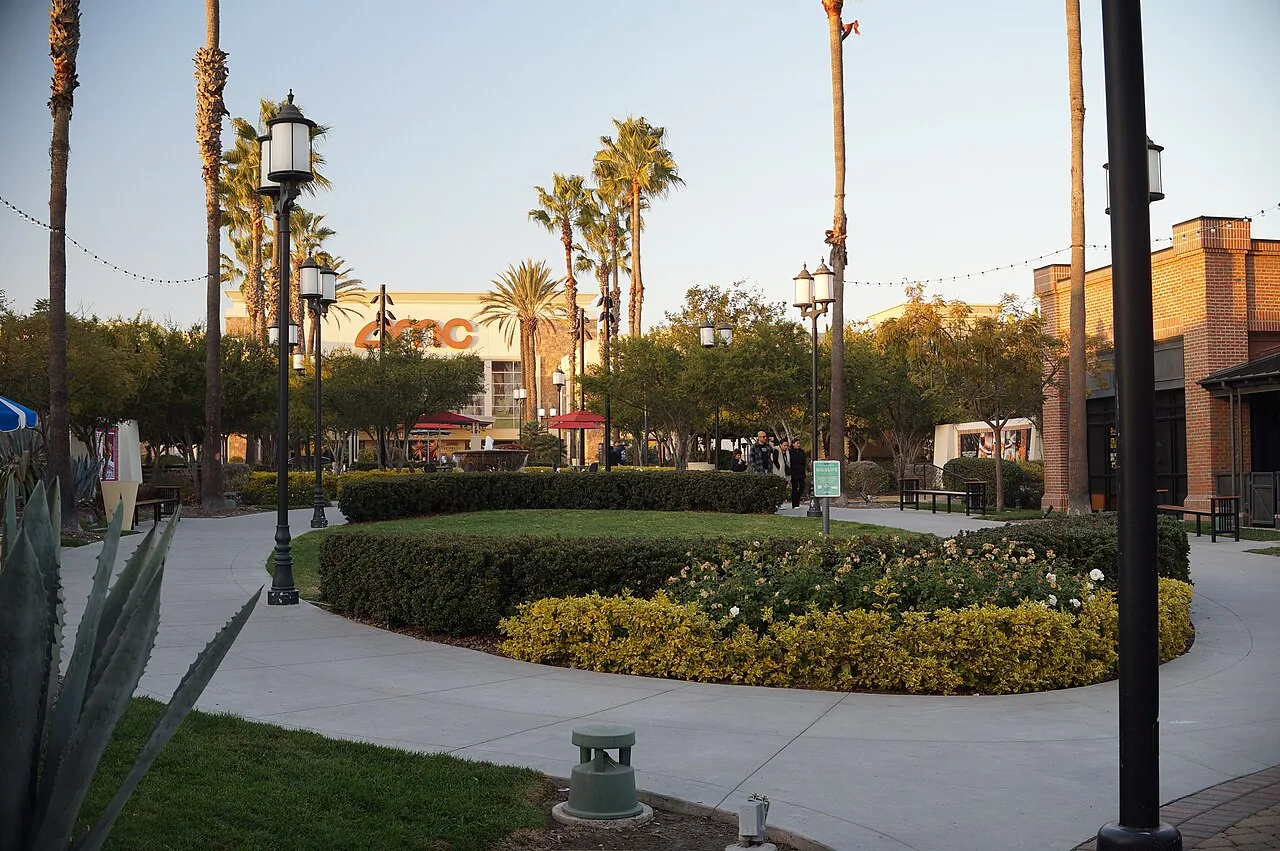
Otay Ranch combines village centers with regional office, commercial and limited-industrial designations. The nearby buildings can range from neighborhood-serving space to larger employment uses, so access and operating windows may differ. We inspect the installed assembly at each property and match the repair material to its seams, substrate and tie-in details.
Water can travel beneath a membrane before it appears indoors. We compare the report from the building with roof slope, parapets, curbs, penetrations and drains, then follow the likely path. If the entry point remains unclear, a suitable moisture survey or controlled opening may show whether the insulation is wet. Leak repair begins by resolving that path before the permanent patch is chosen.
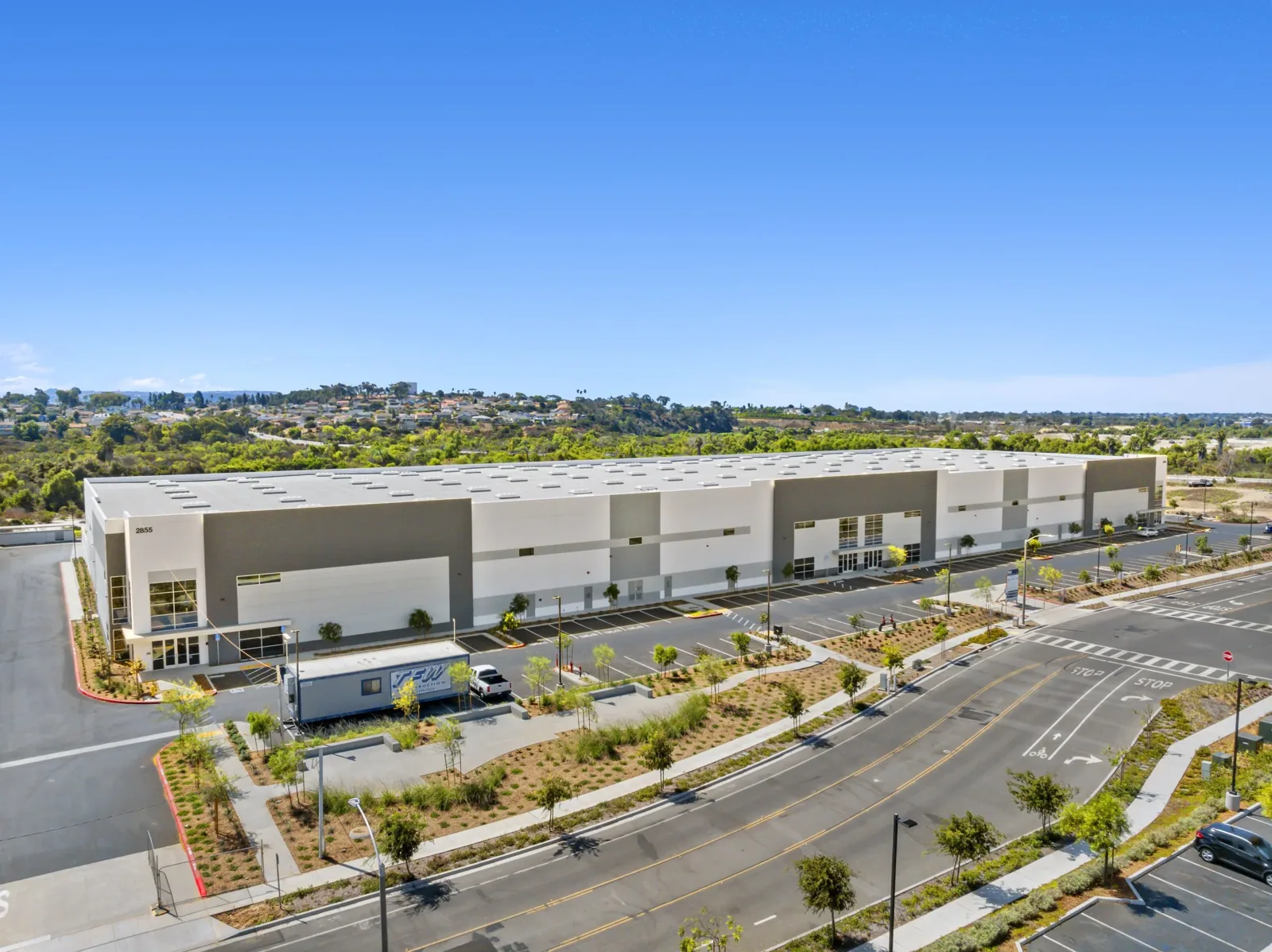
Allow for Chula Vista's Seasonal Conditions
Dry easterly weather can push Chula Vista's eastern communities into the 90-degree range in early fall, with occasional days reaching 100. Those eastern-area conditions can affect crew timing and surface preparation. We check for actual sealant shrinkage, loose metal, brittle membrane and open laps rather than treating heat as the cause of every roof problem. Product requirements determine whether a weld or adhesive can be installed during the visit.
Most San Diego-area precipitation arrives in winter, and totals vary from season to season. Before repeated rain, we inspect drains, overflow routes and repaired edges that could admit water. If the membrane is wet or the forecast closes the work window, a temporary dry-in can protect an opening when safe attachment is available. Permanent work follows when the surface is ready for the selected material.
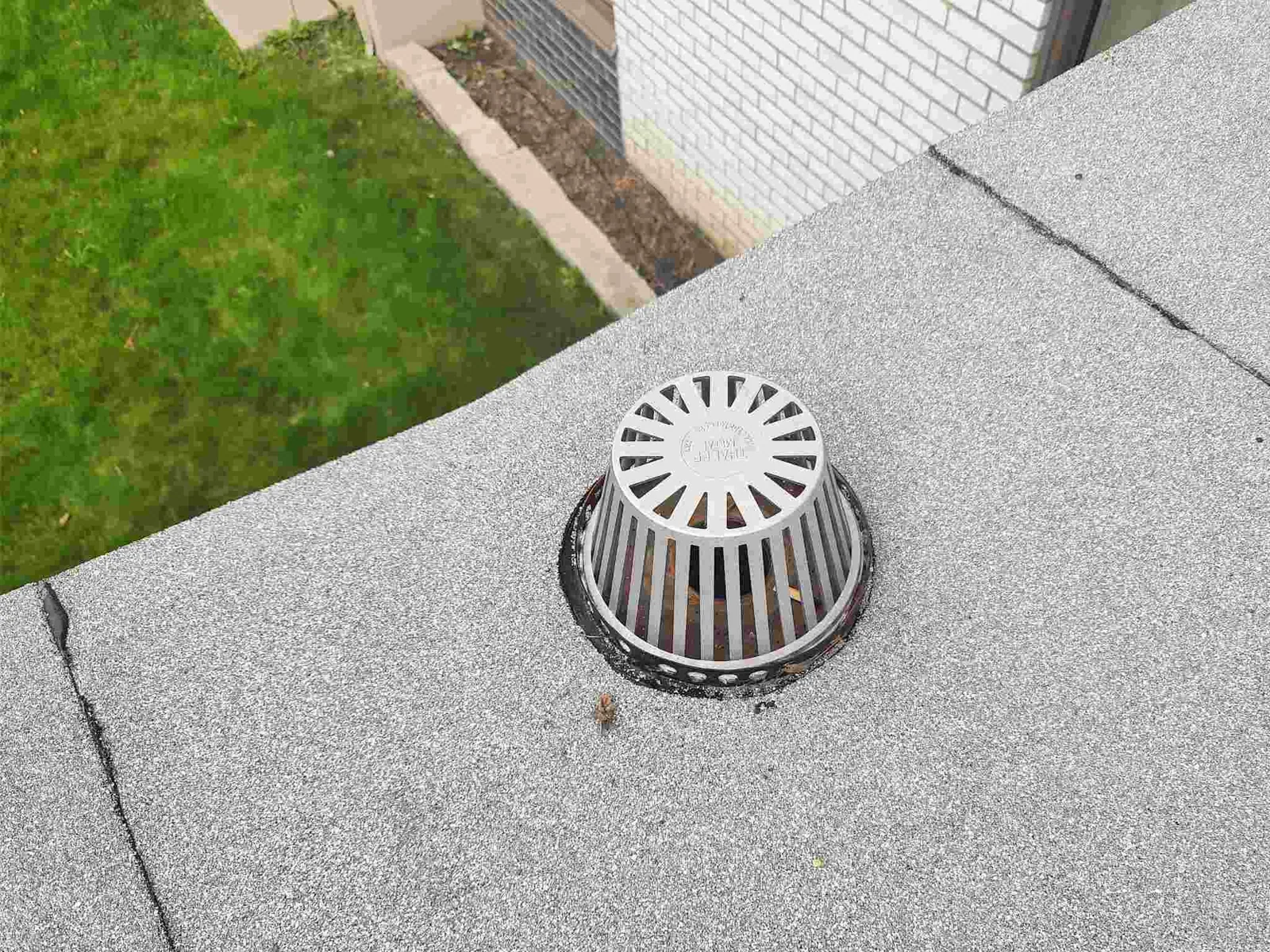
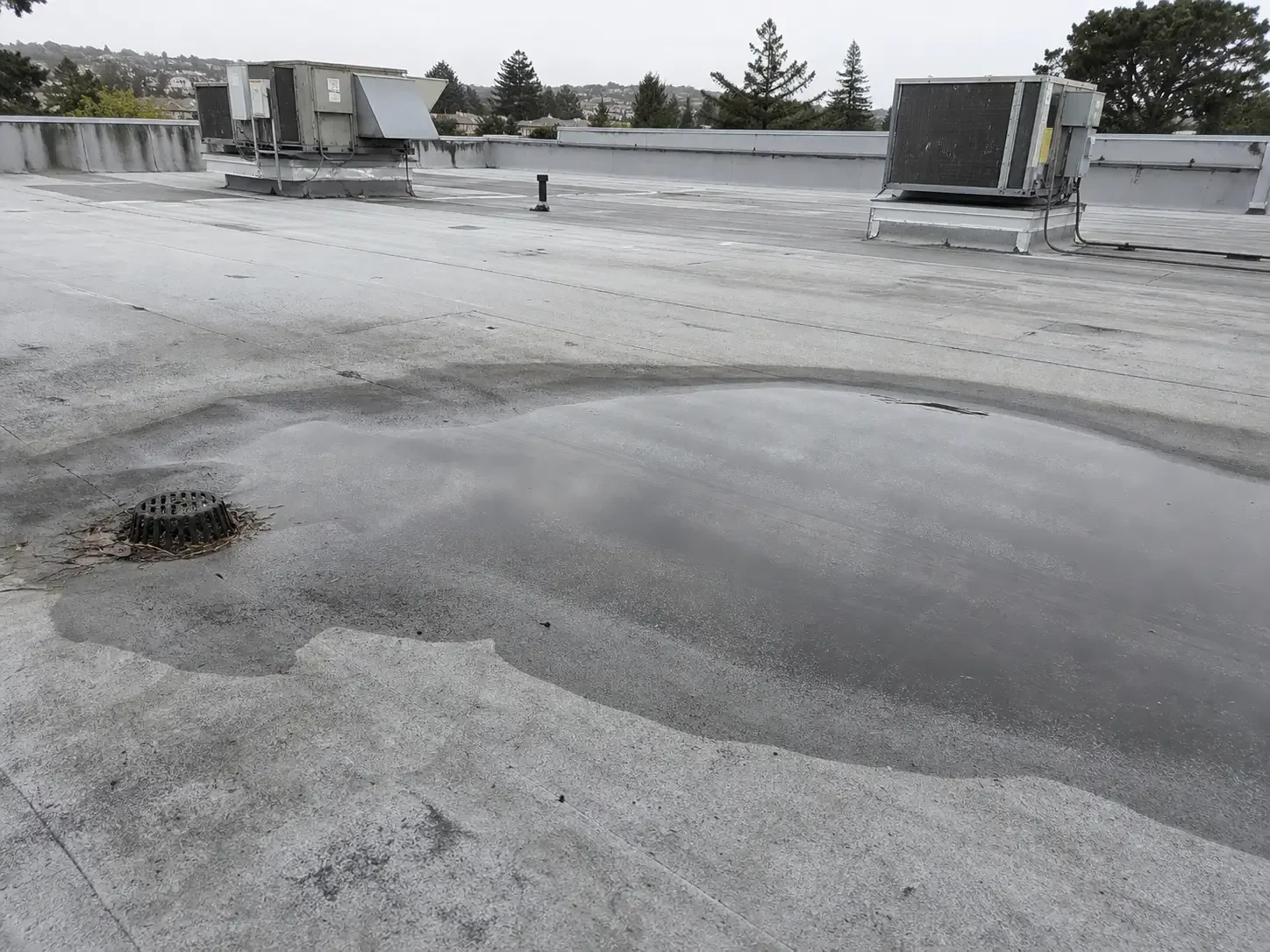
A drain that is clear may still sit beside a low spot with trapped water. We look at the bowl, overflow and surrounding slope together. Drain and scupper service can correct an outlet issue; ponding-water repair can address persistent standing water. The roof record keeps drainage corrections separate from a confirmed seam or flashing repair.
Keep the Repair Compatible With the Roof
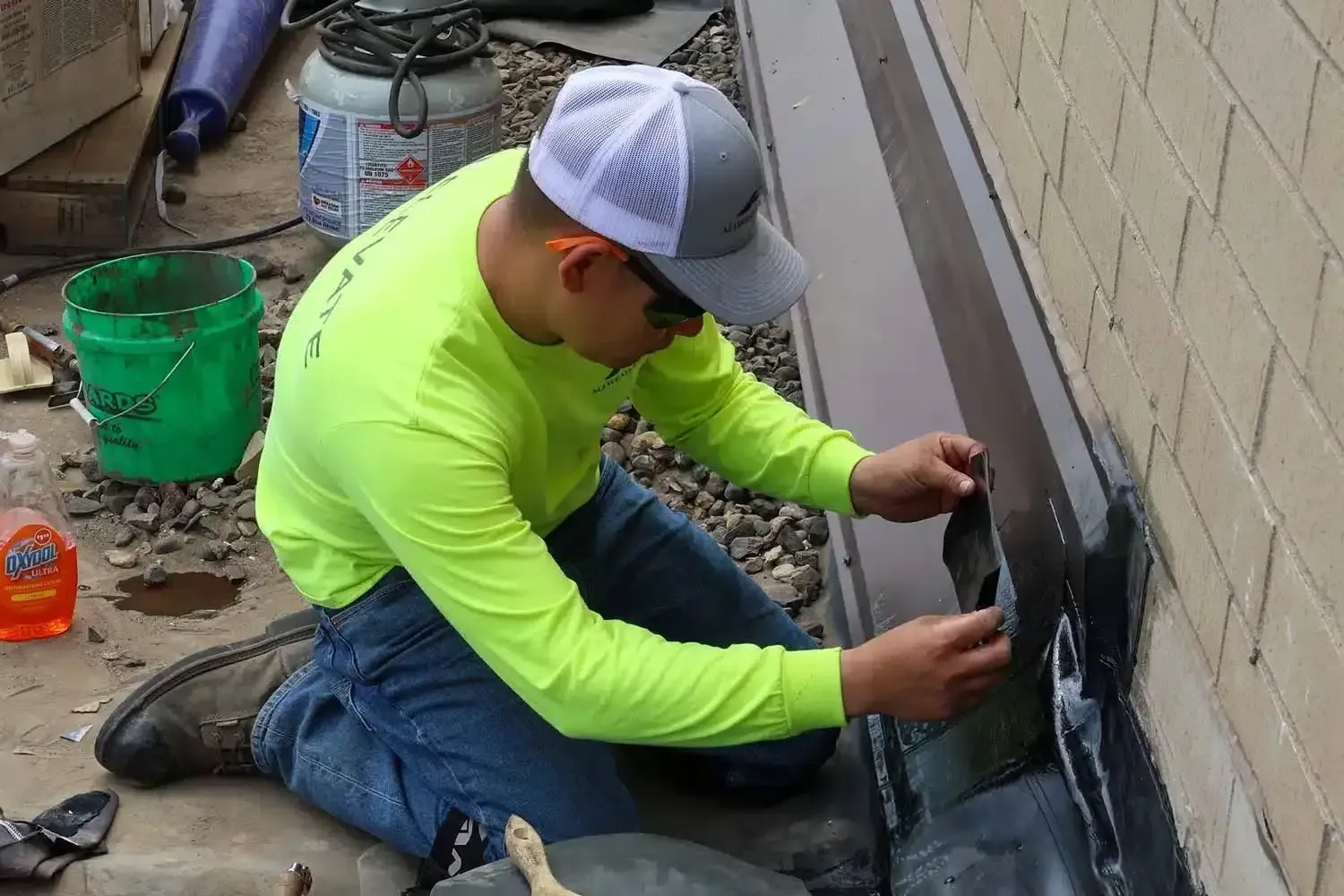
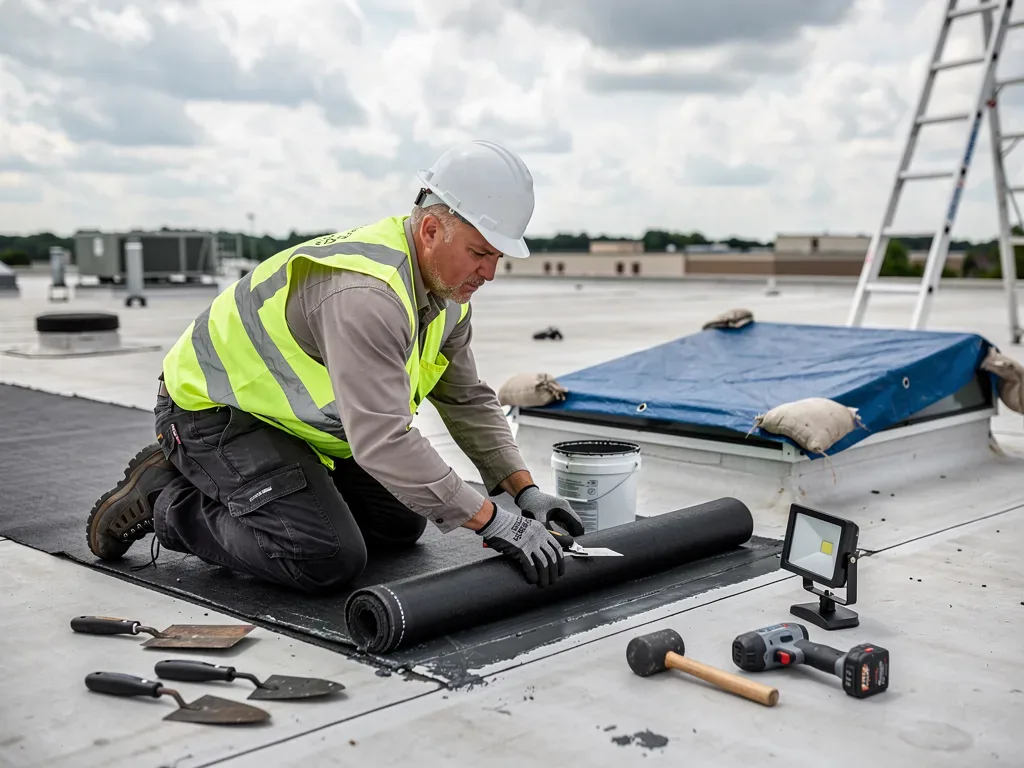
We identify the membrane or metal assembly before selecting a patch. A thermoplastic lap may need a compatible weld; EPDM and modified bitumen require different adhesives or cover details. The damaged edge is prepared back to stable, dry material, and the repair extends beyond the visible opening. A generic bead of sealant can conceal a gap without restoring the connection.
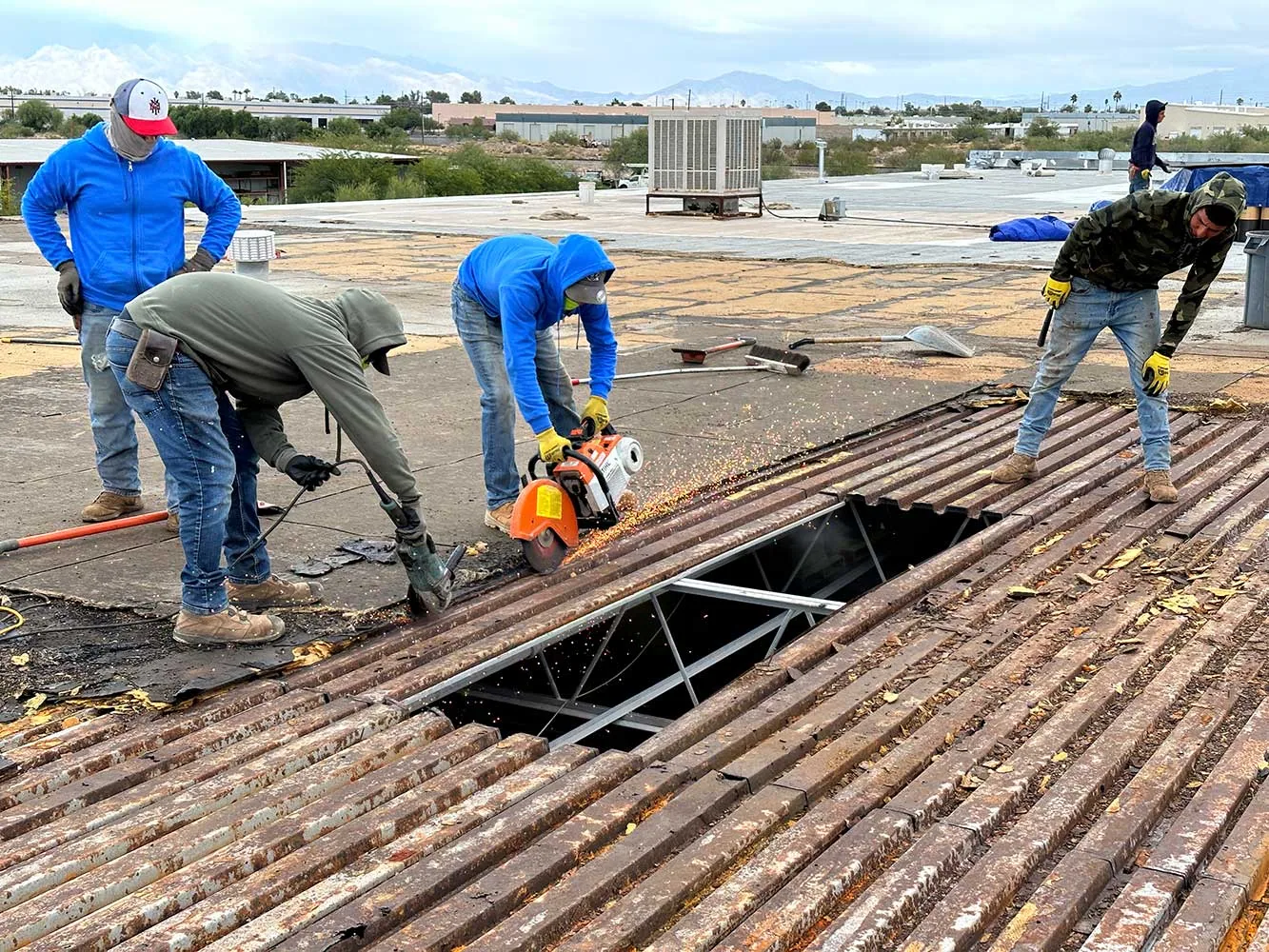
If the surrounding insulation and deck remain sound, a localized repair can be appropriate. Wet layers, repeated separation or widespread brittleness may call for a larger repair or restoration. We explain what the roof walk has established and what a controlled opening would confirm. We also identify nearby penetrations and drains that could be reopened by the same repair crew, so the sequence leaves each surface secure and accessible for future service. A commercial roof repair plan identifies immediate water control separately from work that depends on testing.
Cost and timing depend on system type, roof height, material staging, access limits and concealed damage. A larger roof zone may need phased work so the building remains protected between shifts. If rooftop equipment or another trade affects the opening, we sequence that work before the membrane tie-in. The site contact receives the access needs and conditions that could change the schedule.
Protect an Opening While the Permanent Scope Is Set
When water enters during a storm, we first confirm safe roof access and the location of the interior exposure. Temporary protection can limit entry if it can attach to sound material without blocking drainage. We identify the protected zone and the return work needed, then complete a permanent tie-in when the membrane and weather conditions allow.
Emergency response is available overnight, over weekends and through holidays when a roof opening threatens occupied space or equipment. We coordinate roof entry with the site contact and keep another trade informed if the same curb or equipment base needs attention. Temporary cover and permanent repair are listed separately so the facility team knows what is complete.
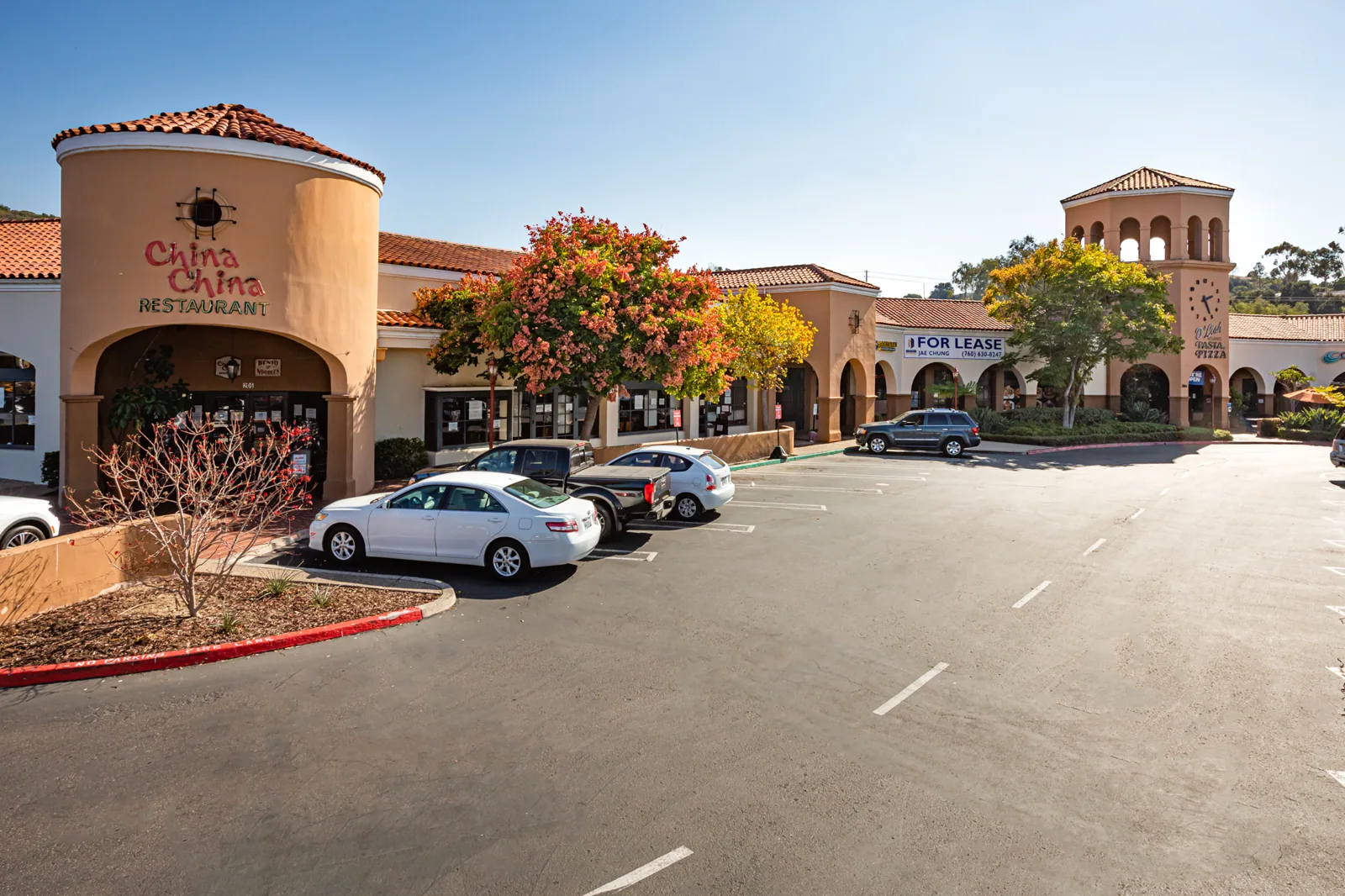
A regional property manager may also coordinate roof work in Otay Ranch or at another Chula Vista employment site. A consistent zone label helps compare service records; it does not combine the buildings' roof conditions. We plan access separately for each property and tie the repair boundary to its inspection findings.
Make the Repair Record Useful for the Next Decision
After repair, we inspect the tie-in, surrounding laps, roof edges and outlet path. The photo set pairs the pre-repair condition with the closed detail. We list materials and any test or trade action that remains, along with the decision that result will support.
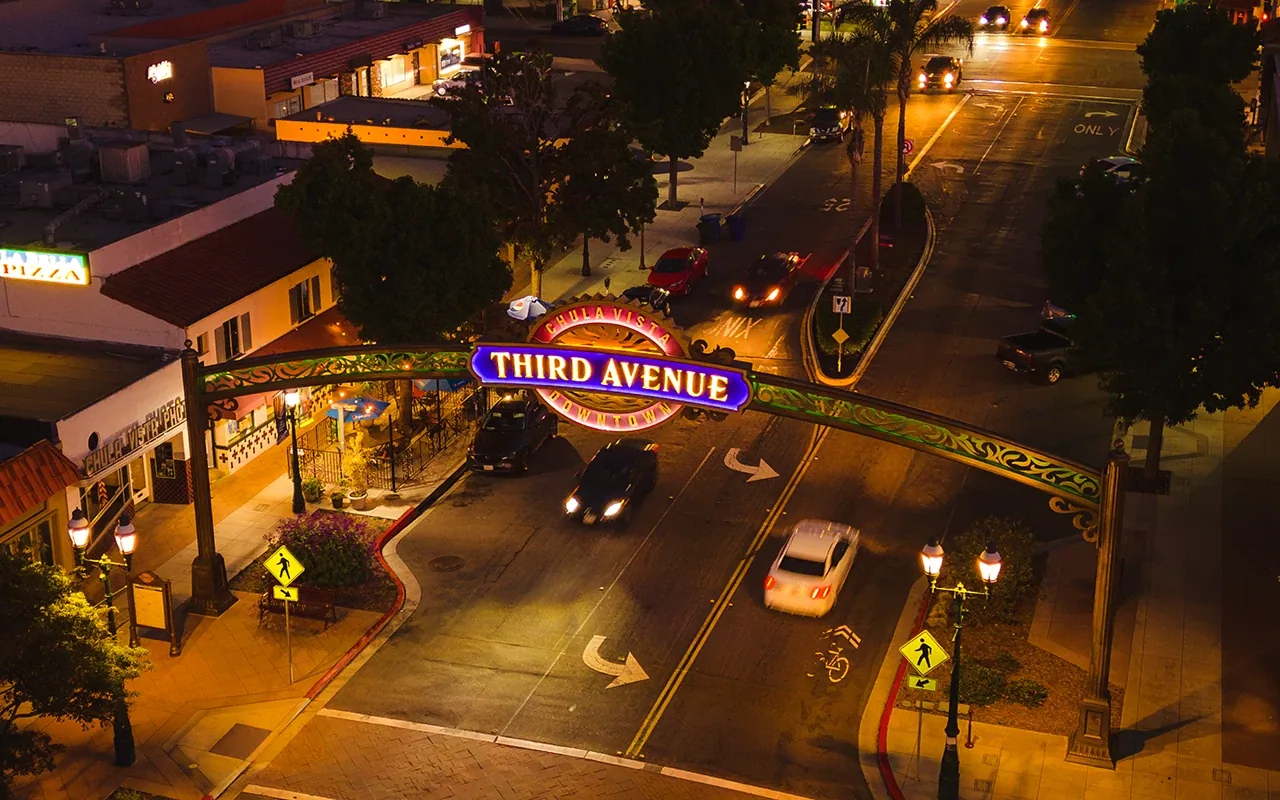
The Eastern Otay Ranch employment area is part of Chula Vista's east-side growth area, where commercial and employment plans reach toward SR 125. The SR 125 corridor helps orient delivery routes. At each building, we confirm the active entrance, loading point and roof access, then keep the inspection record with that property.
Roof condition reporting can preserve the findings for budget planning. Preventive roof maintenance can revisit repaired seams, drainage and exposed edges before winter rain. A roof check in the Eastern Urban Center can use the same clear format while keeping its roof findings separate.