Coordinate Access With the Use Below
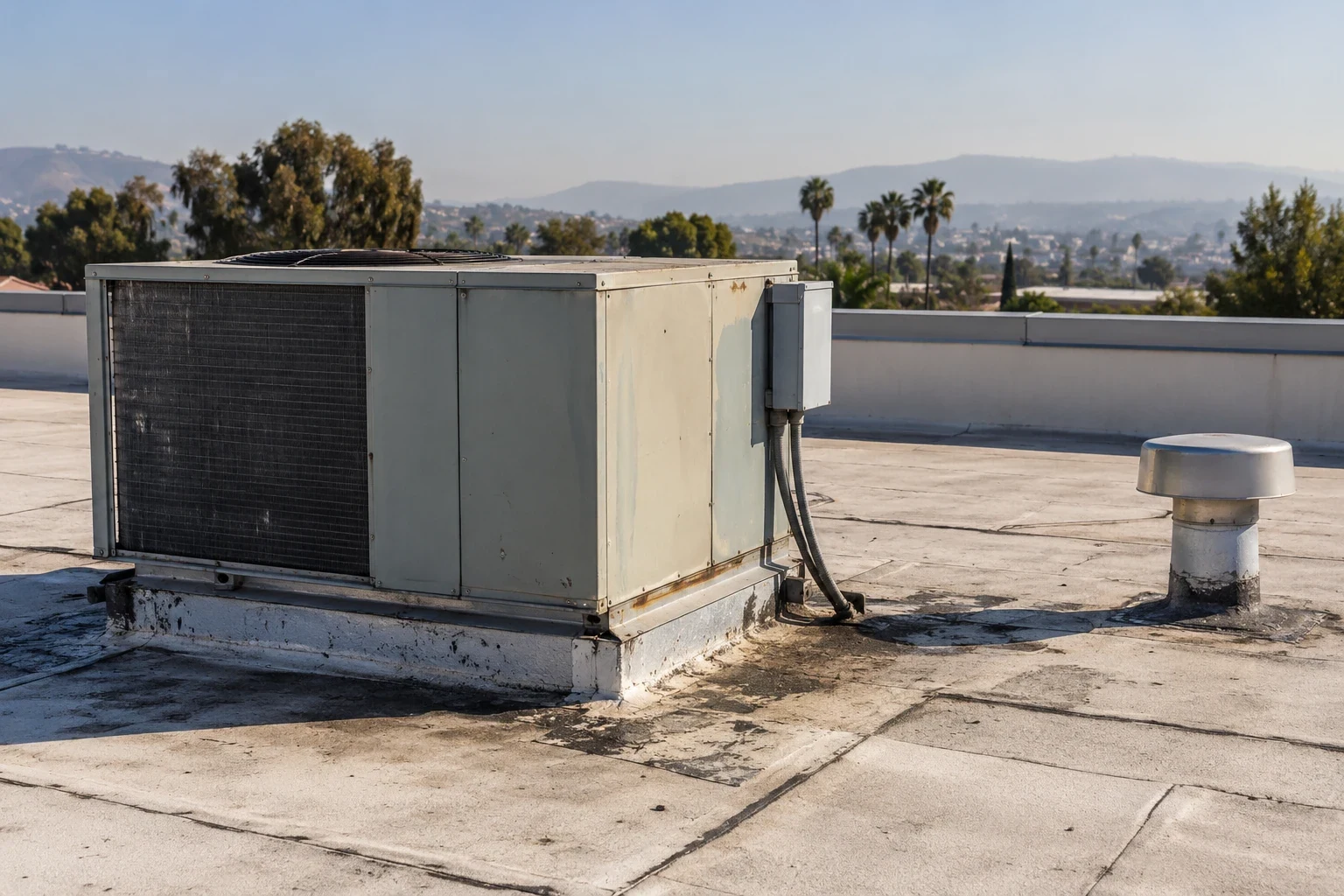
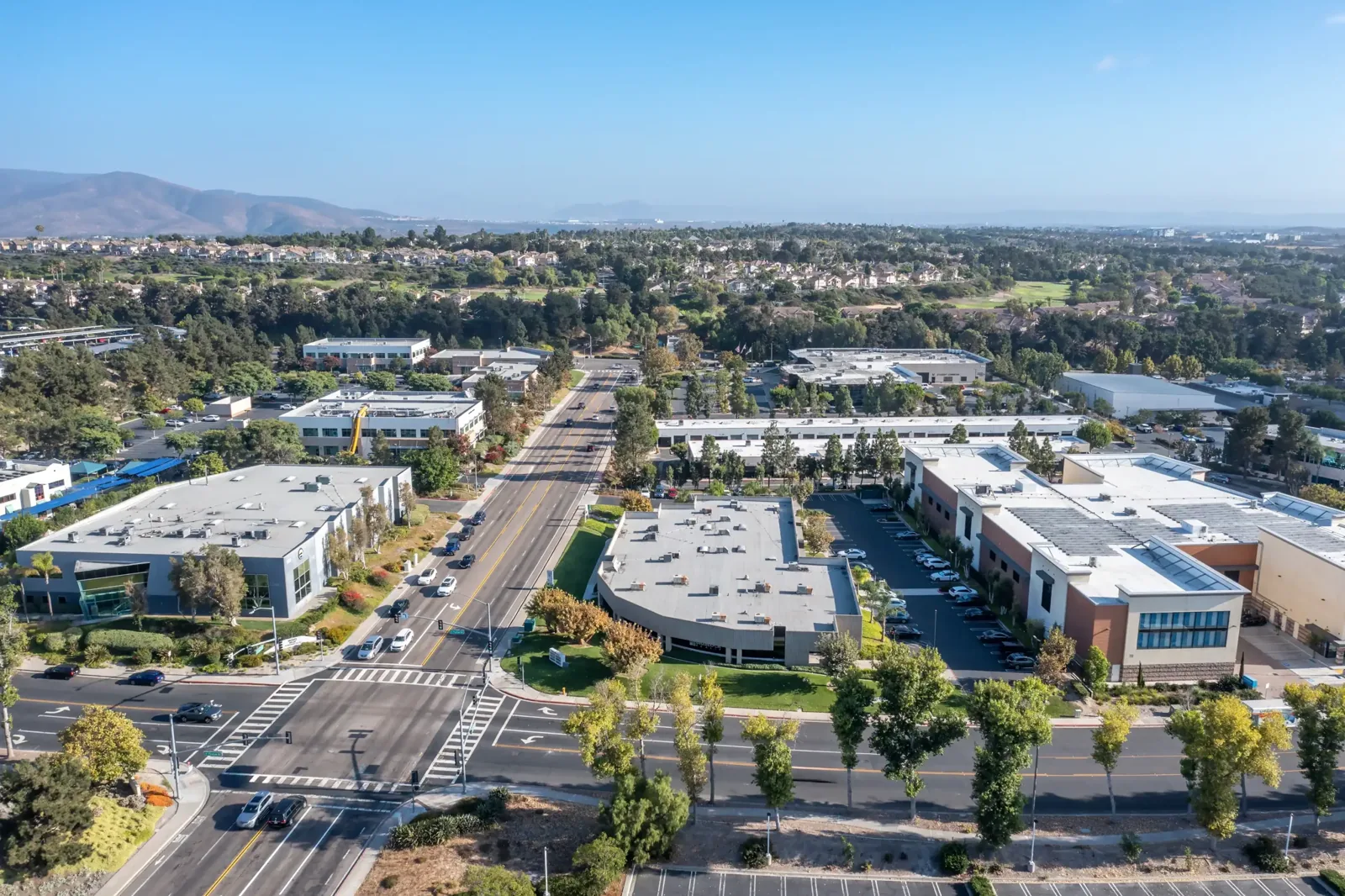
Commercial, residential and transit-oriented uses can operate on different schedules. We confirm which building needs service, who can grant roof access, when the work zone is available and whether noise or debris could affect occupied space. A lift, ladder or material drop should not block an entrance that the property needs to keep open. The site contact can identify tenant areas and equipment that require protection or a planned shutdown.
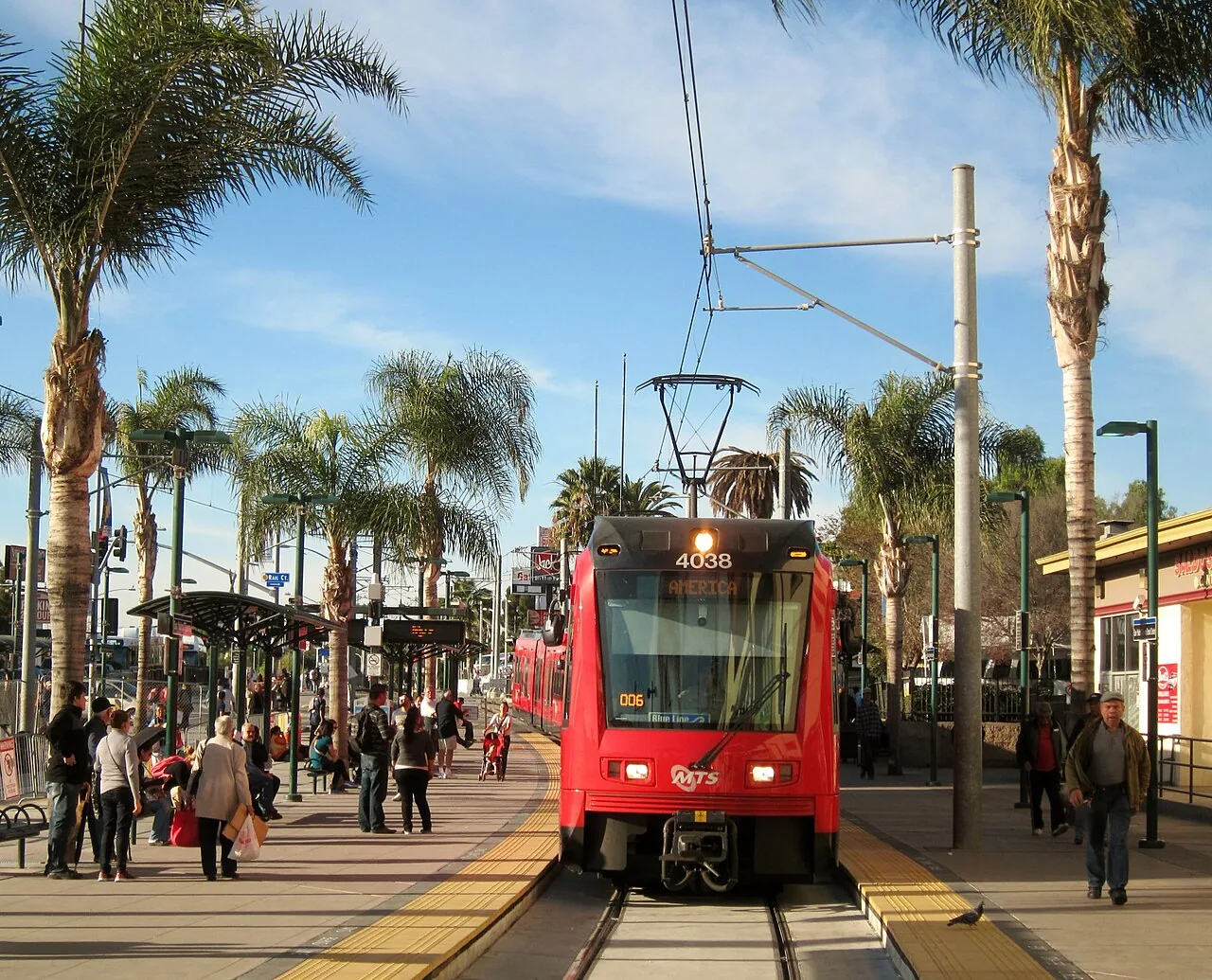
The Eastern Urban Center is part of the University Study Area and combines planned commercial, employment, residential and transit-oriented uses. Roof access, equipment and occupied areas vary by property, so we inspect the assembly and check the paths between roof entry, equipment and drainage before making a repair recommendation.
Where a building has retail or office activity at grade, we identify service doors, accessible entries and occupied rooms below the work zone. The crew keeps emergency exits clear while materials move to the roof. If a unit needs a shutdown, the facilities contact coordinates it with the mechanical trade. This sets a clear boundary above and a usable route below.
If a leak appears indoors, we compare the reported location with roof slope, seams, curbs, penetrations and drains. Water can move before it reaches a ceiling tile or wall. Infrared readings can mark areas for closer review when conditions suit the method; a test opening confirms the material where it affects the repair scope. Leak repair begins by tracing that path instead of treating the interior stain as the repair location.
Check Where the Water Leaves the Roof
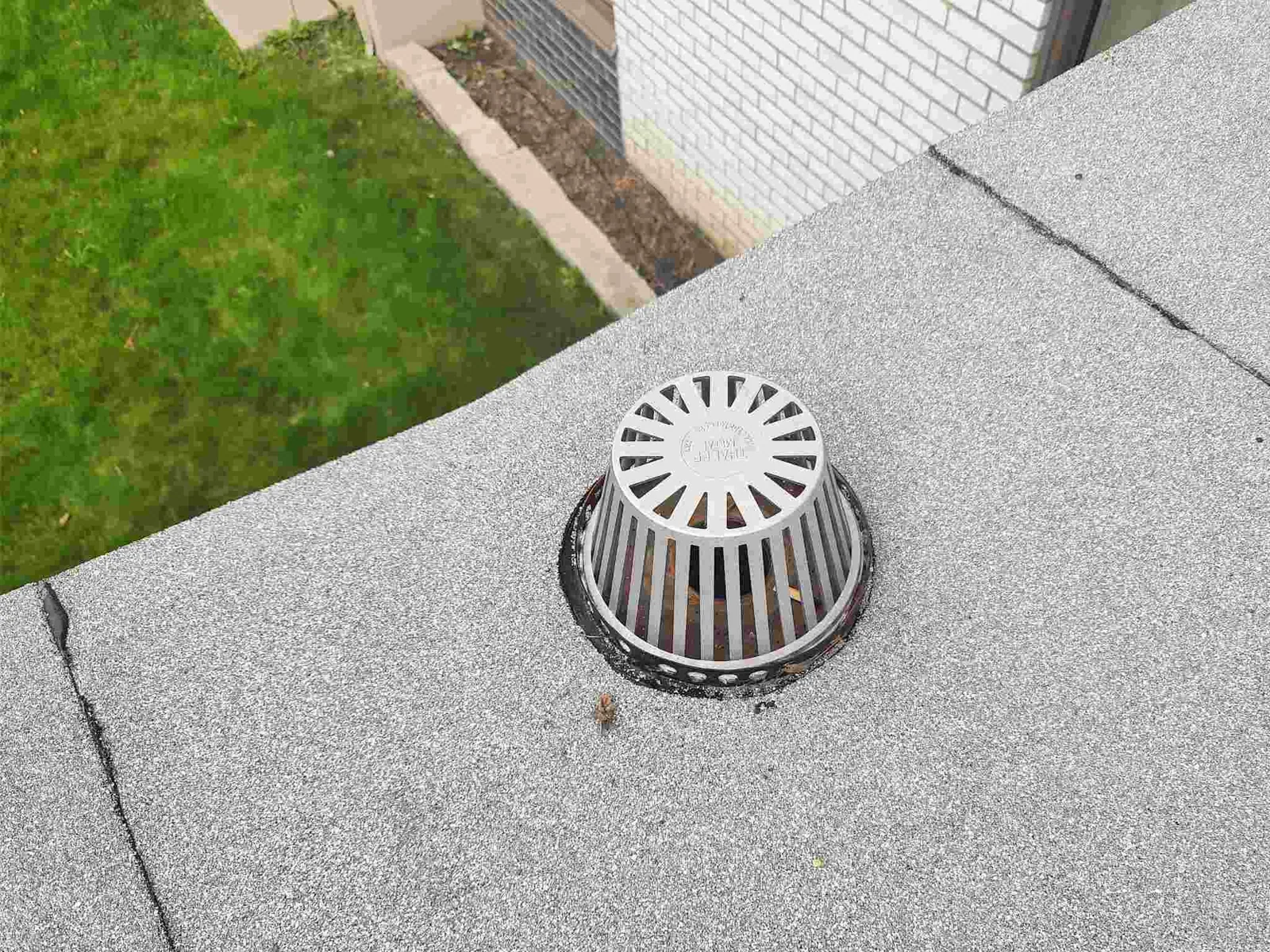
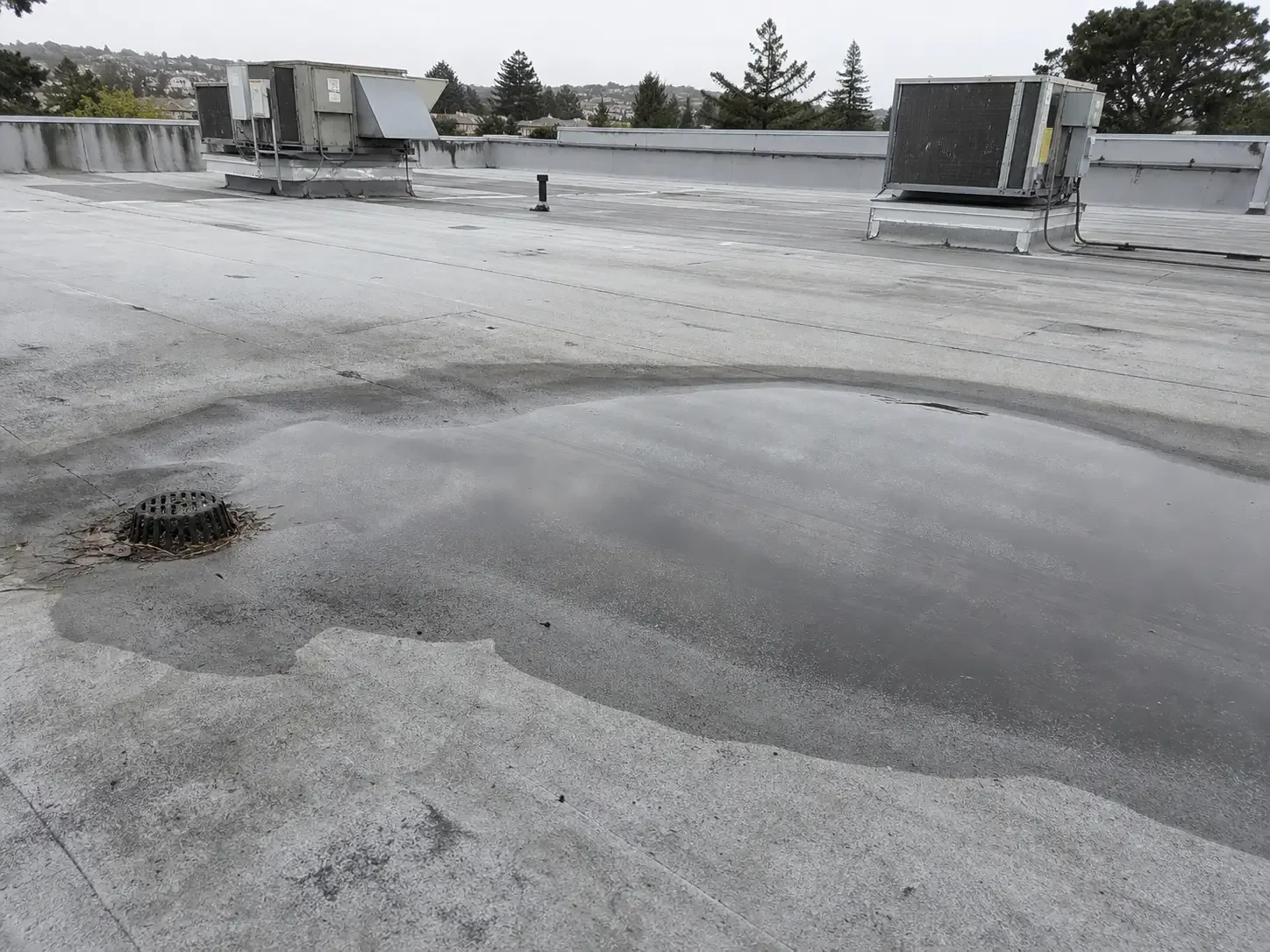
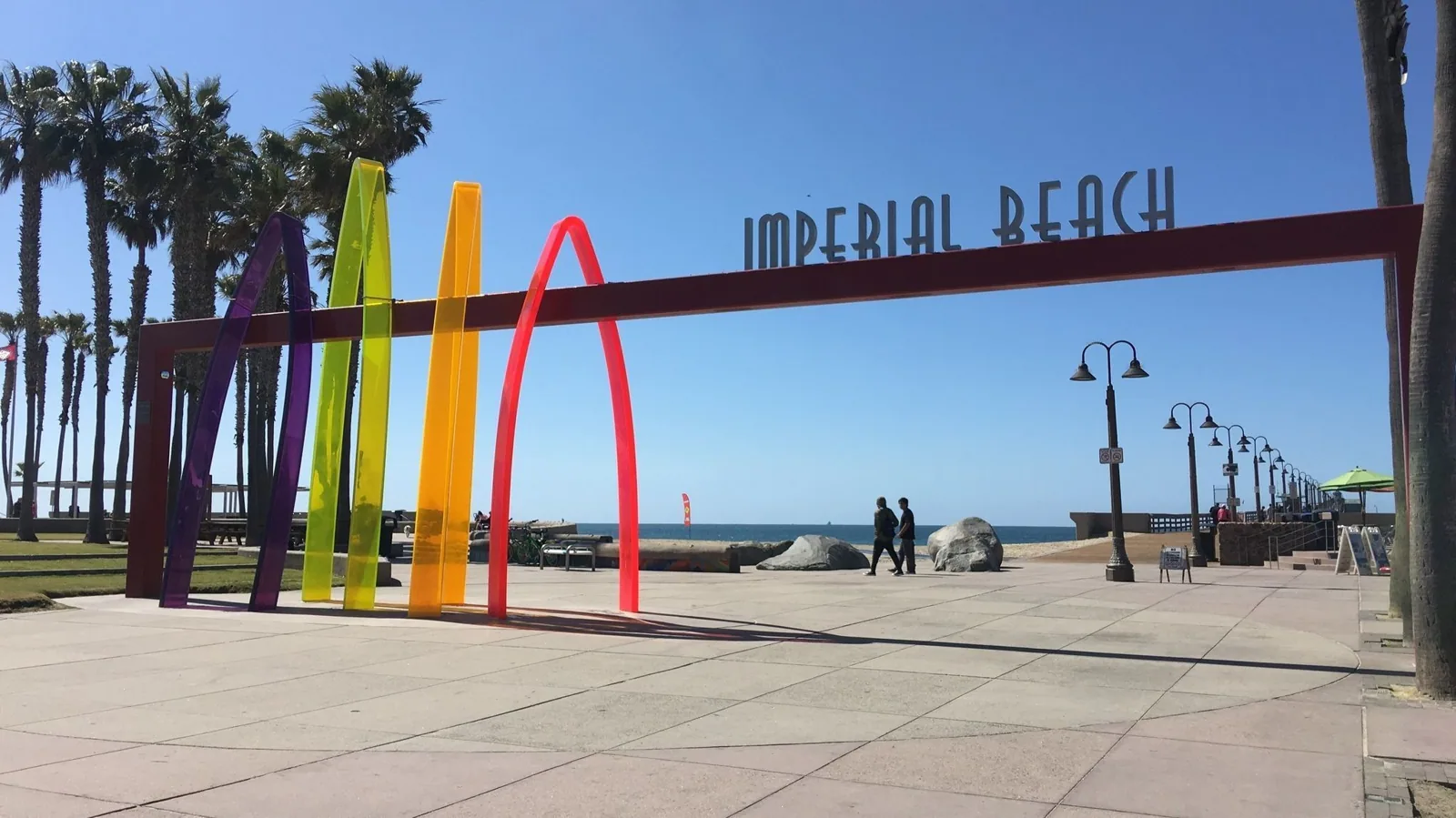
Drain bowls, scuppers and overflow routes need a clear path from the roof field. We inspect for debris, loose strainers, membrane separation and low areas that remain wet after rainfall. If the outlet is clear but water still collects, the slope, insulation or deck may need closer review. Drain and scupper service can address outlet problems; ponding-water repair can investigate a persistent low area.
San Diego-area rainfall is heaviest in winter, with totals that shift from one season to another. An open seam or curb can remain unnoticed until rain tests it. We inspect the surrounding membrane and look for the path water would take toward the outlet. A repair should restore the detail without blocking drainage or leaving a raised edge that catches debris.
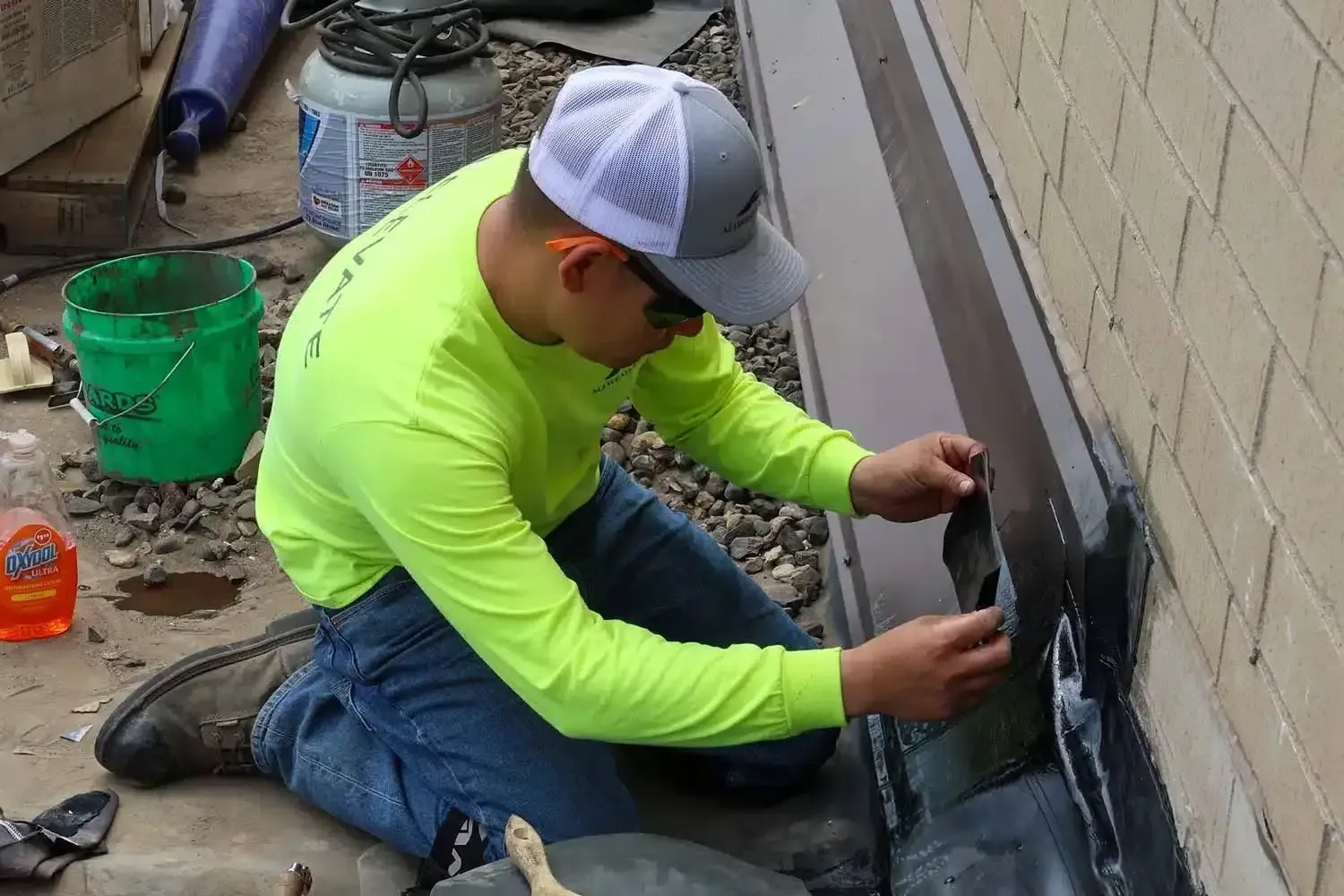
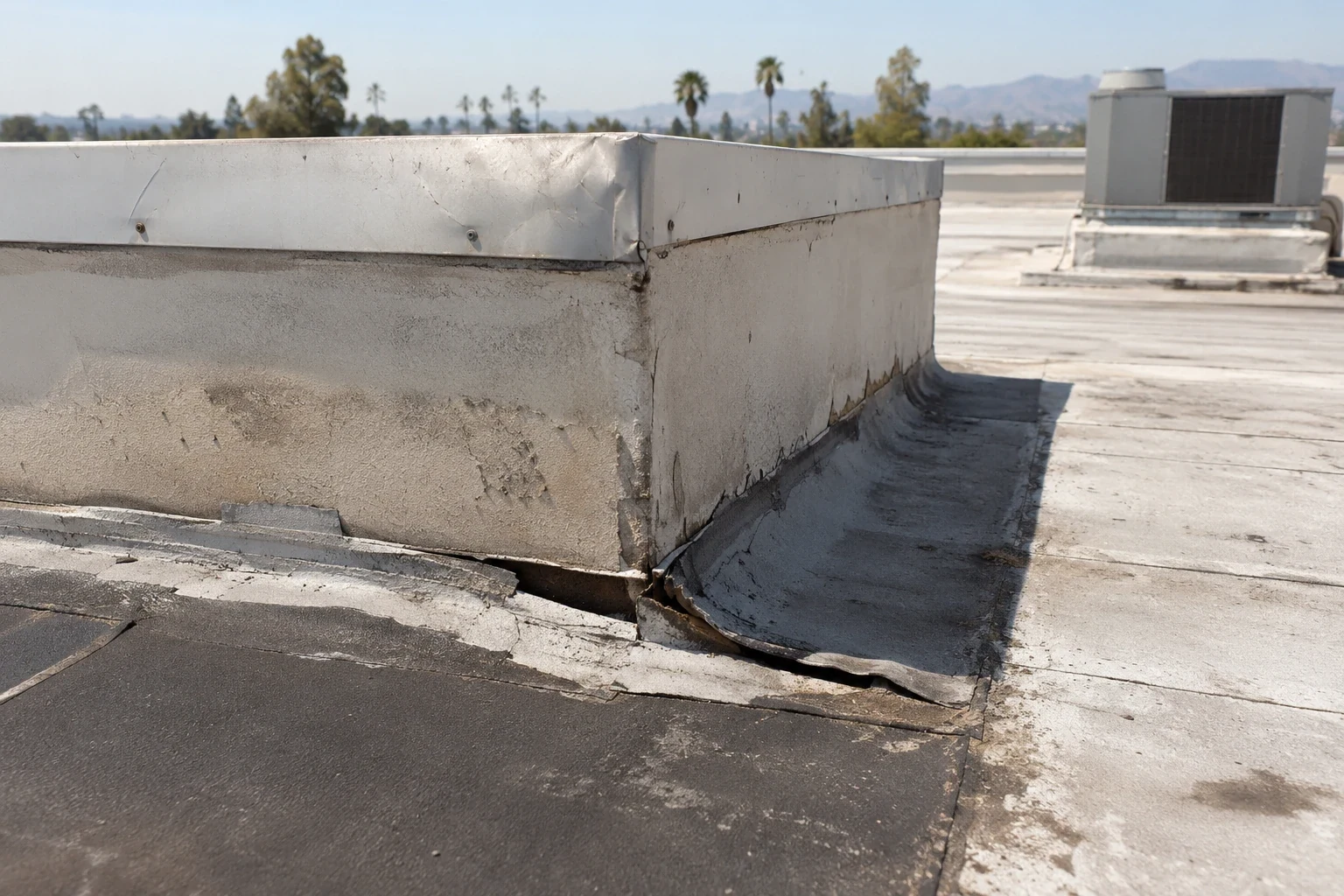
Wind can also disturb perimeter metal, flashing and rooftop equipment attachments. We check for loose fasteners, lifted laps and movement at roof-to-wall connections. When a seam has opened, seam repair may restore the membrane. A curb or wall transition can require flashing work that ties into sound material.
Match the Repair to the Roof System
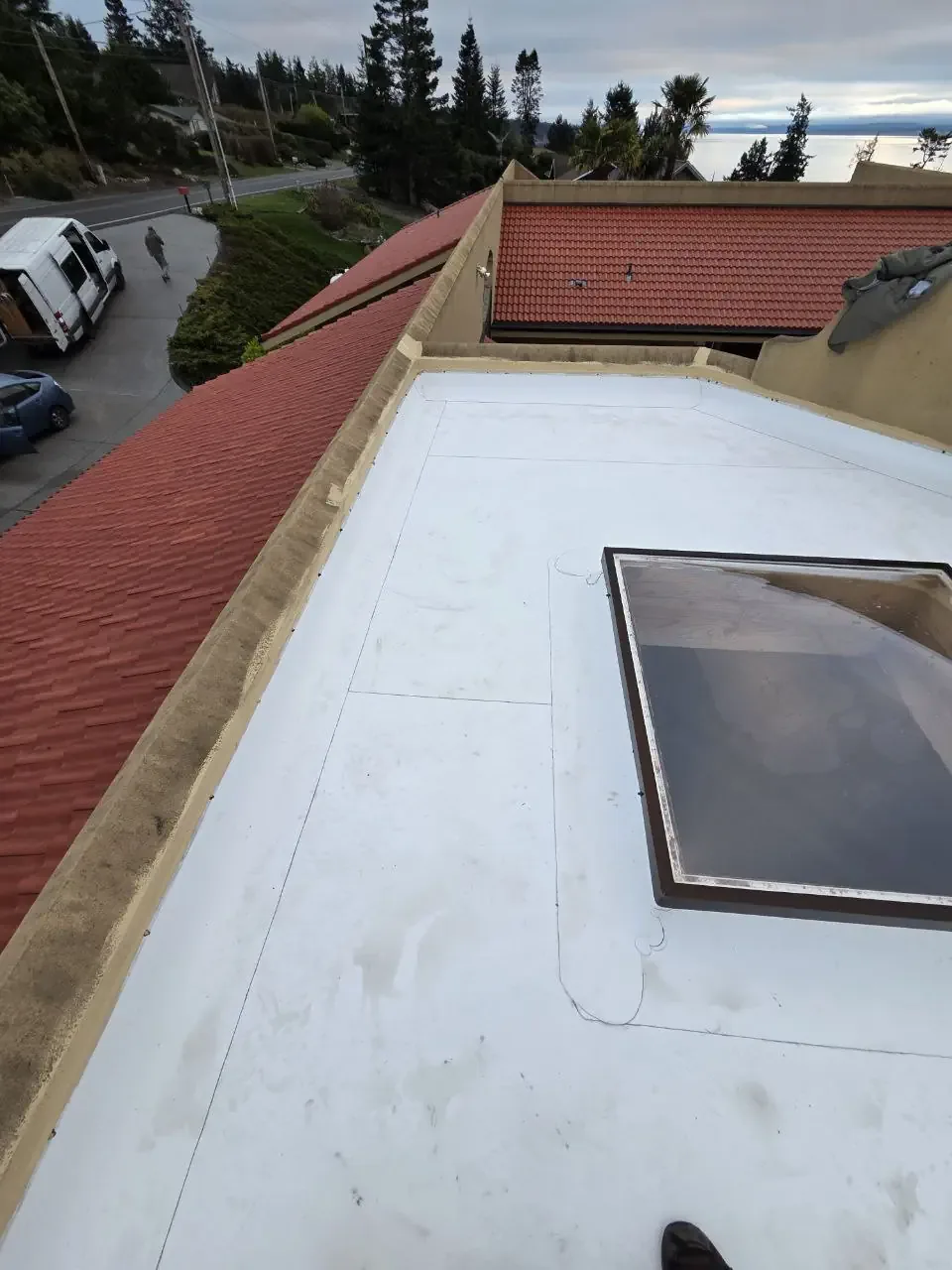
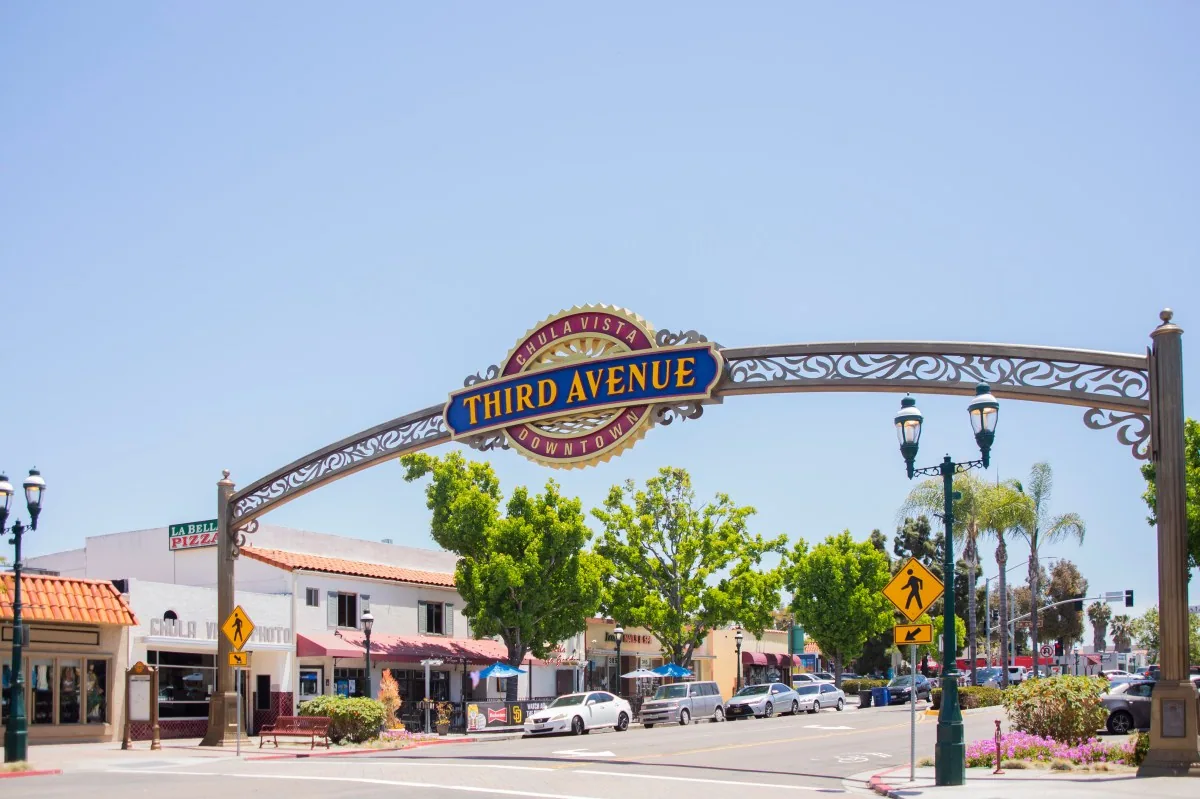
A compatible repair begins with system identification. Thermoplastic membranes use weldable details; EPDM and modified bitumen require different adhesive, primer or cover layers. Metal panels need attachment and closures that allow movement. We remove loose edges, prepare a dry surface and extend new material onto a stable area. A sealant bead across a moving joint can close the visible gap without restoring the bond.
If the affected area is contained and nearby insulation is dry, a local patch may be suitable. If the roof is brittle, repeatedly repaired or wet beneath the membrane, a wider scope may be necessary. We explain what can be seen and what a survey or opening could establish. A commercial roof repair plan separates immediate stabilization from permanent work and any future replacement decision.
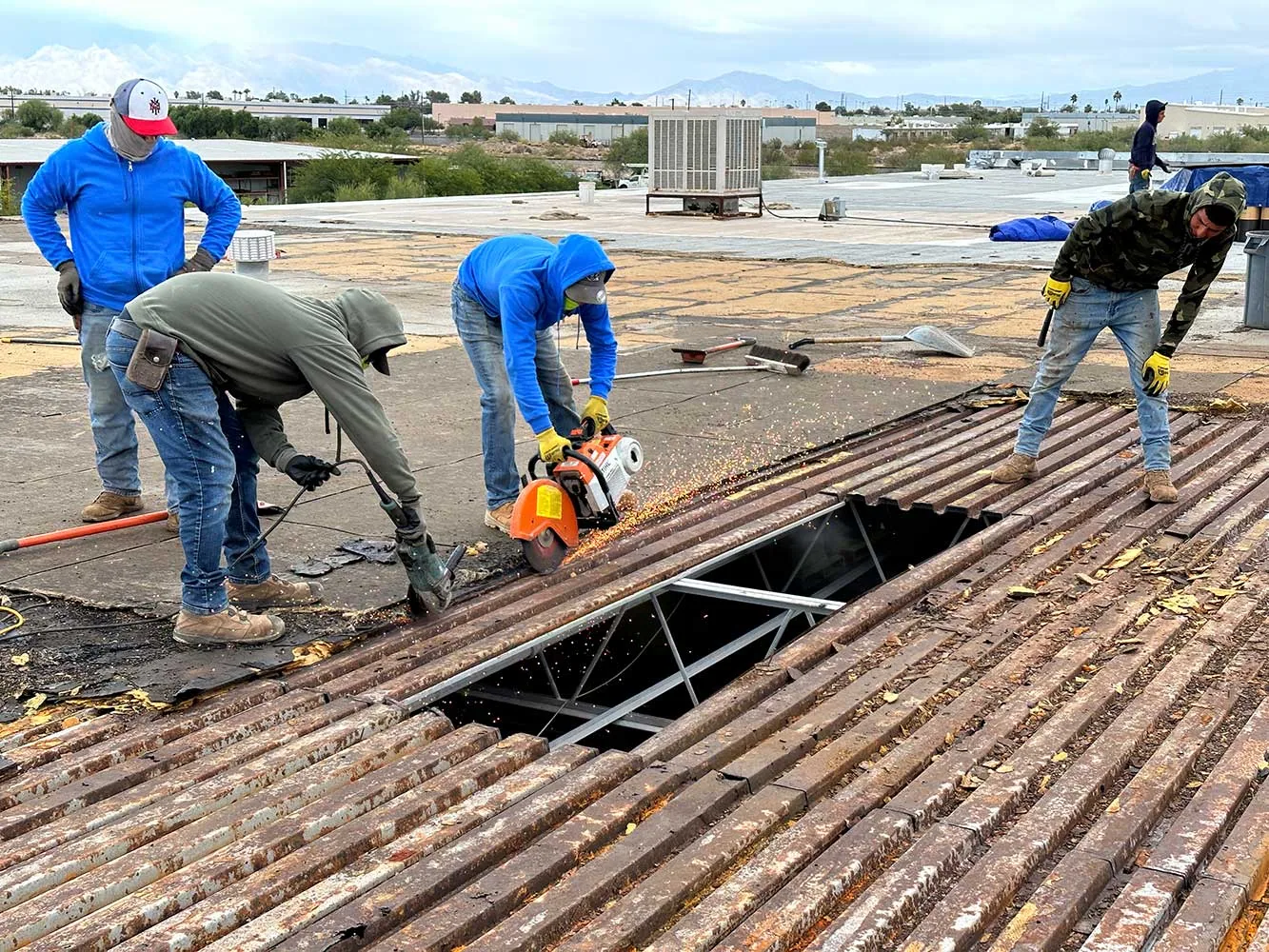
Cost and timing depend on the roof's height, access, material compatibility, surface condition, equipment coordination and hidden layers. If building use restricts noise or roof access, the sequence may need to fit a shorter work window. We confirm those constraints before opening the membrane and identify who must coordinate another trade's work around the curb or support.

Protect the Building While the Roof Is Open
A leak after closing can bring a crew out at night, on a weekend or over a holiday to secure the opening. We coordinate access with the property contact and secure temporary protection to sound material when the roof can be reached safely. That measure limits exposure while permanent scope is set; it does not replace a compatible patch or confirm the condition of concealed insulation.
Weather affects when a permanent tie-in can be installed. Adhesive work needs a suitable dry surface, while membrane welding depends on preparation and application conditions. If rain is near, we identify which opening can be protected and keep the drain path clear. When the surface is not ready, the return visit completes the repair after the material can bond correctly.
Chula Vista's inland areas can experience hotter dry-wind periods than the coast. We plan crew timing and material handling around hot, dry-wind periods, then inspect the roof for brittle sealant, lifted edge metal and seam movement.
Make the Findings Actionable for the Facilities Team
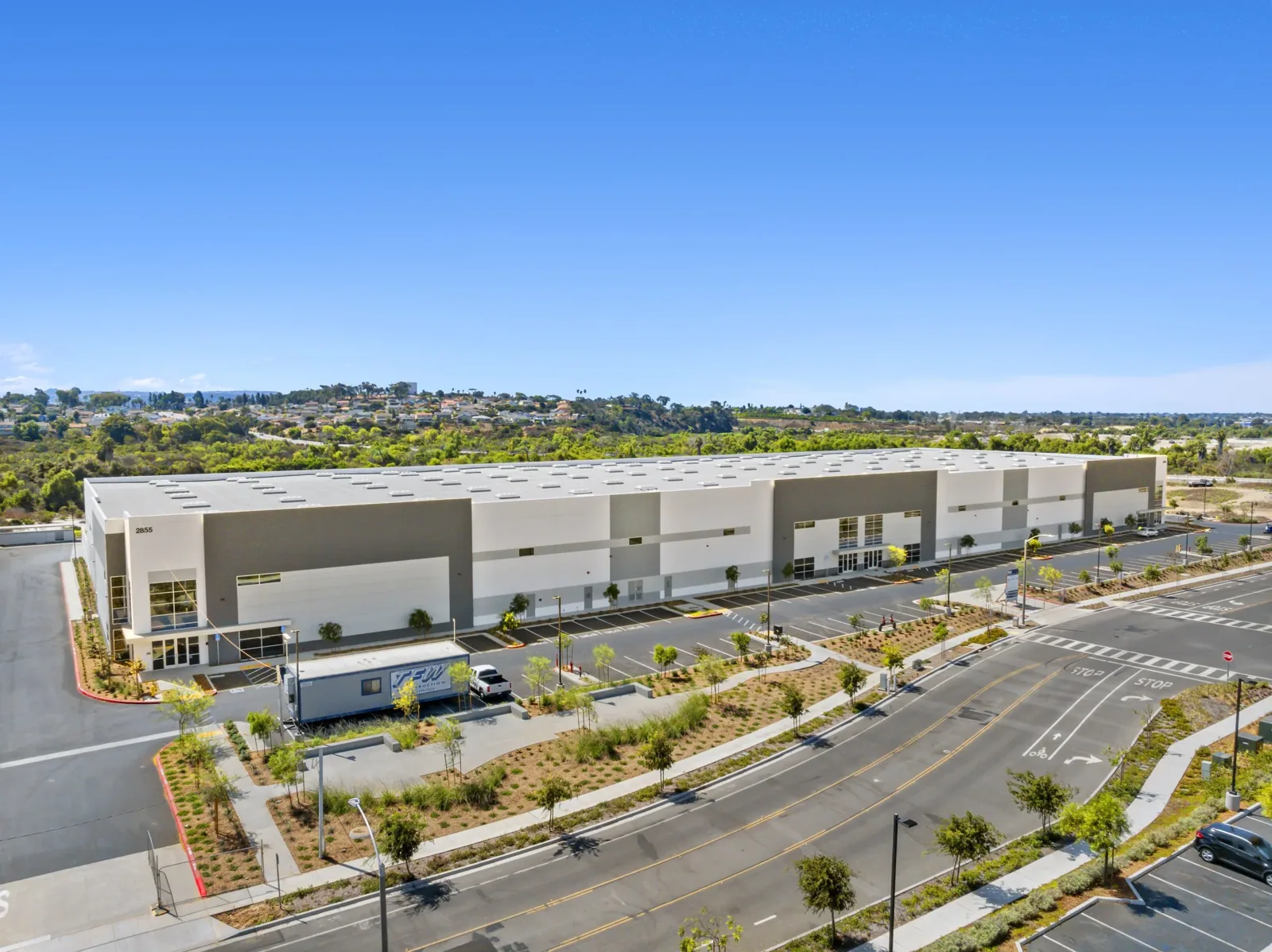
At closeout, we check the patch perimeter, nearby transitions and drain path. We photograph the finished tie-in and label its roof zone and adjacent details. The closeout summary identifies the system when known, installed materials and any remaining test or trade follow-up. It distinguishes a completed tie-in from a temporary cover or an area that remained inaccessible.
The Eastern Urban Center is one of Chula Vista's named eastern activity centers, with planned uses coordinated alongside other East Area locations. A property group that also manages Eastlake or the Eastern Otay Ranch employment area can apply a consistent roof-zone format while keeping each building's condition separate. We confirm access and repair history property by property.
Roof condition reporting can support a broader maintenance decision. Preventive roof maintenance can revisit repaired seams, metal edges and drains before the next wet period. The follow-up should check the same details that informed the original repair, not restart from an undirected roof walk.