Keep Public Routes in Service
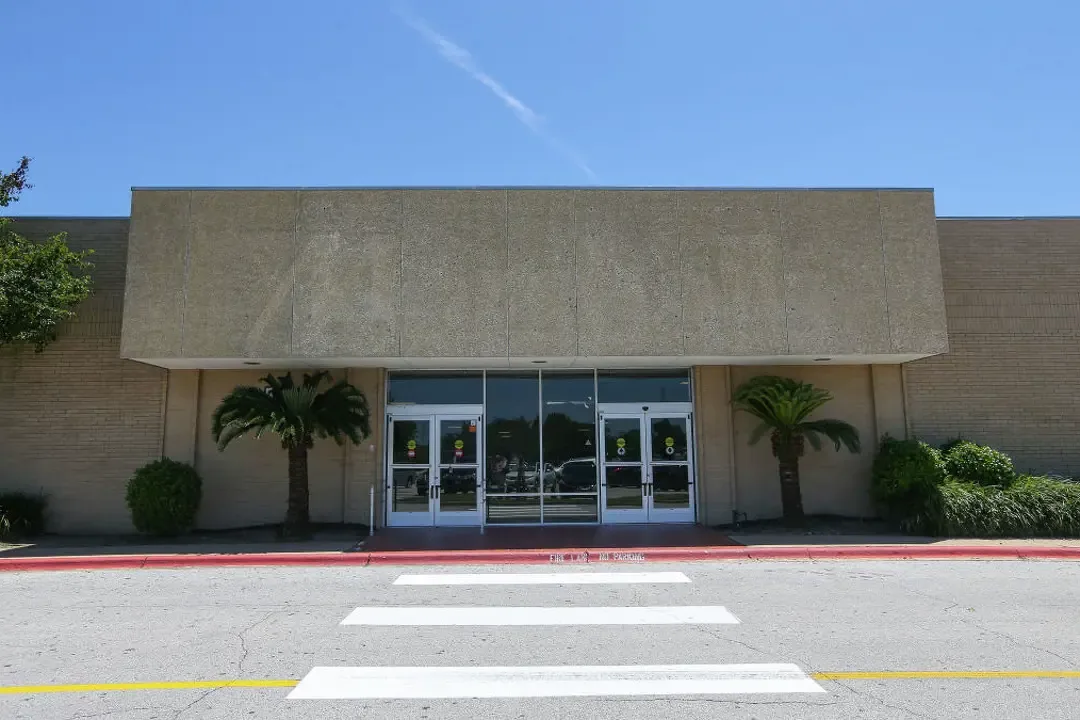
A lobby, counter, meeting room or records area may remain active during roof work. We ask which doors must stay open, where visitors queue and whether deliveries share the staff route. Ladders, lifts and debris bins cannot block accessible entrances or emergency access. The facilities contact helps set a boundary beneath the roof work.
A city office may have appointments, while a utility or public-safety building may maintain shifts and vehicle movement. We coordinate with the person who controls the affected room and equipment. If deck access becomes necessary, we explain the opening and protection plan before work begins. The crew secures the roof at shift end and clears public routes and drains.
Third Avenue, Broadway and Main Street are western business areas, and H Street links retail, office and transit-oriented activity. A facility near a busy corridor may need staging away from visitor arrivals. East-side drive aisles and service entrances can change lift placement, so we confirm the actual site layout.
Separate a Drainage Problem from a Roof Defect
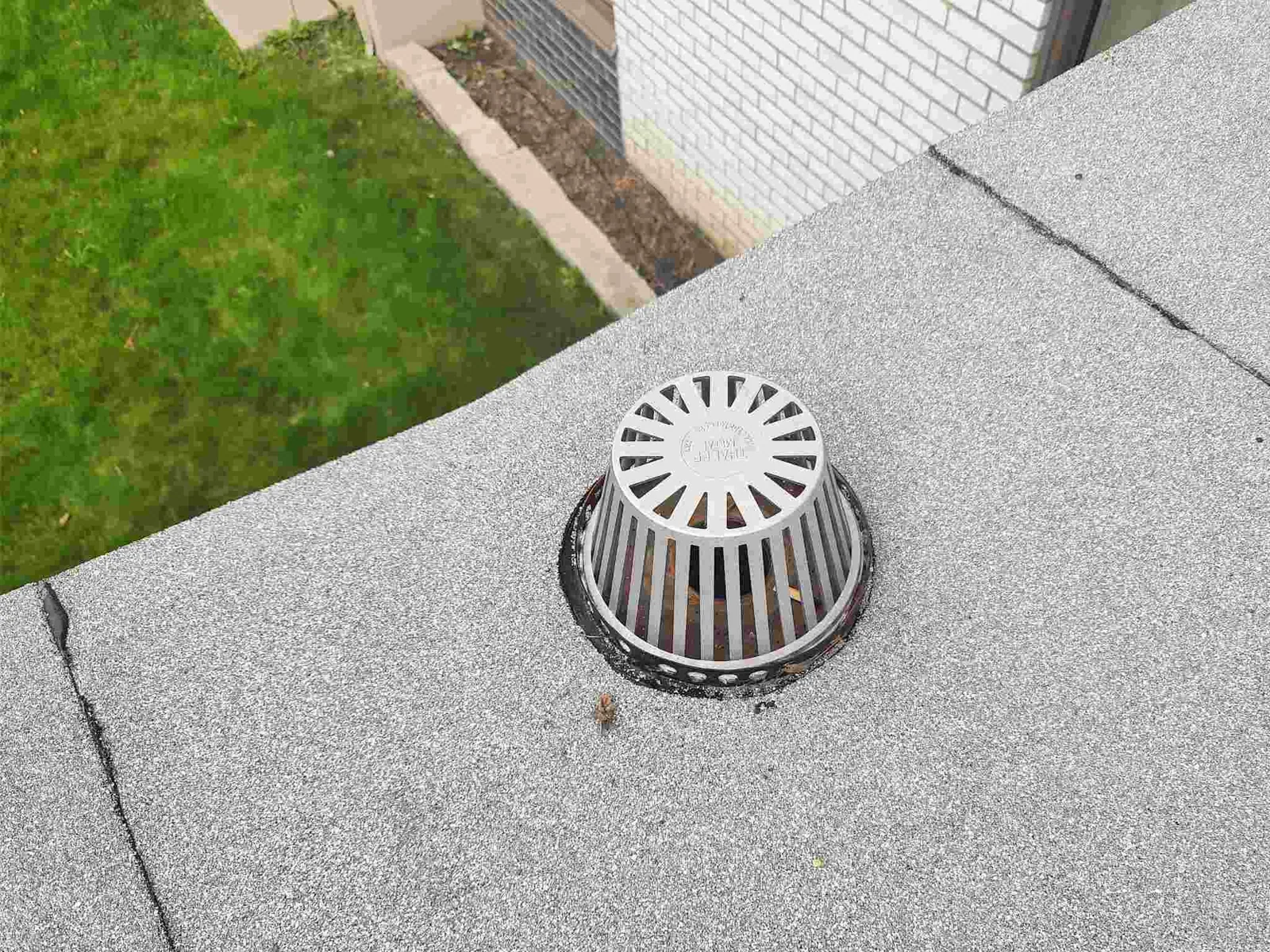
Water held near an outlet needs a closer look before repair. We inspect the bowl, strainer, overflow, slope and membrane. Debris may slow flow, while settled insulation or a closed overflow can leave water at a low point. We connect each observation to a location and photo for follow-up.
Most San Diego-area rain occurs in winter, though totals vary. Before the wet months, maintenance can clear outlets and identify details needing attention. We compare leak timing with roof geometry and inspect parapets, vents and previous patches. Drain and scupper repairs address a confirmed outlet or overflow defect.
Moisture can spread below a membrane, so an interior stain does not prove the entry is overhead. We follow seams and transitions outward from the reported room. If insulation may be wet, an infrared survey can help prioritize investigation when conditions support it. A controlled opening can show the exposed layer.
Set a Defensible Repair Boundary
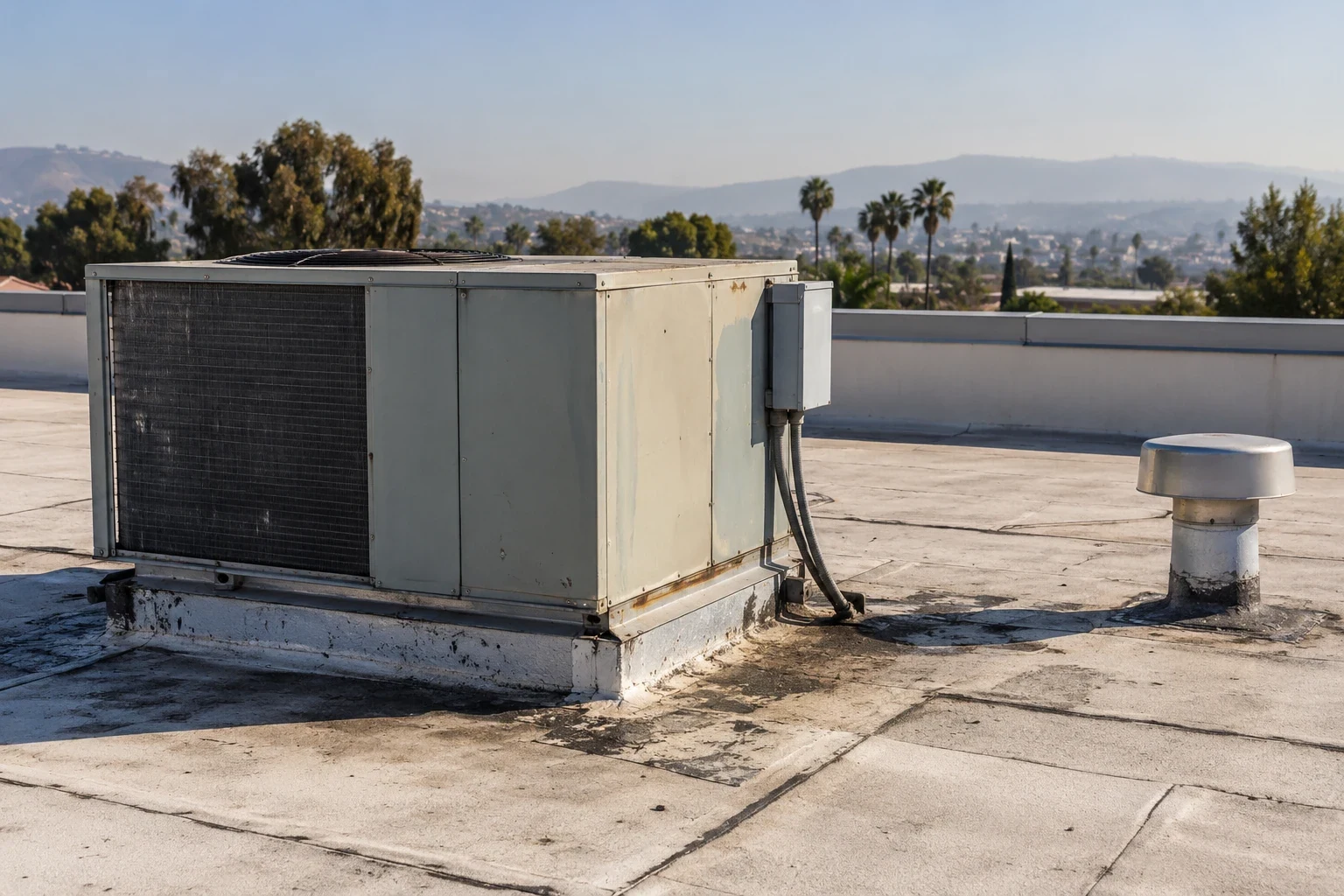
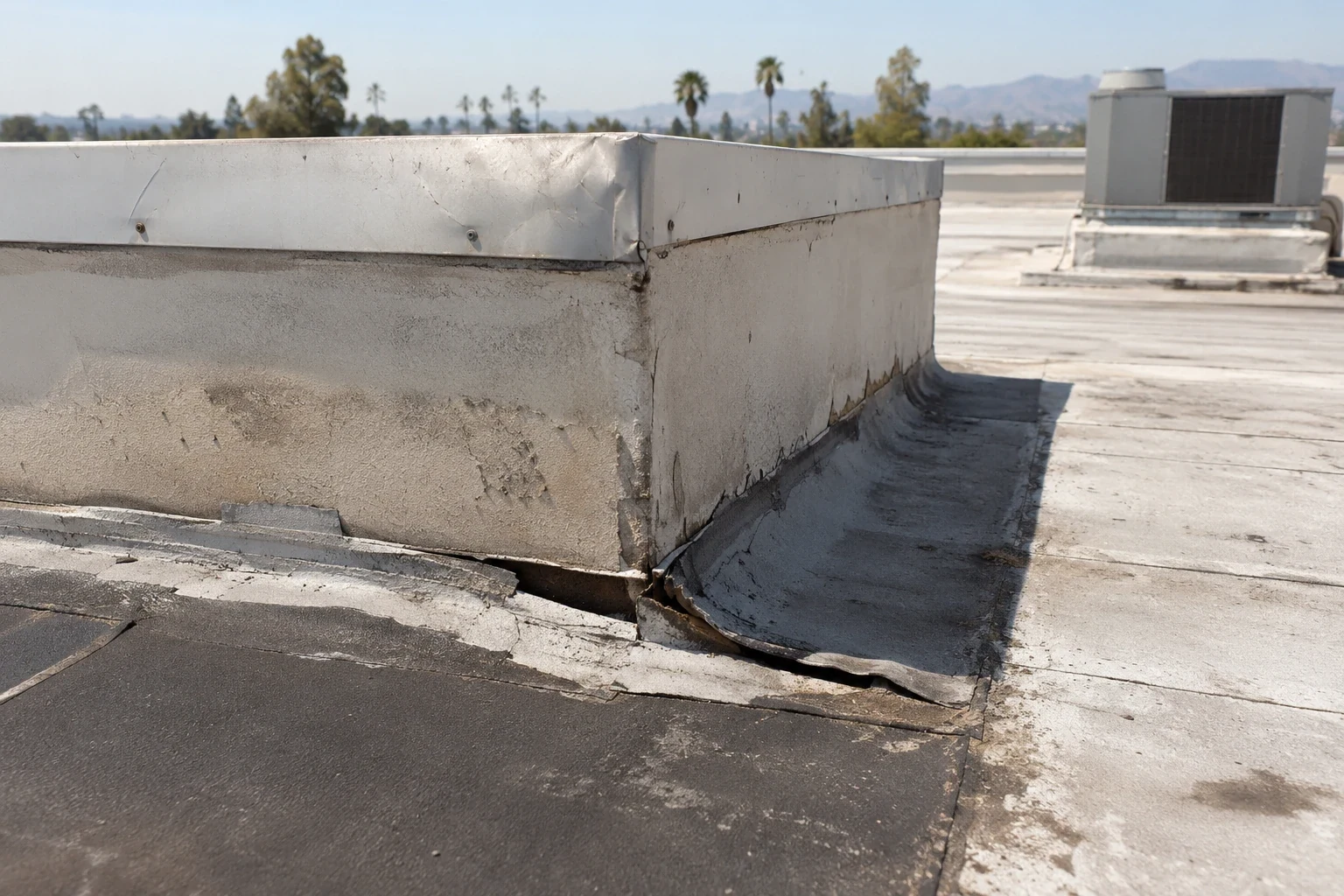
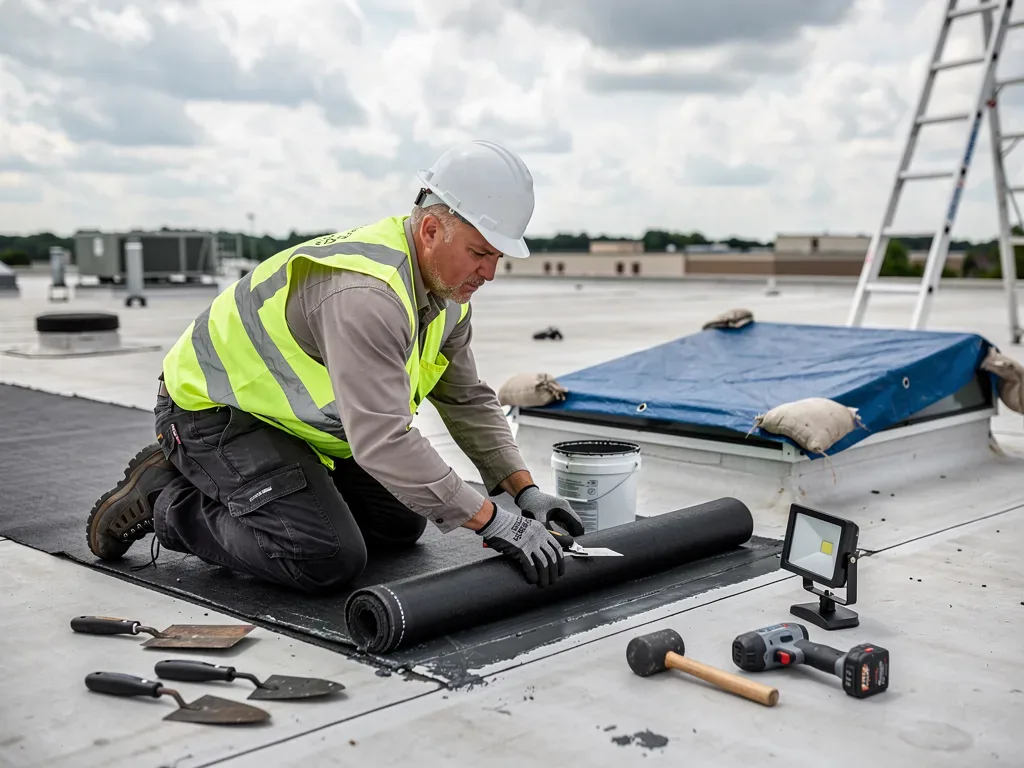
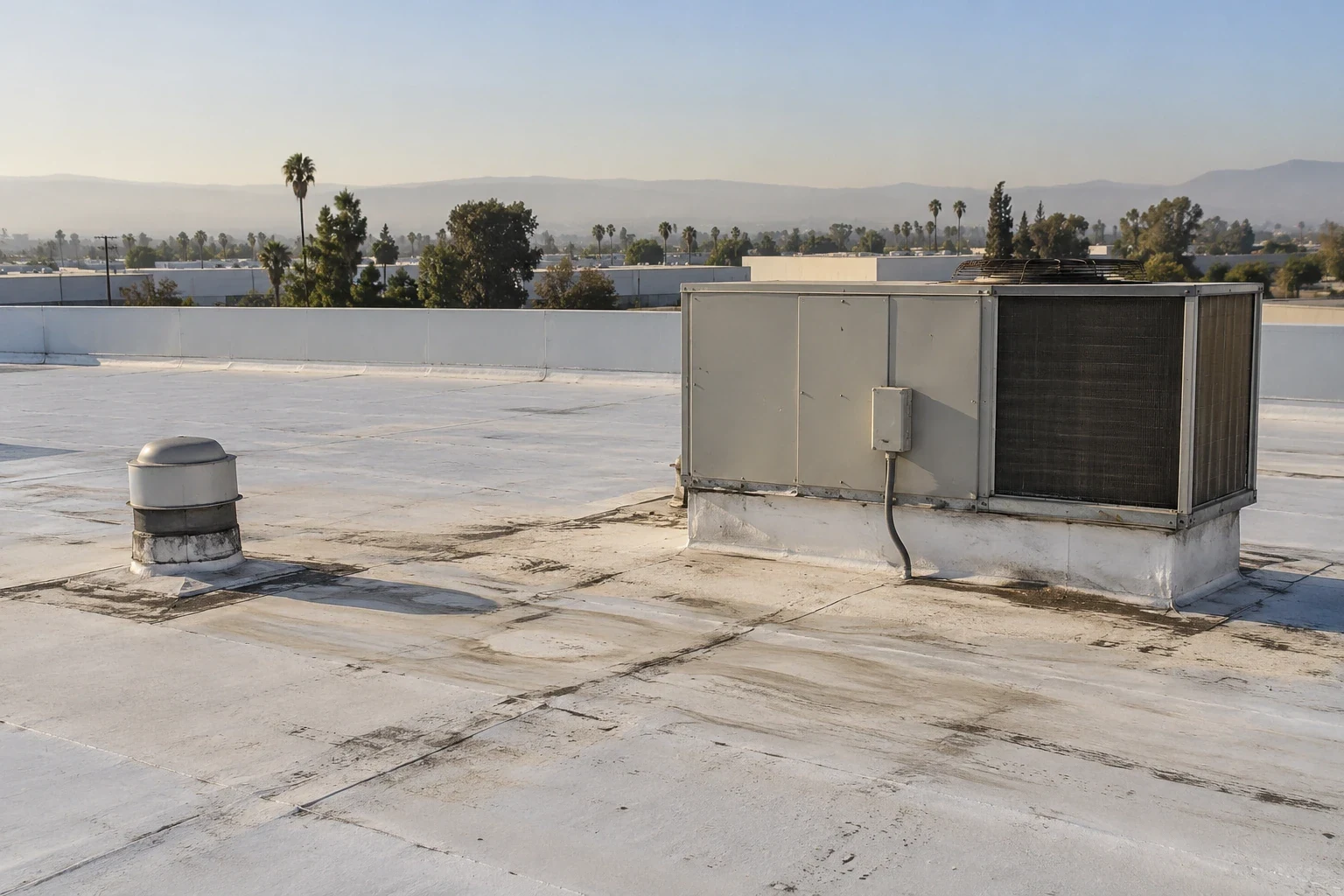
Single-ply, modified bitumen, built-up and metal roofs each require compatible materials. We identify the assembly, inspect old patches and find sound material. A new patch should not hide wet insulation, loose membrane or deteriorated deck. Seam, curb and wall repairs need tie-ins that shed water. If roof type or moisture remains unclear, we explain what test would change the scope.
Cost and schedule depend on assembly, roof access, number of affected zones, hidden moisture, equipment coordination and protection below. A confirmed flashing failure may need a contained repair; broad deterioration or recurring leaks can warrant comparing repair with recover or replacement. Flashing repair addresses a failed termination, while a recover is appropriate only when existing layers and substrate support it. We list included work separately from testing or concealed conditions that are not yet established.
Budget review benefits from a scope that names the building, roof zone, materials, exclusions and access assumptions. Photos should show the condition and repair boundary. Chula Vista’s Title 15 building standards code and local construction forms inform project planning; the responsible agency confirms current submittal and permit requirements before work is scheduled.
Coordinate the Work Window
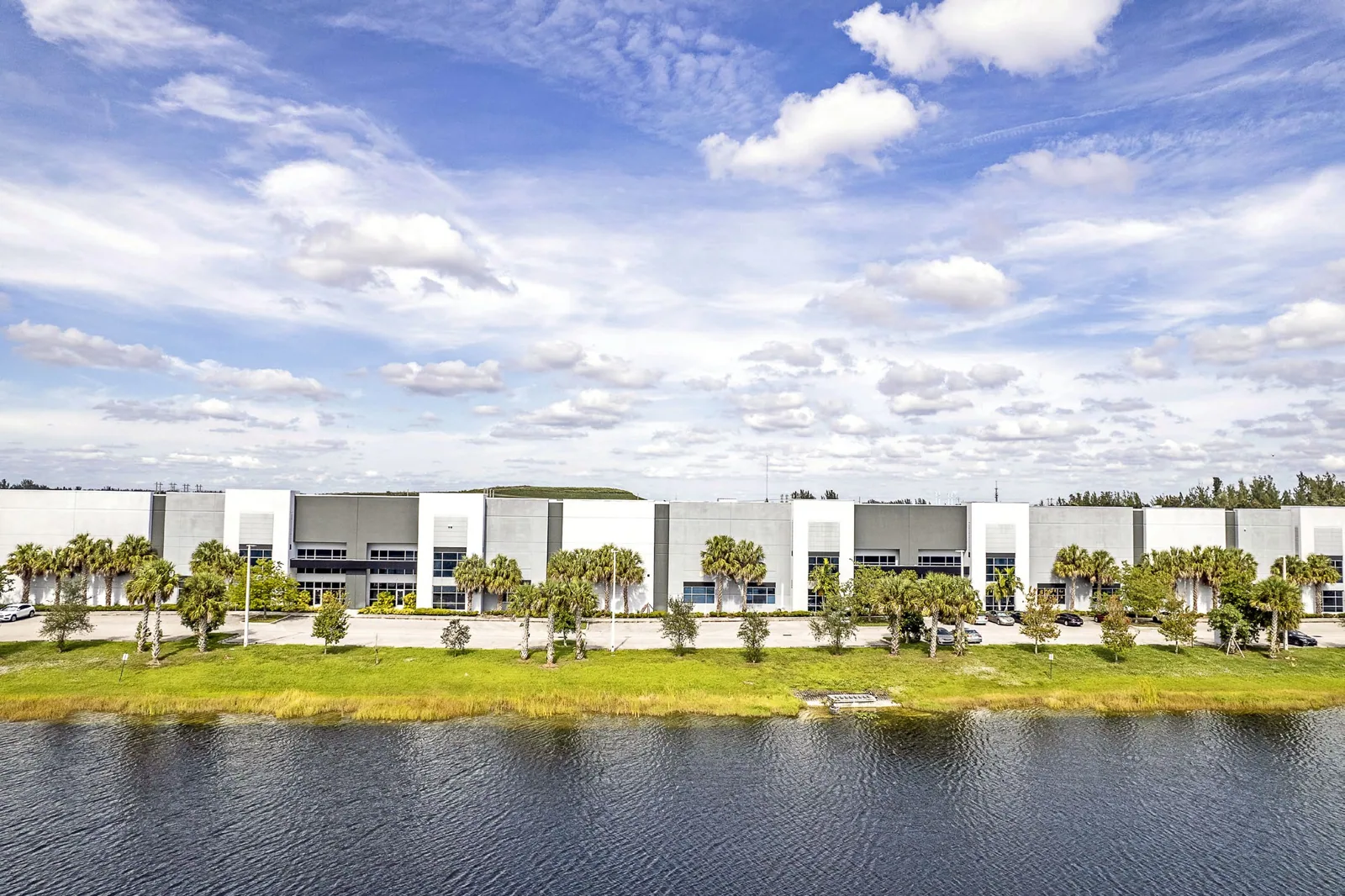
Before mobilization, the facilities contact identifies access rules, occupied hours, equipment restrictions and public routes that cannot close. We agree on lift placement, material delivery and who can authorize an HVAC shutdown. For multi-department buildings, a single coordinator keeps room access and notices consistent.
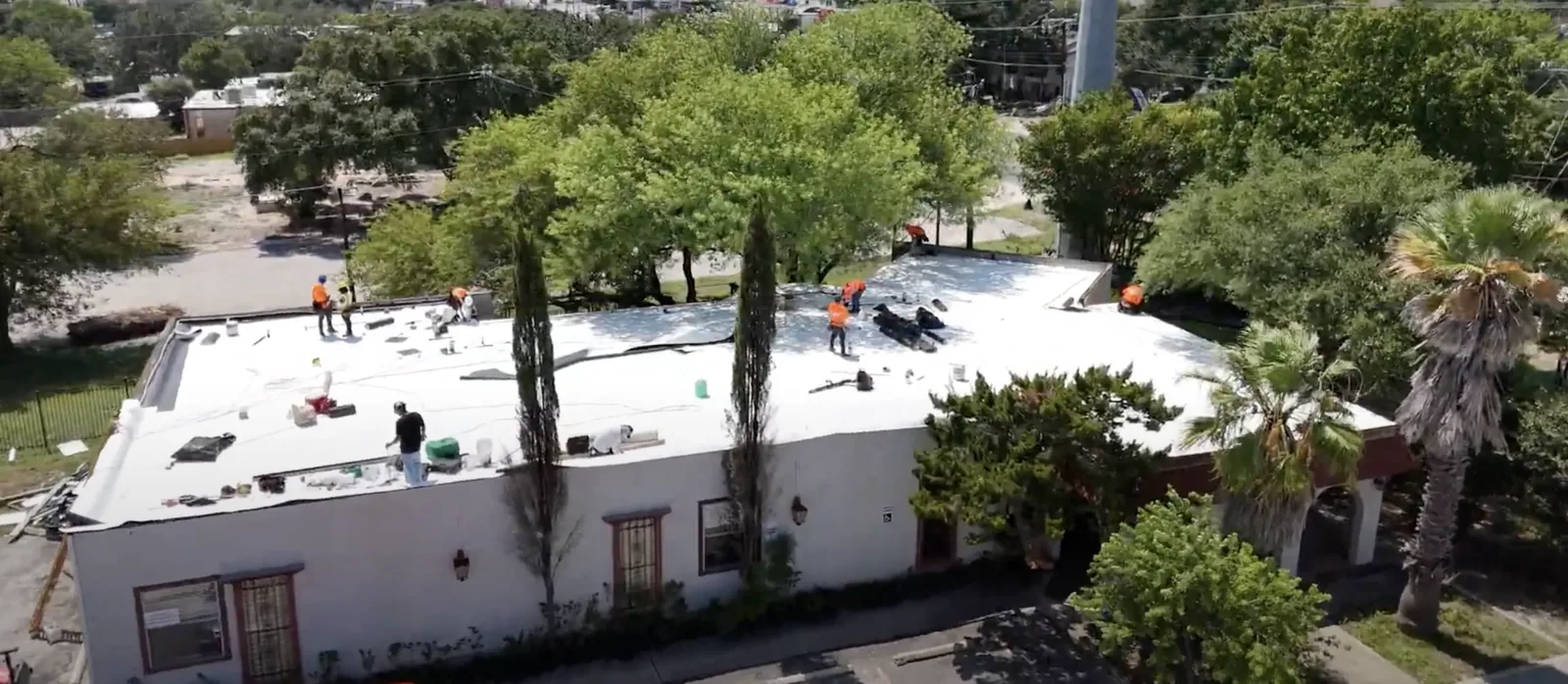
For replacement, the roof is divided into manageable areas and each open section receives a dry-in before the crew advances. If rain threatens or concealed damage expands the work, the exposed area is secured and the next scope decision is reviewed. Debris removal, noise and lift movement are scheduled away from public meetings or high-volume counter hours when possible. The plan also records how the crew will restore access at the end of a workday.
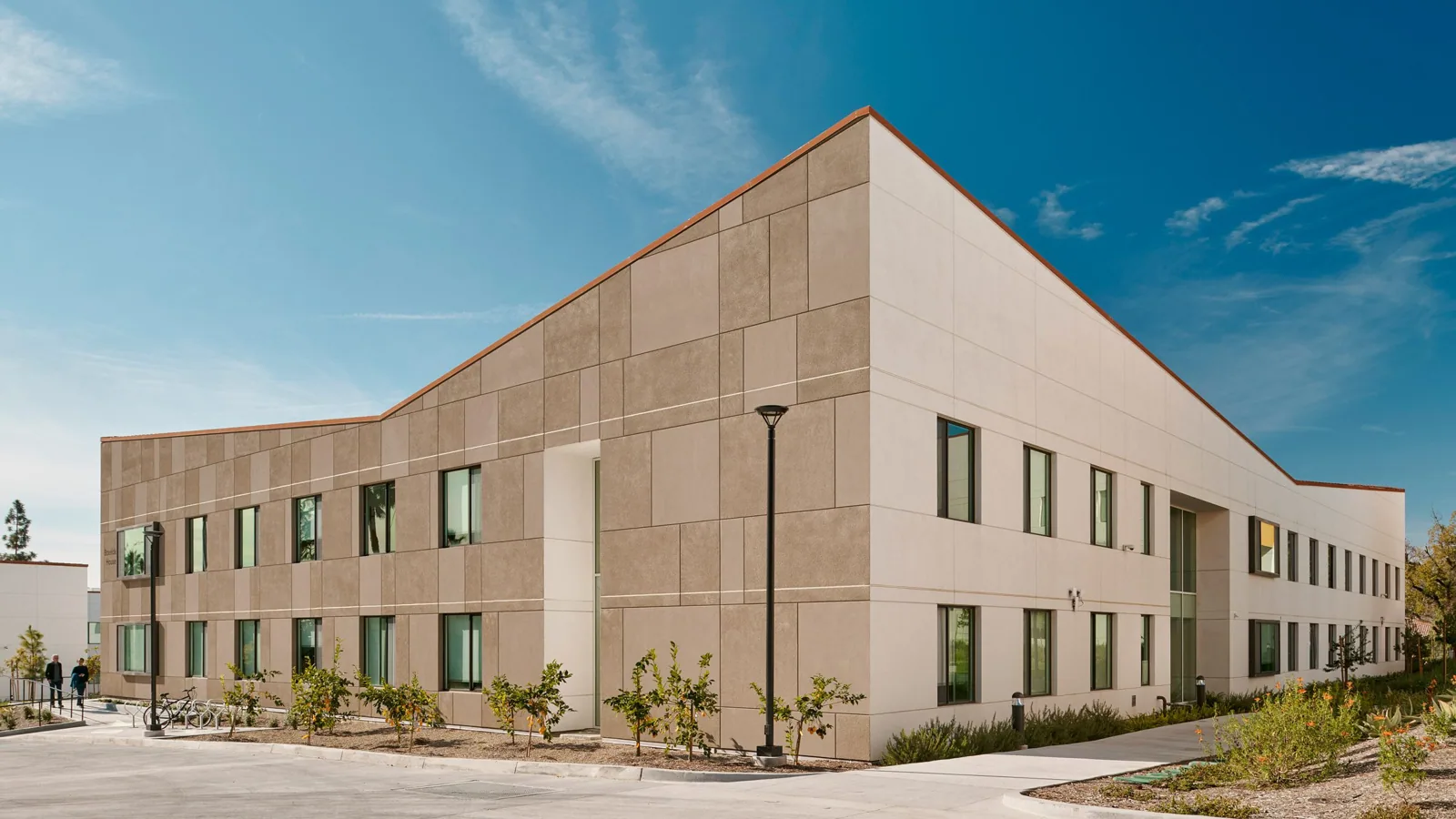
Chula Vista employment districts run from the tidelands and Otay Valley to eastern areas with planned office, commercial and industrial uses. A public building’s specific driveway, loading area and parking controls determine its sequence. The replacement plan lays out access and tie-ins before removal, while occupied-building work sets protection around active rooms and entrances. Neither plan assumes that agency services can simply stop during the project.
Keep Findings Ready for the Next Budget Cycle
A roof record should be useful when the project changes hands. We label photographs by building and roof zone, state which repair was completed and identify any area left for monitoring or further testing. If a temporary cover remains, its location and follow-up date belong in the closeout. For a multi-building program, consistent zone names help facilities staff compare condition without implying that separate roofs share the same defect.
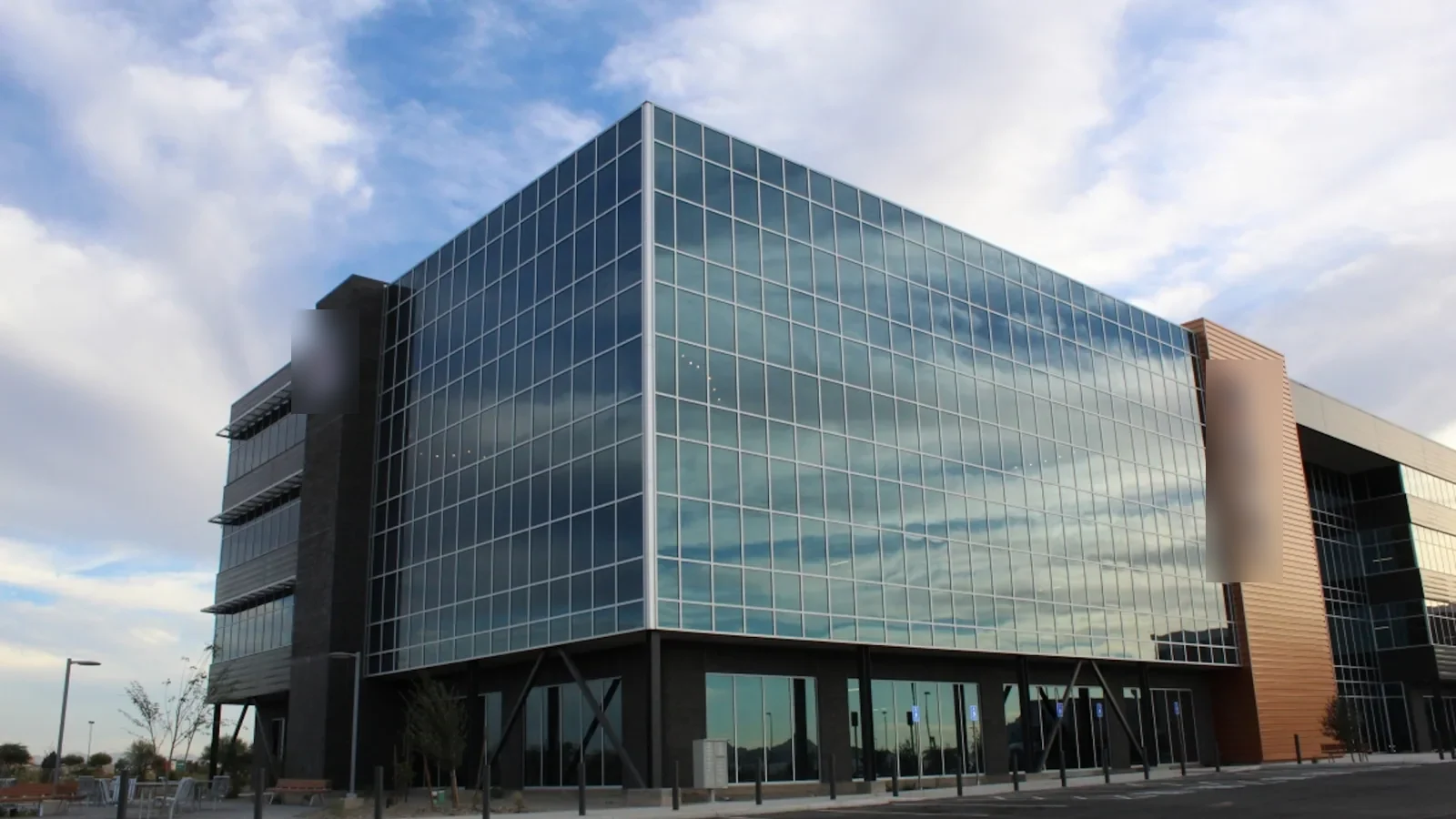
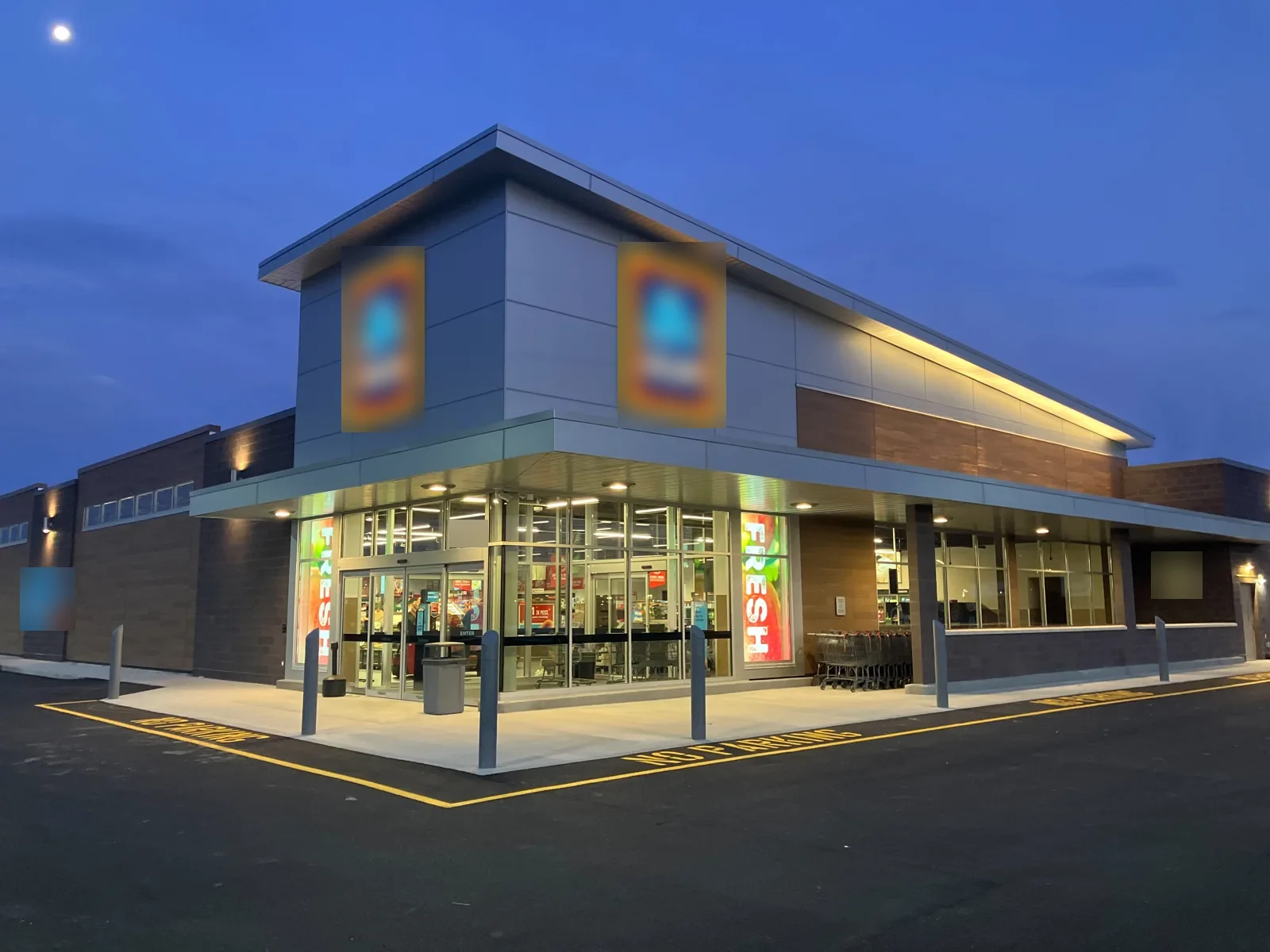
Capital decisions compare repair, recover and replacement by the layers each option retains or removes. We describe the condition, drainage effect and remaining questions. Roof condition reports preserve findings, while office building roofing and school roof planning raise different access needs. A roof visit near the H Street corridor can fit public operations.
Send the facility name, affected room or roof area, available roof plans and the access contact. We will inspect the assembly, document the repair boundary and explain what decision follows from the conditions found.