Keep learning areas protected
Start with the space below the reported leak. A classroom, library, kitchen, gym, or electrical room may need a different protection plan, and water can travel through the deck before appearing indoors. We confirm the room, nearby equipment, and access restrictions with the school contact, then inspect roof details along the likely path. A controlled opening is planned only after the interior cover and end-of-shift closure are defined.
Roof work can affect drop-off, lunch delivery, outdoor activities, and staff routes. The facilities team identifies arrival windows, event dates, restricted yards, and gates available to a crew. We stage material away from student paths and keep lifts or debris containers outside active circulation. During an urgent leak, we can respond at night, on weekends, or over school breaks, then schedule permanent work around the district's approval and access process.
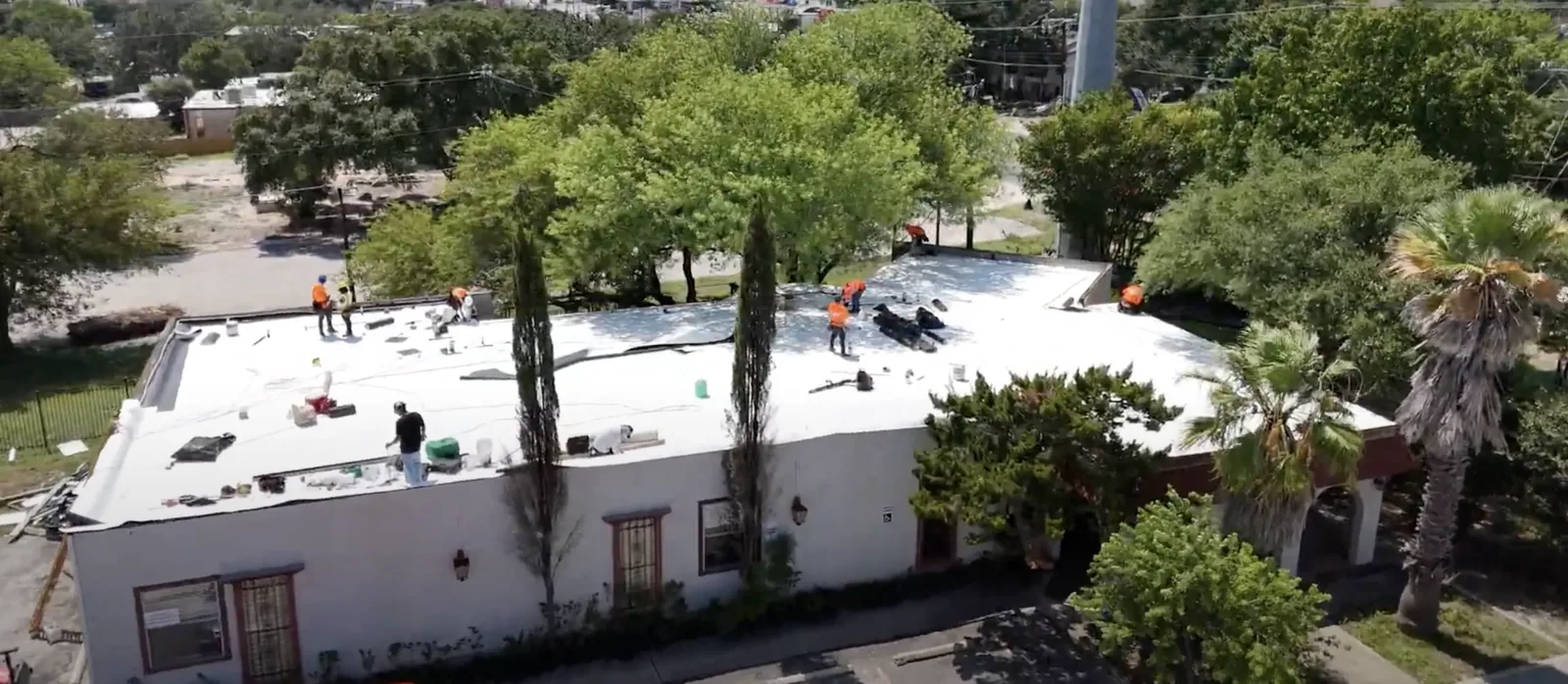
Some classrooms can remain in use while a separate roof area is repaired; other spaces may need temporary relocation. We mark the work zone and overhead protection before opening the roof, then advise the contact if concealed wet insulation expands the boundary. A phased school work plan should specify who closes each area and how the next shift receives it.
Check the roof over each building wing
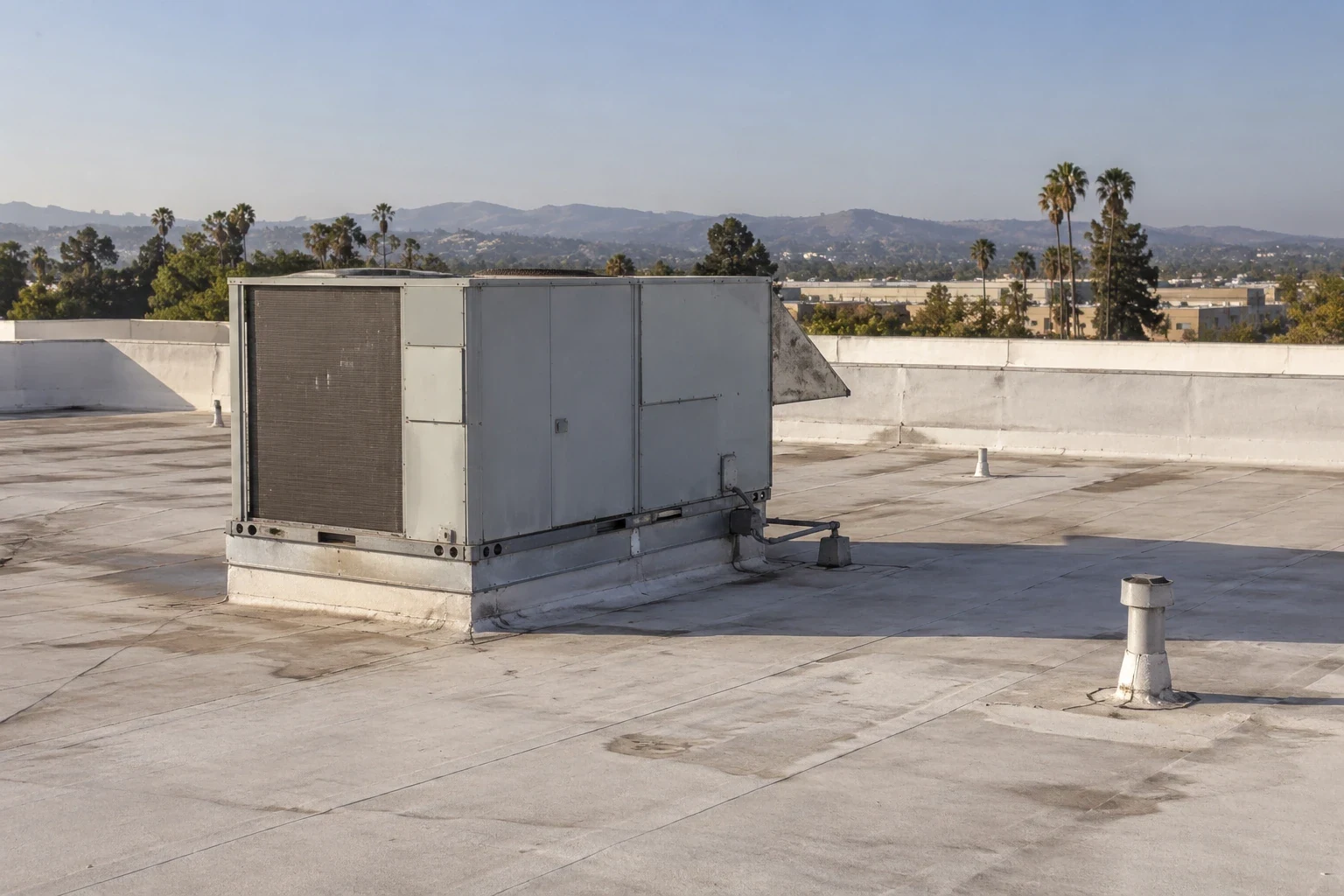
School campuses often include additions built at different times. The membrane, insulation, and deck may change at a connector, gym, kitchen, or portable classroom even if the roof surface looks consistent. We map each slope and roof section before choosing repair material. Record TPO, PVC, EPDM, modified bitumen, metal, or other systems only where field details or records support the identification.
Look at seams, penetrations, curbs, skylights, parapets, and prior patches near the report. A flashing failure above a kitchen exhaust has a different repair path from a puncture in an open roof field. We photograph both the defect and its surrounding detail, then identify whether a test cut or moisture survey is needed. The school roof inspection gives the district a zone-based list of visible issues and follow-up questions.
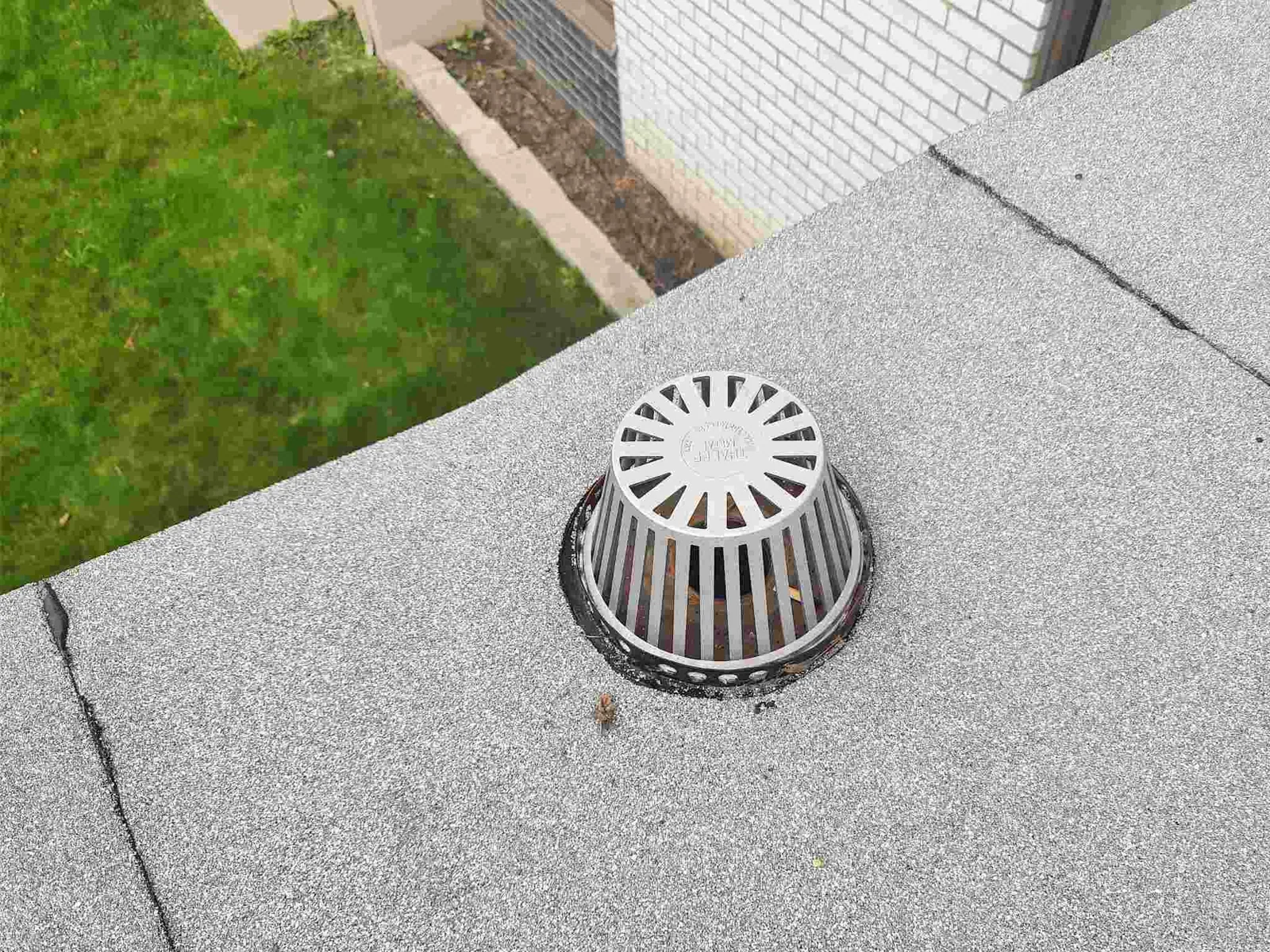
Drain bowls and overflow paths need clear access. Check for leaves, sports equipment, abandoned conduit, or a changed roof height that blocks water movement. If cleaning does not restore drainage, identify whether insulation slope or the outlet detail needs work. A drainage repair should keep maintenance staff able to reach the drain after closeout.
Use the calendar without relying on it
Summer break can create a longer work window, but it does not remove every school operation. Summer programs, custodial work, food service, and construction projects may still use the campus. We confirm the exact dates and routes with the district rather than assuming a building is empty. For a single leak, a weekend phase may protect instruction better than a broad project during break.
Most regional rain arrives in winter, so a roof opening must have a daily dry-in point. Agree on the limit before removal begins, keep drains clear, and secure temporary edges before leaving. If wet material or damaged deck changes the plan, stop at a protected boundary and review the added scope with the district contact.
A replacement can require noise controls, deliveries, crane access, or temporary fencing. If the campus has multiple buildings, sequence them so completed areas do not become storage or crossing paths for later work. The replacement sequence should set removal limits, insulation and deck assumptions, protection of interior spaces, and a signed handoff for each wing.
Coordinate design and permit details
Chula Vista adopted the 2025 California Building Code with local amendments. Permit timing determines the applicable code cycle for a project, so confirm the submittal path before finalizing the roof assembly. Insulation, edge securement, drainage, and fire classification should follow the project documents and relevant code review. We coordinate roofing details with the design team and identify conflicts before covering an edge or curb.
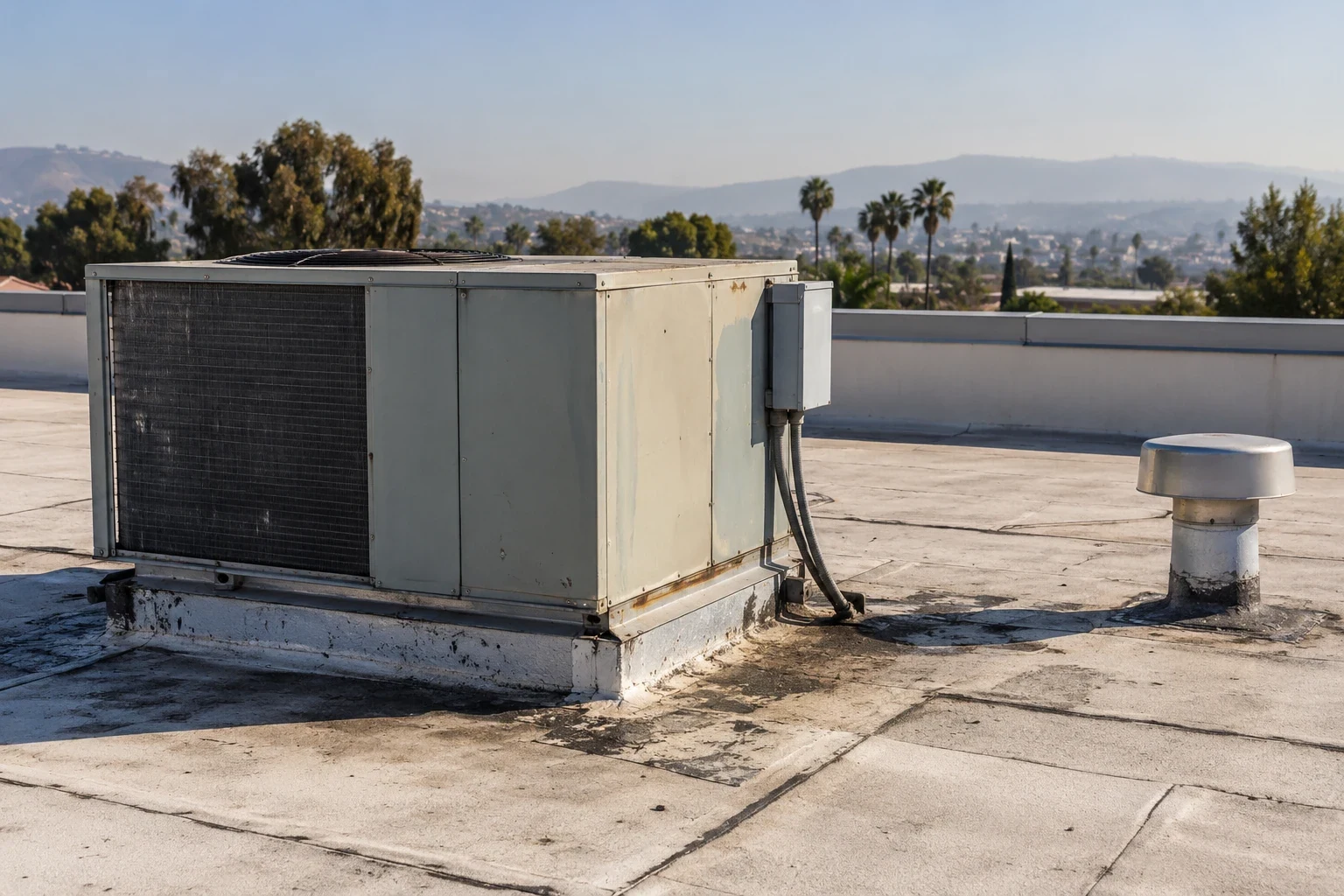
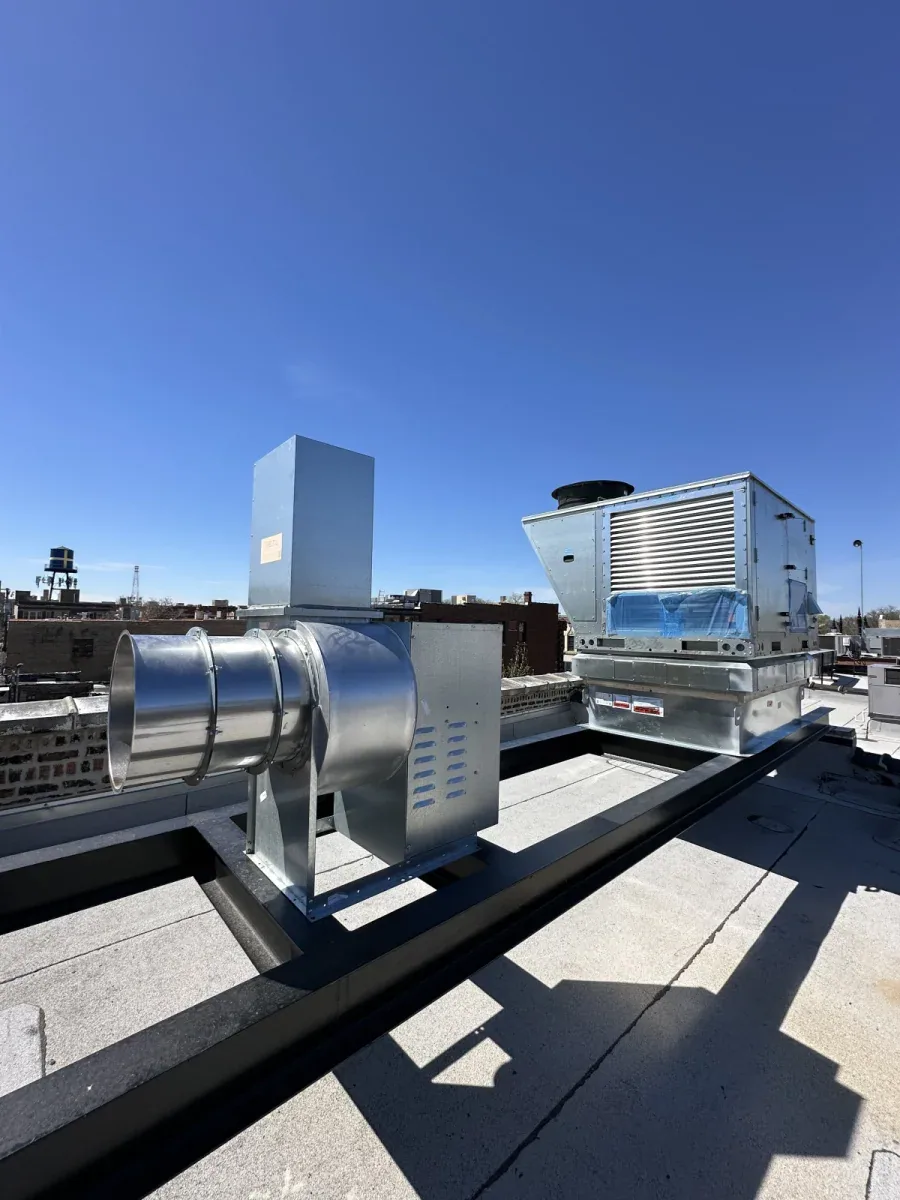
School roofs carry mechanical equipment, exhaust, communications, and sometimes solar-related infrastructure. Replacing the membrane may change curb height, walk pads, attachment details, or service clearances. Confirm with the district which equipment stays, what needs shutdown, and who is responsible for adjustments. A curb and support review connects those roof transitions to the equipment plan.
Budget comparisons should state what is known and what remains concealed. A localized patch, recover, and replacement have different removal, testing, and protection requirements. For a campus with both classroom and administrative buildings, a separate office roof may have different equipment and access constraints from a school wing, even under one capital program.
Separate leak response from capital planning
A temporary dry-in protects the building while the permanent detail is evaluated. It is not a replacement for the repair record. We list the wet area, damaged insulation or deck, repair method, and any testing still needed. If several zones show repeated seam or flashing failures, compare the condition with prior work before expanding a one-room leak into a campus-wide replacement.
Repair cost and schedule reflect roof area, assembly, access, school calendar, equipment coordination, material availability, and concealed damage. A report should separate urgent safety or water-control items from maintenance and longer-term renewal. A roof condition report can preserve photos, roof-zone labels, and the next inspection date for district planning.
Where a project includes college or adult-learning facilities, the work still needs to follow each building's occupancy and access rules. The college roof assessment accounts for a different schedule and facility mix; it does not replace a building-specific inspection for a K-12 school.
Leave a handoff the school can use
Before reopening a route, check that tools, debris, barriers, and temporary protection are accounted for. Inspect the completed repair, drains, and nearby transitions. Photograph the work and mark its roof zone so the custodian or facilities manager can locate it. Record areas not inspected, follow-up testing, and any roof access restrictions that remain.
For recurring maintenance, inspect after major weather, equipment work, or reports from rooms below. Keep prior repair photos and product records with the building's roof plan. A later visit can then compare the same seam or drain rather than repeat the original search. This makes it easier to distinguish a new failure from a repaired condition that remains stable.
To arrange an assessment, share the school building, affected room, roof plan, access contact, and available installation or repair records. We will trace the likely water path, explain any testing needed, and set the next repair decision with campus operations in view.