Confirm the UltraPly System
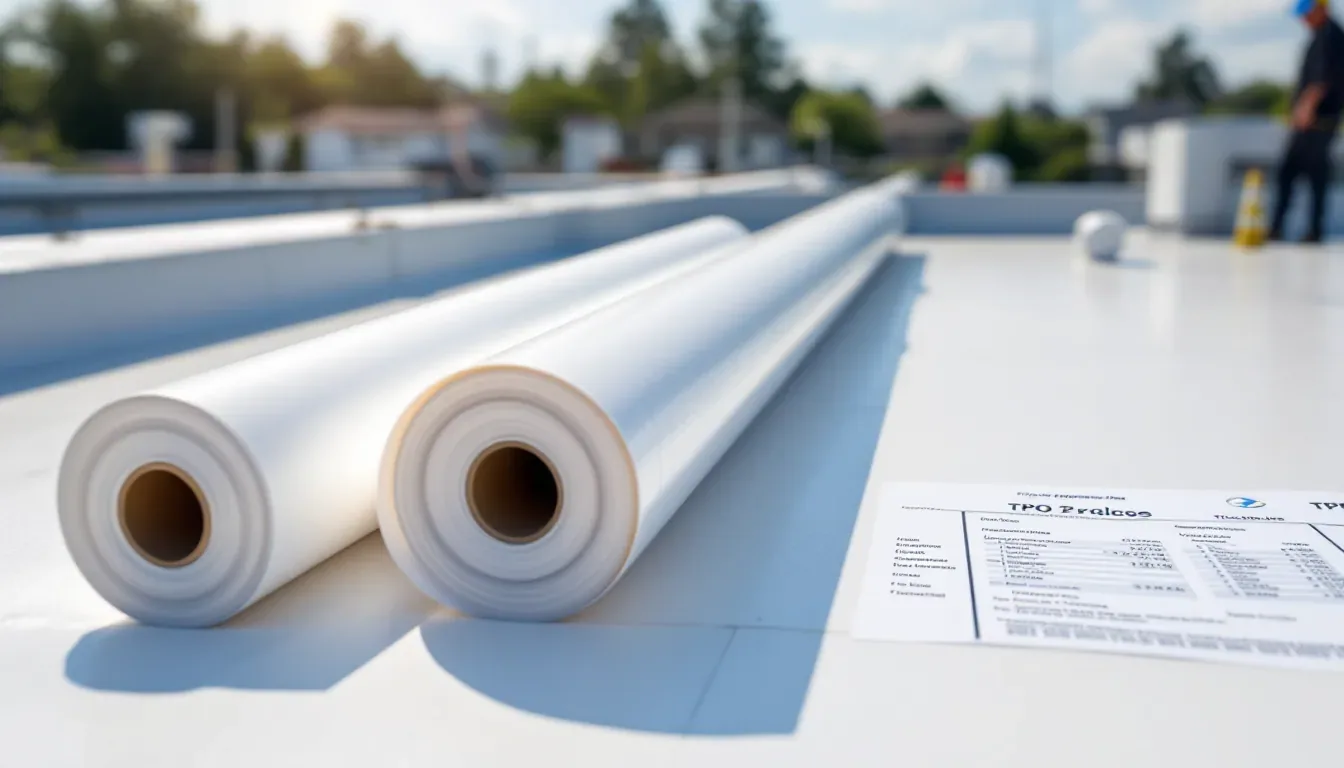
UltraPly TPO is a reinforced thermoplastic membrane family from Holcim Elevate. UltraPly TPO systems use heat-welded seams and come in multiple configurations. Those details matter in a repair: the installed sheet, attachment layout, insulation, cover board, and edge securement have to be understood together. If closeout records name a different product than the roof markings, we document the conflict rather than selecting a method from the label alone.
Some UltraPly products use fleece backing or factory-applied adhesive, while others are installed with a different attachment method. The choice changes how the field is secured and how a repair reaches the perimeter, curb, or wall. A Versico TPO membrane or GAF single-ply roof may use similar categories, but components, product data, and system details remain manufacturer-specific. We match the repair to the roof that is actually installed.
Trace Entry Beyond the First Stain
Water can travel below a TPO sheet or along a deck before it appears inside. We mark the affected room, look above that location, and follow the likely path through drains, laps, rooftop curbs, and wall transitions. The nearest seam is not automatically the water entry point. If insulation may be wet below an intact membrane, a controlled opening can establish the condition and keep a localized repair from becoming a guess.
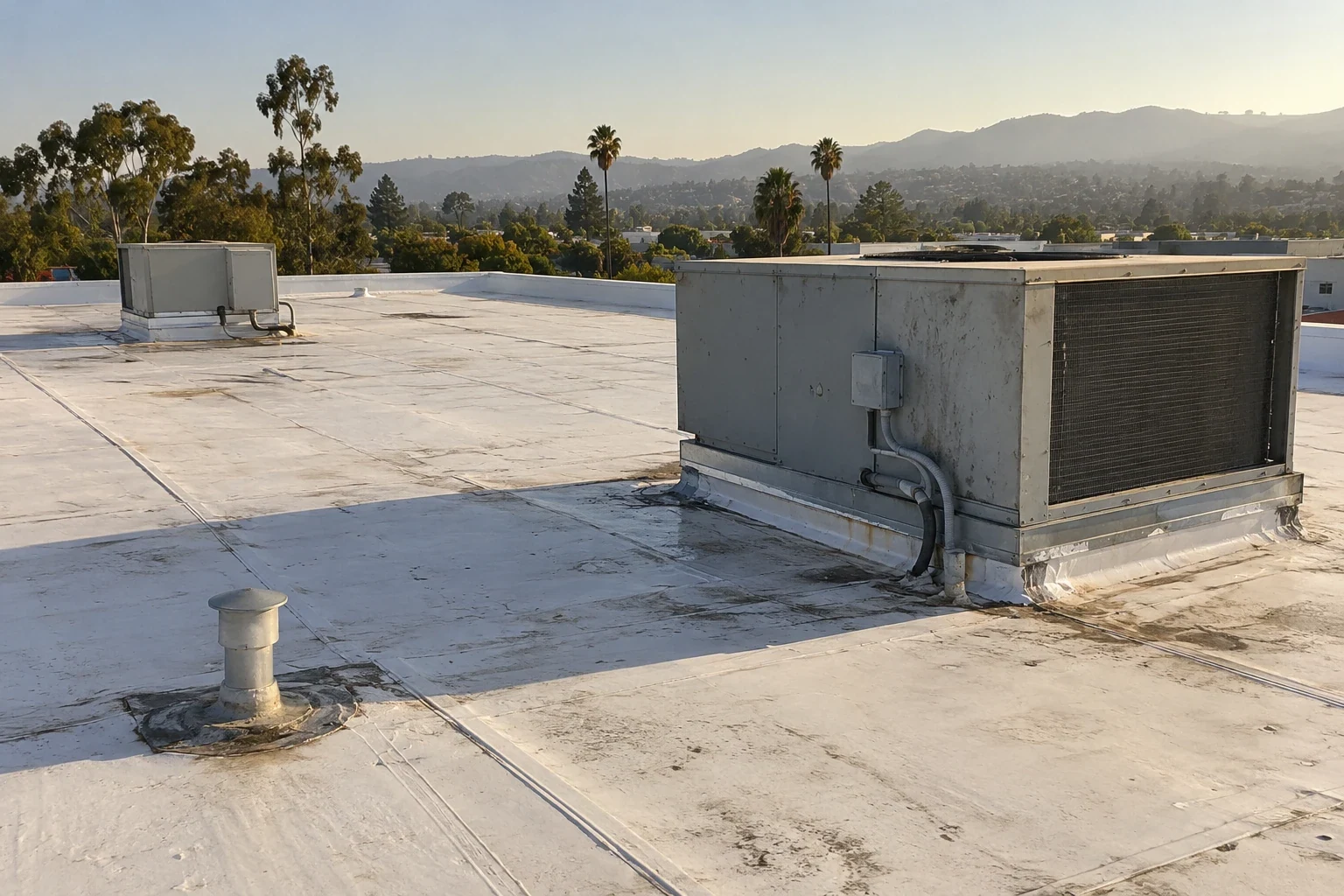
At a pipe boot, we inspect the membrane-to-flashing weld, the boot’s fit around the pipe, and any exposed sealant or clamp. Movement from piping or maintenance can stress the detail, so a patch needs to reach stable material and be sealed with compatible components. We photograph each edge before repair and record any access limitation that prevented inspection of the reverse side or substrate.
Our commercial roof inspection records possible entry points and inspection limits. Where the question is moisture below the surface, an infrared survey can identify areas for closer testing, but the result must be read with the assembly and weather conditions in view. We explain whether a test opening or follow-up observation is needed before recommending removal.
Treat the Perimeter as Part of the Roof
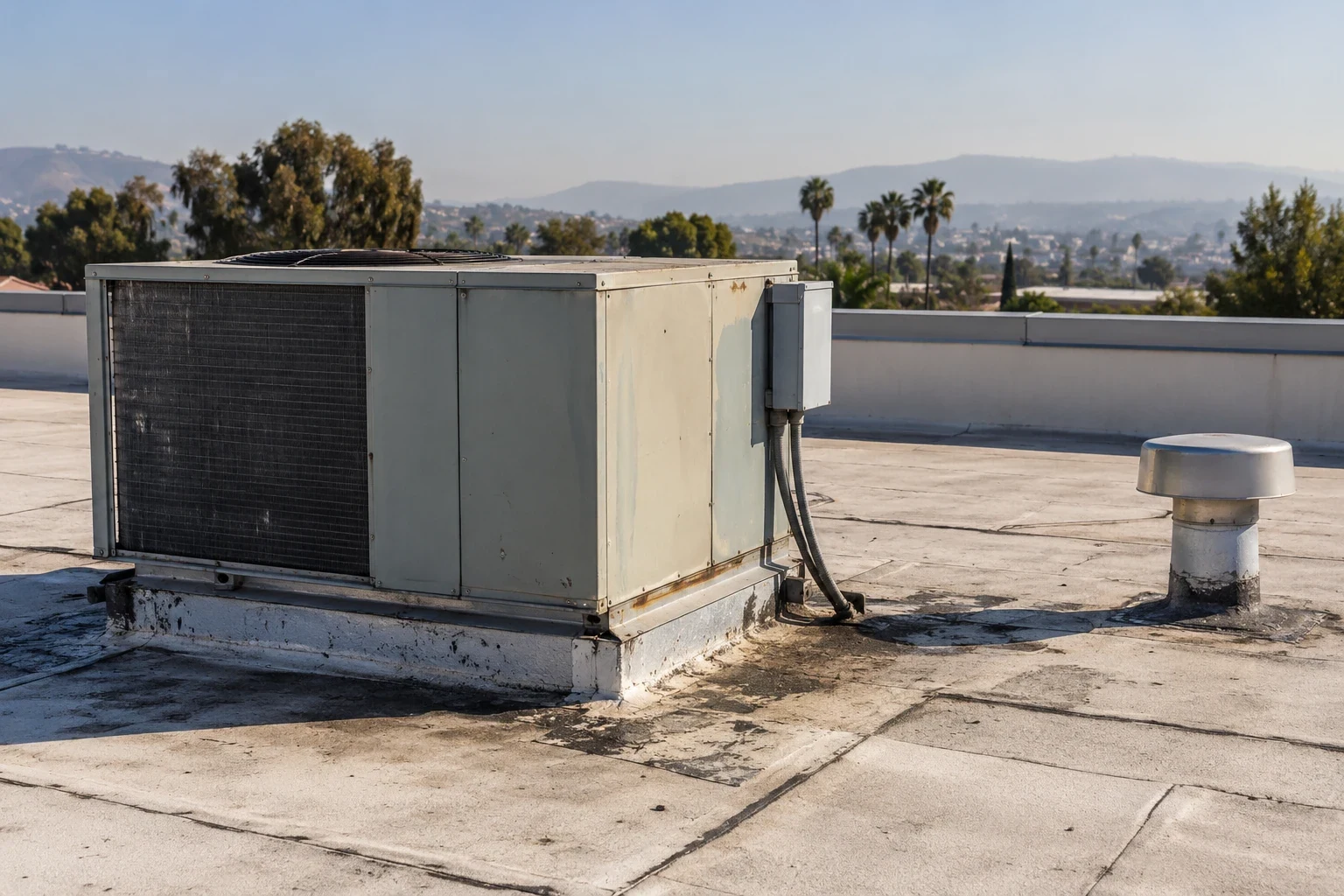
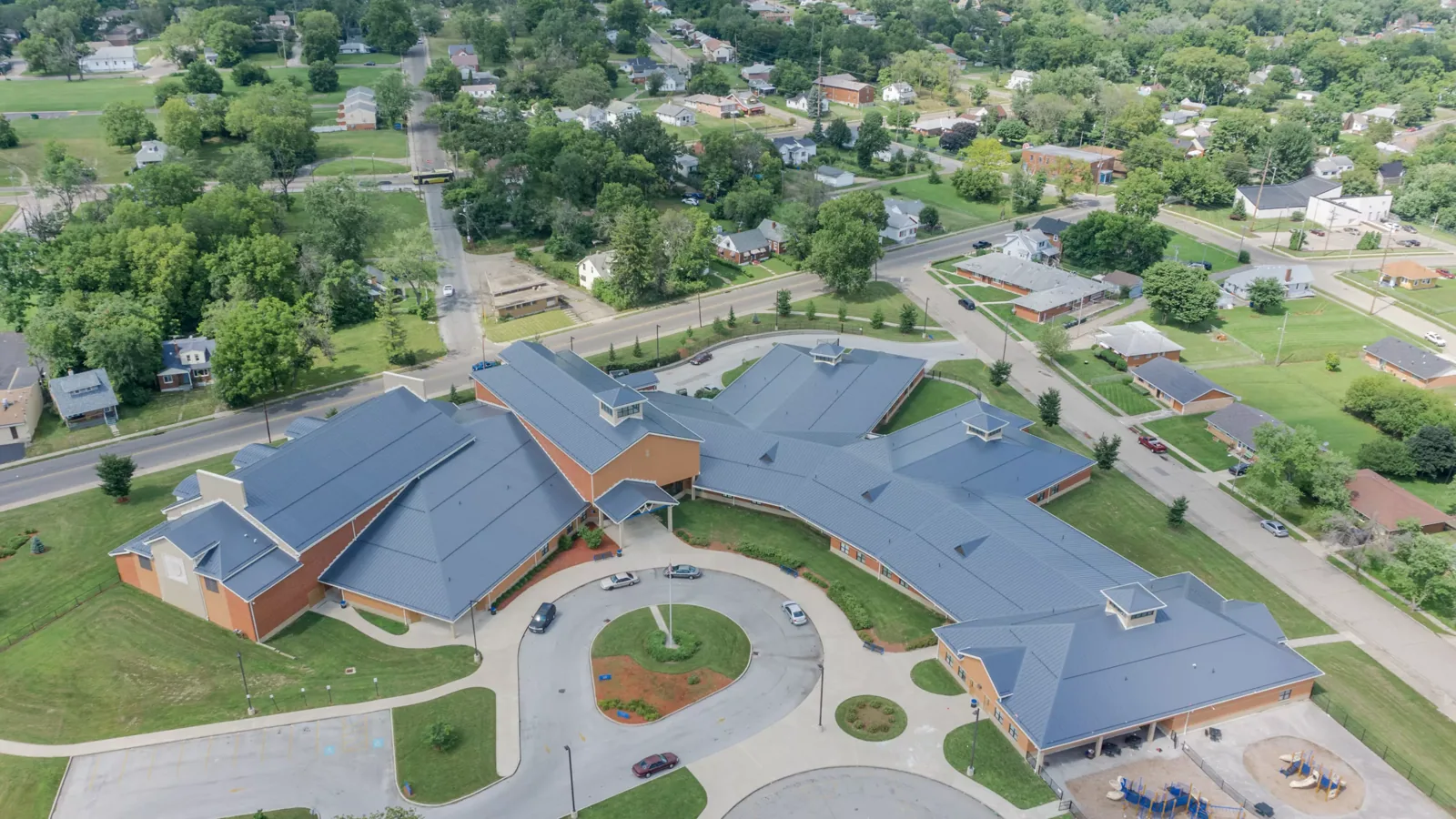
A field membrane can remain intact while the edge begins to pull away. We inspect perimeter fastening, metal cleats, coping, corners, and transitions where the roof meets a wall. At a curb, the membrane needs a clean, supported tie-in; at a parapet, the termination must stay secure as the assembly moves. We list loose metal and membrane separation as distinct conditions so one repair does not conceal another.
Chula Vista’s eastern employment areas include Otay Ranch and Eastlake, while western corridors support retail and service activity. Millenia is a planned eastern area. We confirm each property’s roof assembly, equipment restrictions and work window with the facility contact before setting the repair boundary.
Drainage and edge details also need to work together. A low point that holds water may keep a seam wet, while a blocked outlet can raise water against a flashing transition. We check the drain bowl and overflow, confirm where water is meant to leave the roof, and distinguish maintenance debris from a slope or deck issue. The resulting plan identifies both the membrane work and any separate water-control correction.
Control the Open Area Each Shift
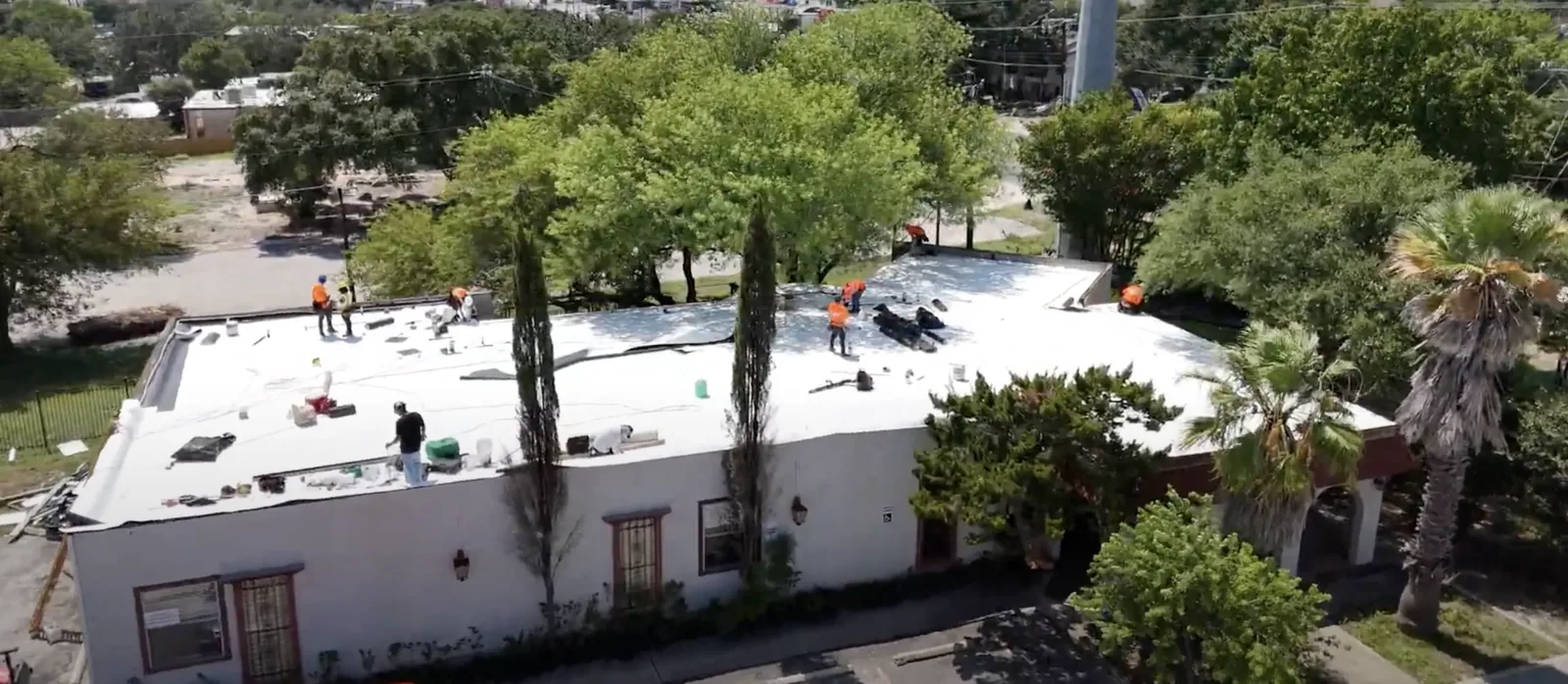
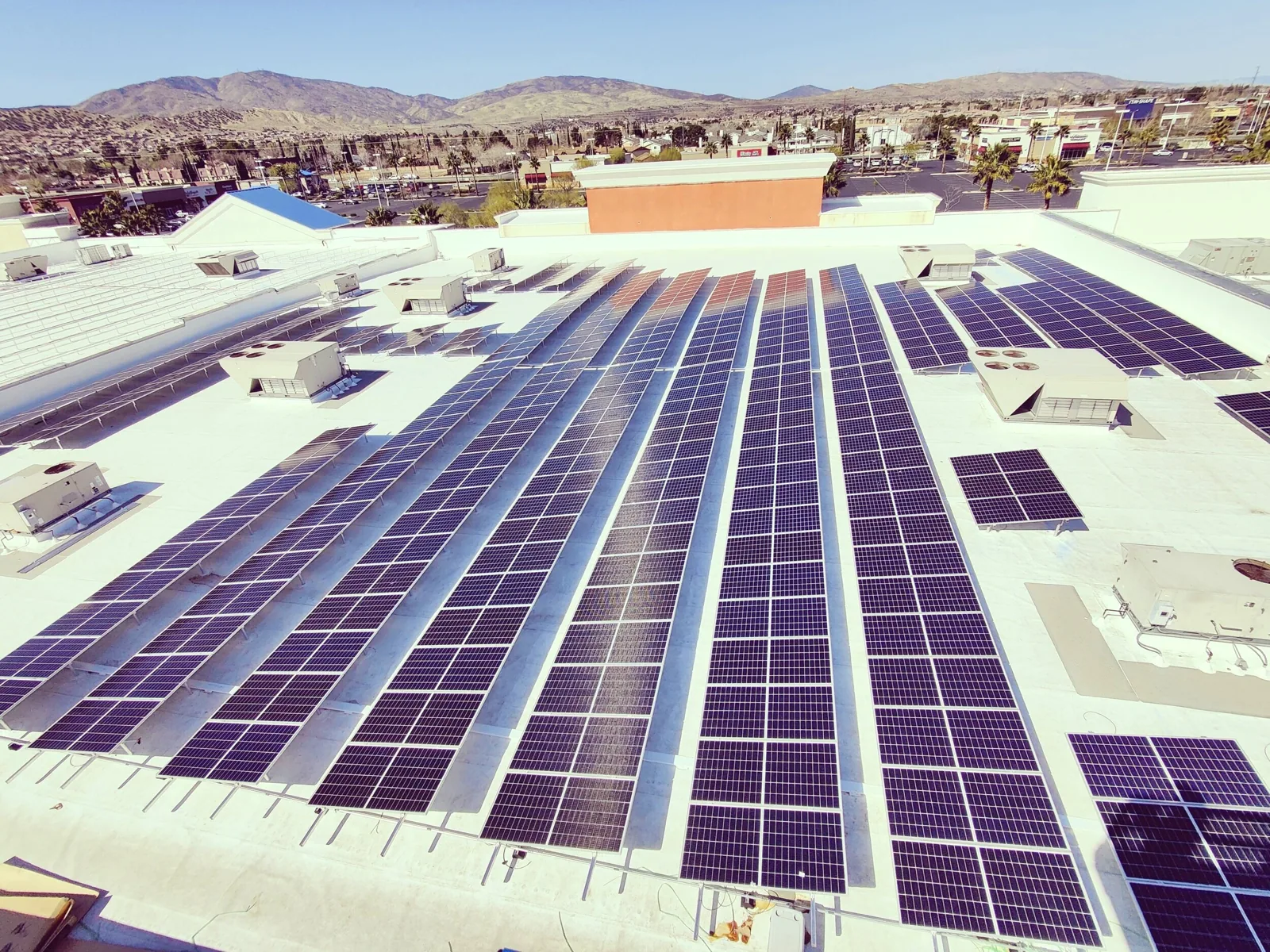
On a reroof, the crew needs a limit for removal and a clear point where new membrane is tied in before leaving the roof. We plan the open area around the forecast, roof access, material staging, and operations below. If a deck repair or wet layer changes the work, we document what was uncovered and review the added scope before extending removal. Each shift ends with the exposed assembly protected and the dry-in boundary recorded.
When a leak is active overnight, emergency service is available every day, including weekends and holidays. The first response may stabilize the affected roof zone and limit water entry. The permanent repair comes after we confirm membrane type, substrate condition, and the appropriate connection to sound material. Temporary protection is recorded separately so a later visit can see what remains to be done.
Occupied facilities may need clear notice before lifts, membrane rolls, or repair materials arrive. We confirm the path from staging to the roof, identify equipment that cannot be blocked, and agree on any tenant or receiving restrictions. For occupied-building reroofing, the scope states the order of roof zones and the area expected to remain weather-tight at each handoff.
Plan for Rain and the Actual Roof Surface
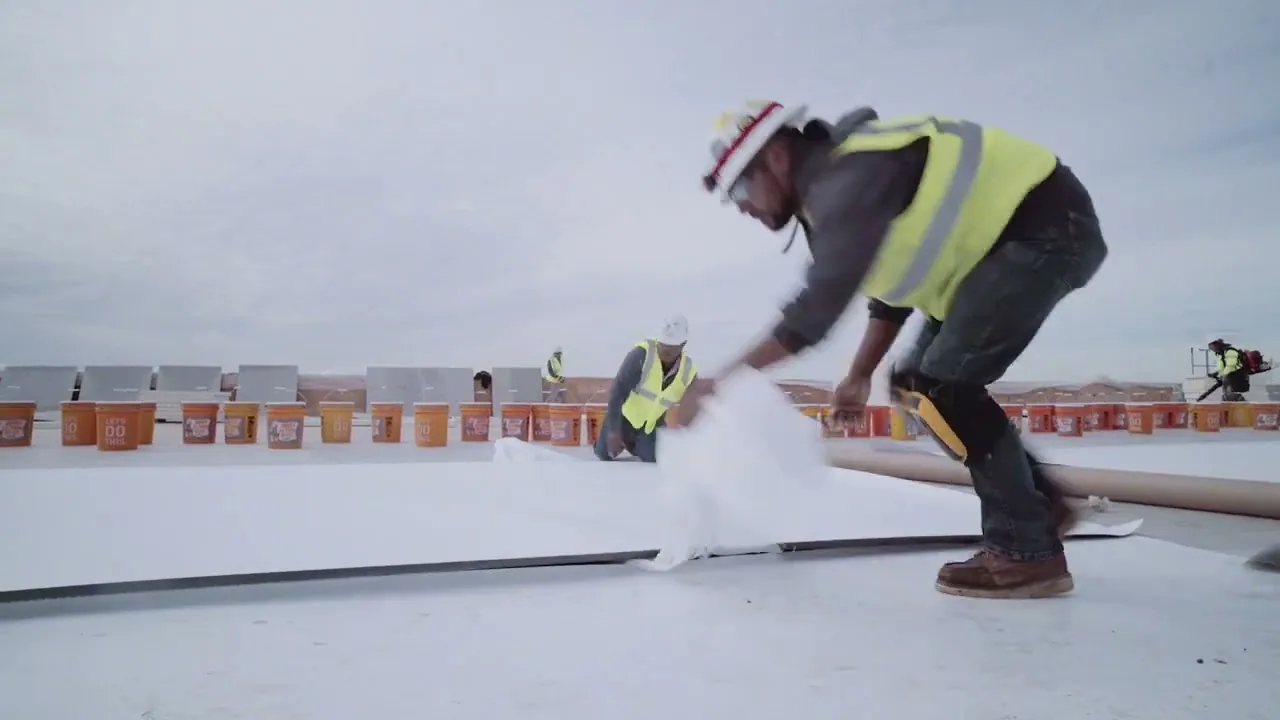
San Diego-area rain is concentrated in winter, although seasonal totals vary. Before a roof is opened, we use the live forecast, drainage condition, and repair method to set how much material can be removed during a shift. Hotter dry-wind periods can reach eastern communities in September and October. That pattern makes the actual roof-surface temperature worth checking before adhesive work, but the current conditions and manufacturer instructions decide whether a task can proceed.
H Street and Otay Valley connect commercial areas across Chula Vista, while Millenia is farther east. We confirm current traffic, loading time, roof entry and work access with each property contact, then inspect attachment at the roof before selecting a repair detail.
Decide What the Inspection Supports
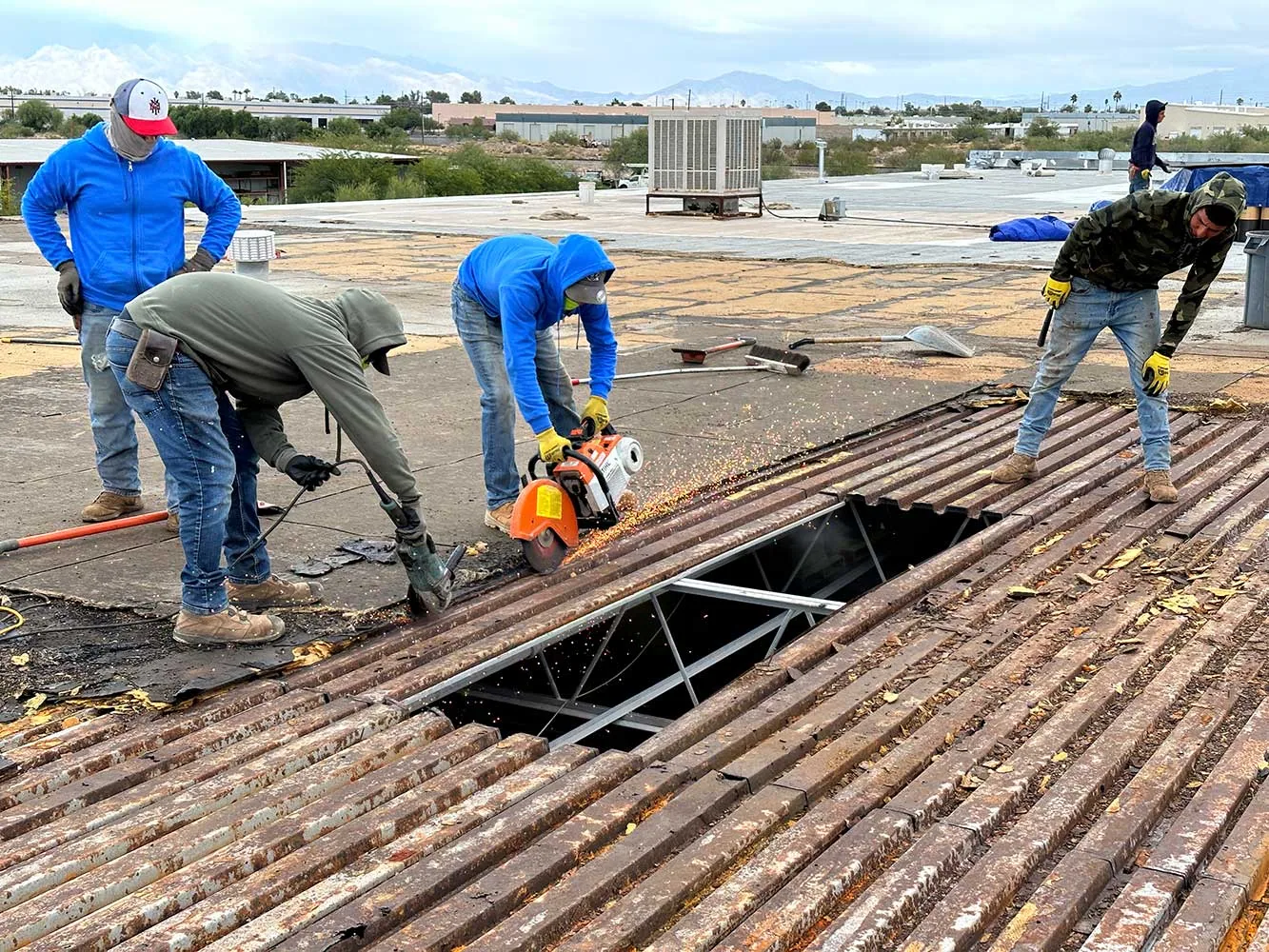
A limited boot or weld problem may be repaired where surrounding membrane is attached and dry. Repeated openings, wet insulation, or a weak deck can call for selective removal or replacement. A recover needs checks for moisture, existing layers, attachment, drainage, roof height, and compatibility. We explain the physical finding behind each option and state what the next test would resolve if the evidence is incomplete.
Price and duration respond to roof access, material handling, perimeter length, penetration count, removal depth, insulation, staging, and building use. We separate confirmed quantities from allowances that could change after an opening. A repair scope names the detail and tie-in; a replacement plan sets out layers, edge work, equipment coordination, and dry-in limits.
Share the UltraPly product data or past work records, roof plan, leak location, and access contact. We will inspect released areas, photograph the condition, and identify the next decision. For a property near Eastlake, include the hours when equipment areas or loading zones are available so the work can be sequenced without disrupting the facility’s regular route.